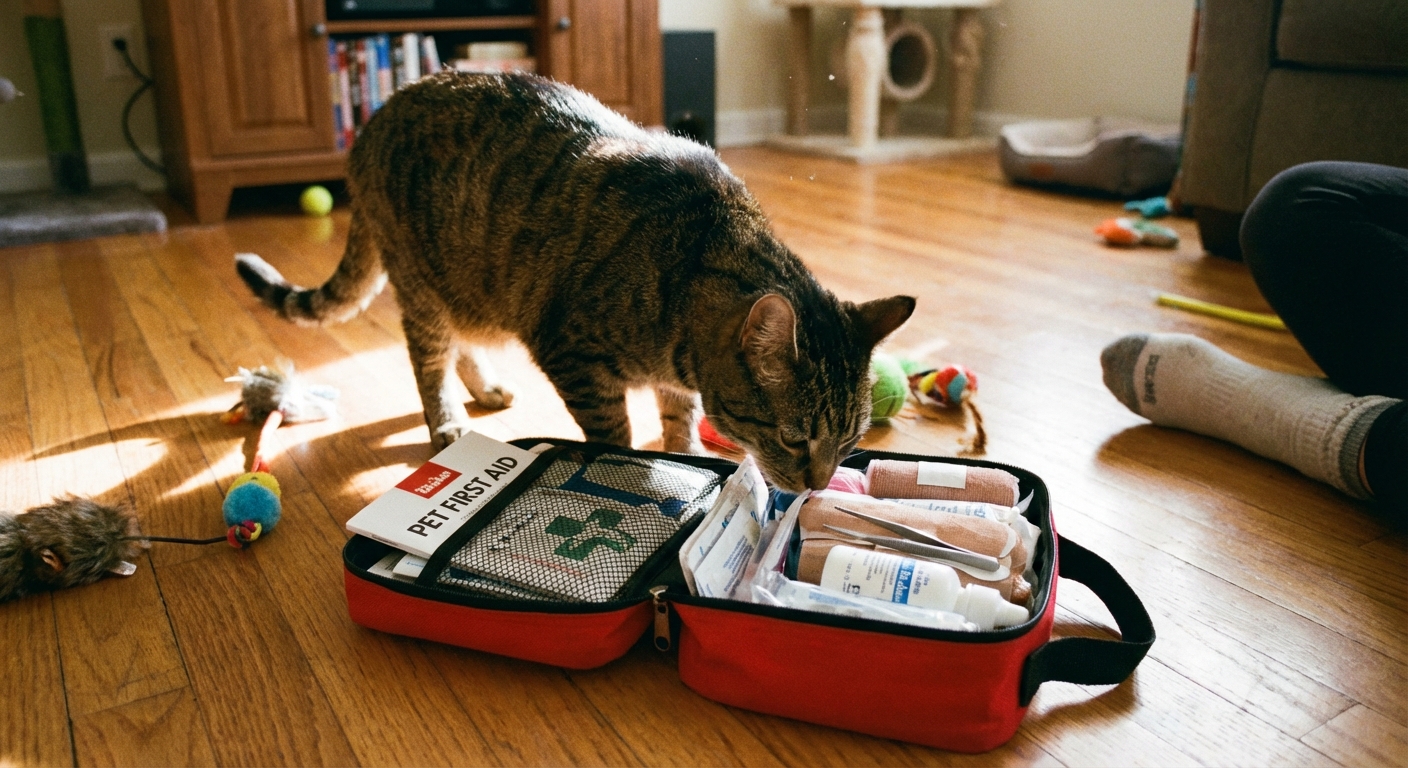
If your cat is stung by a wasp, swelling and pain are common—but breathing trouble, vomiting, hives, or rapid facial swelling can be an emergency. Learn wh...
Article
•
Designer Mixes
My Cat Got Stung by a Wasp

Shari Shidate
Designer Mixes contributor
If you are reading this with your cat nearby and you are feeling that spike of panic, take a breath. Many wasp stings in cats are painful but manageable at home, especially when it is a single sting and your cat is otherwise healthy. The key is knowing what to do right now, what not to do, and when a sting becomes an emergency.
As a veterinary assistant in Frisco, Texas, I have seen a lot of “my cat just got stung” moments. Calm, quick action helps your cat feel better faster and helps you spot the situations that need urgent care.
First: get safe
Before you focus on the sting, make sure you and your cat are out of danger. Cats can swat at wasps and get stung multiple times, and people often get stung while trying to help.
- Move your cat indoors or into a closed room.
- Do not let your cat keep hunting the insect.
- If a wasp is still in the room, contain your cat elsewhere first.
Extra caution: If your cat has a history of allergic reactions, is a kitten or senior, or has asthma or heart disease, treat any sting more cautiously and call your vet sooner.
Was it a wasp sting?
You might not see the insect, but these clues make a sting more likely:
- Sudden yelp, jump, or frantic pawing at one spot
- Rapid licking at a paw or rubbing the face on the floor
- A small raised bump, redness, or warm swelling
- One paw suddenly “not being used” normally
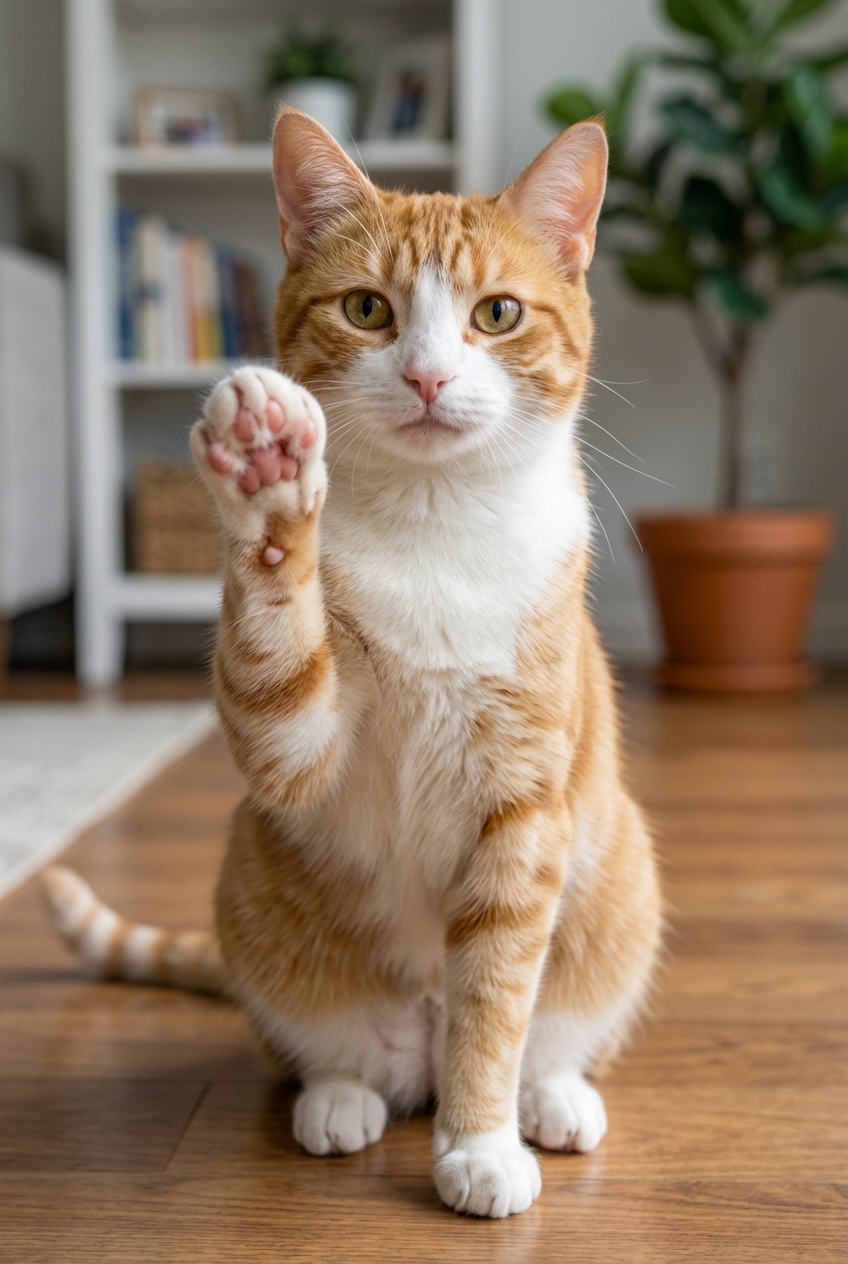
Common sting locations: paws, muzzle, lips, eyelids, and sometimes the tongue (if they snapped at the wasp).
Worth knowing: limping and swelling can also come from a thorn, splinter, or other foreign body. If you cannot find a sting site or the pain seems out of proportion, your vet should take a look.
What to do now
1) Check the face and mouth
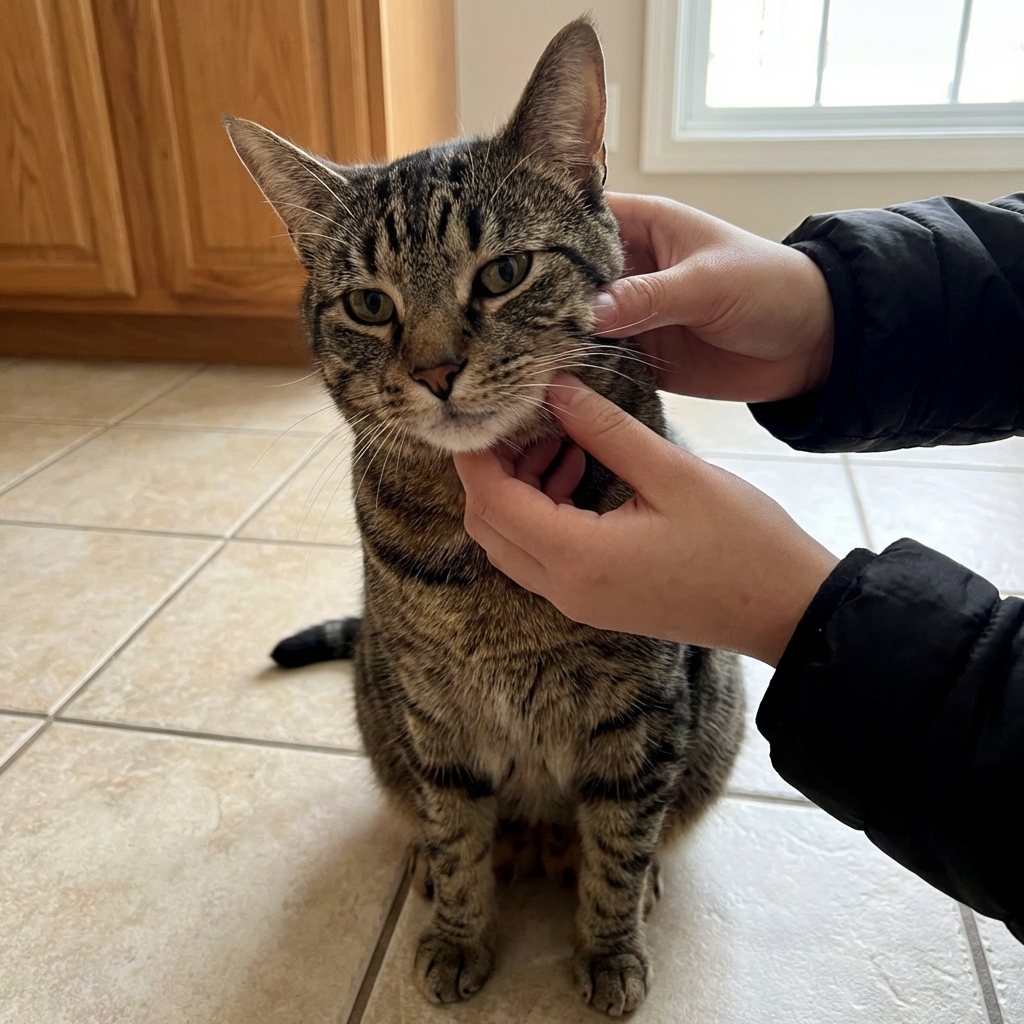
If your cat was snapping at a wasp, look for drooling, pawing at the mouth, or swelling around the lips. Mouth and throat swelling can become serious faster than a paw sting.
Safety tip: If your cat is painful and reactive, do not force a mouth exam. It is okay to stop and call your vet.
2) Look for a stinger, gently
Wasps and hornets usually do not leave a stinger behind the way honeybees often do. If you see a tiny dark, splinter-like piece in the skin, do not dig around for it. It could be a stinger, but it could also be a foreign body.
- If you can see it clearly: use a credit card edge or your fingernail to gently scrape it out.
- If you use tweezers: be gentle and avoid pinching any attached venom sac (more relevant with bee stingers). The biggest risk is crushing tissue, increasing irritation, and delaying real care.
- If you are unsure or your cat is fighting you: stop and call your vet.
3) Cool compress
Wrap an ice pack or a bag of frozen peas in a thin towel.
- Apply for 5 to 10 minutes.
- Repeat every few hours on day 1 as tolerated.
- If your cat will not allow it, do not wrestle. Stress and scratches are not worth it.
4) Stop licking
Licking can irritate the area and increase swelling. If your cat will not leave it alone, consider an e-collar or a soft recovery collar for a short period.
5) Keep things calm and watch
Set your cat up in a quiet room and check in periodically. If the sting was on a paw, limit jumping and rough play for the rest of the day.
Pain help: Your vet can recommend a cat-safe pain reliever if needed. Do not use over-the-counter human pain medications.
What not to do
- Do not give human pain meds (ibuprofen, naproxen, acetaminophen). These can be dangerous or even fatal to cats.
- Do not use essential oils on the skin. Many are toxic to cats and can worsen irritation.
- Do not apply baking soda, vinegar, or random “home remedies” unless your veterinarian specifically recommends it. Cats groom everything off their fur, which can create new problems.
- Do not try to “dig out” a stinger with a needle or by squeezing the area. Tissue trauma is common and you may be dealing with a splinter instead.
When it is an emergency
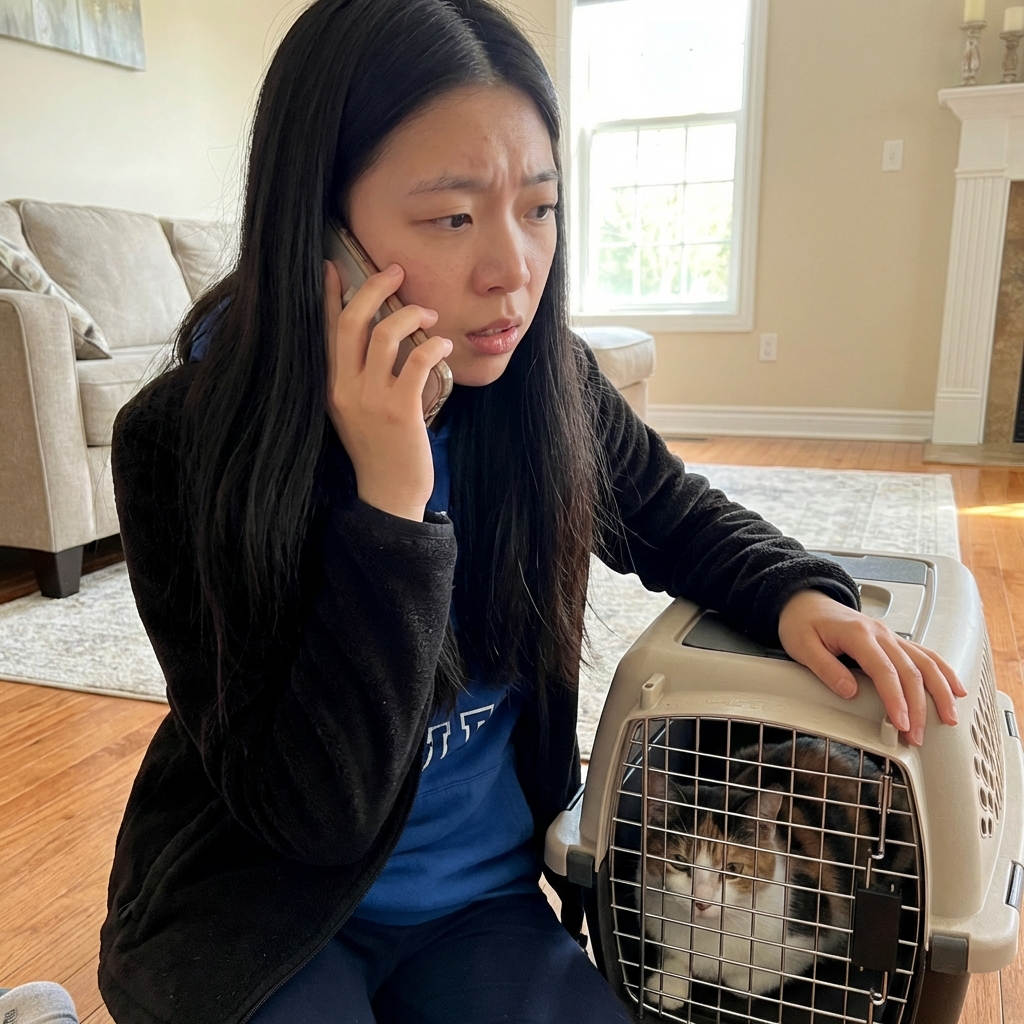
Most cats do fine with mild swelling, but you should treat the following as urgent. If any of these happen, contact an emergency clinic right away.
Emergency signs
- Difficulty breathing, open-mouth breathing, noisy breathing, or rapid breathing
- Swelling of the face, lips, tongue, or throat
- Hives (raised bumps), intense whole-body itchiness, or sudden widespread redness
- Repeated vomiting, diarrhea, or drooling that does not settle
- Weakness, wobbliness, collapse, or pale gums
- Multiple stings (especially in small cats or kittens)
- Sting inside the mouth or suspected throat sting
Call a vet urgently (same day)
- Swelling near or in the eye (including eyelids), squinting, or eye discharge
- Rapidly enlarging swelling or severe pain
- You cannot locate the sting site, but your cat keeps limping, licking, or acting painful
- Swelling worsens after 24 hours or is not improving by about 48 hours
If your cat’s breathing looks unusual (open-mouth breathing, increased effort, or noisy breaths), that is not a watch-and-wait situation. Cats hide distress, and breathing changes are one of the clearest red flags.
What is normal after?
These signs are common with a mild, localized reaction:
- A small bump or swelling at the sting site
- Redness and tenderness
- Limping if stung on the paw
- Mild sleepiness from the stress and pain
Typical timeline: swelling often peaks within the first several hours, then gradually improves over 1 to 2 days. Some tenderness can last a bit longer. If your cat is getting worse instead of better, call your vet.
Benadryl for cats?
This is one of the most common questions, and I am glad you asked it. Do not give diphenhydramine (Benadryl) unless your veterinarian tells you the exact dose for your cat and confirms it is appropriate.
Cats are sensitive to medications and dosing depends on your cat’s weight, health history, and what other meds they take. Sedation can also mask worsening symptoms.
Important: Some “Benadryl” products contain extra ingredients (like decongestants). Some liquid formulas may include sweeteners or alcohols that are unsafe for pets. This is another reason to ask your vet before giving anything.
If your cat has facial swelling, hives, or seems very uncomfortable, call your vet or an emergency clinic and ask about safe next steps.
Higher-risk cats
- Kittens: smaller bodies can react more dramatically. I recommend calling your vet for guidance even with a single sting.
- Senior cats: monitor closely for appetite changes, dehydration, and any breathing change.
- Cats with asthma or heart disease: err on the side of caution. A sting that causes stress or airway irritation can be more risky.
- Cats with a prior allergic reaction: treat any new sting as higher risk and call your vet promptly.
Comfort care at home
Once you have handled the immediate steps and you are not seeing emergency signs, these comfort measures can help:
- Quiet room: dim lights, reduce noise, and keep other pets away.
- Fresh water nearby: hydration supports recovery.
- Food encouragement: offer their usual meal. If they are reluctant, a small amount of smelly wet food can help. If appetite is poor for more than 24 hours, call your vet.
- Gentle check-ins: look at the sting area every few hours to ensure swelling is not rapidly progressing.
Prevent future stings
Cats are curious and wasps are bold, especially around food and water sources.
- Inspect patios and eaves for nests, especially in warm months.
- Keep trash and sweet drinks covered outdoors.
- Use caution with bug sprays and avoid using them where your cat can lick residue.
- Consider supervised outdoor time or a secure catio if your cat is a dedicated insect hunter.
Quick checklist
- Move cat to a safe indoor space
- Check for mouth involvement and multiple stings
- Cool compress 5 to 10 minutes
- Prevent licking if needed
- Watch for emergency signs: breathing changes, facial or throat swelling, repeated vomiting, weakness
- Call your vet for dosing advice before giving any medication
- Call your vet if swelling worsens after 24 hours or is not improving by 48 hours