Scottish Folds are sweet, calm companions—but the folded ears are linked to osteochondrodysplasia and lifelong joint pain. Learn signs to watch for, vet ca...
Article
•
Designer Mixes
Munchkin Cat: Short Legs, Big Personality, and Health Risks

Shari Shidate
Designer Mixes contributor
Munchkin cats are instantly recognizable for one feature: their short legs. For some people, that look is irresistible. For others, it raises a big ethical question: should we intentionally breed cats for a skeletal trait associated with potential medical risks?
As a veterinary assistant, I try to hold two truths at once. Many Munchkins are bright, playful companions who live happy lives. But the short-legged trait is tied to a genetic mutation, and it is important to understand what that can mean for health, mobility, and daily care before you bring one home.
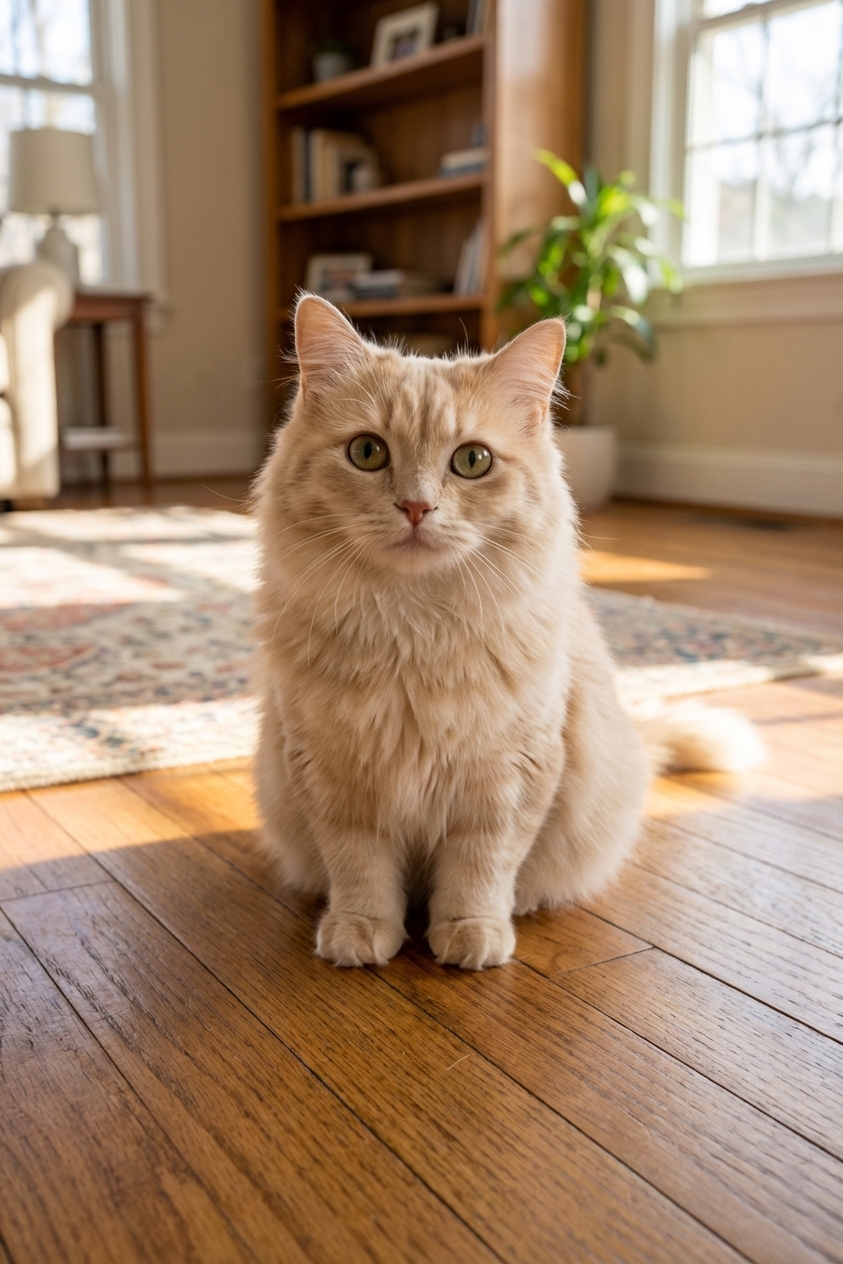
What is a Munchkin cat?
A Munchkin is a domestic cat with shortened limbs caused by a form of dwarfism (chondrodysplasia). Their body size can vary, and their coat can be short or long, in many colors and patterns.
Where the breed came from
Modern Munchkins trace back to short-legged cats documented in Louisiana in the 1980s. From there, breeders intentionally developed lines to reliably produce the short-legged look.
The short legs are the hallmark, but they are not the whole story. Munchkins are often described as social, people-oriented, and very engaged with their environment. Many owners say they keep a kitten-like playfulness well into adulthood.
How the short legs happen
The Munchkin’s limb length comes from a genetic mutation that affects bone growth in the legs. It is commonly described as an autosomal dominant trait. One important breeding detail that is frequently discussed in veterinary genetics circles is that embryos that inherit two copies of the mutation (homozygous) are generally considered non-viable. Practical takeaway: ethical breeding programs typically avoid breeding two short-legged Munchkins together.
Personality
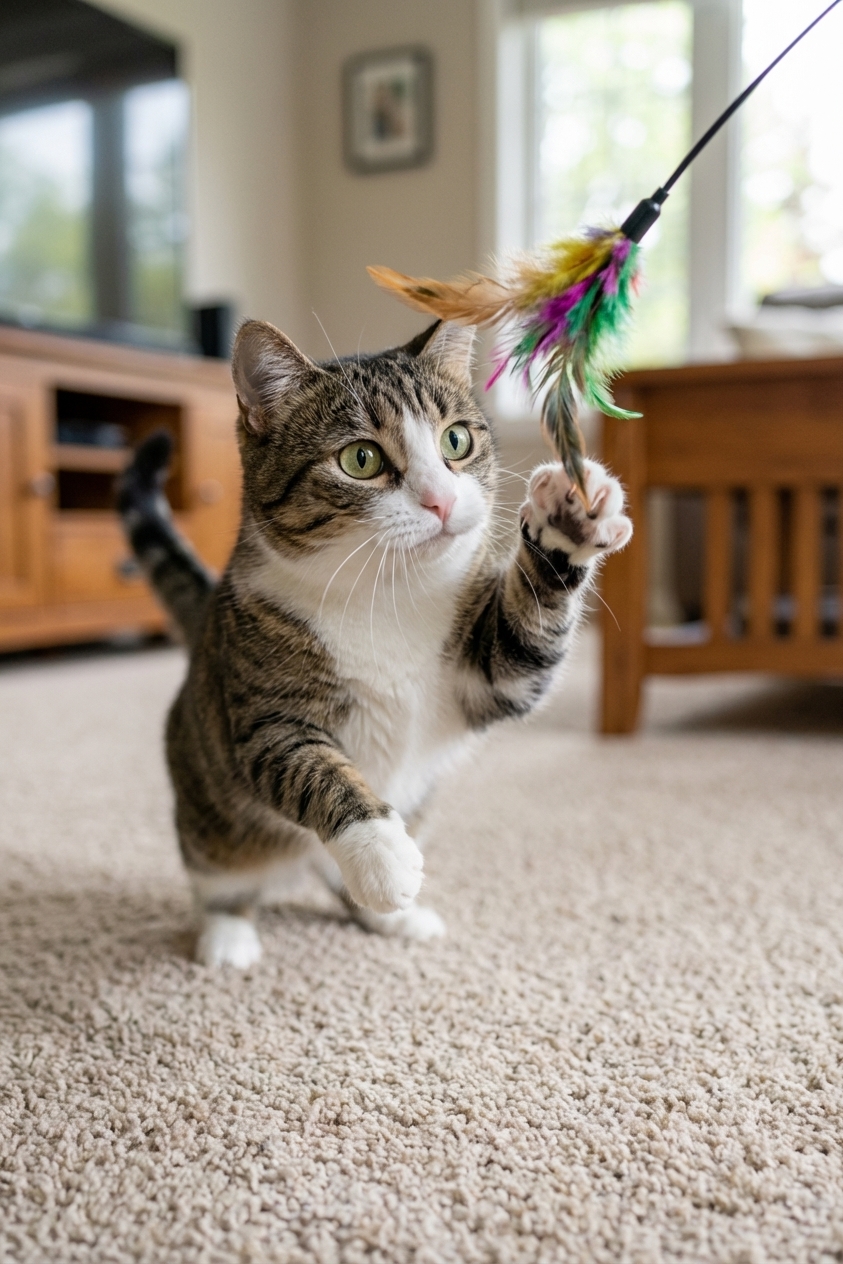
If you want an interactive cat, Munchkins often deliver. Many enjoy following their people from room to room, greeting visitors, and playing with toys well past the “kitten stage.”
- Playful and curious: Many love wand toys, puzzle feeders, and chasing games.
- Social: They often do well in homes where someone is around often, or where they have a friendly animal companion.
- Adaptable: Many adjust well to apartment living, as long as they get daily enrichment.
That said, personality varies more by individual cat, early socialization, and environment than by breed label alone. When possible, meet the kitten’s parents or spend time with the breeder or rescue to gauge temperament.
The controversy
Munchkins are one of those breeds that can spark a strong reaction. Some cat registries and welfare advocates raise concerns that selecting for shortened limbs may increase the likelihood of orthopedic problems or limit normal feline behaviors.
It also matters to know that registry acceptance is not universal. For example, TICA (The International Cat Association) recognizes the Munchkin, while CFA (Cat Fanciers’ Association) and the GCCF (Governing Council of the Cat Fancy) do not, citing structural and welfare concerns.
Supporters argue that many Munchkins live normal, comfortable lives and that responsible breeders can prioritize health, structure, and temperament.
My evidence-based take: the ethical issue is not about whether Munchkins can be beloved pets. They absolutely can. The question is whether the breeding goal itself increases risk enough that we should be cautious, selective, and very honest about potential downsides.
Health risks
Not every Munchkin will develop serious health issues, but there are specific conditions prospective owners should understand. Early recognition matters, because cats often hide discomfort until it is hard to miss.
A needed nuance: lordosis and pectus excavatum have been reported in Munchkins, but true breed-level rates are not well established across all populations. Risk can vary by line and breeding practices.
Lordosis
Lordosis is an excessive inward curve of the spine. In more significant cases, it can affect posture and mobility, and in rare severe cases it may impact the space available for organs in the chest and abdomen.
What you might notice at home:
- A pronounced swayback appearance
- Reluctance to jump or play
- Stiffness, abnormal gait, or fatigue with activity
Pectus excavatum
Pectus excavatum is a chest wall deformity where the breastbone appears sunken. Severity varies. Mild cases may cause few issues, while more significant cases can be associated with exercise intolerance or breathing difficulty.
What you might notice at home:
- A visible dip in the chest
- Fast breathing, low stamina, or open-mouth breathing
- Less interest in play compared to other kittens
Safety note: open-mouth breathing, persistent rapid breathing at rest, blue-tinged gums, or collapse are emergencies. Seek urgent veterinary care immediately.
Mobility strain
Short legs can change how a cat moves, lands, and uses furniture. Some Munchkins do fine, but depending on structure, lifestyle, and body condition, they may be at increased risk of:
- Joint stress over time, especially with excess weight
- Reduced jumping ability compared with longer-legged cats
- Back discomfort if they repeatedly drop from heights they cannot safely manage
Important note: You may see online debates about Munchkins and intervertebral disc disease (IVDD), which is well-known in short-legged dog breeds. Cats can have IVDD too, but it is generally considered less common than in chondrodystrophic dogs, and data specifically in Munchkins is limited. The practical takeaway is still the same: protect the spine and joints by keeping your cat lean and setting up a home that supports safer movement.
Common cat issues still apply
Munchkins can also develop the same common problems as other cats, including dental disease, obesity, urinary issues, allergies, and heart disease. This is why choosing a reputable source and doing preventative care matters just as much as focusing on the legs.
Mobility at home
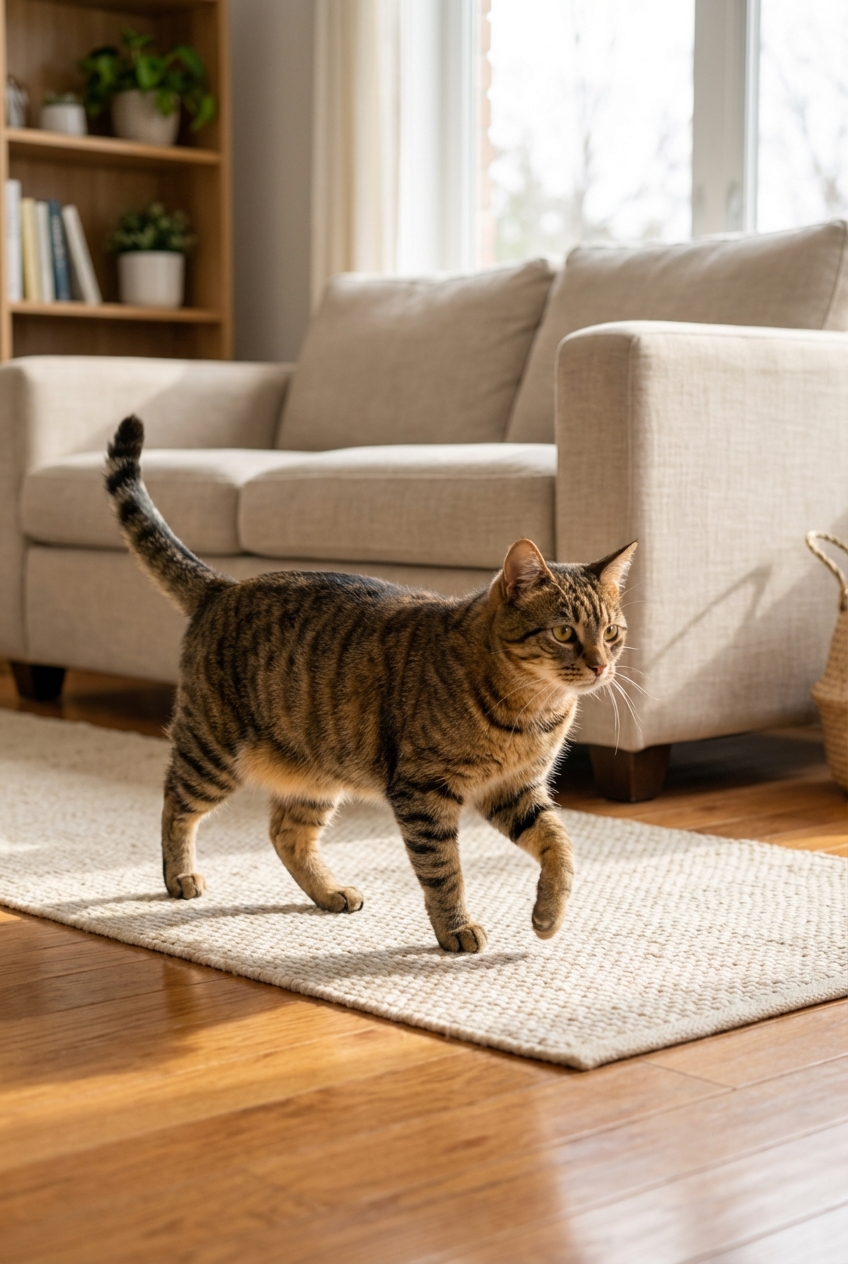
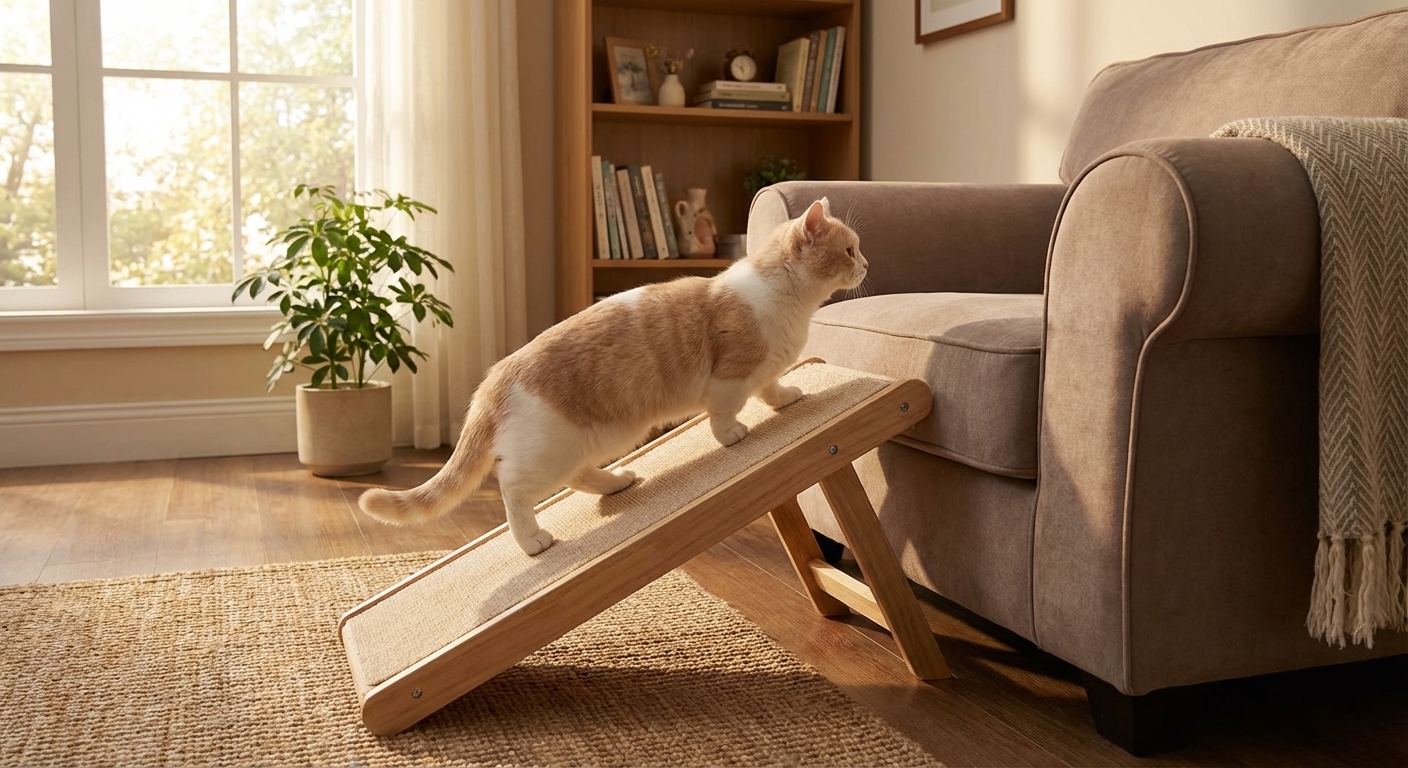
Munchkins are often determined little athletes, but they may need a different “layout” than a cat who can effortlessly leap onto a tall dresser. Think less vertical cliff and more gentle climbing routes, like a low, multi-step cat tree instead of a single tall tower.
Home setup tips
- Use pet stairs or ramps to beds and couches to reduce repeated jumping impact.
- Choose cat trees with lower platforms and wider steps, ideally with good traction.
- Add non-slip rugs on slick floors to prevent sliding and awkward landings.
- Keep litter boxes easy to enter with a low front opening, especially for seniors.
- Make favorite perches accessible by placing an ottoman or small bench as a “step.”
Daily care
Weight management matters
If there is one actionable step that protects a Munchkin’s comfort long-term, it is keeping them lean. Extra pounds add pressure to joints and can worsen mobility limitations.
- Measure meals instead of free-feeding.
- Use puzzle feeders to slow eating and add mental stimulation.
- Schedule regular weigh-ins at home or at your vet clinic.
Exercise and enrichment
Munchkins often love interactive play, and it is a great way to keep muscles strong without forcing high-impact jumps.
- Two to three short play sessions daily with wand toys or laser play (always end with a “catch” toy).
- Low-to-the-ground chase games and kicker toys.
- Food puzzles for indoor hunting behavior.
Grooming
Coat length varies. Longhaired Munchkins typically need more frequent brushing to prevent mats. Nail trims matter too, since indoor cats may not wear nails down naturally, and good traction helps mobility.
Vet care
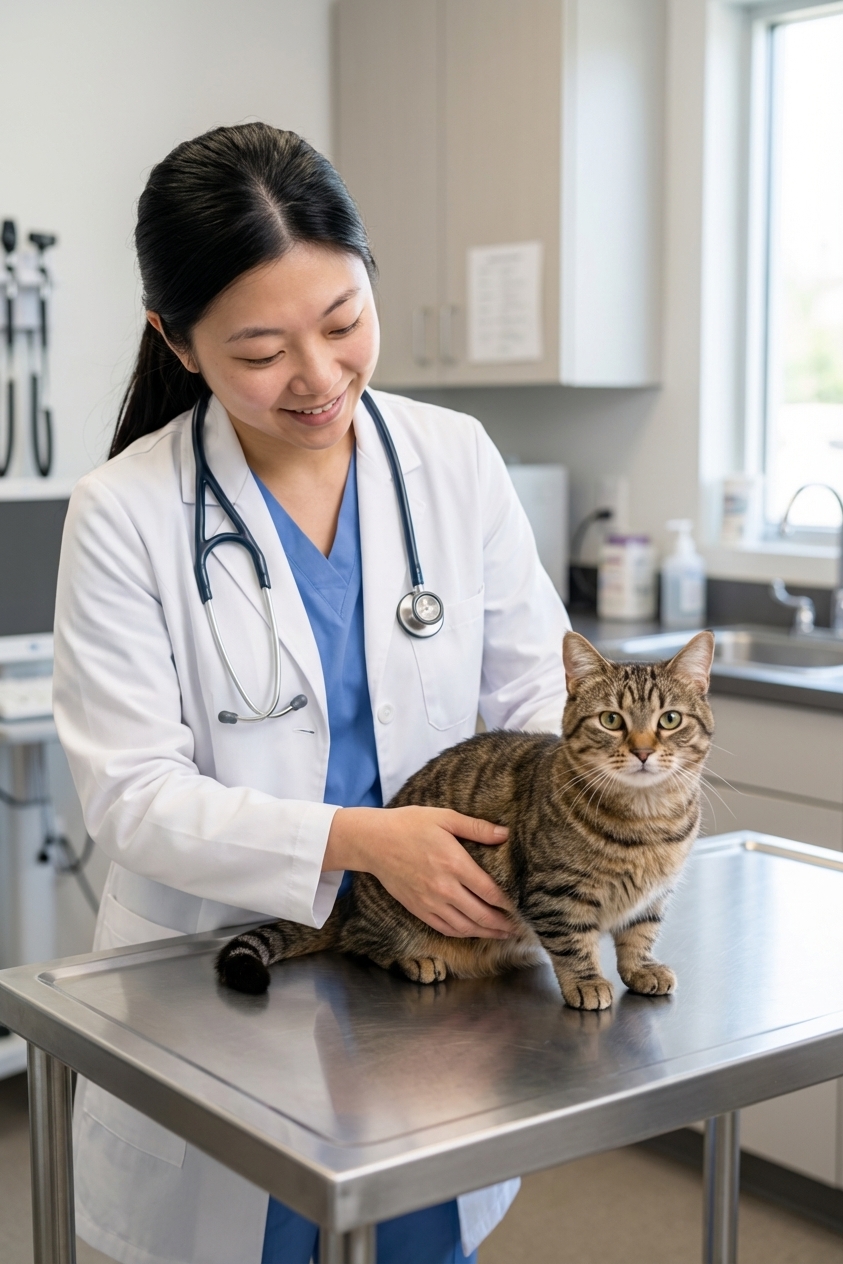
At routine visits, ask your veterinarian to pay extra attention to:
- Spinal alignment and posture
- Chest shape and breathing quality
- Gait and joint comfort
- Body condition score (not just weight)
If your cat shows signs of pain, reduced activity, or breathing changes, do not wait. Early evaluation can make a big difference in comfort and outcome.
Choosing responsibly
If you decide this breed is right for you, how you get your cat matters.
Green flags
- They welcome questions and do not minimize health concerns.
- They provide veterinary records, vaccination history, and a health guarantee where appropriate.
- They can discuss their breeding goals and how they screen for structural issues.
- Kittens are raised in a home environment with thoughtful socialization.
Breeding practices to look for
- They can clearly explain why they do not breed two short-legged cats together.
- They are transparent about outcrossing practices (often to domestic shorthair or longhair lines depending on registry rules) and what they are selecting for beyond “shorter legs.”
Questions to ask
- Have any cats in your lines been diagnosed with lordosis or pectus excavatum?
- What percentage of your kittens are evaluated by a vet before placement?
- Can I see the parents, and can you describe their mobility and activity level?
- What happens if my kitten is diagnosed with a serious congenital issue?
A gentle caution: Avoid sellers who market “extremely short legs” as the main selling point. In animal health, extremes are rarely your friend.
Pros and cons
Pros
- Affectionate, fun personalities are common.
- Great indoor companions with the right enrichment.
- Unique look that many people love.
Cons
- Breeding ethics that some owners find uncomfortable.
- Potential congenital issues including lordosis and pectus excavatum (reported, but population rates are not fully established).
- Home modifications may be needed to support safe movement and reduce impact.
- Weight control is especially important and can require more discipline.
Is a Munchkin right for you?
A Munchkin may be a good fit if you want a social, playful indoor cat and you are willing to set up your home for mobility, stay on top of weight management, and budget for veterinary care.
I usually suggest a simple gut-check question: Are you prepared to love the cat you have, even if they need extra medical support? If the answer is yes, and you choose a responsible source, you are in a much better position to give a Munchkin a comfortable, enriched life.
If you are considering a Munchkin kitten, schedule a new-pet exam quickly. A veterinarian can assess chest shape, posture, gait, and overall development early, which is exactly when you want to catch concerns.