Worried about mucus in your dog’s diarrhea? Learn common causes, urgent red flags, vet-approved at-home support (hydration, bland diet, probiotics) and str...
Article
•
Designer Mixes
Mucus in Dog Stool: Causes and Tips

Shari Shidate
Designer Mixes contributor
If you’ve ever scooped poop and noticed a slimy coating, jelly-like strands, or a clear to whitish film, you are seeing mucus. As a veterinary assistant in Frisco, Texas, I want you to know two things can be true at once: a tiny amount of mucus can be normal, and new or heavy mucus can be your dog’s early warning system that something in the gut is irritated.
This article will help you understand what mucus means, what causes it, what it can look like, and what you can do today to help your dog feel better. I will also point out when it is time to stop home care and call your vet.
What mucus is (and why dogs make it)
Mucus is produced by cells lining the intestines. Think of it as a protective gel that helps:
- Lubricate stool so it passes comfortably
- Protect the gut lining from irritation
- Support the gut’s barrier against germs and toxins
Small amounts may show up occasionally, especially if your dog had a little stress, a minor diet change, or a brief bout of soft stool. The concern rises when mucus becomes frequent, thick, or comes with other symptoms.
What mucus can look like
Mucus does not always look the same. These quick patterns can help you describe what you are seeing to your vet (but they are not a diagnosis on their own):
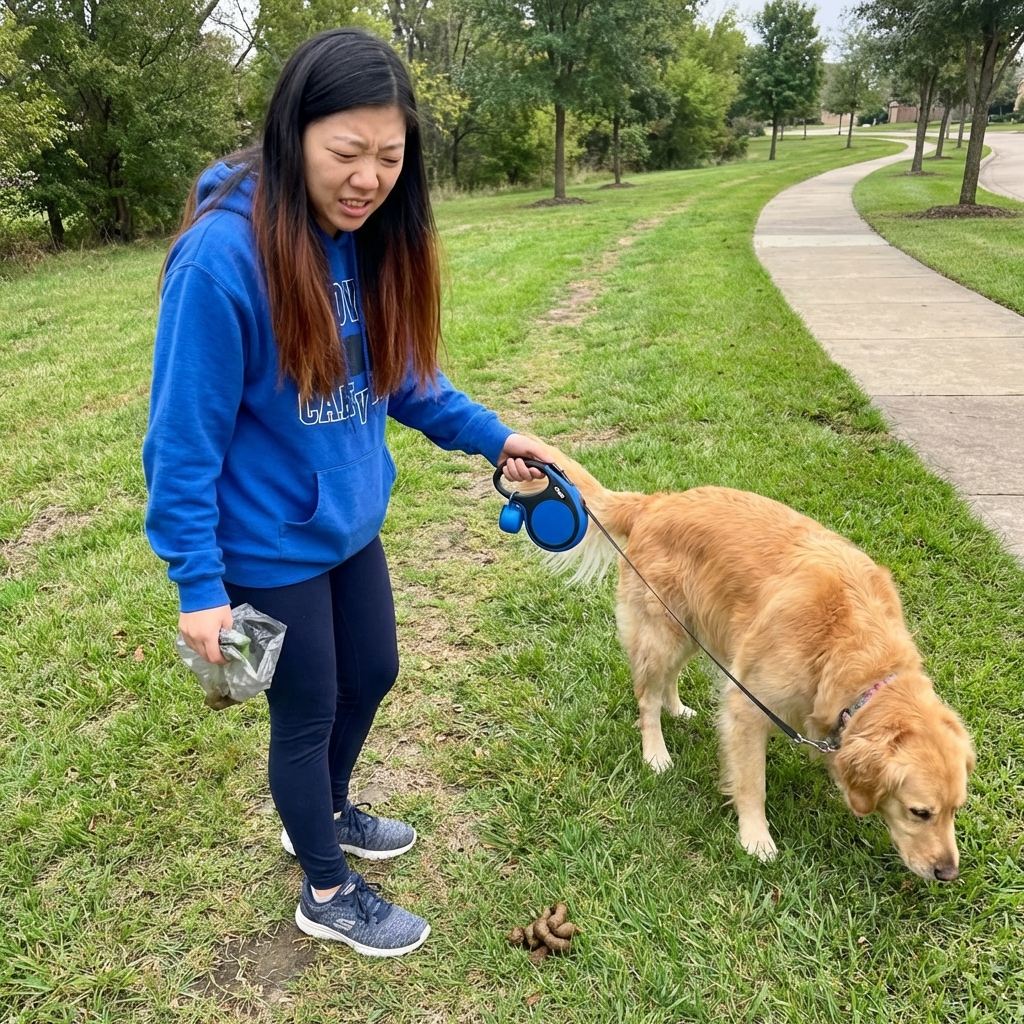
- Clear to white, jelly-like coating: often seen with colon irritation and mild colitis
- Clumps or ropes of mucus: can happen with colitis, stress, parasites, or a sudden diet change
- Mucus with bright red blood: commonly lower GI irritation from straining or colitis, but still worth prompt attention if it continues or increases
- Yellow or green-tinged mucus: can occur with inflammation or infection, and is a good reason to call your vet if it persists
- Greasy stool plus mucus: sometimes seen with diet-related upset or fat intolerance, and can also occur with other GI issues
What causes mucus in dog stool
Mucus often points to irritation in the large intestine (colon), especially when you also see urgency, frequent small stools, or straining. That said, mucus can also show up with rectal irritation, anal gland issues, some parasites and protozoa, and occasionally small-intestinal disease.
In general, acute mucus that starts suddenly is more likely to be stress, diet, or something your dog got into. Recurring mucus over weeks, or mucus paired with weight loss, poor appetite, or frequent vomiting, deserves a deeper vet workup.
1) Dietary indiscretion (aka “garbage gut”)
If your dog snuck table scraps, got into the trash, chewed a greasy treat, or ate something weird outside, the colon can respond with mucus, soft stool, and urgency. This is one of the top reasons for sudden mucus.
2) Diet change or food intolerance
A fast switch in food, too many new treats, or a sensitivity to an ingredient (commonly certain proteins, rich foods, or high-fat items) can inflame the gut. Some dogs get recurring mucus when the diet does not agree with them.
3) Stress colitis
Stress can show up in the gut. Boarding, travel, fireworks, visitors, schedule changes, and even a new pet can trigger stress-related colon inflammation. This often looks like frequent small stools, mucus, and sometimes a little bright red blood.
4) Parasites and protozoa
Intestinal parasites can irritate the gut lining, especially in puppies or dogs that visit dog parks frequently. Common culprits include:
- Giardia (often causes soft, foul-smelling stool and mucus)
- Whipworms (can cause chronic large-bowel signs and mucus)
- Hookworms and roundworms (more common in young dogs)
One important note: being on monthly preventives or having been dewormed does not fully rule out parasites. Fecal testing still matters when symptoms persist or keep coming back.
5) Infections and dysbiosis (microbiome imbalance)
Sometimes the gut’s normal bacteria get out of balance after stress, diet changes, illness, or antibiotics. This can contribute to mucus and ongoing GI upset. Certain infections can also cause colitis.
6) IBD or chronic colitis
If mucus is frequent, recurring, or paired with weight loss, vomiting, appetite changes, or chronic diarrhea, your vet may discuss IBD or other inflammatory conditions. These require a thoughtful plan, often including diet trials and targeted medications.
7) Acute hemorrhagic diarrhea syndrome (emergency)
If you see lots of blood (especially sudden, profuse bloody diarrhea), plus lethargy, vomiting, weakness, or collapse, this can be an emergency. People sometimes describe the stool as looking like “raspberry jam,” but the key point is the rapid onset and how sick your dog seems. Do not wait it out at home.
8) Foreign material, constipation, or straining
Straining can irritate the colon and rectum, leading to mucus. Constipation, swallowing foreign material (string, cloth, toy pieces), chewing bones, or an obstruction can all contribute. If your dog is repeatedly squatting with little production, it is time to call your vet.
9) Anal gland or rectal irritation
If your dog has mucus with otherwise fairly normal stool, scoots, licks the rear end, seems uncomfortable sitting, or strains at the end of a bowel movement, anal gland or rectal irritation can be part of the picture. Your vet can check this quickly and safely.
Helpful gut facts
- Mucus often points to the colon. Large-bowel issues commonly cause mucus, urgency, and frequent small stools.
- Small-bowel and large-bowel signs can overlap. Small-intestinal issues more often cause larger-volume diarrhea and can be associated with weight loss over time, but patterns vary. That is why the whole picture matters.
- Bright red blood plus mucus is often “lower GI.” It can look scary, but it commonly comes from irritated colon or rectal tissue. It still deserves attention, especially if it continues or increases.
- The gut is wired to the brain. Stress colitis is real, and some dogs flare up during travel, boarding, or household changes.
- Puppies can look fine and still have parasites. That is why fecal testing matters, even when energy and appetite seem normal.

What you can do at home
If your dog is bright, eating, drinking, and only has mild mucus or mild soft stool, these steps are often reasonable while you monitor closely for 48 to 72 hours.
Call your veterinarian first before trying home care if your dog is a puppy, a toy breed, a senior, pregnant, immune-compromised, or has chronic disease (especially pancreatitis, kidney disease, Addison’s disease, or diabetes). These pets can get into trouble faster, and fasting is not a safe DIY step for many of them.
1) Pause the extras
Stop all new treats, table scraps, chews, and rich foods for several days. Keep it simple.
2) Consider a bland, vet-approved short-term diet
Many vets recommend a short bland diet for mild GI upset. Common options include cooked lean protein and an easy carb. Ask your vet what is best for your dog, especially if your dog has pancreatitis history or food allergies.
3) Hydration check
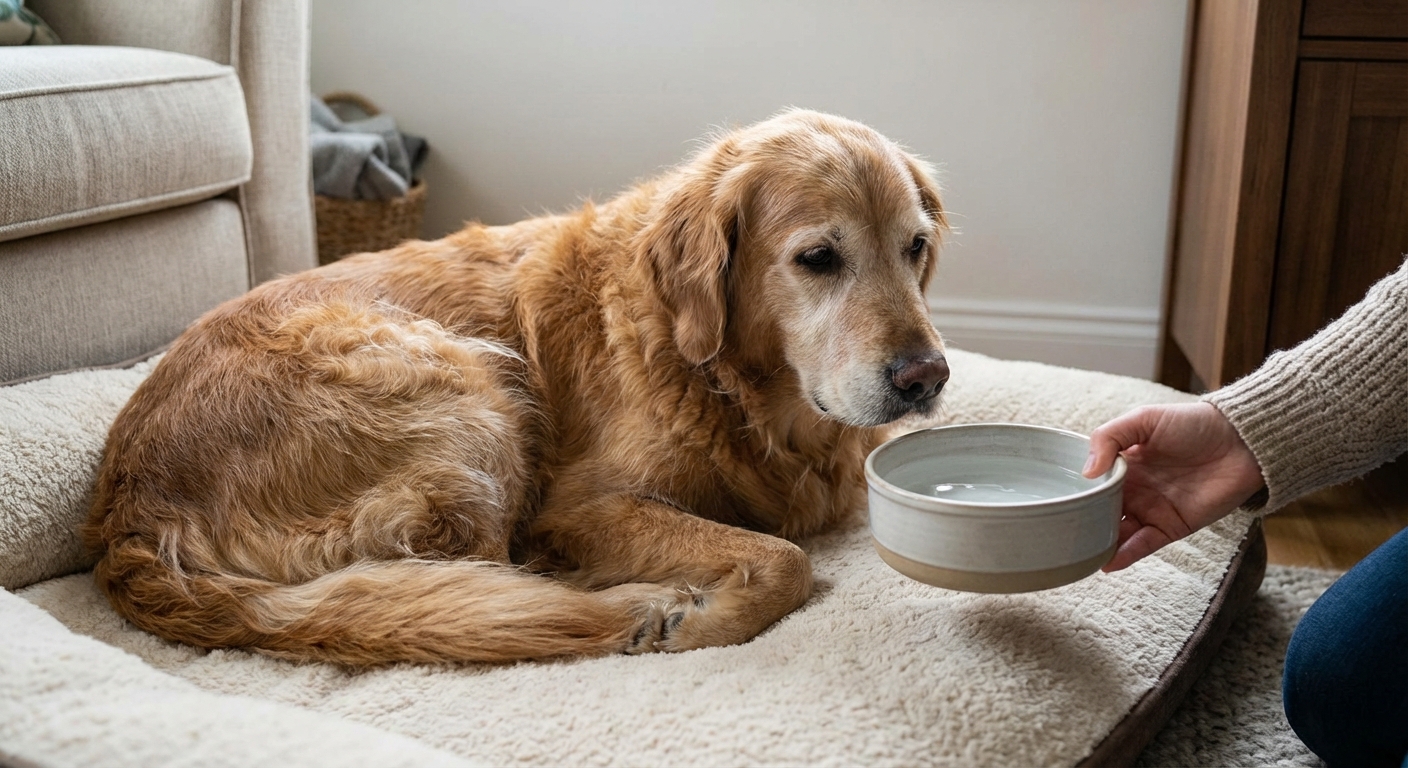
Diarrhea can dehydrate quickly. Make sure fresh water is always available. If your dog seems weak, has dry gums, or is not drinking, contact your vet.
4) Ask about probiotics
Some dogs with acute diarrhea may benefit from specific veterinary probiotics that have data behind them. Use a product your vet recommends, and avoid random human supplements unless your vet approves.
5) Track stool details for 48 to 72 hours
- How often are they going?
- Is there straining or urgency?
- Is there blood? If yes, how much and what color?
- Is the stool improving, the same, or worse?
- Any vomiting, lethargy, loss of appetite, fever?
When to call the vet
Mucus alone is not always an emergency, but certain combinations should raise your urgency. Contact your vet promptly if you notice:
- More than 24 to 48 hours of mucus or diarrhea
- Blood that is increasing, or black tarry stool
- Vomiting, lethargy, fever, or signs of pain
- Refusing food or water
- Signs of dehydration (dry gums, weakness, sunken eyes)
- Puppy, senior, pregnant, or immune-compromised dog
- Possible toxin exposure or foreign object chewing
- Repeated straining with little or no stool produced
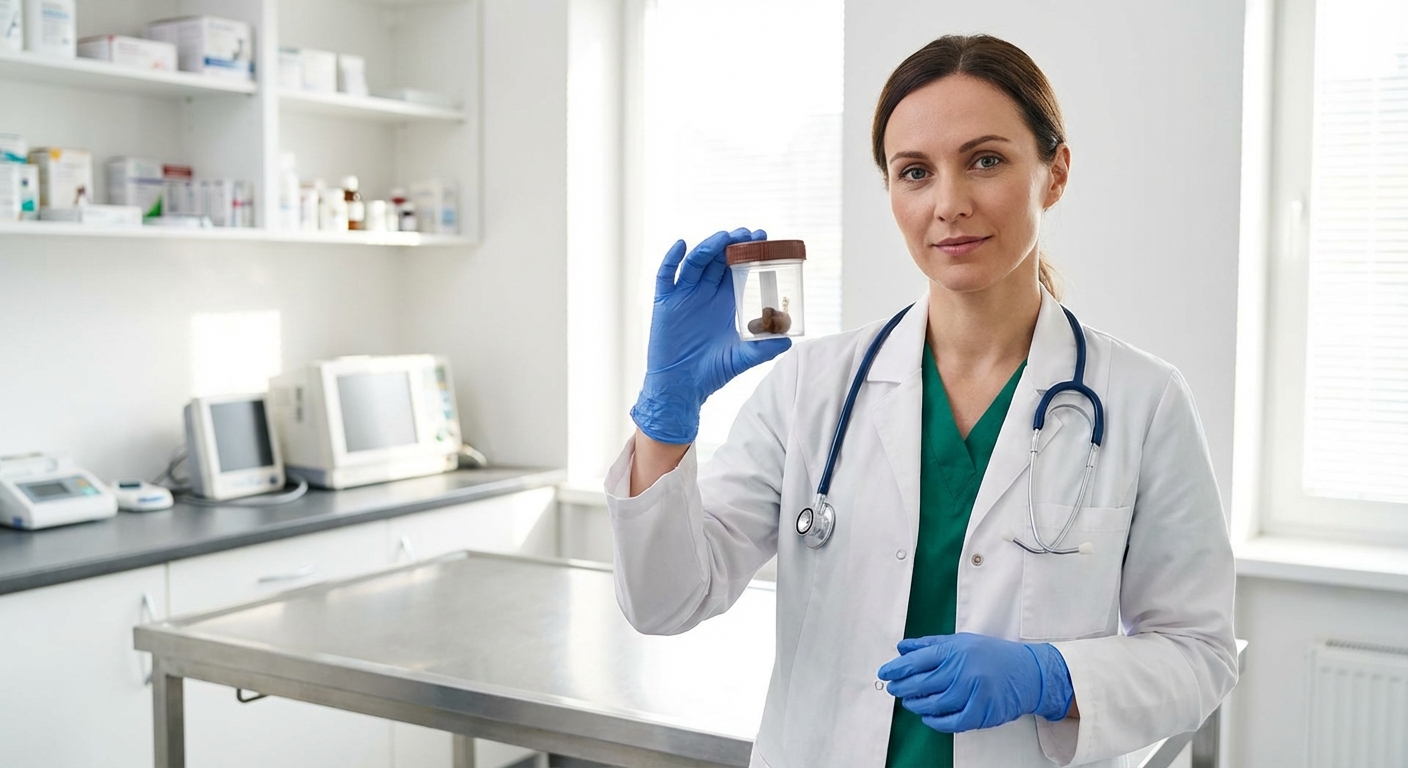
Bring a fresh stool sample if you can. It helps your clinic run fecal testing, including checks for parasites and Giardia when indicated.
How vets find the cause
At the clinic, your veterinarian may recommend:
- Fecal testing (including Giardia testing when indicated)
- Physical exam and abdominal palpation
- Anal gland and rectal check when straining, scooting, or rear-end discomfort is part of the story
- Diet history and treat review
- Bloodwork if your dog is sick, dehydrated, or the problem is recurring
- Imaging (x-rays or ultrasound) if foreign material, pancreatitis, or other disease is suspected
- Diet trials for suspected food intolerance or chronic colitis
There is no one-size-fits-all answer. The goal is to identify the most likely trigger and protect the gut while it heals.
Prevention tips
- Make diet changes slowly over 7 to 10 days when possible.
- Choose consistent treats and limit rich, high-fat snacks.
- Practice parasite prevention year-round and do fecal checks as your vet recommends.
- Reduce stress with predictable routines, enrichment, and calming support for travel or boarding.
- Support the gut with vet-approved probiotics when needed, especially after antibiotics or GI illness.
The bottom line: mucus is your dog’s gut saying “something is irritating me.” When you respond early, most dogs bounce back quickly.
Quick checklist
Often mild if
- Dog is acting normal and eating
- Only a small amount of mucus
- No vomiting, no repeated diarrhea
- Improving within 24 to 48 hours
More urgent if
- Large amounts of mucus, frequent urgency, or straining
- Blood is present or increasing
- Vomiting, lethargy, dehydration, or pain
- Puppy or medically fragile dog
Medical note
This article is for general education and cannot replace a veterinary exam. If your dog is worsening, not improving quickly, or showing red-flag symptoms, please contact your veterinarian or an emergency clinic.