Separate real mouse control from hype. Learn why exclusion, sanitation, and smart trapping work, plus the truth about ultrasonic devices, peppermint oil, and...
Article
•
Designer Mixes
Mouse Repellents That Work Indoors

Shari Shidate
Designer Mixes contributor
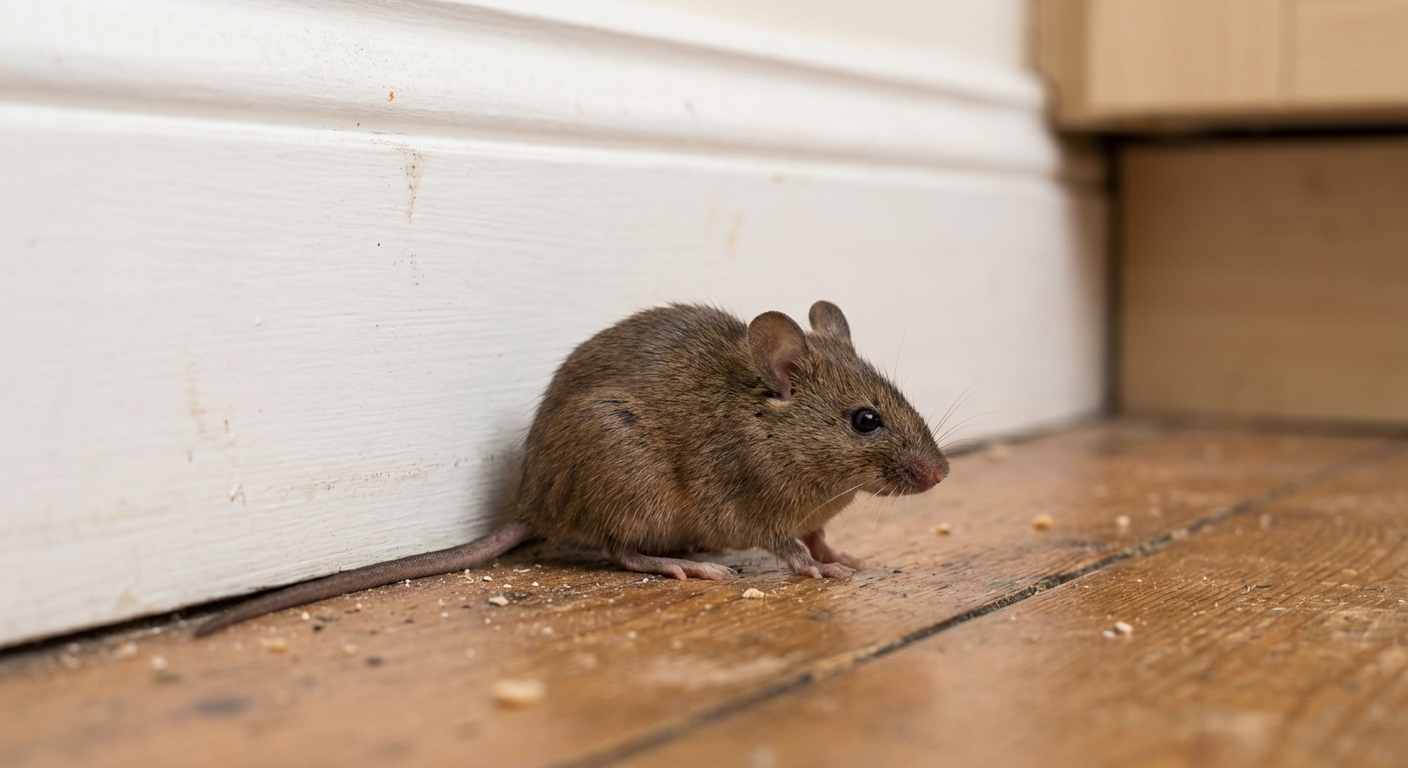
If you have mice indoors, you are not alone. As a veterinary assistant in Frisco, Texas, I hear this a lot, especially when the weather shifts and rodents look for warmth and food. The tricky part is that many “repellents” are marketed like magic, but mice are motivated by survival. So the options that actually work indoors tend to fall into two categories: proven removal tools (traps and sometimes baits) and prevention strategies (sealing entry points and removing attractants).
This guide walks you through what works, what usually does not, and how to choose a plan that is effective and safer for kids and pets.
What to know first
Make sure it is mice, not rats
A quick check helps you choose the right tools. In general:
- Mouse droppings are small (often rice-sized) with pointed ends.
- Rat droppings are larger and more capsule-like.
- Rats are often more cautious with new objects, so trap placement and pre-baiting can matter more.
If you are seeing large droppings, gnaw damage to thicker materials, or hearing heavy movement, consider getting an ID from a pro.
Mice do not “move out” just because a smell is unpleasant
Mice have strong survival drives and will tolerate a lot if there is steady food and shelter. Many indoor repellents are best viewed as small deterrents, not a solution for an active infestation.
Combining methods works best
The evidence-based approach used by pest professionals is called Integrated Pest Management (IPM). In plain language, it means:
- Exclude: seal the openings that let mice in.
- Sanitize: remove food sources and nesting material.
- Remove: use traps (and sometimes baits) correctly.
- Monitor: keep checking for new activity.
If you only use “repellent,” you often just encourage mice to relocate within the same structure, such as from the pantry to the walls.
A quick scope note
This is general guidance. Always follow product labels and local rules. If you have heavy activity or cannot safely access entry points, a licensed pest professional is the safer next step.
What actually works indoors
1) Snap traps (fast and reliable)
Snap traps are not a “repellent” in the marketing sense, but they are one of the most effective indoor tools because they immediately reduce the population. Reducing the indoor population is the priority.
How to use them so they work:
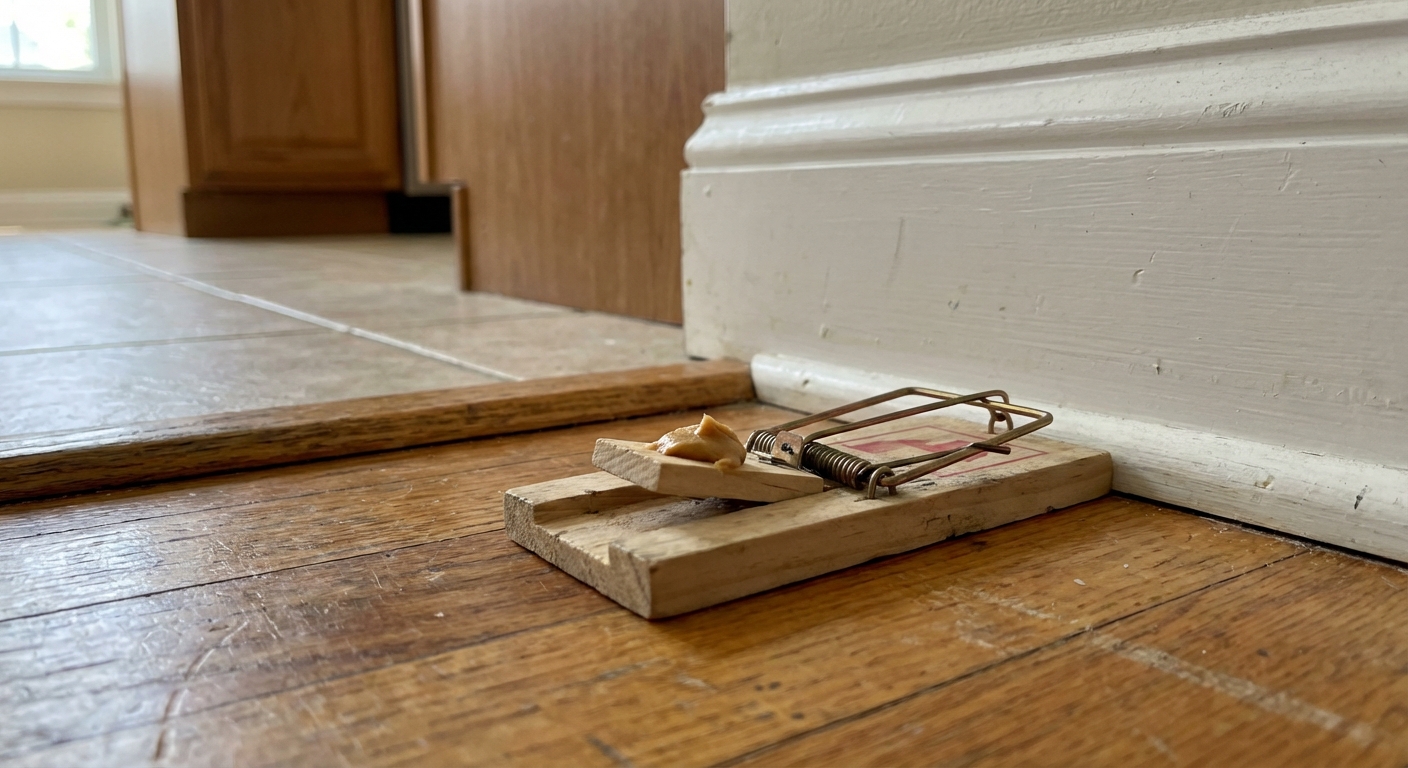
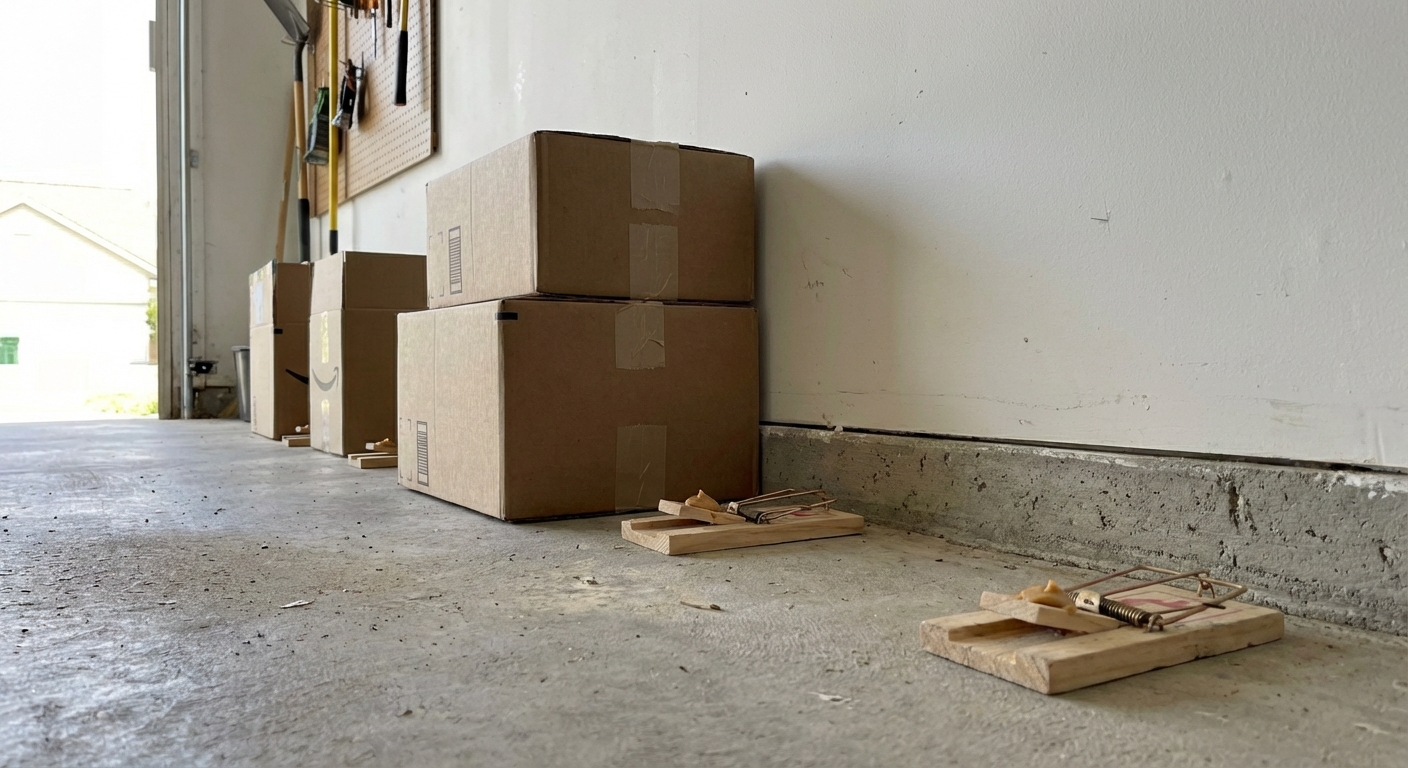
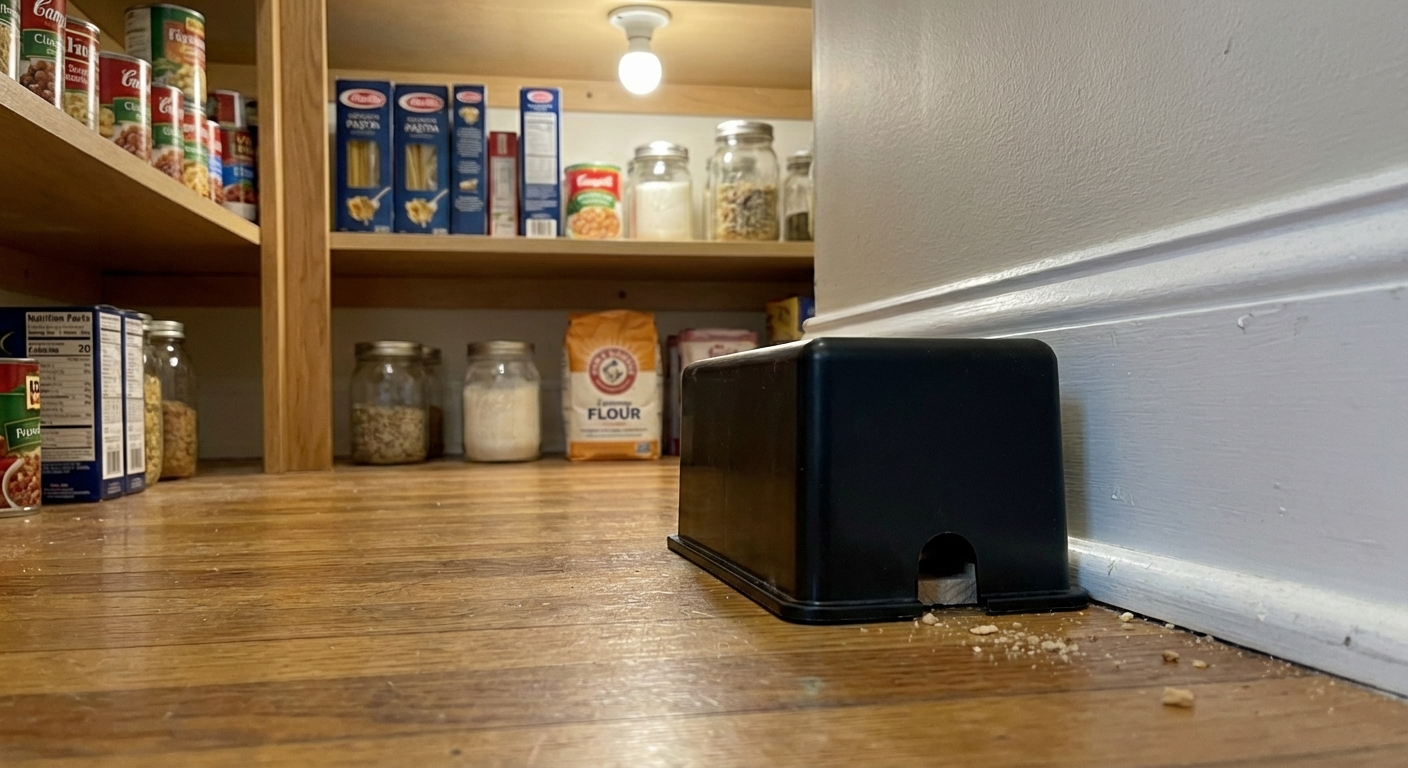
- Place traps along walls, behind appliances, and in dark corners. Mice travel edges, not open floors.
- Set the trigger end facing the wall.
- Use a small bait amount: peanut butter, chocolate spread, or a tiny piece of jerky.
- Use multiple traps. For many kitchens, pantries, or garages, that often means 6+ placed along key runways (more if you are seeing daily droppings).
- Wear gloves to reduce scent and for hygiene.
- If you have kids or pets, consider covered trap boxes or enclosed, easy-set snap trap designs for an added safety layer.
2) Other trap options (good alternatives)
- Electric traps: effective and easy to monitor, but they cost more and still need careful placement away from kids and pets.
- Live traps: can work for a single mouse, but they require frequent checks and safe, legal relocation practices (and mice often return if you release too close).
- Glue boards: I generally discourage these. They can cause prolonged suffering, create a messy situation, and can trap non-target animals.
3) Enclosed bait stations (effective, higher risk)
Rodenticide baits can be effective indoors, but they come with real safety concerns for dogs, cats, and wildlife. If you choose this route, use tamper-resistant, enclosed bait stations and follow the label exactly. Never place loose bait.
Important pet safety notes:
- Some rodenticides can cause internal bleeding (anticoagulants). Others can cause seizures or kidney failure, depending on the active ingredient.
- Secondary poisoning is possible if a pet catches and eats a poisoned rodent, and the risk varies by product, dose, and species. If you are considering bait, ask your veterinarian about the specific active ingredient and risk profile.
- Baits can lead to a mouse dying in a hidden area (like a wall void), which can cause odor and flies.
- If you suspect exposure, contact your veterinarian or ASPCA Animal Poison Control right away. Timing matters.
For many homes with pets, I recommend focusing first on exclusion + trapping and reserving bait stations for situations where trapping alone is not getting ahead of the problem.
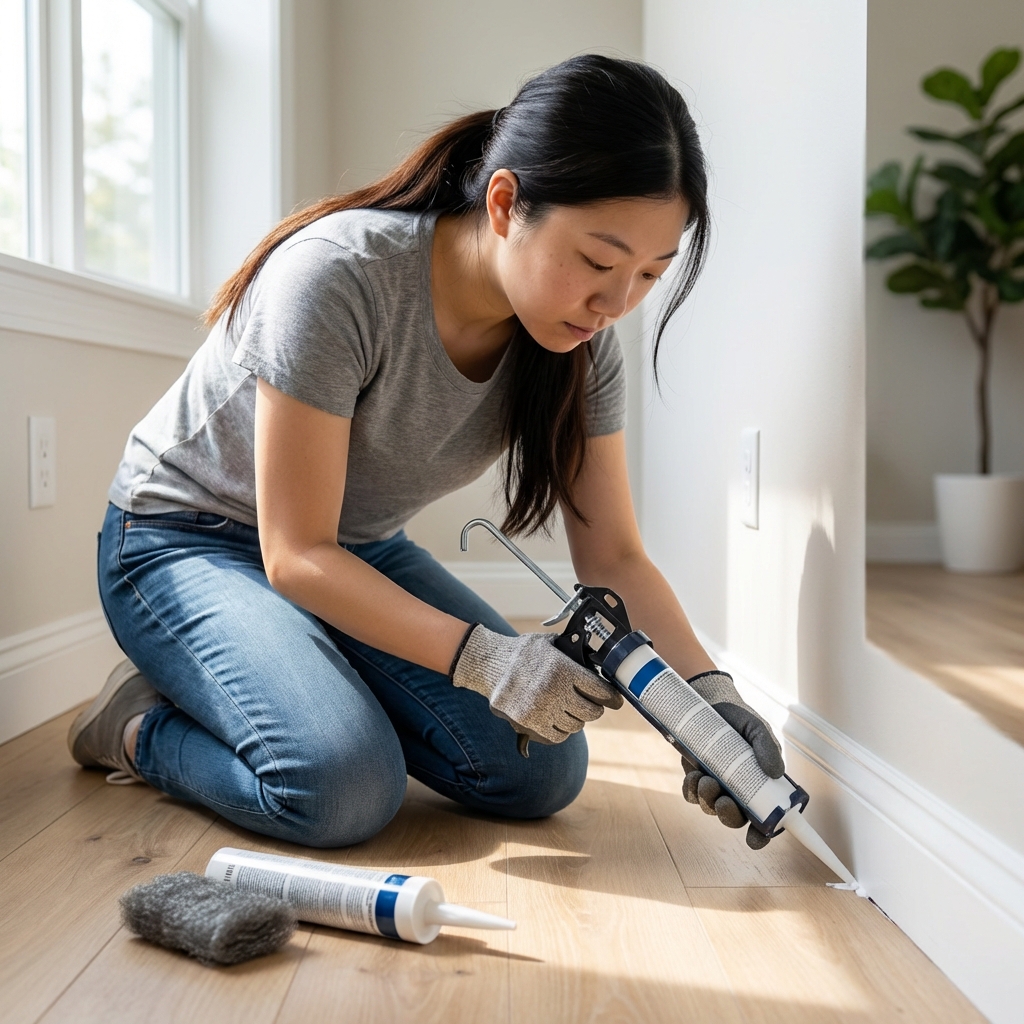
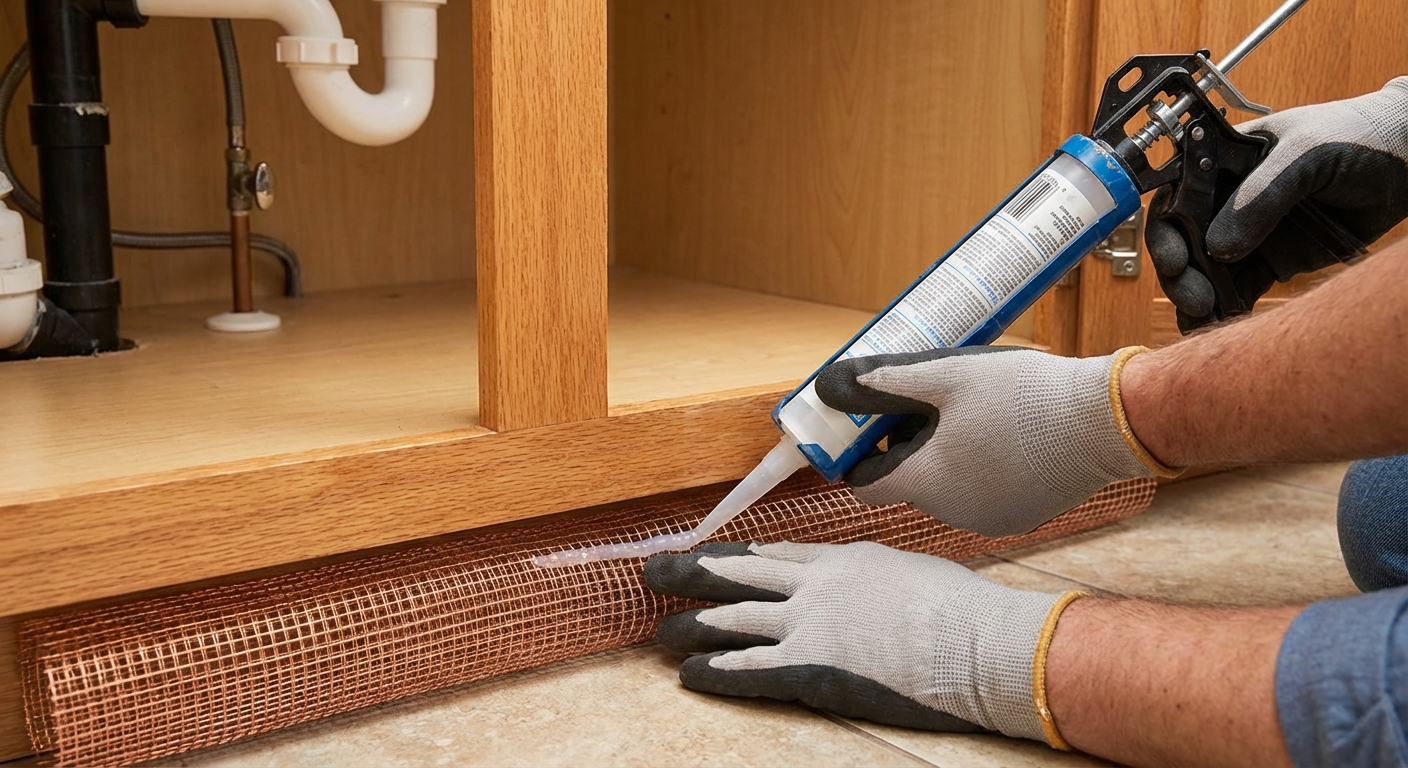
4) Exclusion (the “repellent” mice cannot ignore)
Want the most dependable way to keep mice out? Block their entrances. House mice can squeeze through openings as small as about 1/4 inch, and juveniles can fit through even smaller gaps.
Indoor-friendly exclusion supplies:
- Steel wool (stuff into gaps, then seal over it)
- Copper mesh (similar purpose, often easier to work with)
- Caulk or sealant for small cracks
- Expanding foam (best when paired with mesh, since mice may chew foam alone)
- Door sweeps and weather stripping
When to seal: You can seal obvious exterior gaps right away, especially around utility lines and doors. If you suspect mice are actively living in a specific wall or room, keep trapping and monitoring as you seal so you do not miss activity or end up with a hidden dead rodent. If you are unsure, a pro can help you prioritize entry points and timing.
5) Cleanup and odor control (reduces attraction and risk)
Mice leave scent trails and droppings that can attract more activity. Cleaning is not just about the “ick” factor. It is also part of control and basic health safety.
- Do not sweep or vacuum dry droppings with a broom or a regular vacuum. That can aerosolize particles.
- Instead, spray droppings and nesting material with disinfectant (or a bleach solution mixed per label guidance), let it soak, then wipe up with paper towels.
- For light cleanup, a HEPA vacuum can help after surfaces are dampened and treated. For heavy contamination, avoid vacuuming unless you have the right protective gear and training. When in doubt, ask a professional.
- Wash hands and launder any exposed fabrics on hot when possible.
If you find a lot of droppings or nesting, consider calling a professional for cleanup guidance.
Repellents that disappoint
Ultrasonic plug-ins
These are marketed heavily, but studies and real-world results have not shown reliable control. Sound waves do not travel well through walls, cabinets, furniture, and clutter. Even when mice react at first, they can acclimate, especially if food remains available.
Peppermint oil, mothballs, and strong smells
Strong odors may temporarily discourage mice in a very small, enclosed space, but they rarely solve an indoor mouse problem on their own.
Safety note: concentrated essential oils can be irritating or harmful to pets, especially cats, and mothballs are toxic and not appropriate for rodent control in living spaces.
“Natural granules” and deterrent pouches
Most of these rely on scent and have the same limitation: mice can simply choose another route within the home. If you like these products, think of them as a minor add-on after you have already sealed entry points and set traps.
A simple indoor plan
Step 1: Confirm activity
- Look for droppings (often in drawers, under sinks, near pantry items).
- Check for gnaw marks on food packages.
- Listen for scratching at night in walls or ceilings.
Step 2: Remove easy food
- Store pet food and birdseed in hard containers with tight lids.
- Use sealed containers for cereal, rice, and snacks.
- Clean crumbs under the stove, fridge, and toaster area.
Step 3: Trap for 7 to 14 days
- Set traps along walls where you see droppings or rub marks.
- Check daily and reset as needed.
- Keep pets away from trap areas or use covered trap boxes.
Step 4: Seal entry points
Focus on:
- Gaps around pipes under sinks
- Garage door corners and door thresholds
- Utility line entry points
- Cracks in the foundation and siding transitions
Step 5: Monitor
Even after activity stops, keep a few traps in key spots for early detection. A small problem is much easier than a full infestation.
Homes with dogs and cats
In a pet household, the “best” mouse solution is the one you can use consistently without risking an emergency vet visit.
- First choice: snap traps placed where pets cannot access, or inside covered trap boxes.
- Strongly consider: exclusion sealing. It is a one-time effort that keeps paying off.
- Be cautious: bait stations, even enclosed, because accidents happen and secondary poisoning is possible (risk varies by product).
- Avoid: mothballs and loose poison products in living areas.
When to call a pro
If you have repeated sightings in daylight, heavy droppings, mice in multiple rooms, or activity in walls and ceilings that does not improve after two weeks of trapping and sealing, it is time to bring in a licensed pest professional. You may be dealing with a larger entry point, a hidden nesting site, or a population that needs a broader strategy.
My gentle rule of thumb: if you are catching mice but still seeing new droppings, you are removing some rodents, but not solving access. Exclusion is the game-changer.
Quick FAQ
What is the single most effective indoor mouse “repellent”?
Sealing entry points, paired with snap trapping to eliminate the mice already inside.
Do ultrasonic repellents work?
They are not a reliable solution. Research and real-world results are inconsistent, especially in cluttered rooms and behind cabinets where mice travel.
What bait works best in traps?
Peanut butter is a classic because it sticks to the trigger. A tiny smear is enough.