Stop mice at the source with an entry-point plan: inspect doors, garages, vents, and utility lines, seal gaps with chew-resistant materials, and trap safely�...
Article
•
Designer Mixes
Mouse Repellents That Work and Myths

Shari Shidate
Designer Mixes contributor
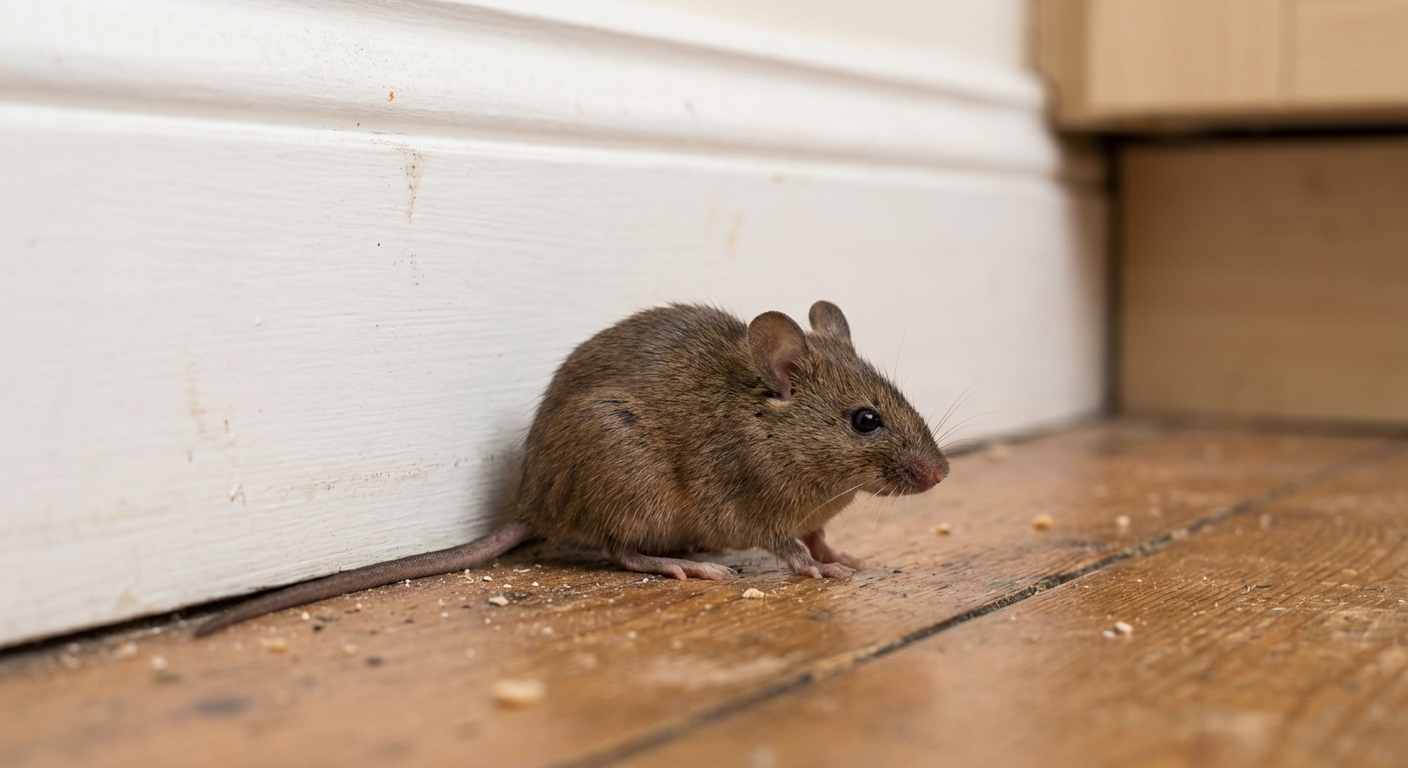
Mice are tiny, quiet, and surprisingly determined. If you have ever found droppings under the sink or heard scratching in a wall at night, you already know this is not a problem that fixes itself. The good news is that effective mouse control is very doable when you focus on what science and pest pros agree works best: exclude, remove food and shelter, and trap.
What actually works (the basics)
Most “repellent” products fail because mice are driven by survival. If there is food, warmth, and a safe nesting spot, they will often tolerate unpleasant smells or sounds. The strategies below address the real reasons mice move in.
1) Exclusion: seal entry points
This is the most important step, and it is the one most people skip. Adult mice can squeeze through openings around 1/4 inch (about the width of a pencil). If you do not close those gaps, traps and repellents become a never-ending cycle.
Do not wait to start trapping if you have active mouse signs. Seal what you can right away, and trap at the same time. Just avoid sealing mice inside wall voids by leaving one or two obvious exits open until trapping reduces activity, then finish the last gaps.
- Steel wool + sealant for small gaps. Steel wool can deter chewing because it is difficult and unpleasant to gnaw, but mice may still pull it out if it is not packed tightly and sealed in place.
- Copper mesh + sealant is another good option for stuffing holes before sealing.
- Hardware cloth (1/4 inch) for larger openings and vents that need airflow.
- Rodent-proof vent covers for dryer vents and other exterior vents.
- Weep holes: use a purpose-made weep hole screen that keeps drainage working, rather than stuffing or blocking the opening.
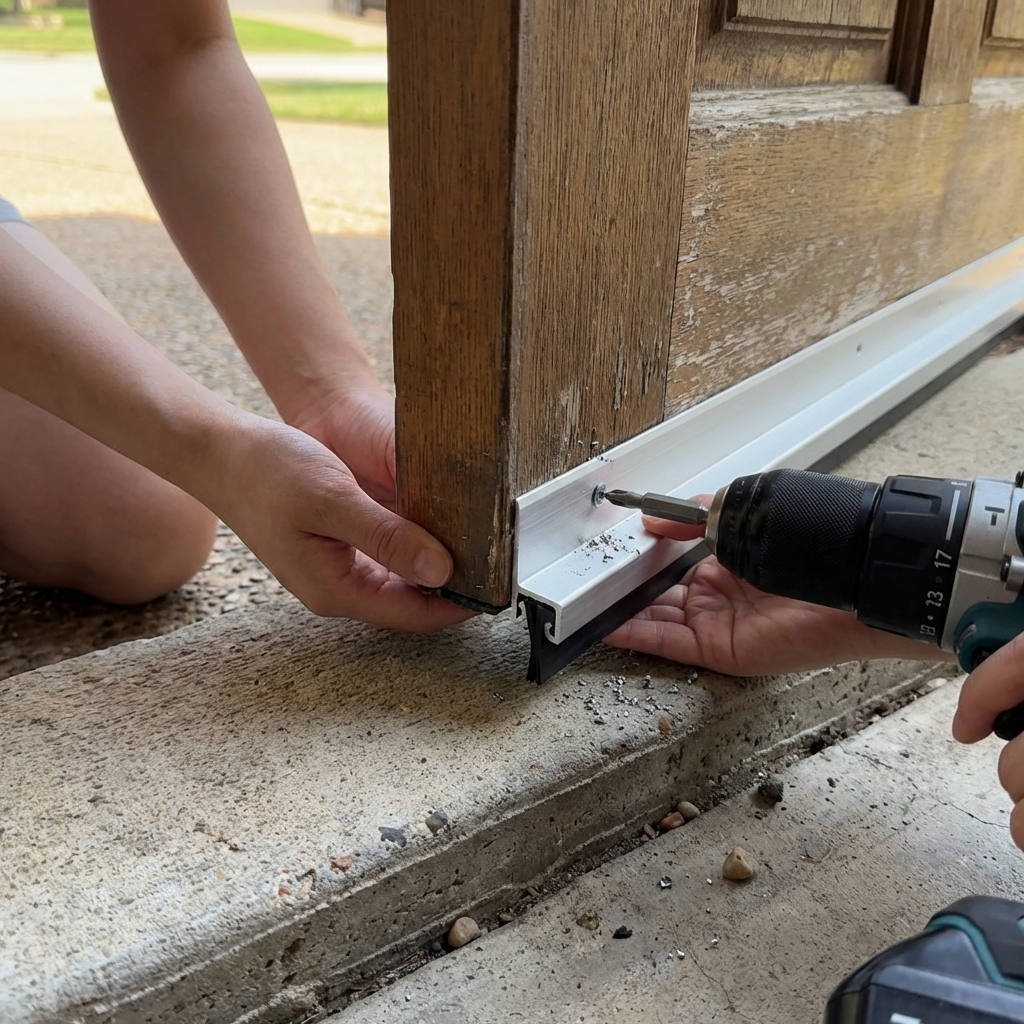
- Door sweeps and weatherstripping for doors, including the garage entry door.
Focus on common entry zones: where utilities enter the home (pipes, AC lines, cables), behind stoves and refrigerators, around the garage, crawl spaces, attic penetrations, and gaps where siding meets the foundation.
2) Sanitation: remove the buffet
Mice do not need much. A few crumbs, pet kibble left overnight, or a slow leak that provides water can sustain them.
- Store pantry foods in hard plastic or glass containers with tight lids.
- Do not leave pet food out overnight. Consider set meals, then pick bowls up.
- Clean under appliances and inside the toaster crumb tray regularly.
- Fix slow leaks and reduce moisture under sinks.
- Reduce clutter in garages and storage rooms so mice have fewer hiding spots.
3) Trapping: fastest way to cut numbers
If you already have mice inside, trapping is usually the quickest and most reliable way to bring numbers down. For most homes, a combination of snap traps and smart placement is the best starting point.
- Snap traps: Effective, affordable, and they work quickly when set correctly.
- Enclosed snap traps: Helpful in homes with kids or pets because the mechanism is covered.
- Multiple-catch traps: Can work well for ongoing activity, especially in garages or utility rooms.
- Glue boards: Not my favorite due to animal welfare concerns and messy outcomes. They can also trap non-target animals.
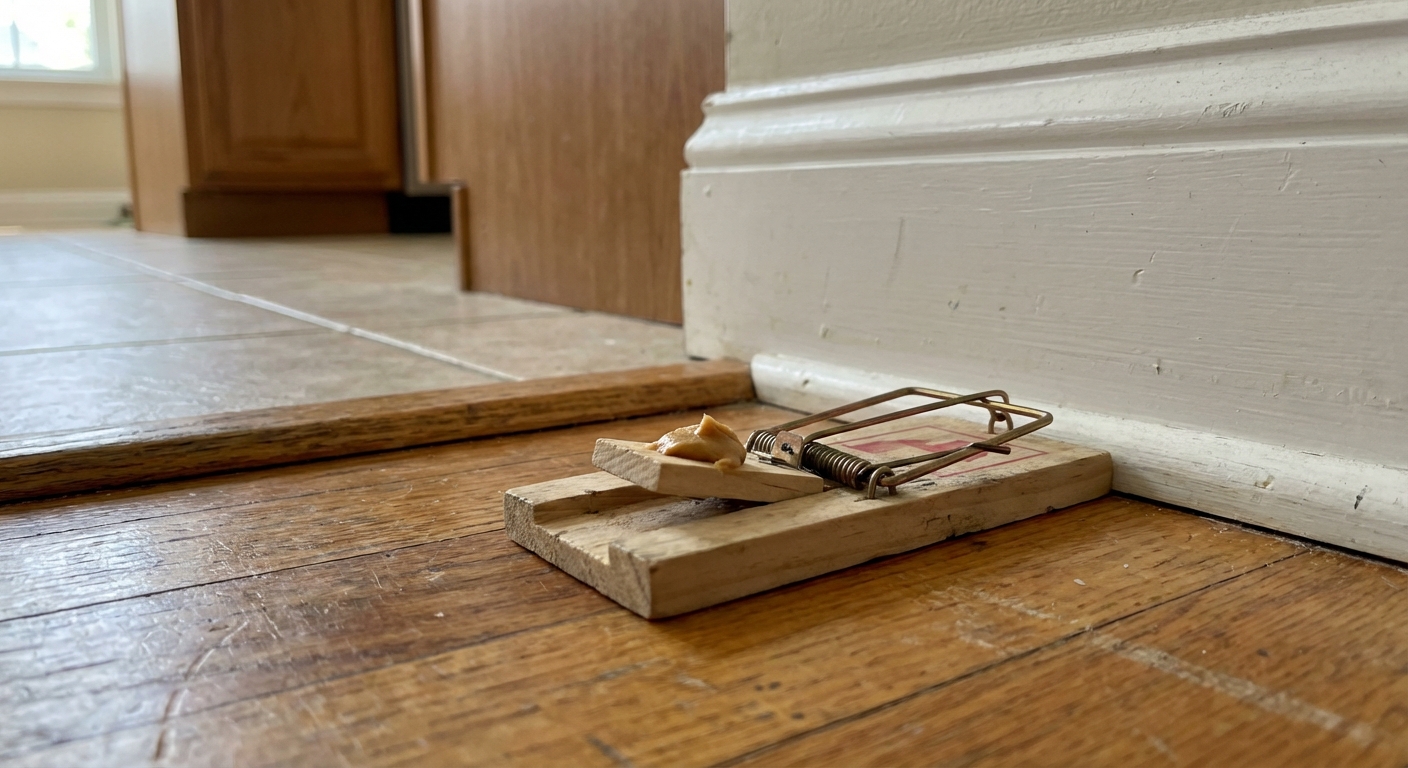
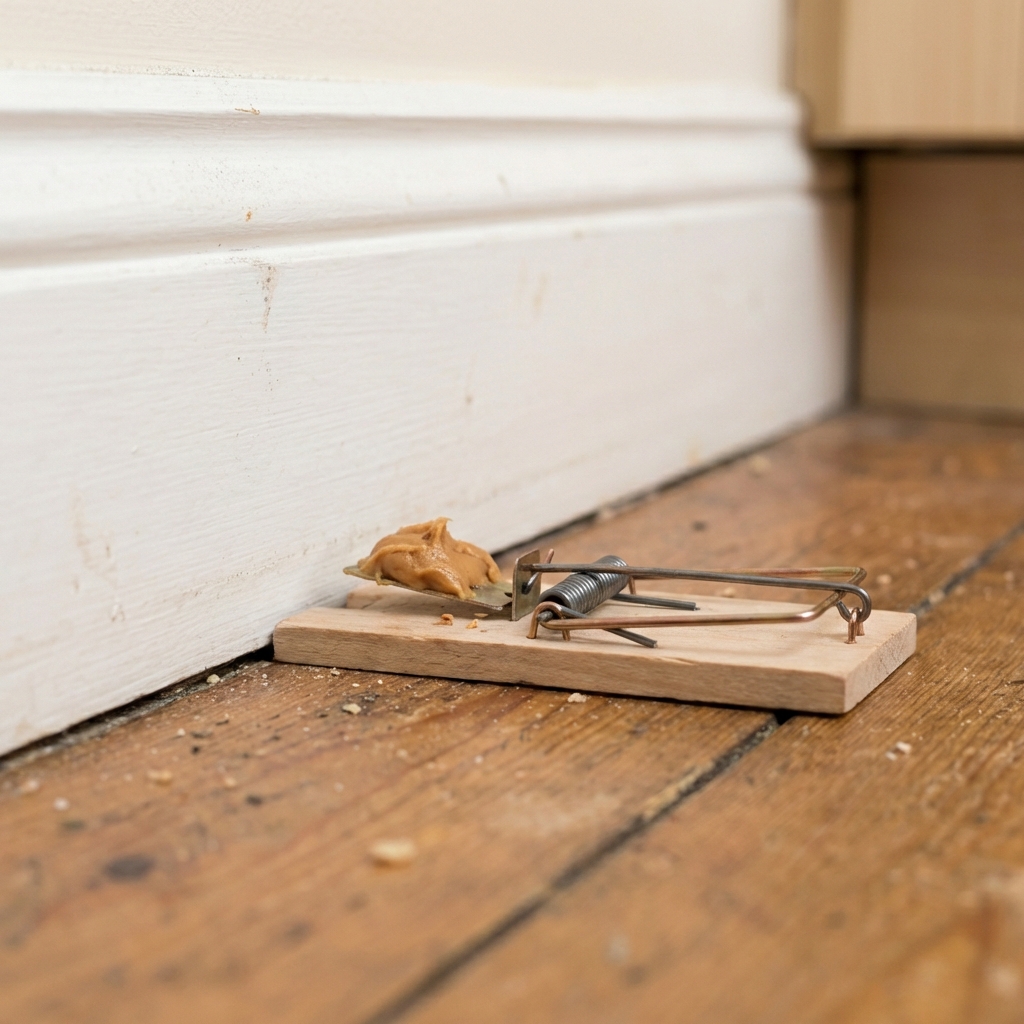
Placement matters more than bait. Put traps along walls and edges, not in the middle of a room. Set the trigger end toward the wall because mice typically travel with their bodies brushing surfaces.
As a starting point, place traps every 5 to 10 feet in active areas (closer together where you see droppings or rub marks).
For bait, try a pea-sized amount of peanut butter or a small smear of chocolate spread. Too much bait lets mice steal it without triggering the trap.
4) Rodenticides: effective but risky
Poison baits can reduce populations, but they come with real downsides: accidental exposure to children and pets, possible secondary poisoning risks to wildlife (a bigger concern with some products, including many anticoagulants), and the classic “mouse died in the wall” odor problem.
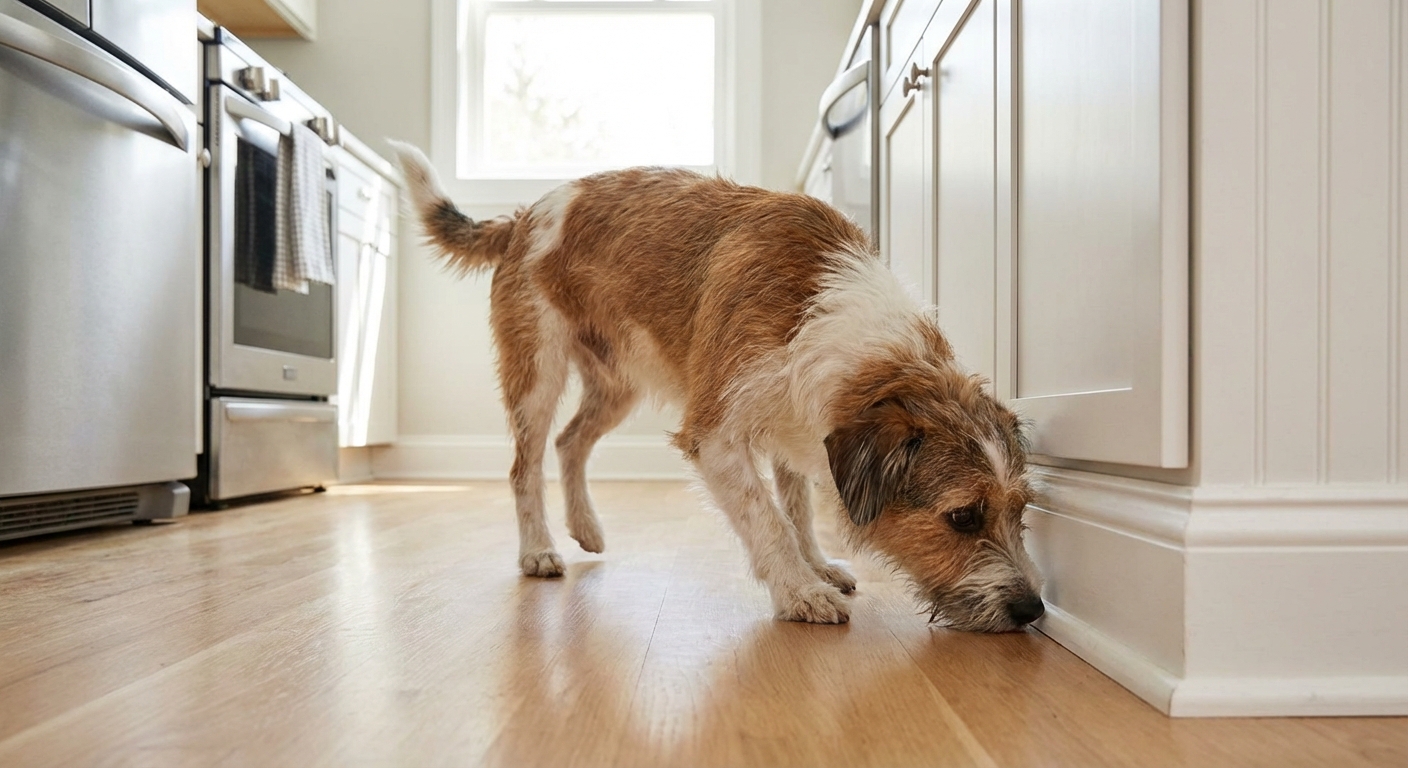
If you choose this route, use tamper-resistant bait stations and follow the label exactly. In many households, especially with dogs that love to investigate, trapping plus exclusion is a safer plan.
Mouse repellents: realistic expectations
Here is the honest truth: most repellents are not strong enough to solve an active infestation by themselves. However, some can play a supporting role after you have sealed gaps and reduced activity with trapping.
Ultrasonic plug-ins
Ultrasonic devices are popular because they are easy to use. Evidence is limited and real-world results are inconsistent. Sound waves also do not travel well through walls, cabinets, or clutter, so “coverage” is often far less than advertised.
If you try them, treat them like a minor helper, not the main solution. Use them in open areas and pair with exclusion and trapping.
Peppermint oil and strong scents
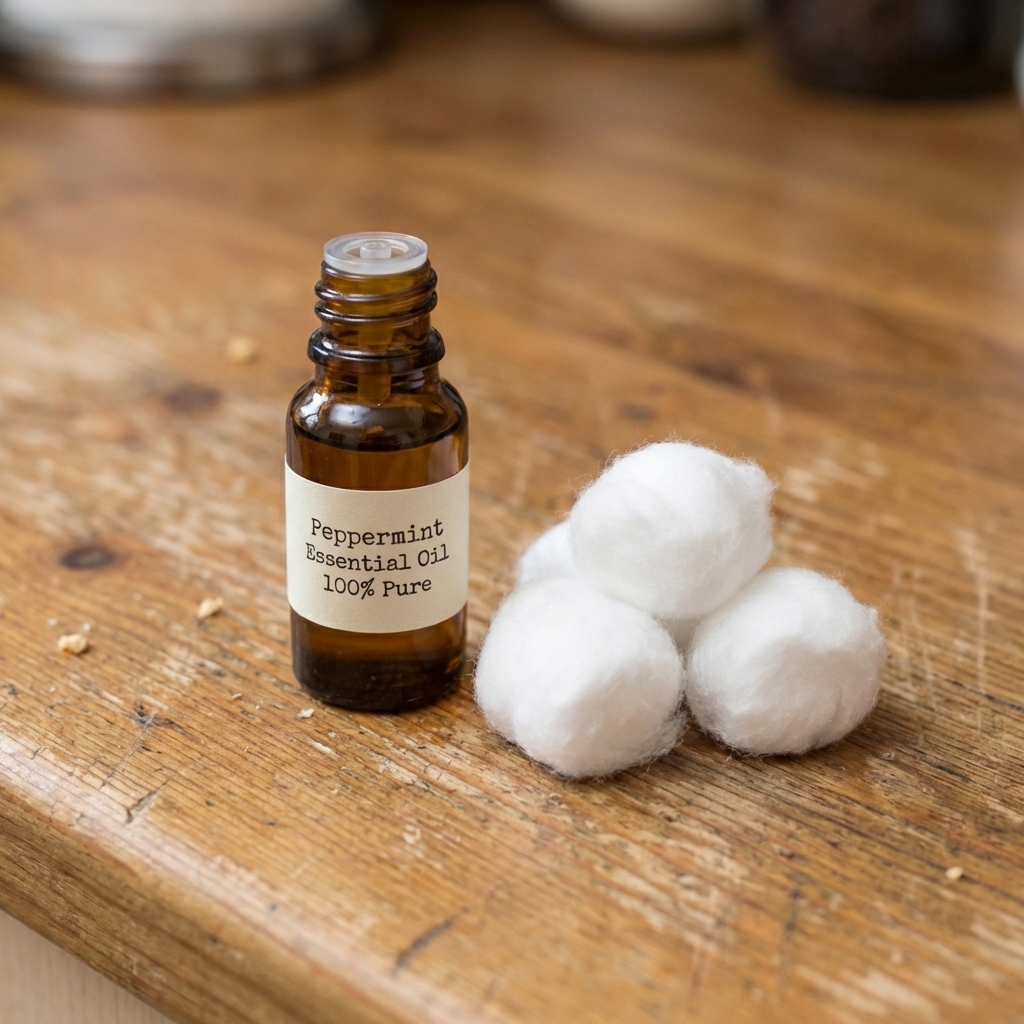
Peppermint oil can be unpleasant to rodents, but it evaporates quickly and needs frequent reapplication to stay strong. It may help as a temporary deterrent in a very specific spot, but it rarely pushes mice out of a home where they have established nesting sites.
Pet safety note: essential oils can irritate pets, especially cats, and concentrated oils can cause stomach upset or respiratory irritation if ingested or inhaled. If you use any essential oil, keep it out of reach, avoid applying where pets can lick, and ensure good ventilation. If you have concerns for a specific pet, check with your veterinarian.
Predator urine products
These products are marketed heavily, but performance is unreliable. Mice may avoid a spot briefly, then return when the smell fades or when food is still available. Think of it as “maybe reduces curiosity” rather than “solves mice.”
Mouse myths (and what to do)
Myth: “Cheese is the best bait”
Some mice will nibble cheese, but many prefer high-calorie foods like peanut butter, seeds, or sweets. If your traps are not working, swap the bait and improve placement along travel routes.
Myth: “One plug-in will clear the house”
If only. Most infestations require multiple steps. The winning combo is: seal gaps, remove food sources, then trap aggressively.
Myth: “If I see one, it is just one”
Often, a visible mouse is the tip of the iceberg. Mice hide extremely well. Droppings, gnaw marks, and sounds in walls usually indicate more activity.
Myth: “Cats will solve it”
Some cats are excellent mousers, and some are not interested at all. Even a strong hunter does not replace exclusion. Also, mice can carry parasites and diseases. If your cat catches mice, ask your veterinarian about parasite prevention and safe cleanup.
Myth: “Poison is the easiest answer”
Poison can create new problems: dead rodents in inaccessible places, risks to pets and wildlife, and ongoing baiting without fixing entry points. If you use it, do so carefully and strategically, ideally with professional guidance.
Mouse vs. rat (quick ID)
It helps to know what you are dealing with, because trap size and placement can change.
- Droppings: mouse droppings are small and rice-like. Rat droppings are larger and thicker.
- Sounds and location: mice are often in kitchens, pantries, and wall voids. Rats are more common in attics, basements, garages, and outdoors, but either can show up anywhere.
- Damage: both gnaw, but rats can cause heavier damage. If you see significant gnawing near wiring, treat it as urgent.
A simple step-by-step plan
- Confirm activity: Look for droppings (often along walls), gnaw marks, shredded nesting materials, and greasy rub marks near baseboards.
- Start trapping right away: Use snap traps along walls in active areas.
- Seal entry points: Use steel wool or copper mesh and sealant. Add door sweeps. Use the right vent covers and weep hole screens so airflow and drainage still work.
- Clean and secure food: Containers, nightly pet-food pickup, wipe crumbs, fix leaks.
- Set enough traps: Start with 6 to 12 snap traps for a typical active area, spaced about 5 to 10 feet apart, and closer where activity is concentrated.
- Recheck daily: Reset and relocate as needed.
- Keep traps out after it goes quiet: Once activity stops, keep a couple traps in hot spots for at least 1 to 2 weeks to catch latecomers and confirm you are truly done.
Trapped mice: safe handling
- Wear gloves. Avoid direct contact.
- Place the mouse and trap (or the mouse alone, if you can do so safely) into a bag, seal it, then place into a second bag.
- Dispose according to local rules. When in doubt, sealed trash disposal is commonly used for snap-trap captures.
- Wash hands and disinfect any surfaces the trap touched.
Safe cleanup tips
Mouse droppings and urine can carry germs. The key is to avoid stirring particles into the air.
- Wear gloves, ventilate the area, and do not vacuum or sweep dry droppings.
- Spray droppings with an EPA-registered disinfectant (or a bleach solution prepared and used per label guidance), let it sit, then wipe up with paper towels.
- Seal waste in a bag before placing it in the trash.
- Wash hands and disinfect surfaces afterward.
When to call a pro
If you are seeing mice in daylight, finding frequent fresh droppings, noticing gnawing damage (especially near wiring), smelling persistent odor, or dealing with activity in attics and wall voids, it may be time to bring in a licensed pest professional. Pros can identify entry points you would never think to check and can set up an integrated plan that actually ends the cycle.
Repellents can be a small helper, but exclusion and trapping are the real workhorses. If you do those two things well, you usually win.