Stop pantry mice long-term with an IPM plan: identify signs, move foods into hard containers, deep clean crumbs, seal 1/4-inch entry gaps, and place traps co...
Article
•
Designer Mixes
Mouse Proofing Your Home Room by Room

Shari Shidate
Designer Mixes contributor
As a veterinary assistant in Frisco, Texas, I hear a lot of the same question every fall and winter: “Why are mice suddenly in my house?” The simple answer is warmth, food, and shelter. Around here, we often see a spike right after the first real cold fronts. The better answer is that mice can squeeze through surprisingly small gaps, sometimes around 1/4 inch (about the width of a pencil). Once they find a reliable pantry, they tend to invite friends.
The good news is you do not have to guess your way through this. Mouse proofing works best when you combine exclusion (blocking entry), sanitation (removing food and nesting material), and monitoring (spotting activity early). Let’s walk through your home room by room with practical steps you can do today.
Start With the Signs
Mice are most active at night, so you may not see them at first. What you often notice are clues:
- Droppings: Mouse droppings are usually small like sesame seeds, often with pointed ends. Rat droppings are larger and more like rice grains or beans. This matters because trap size and placement can change.
- Gnaw marks on food packaging, baseboards, or stored items.
- Scratching sounds in walls or ceilings, especially after dark.
- Grease rub marks along edges where they travel repeatedly.
- Nesting material such as shredded paper, insulation, or fabric.
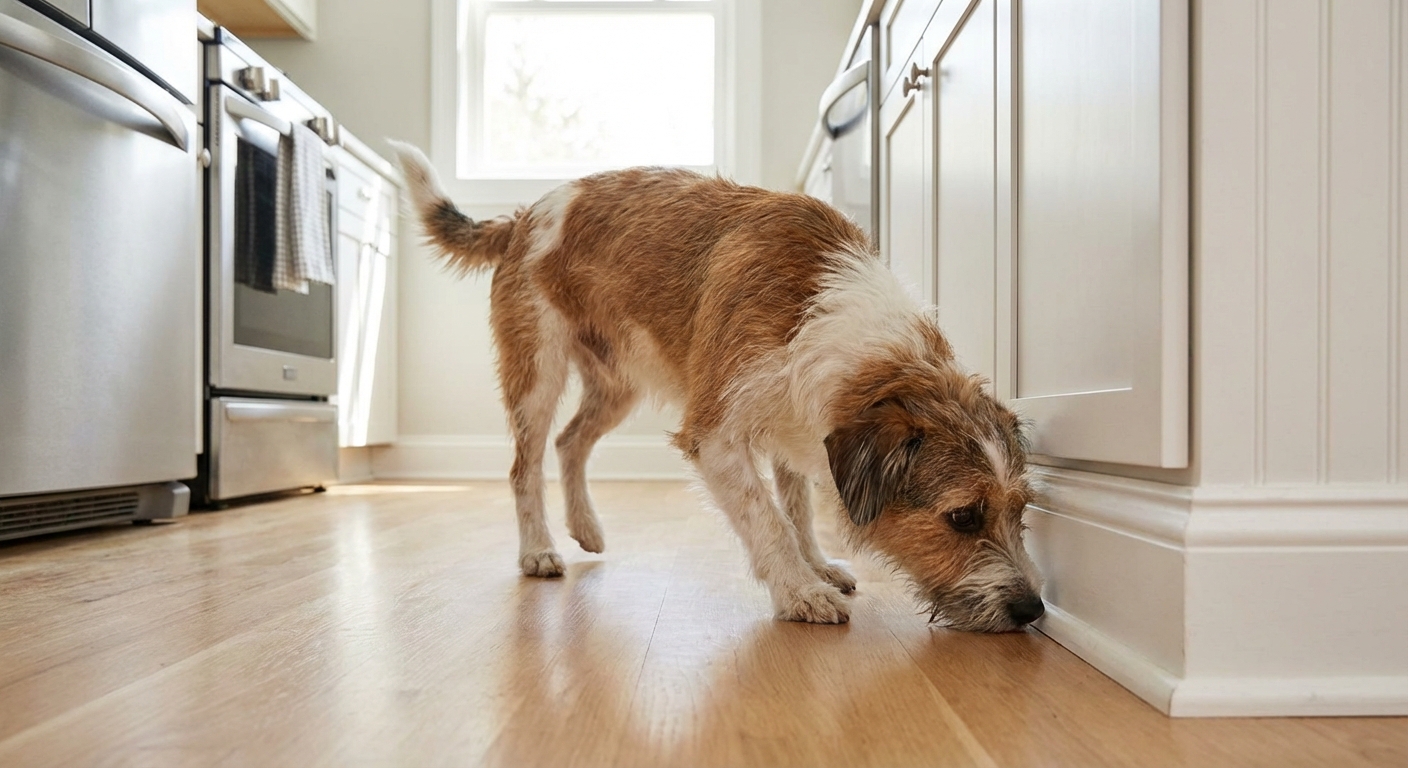
If you have pets, keep an eye out for sudden intense sniffing at appliances, cabinets, or a particular corner. Dogs and cats often “tell” you where the activity is before you spot it.
Quick ID: Mouse or Rat?
- Droppings: mouse is sesame-seed sized; rat is rice or bean sized.
- Sounds: rats tend to be louder and heavier in walls and ceilings.
- Entry holes: mice can use very small gaps; rats need larger openings.
If you suspect rats, use appropriately sized traps and consider calling a licensed pest professional sooner.
Your Toolkit
You do not need fancy products. You need the right materials for the right job.
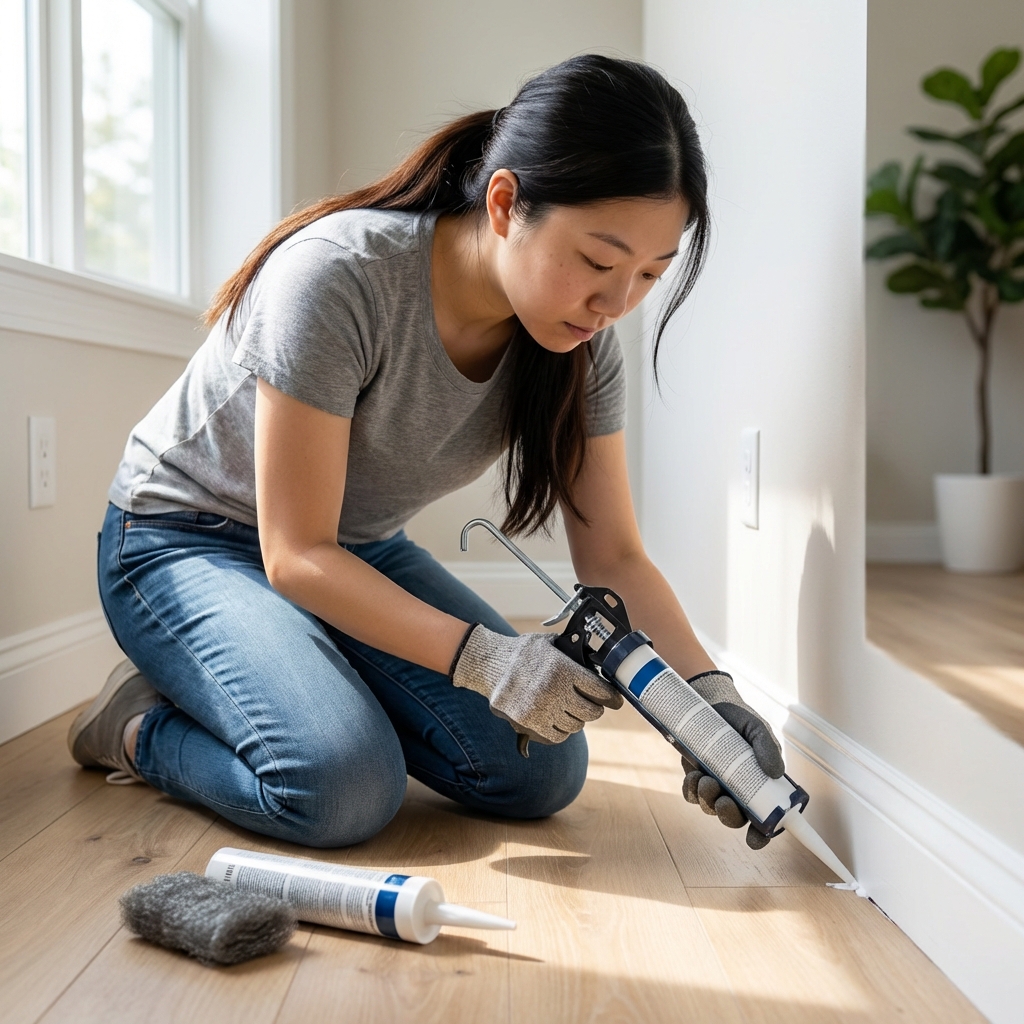
- Steel wool (or copper mesh) to pack gaps before sealing.
- Caulk for small cracks and finishing edges.
- Expanding foam for larger voids (use carefully and trim neatly). Tip: foam alone is easy to chew, so pair it with mesh for better results.
- Door sweeps and weather stripping.
- Hardware cloth for vents and larger openings. 1/8 to 1/4 inch mesh is commonly used, depending on the vent and airflow needs.
- Snap traps for fast, targeted control.
- Disposable gloves and disinfectant for cleanup.
Pet safety note: If you use traps or bait, place them only where pets and children cannot access them. Some rodenticides, especially anticoagulants, can cause life-threatening bleeding, and other types can be dangerous in different ways. If you suspect exposure, treat it as an emergency and contact your veterinarian or a pet poison hotline immediately.
Seal These First
Before you go room by room, hit the most common “front doors” mice use:
- Gaps under exterior doors and garage doors.
- Utility penetrations where pipes and cables enter (kitchen, laundry, water heater area).
- Garage corners, drywall gaps, and the door between garage and home.
- Foundation cracks and siding gaps.
- Attic and roofline vents.
A helpful rule: if you can fit the tip of your pinky in an opening, a mouse may be able to fit too.
Before You Seal Everything
- Do not seal a hole you know is actively used until you have traps set. Otherwise you can trap mice inside walls, which can create odor and sanitation issues.
- Avoid glue traps, especially in homes with pets and kids. They pose welfare risks and can injure curious paws and noses.
- Avoid poisons when possible in pet homes. If a professional uses rodenticide, ask about tamper-resistant stations and ways to reduce secondary exposure (a pet catching a poisoned rodent).
Kitchen
The kitchen is ground zero because it offers food, water, and hidden travel routes.

Seal and block
- Pull the stove and refrigerator out and inspect the wall behind them for holes around plumbing, gas lines, and electrical access points.
- Pack gaps with steel wool or copper mesh, then seal with caulk or appropriate filler.
- Check under the sink cabinet. Plumbing openings are a very common pathway.
Cut off food
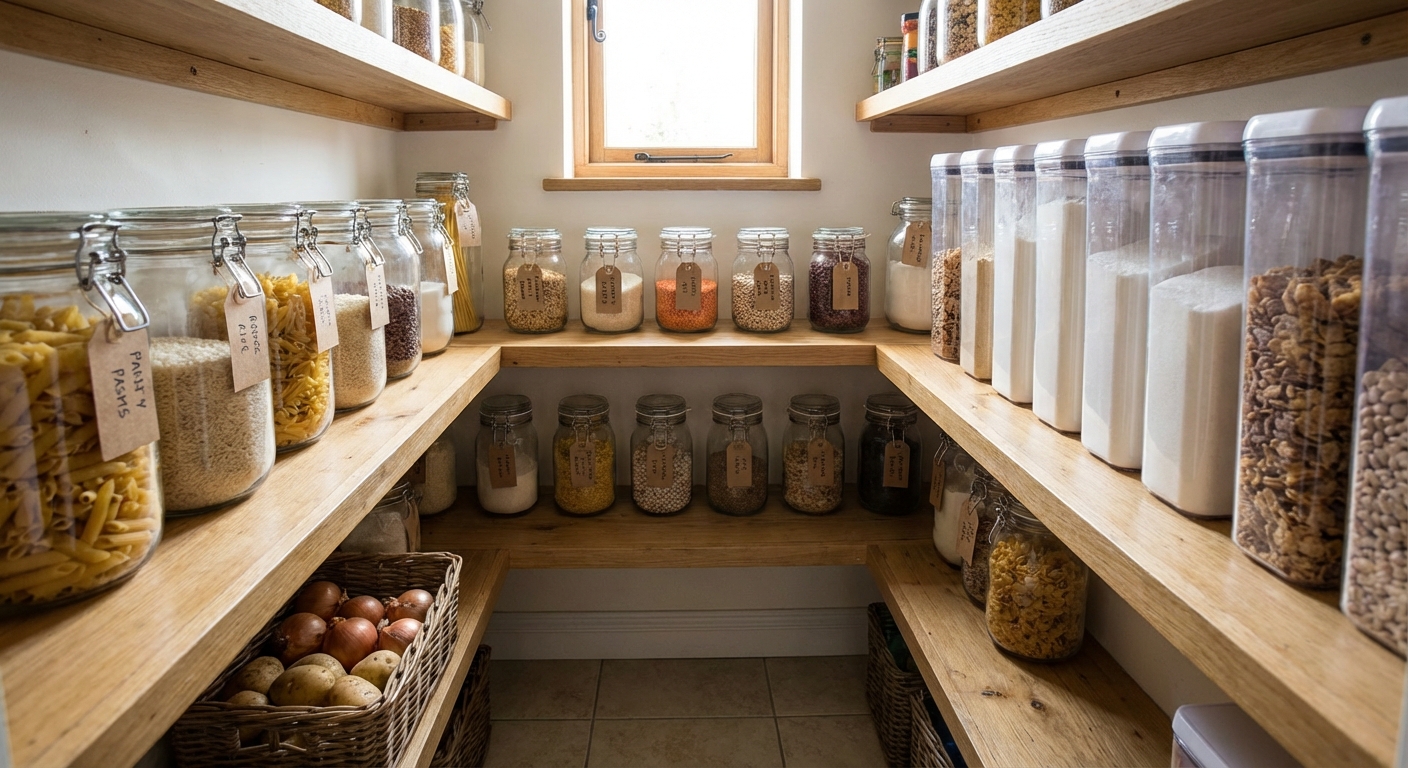
- Move dry goods (cereal, flour, sugar, rice, pasta, snacks) into hard containers with tight lids.
- Do not leave pet food out overnight. Store kibble and treats in sealed containers.
- Clean crumbs daily in toaster areas, under appliances, and along baseboards.
Trap smart
- Place snap traps along walls, behind appliances, and under the sink, with the trigger end facing the wall.
- Use a small amount of bait such as peanut butter. Too much can let mice steal it without setting the trap.
Bathroom
Bathrooms often have water sources and pipe openings that connect to wall voids.
- Inspect under the sink and behind the toilet for gaps around supply lines and drain pipes.
- Seal gaps where the tub or shower plumbing enters the wall, especially if there is an access panel.
- Fix dripping faucets and slow leaks. Mice can survive on very little water, but leaks make your home more inviting.
If you store extra toilet paper or towels in low cabinets, keep them tidy. Clutter gives mice safe nesting options.
Living Areas
These rooms usually do not have food stored, but they have cozy nesting material and hidden edges mice love to run.
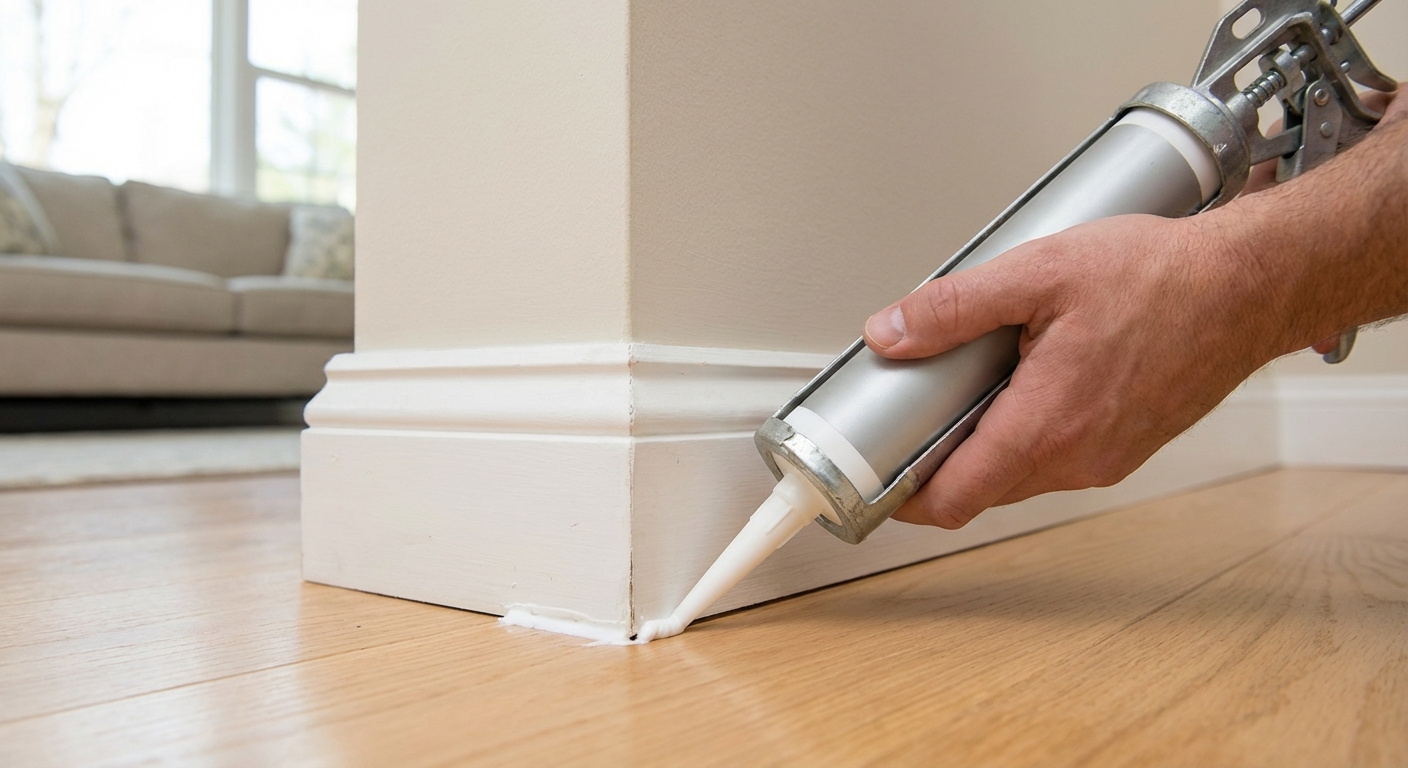
- Walk the perimeter and inspect baseboards, corners, and areas around fireplaces.
- Check behind entertainment centers and bookshelves for holes where cables pass through walls.
- If you snack here, vacuum under couch cushions and around chair legs regularly.
- Store throw blankets in covered bins if you suspect activity.
Bedrooms
Mice are drawn to quiet rooms with soft materials for nesting.
- Use lidded bins for off-season clothing, especially in closets near exterior walls.
- Do not store snacks in nightstands or bedroom closets if you are dealing with mice.
- Inspect closet corners and baseboards. Seal small gaps before you put items back.
If you have a baby or child’s room, be extra cautious with traps and never use bait stations where little hands can reach.
Laundry Room
Washer and dryer hookups often create openings straight into wall voids.
- Seal around the dryer vent connection and the wall penetration behind the dryer.
- Keep supplies in closed containers and reduce clutter that can become nesting material.
- Clean lint and dust. It is not food, but it can be nesting material.
Garage
In many homes, the garage is where the problem starts, especially when doors do not seal tight.
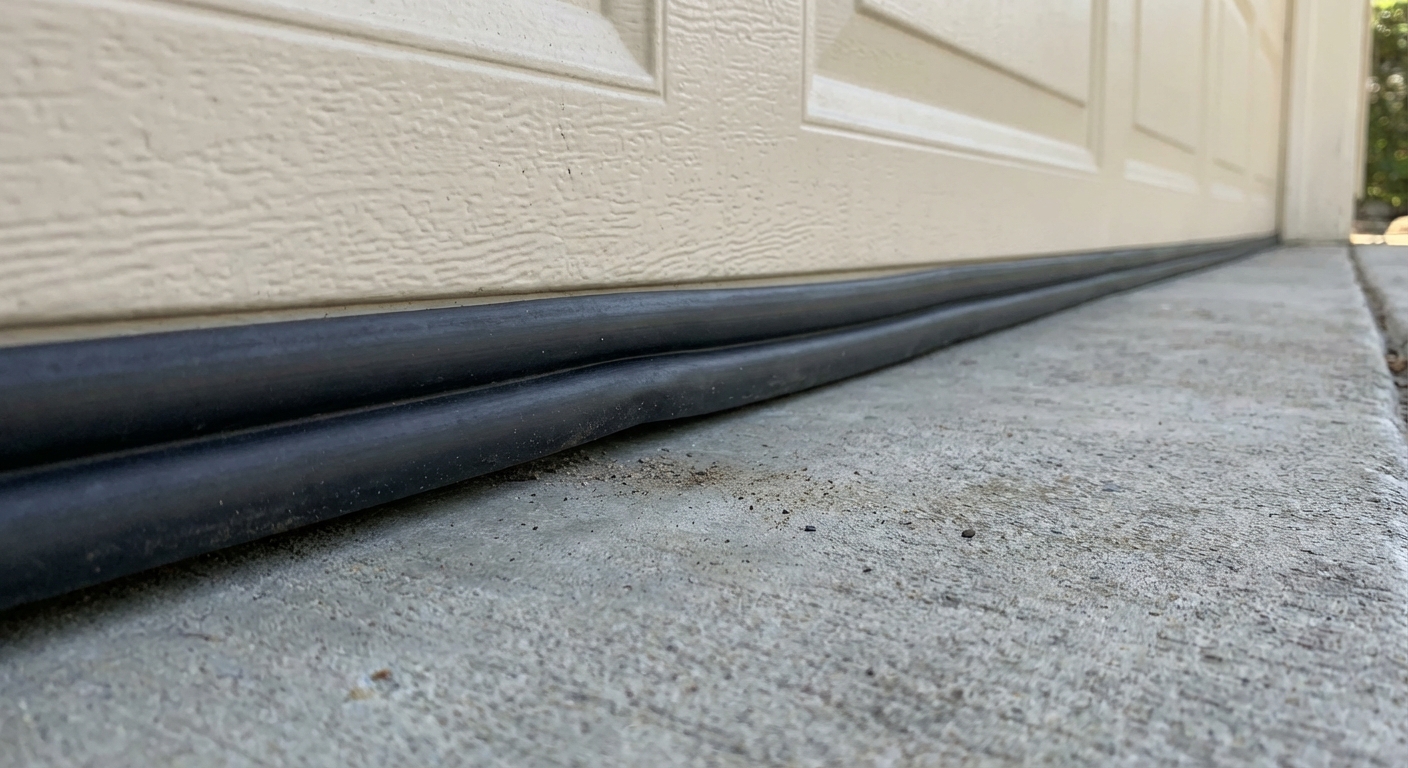
- Install a snug garage door threshold or replace worn weather stripping.
- Seal drywall gaps at the corners and where the wall meets the slab.
- Store bird seed, grass seed, and pet food in sturdy sealed containers, not bags.
- Declutter cardboard. Mice love cardboard for nesting and hiding.
If you have an attached garage, pay special attention to the door into your home. Add a quality door sweep and check the frame for gaps.
Attic and Basement
Not every home has both, but wherever you have insulation and low traffic, mice can settle in fast.
- Inspect attic vents and roofline openings. Cover with appropriate hardware cloth if needed.
- Look for droppings near insulation, stored boxes, and along rafters.
- Keep stored items in plastic bins with lids, and elevate bins off the floor when possible.
Because attics can hide electrical hazards and difficult access points, consider professional help if you see extensive droppings or damaged insulation.
Storage Areas
Small storage zones are where infestations quietly grow because they are easy to ignore.
- Rotate and inspect stored foods regularly, especially grains, baking supplies, and snacks.
- Replace cardboard storage with plastic bins.
- Keep items off the floor and a bit away from walls so you can spot droppings early.
Outdoor Perimeter
If mice are thriving near your foundation, they will keep testing your home for entry points.

- Trim shrubs and keep vegetation from touching the house.
- Move wood piles as far from the home as practical, ideally 20 feet or more, and keep them raised off the ground.
- Pick up fallen fruit and keep trash bins tightly closed.
- Check for foundation cracks and seal them properly.
Seasonal tip: Do a perimeter check in early fall, then do a quick walk-around monthly during cold months. It is much easier to seal one new gap than to deal with a full winter of activity.
Clean Droppings Safely
Mouse droppings and urine can carry germs. Clean carefully to reduce the risk of stirring particles into the air.
- Wear disposable gloves.
- Ventilate the area if possible.
- Do not vacuum or sweep dry droppings. Spray droppings with disinfectant and let it sit before wiping up.
- Use paper towels or disposable rags and seal waste in a bag.
- Wash hands thoroughly afterward.
If your dog or cat is prone to hunting, keep them away during cleanup and during any trapping process. A rodent that has ingested poison can also pose a risk if a pet catches or eats it.
When to Call a Pro
DIY mouse proofing is very effective for light activity. It is time to bring in a licensed pest professional if:
- You see repeated droppings despite sealing and trapping for 1 to 2 weeks.
- You hear activity in multiple walls or ceilings.
- You find significant nesting in insulation or signs of chewing on wiring.
- You need attic or crawlspace work you cannot safely access.
Mouse control is not about one magic product. It is about closing doors, removing incentives, and checking your work consistently.
Quick Checklist
- Kitchen: seal behind appliances, store food in hard containers, trap along walls.
- Bathroom: seal around plumbing, fix leaks.
- Living areas: seal baseboards and cable holes, reduce crumbs and clutter.
- Bedrooms: store fabrics in bins, avoid snacks in drawers.
- Laundry: seal dryer vent areas, reduce nesting materials.
- Garage: improve door seals, secure seed and pet food, reduce cardboard.
- Attic and basement: monitor, cover vents, store in lidded bins.
- Outside: trim vegetation, secure trash, move wood piles.