
A complete Belgian Malinois guide covering temperament, working vs show lines, daily exercise and enrichment, training priorities, grooming, health risks, an...
Article
•
Designer Mixes
Most Intelligent Dog Breeds Ranked by Trainability

Shari Shidate
Designer Mixes contributor
When people search for the “most intelligent dog,” they are usually looking for one thing: a dog that learns fast and listens well. In veterinary clinics, we see the real-life impact of that kind of intelligence every day. Highly trainable dogs often thrive with structure, clear communication, and enough mental exercise. Without those things, their brilliance can turn into boredom, anxiety, or mischief.
This list ranks some of the most intelligent dog breeds based on working intelligence, meaning obedience and trainability. I will also explain adaptive intelligence, which is your dog’s ability to problem-solve and learn from everyday life.

What “smart” means in dogs
Working intelligence: obedience and trainability
Working intelligence is the kind of smarts you can measure in training. It includes how quickly a dog learns new cues (sometimes called commands), how reliably they respond, and how well they perform tasks with a handler. Breeds developed for herding, retrieving, and close handler cooperation often score very high here because selective breeding rewarded biddability and focus. This working, adaptive, and instinctive framework is commonly used in discussions of canine intelligence and is often linked to Stanley Coren’s writing on the topic.
Adaptive intelligence: real-world problem solving
Adaptive intelligence is what you see at home. This is the dog who figures out how to open a gate, learns your routine in two days, or invents a new game with their toys. Adaptive intelligence is wonderful, but it can also create clever trouble if your dog is under-stimulated.
Instinctive intelligence matters too
There is also instinctive intelligence, which is what a breed was designed to do. A Pointer naturally points. A livestock guardian naturally patrols. A sighthound naturally chases. These instincts are not “better” or “worse,” they are simply different kinds of canine talent.
Helpful mindset: A very trainable dog is not automatically an “easy” dog. High working intelligence often comes with high drive, high energy, and big feelings when they are bored.
One more thing: “Smart” does not mean “best.” The best dog for you is the one whose needs you can meet consistently, whether they are top-ranked for trainability or not.
Most intelligent dog breeds ranked
Rankings below focus on obedience and trainability, which is only one lens of intelligence. (It does not measure problem-solving alone.) Individual dogs vary, and socialization, health, and your daily routine matter just as much as breed.
How this ranking was chosen
This order reflects commonly cited working-intelligence and obedience rankings (often associated with Stanley Coren) plus real-world expectations for biddability and learning speed. Consider it a practical guide, not a verdict on a dog’s worth.
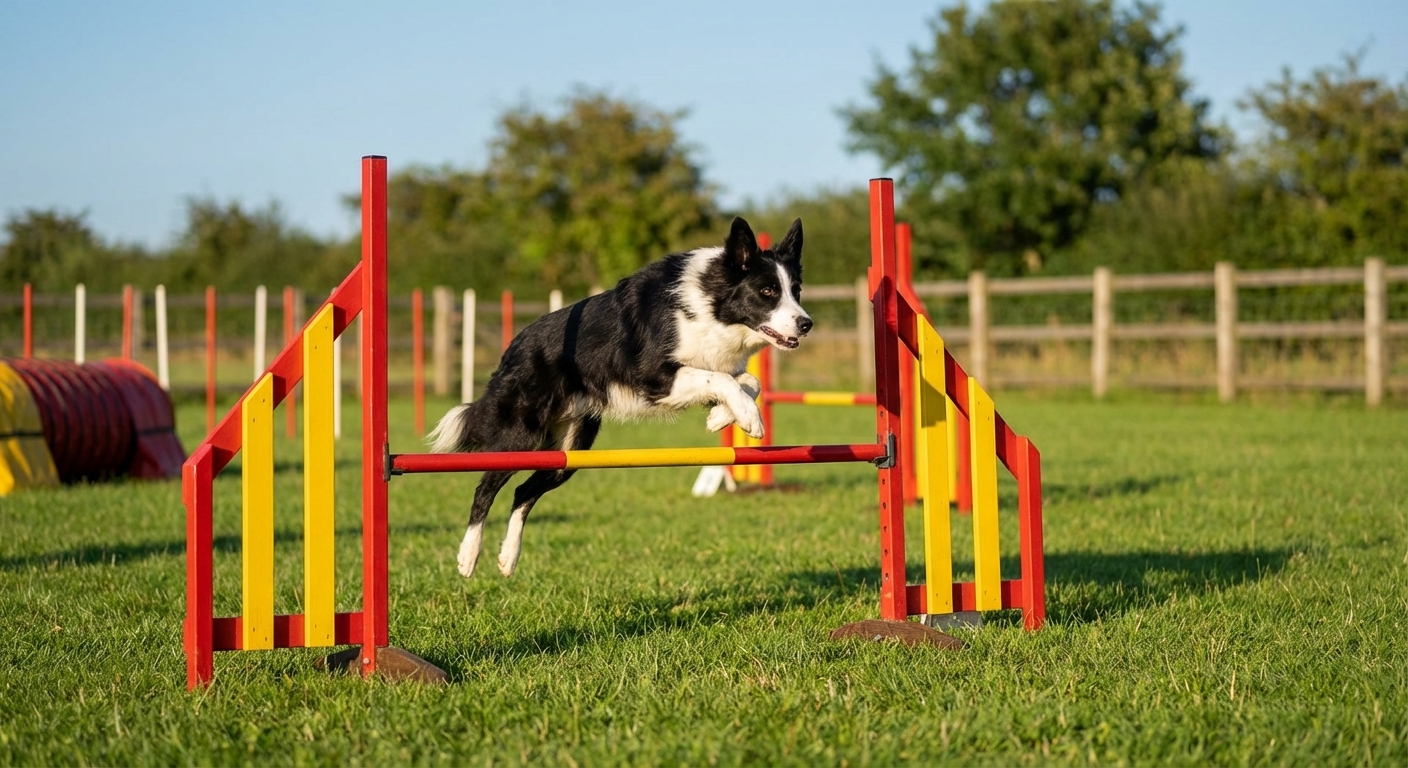
1) Border Collie
What makes them smart: Border Collies are frequently cited as a top pick for working intelligence and trainability. They were bred to read movement, respond quickly, and work all day with minimal direction. That combination of focus, responsiveness, and speed of learning is hard to beat.
Training tips that work:
- Keep sessions short and frequent. Think 3 to 8 minutes, multiple times a day.
- Use clear markers like a clicker or a consistent “yes.”
- Give them a job: advanced obedience, agility, herding lessons, scent work, or trick training.
Is this intelligence right for your lifestyle? Best for active homes that enjoy structured training and daily mental work. If you want a relaxed couch companion with only casual walks, a Border Collie is often too much brain and too much energy.
2) Poodle (Standard, Miniature, and Toy)
What makes them smart: Poodles combine quick learning with strong human focus. They tend to excel at complex cue chains and love a routine. Their sensitivity also means they often read your body language very well.
Training tips that work:
- Use positive reinforcement and keep your tone calm and consistent.
- Prevent boredom with rotating toys, puzzle feeders, and new tricks.
- Teach cooperative care early, like grooming handling and nail trims.
Is this intelligence right for your lifestyle? Great for people who want a highly trainable dog that can do sports, therapy work, or family life. Just be realistic about grooming needs and daily enrichment.

3) German Shepherd Dog
What makes them smart: German Shepherds are fast learners with strong working drive and a natural desire to partner with their person. Their trainability and versatility are big reasons they are common choices in many service, police, and protection programs.
Training tips that work:
- Focus on confidence-building socialization from puppyhood.
- Reward calm behaviors, not just intensity, to avoid over-arousal.
- Mix obedience with purposeful work like tracking, nose work, and structured fetch.
Is this intelligence right for your lifestyle? Ideal for owners who want a loyal, trainable dog and can provide consistent leadership, exercise, and boundaries. They can struggle if under-socialized or left without guidance.
4) Golden Retriever
What makes them smart: Goldens are not just bright, they are typically eager to please and emotionally tuned-in. Their blend of trainability and steadiness is why they are often chosen in many service and therapy programs.
Training tips that work:
- Use food rewards and fun games to keep motivation high.
- Teach impulse control early, especially around people and excitement.
- Build reliable recall with high-value rewards and gradual distractions.
Is this intelligence right for your lifestyle? Excellent for families and many first-time owners who want a responsive dog. They still need daily activity and training, but they are often more forgiving than the highest-drive working breeds.

5) Doberman Pinscher
What makes them smart: Dobermans learn quickly, generalize cues well, and often have strong handler focus. Their intelligence is paired with athleticism and protective instincts, which calls for careful, thoughtful training.
Training tips that work:
- Start early with positive reinforcement and confidence-building exposure.
- Practice calm greetings and boundary work to reduce reactivity.
- Provide a daily outlet: obedience drills, running with you, scent games, or advanced tricks.
Is this intelligence right for your lifestyle? Best for experienced, consistent owners who want a highly engaged companion. They can develop anxiety or destructive behaviors if isolated or under-exercised.
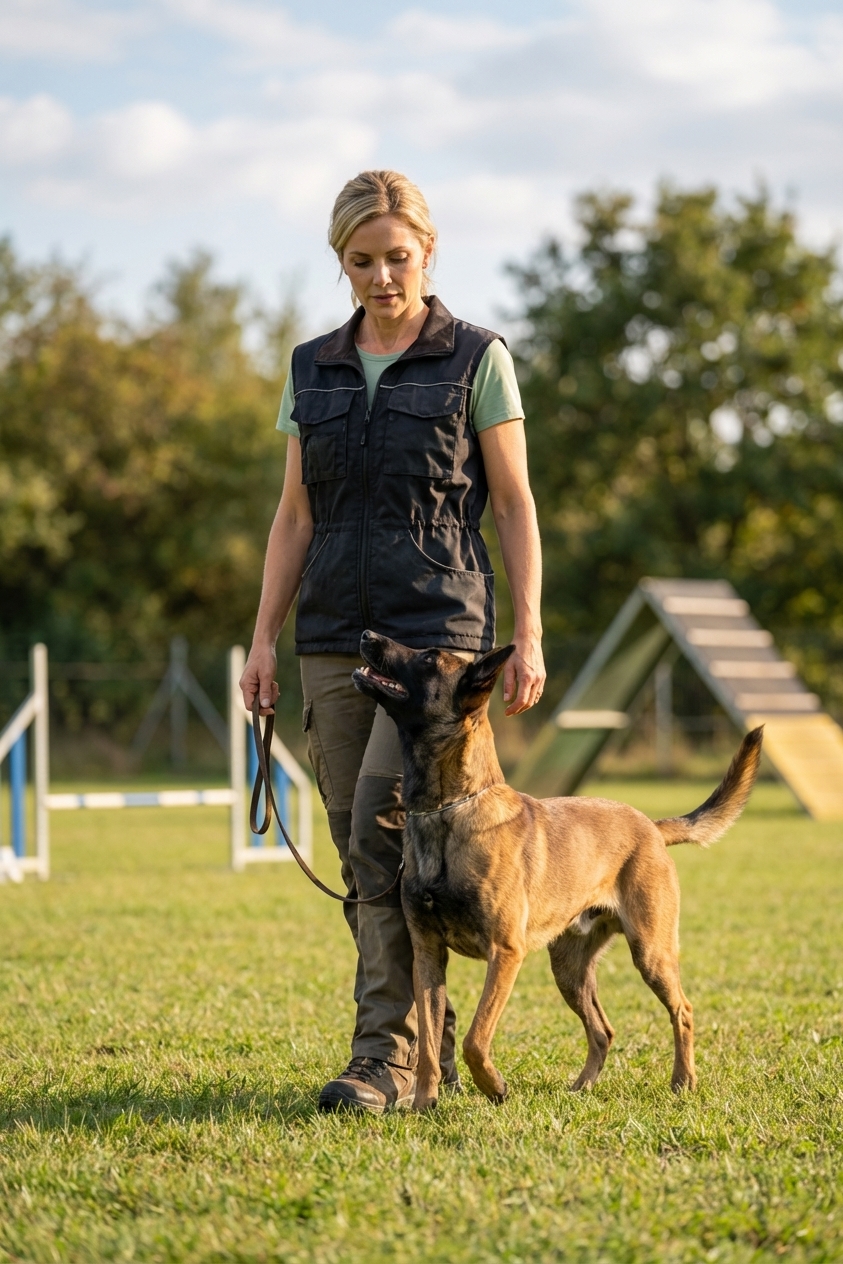
6) Belgian Malinois
What makes them smart: Malinois are intensely trainable with very high drive. They can learn complex tasks quickly and often crave work. Many are “on” much of the day, which is perfect for demanding roles and challenging for casual pet homes.
Training tips that work:
- Prioritize structure and recovery time, not nonstop stimulation.
- Teach a strong off-switch: place training, relaxation protocols, and calm reinforcement.
- Choose enrichment that channels drive safely, like scent work and tug with rules.
Is this intelligence right for your lifestyle? A great fit for dedicated working-dog households, sport trainers, and people with time and skill. Not ideal if you want a low-maintenance dog.
7) Labrador Retriever
What makes them smart: Labs are highly trainable, food-motivated, and generally resilient. Their practical intelligence shines in real-world learning and consistency, which is one reason they are among the most common breeds in many service dog programs.
Training tips that work:
- Use measured treats and part of meals for training to help prevent weight gain.
- Build impulse control around food, people, and doorways.
- Provide retrieval games, swimming, and scent activities to satisfy their instincts.
Is this intelligence right for your lifestyle? Excellent for many homes, including active families. They do best when they get daily exercise and a training plan, even if it is simple.
8) Shetland Sheepdog
What makes them smart: Shelties are quick learners with strong sensitivity and a natural desire to work with their person. They often excel in obedience and agility because they notice small details and patterns.
Training tips that work:
- Keep sessions upbeat and avoid harsh corrections.
- Address barking early with alternative behaviors and enrichment.
- Use trick training and agility-style skills to satisfy their working brain.
Is this intelligence right for your lifestyle? Great for people who enjoy training and want a smaller herding breed. They can be sound-sensitive and may need gentle socialization.
9) Australian Shepherd
What makes them smart: Aussies are intelligent, athletic, and task-oriented. They tend to learn fast and can become very bonded to their people. Like other herding breeds, they may try to control motion in the home if under-stimulated.
Training tips that work:
- Teach appropriate outlets for herding instincts, like structured games and sports.
- Use consistent rules. These dogs notice inconsistencies quickly.
- Include brain work daily: puzzle toys, scent games, and new cues.
Is this intelligence right for your lifestyle? Perfect for active owners who want a partner for hiking, training, and dog sports. Not ideal for sedentary schedules.
10) Papillon
What makes them smart: Papillons are tiny but remarkably trainable. They often love learning tricks and can do surprisingly well in obedience and agility. Their alertness can look like “busy” behavior, so routine and calm training help.
Training tips that work:
- Use gentle handling and safe, low-jump activities for small bodies.
- Reinforce quiet behaviors to prevent nonstop alert barking.
- Make recall training fun and frequent since small dogs can be quick.
Is this intelligence right for your lifestyle? A strong choice if you want a small dog that still enjoys training. They may not love rough handling, so homes with very young children should supervise closely.
Choose the right smart dog
In my experience as a veterinary assistant, the happiest matches happen when people choose a dog whose daily needs fit their real schedule. Intelligence is a gift, but it comes with needs. In clinic, we often see a correlation between high-drive, under-enriched dogs and stress behaviors at home, including chewing, broken nails, and anxiety that spills over into handling.
Ask yourself three questions
- Do I enjoy training? Truly smart dogs need ongoing learning, not just puppy class.
- Can I provide daily enrichment? Plan on physical exercise plus mental work like scent games or puzzle feeding.
- Do I want a thinker or a follower? Some highly intelligent dogs are independent problem-solvers. Others are more handler-focused and eager to comply.
Signs you may want a less intense breed
- You are gone for long stretches most days.
- You want a calm, predictable routine with minimal training time.
- You feel stressed by constant vigilance or high-energy behavior.
If that sounds like you, do not worry. Plenty of dogs are wonderful companions without being top-ranked in working intelligence. A great family dog is often the one whose needs you can meet consistently.
Training basics for smart breeds
Regardless of breed, these well-supported training principles help dogs learn faster and reduce behavior issues.
- Use positive reinforcement: Reward the behaviors you want with treats, toys, praise, or play.
- Train in layers: Teach a cue at home, then gradually add distractions.
- Meet exercise needs first: A dog who has not moved all day will struggle to focus.
- Feed the brain: Scent work, puzzle feeders, and scavenger hunts tire dogs out in a healthy way.
- Practice cooperative care: Teach calm handling for ears, paws, and grooming. This is huge for stress reduction at the vet.
Welfare note: If you are dealing with aggression, severe anxiety, or dangerous escape behavior, work with a credentialed, reward-based trainer or a veterinary behaviorist. It can make a life-changing difference, and it keeps everyone safer.

Quick FAQ
Is there one number 1 intelligent dog?
If we are talking about working intelligence and trainability, Border Collies are frequently ranked at or near the top in widely cited obedience-based lists. Still, individual personality, training, and lifestyle fit matter more than a single ranking.
Are mixed-breed dogs less intelligent?
No. Many mixed-breed dogs are extremely smart and very trainable. What varies is which traits show up, including energy level, focus, and sensitivity. If you adopt, ask about the dog’s behavior in foster care and do a trial period if possible.
Do smart dogs have more behavior problems?
Not automatically, but high-intelligence dogs often get bored faster. Boredom can look like chewing, barking, digging, escaping, counter surfing, or attention-seeking. The fix is usually more structure, enrichment, and clear training.
Bottom line
The most intelligent dog breeds are impressive, but their biggest superpower is not just learning tricks. It is learning habits, routines, and patterns. If you can offer training, enrichment, and calm structure, these breeds can be phenomenal companions.
If you are deciding between a couple of breeds, I recommend writing down your real weekly schedule and choosing the dog whose needs match it. That simple step prevents so many frustration points later and sets you both up for success.