A vet assistant’s guide to cat-safe vs toxic houseplants, including high-risk lilies and sago palm, common irritants like pothos, symptoms to watch, and st...
Article
•
Designer Mixes
Most Dangerous Indoor Plants for Cats

Shari Shidate
Designer Mixes contributor
If you share your home with a cat, you already know they explore with their mouths. A quick nibble on a leaf can seem harmless, but some popular houseplants can trigger anything from painful mouth irritation to rapid onset kidney injury. As a veterinary assistant here in Frisco, Texas, I have seen how fast plant exposures can turn into an emergency.
The goal of this guide is simple: help you identify the most dangerous indoor plants for cats, recognize early warning signs, and create a cat-safe home without giving up greenery entirely.
Quick note: This guide is informational and not a substitute for veterinary care. If you suspect a dangerous exposure, contact your vet or an emergency clinic right away.
Why indoor plants are riskier than you think
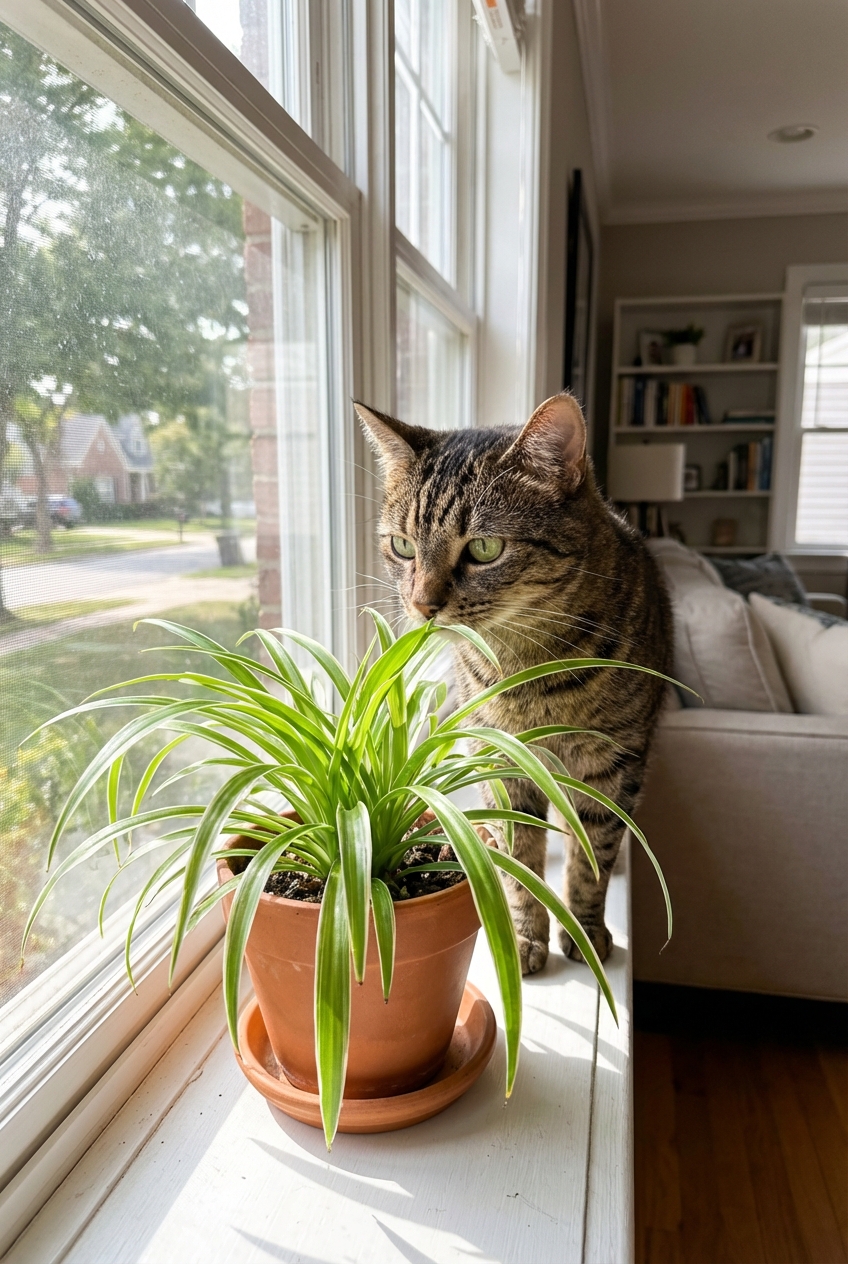
Many plant toxins are designed to deter insects and herbivores. Cats are especially vulnerable because they groom frequently, so pollen and sap on fur can be swallowed even if they did not chew much of the plant.
- Cats nibble for fun: Boredom, curiosity, and texture are common reasons.
- Small body size: A small dose can have a big effect, especially in kittens.
- Hard-to-spot exposure: Cats may chew at night or behind furniture.
- Pollen is a hidden hazard: Lily pollen is a classic example and can be tracked onto fur.
The most dangerous indoor plants for cats
Below are the plants I consider highest risk in a typical home because of how common they are and how severe the outcomes can be.
- Extreme emergency: Treat as urgent even if your cat seems fine. Call your veterinarian, an ER, or pet poison control immediately.
- High: Can cause severe illness. Call promptly for guidance and do not wait for symptoms to worsen.
If you have any of these, the safest option is removal or placing them where your cat has zero access (which is harder than it sounds).
True lilies and daylilies
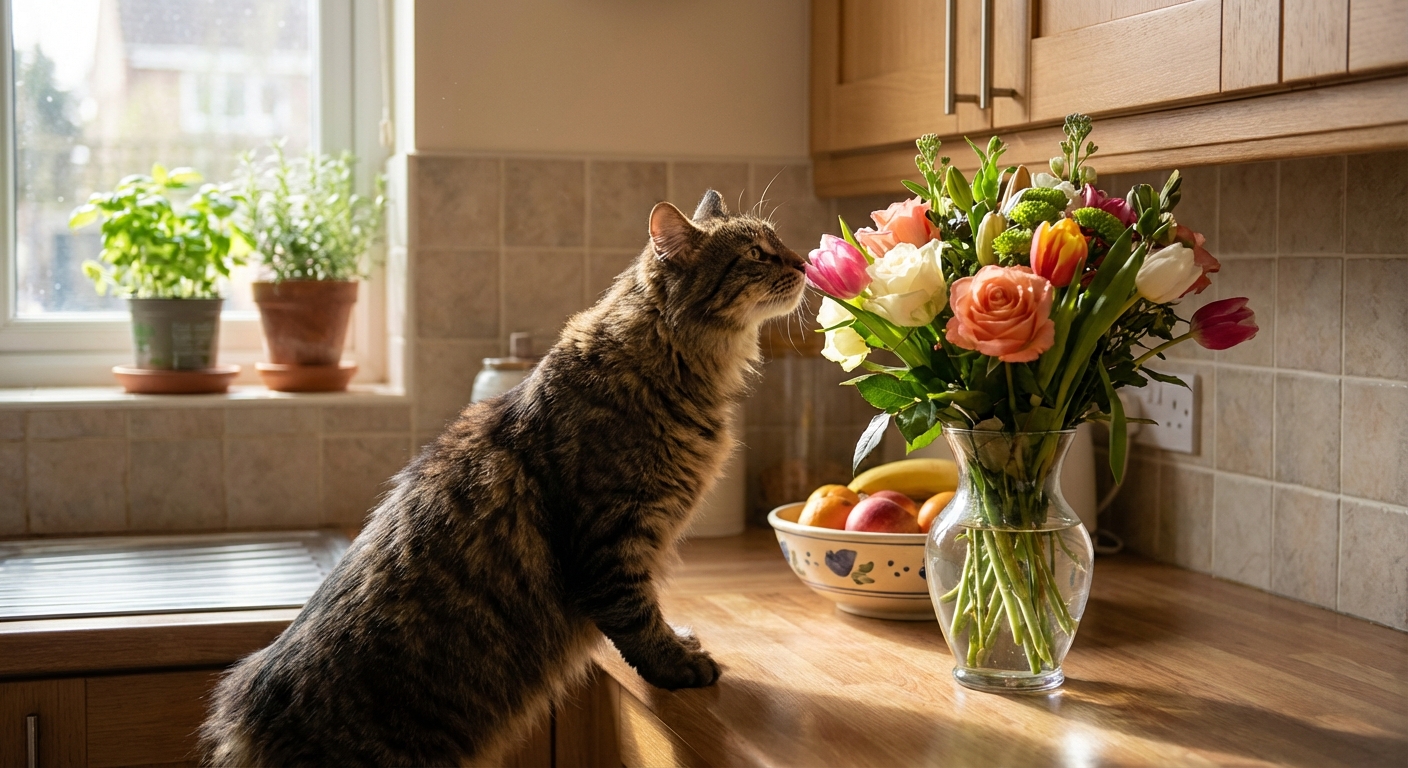
Risk level: Extreme emergency. Even tiny exposures can cause acute kidney injury (and kidney failure risk) in cats. This includes many bouquets and holiday arrangements.
- Examples: Easter lily, tiger lily, Asiatic lily, stargazer lily, daylily.
- What is dangerous: All parts, including pollen and vase water.
- Early signs: Drooling, vomiting, decreased appetite, lethargy.
- Later signs: Increased thirst and urination, then reduced urination as kidney injury worsens.
- Time matters: Treatment is most effective when started quickly, often within hours.

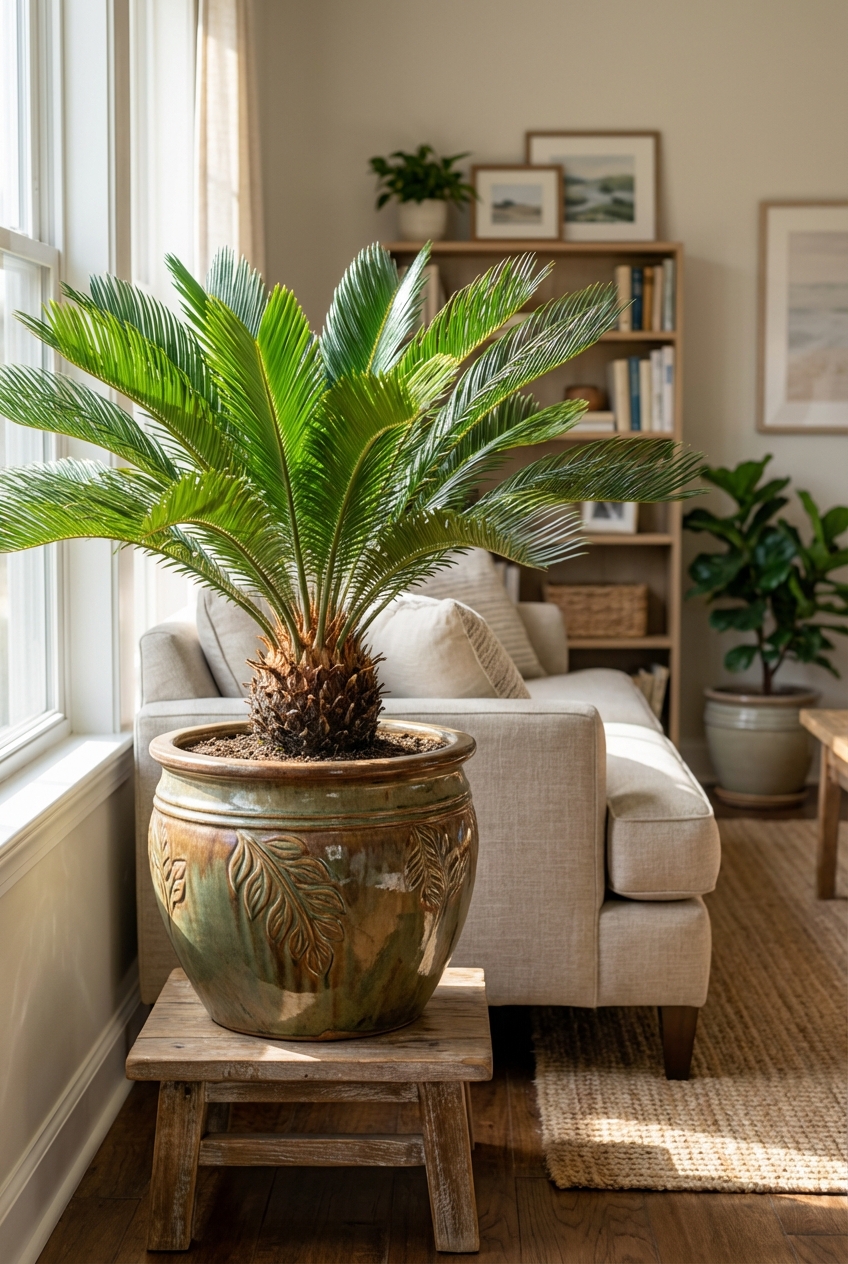
Sago palm
Risk level: Extreme emergency. Sago palm is highly toxic and can lead to severe liver failure. It is often sold as an attractive indoor “palm.”
- What is dangerous: All parts, with the seeds being especially toxic.
- Common signs: Vomiting, diarrhea, weakness, tremors, yellow gums or eyes, bruising, collapse.
Oleander
Risk level: High. Oleander contains cardiac glycosides that can disrupt heart rhythm. Indoors, it is less common than outdoors, but it does show up in sunrooms and patio containers that cats can reach.
- What is dangerous: Leaves, stems, flowers, and even dried plant material.
- Common signs: Drooling, vomiting, weakness, slow or abnormal heart rate, collapse.
Azalea and rhododendron
Risk level: High. These plants contain grayanotoxins that can cause serious GI and neurologic issues and affect the heart.
- Common signs: Vomiting, diarrhea, drooling, weakness, wobbliness, tremors.
Castor bean plant
Risk level: High. The seeds contain ricin, a potent toxin. This plant is more common outdoors, but it can be grown indoors in bright light.
- Common signs: Severe vomiting and diarrhea, abdominal pain, dehydration, weakness.
Autumn crocus
Risk level: High. This is not the same as spring crocus. Autumn crocus contains colchicine and can be fatal.
- Common signs: Severe vomiting, bloody diarrhea, shock, organ failure.
Kalanchoe
Risk level: High. Kalanchoe (a common flowering succulent) contains cardiac glycosides that can affect heart rhythm, especially with larger ingestions.
- Common signs: Vomiting, diarrhea, weakness, abnormal heart rate in more serious cases.
Amaryllis bulbs
Risk level: High. Amaryllis is popular around the holidays. The bulb is often the most tempting part and can cause significant GI signs and drooling.
- Common signs: Drooling, vomiting, diarrhea, abdominal discomfort, lethargy.
Common houseplants that still cause harm
These plants are widely sold and frequently involved in poison control calls. Some cause intense mouth pain and swelling, while others can trigger vomiting, diarrhea, or worse depending on the plant and amount eaten.
Oxalate crystal plants
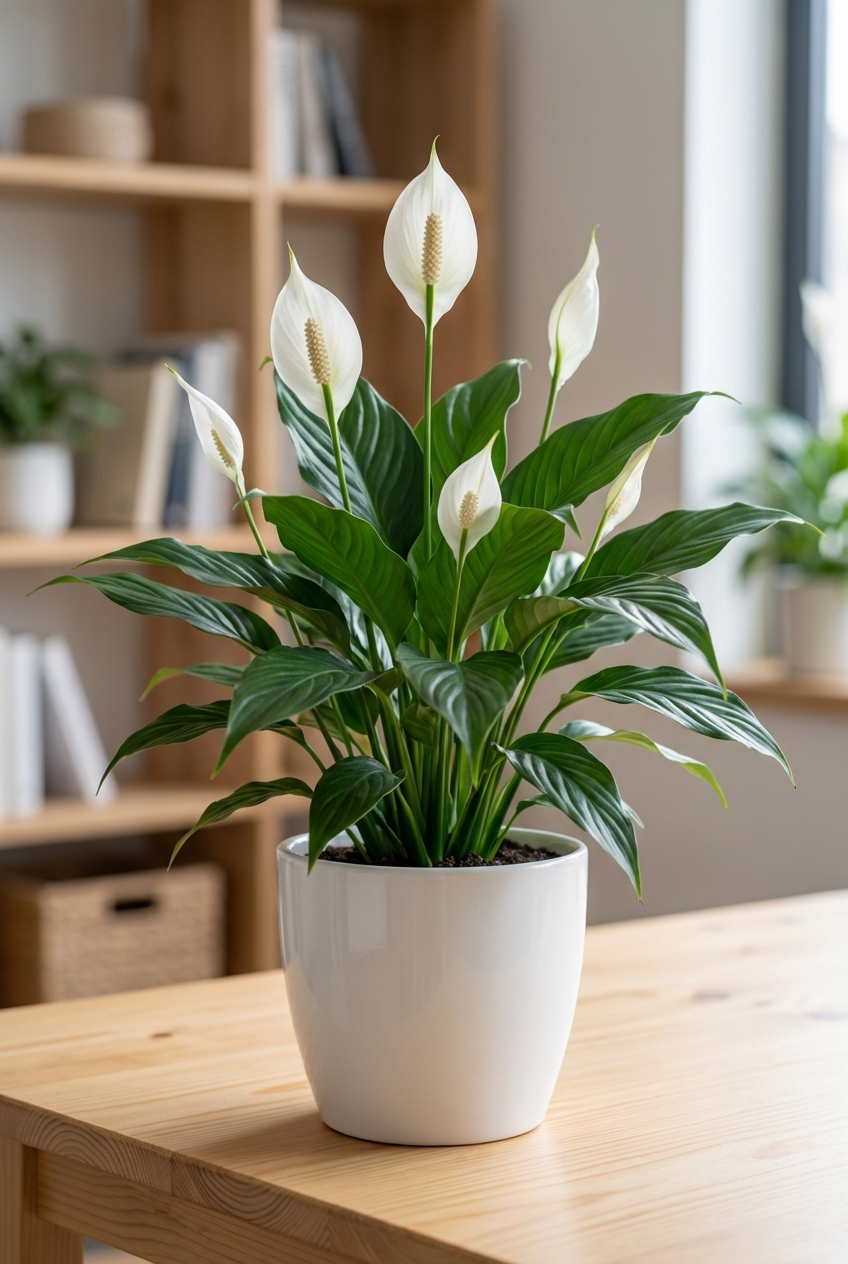
Includes: Peace lily, pothos, philodendron, dieffenbachia (dumb cane), monstera, calla lily.
Main issue: Insoluble calcium oxalate crystals. Think of it like microscopic needles.
- Common signs: Immediate mouth pain, pawing at the face, drooling, vomiting, decreased appetite. In more serious cases, swelling can affect swallowing.
- Important note: “Peace lily” (Spathiphyllum) and “calla lily” (Zantedeschia) are not true lilies. They usually cause irritation, not the same kidney injury risk as Lilium and Hemerocallis.
Snake plant
Main issue: GI irritation and saponins.
- Common signs: Vomiting, diarrhea, drooling.
Dracaena
Main issue: GI irritation. Some cats have significant vomiting after chewing dracaena (including corn plant and “lucky bamboo”).
- Common signs: Drooling, vomiting, decreased appetite, depression. Less commonly, dilated pupils.
- Severity note: Blood in vomit is uncommon, but can occur with more severe gastritis or repeated vomiting.
Jade plant
Main issue: Toxicity is reported but not as well characterized as some other plants. It can cause GI upset and lethargy in pets.
- Common signs: Vomiting, lethargy, slow or uncoordinated movement.
Ficus
Main issue: Irritating sap.
- Common signs: Drooling, vomiting, skin irritation after contact.
English ivy
Main issue: GI irritation and drooling after chewing leaves.
- Common signs: Vomiting, diarrhea, drooling, belly discomfort.
Lily name mix-ups
This is where a lot of well-meaning pet owners get confused. In my world, “lily” always triggers a double-check.
- True lilies and daylilies: Lilium and Hemerocallis. These are the kidney emergency lilies for cats.
- Not true lilies: Peace lily and calla lily. These usually cause painful mouth irritation and drooling, but they are not known for the same kidney injury pattern.
If you are not sure what you have, assume risk until you can confirm the plant by a label or photo.
Warning signs of plant poisoning
Not every exposure looks dramatic at first. If you have plants in the home, these signs deserve attention, especially if they come on suddenly.
- Drooling or foaming
- Pawing at the mouth, mouth pain, refusal to eat
- Vomiting or diarrhea
- Lethargy, hiding, weakness
- Wobbliness, tremors, seizures
- Fast, slow, or irregular heartbeat
- Increased thirst and urination, or trouble urinating
- Yellow tint to gums, eyes, or skin
- Difficulty breathing or swallowing
What to do if you suspect exposure
If you think your cat chewed a plant, trust your gut. Early action can make a huge difference, especially with true lilies and sago palm.
- Remove access immediately and take the plant away from your cat.
- Check the mouth and fur for plant bits or pollen. If you see lily pollen on fur, gently wipe it off with a damp paper towel. Avoid spreading it.
- Do not induce vomiting at home unless a veterinarian or poison professional tells you to. Some situations make vomiting unsafe.
- Skip home remedies: Do not give milk, oil, salt, or “detox” products. These can delay real treatment or cause their own problems.
- Do not wait for symptoms with lily exposure: If a cat may have been exposed to true lilies or daylilies, treat it as an emergency even if they look normal.
- Call for guidance:
- Your veterinarian or a nearby emergency vet
- ASPCA Animal Poison Control Center (fee may apply): aspca.org/pet-care/animal-poison-control
- Pet Poison Helpline (fee may apply): petpoisonhelpline.com
- Bring info: plant name (or a photo), how much might be missing, and when it happened. If the plant came from a bouquet, bring the card or take a picture of the arrangement.
One more safety note: Treatments like activated charcoal and inducing vomiting are clinician-directed and time-sensitive. This is exactly why calling early matters.
Veterinary teams would much rather evaluate a “maybe” exposure early than treat organ damage later.
How to cat-proof your plants
You do not have to choose between a calming, plant-filled space and your cat’s safety. You just need the right setup.
- Do a fast plant audit: List every plant you own, including bouquet flowers and porch plants that come inside.
- Be realistic about access: Many cats can reach high shelves and counters.
- Use physical barriers: A glass-front cabinet, a closed office, or a truly cat-proof plant room works better than “out of reach.”
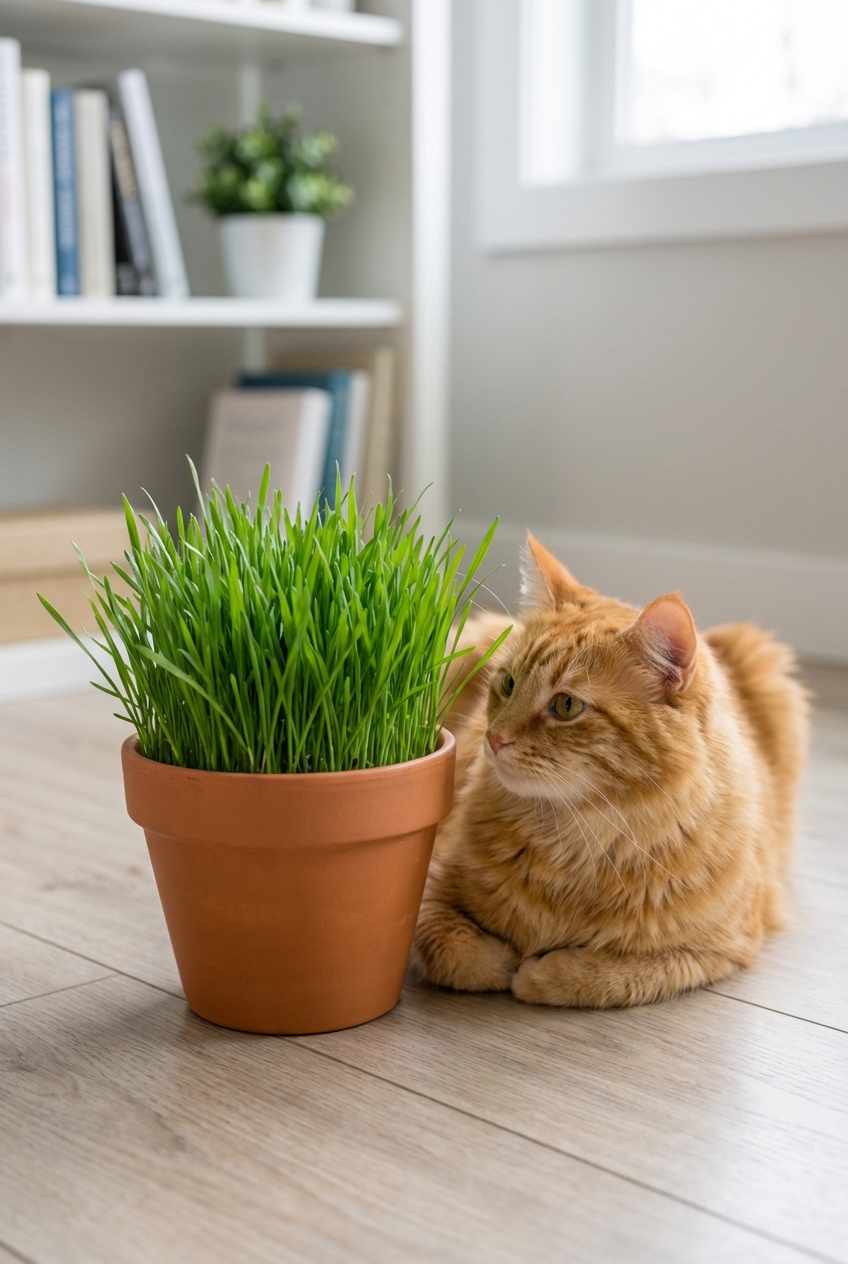
- Offer a safe alternative: Cat grass (usually wheat, oat, or barley grass) can reduce plant chewing for some cats.
- Skip risky bouquets: Tell friends and family you are a “no true lilies” household.
- Block vase water access: Cats love to drink from vases, and with certain flowers (especially lilies), vase water can be part of the exposure.
Cat-safe plant ideas
If you love greenery, start with plants commonly listed as non-toxic to cats. Always confirm the exact species, because common names can be confusing.
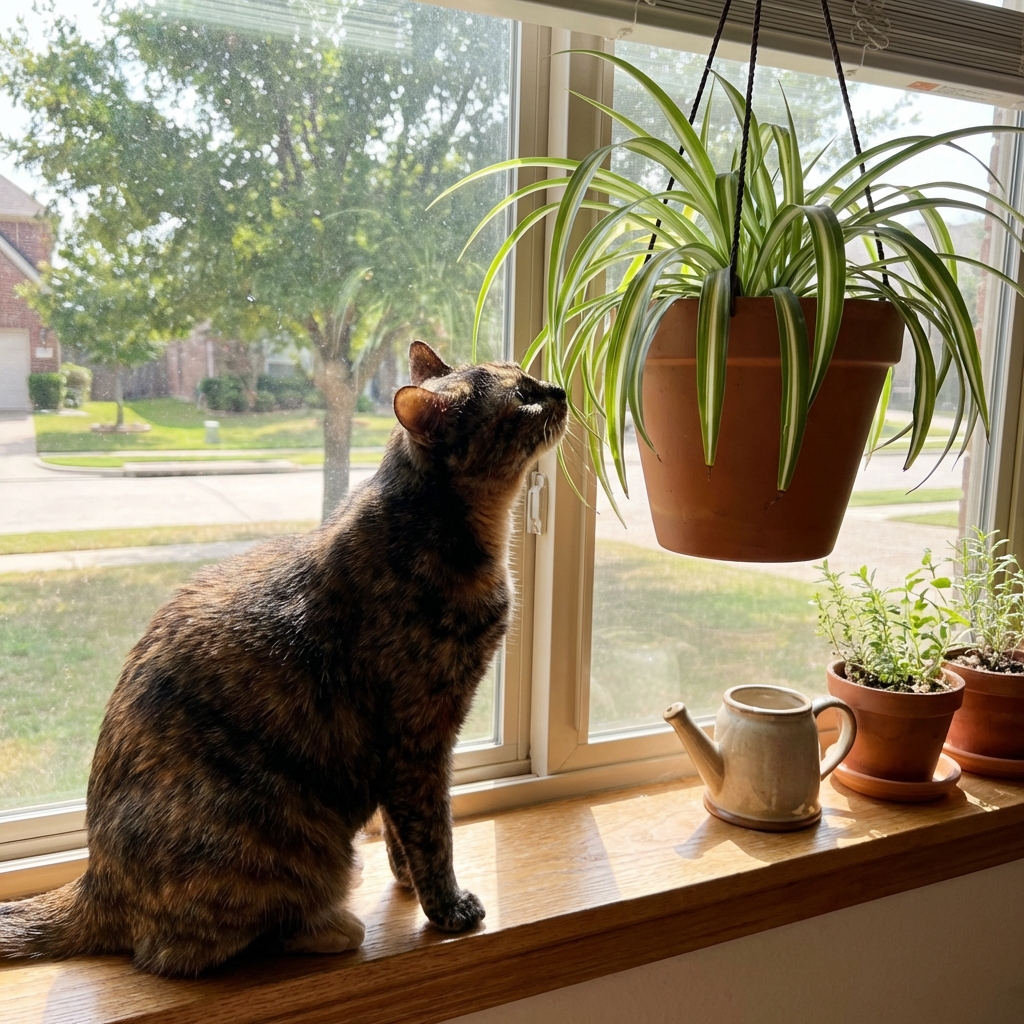
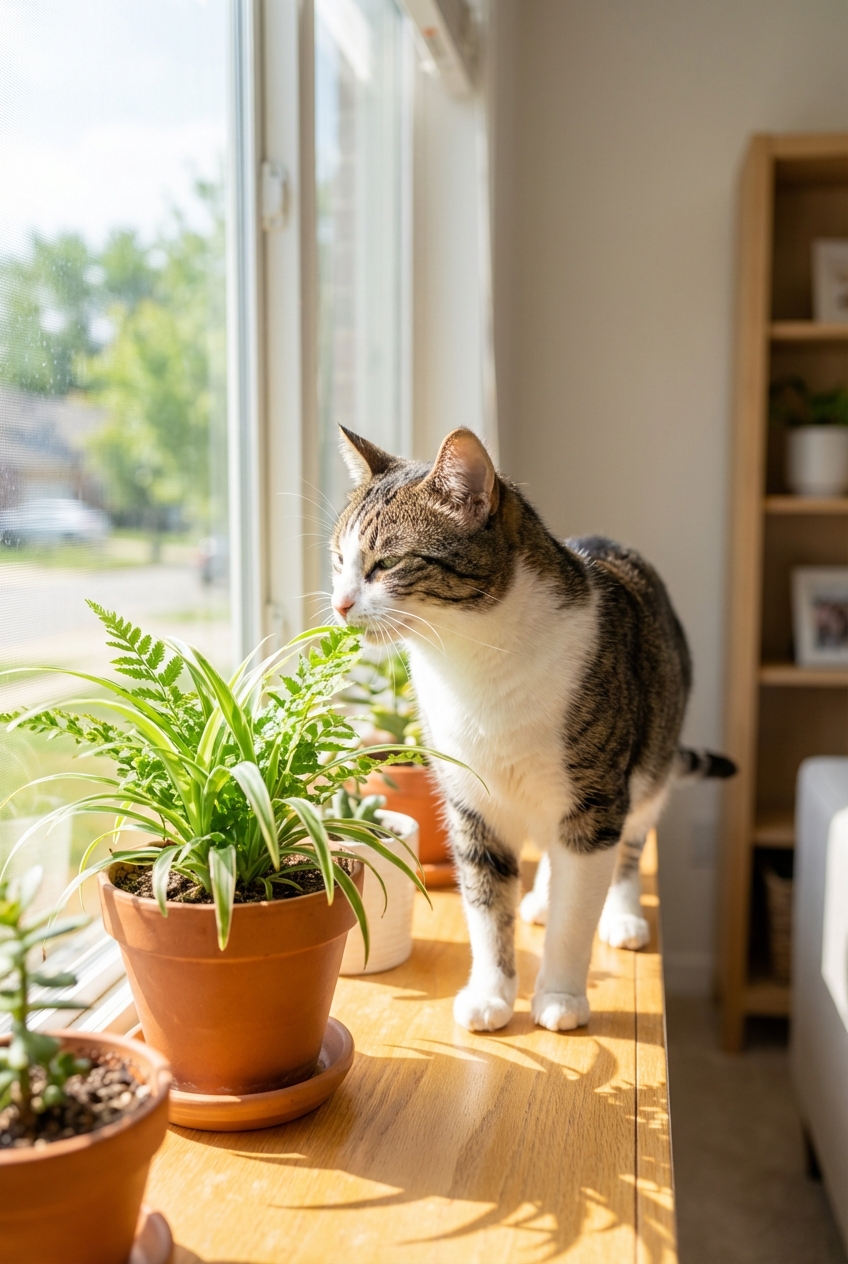
- Spider plant (often non-toxic, but can cause mild tummy upset if over-chewed and may be especially tempting to some cats)
- Boston fern
- Areca palm
- Calathea (prayer plant family)
- Parlor palm
- Orchids (many common varieties are considered non-toxic)
Quick tip: Before bringing any new plant home, look it up by its scientific name on a reliable pet toxicity database.
Takeaway
The most dangerous indoor plants for cats are the ones that combine severe toxicity with easy access, especially true lilies and sago palm. If you remove the highest-risk plants, learn a few early symptoms, and keep poison-control resources handy, you are doing something truly protective for your cat.