Start homemade dog food safely with this vet-informed starter plan. Learn what “vet approved” means, choose a balancer, follow a 14-day transition, and u...
Article
•
Designer Mixes
Morkie (Maltese Yorkie Mix): Personality, Size, and Health Tips

Shari Shidate
Designer Mixes contributor

Meet the Morkie
The Morkie is a Maltese Yorkie mix, a tiny companion dog with a big heart and an even bigger opinion. In my work as a veterinary assistant in Frisco, Texas, I see a common theme with Morkies. They bond deeply, they love being close to their people, and they thrive when their routine is consistent.
Because the Morkie is a mix, you will see variation in coat type, size, and temperament. Health and personality are not guaranteed, even within the same litter. Overall, this is a small, affectionate dog best suited for families who enjoy an interactive, indoor companion and can stay on top of grooming and dental care.
Quick note: This is general guidance. Your veterinarian can tailor recommendations to your dog’s age, size, and medical history.
Personality
Sweet, social, and people-focused
Most Morkies are friendly and cuddly with their own family, often acting like a tiny shadow that follows you from room to room. They can be excellent lap dogs, but they are not typically “couch potatoes” all day. Many enjoy short bursts of play, a few zoomies, then a long nap in the softest spot they can find.
Alert and vocal
The Yorkie side often brings an alert watchdog streak. That can be a plus if you like a dog who lets you know what is happening outside. It can also become nuisance barking if it is accidentally reinforced. Teaching a calm “quiet” cue and rewarding relaxed behavior goes a long way.
Separation sensitivity is common
Morkies frequently prefer being near their person. Some develop separation anxiety or stress-related behaviors if left alone too long. If you work away from home, plan for gradual alone-time training, enrichment toys, and possibly a midday pet sitter.
- What alone-time training can look like: start with a few minutes behind a baby gate with a treat toy, come back before they panic, then slowly increase time over days to weeks.
- Easy enrichment ideas: snuffle mats, lick mats, small treat puzzles, and short “find it” games using kibble.
How to set a Morkie up for success
- Early socialization: gentle exposure to people, calm dogs, and everyday noises during puppyhood.
- Positive training: reward-based methods help these sensitive little dogs feel safe and confident.
- Routine: predictable meals, potty breaks, and bedtime reduce stress and barking.
- Potty patience: toy breeds can be slower to housetrain because they have tiny bladders. Frequent breaks and consistency help.
Size and Appearance

Morkies are small dogs, and size depends on parent size, breeding practices, and whether a dog is first-generation (Maltese x Yorkie) or from later generations.
Typical size range
- Height: about 6 to 10 inches at the shoulder
- Weight: commonly 4 to 10 pounds, sometimes a bit more
- Lifespan: often around 12 to 15 years, sometimes longer with good preventive care
You may see “teacup” marketing for extra tiny puppies. In the clinic, the ultra-small ones tend to be more fragile and more prone to medical complications. I always recommend prioritizing health and responsible breeding over the smallest possible size.
Coat and grooming expectations
Many Morkies have a silky, fine coat that can tangle easily. Some lean more Yorkie (silkier), others more Maltese (soft and fluffy), and plenty fall in between. Coat color ranges from white and cream to black, tan, and mixed patterns.
People often ask if Morkies are hypoallergenic. No dog is truly hypoallergenic, but many Morkies are lower-shedding than heavy shedders. If allergies are a concern, spend time around the individual dog first.
- Brushing: ideally daily or at least several times per week to prevent mats.
- Professional grooming: every 4 to 8 weeks is common, especially if you keep a longer coat.
- Eye area care: gentle wiping can help reduce tear staining and irritation.
- Nails and ears: nail trims every few weeks (most need it sooner than you think), and regular ear checks. Ask your groomer or veterinarian how often your dog needs ear cleaning.
- Sanitary trims: a tidy trim around the rear and belly can help keep them clean between baths.
Health Tips

Morkies can be wonderfully hardy, but like many small breeds, they have a few predictable health priorities. The best approach is prevention: good nutrition, dental care, safe exercise, and regular veterinary checkups.
Dental health matters
Small dogs are more prone to dental disease, and Morkies are no exception. Plaque buildup can lead to gum infection and tooth loss. Periodontal disease has also been associated with broader inflammation in the body, which is one reason we take oral health so seriously in tiny dogs.
- Brush teeth: daily is ideal, even 3 to 4 times per week helps.
- Schedule dental exams: ask your veterinarian when a professional cleaning is recommended.
- Use VOHC-accepted products: dental chews and water additives with evidence behind them can help.
Low blood sugar in very young toy puppies
Very small, very young puppies can be prone to hypoglycemia, especially if they skip meals, get chilled, or have intestinal upset. If you have a young Morkie puppy, ask your veterinarian about safe feeding frequency and what to do if you ever see weakness, trembling, or unusual sleepiness.
Knees, hips, and toy-breed joints
Many toy breeds are at higher risk for patellar luxation (kneecap slipping). Not every Morkie will have it, but it is common enough to keep on your radar. Some small dogs can also develop Legg-Calvé-Perthes, a hip condition that typically shows up as limping in young dogs.
- Maintain a lean body condition: extra weight increases joint stress.
- Use ramps: especially for couches and beds to reduce jumping impact.
- Ask about supplements: your veterinarian can advise whether omega-3s or joint-support supplements make sense for your individual dog.
Trachea and harness safety
Some small dogs are predisposed to tracheal irritation or collapse, and pulling on a collar can make coughing worse. If your Morkie coughs with pressure on the neck, switch to a well-fitted harness rather than a collar for walks. Also avoid retractable leashes that can create sudden jerks.
Allergies and skin care
Some Morkies deal with itchy skin, ear infections, or paw licking. Allergies can be environmental, food-related, or both. If you notice persistent itching, redness, or recurring ear issues, bring it up early with your veterinarian. Quick intervention helps prevent chronic inflammation.
Eyes and tear staining
Tear staining is common in small, light-coated dogs and is not always a medical problem. But squinting, redness, discharge, or pawing at the face can signal irritation, dry eye, or infection and needs a veterinary exam.
Vaccines and parasite prevention
Most Morkies do best with a solid preventive routine. Your veterinarian will recommend core vaccines and a parasite prevention plan based on your dog’s age and lifestyle. In North Texas, we also talk a lot about fleas, ticks, and heartworm prevention.
Nutrition and Weight
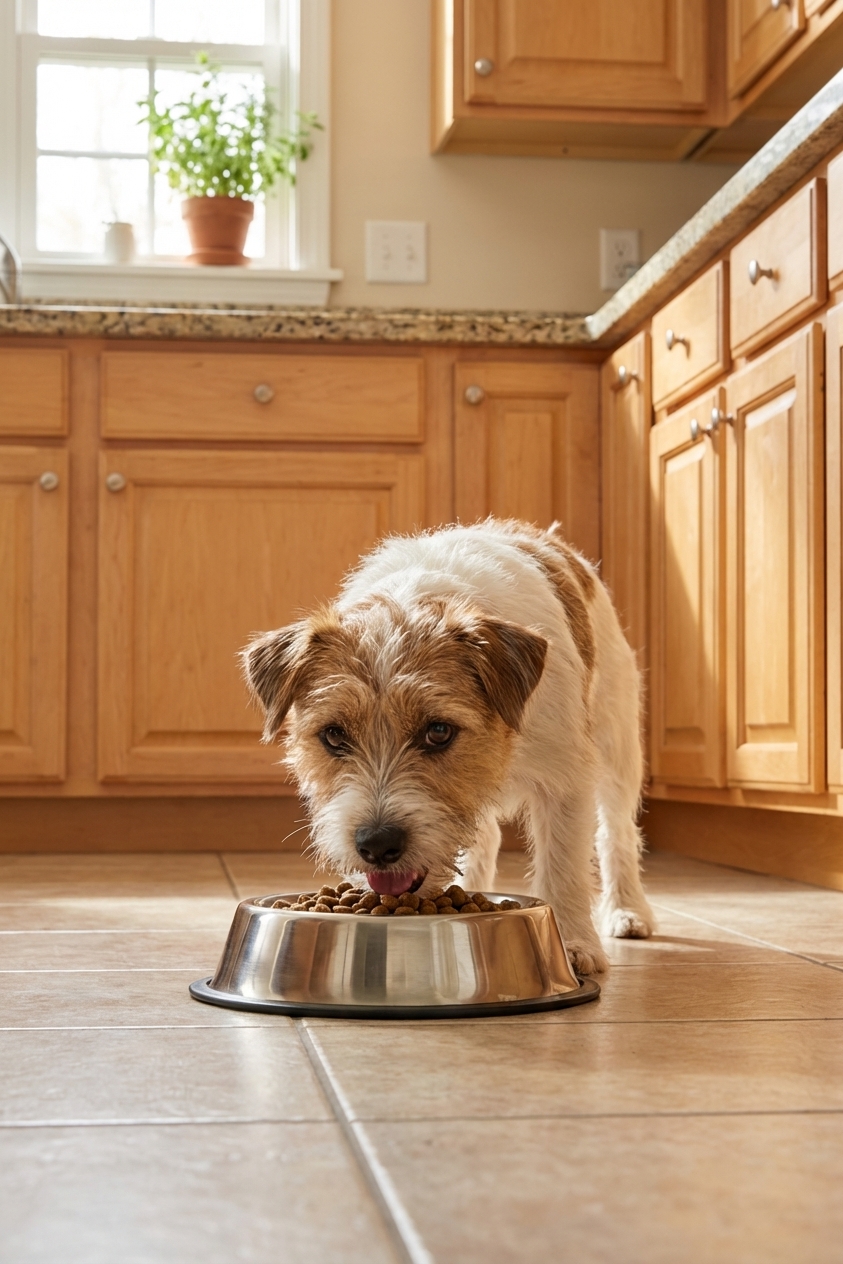
Because Morkies are so small, even a little extra food can add up fast. A few extra treats per day can push a toy breed into weight gain, and that affects joints, energy, and overall longevity.
Practical feeding tips
- Measure meals: use a measuring cup or kitchen scale for consistency.
- Keep treats tiny: break treats into pea-sized pieces.
- Prioritize protein quality: ask your veterinarian for guidance on a balanced diet that fits your dog’s life stage.
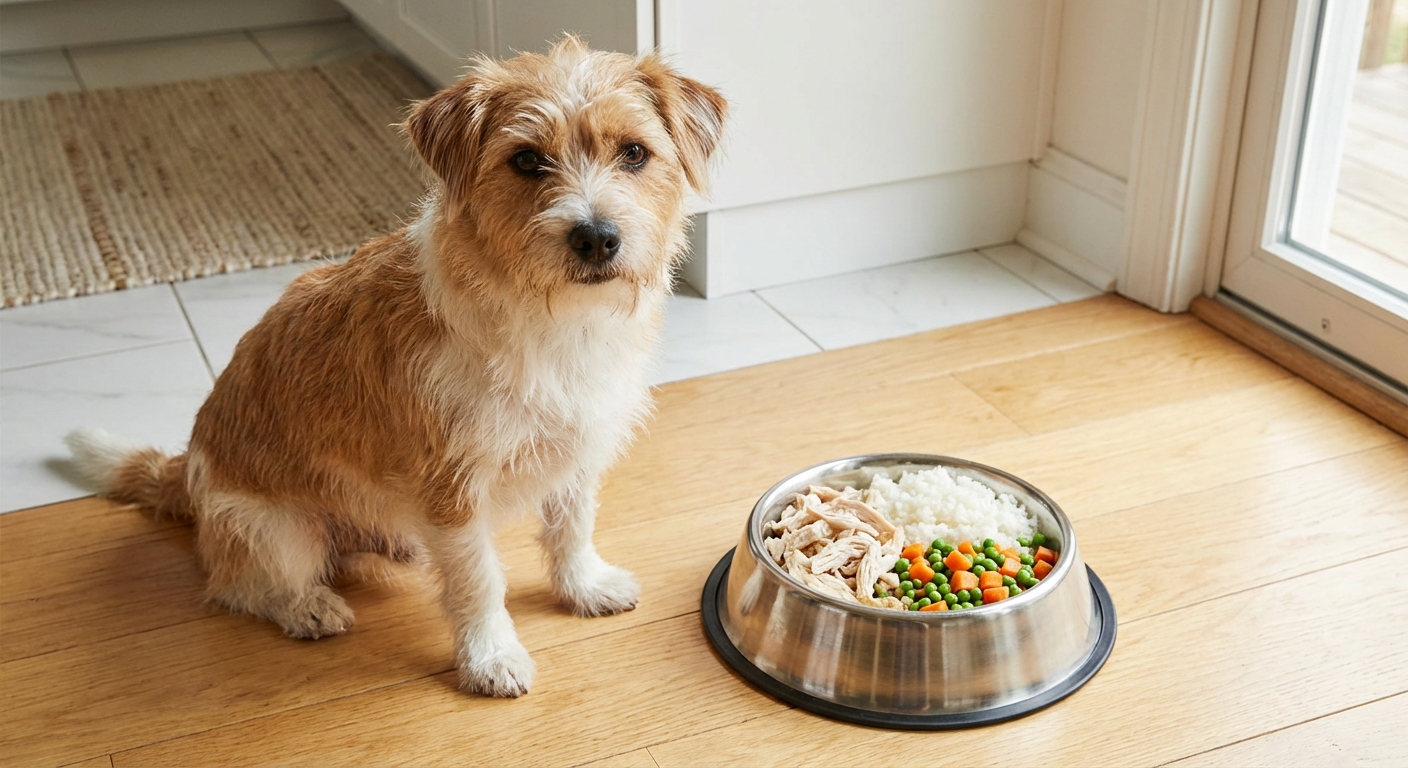
- Do not guess with homemade: if you want to add fresh foods, start small and keep the base diet nutritionally complete. For full homemade feeding, work with a veterinary nutritionist to ensure proper calcium, vitamins, and minerals.
If you love the idea of fresh add-ins, a gentle approach is best. You can start with small portions of dog-safe cooked foods and watch stool quality and skin. Slow, steady changes protect that sensitive little tummy.
Exercise and Enrichment
Morkies usually do great with short daily walks and indoor play. They do not need marathon exercise, but they do need regular movement and mental stimulation to prevent boredom behaviors like barking, chewing, or pacing.
Simple daily plan
- Walks: 1 to 2 short walks per day, adjusted for weather and your dog’s comfort.
- Play: gentle tug, fetch with soft toys, or a short training session.
- Brain games: treat puzzles, snuffle mats, and basic obedience cues.
Hot Texas summers can be rough on toy breeds. Walk early, keep them hydrated, and remember that pavement can burn paws quickly.
Is a Morkie Right for You?
A Morkie can be an amazing fit if you want a devoted companion who enjoys being close, can live comfortably in apartments, and does not require intense exercise. They are usually happiest with families who can provide consistent grooming, gentle training, and lots of together time.
Best match
- People who are home often or can arrange midday care
- Families who enjoy grooming or regular professional grooming
- Homes that prefer a small indoor dog with a big personality
Potential challenges
- Vocal tendencies if not trained early
- Dental care needs and possible professional cleanings
- Fragility around very young children who may not handle toy dogs gently
My favorite advice for Morkie parents: focus on teeth, weight, and calm confidence training. Those three areas make a noticeable difference in quality of life.
Quick Care Checklist
- Veterinary visits: annual exams, plus parasite prevention recommended for your area
- Vaccines: follow your veterinarian’s schedule for core vaccines and boosters
- Dental: brush regularly and discuss professional cleanings
- Grooming: frequent brushing, routine trims, and regular nail care
- Weight: keep them lean and measure meals
- Safety: harness for walks, ramps for furniture, supervise with kids
- Training: reward-based, short sessions, socialize early