
Morkie
Meet the Morkie
The Morkie is a small, affectionate designer dog mix created by crossing a Maltese with a Yorkshire Terrier. If you love the idea of a tiny companion with a confident, people-focused personality, it is easy to see why this mix has grown in popularity. Many Morkies are social, affectionate, and happiest when they are included in everyday life.
Because Morkies are a mix, traits can vary even within the same litter. Still, most share a similar profile: a bright, alert expression, a soft coat, and a strong desire to be near their humans.
Lifespan: Many Morkies live around 10 to 15 years, though genetics, preventive care, and overall lifestyle can influence longevity.
What a Morkie Is Really Like
Personality
Morkies often inherit the Maltese love of cuddling and the Yorkie confidence and curiosity. Many are playful, spunky, and surprisingly bold for their size. They can form strong bonds and may follow you from room to room, especially if they have learned that closeness equals comfort and attention.
Early socialization matters. When small dogs feel unsure, they can slip into nervous habits like barking or hiding. Gentle exposure to new people, safe dogs, and everyday sounds can help your Morkie feel secure.
Size and appearance
Most adult Morkies are small, often in the 4 to 10 pound range, though some can be closer to 12 pounds or more depending on the parents and generation. Be cautious with “teacup” labels, which are sometimes used as marketing rather than a reliable indicator of healthy size.
Their coats can be silky and straight like a Yorkie, soft and fluffy like a Maltese, or somewhere in between. Colors range from white and cream to black and tan, with many combinations in the mix.
Shedding and “hypoallergenic” expectations
Morkies are often described as low-shedding, but no dog is truly hypoallergenic. If allergies are a concern, spend time around similar-coated dogs first and consider talking with your allergist. Regular grooming and cleaning routines can help some households manage dander more comfortably.

Exercise and Mental Stimulation
Morkies do not need marathon workouts, but they do benefit from consistent daily movement. Think of exercise as both physical health and emotional balance. A well-exercised Morkie is often less restless and may bark less out of boredom.
- Daily walks: A common starting point is 15 to 30 minutes total per day, often split into two short walks. Adjust for age, health, and temperament.
- Indoor play: Gentle tug, fetch down a hallway, or supervised play with soft toys.
- Brain games: Puzzle feeders, treat scavenger hunts, and short training sessions.
Because of their small size, be mindful of extreme heat or cold. Small dogs can overheat quickly and may need a sweater in chilly weather.
Toy-breed safety note: Morkies can be prone to injury from high jumps or rough play. Consider using pet steps for furniture, supervise around larger dogs, and discourage leaping off beds or couches.
Training: Small Dog, Big Potential
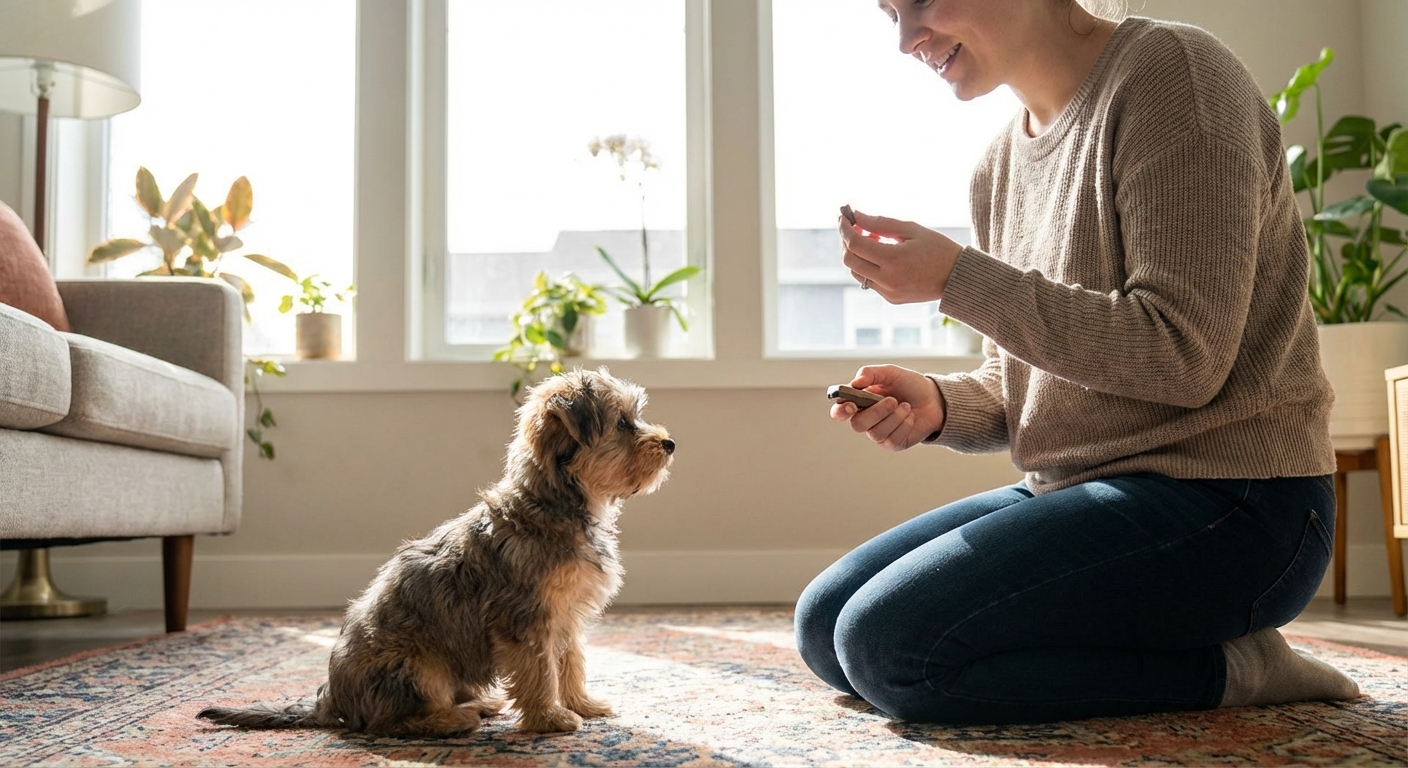
Morkies are typically smart and eager to engage, but they can also be stubborn or easily distracted. The key is making training feel like a positive conversation, not a battle of wills. Reward-based training is widely recommended by veterinary behavior professionals because it helps build trust and reduces fear and stress.
House training
Many small breeds, including Morkies, can take longer to house train. Smaller bladders mean more frequent potty breaks, especially for puppies. Consistency is your best tool.
- Take your puppy out after waking, eating, drinking, and play.
- Use one potty spot and one cue word.
- Reward immediately with a small treat and praise.
- Consider crate training as a safe management strategy, not punishment.
Barking and separation concerns
Morkies may bark to alert you, to ask for attention, or when they feel anxious. If your Morkie struggles when alone, gradually build tolerance with short departures, calm returns, and enrichment like a stuffed food toy. If anxiety is severe, your veterinarian or a credentialed trainer can help you build a plan.
Grooming and Coat Care
Morkie coats can mat easily, especially if kept long. Regular grooming is not just about looks. It helps prevent skin irritation, painful tangles, and ear problems.
- Brushing: Often daily or at least several times per week depending on coat type and length.
- Bathing: About every 3 to 4 weeks, using a gentle dog shampoo.
- Haircuts: Many owners choose a shorter “puppy cut” for easier upkeep.
- Professional grooming: Commonly every 4 to 8 weeks, depending on coat length and how quickly mats form.
- Dental care: Small breeds are prone to dental disease. Daily brushing is ideal.
- Tear staining: Common in light-colored dogs. Keep the face clean and ask your vet about underlying causes if staining is heavy.
Routine nail trims and ear checks are also important. Many Morkies benefit from gentle trimming around the eyes and keeping ear hair and ear canals clean as recommended by your groomer or veterinarian.
Nutrition and Healthy Weight
When it comes to small dogs, nutrition is one of the most powerful tools you have for long-term wellness. A few extra bites can add up quickly in a tiny body. Veterinarians often emphasize that prevention is easier than treatment, especially for weight-related issues.
What to feed
Choose a complete and balanced diet that meets AAFCO standards for your dog’s life stage. Many Morkies do well on small-breed formulas designed for tiny mouths and higher metabolism. If you are considering fresh or home-prepared food, work with a veterinarian or a board-certified veterinary nutritionist to avoid nutrient gaps.
Portion awareness
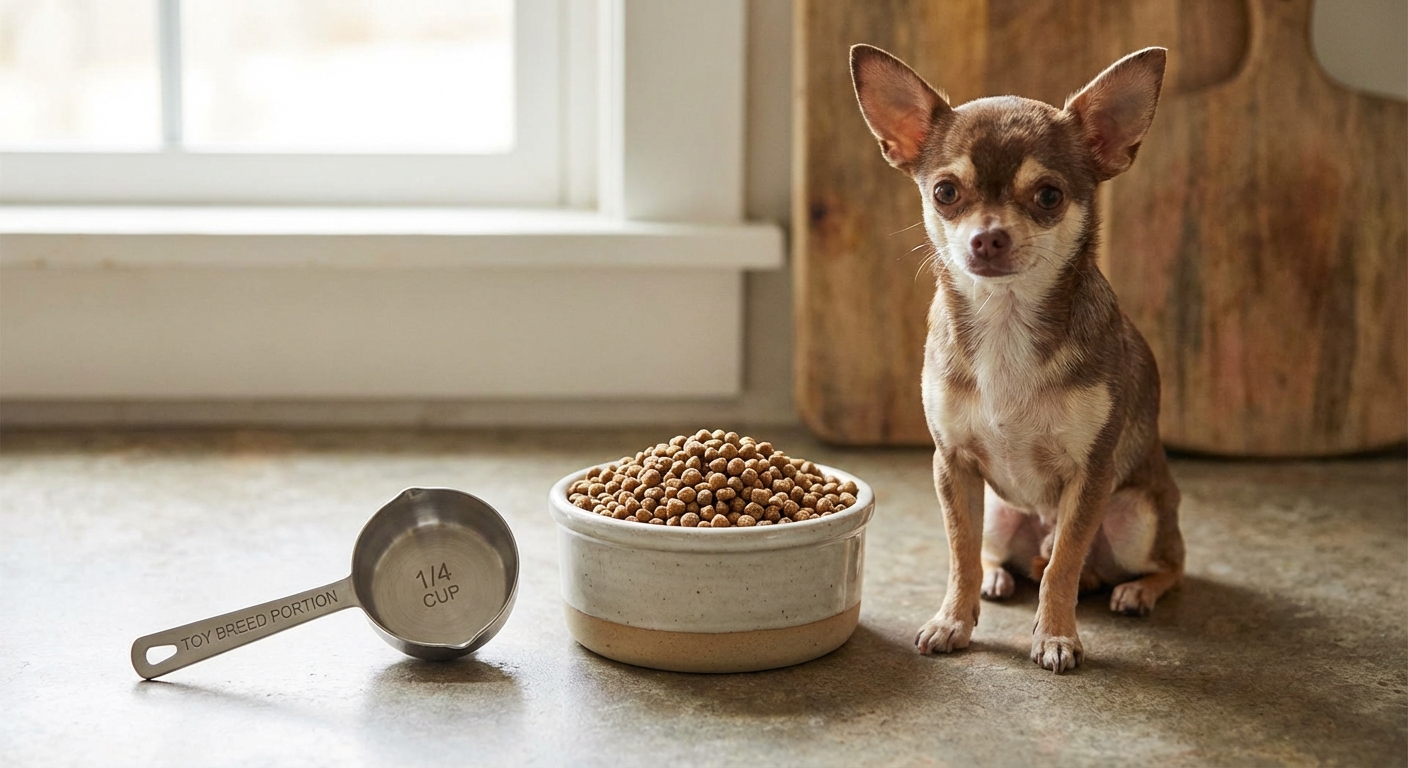
Use a measuring scoop or kitchen scale rather than guessing. Treats should make up no more than about 10 percent of daily calories. Great low-calorie options include tiny training treats or a few pieces of the regular kibble reserved for rewards.
Hydration
Fresh water should always be available. If your Morkie is picky about drinking, a water fountain or a small amount of wet food may help.
Common Health Considerations
Mixed-breed dogs can be wonderfully resilient, but they can still inherit health tendencies from both parent breeds. Regular veterinary care and early attention to symptoms make a meaningful difference.
- Dental disease and crowding: Common in small dogs. Prioritize home dental care and professional cleanings as recommended.
- Patellar luxation: A knee issue seen in toy breeds. Watch for skipping, hopping, or sudden limping.
- Tracheal collapse or tracheal sensitivity: Some small dogs cough when excited or when pressure is on the neck. A well-fitted harness is often a better choice than a collar for walks. Make sure it does not rub the armpits and that your dog cannot back out of it.
- Hypoglycemia in puppies: Very small puppies can have low blood sugar if they miss meals. Frequent feeding schedules are important early on.
- Skin and allergy issues: Itching, ear infections, or recurrent licking can signal sensitivities that need evaluation.
- Other toy-breed conditions to know about: Issues like Legg-Calvé-Perthes (a hip condition), portosystemic shunt (seen in some Yorkie lines), and eye problems such as dry eye or cataracts can occur. Your vet can help you understand what is most relevant for your dog.
Ethical sourcing matters: If you buy from a breeder, look for one who prioritizes health and temperament over tiny size. Ask what health screening is done for the parents, and request veterinary records. For small-breed lines, common screening topics include patellas, eyes, dental history, and discussion of liver shunt risk. Adoption can be a wonderful option too, especially through a rescue that provides a veterinary assessment.
Is a Morkie Right for You?
Morkies can be a wonderful match if you want a small companion that loves closeness and thrives on interaction. They often do well in apartments, but they are not low-maintenance when it comes to grooming, training consistency, and companionship.
Great fit for
- People who are home often or can provide midday care.
- Families with older, gentle children who understand how to handle a small dog safely.
- Pet parents who enjoy grooming routines or will schedule regular grooming.
May be challenging for
- Homes where the dog will be alone for long stretches most days.
- Families with very young children who may accidentally play too rough.
- Anyone who prefers a dog that requires minimal brushing and coat care.
Small, consistent habits make the biggest difference, especially in the first few months. A predictable schedule, positive training, regular grooming, and balanced nutrition can help your Morkie grow into a confident, healthy companion.