Decode cat tail signals like tail up, tucked, puffed, swishing, twitching, and quivering. Learn what they mean, how to respond safely, and when to call the vet.
Article
•
Designer Mixes
More Than Just Cute: Cat Whiskers

Shari Shidate
Designer Mixes contributor
As a veterinary assistant, I hear it all the time: “My cat’s whiskers are so adorable.” And they are. But whiskers are not just decoration. They are highly specialized sensory tools that help cats navigate the world safely, judge openings and nearby objects with impressive precision, and even communicate how they are feeling.
If you have ever wondered why your cat seems to “measure” a doorway with their face, or why trimming whiskers is a big no, you are in the right place.
What whiskers are
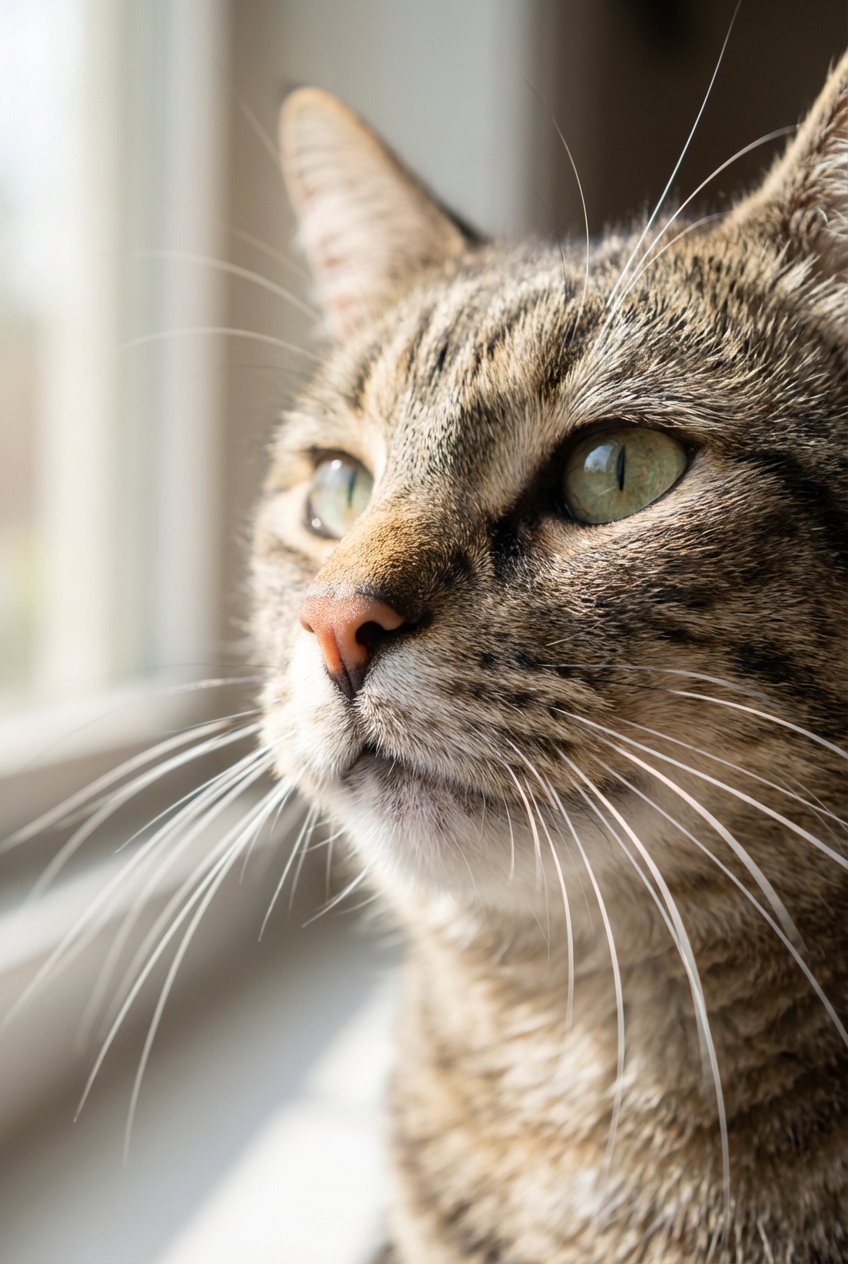
Cat whiskers are called vibrissae, and they are thicker, longer, and more deeply rooted than regular fur. Each whisker sits in a follicle packed with nerves and surrounded by blood vessels, making it extremely sensitive to touch and movement.
Most people think of the whiskers on the muzzle, but cats also have whiskers:
- Above the eyes
- On the cheeks
- Around the lips and chin area
- On the back of the front legs (carpal whiskers)
Those locations matter because cats use whiskers like built-in sensors that “read” their environment from multiple angles.
Whiskers guide navigation
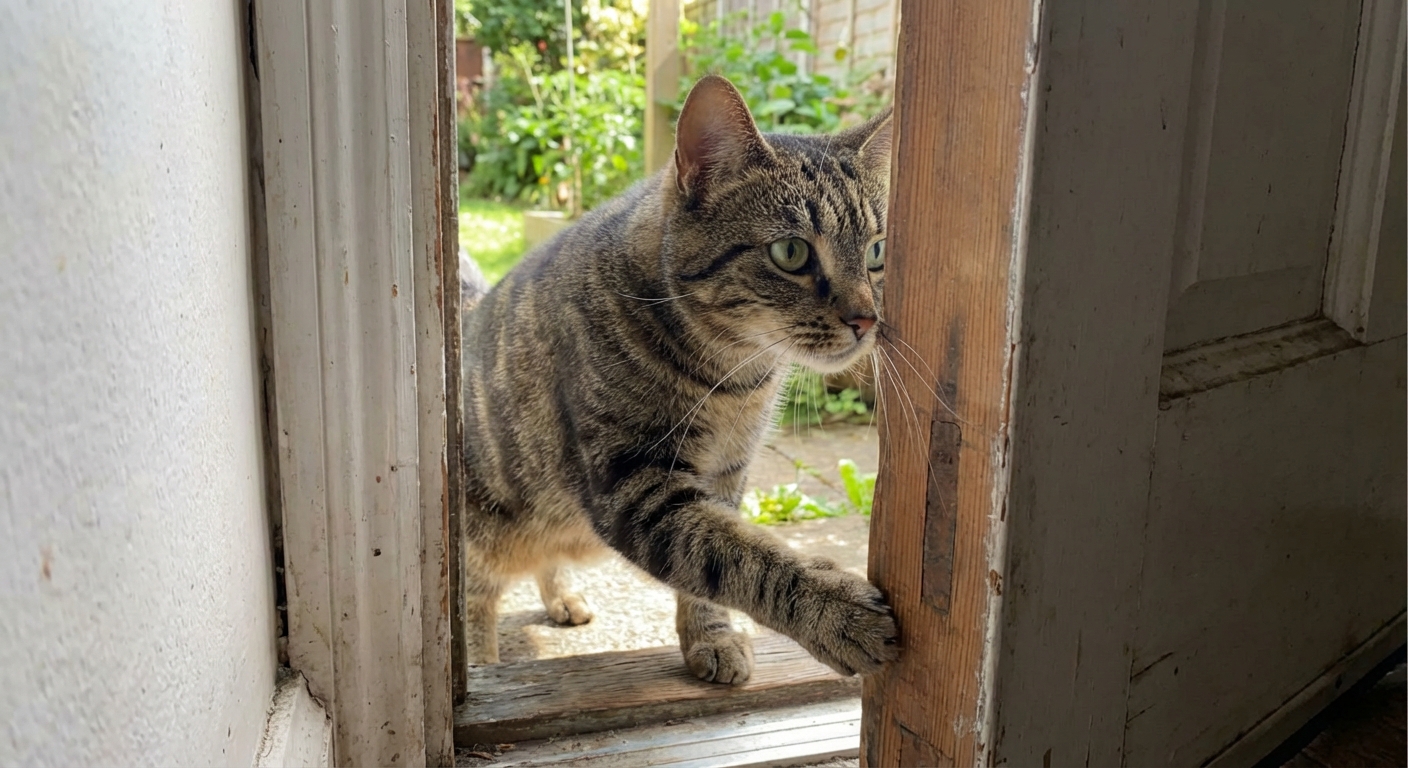
Whiskers help cats move confidently, especially in low light. When a cat walks near an object, whiskers can brush it gently or help sense nearby air movement and vibrations. That feedback helps a cat understand what is close without needing to bump into it.
They help cats judge space
A common myth is that whiskers are exactly as wide as a cat’s body. That is not always true, but whiskers do help cats evaluate whether an opening is worth attempting. If you see your cat pause and push their face forward before entering a gap, they are gathering whisker information about the space.
They support hunting and play
Whiskers are especially important up close, where a cat’s vision is not as sharp. When a cat pounces or pins a toy, whiskers provide detailed feedback about position and movement. This is one reason whiskers are so crucial for cats who hunt, and why indoor cats still rely on them during play.
Whiskers support body awareness
Whiskers feed the brain a steady stream of information about what is happening around the face and forelimbs. The inner ear is still the main driver of balance, but whiskers can support spatial orientation, coordination, and confident movement.
This is part of why cats can look so graceful when climbing, jumping, and turning quickly. Whiskers are one piece of a larger sensory system working together.
Whiskers show mood
Whisker position can tell you a lot about what your cat is feeling in the moment. You can use this as a gentle body-language clue at home.
- Relaxed: whiskers rest slightly to the side
- Curious or engaged: whiskers angle forward (often called “whiskers on”)
- Stressed or fearful: whiskers pull back tight against the face
Of course, you will want to look at the whole cat: ears, eyes, tail, posture, and overall behavior. But whiskers are an underrated part of the message.
Do not cut whiskers
Whiskers are made of keratin like fur, so trimming the whisker itself does not hurt. The follicle, however, is highly sensitive, and cutting whiskers can be disorienting for some cats. Think of it like removing an important sensory input. Cats with trimmed whiskers may seem clumsier, hesitant, or unusually cautious until they grow back.
Important note: Whiskers naturally shed and regrow, just like fur. Finding a whisker on the floor now and then is normal. What is not normal is sudden hair loss around the muzzle or multiple broken whiskers, especially if your cat is scratching at their face or seems uncomfortable.
Whisker fatigue
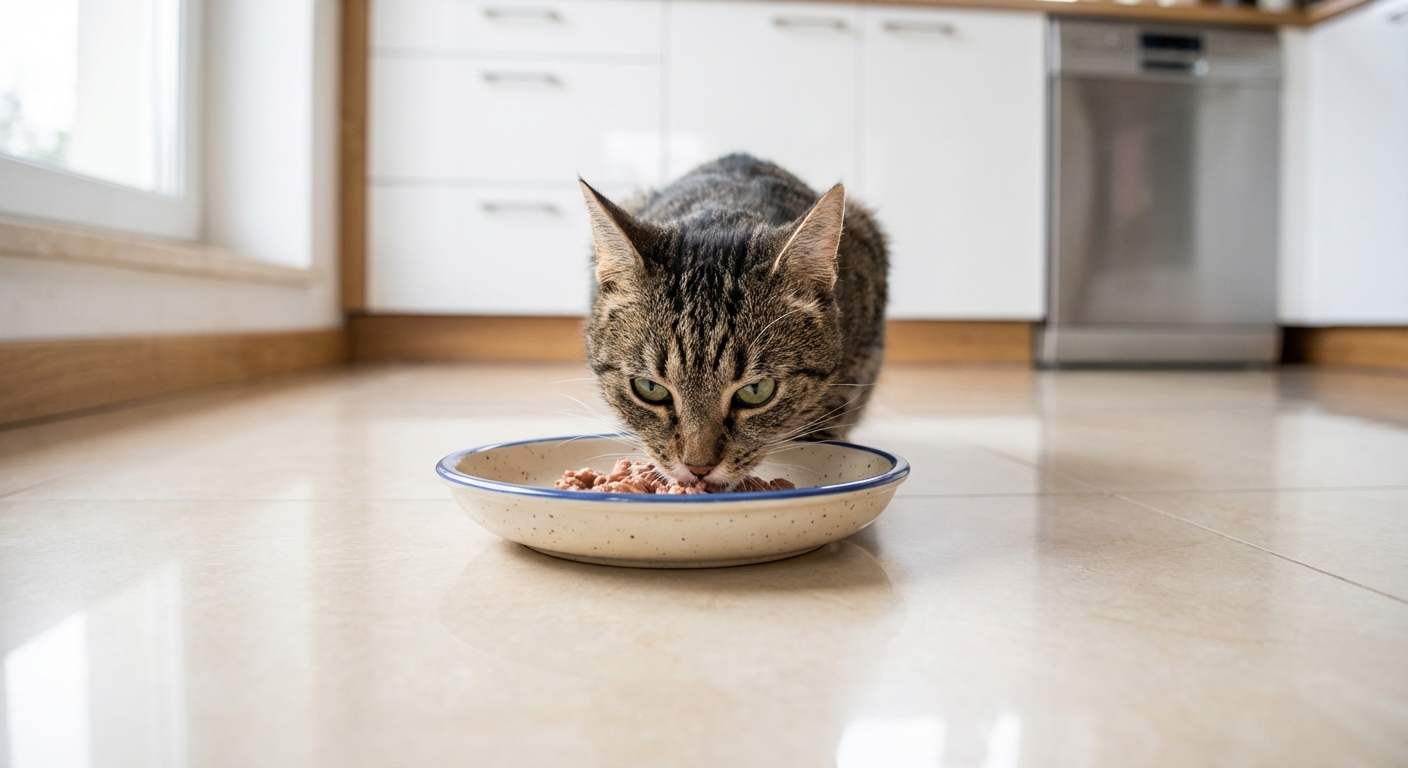
You may have heard about “whisker fatigue,” which describes a theory that repeated whisker contact with deep, narrow bowls can overstimulate sensitive whiskers and contribute to stress at mealtime.
It is not considered a formal veterinary diagnosis, and research is limited. That said, many cat owners notice a practical pattern: some cats eat better when their whiskers are not constantly brushing the bowl’s sides.
If your cat’s appetite changes, seems nauseated, or stops eating, do not assume it is the bowl. Ongoing appetite issues can also be linked to dental pain, stomach upset, or other medical problems, so check in with your veterinarian if it persists.
An easy fix
- Try a wide, shallow dish or a flat plate designed for cats
- Keep bowls clean and odor-free, since cats are sensitive to smell
- Monitor whether your cat drops food outside the bowl or seems hesitant to put their face in
If switching dish shapes improves eating comfort, that is a win, regardless of what we call it.
When changes can mean trouble
Whiskers themselves are not usually the primary problem, but changes around the whisker pads and face can hint that something else is going on. Consider checking in with your veterinarian if you notice:
- Crusting, redness, swelling, or sores near the whisker follicles
- Sudden breakage or patchy hair loss on the muzzle
- Face rubbing, pawing at the mouth, or sensitivity when touched
- Bad breath, drooling, or trouble chewing (dental disease can cause face discomfort)
- A new habit of bumping into things or reluctance to jump (vision, neurologic, or pain issues)
Cats are experts at hiding discomfort. Small changes in grooming, eating, or confidence moving around the home can be meaningful.
How to protect whiskers
- Skip grooming tools near the whiskers. Brush gently and avoid tugging.
- Choose comfortable feeding dishes. Wide and shallow is often best.
- Make tight spaces less stressful. Use roomy carriers, avoid cramped hiding spots when possible, and handle your cat gently around the face.
- Keep an eye on face health. Note any skin changes, itchiness, or swelling.
- Respect your cat’s signals. If whiskers are pinned back and the body looks tense, give them space.
Those tiny steps support a sensory system your cat depends on every single day.
Whiskers help cats move, hunt, and feel secure. Protecting them is one of the simplest ways we can support feline comfort and confidence at home.
This article is for educational purposes and is not a substitute for veterinary care.