A practical guide to helping a constipated cat at home: hydration tips, plain pumpkin, vet-guided Miralax (PEG 3350), fiber, hairball support, red flags, and...
Article
•
Designer Mixes
Miralax Dosage for Cats

Shari Shidate
Designer Mixes contributor
Constipation is one of those issues that can sneak up on cats. One day they are acting normal, and the next you are noticing fewer litter box trips, straining, hard stools, or a cat who just seems uncomfortable. As a veterinary assistant, I have seen how quickly constipation can turn from “a little backed up” into a painful, stressful problem for both cats and their people.
Miralax is one of the most commonly recommended constipation treatments in veterinary medicine, but the right dose matters, and so does knowing when not to use it. Let’s walk through safe, practical guidance so you can help your cat with confidence.
What Miralax is and how it helps cats
Miralax is the brand name for polyethylene glycol 3350 (PEG 3350), an over-the-counter osmotic laxative. It works by drawing water into the colon, which softens stool and makes it easier to pass.
Veterinarians often like Miralax because it is:
- Gentle compared with stimulant laxatives
- Usually well tolerated when the dose is appropriate
- Easy to mix into wet food
Product tip: Choose plain PEG 3350 powder only. Avoid products with added flavors, sweeteners, electrolytes, or combination ingredients unless your veterinarian specifically tells you to use them.
Important note: Miralax is widely used “off-label” in cats. That simply means it is not FDA-labeled for cats, but it is commonly prescribed by veterinarians based on clinical experience and published veterinary guidance.
Essential Miralax dosage for cats
The best dose is the one your veterinarian recommends for your cat’s size, hydration status, and constipation severity. PEG 3350 dosing can vary between clinics and cases, especially for chronic constipation, so think of the ranges below as typical empirical starting points many veterinarians use, not a universal standard.
Typical starting dose range
Common starting dose (per cat): 1/8 to 1/4 teaspoon of Miralax powder mixed into food once or twice daily.
Some veterinarians may adjust within a wider range depending on response:
- Mild constipation: 1/8 teaspoon once daily
- Moderate constipation: 1/8 to 1/4 teaspoon once or twice daily
- Some cats may need more (vet-guided): up to 1/2 teaspoon once or twice daily in select cases, with close monitoring
- Chronic constipation or megacolon (vet-managed): dosing is individualized and often part of a broader plan
How fast it works
Miralax is not instant. Many cats have a bowel movement within 12 to 48 hours, sometimes longer. If your cat is straining, painful, or not producing stool at all, do not wait it out at home. Contact your veterinarian the same day.
How to measure it accurately
Because cat doses are small, measurement errors are common. Use:
- Standard measuring spoons (not a kitchen “regular spoon”)
- Or ask your veterinary clinic about 1/8 teaspoon measuring options
If you are unsure, call your vet and ask them to confirm the dose in teaspoons and how often.
If the stool becomes watery or your cat starts having frequent soft stools, the dose is often too high for that cat and needs to be reduced.
Monitoring goal: You are aiming for stool that is soft but formed. Think “easy-to-pass logs,” not hard pellets and not puddles of diarrhea.
How to give Miralax to a cat
Miralax powder is typically tasteless, which is a big win with picky cats.
Best ways to administer
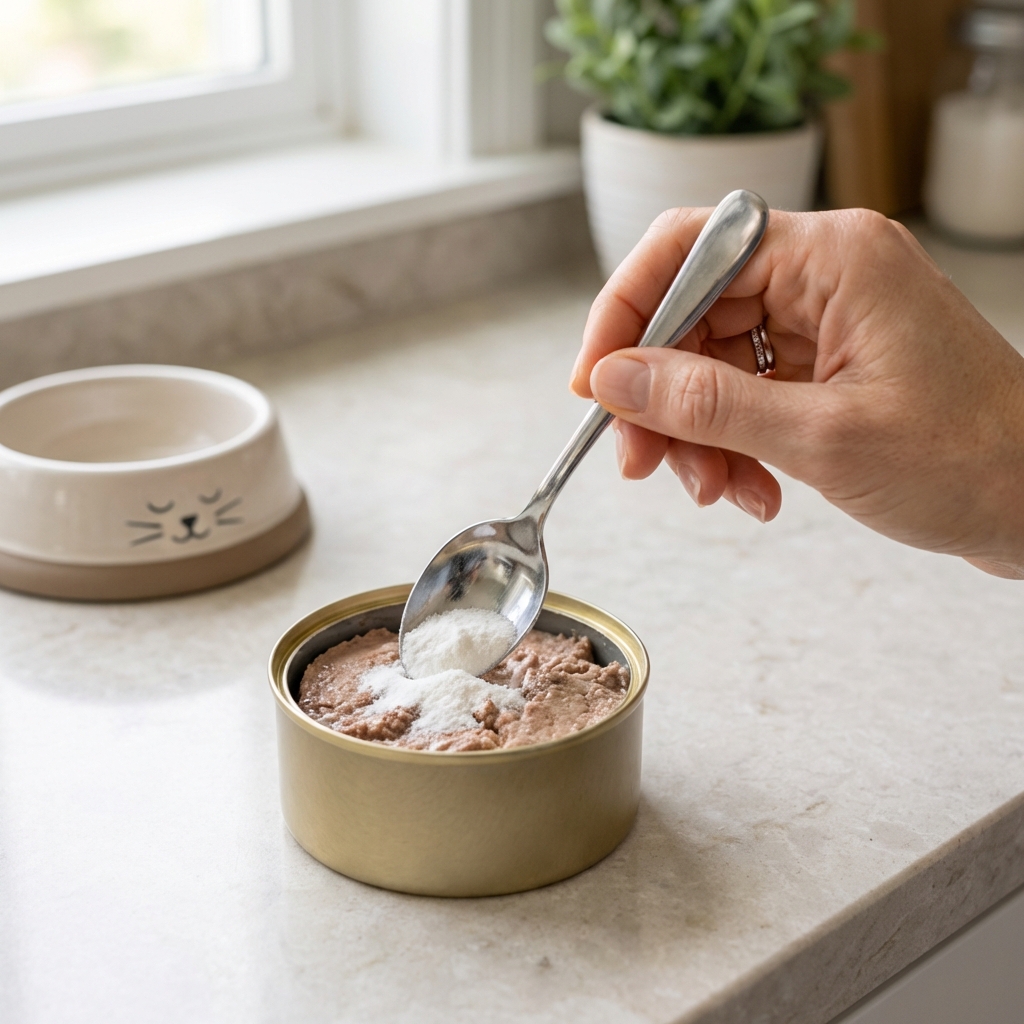
- Mix into wet food (preferred): Stir it in thoroughly so there are no dry pockets.
- Mix into a small treat portion: Use a tablespoon of a favorite food first, then offer the rest of the meal after they finish it.
- With added water: Many cats do better when you add 1 to 2 teaspoons of water to the food to boost hydration.
When Miralax helps and when it does not
Miralax can be a great tool for constipation, but it is not a solution for every cause of straining or litter box trouble.
Miralax may help if your cat has
- Hard, dry stools
- Infrequent bowel movements
- Constipation related to dehydration, stress, diet changes, or mild hair accumulation
Miralax may not be appropriate if the problem is
- A blockage from a foreign object, severe impaction, or tumor
- Urinary obstruction (especially in male cats), which can look like constipation but is an emergency
- Severe dehydration, where a laxative may worsen dehydration or contribute to electrolyte imbalance if your cat is not taking in enough fluids
Constipation vs. obstipation
In plain terms, constipation is when stool is difficult to pass but still moving. Obstipation is more serious and means the colon is packed with stool and your cat cannot pass it on their own. Some cats with long-term problems develop megacolon, where the colon becomes stretched and weak, making constipation a recurring cycle.
If your cat seems truly stuck, Miralax alone may not be enough. Many of these cats need a veterinary exam and sometimes x-rays, fluids, an enema, or prescription medications (such as lactulose or motility support medications) to get real relief.
Red flags: When to call a vet urgently
Please seek veterinary care right away if you notice any of the following:
- Repeated straining with little to no stool produced
- Crying, panting, or signs of significant pain
- Vomiting, especially with constipation
- Not eating or acting lethargic
- A swollen or firm abdomen
- No stool for 48 to 72 hours (sooner if your cat seems uncomfortable)
- Possible urinary blockage signs: frequent litter box trips, straining with little urine, licking the genitals, hiding, or sudden collapse
If you are ever wondering “is this constipation or urinary trouble?”, treat it like an emergency and get help immediately. Urinary blockage can become life-threatening fast.
Side effects and safety notes
Most side effects happen when the dose is too high, the cat is not well hydrated, or the underlying problem is more than simple constipation.
Possible side effects
- Loose stool or diarrhea
- Gas or mild abdominal discomfort
- Accidents outside the litter box if stool becomes urgent
When to stop and call your vet
- Watery diarrhea that lasts more than a day
- Weakness, dehydration signs (dry gums, sunken eyes), or your cat is not drinking
- Vomiting or worsening abdominal discomfort
Ask your vet before using Miralax if
- Your cat is a kitten, pregnant, or nursing
- You suspect GI obstruction (string, toys, bones, sudden severe constipation)
- Your cat has had recent abdominal surgery
- Your cat has severe lethargy, repeated vomiting, or seems very painful
- Your cat has not been urinating normally (this is an emergency)
Safety cautions
- Hydration matters: constipated, dehydrated cats may need fluids, not just laxatives.
- Kidney disease and heart disease: many cats with these conditions can still use Miralax, but dosing and hydration strategy should be vet-guided.
- Do not combine laxatives unless your veterinarian instructs you to.
Supporting your cat beyond Miralax
Constipation prevention is often a combination approach. In many cats, small daily habits make a big difference.
Hydration boosters
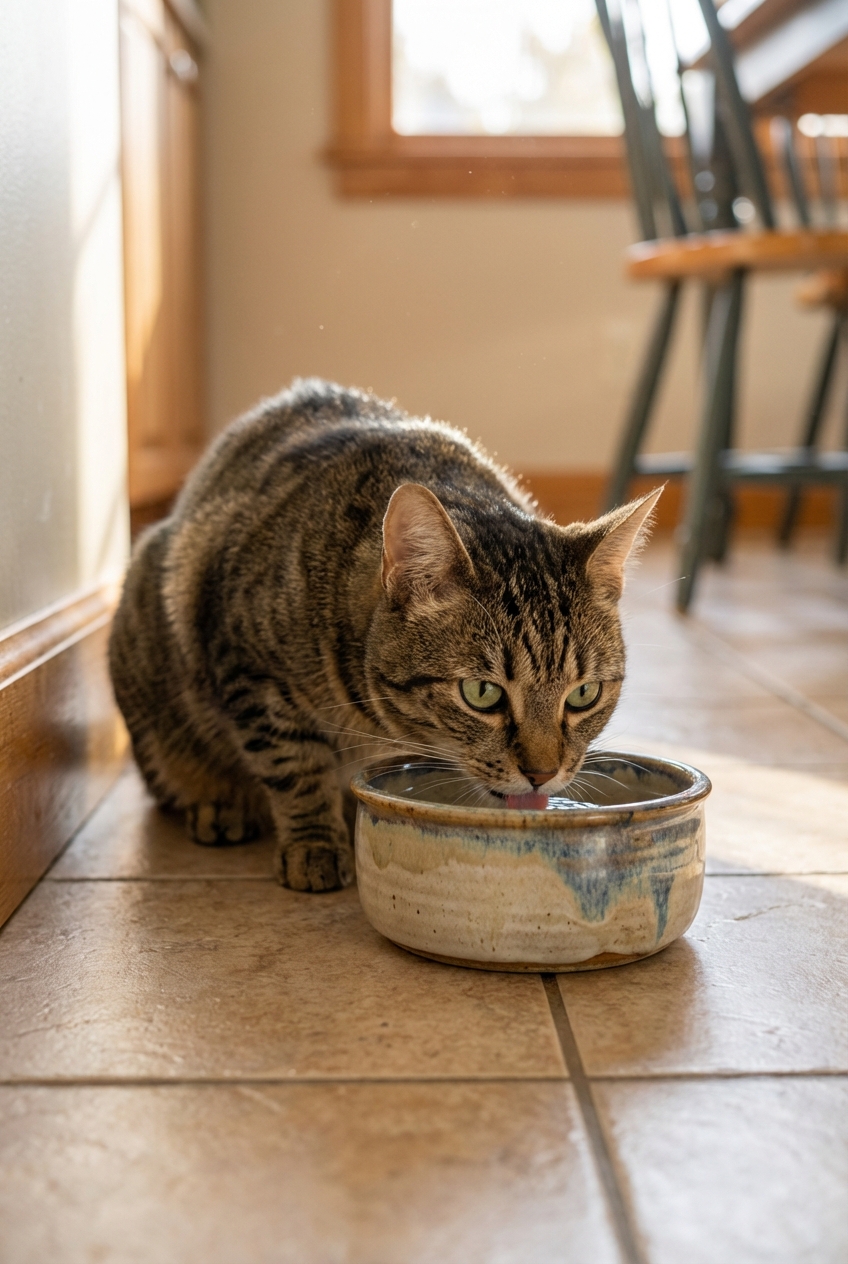
- Feed more wet food (it is one of the simplest ways to add water)
- Add a little extra water to canned food
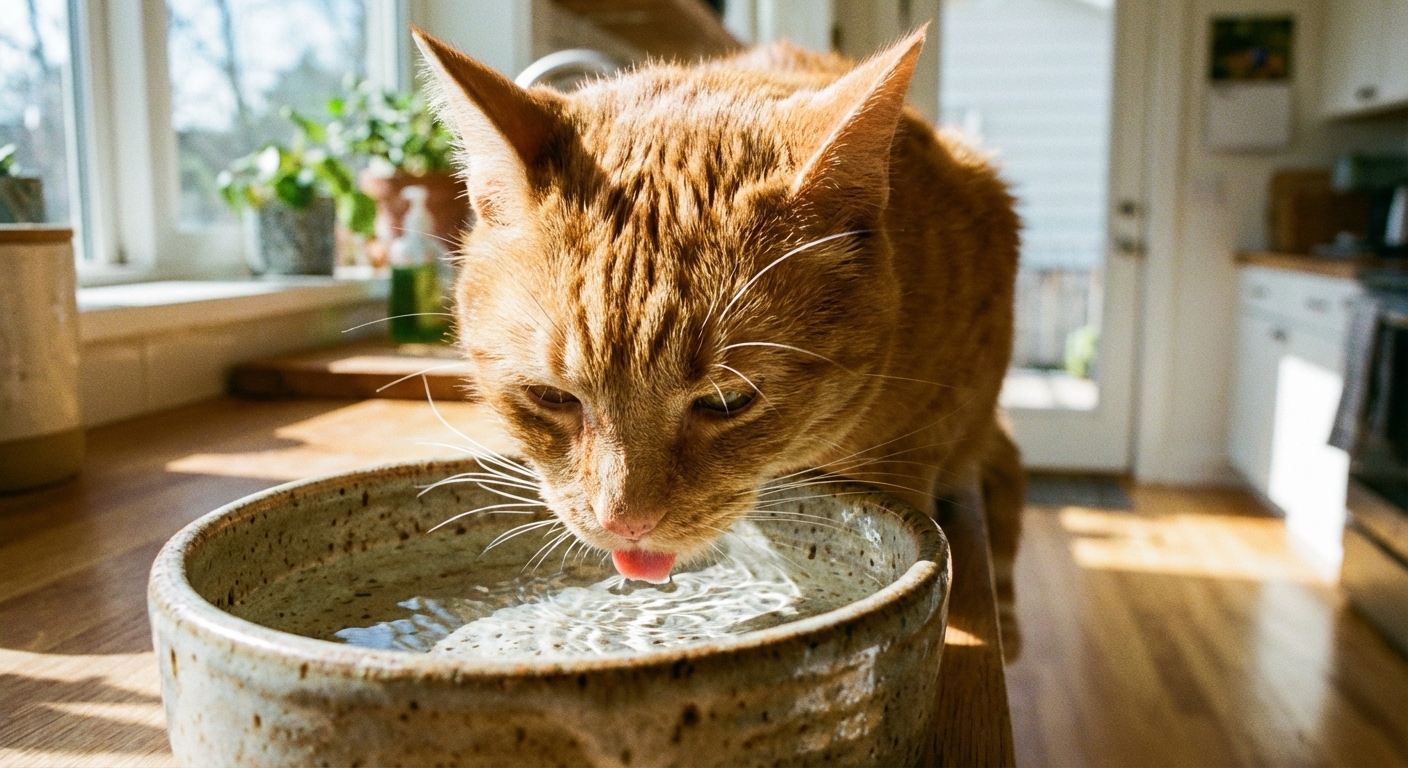
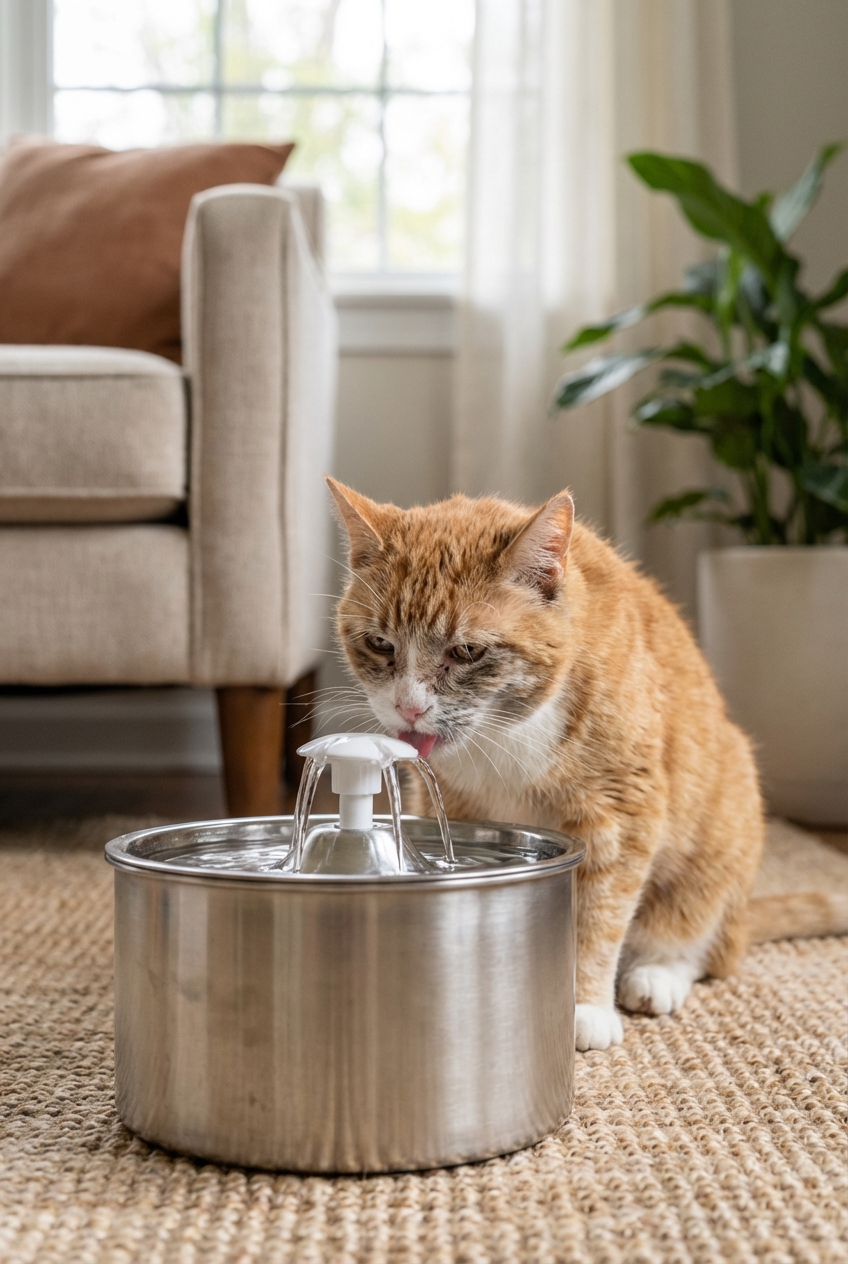
- Use a cat water fountain if your cat prefers running water
Diet and fiber options (ask your vet first)
- Some cats do better on a GI or high-fiber veterinary diet
- Others do better with lower-residue diets depending on their diagnosis
- Psyllium or plain canned pumpkin may be suggested in some cases, but not all cats need extra fiber
Litter box and lifestyle
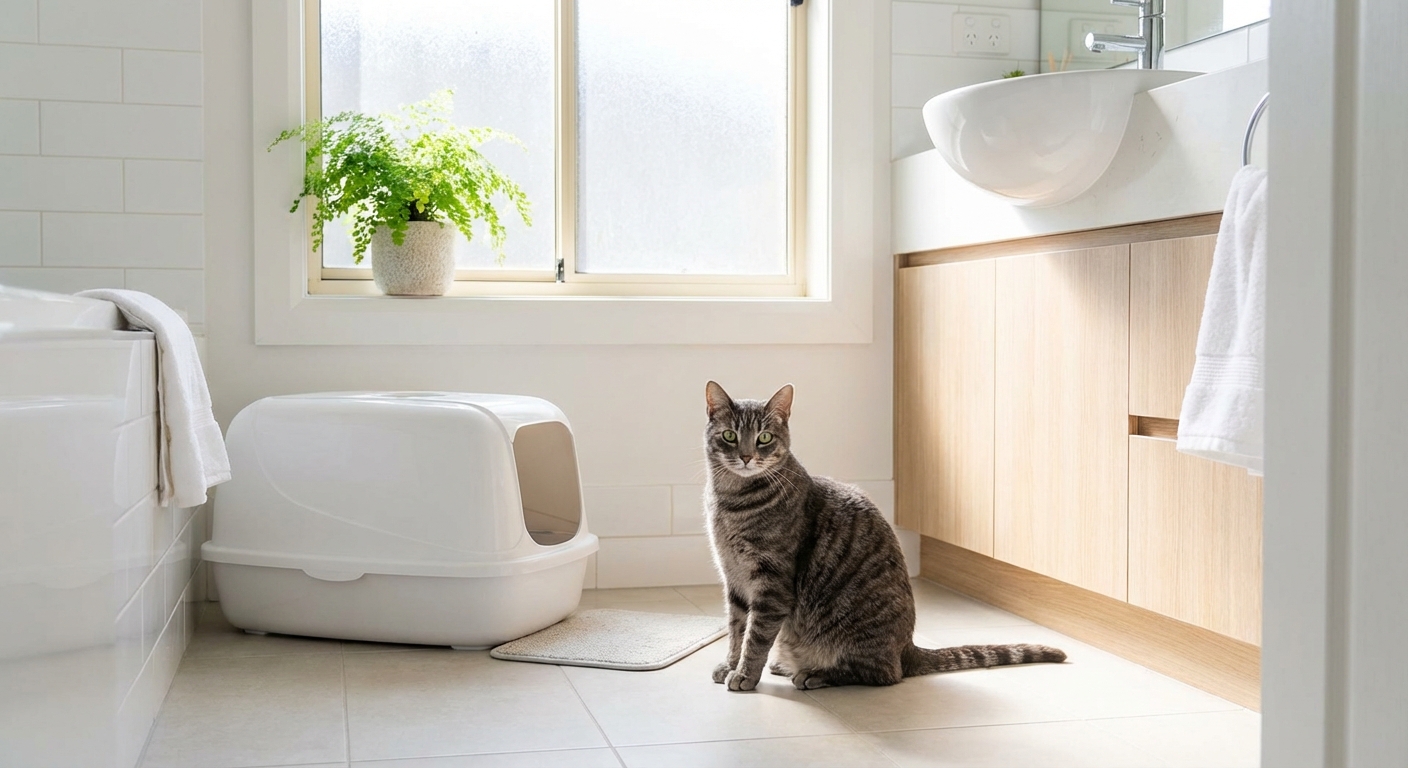
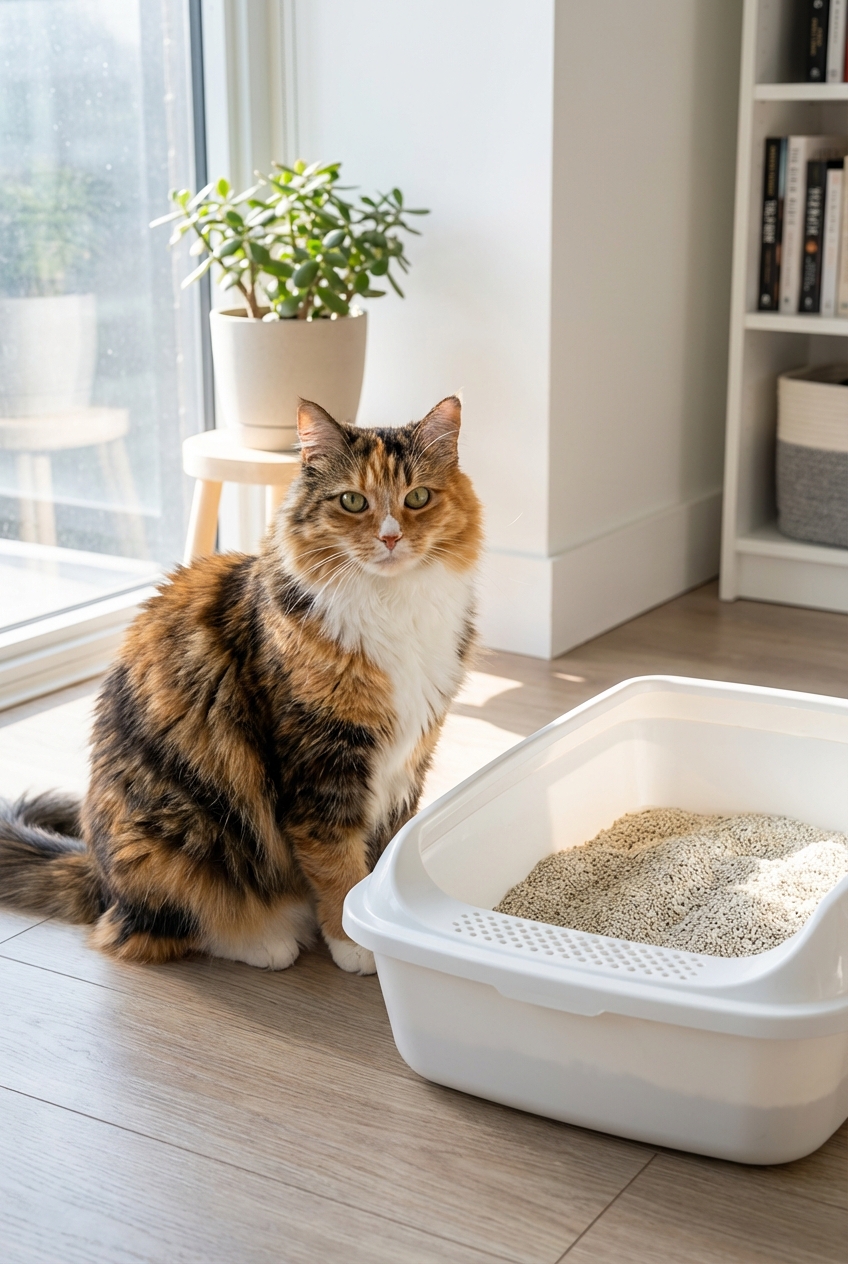
- Keep boxes clean and easy to access, especially for seniors
- Encourage movement with short play sessions
- Brush regularly to reduce swallowed hair, especially in heavy groomers or long-haired cats
Miralax tips for chronic constipation
If your cat struggles with constipation regularly, your veterinarian may suggest long-term use. The goal is to find the lowest effective dose that keeps stools soft but formed.
- Make changes slowly, usually every 3 to 5 days, unless your vet advises otherwise.
- Track litter box output so you have real information to share with your vet.
- Ask your vet about a constipation plan that may include Miralax, hydration support, diet changes, and sometimes prescription medications.
Chronic constipation can be a sign of underlying issues like arthritis (painful posture to defecate), dehydration, obesity, excessive hair ingestion from overgrooming, or megacolon. Getting the diagnosis right is the fastest path to real relief.
Quick FAQ
Can I give my cat Miralax every day?
Some cats can, but daily use should be guided by a veterinarian, especially if constipation is recurring.
What if my cat refuses food with Miralax mixed in?
Try mixing it into a very small portion of a high-value wet food first. If your cat continues to refuse, call your vet. Do not force repeated stress around feeding.
Should I use the Miralax cap for dosing?
No. The cap is designed for human doses and is far too large for cats. Use measuring spoons for small amounts.