The Miniature Schnauzer is one of those small dogs that take their job seriously. They are bright, people-oriented, and famously alert, which is exactly why so many families love them. That same watchful nature can also show up as frequent barking, especially if no one teaches them when it is time to stop.
As a veterinary assistant, I always tell new Schnauzer owners: plan for two things from day one. First, consistent training that channels their “neighborhood security” instincts into good manners. Second, a realistic grooming routine for that iconic beard and crisp coat. Then we’ll talk health, including why pancreatitis awareness matters for this breed.
Quick basics: Most adult Miniature Schnauzers are around 12 to 14 inches tall and often 11 to 20 pounds, with a typical lifespan of about 12 to 15 years.
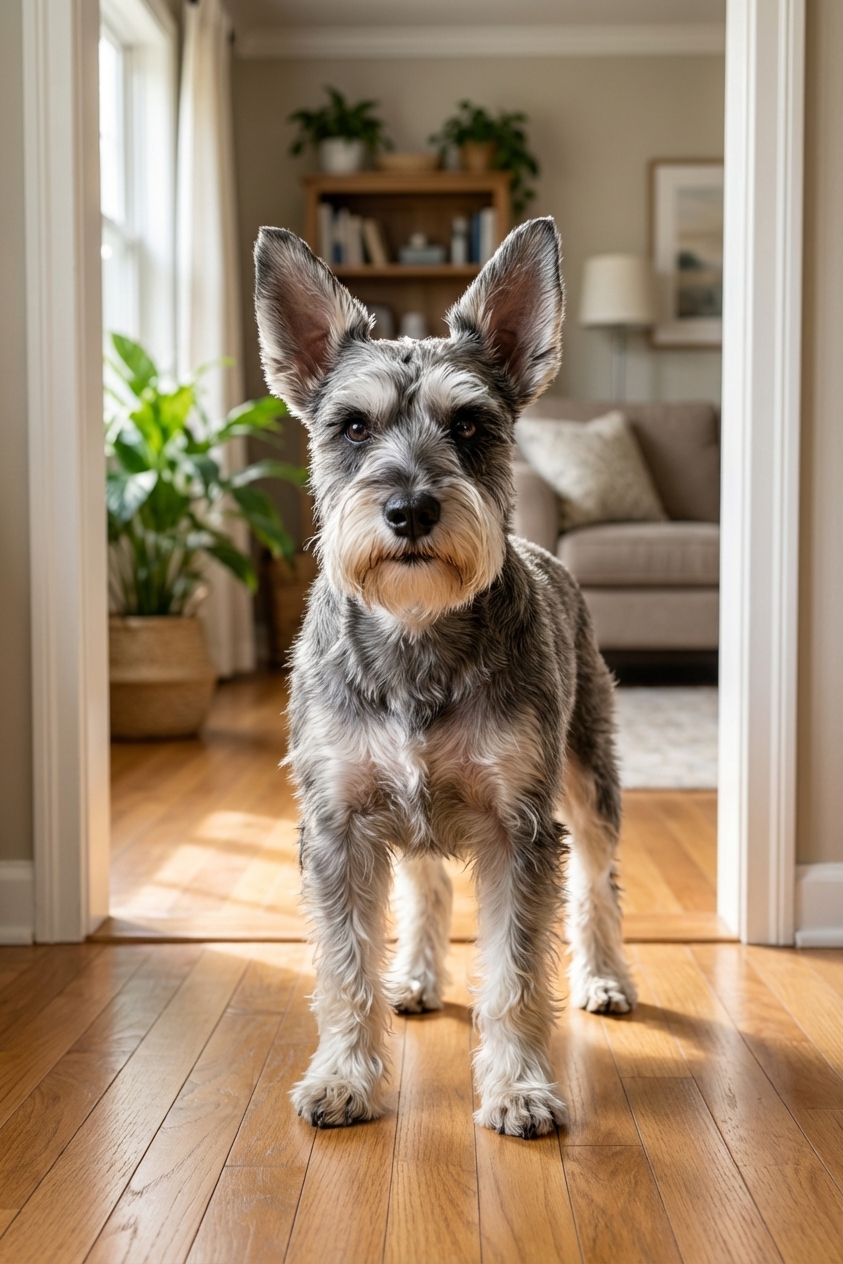
Temperament: Big confidence, small body
Miniature Schnauzers were developed from the Standard Schnauzer and smaller breeds to create a compact, capable ratter and watchdog. Many breed histories believe the mix likely included smaller dogs such as the Affenpinscher and Poodle, although exact details vary by source. Today, most are family companions, but many still act like they have a full-time job.
What most owners love
- Devoted and personable: Many Minis want to be near you and involved in daily life.
- Smart and quick to learn: They often excel with positive training and short, frequent sessions.
- Playful and spirited: Expect zoomies, toy obsession, and a dog who enjoys being “part of the action.”
- Natural watchdog: They tend to notice new sounds, visitors, deliveries, and squirrels before you do.
What can surprise first-time Schnauzer owners
- Alert barking: They are often vocal. This is not “bad behavior” so much as an instinct that needs shaping.
- Terrier-like drive: Schnauzers are not terriers, but some have that same intense, chase-first enthusiasm. A strong prey drive can be a factor, especially around small animals.
- Stubborn streak: They are intelligent, and sometimes they negotiate.
Kids and other pets: Many Miniature Schnauzers do well with respectful kids and can live nicely with other dogs. With cats and small pets, it depends on the individual dog and early socialization. If your Mini likes to chase, plan for management and gradual, positive introductions.
If you are choosing a Miniature Schnauzer puppy, ask the breeder or rescue about temperament. Some lines are more laid-back, while others are extra driven and vocal.
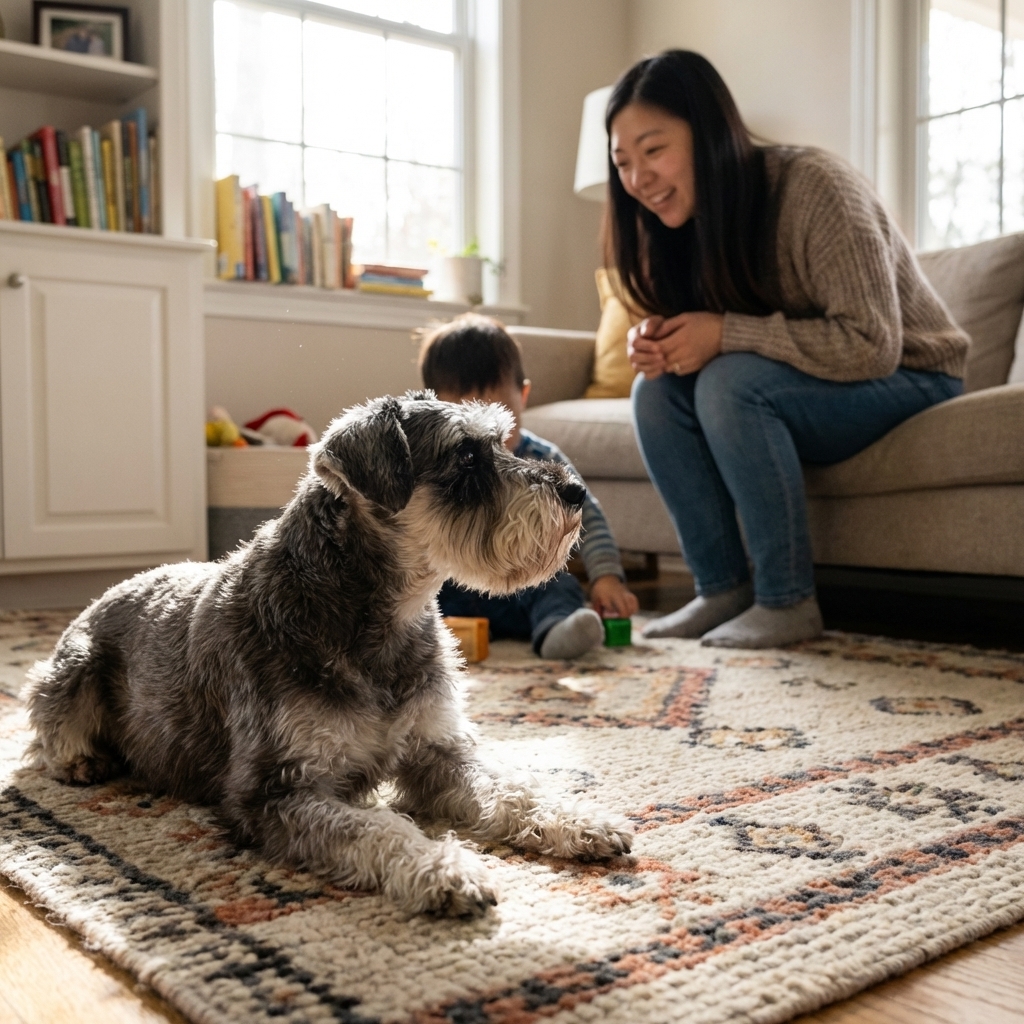
Training: Barking and settling
Because barking is part of the Schnauzer package, the goal is usually not “never bark.” The goal is “thank you, I heard you, now settle.”
Start with management
- Control the view: If your Mini barks at every sidewalk passerby, use frosted window film, close blinds during peak times, or set up a calm area away from the front window.
- Meet needs first: An under-exercised, bored Schnauzer is a loud Schnauzer. Aim for 45 to 60 minutes of total activity most days, often split into two walks plus play and sniff time. Individuals vary, but most benefit from daily movement and a job to do.
- Use enrichment: Food puzzles, scatter feeding, and chew time can reduce “I need to supervise everything” behavior.
Teach a simple “Quiet” routine
Here is a beginner-friendly approach that works well for many families:
- Step 1: Let them alert bark once or twice.
- Step 2: Calmly say “Thank you” (or your chosen marker phrase) and offer a treat at nose level to interrupt barking.
- Step 3: When they stop barking to take the treat, say “Quiet” and reward again after one to two seconds of silence.
- Step 4: Gradually build duration. Reward 3 seconds of quiet, then 5, then 10.
Important: avoid yelling. From a dog’s perspective, loud human voices can sound like you are joining in on the alarm system.
Practice when it is easy
Dogs learn best when they are not already over-threshold. Practice “quiet and look at me” games during calm moments, then apply them to real triggers later.
If barking seems sudden, intense, or paired with pacing, panting, or destruction, talk with your veterinarian. Pain, anxiety, and hearing changes can all affect vocal behavior. For serious reactivity or anxiety, a certified trainer or veterinary behavior professional can be a game-changer.
Grooming: Beard and coat basics
That classic Schnauzer look is adorable, but it is not low-maintenance. Most Minis do best with routine brushing plus regular professional grooming.
The beard: cute, but it needs upkeep
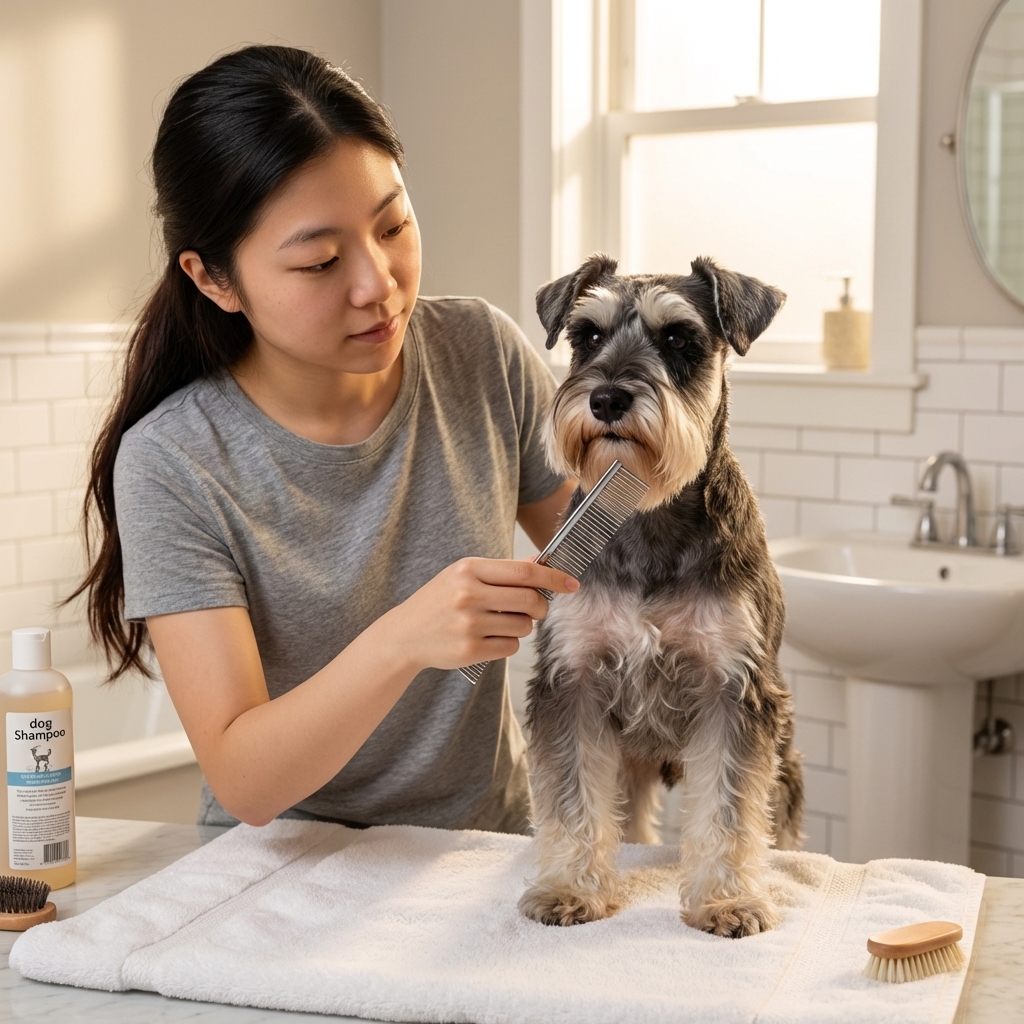
The beard holds water, food, and outdoor debris. If you want less odor and less matting, simple habits help:
- Daily quick comb-through: Especially after meals and walks.
- Rinse and dry: A quick rinse after messy drinking, then towel dry helps prevent “sour beard.”
- Wipe after meals: A damp cloth can keep food from drying into the hair.
- Watch the skin: Redness under the beard can mean irritation or yeast. Ask your vet if you see persistent odor or itching.
Hand-stripping vs clipping
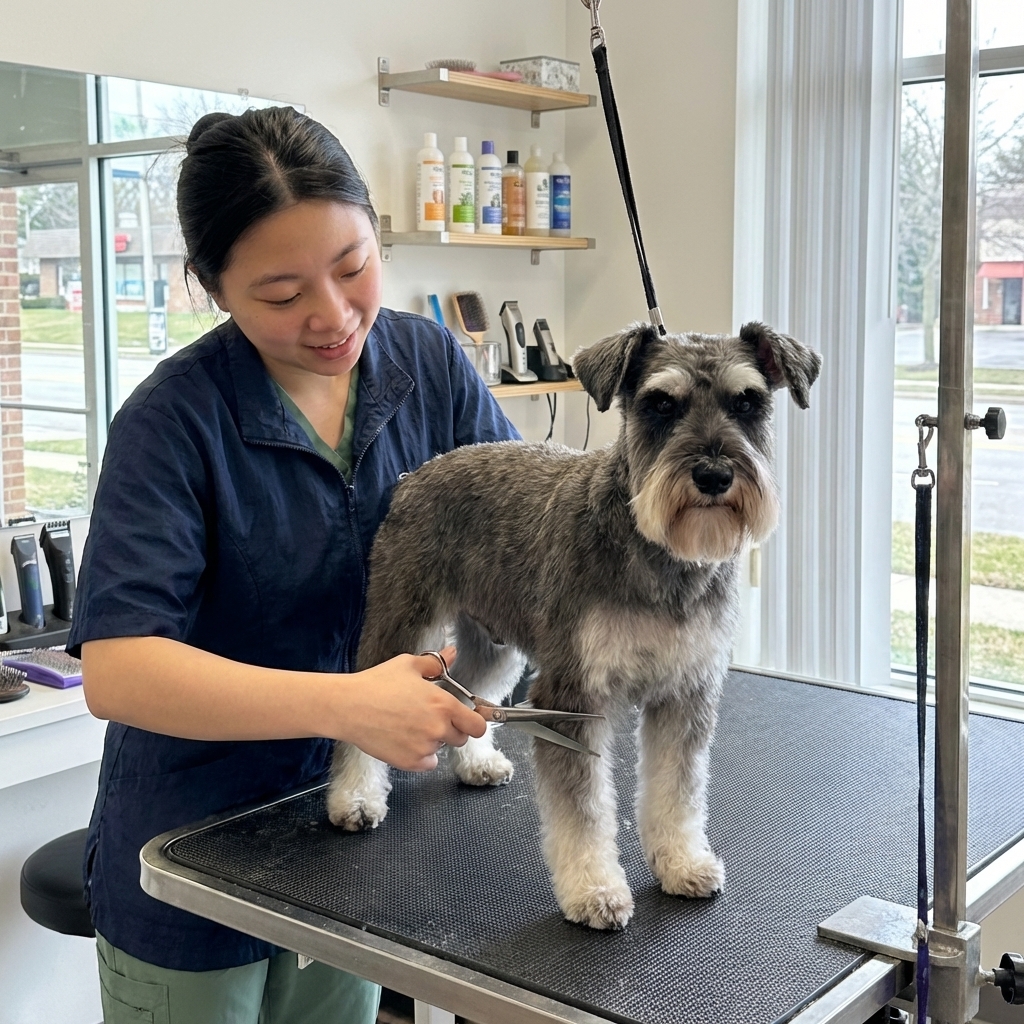
Miniature Schnauzers can have a wiry coat that is traditionally hand-stripped. Many pet Schnauzers are instead clipped with clippers. Neither choice makes you a better or worse dog parent, but the results are different.
Hand-stripping
- What it is: Removing dead outer coat hair by hand or with a stripping knife so new wiry coat grows in.
- Pros: Often maintains a harsher, wiry texture and richer coat color.
- Considerations: Requires skill and time. Some dogs tolerate it well, others need slow conditioning. Often costs more.
Clipping
- What it is: Cutting the coat with clippers and scissors.
- Pros: Easier to find groomers who offer it, typically faster and less expensive.
- Considerations: Over time, clipping can make a wiry coat feel softer and can change coat color. It may also change shedding patterns and matting tendencies, depending on the individual coat.
If you love the crisp “show look,” ask your groomer whether they offer hand-stripping or rolling coats. If your priority is comfort and practicality, a clipper pet trim can be a great fit.
How often is grooming?
- Professional grooming: Commonly every 4 to 8 weeks depending on coat style.
- At-home brushing: Several times per week, plus beard combing.
- Nails: Usually every 2 to 4 weeks. Clicky nails often mean it is time.
- Ears: Check weekly for redness or odor and clean only if your vet or groomer recommends it.
Health: common concerns
No breed is perfect, and Miniature Schnauzers have a few well-known health patterns. This is not meant to scare you. It is meant to help you notice early signs and make everyday choices that protect your dog long-term.
Pancreatitis awareness
Miniature Schnauzers are widely recognized as a breed that can be prone to pancreatitis, which is inflammation of the pancreas. Pancreatitis can range from mild to life-threatening. One reason this matters in Schnauzers is that they can be predisposed to high blood triglycerides (hypertriglyceridemia), which may increase pancreatitis risk in some dogs.
Common triggers can include very fatty meals, rich table scraps, sudden diet changes, and getting into the trash. Sometimes pancreatitis happens even when owners do everything right, so early recognition is important. Also, not every vomiting episode is pancreatitis, but repeated vomiting or vomiting plus lethargy deserves a prompt vet call.
Talk to your veterinarian promptly if you see:
- Vomiting, especially repeated vomiting
- Loss of appetite
- Abdominal pain (tense belly, hunched posture, reluctance to move)
- Diarrhea
- Lethargy
Everyday prevention basics that help many Schnauzers:
- Keep treats lean and simple
- Avoid fatty people food (bacon, sausage, butter, fried foods)
- Measure meals and maintain a healthy body condition
- Ask your vet whether triglyceride screening is appropriate for your dog, especially if there is a history of GI flare-ups
- Consider routine wellness lab work as your dog ages, since early changes in lipids or organ values can help guide diet and prevention plans
If your Miniature Schnauzer has vomiting plus lethargy or belly pain, do not wait it out. Pancreatitis and other GI emergencies are much easier to manage when caught early.
Other issues you may hear about
- Dental disease: Small breeds commonly need consistent dental care. Daily brushing is ideal, plus vet dental cleanings when recommended.
- Skin issues: Allergies and dermatitis can happen. Miniature Schnauzers are also known for Schnauzer comedone syndrome (often called “Schnauzer bumps”), which can look like blackheads or pimple-like bumps, commonly along the back. Your vet can help confirm what it is and recommend medicated shampoos or other treatment if needed.
- Eye conditions: Some lines are more prone to issues such as cataracts and progressive retinal atrophy (PRA). Early evaluation matters for squinting, redness, cloudiness, or changes in vision.
- Urinary stones: Some Minis are predisposed to certain bladder stones. Frequent urination, straining, or blood in urine should be checked right away.
Good breeding, preventive care, and healthy body weight are three of the biggest factors that influence long-term outcomes. If you are buying a puppy, ask about health testing and the health history of close relatives.

Daily care checklist
If you want a simple routine that supports behavior, coat health, and overall wellness, here is a solid place to start.
- Movement: Most Minis do well with two daily walks plus play, often totaling 45 to 60 minutes of activity.
- Brain work: Two to five minutes of training, one to two times a day.
- Grooming: Brush several times weekly and comb the beard often.
- Feeding: Keep meals consistent, treats lean, and avoid high-fat extras.
- Health habits: Dental care, regular weigh-ins, and prompt vet visits for vomiting, belly pain, urinary straining, or sudden behavior changes.
The Miniature Schnauzer is a wonderful mix of bold and sweet. With patient training and realistic grooming expectations, they can be one of the most rewarding small-breed companions you will ever share a home with.