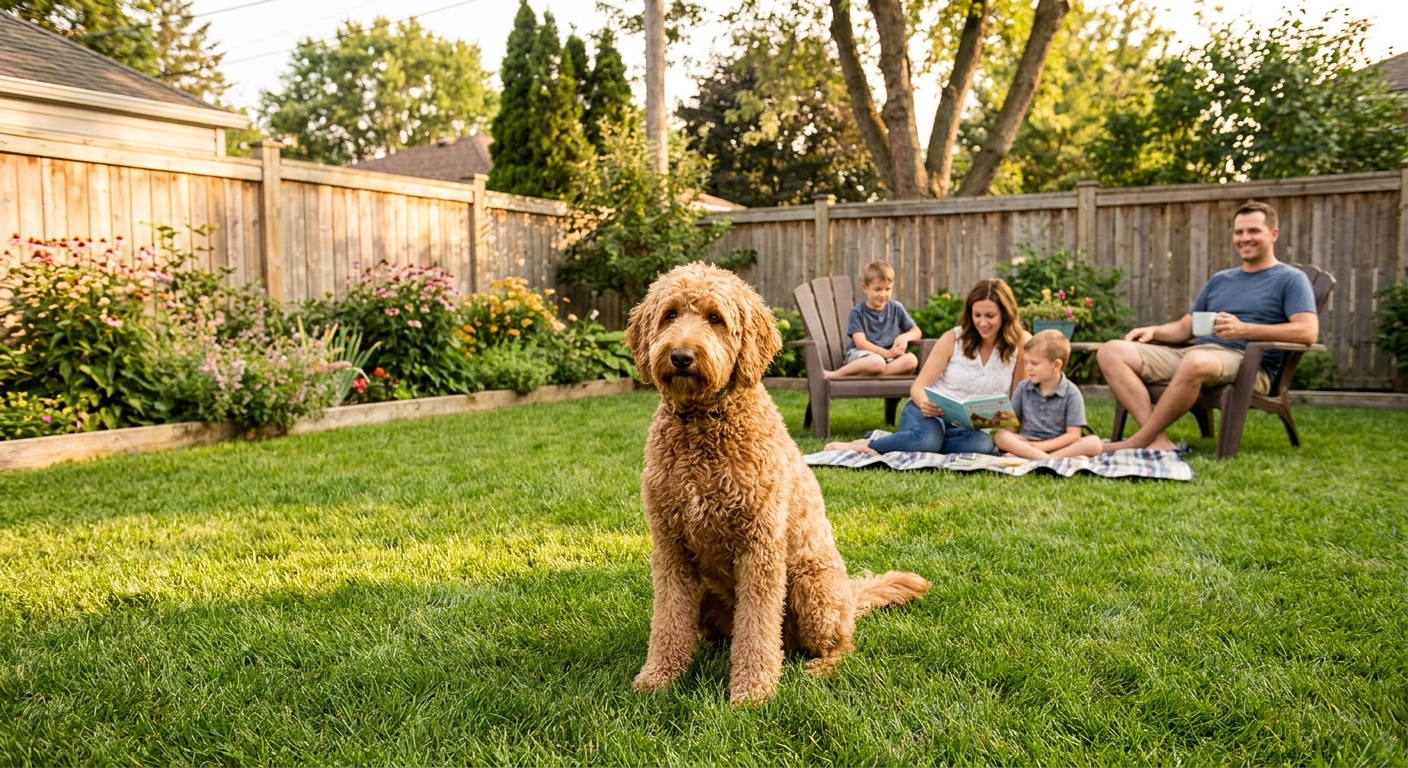
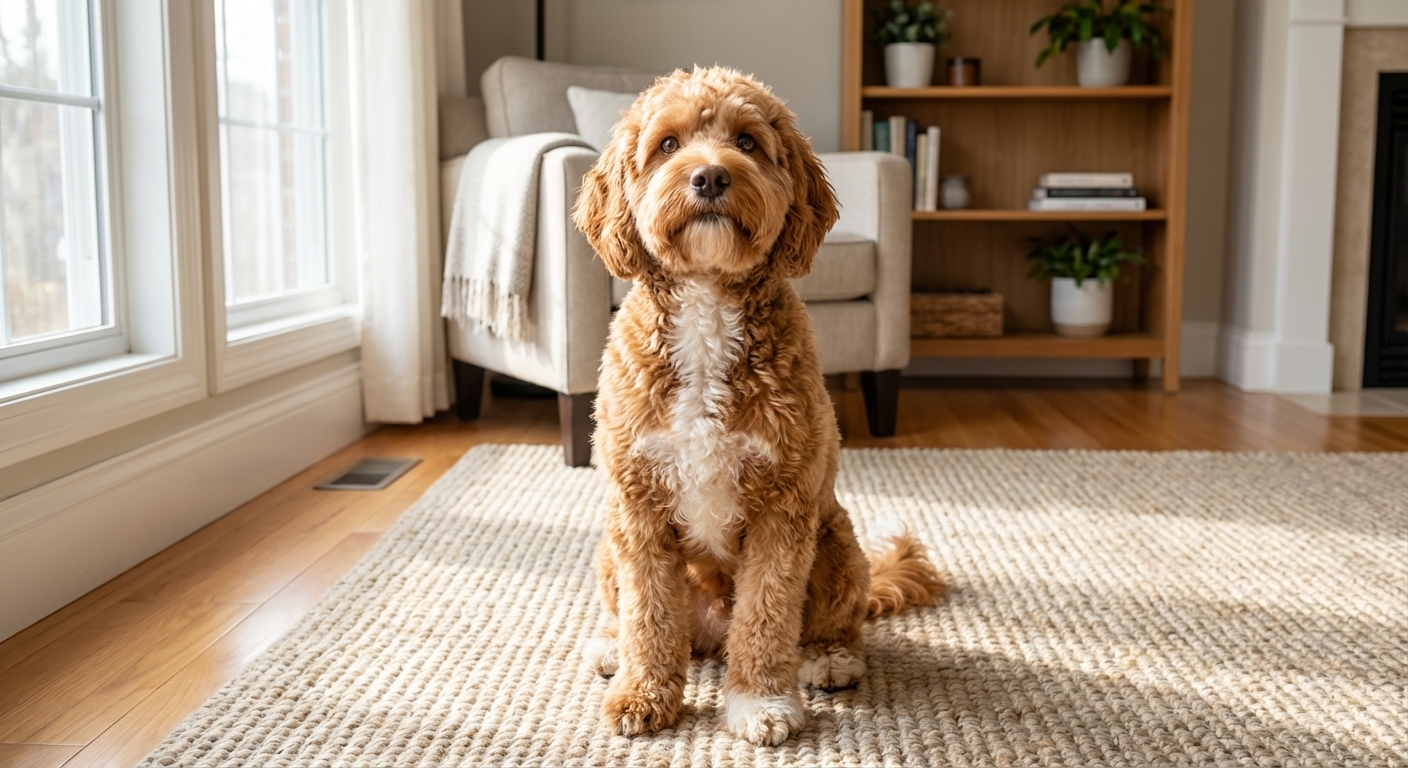
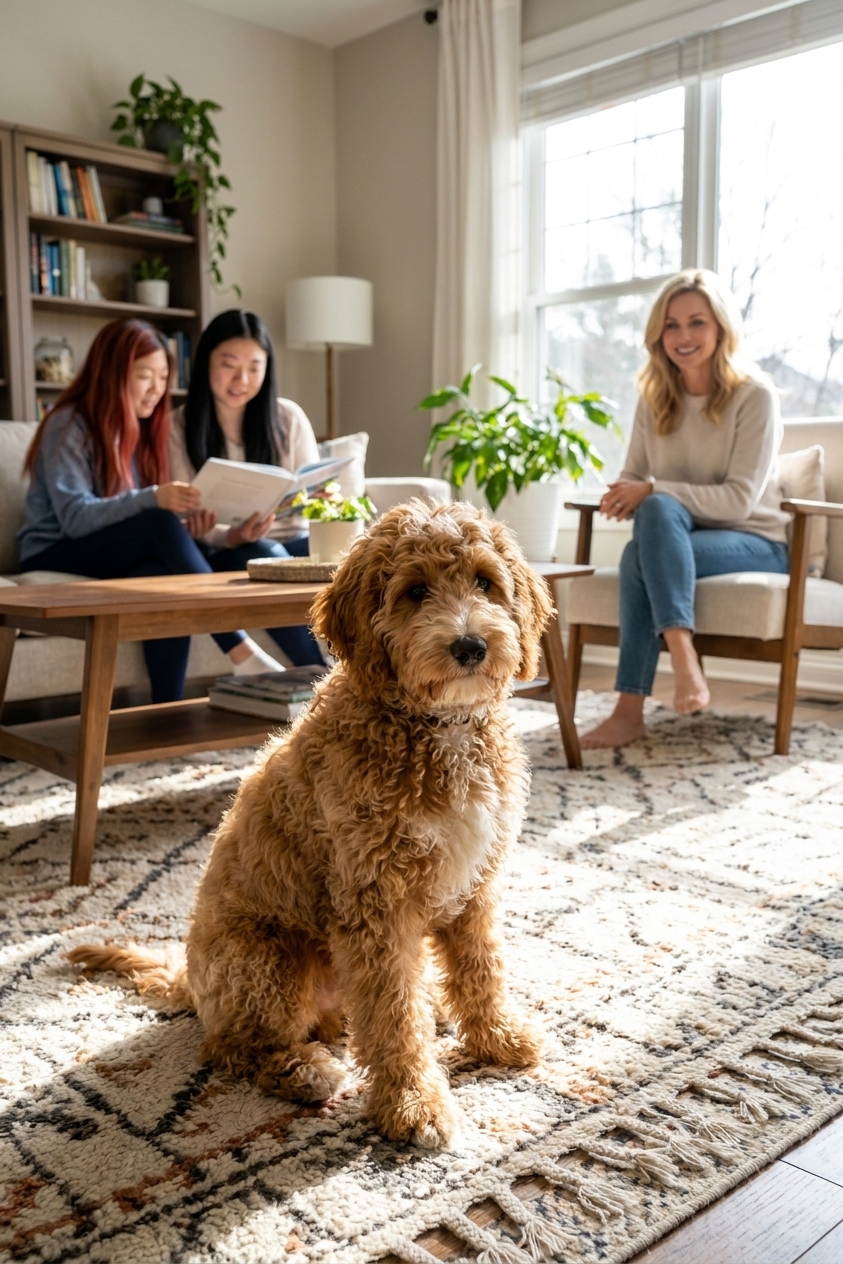
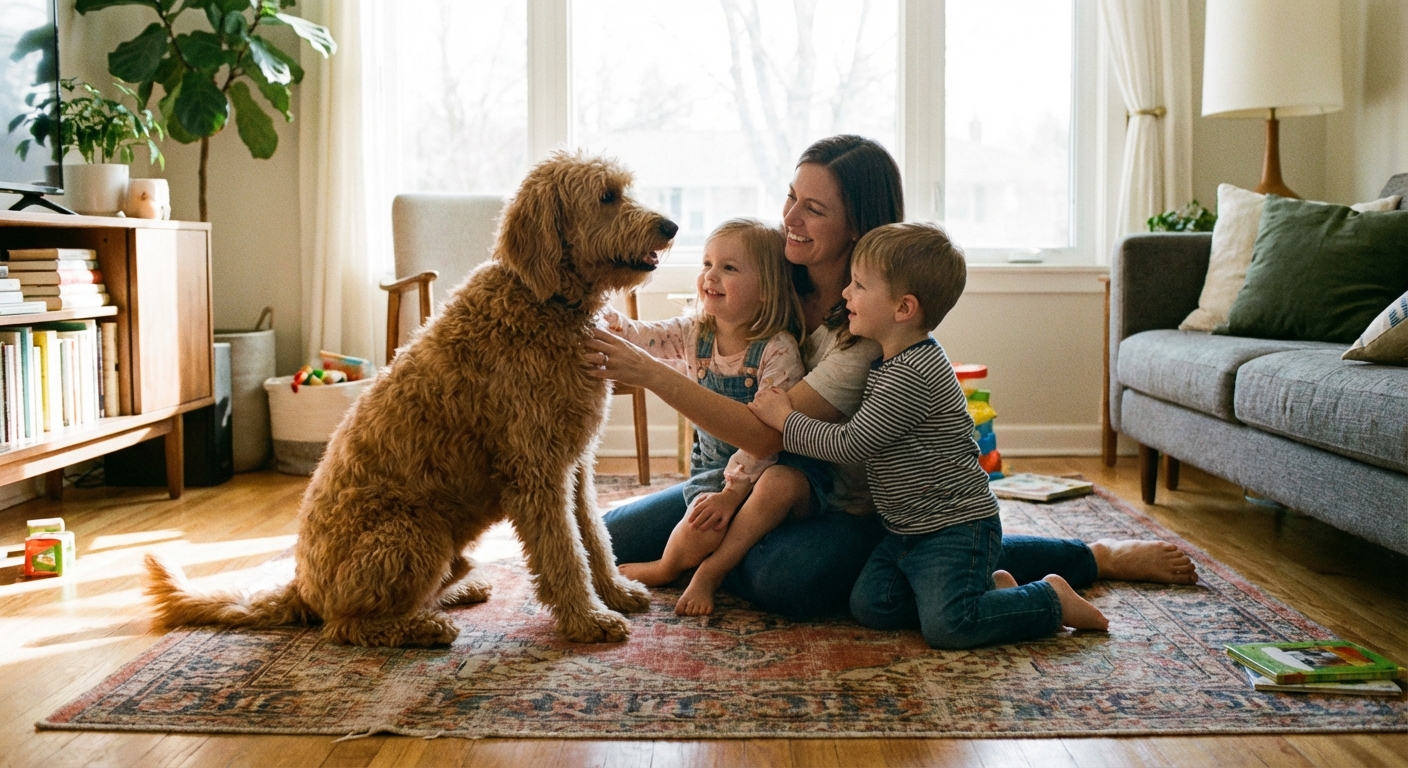
If you are deciding between a Mini Labradoodle and a Labradoodle (often meaning “standard”), you are really choosing a lifestyle match. Size shapes the day-to-day reality: how much exercise your dog needs, how hard it is to lift them, how much space they take up on the couch, and even how simple house-training feels when it is pouring rain.
As a veterinary assistant, I have seen families thrive with both sizes. I have also seen frustration when expectations and reality do not match. Let’s walk through what “mini” and “standard” can realistically mean, and how to pick the best fit for your home and training goals.
Quick note: This is general education, not medical advice. For breed-specific health questions, your veterinarian is the best resource.
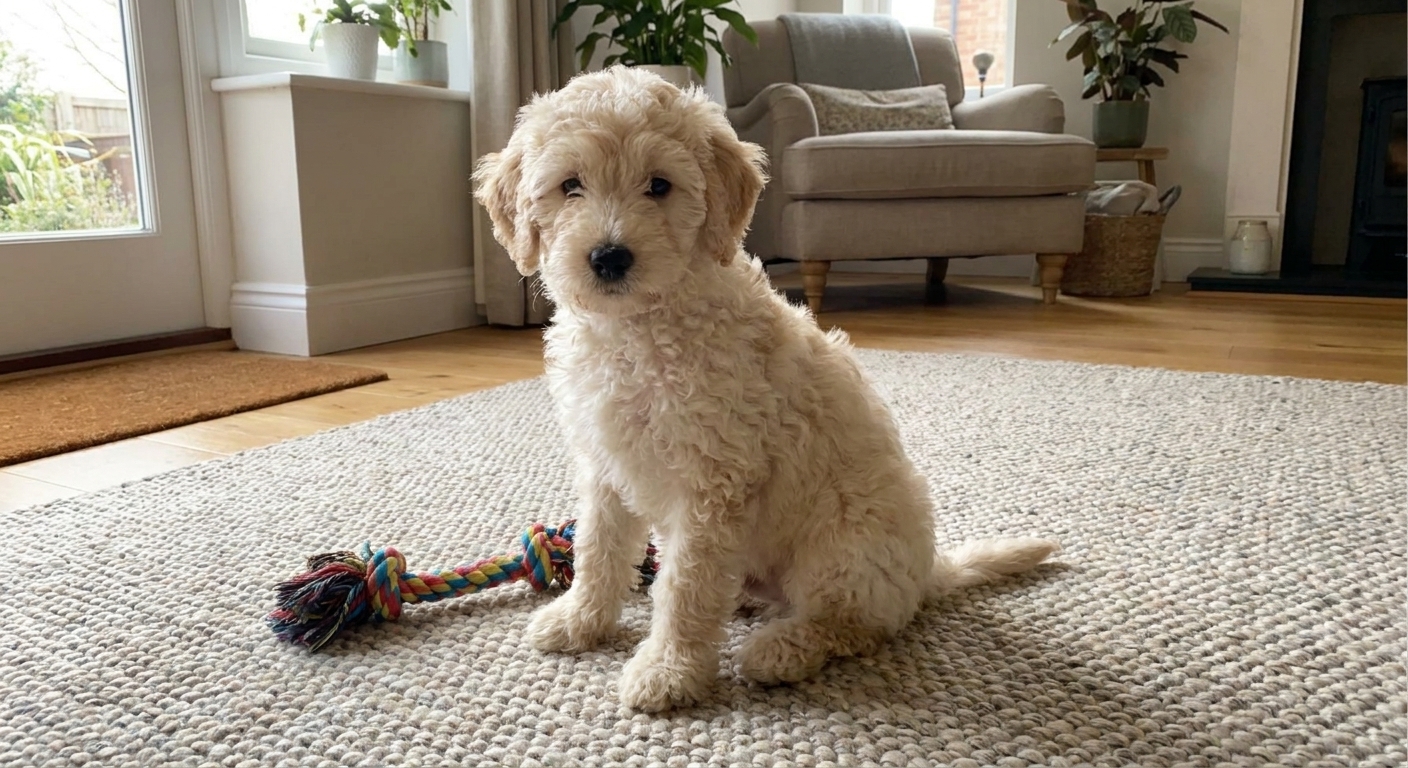
Mini vs standard: what size really means
Labradoodle sizes vary widely because they are a mixed breed, and breeding goals are not identical across breeders. Terms like mini, medium, and standard are helpful starting points, but they are not guaranteed labels.
Typical adult size ranges
- Mini Labradoodle: commonly cited around 15 to 30 pounds (sometimes 20 to 35), roughly 14 to 17 inches at the shoulder.
- Medium Labradoodle: commonly cited around 30 to 50 pounds (often 30 to 45), roughly 17 to 20 inches at the shoulder.
- Standard Labradoodle: commonly cited around 50 to 70 pounds (some exceed this), roughly 21 to 24 inches at the shoulder (some lines reach 24 to 26).
Why ranges are big: “Labradoodle” can involve different generations (F1, F1B, multigen), and the Poodle size used in the breeding program matters a lot. A “mini” program usually uses a Miniature Poodle, but genetics can still surprise you.
When do you know adult size?
Many Labradoodles are close to adult height by around 10 to 14 months. Larger dogs may take longer, and many will continue filling out in muscle and body condition until about 18 to 24 months.
Helpful reality check: A “mini” puppy can still mature into a medium-sized adult. If you truly need a smaller dog for housing rules or lifting limitations, your best protection is choosing a breeder who can show consistent adult outcomes in past litters.
How size changes training and daily management
All sizes can be smart, affectionate, people-focused dogs. But the experience of training them can feel different, mostly because of physical logistics and stamina. Also, individual personality matters. Some minis are nonstop athletes, and some standards are surprisingly mellow.
House-training and potty logistics
- Mini Labradoodles have smaller bladders and may need more frequent potty breaks early on. The upside is they are easier to scoop up and carry outside if needed.
- Standard Labradoodles may hold it longer as they mature, but if they have accidents, the cleanup can be bigger. You will also want a clear plan for rainy nights and late potty trips because you cannot always pick up a 60-pound adolescent who refuses to move.
Training tip: No matter the size, successful potty training is about consistency, preventing mistakes, and rewarding the correct behavior. Set timers, supervise, and use a crate or playpen thoughtfully.
Leash manners and jumping
This is where size matters fast. A standard Labradoodle that pulls can physically move an adult. A mini that pulls is still frustrating, but usually easier to manage.
- Start leash training early with reward-based methods.
- Prioritize “four paws on the floor” greetings, especially for standards.
- Consider working with a certified trainer if pulling or jumping escalates during adolescence.
Energy, endurance, and zoomies
Labradoodles often inherit the Labrador’s enthusiasm and the Poodle’s brains. Many are energetic and need both physical exercise and mental work.
- Mini Labradoodles: can be high-energy but may be satisfied with shorter workouts plus training games and enrichment.
- Standard Labradoodles: often handle longer walks, hikes, and play sessions and can become restless if under-exercised.
Evidence-based perspective: Daily movement plus enrichment lowers problem behaviors in many dogs. Think of exercise as “stress relief” and training as “mental fitness.” You usually need both.
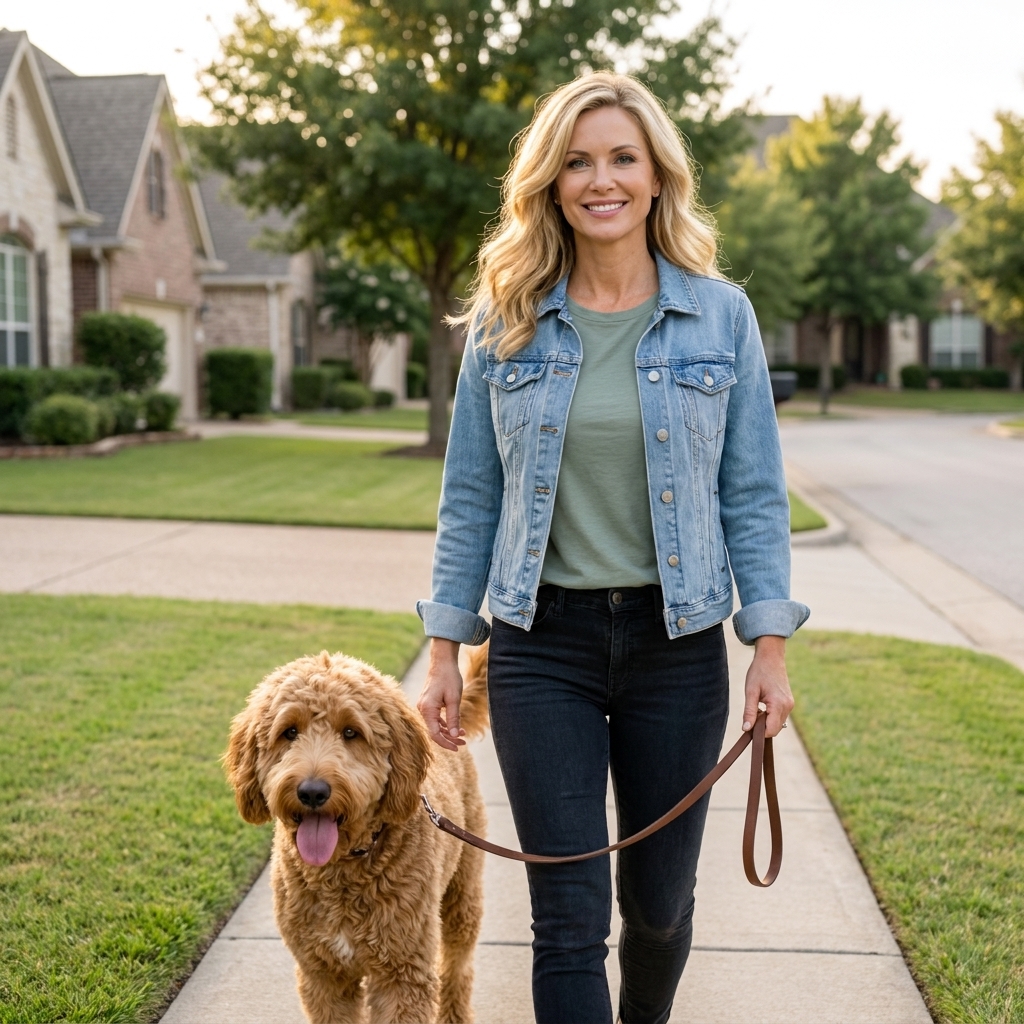
Space needs: apartments vs larger homes
People often assume a mini is automatically an apartment dog and a standard needs a big yard. In reality, the owner’s routine matters as much as square footage.
Apartment fit
- Mini Labradoodle: often a good fit for apartments if you commit to regular potty breaks and daily enrichment. Smaller body size can make elevators, stairs, and tight hallways easier.
- Standard Labradoodle: can live in an apartment, but it is usually a better match for owners who are very consistent with exercise, calm indoor training, and noise management.
Noise note: Any size can become vocal if bored, anxious, or under-trained. If you share walls, ask your breeder about temperament and talk to a trainer early about preventing nuisance barking.
Home setup
- Stairs: Smaller dogs are easier to carry if they are recovering from surgery or injured, but frequent stairs can still be hard on any dog long-term. Larger dogs can be more challenging to manage on stairs during puppyhood and aging.
- Car space: A standard Labradoodle may need a larger crate or harness setup for safe travel.
- Furniture and counters: Standards can reach counters, which makes training “leave it” and management more important.
Kids, seniors, and physical safety
Many Labradoodles do great with families, but size changes the risk profile during the bouncy adolescent phase.
- With small kids: Minis may be easier to manage physically, but they can be more fragile if a child falls or grabs. Standards are sturdier, but jumping and leash pulling can accidentally knock a child over.
- With seniors: Minis are often easier to lift and steady on leash, while standards may be a better fit only if leash manners are excellent and the handler is physically confident.
Best practice: Whatever the size, prioritize early training for calm greetings, and supervise kid and dog interactions closely.
Grooming: coat matters more than size
Labradoodle grooming needs depend on coat type and density, not just whether the dog is mini or standard. But a bigger dog often means more surface area to brush and more time in the grooming salon.
Common coat patterns
- Curly (more Poodle-like): can be lower shedding but often higher maintenance due to matting risk.
- Wavy (fleece type): popular and soft, but can still mat if brushing is inconsistent.
- Straighter (more Lab-like): may shed more and can still tangle in friction areas.
What most Labradoodles need
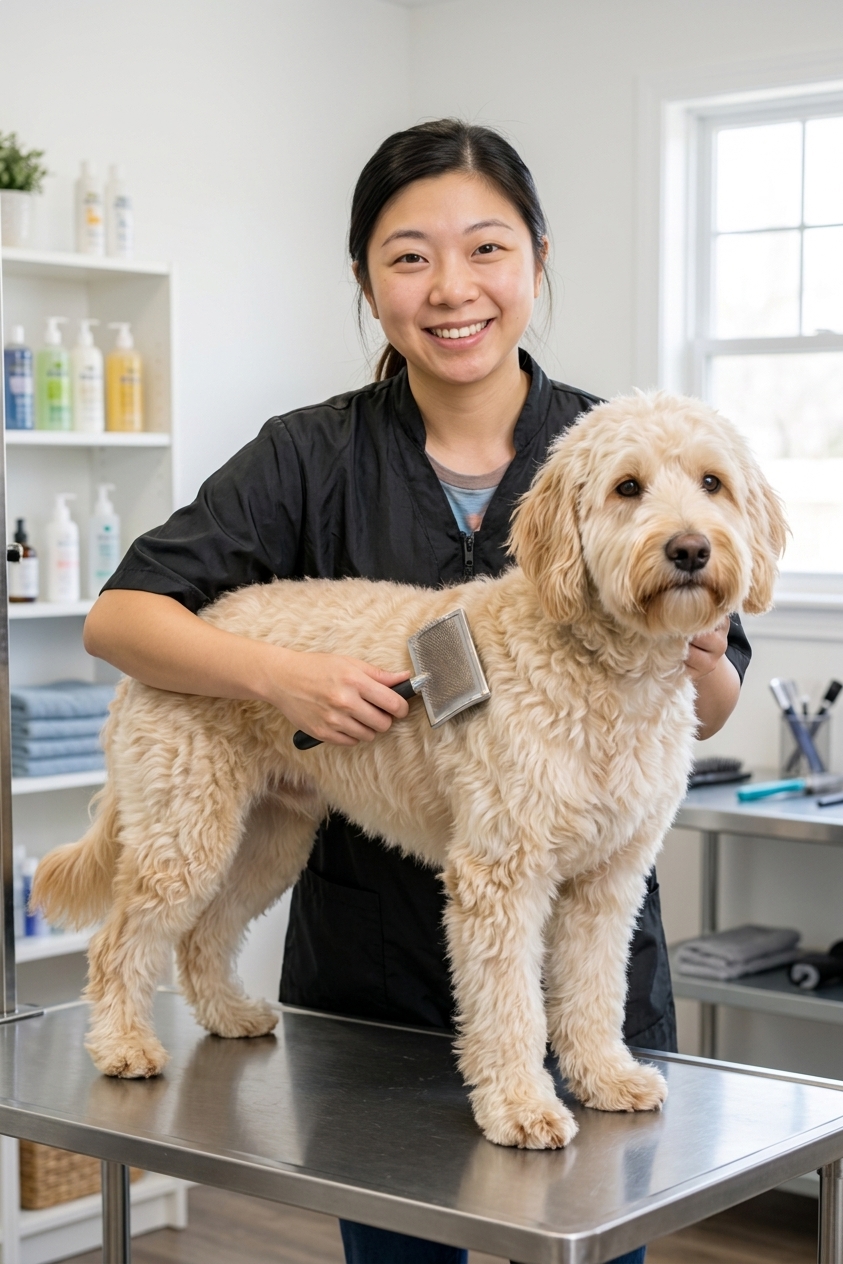
- Brushing: typically several times per week, and daily during coat changes or if the coat is dense.
- Professional grooming: often every 6 to 8 weeks, depending on coat and lifestyle.
- At-home basics: ear checks, nail trims, and keeping hair around eyes and paws comfortable and clean.
Health reminder: Matted coats can trap moisture and debris, increasing risk of skin irritation and hot spots. If brushing is not your thing, pick a shorter “sport clip” and stay on schedule with a groomer.
Hypoallergenic reality check: Labradoodles are not reliably hypoallergenic. Shedding and allergen levels vary by individual dog and coat type. If allergies are a concern, spend time with adult dogs from the same lines and talk to your allergist.
Health and longevity: what to watch for
Both mini and standard Labradoodles can be wonderful, healthy companions, but they can inherit risks from both parent breeds. Responsible breeding and good preventive care are huge.
Common areas breeders and vets watch
- Hips and elbows: orthopedic screening is especially important in larger dogs.
- Eyes: ask about ophthalmology exams and family history.
- Allergies and skin issues: these can be common in many dogs and are usually multifactorial, involving genetics, environment, parasites, and sometimes diet. Good grooming and vet-guided prevention help a lot.
- Ear infections: floppy ears can trap moisture. Some dogs also have hair growth in the ear canal. Ear hair management is individualized, and plucking is not automatically the right choice for every dog. Your vet or groomer can guide what is appropriate.
Size-related pattern: Larger dogs are often more prone to certain orthopedic stresses, while smaller dogs may be more sensitive to weight gain relative to their frame. For either size, keeping your dog lean is one of the most evidence-supported ways to protect joints and overall health.
Average lifespan
- Mini Labradoodles: often around 12 to 15 years.
- Standard Labradoodles: often around 10 to 13 years.
These are broad averages, not a guarantee. Genetics, body condition, preventive care, and lifestyle make a big difference.
Realistic size expectations: avoid surprises
If you take one thing from this article, let it be this: choose a breeder based on consistency, transparency, and health testing, not just on a label.
Questions to ask a breeder
- What are the adult weights of the dam and sire? Ask for current photos and weights.
- What is the generation and breeding plan? (F1, F1B, multigen). Ask what Poodle size is used.
- What have past puppies from these lines matured to? Ask for a realistic range, not a promise.
- What health testing is completed and can I see results? Look for orthopedic evaluations and relevant screenings.
- How do you temperament-test puppies? Ask how they match puppies to homes.
- What is your rehoming policy? Ethical breeders take dogs back if life changes.
Questions to ask yourself
- Can I comfortably lift and transport my dog if they are injured?
- Do I have time for daily exercise and training for the next 10 to 15 years (with smaller dogs often on the higher end)?
- Is my housing subject to weight limits or breed restrictions?
- Can I budget for grooming and preventive care?
Quick decision guide
A Mini Labradoodle may fit best if you...
- Need a smaller dog for apartment living, travel, or lifting limits.
- Want a dog that is typically easier to manage physically during training.
- Can handle more frequent potty breaks during puppyhood.
A Standard Labradoodle may fit best if you...
- Want a sturdier hiking or jogging partner with longer stride and endurance.
- Have more space, or you are very committed to daily outdoor exercise.
- Are ready to train early for leash manners and polite greetings.
Whichever size you choose, plan for daily enrichment, consistent training, and a grooming routine you can actually maintain. That is what turns a cute puppy into a calm, confident family dog.
Final thoughts
Mini Labradoodles and standard Labradoodles share many of the same lovable traits: social personalities, bright minds, and a strong desire to be part of the family. Size does not change the heart of the dog, but it absolutely changes the practical details of training, exercise, and space.
If you want the smoothest experience, look for a breeder who is transparent about adult outcomes and health testing, then start training and grooming habits from week one at home. Your future self will thank you.