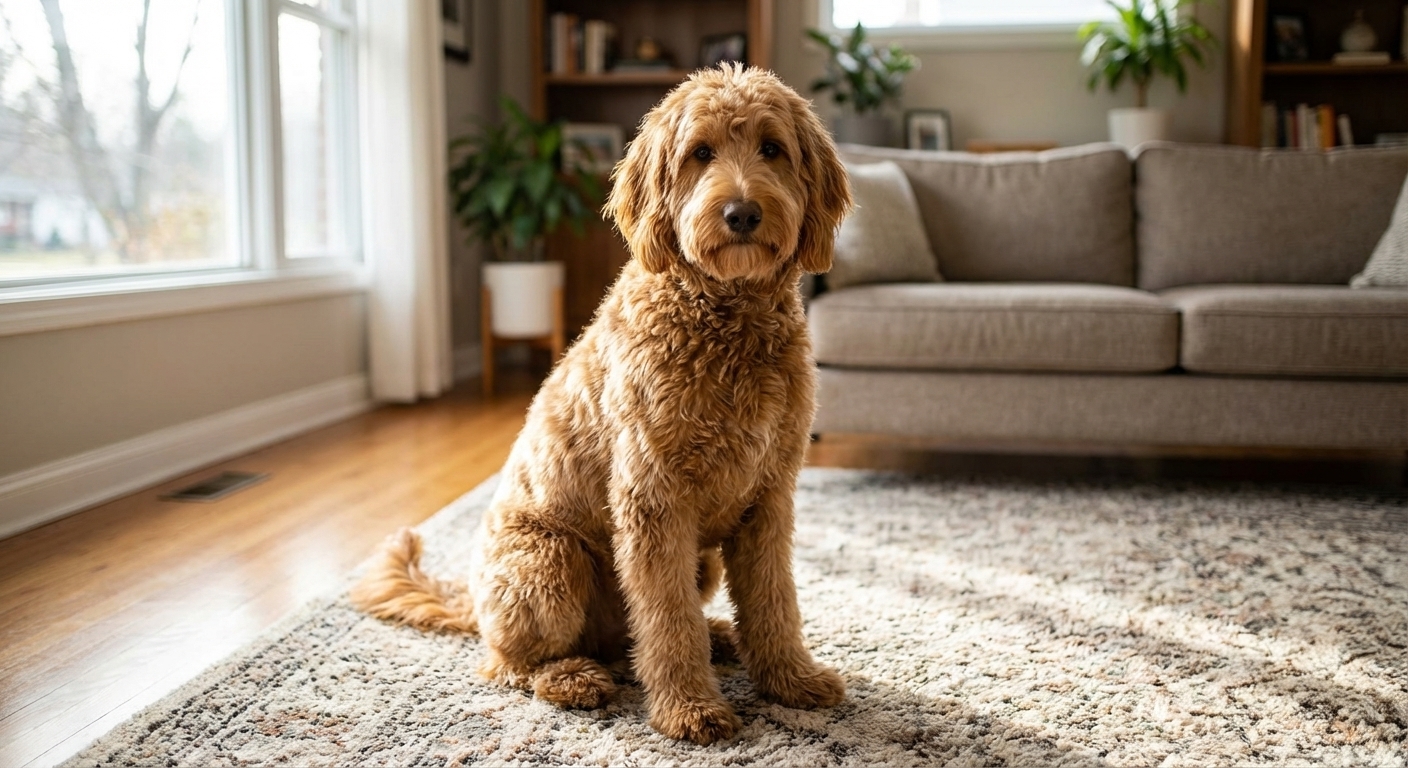
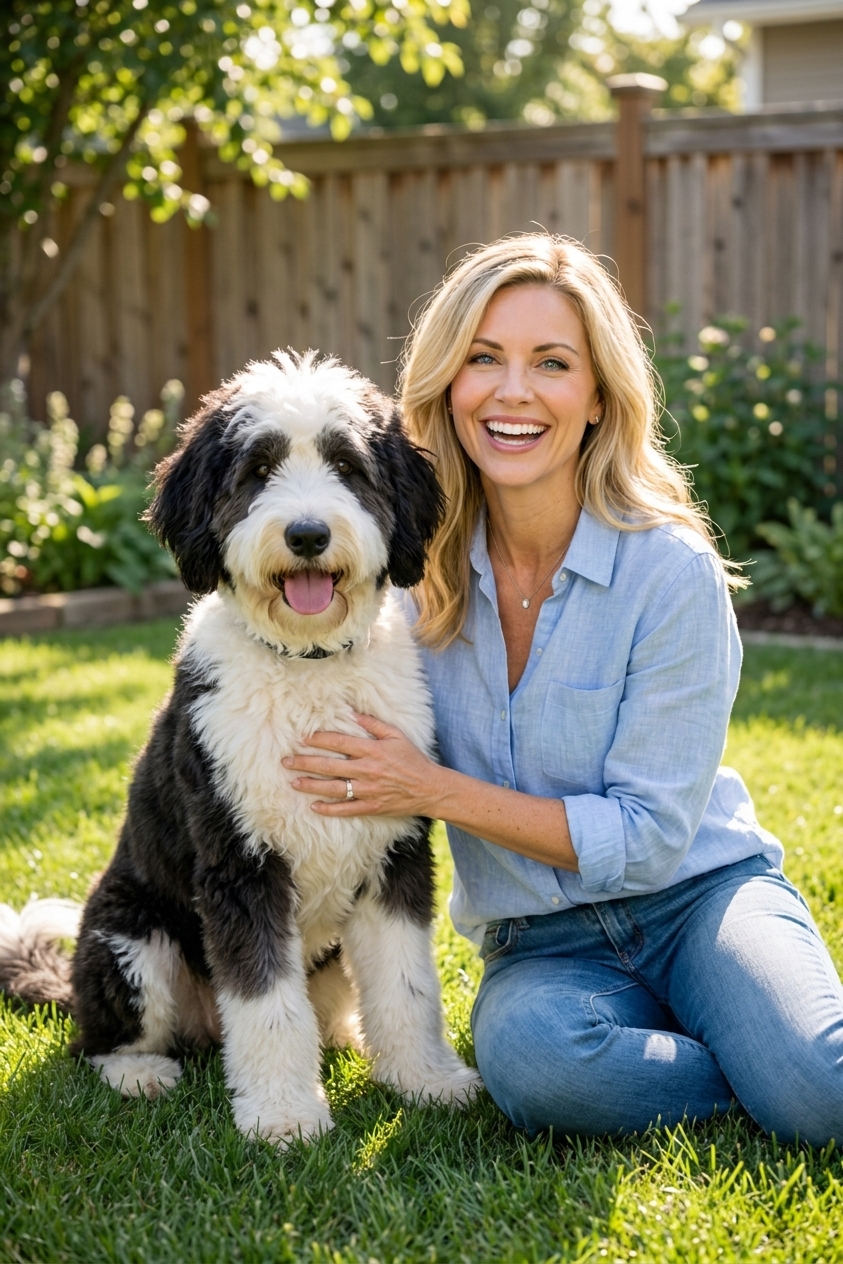
Goldendoodles are lovable, people-focused dogs, but the words mini, medium, and standard can get confusing fast. As a veterinary assistant, I have seen families feel surprised when a “mini” ends up bigger than expected or when a “low-shed” pup needs more grooming than they planned for.
This guide breaks down the real-world differences between a Mini Goldendoodle and a (Standard) Goldendoodle with a focus on what most families care about day to day: size, exercise, space, shedding, grooming, and overall fit.
Quick definitions: mini, medium, standard
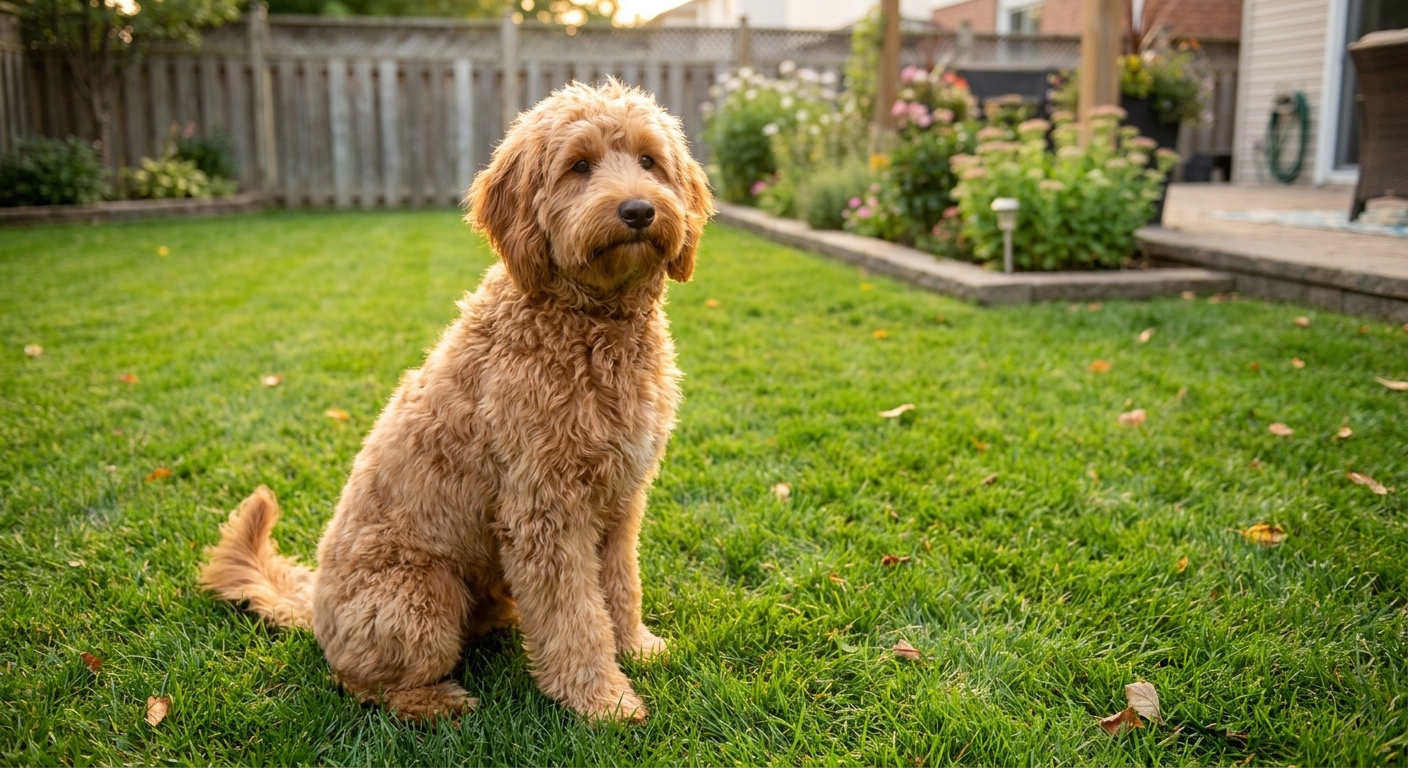
Goldendoodles are typically a mix of a Poodle and a Golden Retriever. Size labels are not regulated, so they can vary by breeder. In general:
- Mini Goldendoodle: Usually bred using a Miniature Poodle (or sometimes a smaller Standard Poodle) with a Golden Retriever or Goldendoodle. The goal is a smaller adult dog.
- Medium Goldendoodle: Often used for dogs that land between mini and standard, commonly around 35 to 45 pounds (sometimes a bit higher depending on the program).
- Standard Goldendoodle: Usually bred using a Standard Poodle with a Golden Retriever or Goldendoodle. The goal is a larger, more athletic adult dog.
Marketing note: Some breeders use “medium” as a separate category. Others call nearly any smaller doodle a mini. That is why it is more helpful to talk in expected adult weight and height ranges than labels alone.
How minis are produced (and why it matters)
“Mini” is not a single, consistent recipe. Minis are produced in a few common ways, and each affects predictability:
Miniature Poodle × Golden Retriever
This pairing is possible but less common due to the size difference. When it is done, it is typically through careful management (sometimes including AI). Size can be especially variable because the parents are very different sizes. Puppies from the same litter may mature into noticeably different adult weights.
Miniature Poodle × Goldendoodle (or smaller Goldendoodle lines)
Some breeders use established doodle lines to better target adult size. This can improve predictability, but you still need to verify the sizes of the parents and close relatives.
Small Standard Poodle × Golden Retriever
Sometimes “mini” is achieved by using a smaller Standard Poodle rather than a Miniature Poodle. These dogs may land in the mini-to-medium range depending on genetics.
What to ask a breeder:
- Adult weights and heights of both parents, plus grandparents if available
- Typical adult size range from previous litters
- Whether they use a weight estimator, and how accurate it has been historically
- Which generation you are getting (F1, F1B, multigen) and what that tends to mean in their program
Expected adult size: ranges to plan around
Because Goldendoodles are mixed-breed dogs, adult size is a range, not a guarantee. You can still plan with reasonable bands, and it helps to remember that breeder definitions vary.
Mini Goldendoodle size
- Common weight: about 15 to 35 pounds
- Common height: about 13 to 20 inches at the shoulder
Some programs define “mini” up to around 40 pounds, and it is not unheard of for a dog sold as a mini to mature in that range.
Medium Goldendoodle size
- Common weight: about 35 to 45 pounds
- Common height: about 17 to 21 inches at the shoulder
This is the “in-between” size many families end up with, even if the puppy was marketed as a mini or small standard.
Standard Goldendoodle size
- Common weight: about 45 to 90 pounds
- Common height: about 20 to 26 inches at the shoulder
Many sources and breeders effectively start “standard” closer to 50 pounds and up. Standards can be truly big dogs, which affects everything from space and exercise to grooming time, travel, and cost.
Exercise realities
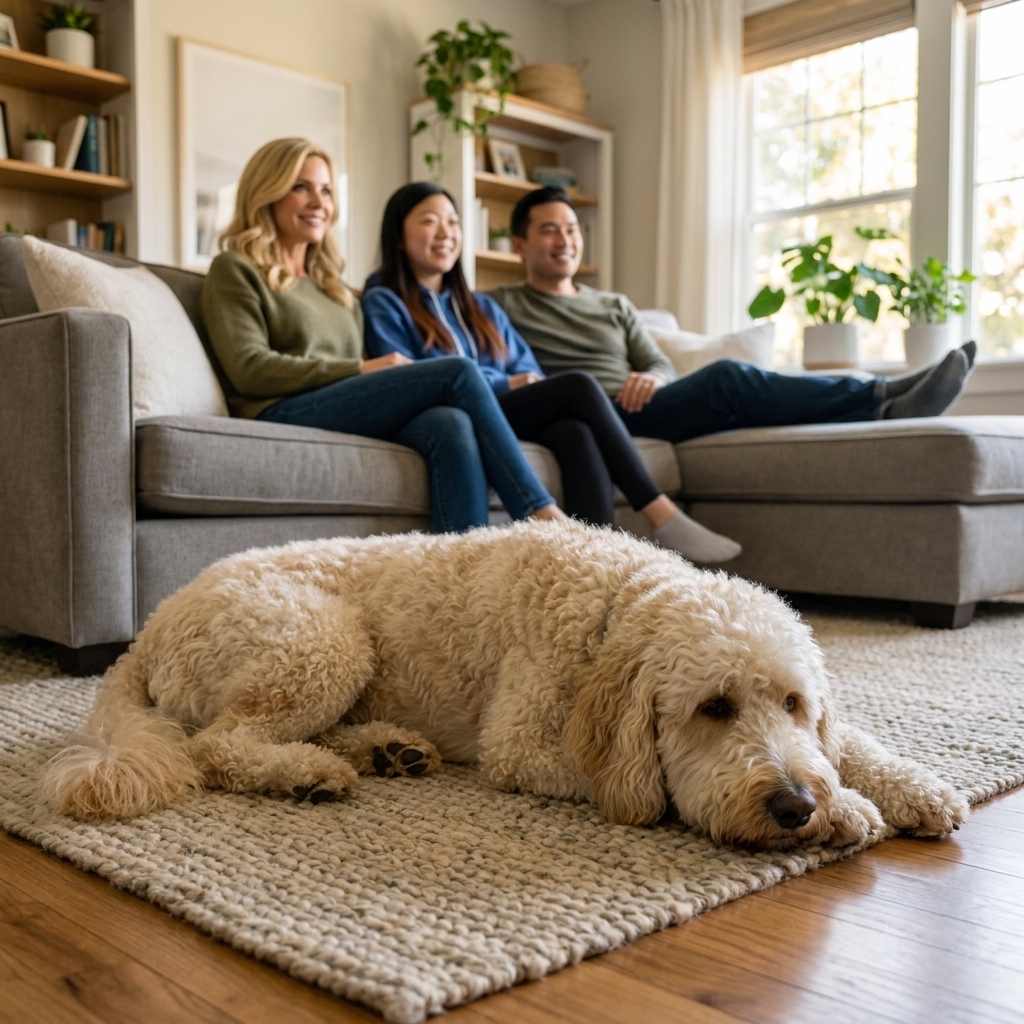
Goldendoodles are generally social and energetic. They often inherit a love of movement from both the Golden Retriever and the Poodle. The key difference is not whether they need exercise, but how much intensity and duration your household can comfortably provide.
Important: Age and health matter. Puppies need shorter, structured sessions and plenty of rest. Adults usually handle longer outings. Seniors and dogs with orthopedic issues may need a gentler plan from your veterinarian.
Mini Goldendoodle exercise needs
- Many do well with: about 45 to 75 minutes total daily activity (split into sessions)
- Good matches: brisk neighborhood walks, play in the yard, training games, fetch with breaks
- Common pitfall: underestimating mental exercise. Many minis are bright and need training and enrichment to stay settled.
Standard Goldendoodle exercise needs
- Many do well with: about 60 to 120 minutes total daily activity depending on age and temperament
- Good matches: longer walks, hikes, swimming, structured retrieval games (jogging only once fully grown and cleared by a vet)
- Common pitfall: a big dog that is bored can be a big dog with big behaviors (jumping, counter surfing, leash pulling).
Practical tip: Sniffing time plus short training sessions can tire many doodles out as effectively as adding more miles. Try 10 minutes of “find it” treats in the grass or a brief leash skills session after a walk.
Space and lifestyle
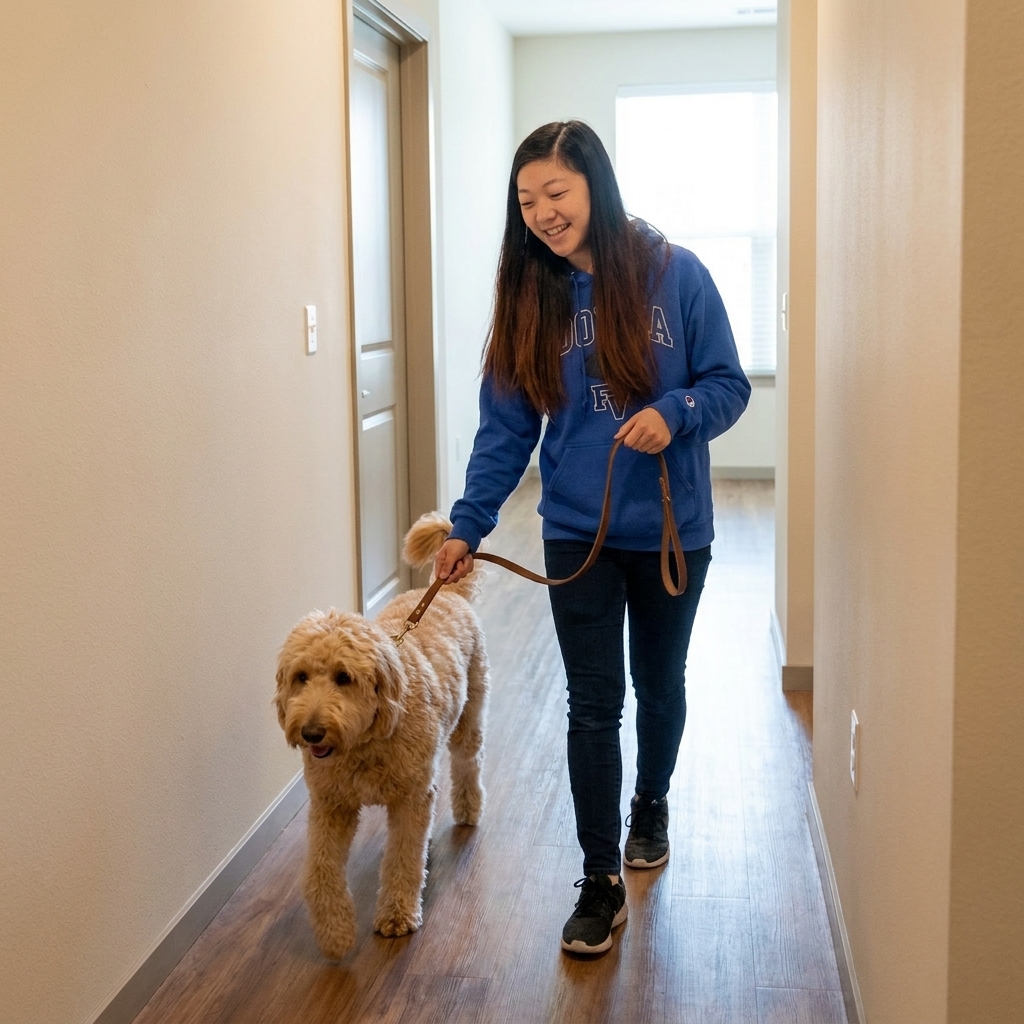
Plenty of minis and standards live in apartments successfully, and plenty struggle in large houses. What matters most is your daily routine.
Mini Goldendoodle in smaller spaces
- Often easier to carry up stairs, lift into a car, and manage in tight hallways
- Usually easier to travel with, and many fit better in smaller crates
- Still needs a predictable schedule for potty breaks and exercise
Standard Goldendoodle in family homes
- Benefits from more room to stretch out, but still needs structured daily exercise
- Stronger leash power means training matters early and consistently
- Higher food consumption and larger supplies (crate, beds, grooming tools) are part of the budget
Shedding realities
This is the section I wish every family could read before they fall in love with a puppy photo.
No dog is truly hypoallergenic. Most allergy triggers are related to dander and saliva proteins, not just visible hair. Some doodles shed less than typical Golden Retrievers, but outcomes vary.
What affects shedding in Goldendoodles
- Coat type: straight, wavy, curly
- Generation: F1, F1B, multigen can influence coat tendencies, but does not guarantee results
- Grooming frequency: mats and trapped undercoat can make shedding and skin issues worse
- Health factors: parasites, allergies, poor nutrition, and stress can increase shedding
Mini vs standard shedding
Size does not automatically predict shedding. A curly-coated standard may shed less than a straight-coated mini. What size does affect is the amount of coat to maintain. Even if both shed lightly, a larger dog means more surface area to brush and more hair captured in grooming tools.
If “low shedding” is your top priority, focus on coat texture and grooming commitment, not the word mini.
Grooming load
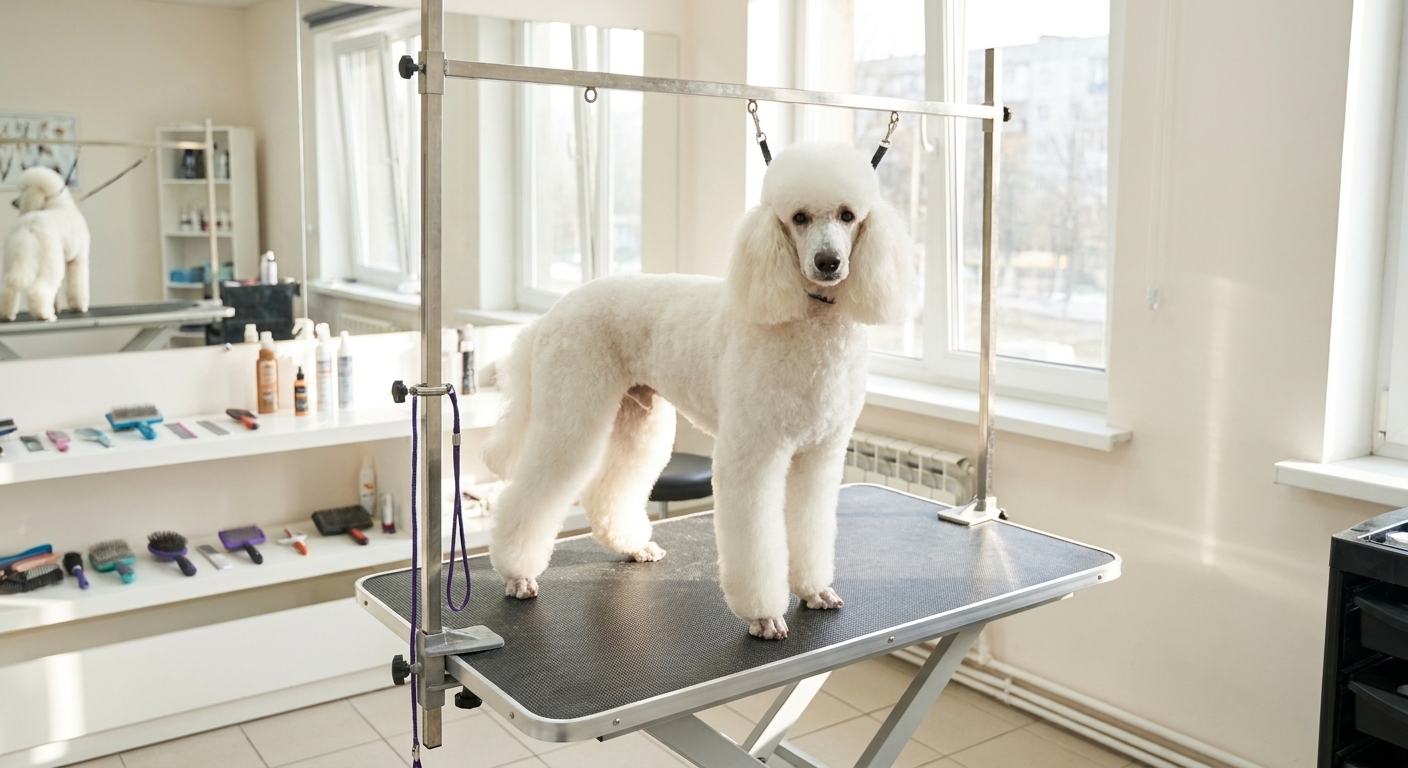
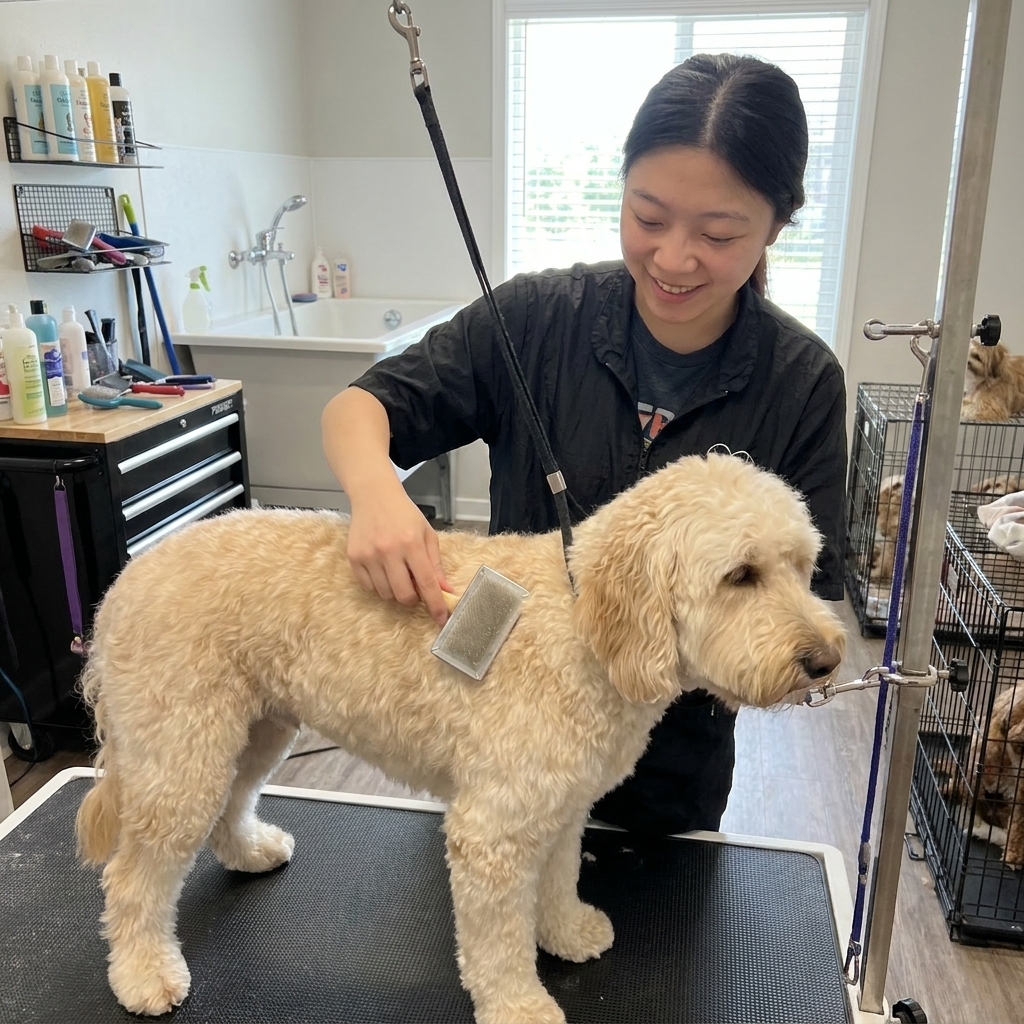
Many Goldendoodles inherit a poodle-like coat that keeps growing. Others lean more retriever-like and shed more seasonally. Either way, grooming is less about “beauty” and more about comfort, skin health, and preventing painful matting.
Mini Goldendoodle grooming
- Home brushing: typically 3 to 5 times per week, more if curly or prone to tangles
- Professional grooming: usually every 6 to 8 weeks
- Why minis can still be work: smaller does not always mean easier if the coat is dense and fine
Standard Goldendoodle grooming
- Home brushing: often 4 to 6 times per week
- Professional grooming: usually every 6 to 8 weeks, sometimes more often for longer styles
- Reality: grooming takes longer and costs more because there is more dog to wash, dry, brush, and clip
Actionable tip: Ask your groomer to show you how to line-brush with a slicker brush and follow with a metal comb. “Top brushing” can miss mats underneath.
Puppy to teenager: the phase that surprises families
Minis and standards both go through the same puppy and adolescent stages, but size changes the impact. A jumpy 20-pound teenager is one thing. A jumpy 70-pound teenager is another.
- Expect mouthiness and jumping: especially during teething and adolescence. Plan to teach “off,” “leave it,” and calm greetings early.
- Train leash skills early: standards in particular can become powerful pullers quickly without consistent practice.
- Protect growing joints: avoid repetitive high-impact exercise in young puppies. Ask your vet for age-appropriate activity guidance.
Cost snapshot
Costs vary by region, coat type, and your dog’s adult size, but size tends to push the budget in predictable ways:
- Food: standards typically eat significantly more.
- Grooming: standards often cost more per appointment because the groom takes longer.
- Preventives and meds: many are dosed by weight, so larger dogs can cost more over time.
- Boarding and daycare: some facilities charge more for larger dogs or require larger kennels.
If you are deciding between mini and standard, it is worth calling one local groomer and one local boarding facility for ballpark pricing in your area.
Family fit
Mini Goldendoodle: often a better fit when...
- You want a doodle personality but prefer less physical strength on the leash
- You have smaller kids and want to reduce the chance of accidental knockdowns
- You travel frequently and need a more manageable dog for car rides and visits
- You are comfortable with consistent training to prevent “small dog habits” like demand barking or jumping
Standard Goldendoodle: often a better fit when...
- You want a larger companion for hikes and longer adventures
- You have space and time for daily exercise and ongoing training
- You enjoy a dog that can be both athletic and cuddly, with a sturdy build
- Your household is prepared for larger costs (food, meds, preventives, grooming)
Kid safety reminder: Any doodle, mini or standard, should be supervised with children. Teach kids how to give space during meals, sleep, and chewing time.
Health considerations
Goldendoodles can be wonderful dogs, but they are not “health-proof.” Some concerns are influenced by size and structure.
Often discussed in minis
- Dental crowding and tartar buildup in smaller mouths
- Patellar luxation (kneecap instability) can occur in smaller dogs
Often discussed in standards
- Hip and elbow dysplasia risk in larger dogs
- Bloat (GDV) risk rises in deep-chested, larger dogs
- Shorter lifespan trend compared to smaller dogs in general
Also seen across sizes
- Ear infections (floppy ears, hair in ear canals, moisture after swimming)
- Allergies and skin issues (itching, recurrent hot spots, paw licking)
- Eye disease risk can exist in some lines (ask what is screened)
Best practice: Choose breeders who do appropriate health testing for their breeding dogs. Ask for documentation, not just verbal assurance.
What “health testing” should look like: At a minimum, you should see screening that matches the breeds involved. Many reputable programs use OFA or equivalent testing where appropriate (for example, hips and elbows), plus eye and cardiac screening based on their lines. Your veterinarian can help you interpret which tests matter most for the parents.
Marketing terms vs real traits
It is completely normal to see phrases like “micro mini,” “teacup,” “hypoallergenic,” or “guaranteed non-shedding.” Here is how to think about them:
- Size labels are flexible: prioritize parent size and prior litter outcomes.
- Coat claims are probabilities: a puppy coat can change as the adult coat comes in.
- Temperament is shaped: genetics matter, but so do early socialization, training, sleep, and routine.
- Extra-tiny labels can be a red flag: “teacup” and “micro” are marketing terms, not recognized size categories, and extreme miniaturization can come with higher health risk.
Simple rule: The most predictable “trait” is the one you can verify with measurable information (adult parent size, health testing records, grooming schedule expectations), not a catchy label.
Decision checklist
If you are on the fence, walk through these questions honestly:
- How much daily exercise can you reliably provide most days of the week?
- Are you prepared to brush at home and budget for professional grooming?
- Do you want a dog you can comfortably lift in an emergency?
- Is your household ready for a dog that may weigh 60 to 80 pounds and still think it is a lap dog?
- Does anyone in the home have allergies that require a careful, real-world trial (meeting adult dogs with similar coats)?
When in doubt, meet adult minis, mediums, and standards in person. Spend time with them, watch how they move, and notice how their coat feels. Real-life exposure is incredibly clarifying.
Bottom line
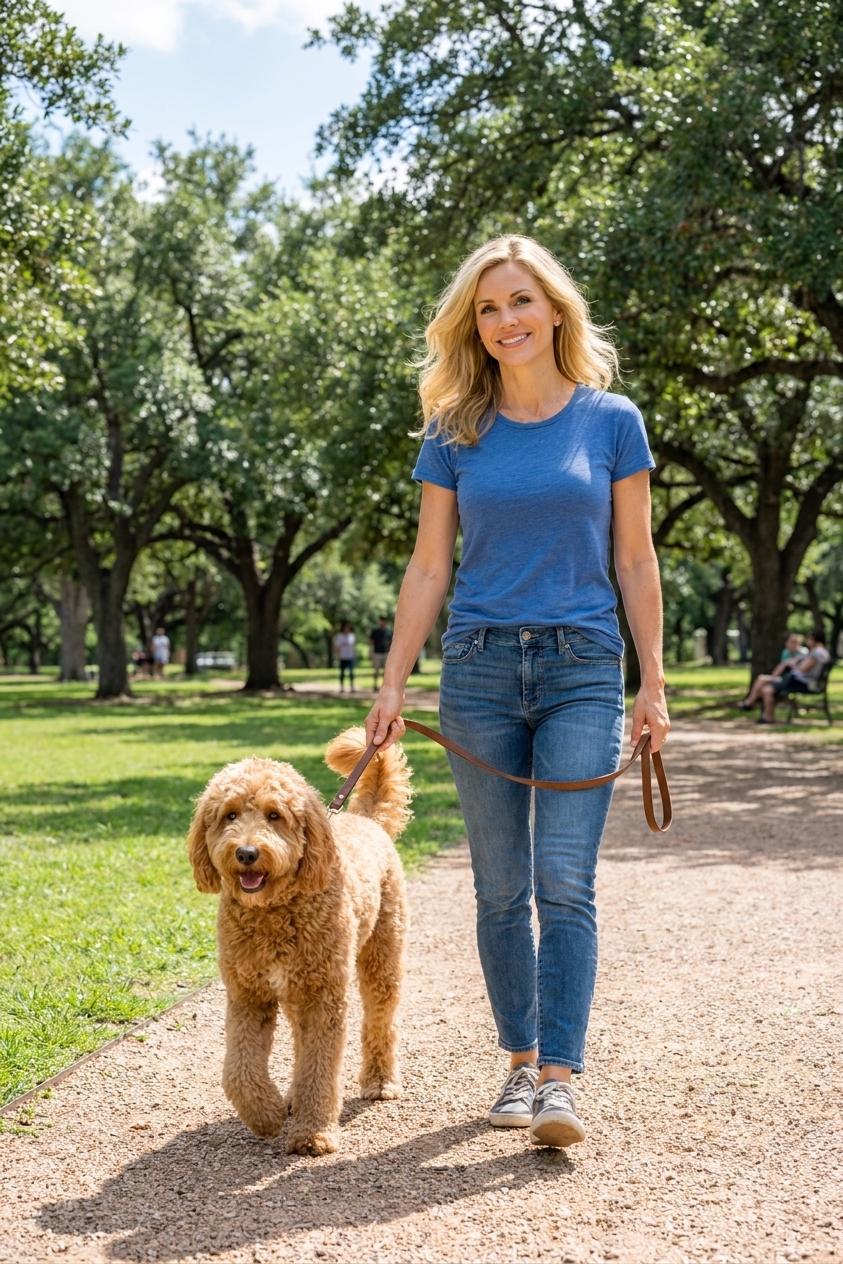
A Mini Goldendoodle can be a wonderful choice if you want a doodle personality in a smaller package, but “mini” is not a guarantee of tiny or low-maintenance. A Standard Goldendoodle can be an amazing family dog for active homes, but the exercise, training, and grooming costs are bigger in every sense.
Pick the dog that fits your daily routine and your grooming reality, and you will be setting yourself and your future pup up for success.