Thinking about a Mini Labradoodle? Learn expected adult size, personality and energy needs, shedding and coat types, grooming schedule, allergy realities, an...
Article
•
Designer Mixes
Mini Goldendoodle: Size, Temperament, and What to Expect

Shari Shidate
Designer Mixes contributor
The Mini Goldendoodle is one of those rare designer mixes that truly fits a lot of lifestyles. You get the friendly, people-focused charm many families love in a Goldendoodle, but in a smaller body that can be easier to manage in an apartment, with seniors, or in a busy household.
That said, “mini” does not automatically mean “low maintenance.” Mini Goldendoodles still need consistent grooming, thoughtful training, and daily enrichment to stay happy and healthy. It also helps to know that “mini” is not standardized across breeders, and some dogs sold as minis mature closer to a small-medium range. Let’s walk through size, temperament, coat care, health, training priorities, and what real life with a Mini Goldendoodle looks like.
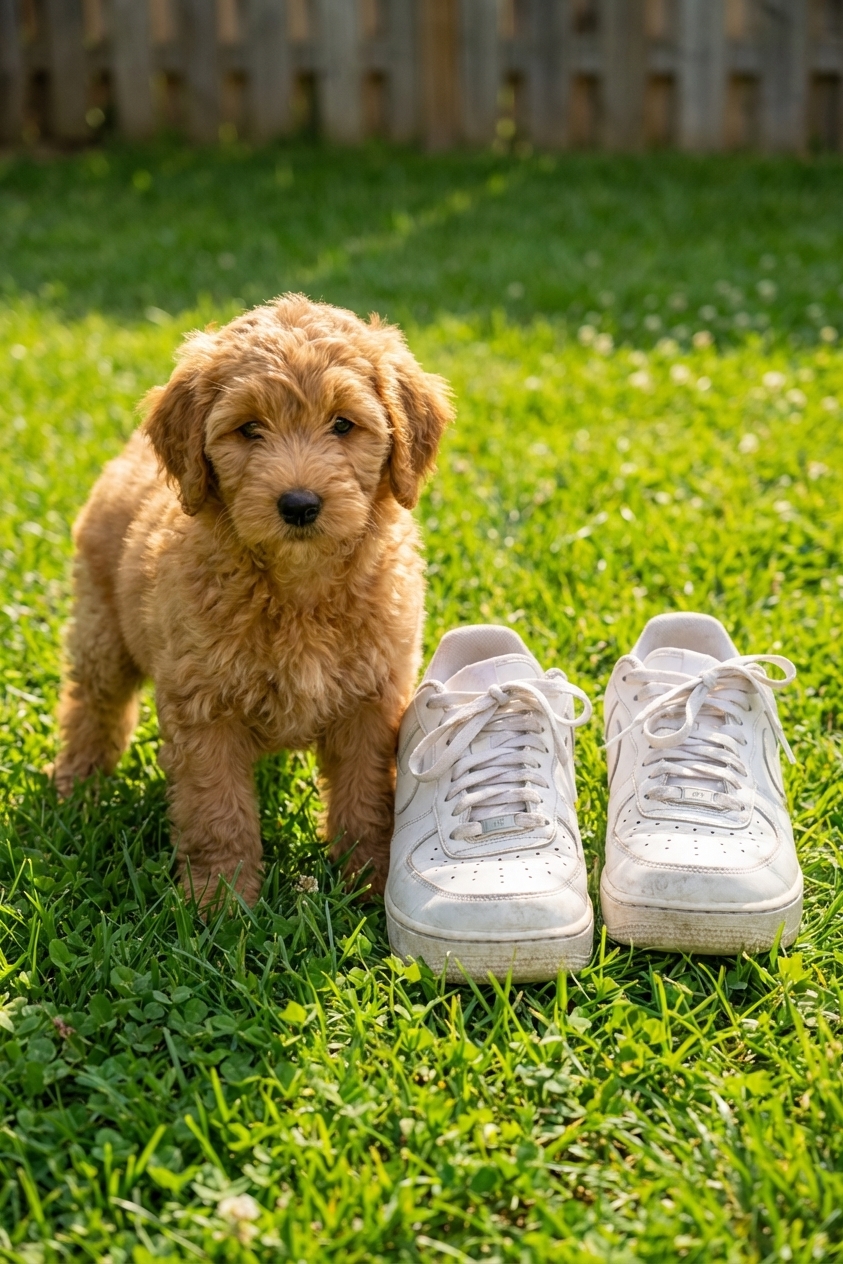
Mini Goldendoodle size
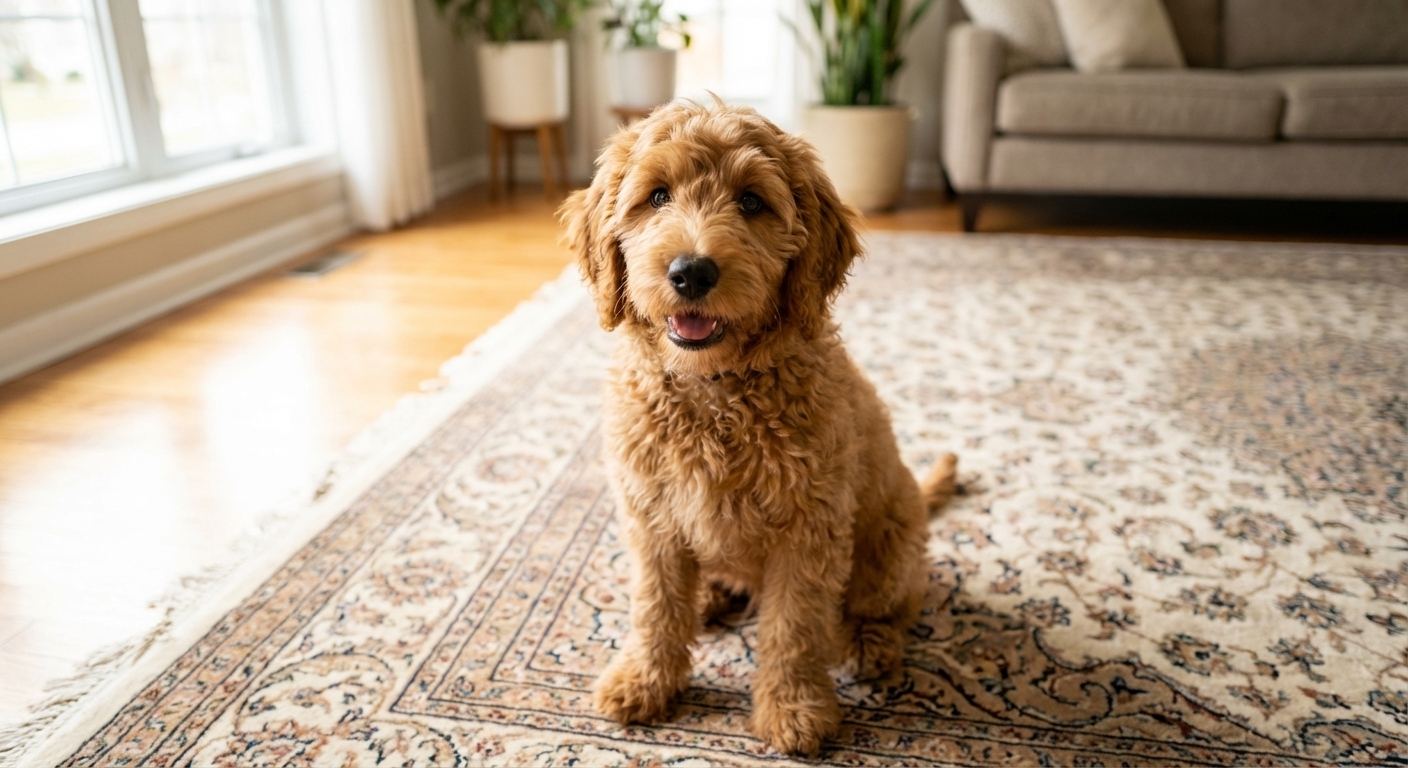
Most Mini Goldendoodles fall into a wide “small to medium” range because their size depends heavily on genetics, parent sizes, and how the breeding program defines “mini.” Some breeders also use terms like mini, medium, or petite as marketing labels, so it is smart to confirm what those words mean in that specific program.
Typical adult weight and height
- Adult weight: about 15 to 35 pounds (commonly reported by breeders, with plenty of variation)
- Adult height: commonly 13 to 20 inches at the shoulder
Some pups mature closer to 15 to 20 pounds, while others land in a larger mini or medium range closer to 30 to 35 pounds. If you need a reliably smaller dog, ask for the parents’ weights, their heights, and the typical adult sizes from prior litters.
When do they stop growing?
Many Mini Goldendoodles reach most of their height by around 9 to 11 months, with additional “filling out” in muscle and chest through 12 to 18 months. There is still individual variation, especially when one parent line runs larger.
Why sizes vary
Mini Goldendoodles are usually produced by crossing a Golden Retriever with a smaller Poodle (often Miniature Poodle, sometimes Toy, and occasionally smaller Standard Poodle lines), or by using smaller Goldendoodle lines. The exact generation matters:
- F1: Golden Retriever x Poodle, often more variable in coat and size
- F1B: Goldendoodle x Poodle, often more consistent for curl and reduced shedding, still variable in size
- Multigen: Goldendoodle x Goldendoodle, can be more predictable when breeders keep careful records
Temperament
Mini Goldendoodles tend to be affectionate and people-oriented. Many don’t enjoy being left alone for long stretches and do best with a routine that includes exercise, training, and planned downtime.
Common personality traits
- Friendly and social: often warms up quickly to visitors
- Smart and trainable: typically learns cues fast with positive reinforcement
- Playful: many stay “puppy-ish” longer than you expect
- Sensitive: can shut down with harsh corrections, yelling, or inconsistent handling
Mini vs standard energy
Both are usually sweet, but minis can be a little more “on the go.” A smaller body does not mean lower energy. Many minis are:
- More energetic indoors if their daily needs are not met
- More alert and sometimes quicker to bark at hallway sounds in apartments
- More prone to separation-related behaviors if they are always with people and then suddenly left alone
That is not a deal-breaker. It just means your plan should include calmness training, predictable routines, and daily mental enrichment.
With kids, seniors, and other pets
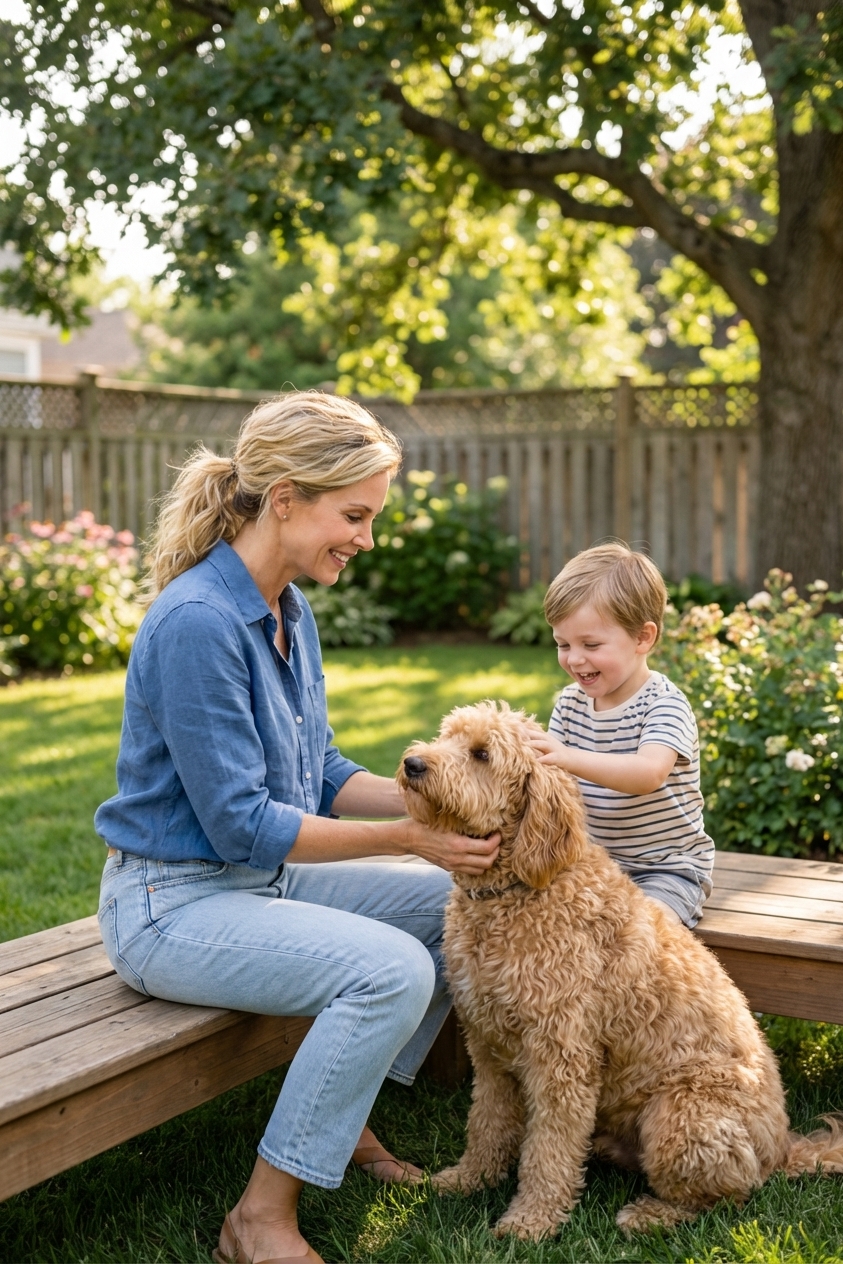
Mini Goldendoodles can be wonderful family dogs when they are socialized early and taught polite greetings. With smaller children, the main issue is usually jumping or mouthy puppy play, not aggression. For seniors, the best match is often a mini from calmer lines, with a focus on leash manners and impulse control.
Coat and grooming
Coat care is one of the biggest surprises for new doodle owners. Mini Goldendoodles can have different coat textures, and grooming needs can range from moderate to intense.
Common coat types
- Straight to wavy (fleece): tends to mat less than tight curls but can shed more
- Curly (wool): often sheds less but mats easily if not brushed correctly
- Mixed textures: very common, and sometimes the trickiest to maintain
No breeder can honestly promise a “hypoallergenic” dog. Many minis shed less than a Golden Retriever, but dander and saliva proteins still trigger allergies in some people.
How often to brush and groom
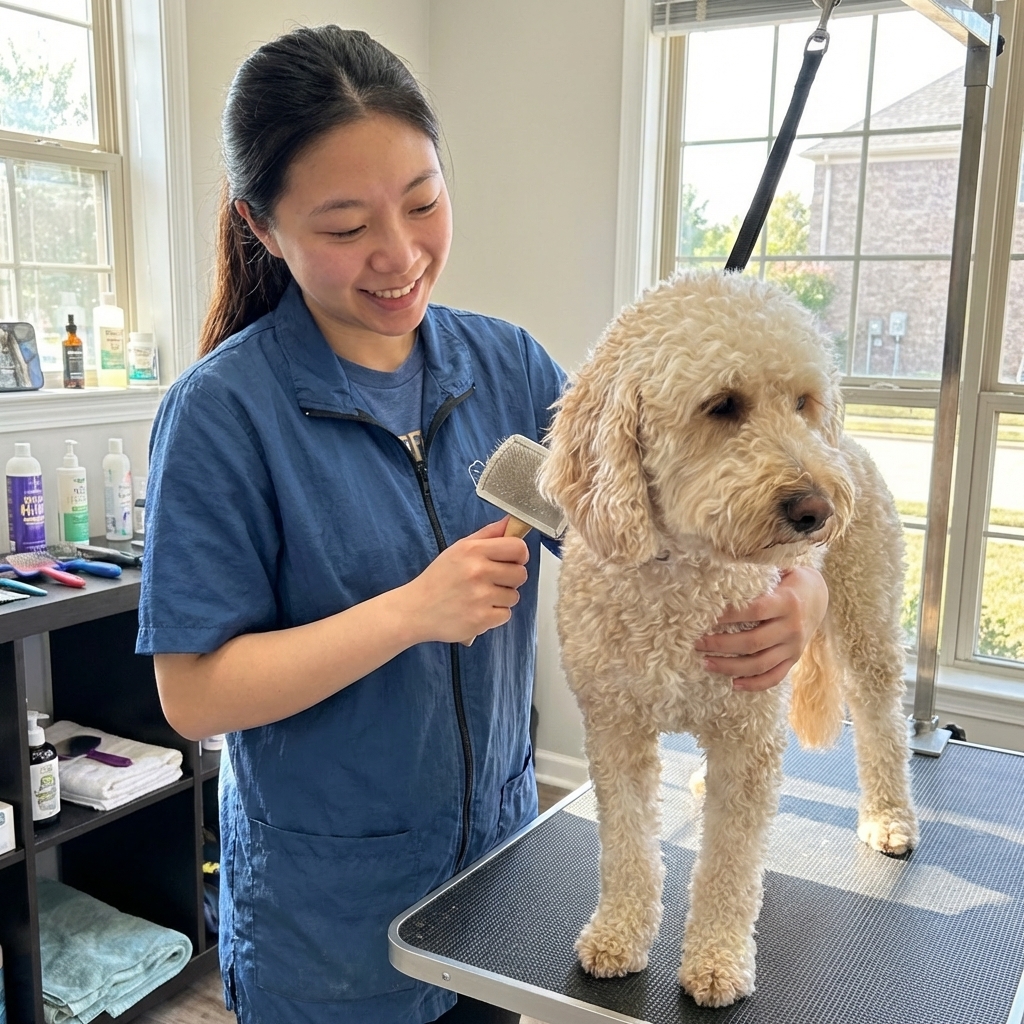
- At-home brushing: ideally 4 to 6 days per week for curly or mixed coats, and at least 3 days per week for wavy coats
- Professional grooming: typically every 6 to 8 weeks
- Bathing: often every 3 to 6 weeks, depending on lifestyle and skin sensitivity
If you only take one tip from this section, let it be this: ask your groomer to show you how to line-brush to the skin (part the coat in small lines and brush each section down to the roots). Surface brushing can make the top look neat while mats quietly tighten underneath.
Time and cost expectations
Plan and budget for routine professional grooms. Pricing varies a lot by region, coat condition, and size, but doodle grooms are rarely “cheap.” The more consistent you are with brushing and combing at home, the easier, faster, and more comfortable grooming appointments tend to be.
Ear care
Many doodles have floppy ears with hair growth in the ear canal. This can trap moisture and increase the risk of ear infections, especially if your dog swims or gets frequent baths.
- Dry ears after bathing or swimming
- Use vet-approved ear cleaner if recommended for your dog
- See your vet if you notice odor, redness, head shaking, or dark debris
Health concerns
Mini Goldendoodles can be robust dogs, but they can also inherit conditions from both Golden Retrievers and Poodles. “Hybrid vigor” is not a guarantee. Responsible breeding, early preventive care, and healthy weight management make a big difference.
Potential issues to know about
- Hip dysplasia: can occur in both parent breeds
- Patellar luxation: kneecap slipping, more common in smaller dogs
- Allergies and skin issues: not uncommon, since both Poodles and retrievers can be prone to atopy and skin sensitivity
- Ear infections: due to ear shape, hair, and moisture
- Eye disease: including progressive retinal atrophy in some lines
- Heart disease: certain cardiac conditions can run in retriever lines
- GDV (bloat): lower risk than in large, deep-chested breeds, but still important to recognize, especially in taller minis or dogs with deeper chests
- Dental disease: smaller mouths can crowd teeth, so brushing matters
Questions to ask a breeder
If you are still in the shopping phase, here are evidence-based questions that help you avoid heartbreak later:
- What health testing is completed on both parents (hips, elbows, eyes, heart, patellas as appropriate)?
- Can you provide documentation of results from recognized registries or veterinary specialists?
- What is the typical adult size range of your past litters, and what do you expect from this pairing?
- How do you socialize puppies before they go home?
- What support do you provide if a puppy develops a medical issue, and do you have a contract?
Simple health habits that pay off
- Keep them lean: extra weight worsens joint strain and inflammation
- Dental care: brush several times a week, ideally daily
- Parasite prevention: use vet-recommended flea, tick, and heartworm prevention
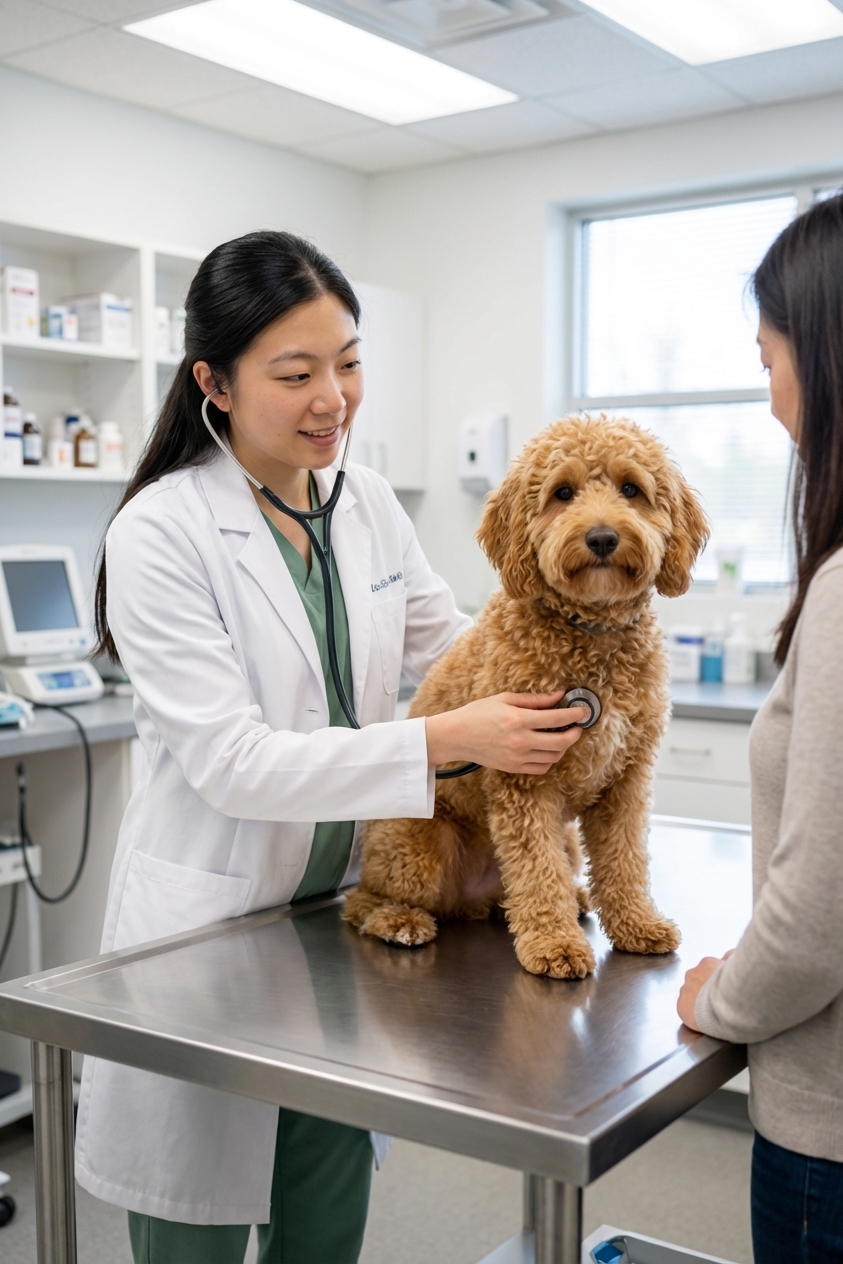
- Routine vet visits: early detection is always easier than late treatment
Exercise for apartments
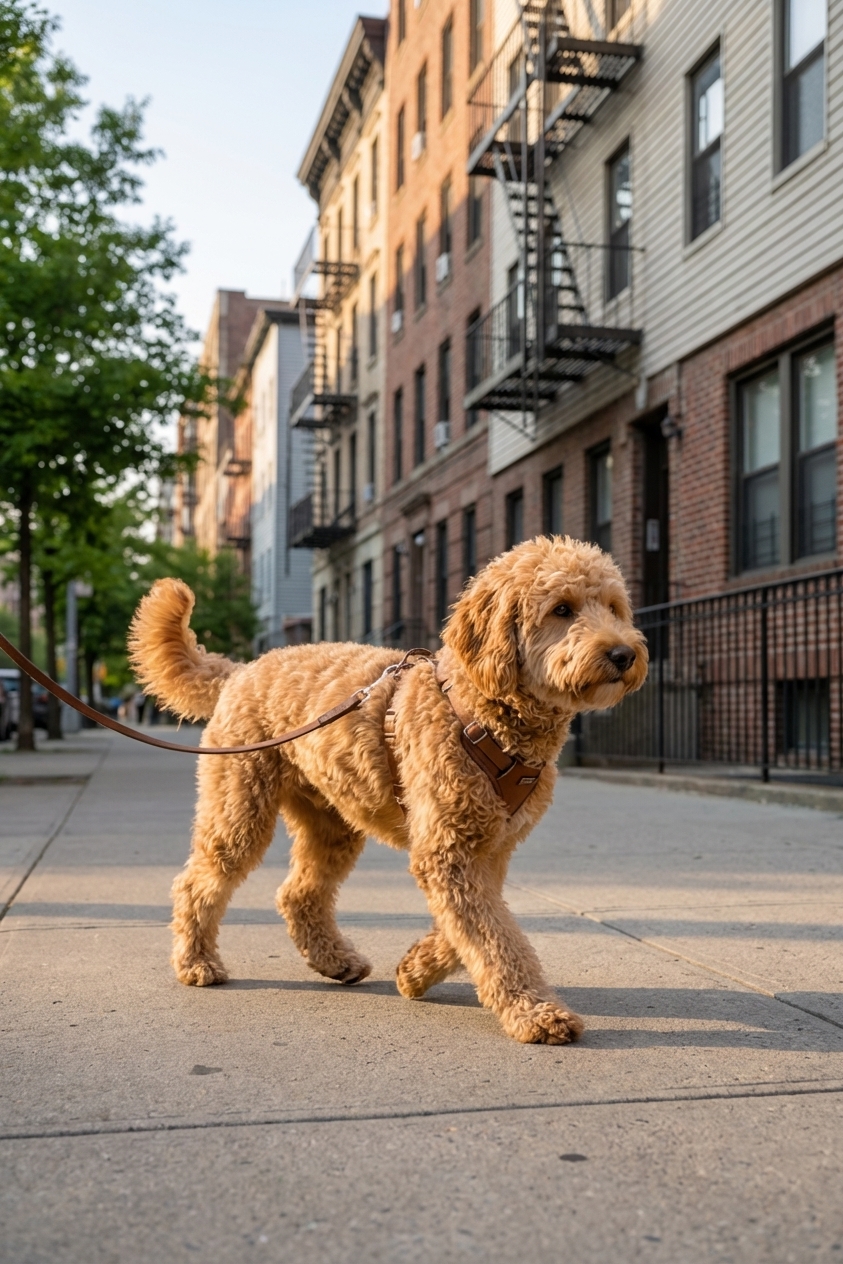
Mini Goldendoodles can thrive in apartments, but the apartment itself does not meet their needs. Your daily routine does.
How much exercise do they need?
Most adults do well with 60 to 90 minutes of combined activity per day, split into manageable chunks. Puppies need shorter, more frequent sessions and plenty of rest.
Apartment-friendly exercise ideas
- Two brisk walks daily plus a short potty walk
- Sniff walks: let them explore safely, sniffing is real mental work
- Training sessions: 5 to 10 minutes, 2 to 3 times per day
- Food puzzles: kibble in a puzzle toy or frozen lick mat
- Indoor games: hide-and-seek, recall practice down the hallway, tug with rules
Preventing nuisance barking
Barking is often boredom, under-exercise, or anxiety in disguise. Helpful steps include:
- Teach a solid place cue and reward calm
- Use white noise near the front door if hallway sounds trigger barking
- Give a daily job like scent games or a chew routine
- Practice short, planned alone-time so they learn it is safe
Training basics
Mini Goldendoodles are usually bright, social, and fast learners, which is a gift and a responsibility. Training early prevents the most common doodle complaints from turning into long-term habits.
Top priorities
- Jumping: teach sit for greetings and reward four paws on the floor
- Leash skills: start loose-leash habits early before adolescent pulling kicks in
- Impulse control: practice wait, leave it, and calm settling on a mat
- Handling and grooming: make brushing, paw touching, and ear checks a normal, rewarded routine
- Alone-time: build it gradually so attachment does not become distress
Socialization window
The early months matter. Aim for gentle, positive exposure to different people, surfaces, sounds, and safe dogs, while protecting your puppy’s health based on your veterinarian’s guidance. Quality matters more than quantity. You want calm, pleasant experiences, not overwhelming ones.
Feeding and weight
Because minis are smaller, even a little overfeeding can add up quickly. Aim for slow, steady growth in puppies and a lean, athletic look in adults.
General feeding tips
- Choose a diet labeled complete and balanced for your dog’s life stage, using AAFCO nutrient profiles or feeding trials
- Measure meals, especially during adolescence when appetite can fluctuate
- Go easy on treats and use tiny training rewards
- Ask your vet about joint-support nutrition if your dog has a family history of orthopedic issues
If you want to incorporate fresh, whole foods, do it gradually and keep the overall diet balanced. Any big change is worth a conversation with your veterinarian, especially for puppies.
Choosing a dog responsibly
Mini Goldendoodles are popular, which means quality varies widely. If you want the best odds of a healthy, stable companion, be picky.
Green flags
- Documented health testing for both parents
- Clear, consistent explanations of expected adult size and coat types
- A written contract and a willingness to take dogs back if needed
- Puppy socialization plan and a clean, transparent home or facility
Red flags
- No proof of health testing, or vague statements like “vet checked” only
- Multiple litters always available, or pressure to buy quickly
- Refusal to answer questions about parent temperaments and adult outcomes
- Promises of guaranteed hypoallergenic coats or guaranteed adult size
Rescue options
It is also worth checking doodle rescues, poodle rescues, and local shelters. Adult dogs can be a great match if you want a clearer picture of size, coat, and temperament from day one.
Is a Mini Goldendoodle right for you?
A Mini Goldendoodle can be an amazing companion if you want a social, affectionate dog and you are willing to invest time in grooming, training, and daily enrichment.
Best matches
- Apartment dwellers who can commit to daily walks and mental stimulation
- Families who want a playful, friendly dog and will teach polite manners early
- Seniors who prefer a smaller dog but still enjoy routine activity
Not the best match if
- You want a truly low-maintenance coat
- You are away from home for long hours without a plan for breaks and enrichment
- You dislike regular brushing or paying for routine grooming
If you meet their needs, Mini Goldendoodles tend to give a whole lot back. They are often the kind of dog that wants to be close, learn with you, and make everyday life feel a little lighter.