
A practical 24–72 hour diet and hydration plan for mild dog diarrhea, with bland food options, safe add-ons like probiotics, foods to avoid, and clear red ...
Article
•
Designer Mixes
Metronidazole for Dogs

Shari Shidate
Designer Mixes contributor
When your dog has diarrhea, it can feel urgent and a little scary. You are cleaning up messes, watching for dehydration, and wondering if something serious is going on. One medication that often comes up in veterinary clinics is metronidazole (you might hear it called “Flagyl”).
Metronidazole can be very helpful in specific situations, but it is not a cure-all for every upset stomach. As a veterinary assistant here in Frisco, Texas, I have seen dogs do great on it when it is truly the right fit, and I have also seen cases where a different plan works better.
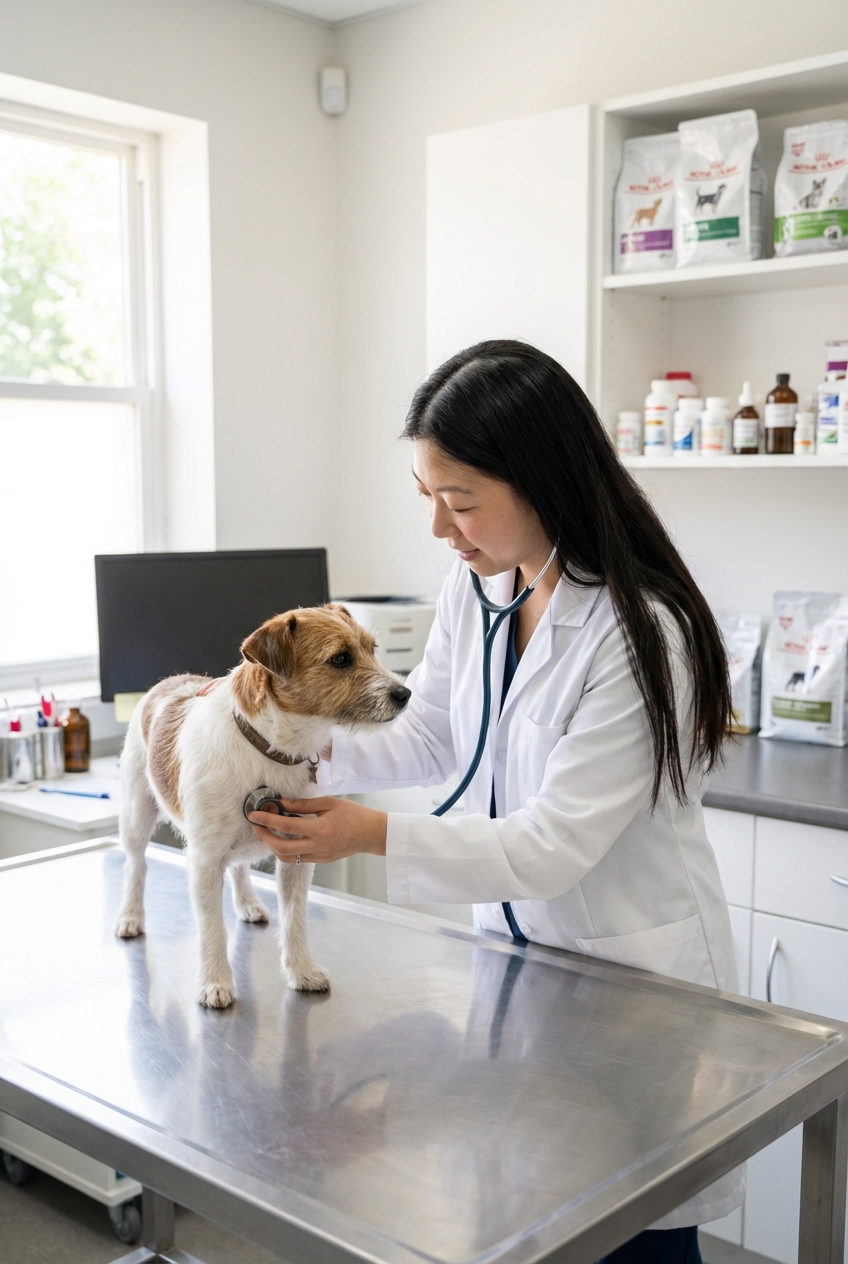
Quick safety note: Only use metronidazole for your dog if it was prescribed by your veterinarian for this episode of illness. Do not use leftover antibiotics or share medications between pets.
What it is (and is not)
Metronidazole is a prescription medication with two main actions:
- Antibacterial effects against certain anaerobic bacteria (bacteria that thrive where there is little oxygen).
- Antiprotozoal effects against certain parasites, including Giardia in some cases.
It may also have immunomodulatory (anti-inflammatory) effects in the gut. This is one reason some veterinarians include it in diarrhea plans when inflammation is suspected, but it is not the same thing as a dedicated anti-inflammatory medication.
What it is not: metronidazole is not a general “stomach bug” cure for every dog. Many diarrhea cases are caused by diet changes, stress, viruses, or parasites that need a different approach. Overusing antibiotics can also disrupt your dog’s gut microbiome, which is why modern veterinary medicine takes antimicrobial stewardship seriously.
When vets use it
Your veterinarian may prescribe metronidazole when your dog’s symptoms and history suggest a cause it can actually help. Common scenarios include:
- Giardia in select cases (often diagnosed with a fecal test). Many veterinarians use fenbendazole as a common first-line option, and may choose metronidazole as an alternative or add-on depending on the case.
- Large bowel diarrhea (colitis-type signs) such as mucus, urgency, straining, and frequent small stools.
- Microbiome-associated enteropathy in select cases when your veterinarian suspects bacterial imbalance and believes an antibiotic trial is justified.
- Some forms of inflammatory bowel disease as part of a broader plan.
Just as important is when vets may not reach for metronidazole first: mild, short-lived diarrhea in an otherwise bright, hydrated dog may be managed with diet support and monitoring instead, depending on your vet’s assessment.
Large bowel vs small bowel, in plain terms: large bowel diarrhea tends to look like smaller amounts more often, with mucus and straining. Small bowel diarrhea is often larger volume, fewer trips, and may come with weight loss or more obvious vomiting.
Gut health: benefits and tradeoffs
Let’s define gut health in a practical way. A healthy gut is one that can digest food well, maintain a balanced microbiome, and protect the body with a strong intestinal barrier and a stable immune response.
Metronidazole may support gut health temporarily by:
- Reducing overgrowth of certain harmful organisms.
- Helping calm intestinal inflammation in some dogs.
But there is a tradeoff: as an antibiotic, metronidazole can also reduce beneficial bacteria. That is why many veterinarians pair it with supportive care like appropriate diet changes, and why the goal is usually the shortest effective course.
Dose and duration
Metronidazole dosing is based on your dog’s weight, the condition being treated, and your veterinarian’s clinical judgment. The same dog may receive a different dose for Giardia than for suspected colitis, for example.
Because metronidazole can cause side effects and because unnecessary antibiotics are a real problem, it is important not to:
- Use a friend’s prescription.
- Use leftover tablets from a previous illness.
- Stop early without checking in (unless your vet tells you to stop due to side effects).
When should you see improvement? Many dogs start improving within 24 to 48 hours once the right treatment plan is in place. Call your vet if your dog is not improving in that window, gets worse at any point, or seems painful, weak, or dehydrated.
How to give it
Metronidazole can taste very bitter. Some dogs drool, foam, or act offended after a dose, even if everything else is fine.
- If your veterinarian approves, giving it with a small meal can help with nausea.
- Do not crush tablets or open capsules unless your vet or pharmacist tells you it is okay (it can make the bitter taste worse and some forms are meant to be swallowed whole).
- If your dog vomits the medication, refuses food, or you accidentally miss a dose, call your veterinary clinic for guidance.
Side effects
Many dogs tolerate metronidazole well, but side effects can happen. Contact your veterinarian if you notice:
- Loss of appetite, nausea, drooling, or vomiting.
- Diarrhea that worsens or blood that increases.
- Lethargy or behavior changes.
- Neurologic signs (rare but important): unsteady walking, head tilt, tremors, unusual eye movements, or seizures.
Neurologic side effects are uncommon, but they are one reason vets are careful about dose and duration.
Extra precautions to mention to your vet: liver disease, pregnancy or nursing, or a history of seizures or neurologic disease. These do not always mean metronidazole cannot be used, but they may change the plan.
Also share your dog’s full medication and supplement list with your veterinarian. Drug interactions are not common in everyday use, but it is always safer for your clinic to have the full picture.
When diarrhea is an emergency
Please seek veterinary care right away if your dog has diarrhea plus any of the following:
- Repeated vomiting or cannot keep water down
- Weakness, collapse, pale gums, or severe lethargy
- Black, tarry stool or large amounts of bright red blood
- Signs of dehydration (sticky gums, sunken eyes, very little urination)
- A swollen or painful abdomen
- Puppy, senior dog, or an immunocompromised dog with diarrhea
- Possible toxin exposure (xylitol, grapes and raisins, rat poison, chocolate, onions and garlic, human medications)
Diarrhea can become serious quickly in small dogs and puppies because they dehydrate faster.
Support at home
1) Hydration first
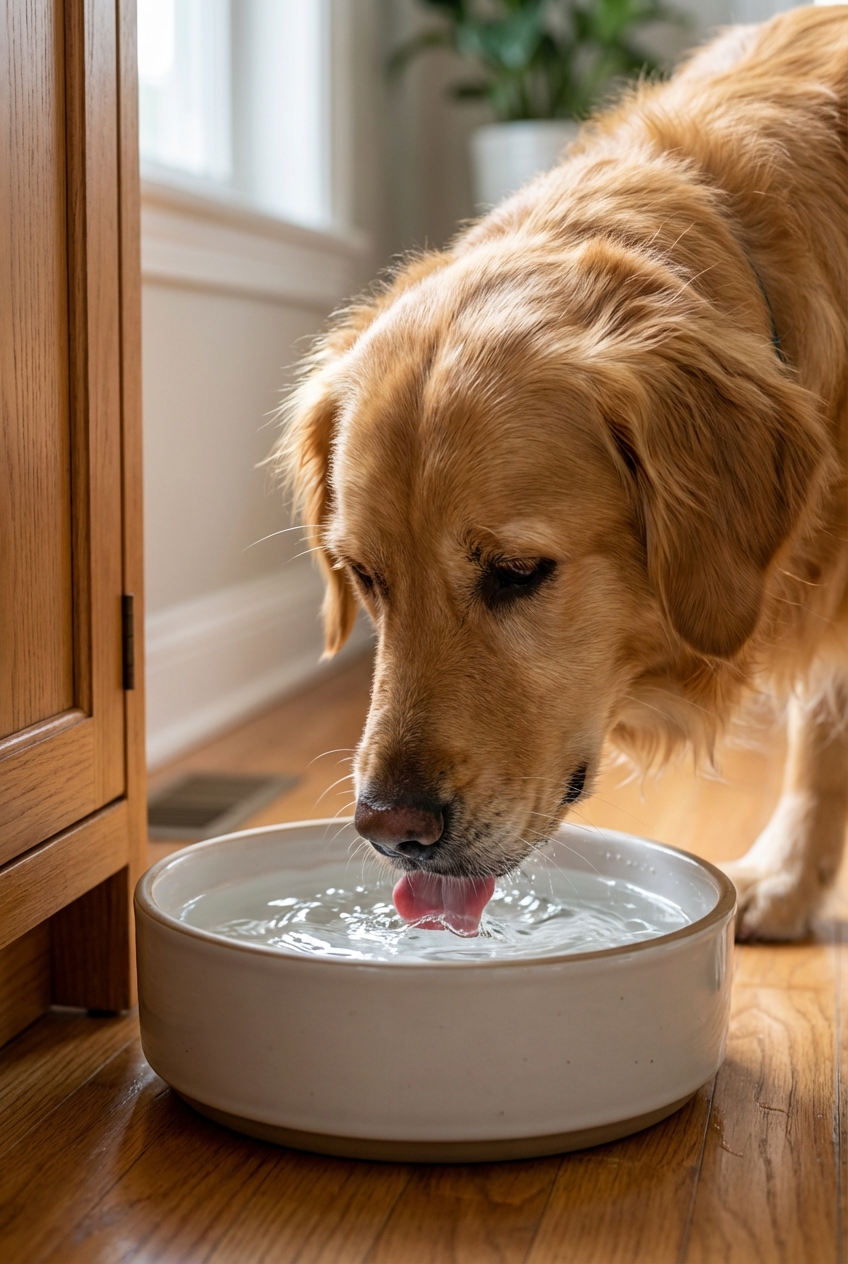
Offer frequent access to fresh water. If your dog is not drinking well, ask your veterinarian about safe ways to encourage fluids and whether an oral rehydration approach is appropriate. Never force water into a dog’s mouth, since aspiration is a risk.
2) Use food strategically
Your veterinarian may recommend a short-term GI-supportive diet or a bland, highly digestible meal plan. Common veterinary-approved options include:
- Prescription gastrointestinal diets
- Plain cooked lean protein with an easy-to-digest carbohydrate, if your vet approves for your dog
Once stools improve, transition back to the regular diet slowly over several days to avoid re-triggering the problem.
3) Ask about probiotics
Some evidence suggests that specific, veterinary probiotics can help shorten the duration of acute diarrhea and support the microbiome, especially when antibiotics are involved. Not all probiotics are the same, so ask your vet for a product with research behind it.

Other treatments your vet may use
This is another reason not to self-prescribe metronidazole: depending on the cause, your veterinarian may recommend something else instead, or alongside it, such as:
- Fenbendazole or other deworming medications for parasites
- Diet trials or prescription GI diets
- Fiber for some large bowel diarrhea cases
- Anti-nausea medication if vomiting is part of the problem
- Fluids and supportive care when dehydration risk is high
Testing matters
Diarrhea is a symptom, not a diagnosis. If diarrhea is recurring, severe, or not improving, your veterinarian may recommend tests such as:
- Fecal testing for parasites and Giardia
- Parvovirus testing in puppies or unvaccinated dogs
- Bloodwork to assess hydration, infection, and organ function
- Pancreatitis testing if indicated
- Diet trials if food sensitivity is suspected
This is where “gut health” really becomes a long game: the best results come from finding the underlying trigger and building a plan that prevents future flare-ups.
Bottom line
Metronidazole can be a valuable tool for certain causes of canine diarrhea, especially when your veterinarian suspects specific organisms or intestinal inflammation. But it works best when it is used thoughtfully, at the right dose, for the right duration, and paired with supportive care that protects your dog’s microbiome.
If your dog has diarrhea and you are unsure what to do next, call your veterinary clinic. A quick conversation about stool appearance, frequency, appetite, energy level, and hydration can help your vet decide whether metronidazole makes sense or whether a different approach is safer and more effective.