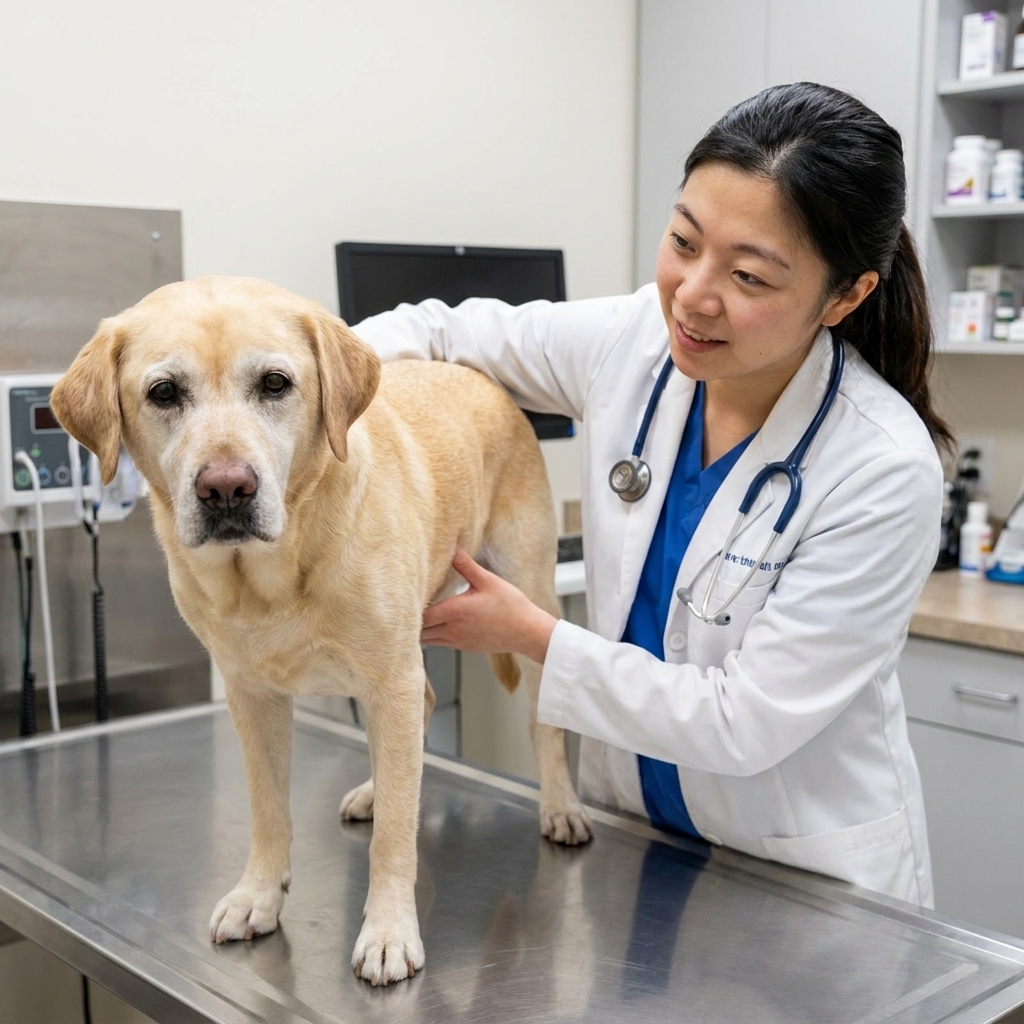
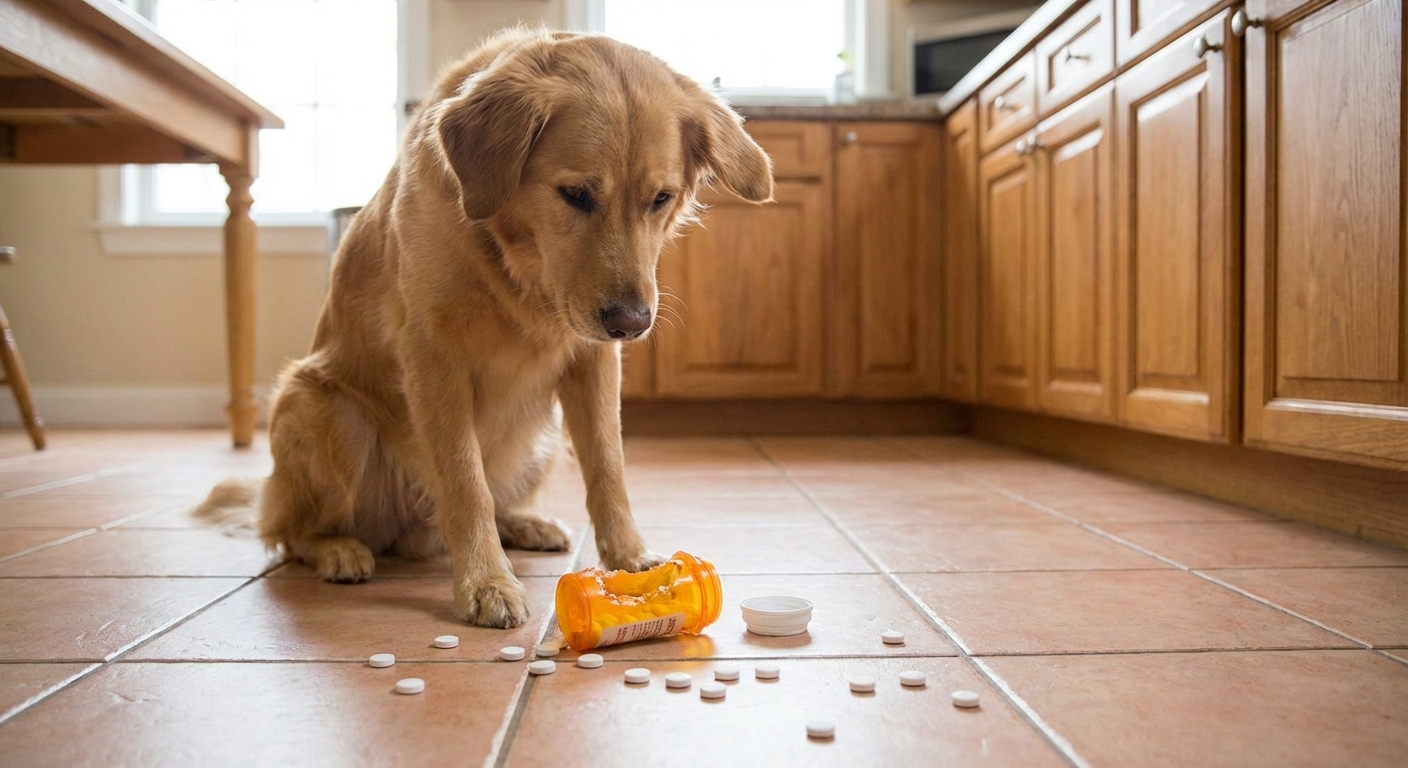
As a veterinary assistant here in Frisco, Texas, I have seen how much better dogs feel when pain is managed well and safely. Meloxicam is one of the prescription options veterinarians may use to reduce pain and inflammation. It can be very helpful, but like all NSAIDs, it comes with real risks, especially to the stomach and kidneys.
This article is here to help you understand what meloxicam is used for, why the exact dose matters, why you should not substitute human products without a veterinarian’s direction, and which warning signs mean you should call your vet right away.

What it is and why vets use it
Meloxicam is a nonsteroidal anti-inflammatory drug (NSAID). In dogs, vets primarily prescribe it to reduce inflammation, pain, and swelling. You might see it used for:
- Post-operative pain (for example, orthopedic surgery, soft tissue surgery) when your vet wants short-term, controlled pain relief.
- Osteoarthritis and other chronic inflammatory joint conditions, under ongoing veterinary supervision.
Owners may also hear brand names like Metacam (and other generics). Different products and concentrations exist, so your vet’s directions matter more than the name on the label.
NSAIDs are not “just pain pills.” They change how the body makes prostaglandins, which are chemicals involved in inflammation and pain. Those same prostaglandins also help protect the stomach lining and support healthy blood flow to the kidneys. That is why the benefits and risks must be balanced carefully for each dog.
Why vet guidance matters
Meloxicam can be a good choice for the right dog, but it is not a DIY medication. Your veterinarian decides whether it is appropriate based on factors like:
- Age and body weight
- Hydration status (dehydration raises kidney risk)
- History of GI upset, ulcers, or bleeding
- Kidney or liver disease
- Other medications and supplements your dog is taking
For dogs on longer courses, your vet may recommend baseline and follow-up bloodwork (kidney and liver values) and may adjust the plan if appetite, stool quality, thirst, or urination habits change.

Who may not be a good candidate
This is not a complete list, but dogs are often higher risk (or may need a different plan) if they are:
- Dehydrated or currently sick with vomiting or diarrhea
- Known or suspected to have significant kidney disease
- Known to have stomach or intestinal ulcers, GI bleeding, or prior NSAID intolerance
- Taking a steroid or another NSAID recently, unless your veterinarian has a specific plan
If any of these describe your dog, it does not automatically mean “never.” It means your vet needs the full picture before you give a dose.
Dosing basics (do not guess)
Meloxicam is commonly available as a liquid oral suspension and sometimes as tablets or other formulations depending on the clinic and country. Your veterinarian will base the dose on your dog’s weight and medical history, and they may use a “loading dose” on day one followed by a lower daily dose. The exact plan varies by product and patient.
Tips that prevent dosing mistakes
- Use the dosing syringe or device that comes with the prescription. Kitchen teaspoons are not accurate.
- Double-check the concentration. Different products can have different strengths, which changes the volume given.
- Give exactly as directed. Do not increase the dose because your dog still seems sore. Call your vet instead.
- Do not combine NSAIDs. Never give more than one NSAID at a time unless your veterinarian specifically directs you. Stacking NSAIDs is a common cause of serious GI injury.
If you ever miss a dose, do not “double up” to catch up unless your veterinarian specifically instructs you to.
Human meloxicam: do not substitute
Owners often mean well and are trying to help their dog feel better quickly. But do not give human meloxicam tablets or leftover medication unless your veterinarian specifically prescribes that exact product and gives you an exact dose.
- Strength differences matter. Human tablets can be far too concentrated for a dog, especially a small dog, leading to accidental overdose.
- Dosing is not one-size-fits-all. The safe dose depends on your dog’s weight, health status, and what else they are taking.
- Timing with other medications matters. If your dog has recently received another NSAID or a steroid, meloxicam might be unsafe without a proper washout period and a vet-approved plan.
A washout period simply means a planned gap of days between stopping one anti-inflammatory and starting another, to lower the risk of ulcers and kidney injury. The right timing depends on the medication and your dog’s situation, so your vet should guide it.
If your dog is painful and you are tempted to use a human medication at home, the safest step is to call your veterinarian or an emergency clinic for guidance.
It is far easier to prevent an ulcer or kidney injury than to treat one.
If your dog gets into human meloxicam or you accidentally give the wrong dose, contact your vet, an ER clinic, or poison support right away. In the US, that can include ASPCA Animal Poison Control or Pet Poison Helpline (fees may apply). Do not wait for symptoms.
Extra safety note: Meloxicam dosing and safety are not the same across species. Do not give meloxicam to cats unless a veterinarian specifically prescribes it for that cat.
Stomach ulcer risk: what to watch for
NSAIDs can irritate the stomach and intestines. Sometimes the earliest signs are subtle, and sometimes they escalate quickly.
Red-flag GI signs
- Vomiting (especially repeated episodes)
- Diarrhea
- Black, tarry stool (a classic sign of digested blood)
- Bright red blood in stool or vomit
- Loss of appetite or refusing treats
- Excessive drooling, lip smacking, or signs of nausea
- Abdominal pain, “praying position,” restlessness
If you see black stool, vomiting blood, severe weakness, collapse, or your dog cannot keep water down, treat that as an emergency.

Kidney concerns
Prostaglandins help maintain blood flow to the kidneys. Because NSAIDs affect prostaglandins, they can contribute to kidney injury in certain situations, especially when a dog is:
- Dehydrated (vomiting, diarrhea, not drinking well, heavy panting in heat)
- Older or has pre-existing kidney disease
- On medications that also affect kidney blood flow
Signs that can point to kidney trouble
- Increased thirst or increased urination
- Decreased urination (or straining with little output)
- Lethargy
- Loss of appetite
- Vomiting
These signs can overlap with other illnesses, which is why calling your vet early is so important. If meloxicam is part of your dog’s plan and something feels off, trust your instincts.
Interactions and history to share
Before your vet prescribes meloxicam, share a complete list of every medication, supplement, and recent treatment your dog has received. The most important interactions and risk factors include:
- Other NSAIDs (carprofen, deracoxib, firocoxib, aspirin, ibuprofen, naproxen). Never combine unless a veterinarian gives a very specific plan.
- Steroids (prednisone, prednisolone, dexamethasone). NSAID plus steroid significantly increases ulcer risk.
- ACE inhibitors and certain heart medications (for example, enalapril or benazepril), and diuretics (like furosemide). The combination can increase kidney stress in some patients.
- Anticoagulants or antiplatelet medications (blood thinners). NSAIDs can raise bleeding risk, especially GI bleeding.
- History of GI ulcers, inflammatory bowel disease, pancreatitis episodes, or prior NSAID intolerance.
- Kidney or liver disease, or prior abnormal bloodwork.
Also mention if your dog has had recent vomiting, diarrhea, or is not drinking normally. A dog who is a little “off” can become dehydrated fast, and dehydration and NSAIDs are not a safe mix.
Safer use at home
These steps do not replace veterinary guidance, but they can reduce risk for many dogs:
- Give with food if your veterinarian approves, since a small meal can reduce stomach irritation for some dogs.
- Keep fresh water available at all times.
- Use one pharmacy bottle at a time to avoid mixing concentrations.
- Watch appetite, stool, and energy daily, especially during the first week.
- Schedule rechecks and bloodwork if your vet recommends ongoing use.
If your dog needs long-term pain control for arthritis, ask your vet about a full, multi-modal plan. Many dogs do best with a combination approach such as weight management, joint-friendly activity, physical therapy, and veterinarian-recommended medications or injections. The goal is the lowest-risk plan that still keeps your dog comfortable.
When to call right away
Call your veterinarian or an emergency clinic promptly if your dog on meloxicam has:
- Vomiting or diarrhea that is persistent or worsening
- Black, tarry stool or any sign of blood
- Refusal to eat for more than a day, or sudden severe loss of appetite
- Marked lethargy, weakness, collapse, or pale gums
- Drinking and urinating much more than usual, or much less than usual
- Accidental extra dose, wrong dose, or access to human NSAIDs
If side effects are suspected, your veterinarian may tell you to stop the medication and may recommend an exam, bloodwork, GI-protectant medications, and sometimes fluids or hospitalization depending on severity. The earlier you call, the more options you usually have.
Quick FAQ
Is meloxicam safe for dogs?
It can be safe for many dogs when it is prescribed correctly, given at the right dose, and monitored. The biggest concerns are GI ulceration and kidney effects, especially in higher-risk dogs.
Can I give meloxicam with other pain meds?
Sometimes, but only under veterinary direction. Many pain-control plans use different drug classes together. What you should not do is combine meloxicam with another NSAID or a steroid unless your veterinarian specifically instructs you.
Should I stop meloxicam if my dog vomits?
Do not give the next dose until you speak with your veterinarian. Vomiting can be an early warning sign of GI irritation or ulcer risk.
Medical note: This article is for education and is not a substitute for veterinary diagnosis or treatment. Dosing and safety depend on your dog’s individual health and the exact product prescribed.