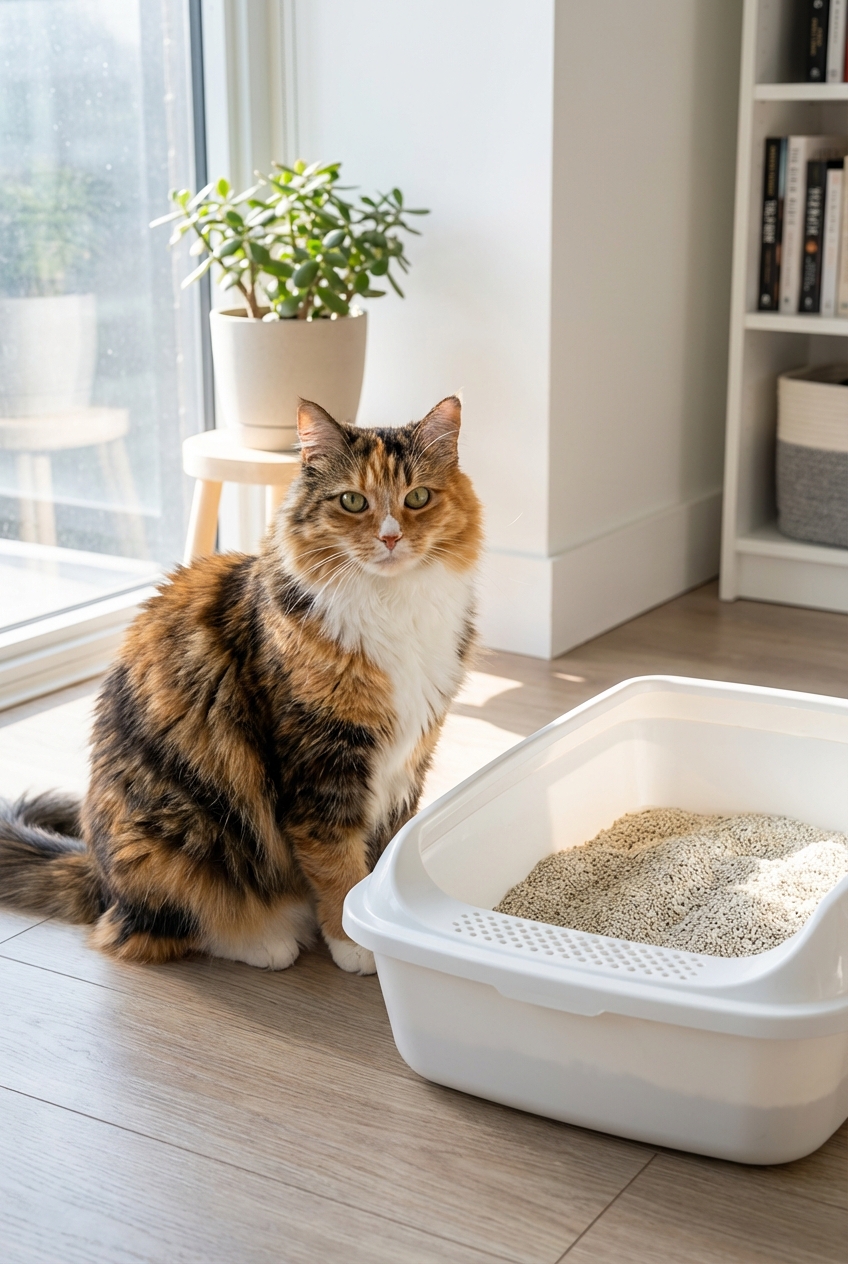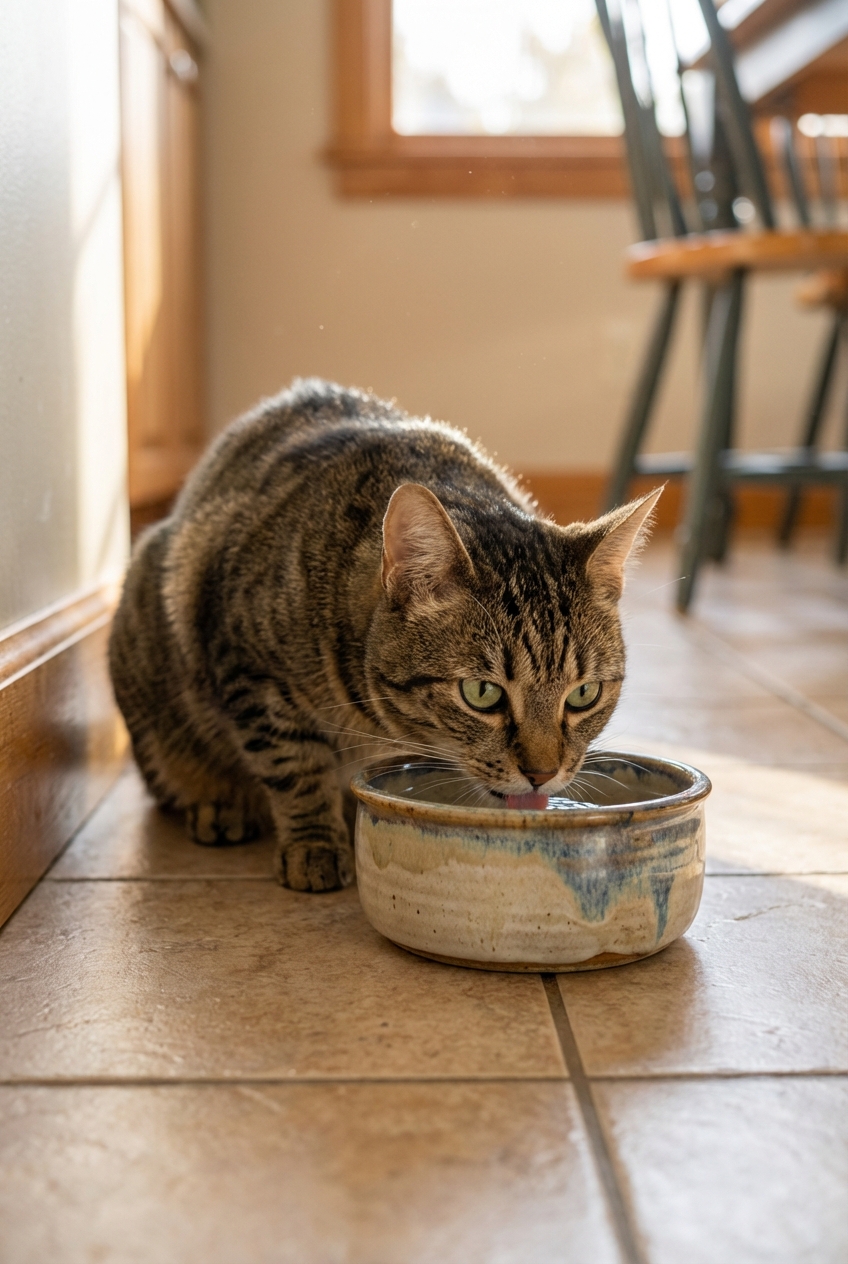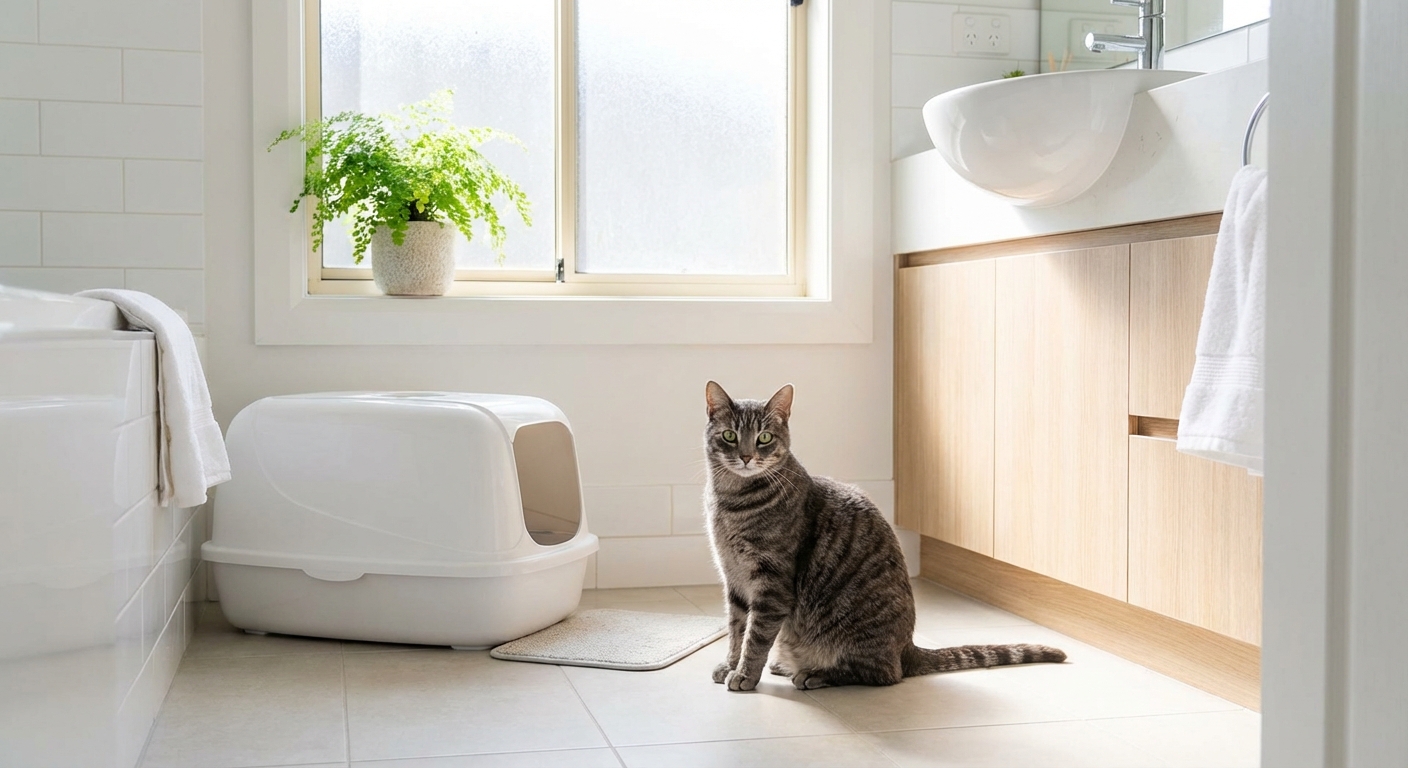
A practical guide to helping a constipated cat at home: hydration tips, plain pumpkin, vet-guided Miralax (PEG 3350), fiber, hairball support, red flags, and...
Article
•
Designer Mixes
Megacolon in Cats

Shari Shidate
Designer Mixes contributor
As a veterinary assistant, I can tell you that constipation in cats is not just uncomfortable, it can become a true medical emergency when it progresses to severe constipation (obstipation) and triggers dehydration, electrolyte problems, and intense pain. Some cats also develop megacolon, which is often a chronic diagnosis, but it can still lead to urgent flare-ups. The encouraging news is that many cats do well when the problem is caught early and managed consistently at home with a plan your veterinarian tailors to your cat.
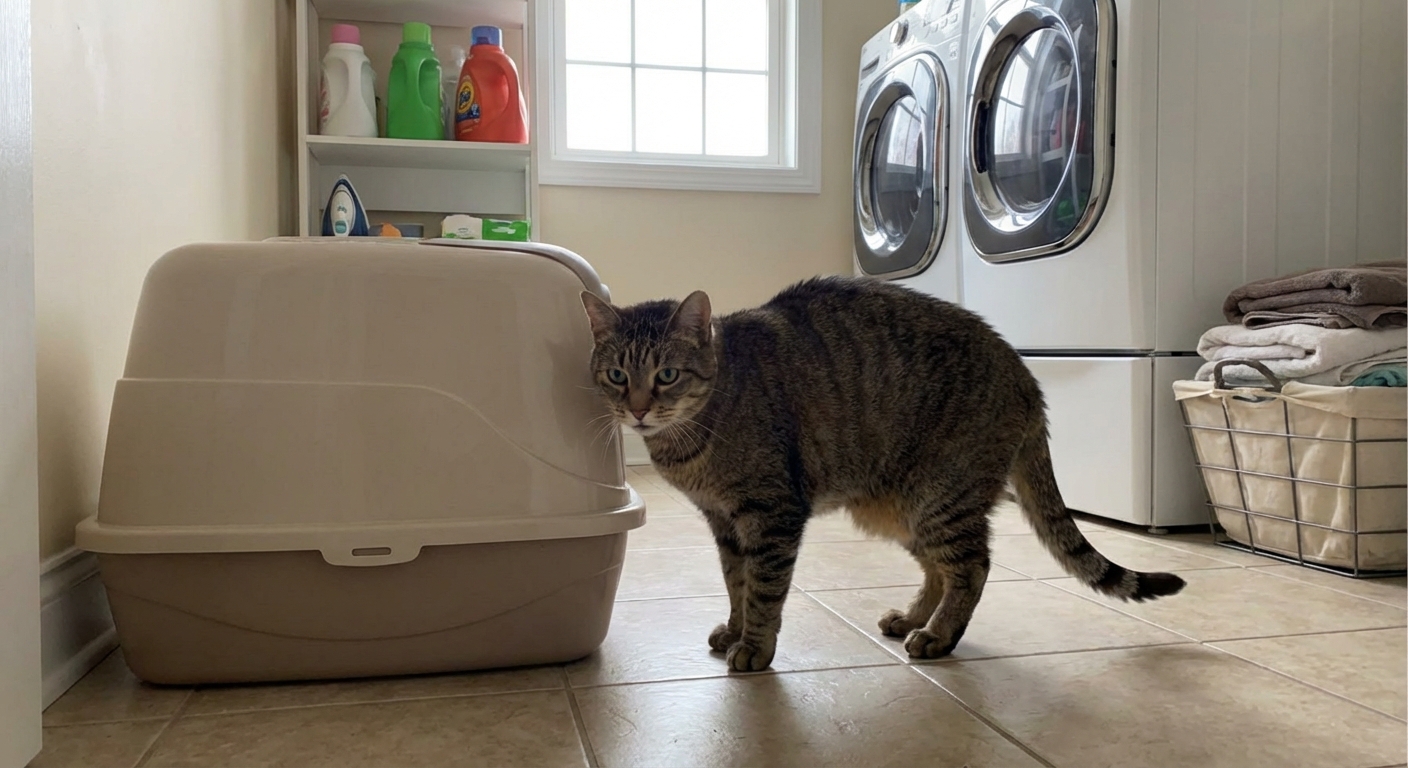
What megacolon is
Megacolon means the large intestine (colon) becomes abnormally widened and weak, so it cannot push stool forward effectively. Over time, stool sits too long in the colon, water is absorbed out of it, and the stool becomes dry, hard, and difficult or impossible to pass.
This creates a cycle: constipation leads to stretching, stretching reduces muscle tone, and reduced tone leads to worse constipation. In many cats, megacolon is idiopathic, meaning we do not find a single clear cause. In others, it can be related to:
- Pelvic narrowing from an old fracture
- Obstructions or masses
- Neurologic disease affecting colon function
- Chronic dehydration or kidney disease that contributes to hard stool
- Pain that makes a cat avoid the litter box (arthritis is a big one in seniors)
Signs to watch
Early signs
Many cats hide discomfort, so subtle changes matter. Early constipation signs can look like behavioral issues, but they are often physical.
- Going to the litter box more often with little or no stool
- Straining or crying while trying to defecate
- Passing small, hard, dry stools
- Less appetite or mild nausea
- Reduced grooming, acting “off,” or hiding
- Defecating outside the litter box because the box becomes associated with pain
Advanced signs (urgent)
When constipation progresses to obstipation (complete blockage) or severe megacolon, you may see:
- No stool for several days
- Repeated unproductive straining (this can be mistaken for urinary blockage, which is also an emergency)
- Vomiting
- Marked lethargy, weakness, or dehydration
- Swollen, painful abdomen
- Weight loss over time
Please do not wait if your cat is straining and not producing stool, vomiting, or showing signs of pain. And if you are not sure whether your cat is constipated or cannot urinate, treat it as an emergency and go in right away.
Higher-risk cats
Megacolon is most commonly diagnosed in middle-aged to senior cats and is reported more often in male cats. Any breed can be affected, but higher risk can include:
- Domestic shorthair and domestic longhair cats (simply because they are most common)
- Manx cats and Manx-type cats, because spinal and sacral abnormalities can affect nerves that help control normal defecation
- Cats with a history of pelvic trauma
- Cats with chronic conditions that affect hydration, such as kidney disease
Risk is also higher for cats who:
- Eat mostly dry food and drink little water
- Are overweight and less active
- Have arthritis and avoid the litter box
- Have long hair and ingest more fur (hair can contribute to constipation in some cats)
How vets diagnose it
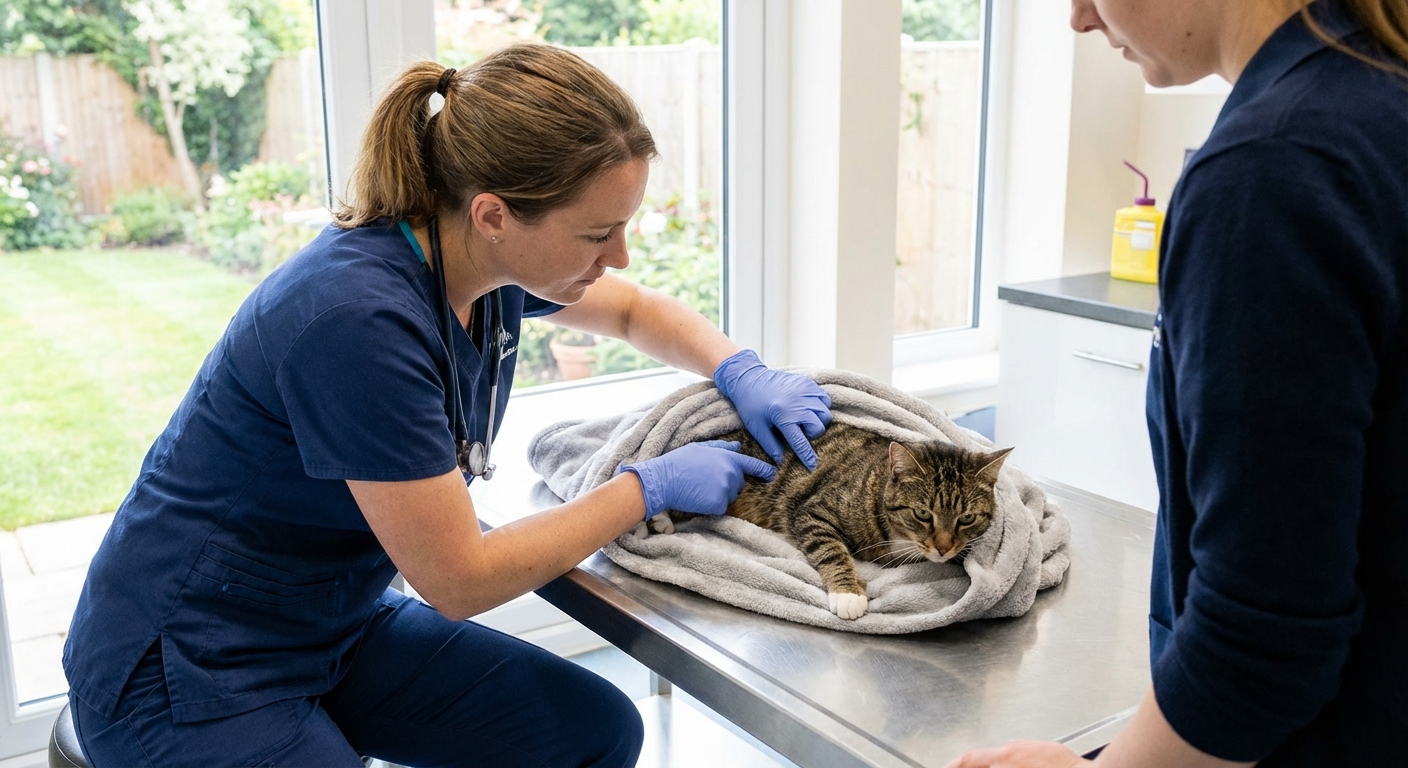
Diagnosis usually starts with a history and a gentle abdominal exam. Many constipated cats have a colon that feels packed with firm stool. Your veterinarian may recommend:
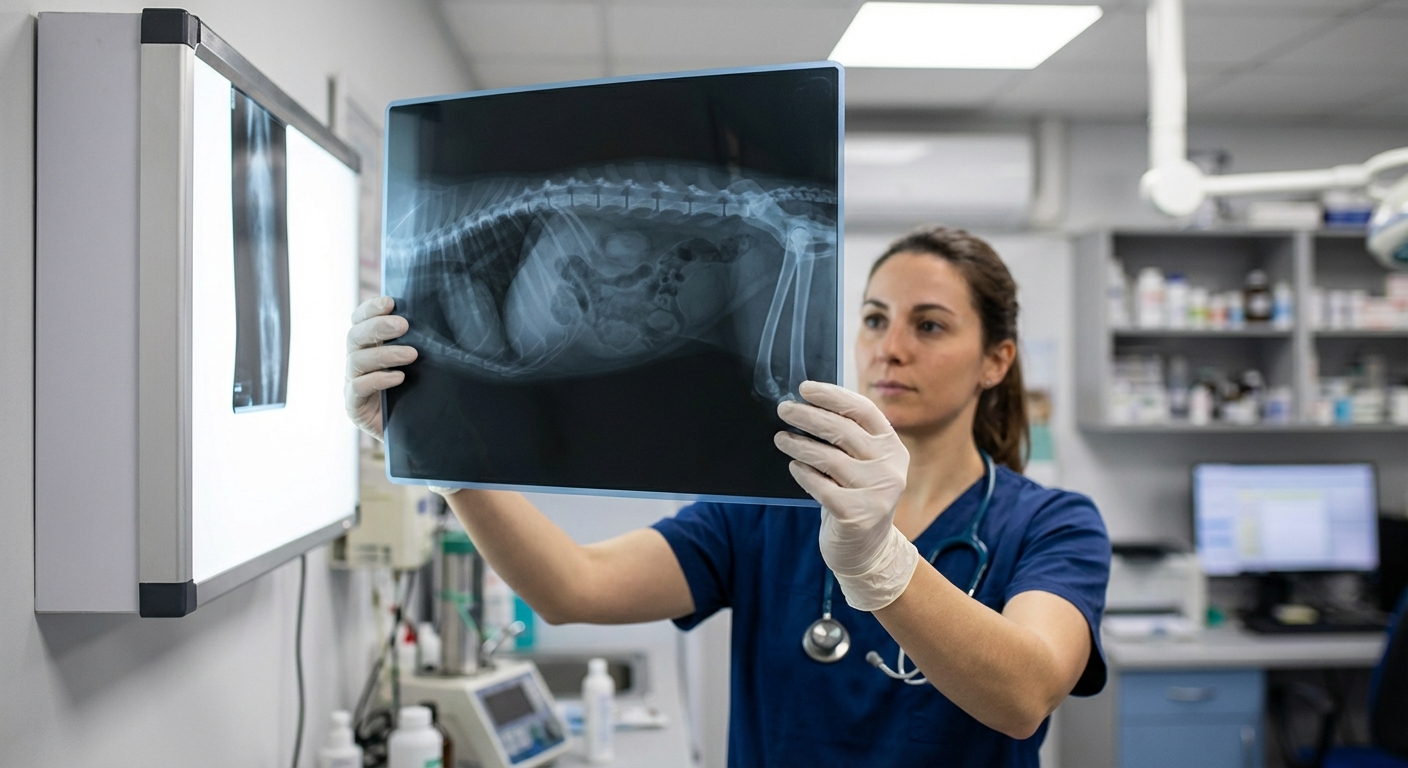
- X-rays to assess colon size and stool load, and to look for pelvic narrowing or obstruction
- Bloodwork to check hydration, kidney values, and electrolytes (constipation can worsen imbalances, and imbalances can worsen gut motility)
- Urinalysis if urinary disease could be contributing to dehydration
- In some cases, additional imaging or tests if an underlying cause is suspected
Diet changes
Diet is one of the most powerful long-term tools we have, but there is no one perfect plan for every cat with megacolon. Some cats do better with more fiber, while others do better with lower residue, highly digestible foods. Your veterinarian may recommend trialing a few approaches to see what produces soft, formed stool without straining.
Hydration first
When stool is too dry, the colon has to work harder. Supporting hydration often helps stool consistency more than any single supplement.
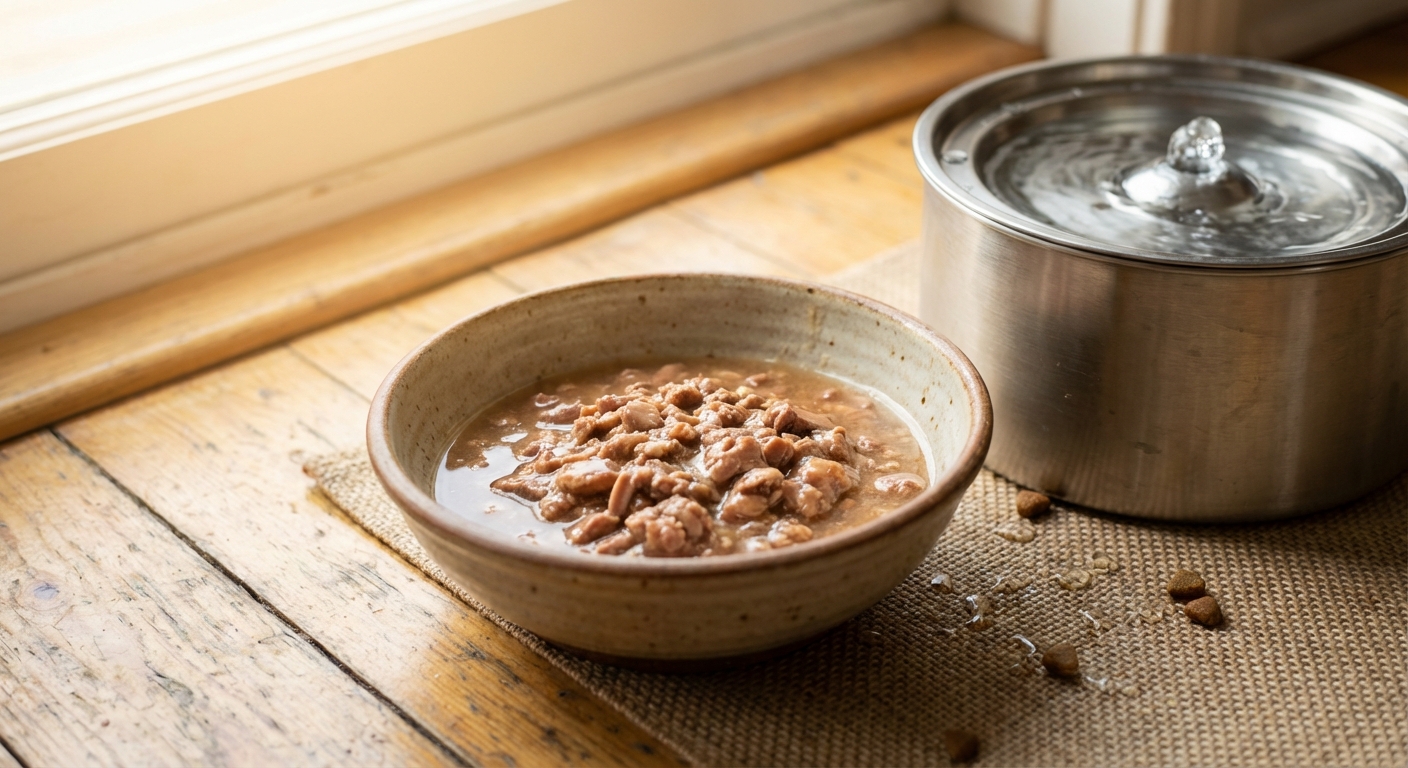
- Increase wet food: Many cats do better when most or all calories come from canned food.
- Add water or broth: Mix a few tablespoons of water into canned food. Use plain, onion-free, garlic-free broth.
- Water fountains: Flowing water encourages drinking in many cats.
- More litter boxes: Easy access reduces “holding it,” especially in multi-level homes.
Fiber types
Fiber can help, but the type matters.
- Soluble fiber (forms a gel and holds water): can soften stool and support the gut microbiome. Examples include psyllium husk and some veterinary GI diets.
- Insoluble fiber (adds bulk and can stimulate movement): can help some cats, but in others it creates more volume than a weak colon can move, which may worsen stool buildup. Examples include wheat bran and high-cellulose formulas.
That is why “more fiber” is not always the answer for megacolon. For some cats, a low-residue, highly digestible diet reduces stool volume and makes it easier to pass.
Common diet tools
- Prescription GI or constipation diets designed for stool quality
- Psyllium in carefully measured amounts, if recommended
- Plain canned pumpkin in small amounts for some cats (not pumpkin pie filling). Pumpkin can act like a gentle fiber source, but it is not a cure and does not help every cat.
Important: Do not give over-the-counter laxatives, stool softeners, or enemas unless your veterinarian tells you exactly which product and what dose to use. Never use Fleet enemas or any sodium phosphate (phosphate) enema in cats. These are highly toxic and can be fatal.
Avoid mineral oil by mouth unless your veterinarian specifically instructs you. If it is accidentally inhaled, it can cause aspiration pneumonia.
Medications
When the colon is not moving stool well, medication is often needed long-term. Two of the most common prescription options are a stool softener and a pro-motility drug.
Lactulose
Lactulose is an osmotic laxative. It pulls water into the colon, helping stool stay softer and easier to pass.
- Often used daily or twice daily depending on the case
- Dosing is individualized and adjusted based on stool consistency
- Too much can cause diarrhea, dehydration, or electrolyte shifts, so follow your vet’s instructions closely
Cisapride
Cisapride is a prokinetic medication that helps stimulate movement of the GI tract, especially the colon. Many megacolon cats do best when cisapride is combined with a stool softener and a diet plan.
- Usually compounded for cats
- Needs veterinary supervision and careful dosing
- Not appropriate for every situation, especially if an obstruction is suspected
Other options
- Polyethylene glycol 3350 (often known as Miralax) as a tasteless powder laxative under veterinary guidance
- Subcutaneous fluids at home for cats who chronically struggle with hydration, especially those with kidney disease
- Anti-nausea medications during flare-ups
- Pain control for arthritis or other conditions that make litter box use difficult
Procedures and surgery
Deobstipation (in hospital)
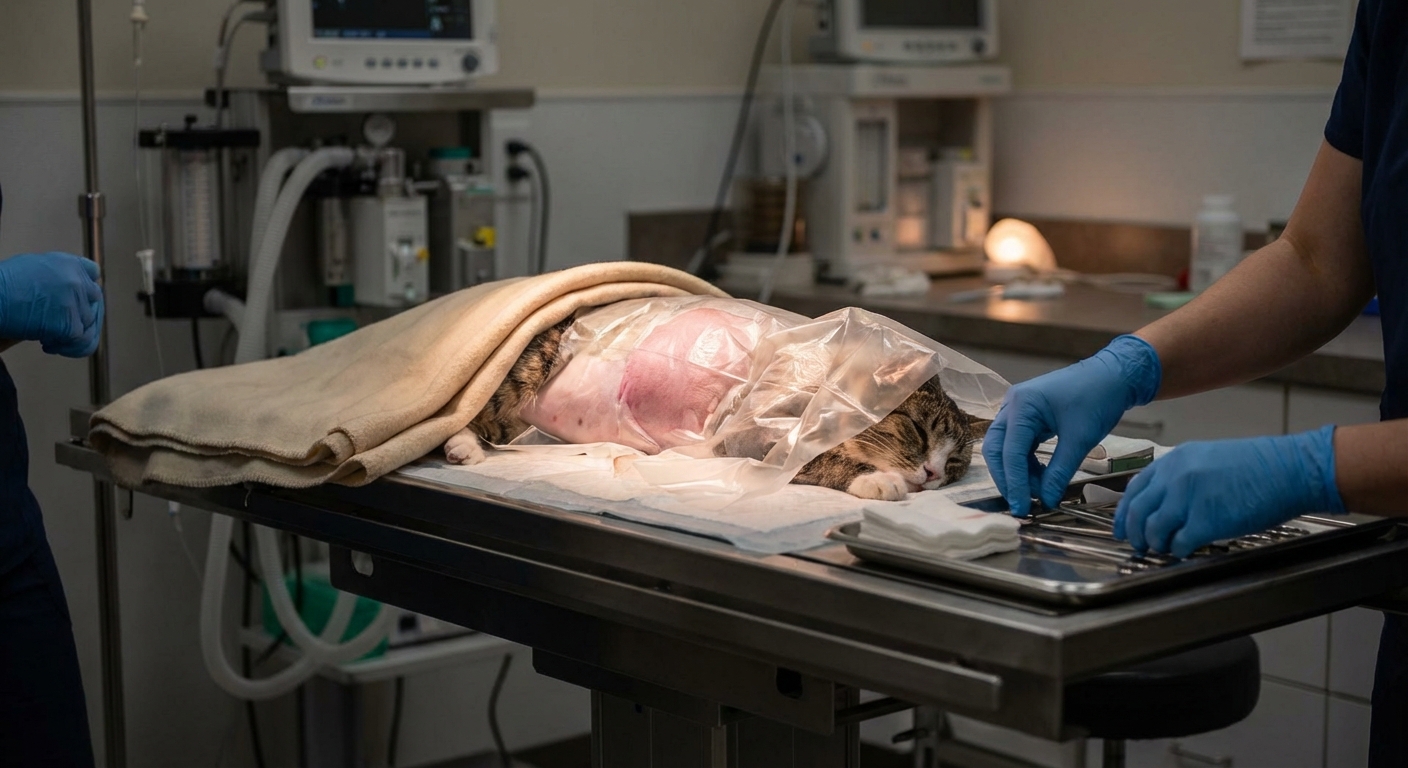
If a cat is severely impacted, your veterinarian may recommend hospital treatment that can include IV fluids, enemas given safely, and sometimes manual stool removal under anesthesia. This is not “just constipation.” Severe impaction can cause significant pain and dangerous dehydration and electrolyte shifts, and it often requires professional care to relieve it safely.
When surgery helps
Some cats reach a point where the colon is so stretched and weak that long-term medical management no longer keeps them comfortable. In those cases, your veterinarian may refer you to a surgeon for a subtotal colectomy, which removes most of the colon.
Surgery is commonly considered when:
- There are repeated episodes requiring hospitalization for obstipation
- Medications and diet no longer keep stool moving
- The colon is persistently enlarged on X-rays
- Your cat’s quality of life is poor due to ongoing discomfort
Many cats do well after surgery, but it is a serious decision. A typical long-term outcome can include softer stools and more frequent bowel movements, especially in the first weeks to months.
Long-term outlook
Megacolon is often a chronic condition, but chronic does not automatically mean miserable. With the right plan, many cats enjoy excellent quality of life for years.
What success looks like
- Stool is passed without straining
- Stool is formed but not rock-hard
- Your cat has a steady appetite and energy
- Litter box habits return to normal
Tracking at home
If your cat has a history of constipation or megacolon, tracking helps you catch trouble early.
- Count bowel movements (daily is ideal for many cats, but your vet will define what is normal for your cat)
- Note stool consistency and size
- Watch for vomiting, appetite changes, or repeated litter box trips
- Weigh your cat regularly, especially seniors
When in doubt, call your veterinarian sooner rather than later. Early constipation is usually easier, cheaper, and kinder to treat than advanced megacolon or obstipation.
When to go in
Please seek urgent veterinary care if your cat:
- Strains repeatedly and produces no stool
- May be unable to urinate (straining with no urine can be life-threatening, especially in male cats)
- Is vomiting, very lethargic, or showing signs of pain
- Has not defecated for more than 48 to 72 hours, especially with any other symptoms
- Has a swollen or hard abdomen
A gentle final note
If you are reading this because your cat is struggling, I want you to know you are not alone. Megacolon can be frustrating, but you do not have to guess your way through it. Partner with your veterinarian, keep things consistent, and do not be afraid to advocate for your cat if a plan is not working. Small adjustments in hydration, diet type, and medication timing can make a big difference.