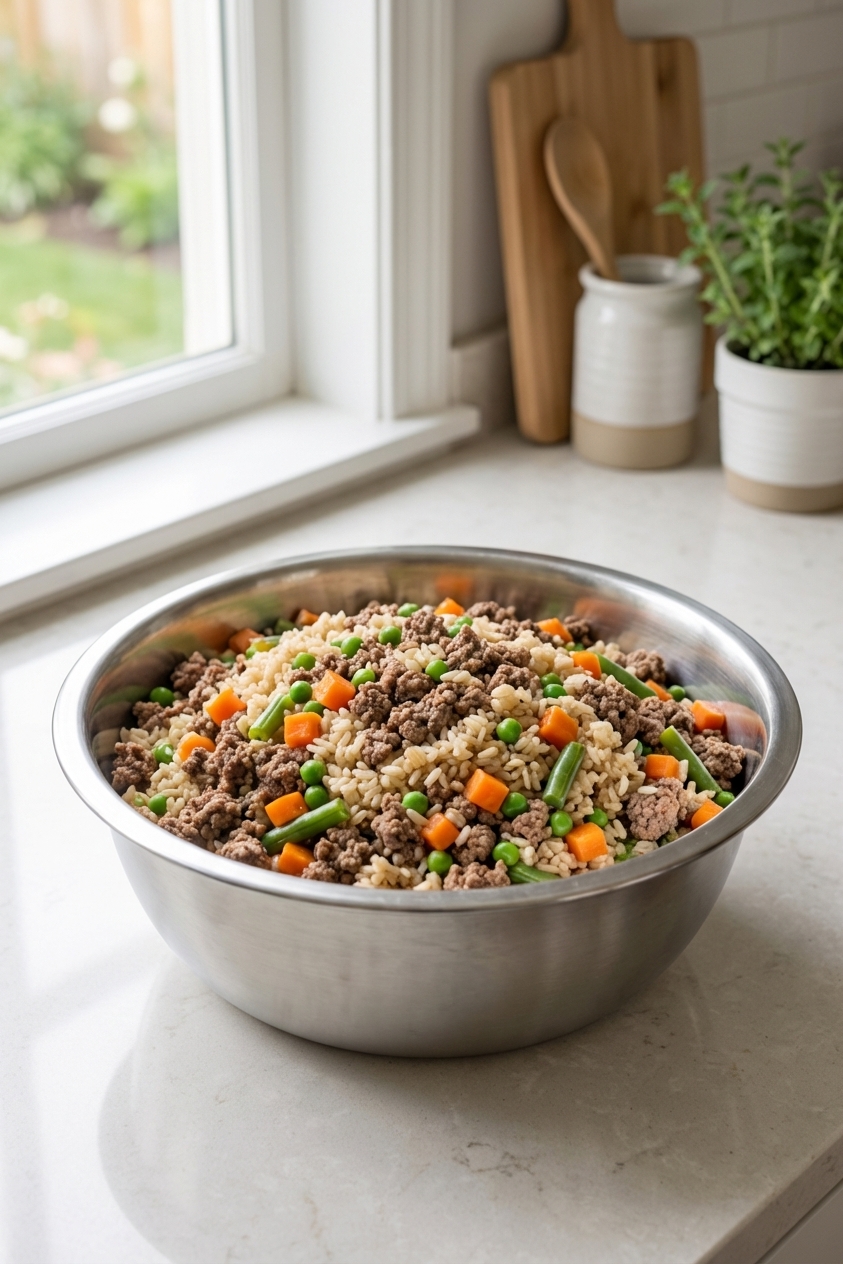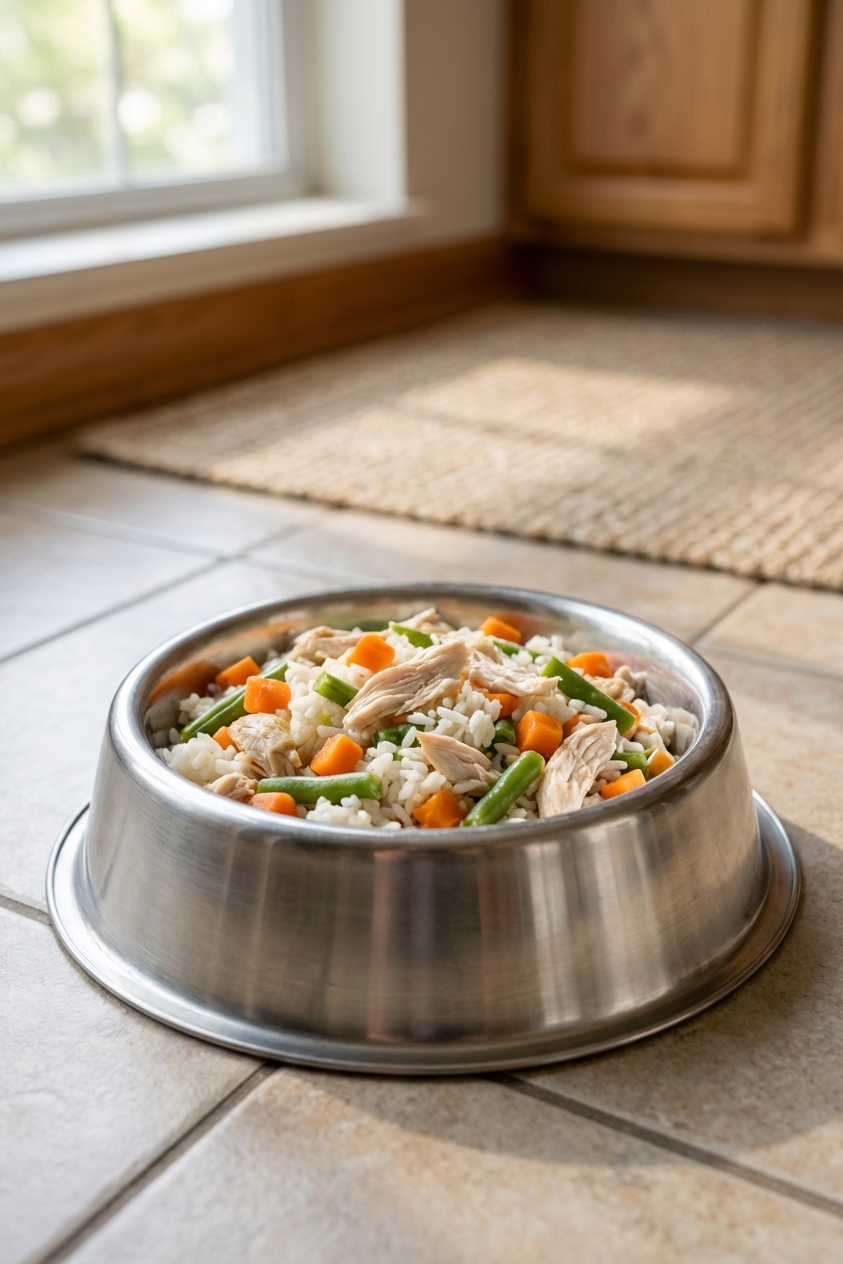
Turn chicken and rice into a more balanced homemade dog meal with veggies, calcium carbonate, and omega-3s. Includes gram weights, portion guidance, swaps, a...
Article
•
Designer Mixes
Managing Pain in Senior Dogs

Shari Shidate
Designer Mixes contributor
Watching a dog slow down with age can tug at your heart. As a veterinary assistant here in Frisco, Texas, I hear the same question all the time: “How do I know if my senior dog is in pain, and what can I safely do about it?” The good news is there are many effective, science-backed options. The key is choosing the right combination for your dog and avoiding the common mistakes that can make pain worse.

How pain shows up
Dogs rarely “complain” the way people do. Many seniors stay quiet and tough it out, which is why subtle signs matter. Pain in older dogs is commonly caused by osteoarthritis , dental disease, old injuries, spine issues, and sometimes chronic conditions like cancer.
Common signs
- Stiffness when getting up, especially after naps
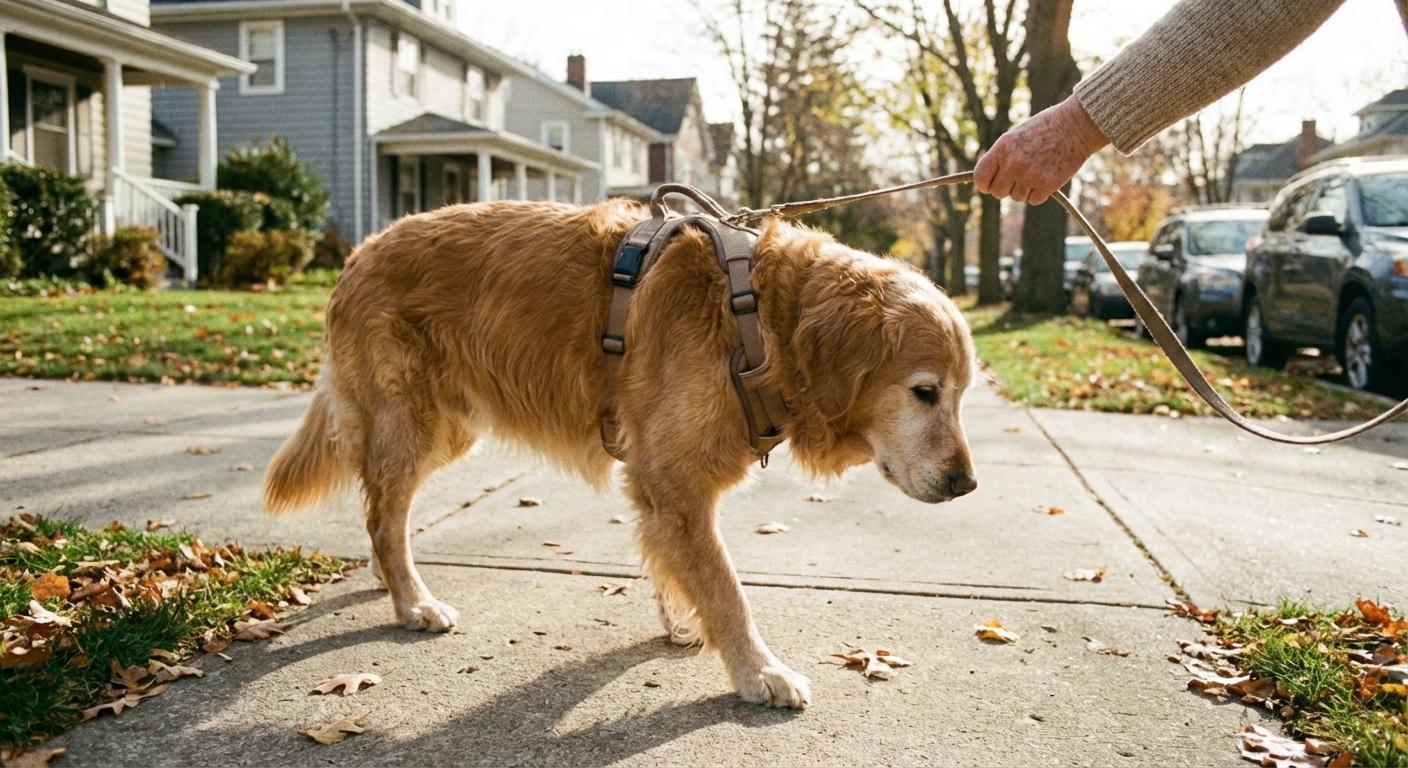
- Slower on walks, lagging behind, or asking to turn back early
- Reluctance to jump into the car or onto the couch
- Limping that comes and goes
- Changes in posture, like a tucked pelvis or “hunched” back
- Licking a joint or a specific spot repeatedly
- Restlessness at night, pacing, or difficulty getting comfortable
- Grumpiness, hiding, or less interest in being touched
- Accidents in the house because squatting or posturing hurts
If you are unsure, a simple trick is to take a short video at home. Record your dog standing up, walking away and back, and using stairs if safe. That real-life movement helps your veterinarian see what you see.
Start with a vet check
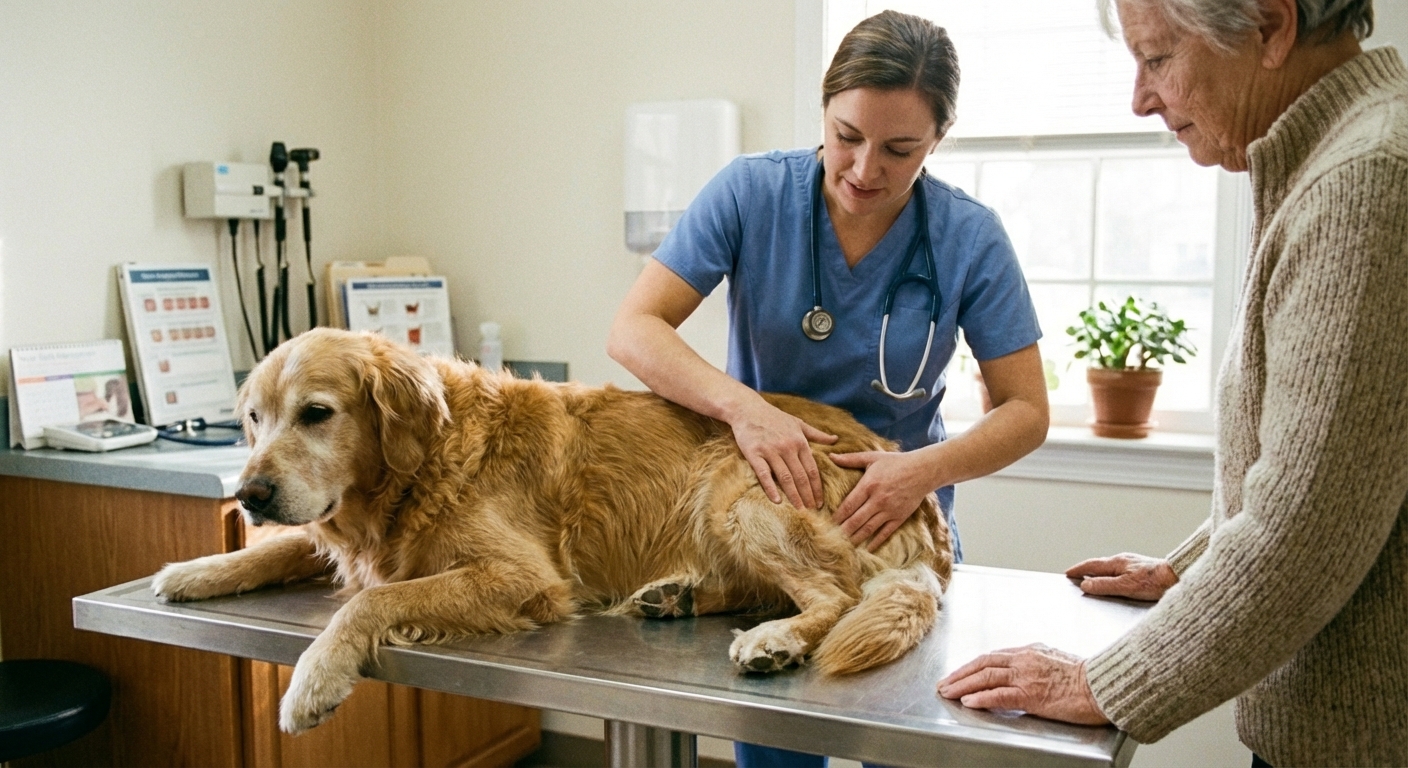
Before you add supplements or reach for human medicine , get a clear diagnosis. Pain control works best when we know what we are treating. It is also important because many senior dogs have other health issues that affect which pain medications are safest, like kidney or liver disease , a sensitive stomach, or a history of ulcers.
Your veterinarian may recommend:
- A full physical exam with joint and spine evaluation
- Bloodwork and urinalysis before starting long-term medications (and for monitoring later)
- X-rays if arthritis, hip dysplasia, or spine disease is suspected
- A dental exam if mouth pain is possible
Senior dogs often have more than one issue at once. A dog can have arthritis and a painful tooth, and treating only one leaves them uncomfortable.
Safe pain options
Most senior dogs do best with a multimodal plan, meaning several gentle tools working together instead of one heavy hammer. Your veterinarian can help you tailor the plan to your dog’s age, diagnosis, lifestyle, and lab results.
1) Prescription pain relief
Veterinary NSAIDs are commonly used for arthritis pain and inflammation. These are dog-specific medications prescribed at a dose and schedule designed for dogs. Your vet may also add other prescriptions depending on the type of pain.
- NSAIDs (non-steroidal anti-inflammatory drugs): Often first-line for osteoarthritis. They can be highly effective, but require monitoring, especially in seniors.
- Nerve pain medications: Used when pain is neuropathic (for example, some spine and nerve conditions).
- Additional pain relievers: Sometimes used for moderate to severe pain, under veterinary guidance.
Important: Never combine pain medications on your own. Many dangerous interactions happen when well-meaning owners “stack” products, for example giving aspirin with an NSAID, or adding an over-the-counter product while a prescription is already on board.
2) Injections and newer therapies
For some dogs, your veterinarian may suggest injectable options or advanced pain control therapies to improve comfort and mobility. Examples include joint-support injections such as polysulfated glycosaminoglycans (often known by brand names like Adequan) and, in some areas, newer targeted arthritis pain therapies. What is available and appropriate varies, so this is a conversation to have with your vet.
3) Weight management
If your dog is even a little overweight , each extra pound adds stress to painful joints. For arthritis, weight loss can significantly improve mobility and quality of life. Ask your vet what your dog’s ideal weight range is and how many calories they should get daily.
4) Movement that helps
Gentle, consistent exercise keeps joints lubricated and muscles strong. The goal is steady activity, not weekend warrior bursts.
- Short, frequent walks are usually better than one long walk
- Start with a slow, short walk to loosen up, especially in cold weather
- Avoid slippery floors and sharp turns that strain joints
- Consider canine rehabilitation or hydrotherapy if available
5) Home comfort upgrades
These changes sound simple, but they truly help.
- Ramps or steps for beds, couches, and cars
- Non-slip runners on tile or hardwood
- Supportive orthopedic bedding in a warm, draft-free area
- Food and water setup: For some dogs with neck or back pain, a slightly raised bowl can be more comfortable. In large and giant breeds, ask your veterinarian what is safest for your dog.
- Harness support for dogs that struggle with stairs or getting up
- Nail and paw maintenance to reduce slipping, including regular nail trims and keeping paw pad fur from getting too long
6) Evidence-based supplements
Supplements can be a good add-on, especially for joint health, but quality matters and results are typically gradual. Talk with your veterinarian about what fits your dog’s medications and medical history.
- Omega-3 fatty acids (EPA and DHA): Often recommended for joint inflammation support. Use a pet-appropriate product and dose.
- Glucosamine and chondroitin: Mixed evidence, but some dogs respond well, especially with consistent use.
- Green-lipped mussel: Used in some joint supplements with supportive research.
If you start a supplement, give it time and track changes. I suggest writing down your dog’s baseline for walks, stairs, and getting up, then reassess in 4 to 8 weeks.
7) Hands-on therapies
Many dogs benefit from therapies that improve mobility and reduce muscle tension. Depending on what is available in your area, options may include:
- Physical therapy and targeted strengthening
- Massage (by a trained professional)
- Acupuncture (performed by a qualified veterinarian)
- Laser therapy (often offered in clinics and rehab centers)
What to avoid
I am going to be very direct here because these are common emergency situations in veterinary clinics.
Never give human pain meds
- Ibuprofen (Advil, Motrin): Can cause ulcers, kidney failure, and life-threatening toxicity.
- Naproxen (Aleve): Extremely risky for dogs, even at small amounts.
- Acetaminophen (Tylenol): Can be dangerous depending on the dose and the dog’s size and health status. It is not a DIY option.
- Aspirin: Sometimes used under veterinary direction, but it is generally not first-line now because safer veterinary NSAIDs are available. It can also interact with other medications, especially NSAIDs.
Do not mix NSAIDs and steroids
Mixing an NSAID with a steroid (or switching without a proper washout period as directed by your veterinarian) can dramatically increase the risk of gastrointestinal bleeding and ulcers. Always tell your veterinarian what your dog has taken recently, including leftover medications from previous visits.
Be cautious with “natural” products
Some over-the-counter products can interfere with prescription medications or worsen underlying problems. Examples include certain herbal blends and high-dose supplements. Natural does not automatically mean gentle, especially for seniors with liver, kidney, clotting, or gastrointestinal concerns.
Do not push through pain
If your dog is limping, dragging a paw, or refusing to move, that is not laziness. It is information. Rest, call your veterinarian, and ask what is safe until you are seen.
When it is urgent
Seek urgent veterinary care if you notice:
- Sudden inability to stand or use a limb
- Crying out, severe shaking , or a hard, tense abdomen
- Rapid swelling of a joint or limb
- Repeated vomiting , black or bloody stool, or loss of appetite after pain medication
- Trouble breathing or collapse
If your dog may have ingested human medication, call your veterinarian, an emergency clinic, or a pet poison hotline immediately. Time matters.
Track what works
Pain management should improve your dog’s daily life, not just “look good on paper.” Choose 3 to 5 measurable activities and track them weekly:
- Time it takes to stand up from lying down
- Comfort on stairs (or willingness to approach stairs)
- Length of walk before slowing down
- Sleep quality at night
- Interest in play or greeting you at the door
Bring your notes to your recheck visit. It helps your veterinarian adjust the plan with confidence.
Bottom line
Senior dog pain is common, but suffering does not have to be. The safest approach is a veterinarian-guided plan that combines the right medications, smart lifestyle changes, and targeted support therapies. Please do not gamble with human pain relievers. There are better and safer options available.
If you want to take one small step today, make your home easier to navigate. Add a non-slip runner, set up a supportive bed , and schedule a senior wellness exam. Those simple choices can make a big difference in your dog’s comfort and joy.