Trying to choose between a Cockapoo and a Labradoodle? Compare size ranges, energy, training style, coat care, shedding myths, health risks and costs to find...
Article
•
Designer Mixes
Maltipoo vs Cavapoo

Shari Shidate
Designer Mixes contributor
Choosing between a Maltipoo (Maltese + Poodle) and a Cavapoo (Cavalier King Charles Spaniel + Poodle) can feel a little like choosing between two great small coffees at your favorite shop. Both are affectionate, people-focused, and popular with families who want a smaller “doodle-type” companion. But they are not the same dog in day-to-day life.
As a veterinary assistant, I always encourage future puppy parents to look past the cute curls and focus on what you will live with for the next decade or more: energy level, grooming, health risks, and how the dog handles being alone.
Quick note: This is general guidance. For individual health risks and behavior plans, your veterinarian and a qualified reward-based trainer are your best resources.

Quick comparison
Use this as a starting point, then read the sections below for the details that really matter at home.
| Trait | Maltipoo | Cavapoo |
|---|---|---|
| Typical size | Very small to small (often 5 to 15 lb, but can be outside this range) | Small (often 12 to 25 lb, but can be outside this range) |
| Temperament | Bright, playful, can be a little “busy” (more alert and active, sometimes more vocal) | Gentle, affectionate, often calmer |
| Energy | Moderate to moderately high | Moderate |
| Shedding | Low to variable (depends on coat) | Low to variable (depends on coat) |
| Grooming needs | Moderate to high | Moderate to high |
| Common concerns | Dental crowding, patellar luxation, separation anxiety | Heart disease risk (Cavalier lines), ear issues, patellar luxation |
| Best fit | Apartments, first-time owners who like a lively little dog | Families wanting a cuddly dog with slightly sturdier size |
Size and home fit
Maltipoo
Maltipoos tend to run smaller, especially when bred from Toy Poodles. That tiny size is a huge plus for apartment living, travel, and anyone who prefers a true lapdog. The tradeoff is that very small dogs can be more fragile around rough play and may need extra supervision with young kids.
Cavapoo
Cavapoos are usually a bit sturdier, especially when bred from Miniature Poodles. Many families like the “small but not too delicate” feel. If you want a dog that still fits comfortably in an apartment but can handle longer walks and a slightly more active household, Cavapoos often land in a sweet spot.
Reality check: Because these are mixes, size can be hard to predict. Even within the same breeder’s program, adults may land outside the “typical” ranges depending on genetics and which Poodle size was used.
Temperament and training
Maltipoo personality
Maltipoos are often cheerful, social, and clever. They can also be vocal if not trained early, especially if they learn that barking gets attention. Many Maltipoos thrive with positive reinforcement, short training sessions, and plenty of mental enrichment like food puzzles and scent games.
Cavapoo personality
Cavapoos are famously affectionate and often have that Cavalier softness: sweet, people-oriented, and eager to cuddle. They still need training and boundaries, but many owners find Cavapoos a touch more “go with the flow” than Maltipoos.
Evidence-based training note: Both mixes respond best to reward-based training. Harsh corrections can increase anxiety and may worsen reactivity or fear behaviors.
Temperament note: Temperament has a genetic component, but early socialization, daily routines, and training matter a lot. Think of genetics as the starting point and environment as the shaping force.
Energy and exercise
Neither of these mixes needs marathon runs, but both need consistent movement and brain work. When I say “30 to 60 minutes,” I mean total daily activity that can include walks, play, and short training sessions.
Maltipoo
- Typical needs: About 30 to 60 minutes daily, usually split into smaller sessions.
- Best activities: brisk walks, indoor fetch, trick training, beginner agility (low impact), puzzle feeders.
Cavapoo
- Typical needs: About 30 to 60 minutes daily, with many dogs content on the lower end if they also get companionship and enrichment.
- Best activities: walks, gentle play sessions, sniffy “explore” time, basic obedience and manners training.
Puppy note: Puppies need shorter, more frequent bursts of activity with plenty of rest. Overdoing exercise in a growing puppy can backfire, so ask your vet what is appropriate for your pup’s age and size.
If you work long hours away from home, plan for a midday dog walker or doggy daycare a few times a week. Boredom and loneliness are common triggers for nuisance barking, chewing, and potty training setbacks in both mixes.
Grooming and shedding
One of the biggest misunderstandings with doodle mixes is assuming they are “no maintenance.” Most are lower shedding than many breeds, but that can come with higher grooming needs.
Myth bust: “Low shedding” is not the same as “hypoallergenic.” Some people with allergies do better with Poodle-type coats, but no dog is truly allergy-free.
What to expect
- Coat variability: Because these are mixes, you may see wavy, curly, or softer straight coats, even in the same litter.
- Matting risk: Curly and wavy coats mat easily, especially behind the ears, under the collar, and in the armpits.
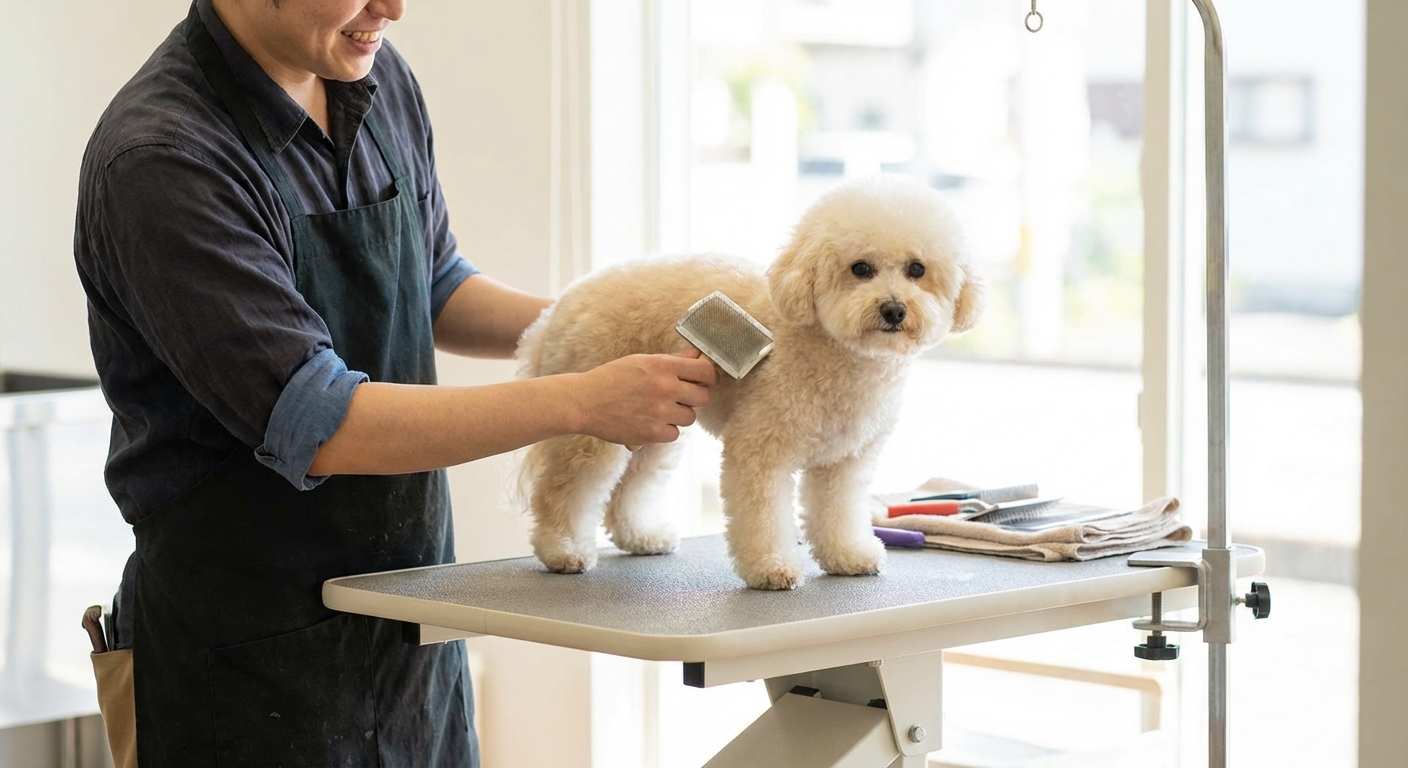
- Routine: Brush at home several times per week, plus professional grooming about every 6 to 8 weeks for many dogs.
Pro tip from the clinic: Ask your groomer to show you how to line-brush and how to safely comb down to the skin. Most painful mats happen because the top layer looks brushed but the coat closer to the skin is still tangled.
Cost reality: In many areas, grooming for doodle mixes is a recurring budget item. If grooming costs or scheduling are stressful, choose a simpler clip and commit to consistent at-home brushing.
Health concerns
No mix is guaranteed “healthier” just because it is a mix. Health depends on genetics, breeding choices, and lifetime care. Here are the concerns I see owners surprised by most often.
Maltipoo health watch-outs
- Dental disease: Small mouths can mean crowded teeth and faster tartar buildup. Daily brushing and regular professional dental cleanings matter.
- Patellar luxation: Kneecap instability is common in small breeds and mixes. Maintaining a lean body weight helps.
- Tracheal collapse: A risk in many small dogs. Harnesses (instead of neck collars) can reduce pressure on the airway.
- Eye disease: Progressive retinal atrophy (PRA) can occur in Poodle lines. Responsible breeding includes eye screening and appropriate genetic testing.
- Legg-Calvé-Perthes: A hip condition seen in some small breeds and mixes.
- Allergies: Environmental or food-related allergies can show up as itchy skin and recurrent ear or paw issues.
- Separation anxiety: Many Maltipoos bond intensely and may struggle when left alone without training.
Cavapoo health watch-outs
- Heart disease risk: Cavaliers are known for mitral valve disease. Reputable breeders should screen breeding dogs and share cardiac testing results.
- Syringomyelia (Chiari-like malformation): A serious Cavalier-associated concern that may be present in lines. Ask what health history and specialist guidance the breeder uses for their program.
- Ear infections: Floppy ears can trap moisture. Allergies are also a very common underlying cause. Regular ear checks and drying after baths or swimming help.
- Patellar luxation: Also seen in Cavapoos, especially smaller individuals.
- Eye issues: Some lines can have inherited eye conditions. Screening matters.
Poodle-side concerns (can affect both)
- Addison’s disease: Less common, but seen in Poodles and can be life-changing if missed.
- Hip dysplasia: More of a concern in larger lines, but still worth asking about in any breeding program.
My best advice: Choose a breeder or rescue that can talk openly about health history. For breeders, ask what screening is done on the parents, and request documentation.
Health testing to ask for
If you want a practical checklist to bring to a breeder conversation, here is what I recommend asking about for these mixes.
- Cardiac: A veterinary cardiac evaluation for Cavalier lines. Ask whether a cardiologist exam and echocardiogram are used, and how often breeding dogs are rechecked.
- Patellas and hips: OFA (or equivalent) evaluation for patellas, and hips when appropriate based on size and lines.
- Eyes: CAER eye exam (or equivalent) for breeding dogs, plus relevant genetic testing where appropriate.
- Genetic panels: Poodle, Maltese, and Cavalier relevant DNA testing based on the parents’ backgrounds and the breeder’s goals.
Good breeders usually welcome these questions. If you feel brushed off or rushed, that is information too.
Family and kids
Both mixes can be wonderful family dogs, but “good with kids” depends on the dog’s temperament, the child’s behavior, and supervision.
Maltipoo
Maltipoos often do best with older kids who can respect a small dog’s boundaries. If your home has toddlers, the biggest risk is accidental injury from falls, squeezing, or rough handling.
Cavapoo
Cavapoos are often a great match for families who want a cuddly dog that can tolerate a bit more bustle. You still need to teach kids gentle petting, no grabbing, and to let the dog rest undisturbed.
For either mix, create a “quiet zone” like a crate or pen where the dog can decompress. That single step prevents a lot of stress-based nipping and fear.
Time alone and apartments
Both Maltipoos and Cavapoos can do well in apartments because of their size, but their social needs matter more than square footage.
- If you are home a lot: Either can be a fantastic companion.
- If you are away 8 to 10 hours: Plan for help. These mixes often become anxious when isolated, and that can show up as barking complaints in shared-wall living.
- If you travel: Maltipoos may be easier to carry and crate in tight spaces, while Cavapoos often handle new people well when properly socialized.
Costs to plan for
- Grooming: Regular professional grooming plus at-home tools (slicker brush, metal comb, detangler).
- Dental care: Daily brushing is ideal for both, especially tiny dogs. Many small dogs also need periodic professional dental cleanings.
- Training and enrichment: Budget for a basic puppy class and enrichment toys to reduce boredom behaviors.
- Pet insurance: Worth considering for both mixes given the potential for orthopedic issues, chronic ear problems, or cardiac care. If you skip insurance, create a dedicated vet savings fund.
Which one to choose
If you are still torn, here is a simple way to decide based on lifestyle.
Choose a Maltipoo if you want
- A smaller, more portable companion
- A playful dog who enjoys short training games and enrichment
- A dog that fits easily into apartment life and lighter exercise routines
- You are ready to stay on top of dental care and grooming
Choose a Cavapoo if you want
- A small dog that often feels a bit sturdier for family life
- A cuddly, affectionate temperament that can be slightly calmer
- A dog that enjoys walks and companionship without being overly intense
- You are willing to screen for heart health in Cavalier lines and keep up with ear care
If you do one thing today, make it this: write down your non-negotiables (time at home, grooming budget, noise sensitivity, kid ages), then choose the dog whose needs match your real week, not your ideal week.
Before you bring one home
- Meet the parents if possible: Temperament can run in families, but early handling and socialization matter too. Seeing mom and dad can still tell you a lot.
- Ask about early socialization: Puppies raised with gentle handling, household sounds, and positive exposure tend to adjust better.
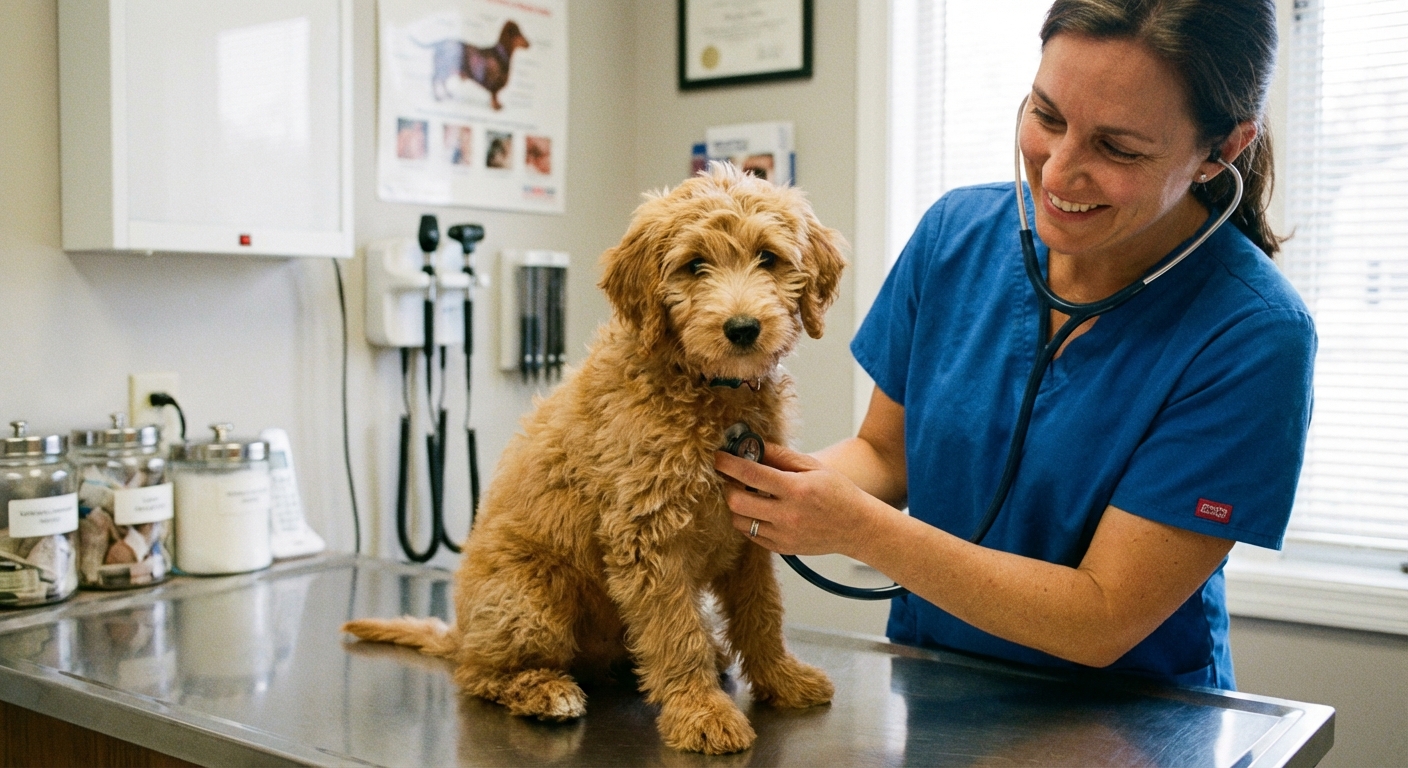
- Schedule a vet visit: Book a new-puppy exam within the first few days to review vaccines, deworming, diet, and parasite prevention.
- Plan grooming early: Do not wait for the first mat. Start paw, face, and brush handling at home in week one.