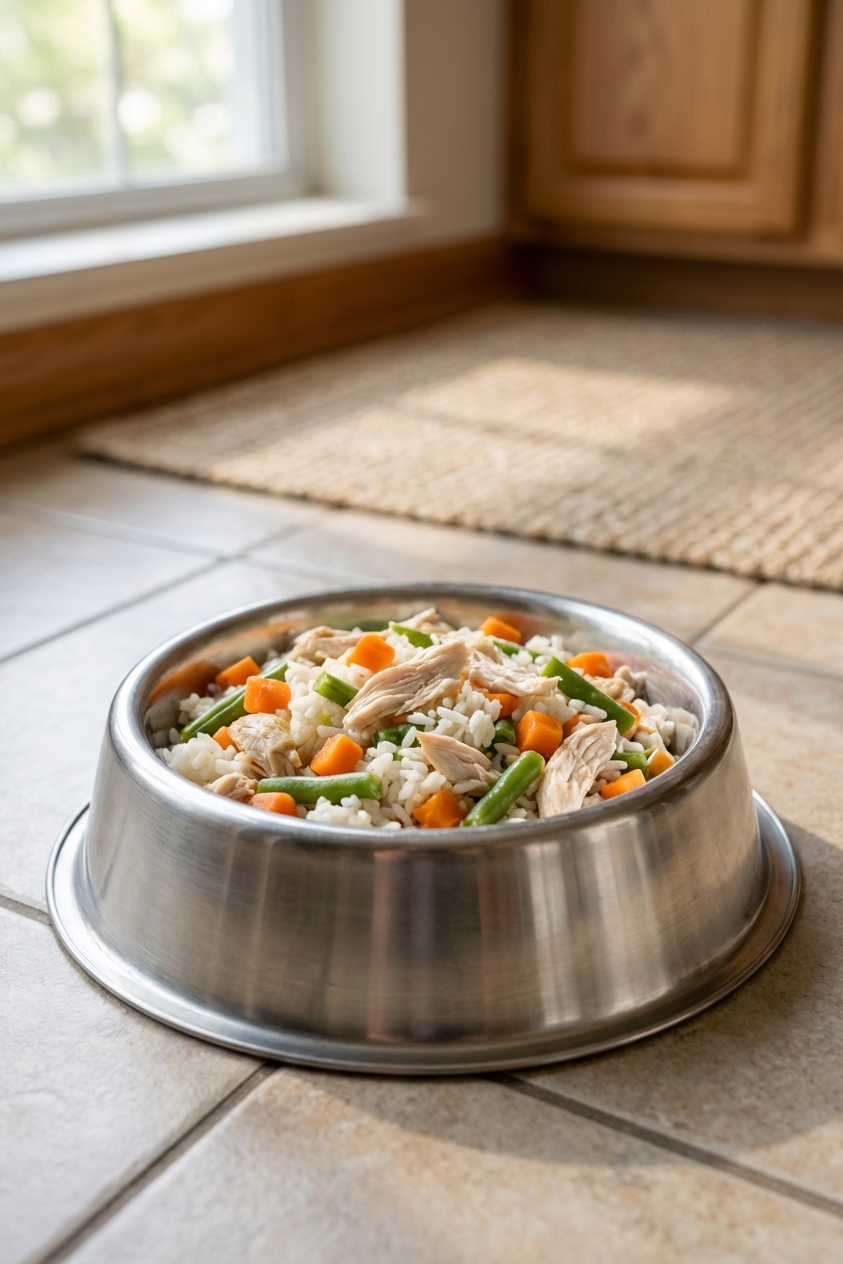
Make safe, portion-controlled homemade meals for small dogs under 20 lb. Get 6 easy recipes, calorie estimates, ingredient lists, transition steps, and calci...
Article
•
Designer Mixes
Maltipoo Health Issues and Lifespan

Shari Shidate
Designer Mixes contributor
Maltipoos are famous for their sweet personalities, small size, and family-friendly temperament. They are also a mix that can inherit health risks from both the Maltese and the Poodle side. The good news is that many common Maltipoo health issues are manageable when you know what to watch for and you stay consistent with preventive care.
In this guide, I will walk you through the most common Maltipoo health concerns that owners ask about, what symptoms can look like at home, what your vet may recommend, and how to support a long, comfortable life.
Important note: This article is for general education and is not a substitute for veterinary diagnosis or treatment. If your dog seems acutely unwell, contact your veterinarian or a local emergency clinic.

Maltipoo lifespan
Many Maltipoos live around 12 to 15+ years, and some reach beyond that with good dental care, a healthy body weight, and regular vet visits. Genetics, diet, exercise, and early detection of problems all play a role.
- Smaller dogs often live longer than large breeds, but dental disease and orthopedic issues can affect quality of life if ignored.
- Mixed-breed does not mean risk-free. Maltipoos can still inherit breed-linked conditions from either parent line.
How often should a Maltipoo see the vet?
For most Maltipoos, a good baseline is:
- Puppies: Every 3 to 4 weeks until the vaccine series is complete, plus spay or neuter planning.
- Healthy adults (about 1 to 7 years): Once per year for a full exam, vaccines as needed, fecal testing, and a parasite prevention review.
- Seniors (often around 8 to 10+ years for small dogs): Twice per year. This is when we can catch dental disease, arthritis, heart changes, and early kidney issues sooner.
If your Maltipoo has a chronic condition like epilepsy, luxating patella pain, heart disease, or ongoing dental disease, your veterinarian may recommend more frequent rechecks.
Common Maltipoo health issues
Below are the conditions Maltipoo owners ask about most often. Some are common in toy breeds overall, and some are inherited risks from Poodles and Maltese lines.
Luxating patella
Luxating patella is one of the most common orthopedic issues in small dogs. The kneecap can shift out of its normal groove, which can cause limping, skipping, or pain. It is often noticed in young dogs, but it can also become more obvious with age as arthritis develops.
What you may notice at home
- A “skip” step where your dog holds a back leg up for a few strides, then walks normally again
- Intermittent limping, especially after running or jumping
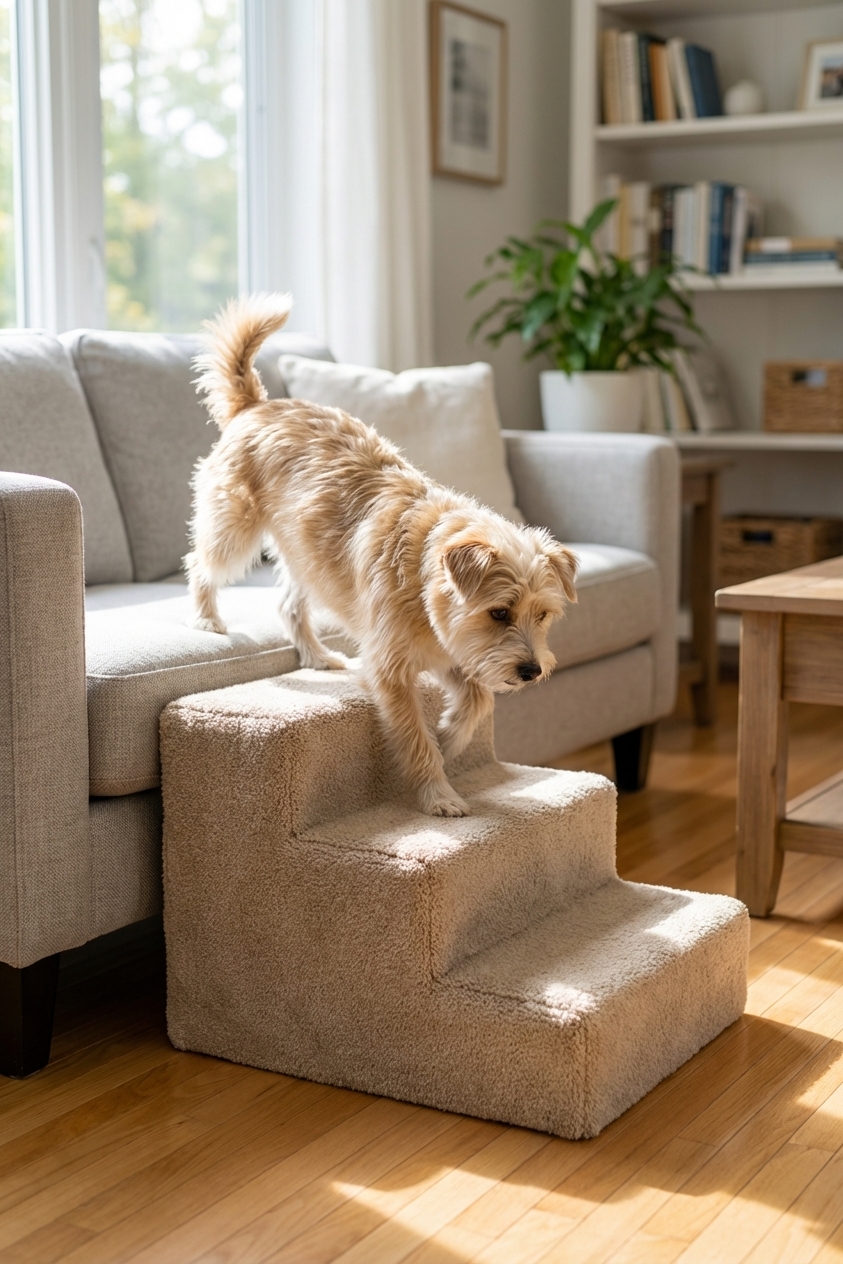
- Reluctance to use stairs or jump onto furniture
- Soreness after activity
How it is diagnosed and treated
Your vet will grade the luxation during an orthopedic exam. Treatment depends on severity:
- Mild cases: weight management, controlled exercise, physical therapy, and pain relief as needed
- Moderate to severe cases: surgery may be recommended to improve alignment and reduce arthritis risk
Prevention and at-home support
- Keep your Maltipoo lean. Extra weight increases knee stress fast in small dogs.
- Use ramps or steps for couches and beds to reduce repeated jumping impact.
- Prioritize traction. Rugs or runners on slick floors can prevent slips that worsen joint strain.
- Ask your vet about rehab exercises that build hindquarters muscle safely.
Dental disease
If I could pick one health topic that changes Maltipoo comfort and overall health, it is dental care. Small mouths often mean crowded teeth, which traps plaque and speeds up tartar buildup. Untreated dental disease can lead to pain, tooth loss, and chronic inflammation that may affect the rest of the body.
In many small breeds, dental disease starts early and quietly, which is why a home routine plus regular veterinary checks matter so much.
Signs of dental trouble
- Bad breath that does not improve
- Yellow or brown tartar, especially on back teeth
- Red or bleeding gums
- Pawing at the mouth, dropping food, or chewing on one side
- Decreased appetite or acting “picky” suddenly
What vets typically recommend
- Routine oral exams at annual visits
- Professional dental cleanings under anesthesia when indicated
- Dental X-rays to evaluate roots and bone, since many painful issues hide below the gumline
Prevention you can actually stick with
- Brush teeth with dog-safe toothpaste. Even 3 to 4 times per week helps.
- Choose VOHC accepted dental chews when possible.
- Use water additives or dental wipes if brushing is hard at first.
- Start young. Puppies that learn mouth handling early often tolerate dental care for life.

Mitral valve disease
Mitral valve disease (also called degenerative mitral valve disease) is a common heart condition in small breed dogs, including Maltese and Poodle lines. Over time, the valve can leak, leading to a heart murmur and, in later stages, signs of heart failure. Many dogs do well for years when it is caught early and monitored.
A murmur may be found during a routine wellness exam long before your dog shows symptoms. This is one reason consistent checkups matter.
What you may notice at home
- Coughing, especially at night or after excitement
- Reduced stamina on walks
- Faster breathing at rest or while sleeping
- Less interest in play
How it is diagnosed and managed
- Your vet may recommend chest X-rays and bloodwork
- An echocardiogram (heart ultrasound) is often the best way to confirm severity
- Medications may be prescribed if changes progress or symptoms appear
When to seek urgent care
Go to urgent care or an ER if your dog has trouble breathing, collapses, or has pale or blue-tinged gums.
White shaker syndrome
White shaker syndrome, also called generalized tremor syndrome, is most often associated with small white dogs, including Maltese. Maltipoos can be affected as well. It causes full body tremors that can look scary, but many dogs respond well to treatment.
What it looks like
- Whole body shaking or tremors that are not related to cold, fear, or excitement
- Wobbliness or difficulty walking
- Tremors that may worsen with stress or activity
Diagnosis and treatment
Your veterinarian will rule out other causes of tremors first, such as toxin exposure, low blood sugar, ear issues affecting balance, or neurological disease. Treatment may include medications like corticosteroids and supportive care. Many dogs improve significantly with the right plan.
When it is urgent
Call your vet promptly or seek urgent care if tremors are sudden, intense, or paired with vomiting, weakness, collapse, or possible toxin exposure.
Progressive retinal atrophy
Progressive retinal atrophy (PRA) is an inherited eye disease that causes gradual vision loss and can lead to blindness. Poodles are one of the breeds known for inherited retinal conditions, so Maltipoos can be affected depending on genetics. Signs often begin subtly and may show up first as night vision trouble.
Early signs at home
- Bumping into objects in dim light
- Hesitating on stairs at night
- Increased eye shine in photos or low light
- Reluctance to enter dark rooms
What your vet may do
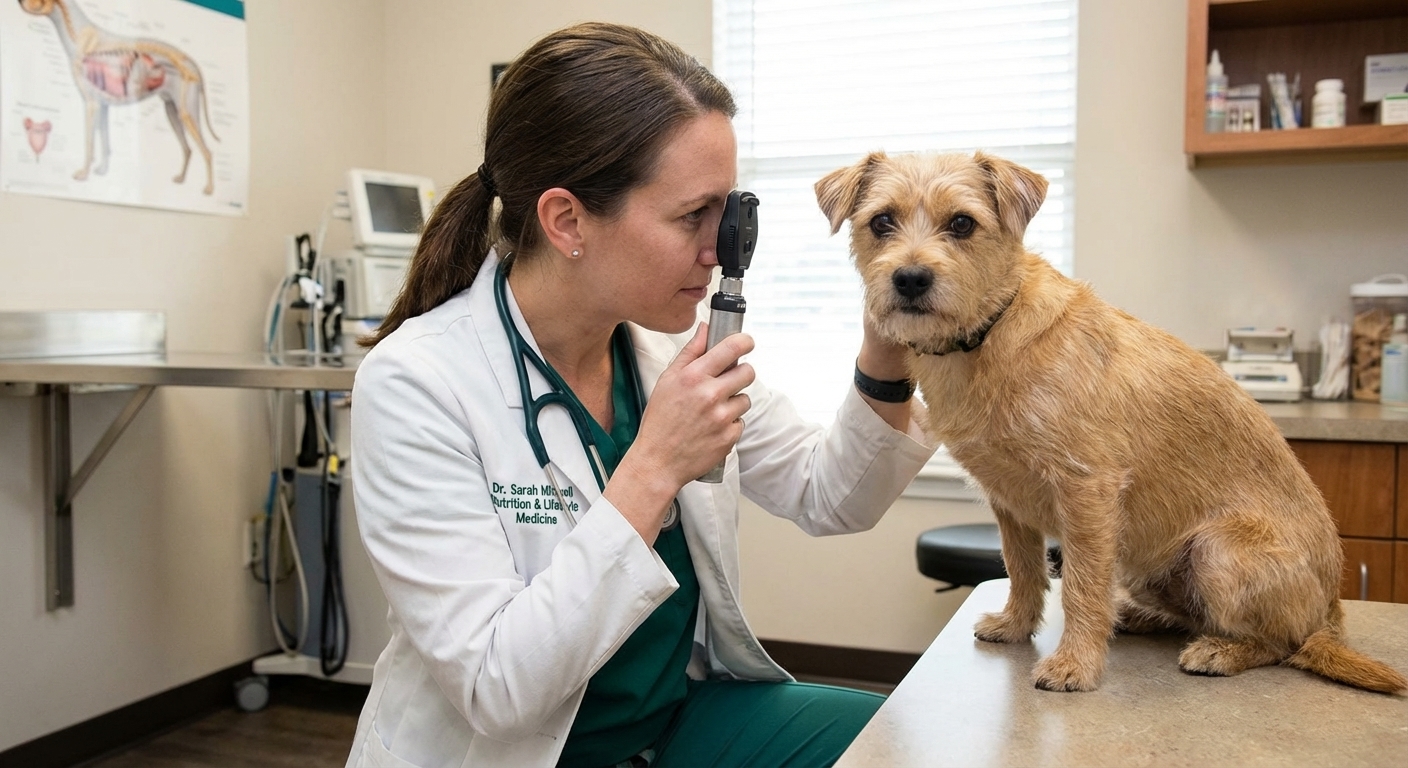
- Eye exam and referral to a veterinary ophthalmologist
- Electroretinography in some cases
- Discussion of safety and home setup as vision changes
Prevention and planning
There is no cure that reverses PRA, so the best strategy is responsible breeding and early detection. If you are purchasing a puppy, ask breeders for parent eye testing documentation when available. If you are adopting, schedule an eye exam if you notice night vision changes.
Epilepsy and seizures
Some Maltipoos experience seizures, which may be due to idiopathic epilepsy or other underlying causes. The goal is always to identify triggers, rule out treatable problems, and control seizures to protect the brain and your dog’s quality of life. Seizures often begin in young adulthood in idiopathic cases, but they can occur at any age depending on the cause.
What a seizure can look like
- Full body stiffening and paddling
- Drooling, chomping, or foaming
- Loss of bladder or bowel control
- Disorientation, pacing, or temporary blindness afterward (post-ictal phase)
What to do during a seizure
- Stay calm and keep your dog safe. Move furniture away and block stairs.
- Do not put your hands near the mouth. Dogs do not “swallow their tongue,” but they can bite unintentionally.
- Time it. Duration matters for treatment decisions.
- Call your vet for guidance, especially if it is the first seizure. If it is after-hours, contact an emergency clinic.
Emergency signs
Seek urgent veterinary care if:
- A seizure lasts more than 5 minutes
- Your dog has multiple seizures in 24 hours
- Your dog does not fully recover between seizures
Long term management
Your vet may recommend bloodwork, imaging in some cases, and anti-seizure medication if seizures recur or meet specific criteria. Many dogs live normal lives with good seizure control and consistent follow-up.
Other issues to ask your vet about
Depending on your Maltipoo’s genetics and size, your vet may also discuss:
- Tracheal collapse: a “goose honk” cough, gagging, or breathing noise that can worsen with excitement or pulling on a collar
- Allergies and recurrent ear infections: itching, licking paws, red skin, head shaking, or repeated ear odor
- Hypoglycemia in small puppies: weakness, tremors, acting “spacey,” or collapse, especially with missed meals or stress
- Legg-Calvé-Perthes disease: hip pain and limping in young toy breeds
- Tear staining and watery eyes: staining, squinting, or chronic discharge that may need an eye and dental check
Prevention strategies
You cannot control every genetic risk, but you can stack the odds in your Maltipoo’s favor with a few high impact habits.
1) Keep a healthy body condition
- Ask your vet to score your dog’s body condition at each visit.
- Measure meals and keep treats to a small portion of daily calories.
2) Build a dental routine
- Brushing plus professional cleanings when needed is the winning combination for many Maltipoos.
3) Protect joints early
- Use ramps, limit repetitive jumping, and encourage low impact play.
- Discuss supplements only after your vet confirms what is appropriate for your dog.
4) Choose preventive testing when it fits your budget
- Adults: consider annual screening bloodwork as part of wellness care.
- Seniors or at-risk dogs: twice yearly bloodwork is often recommended to catch changes earlier.
- Eye exams are worthwhile if you notice night vision changes or if there is family history.
5) Choose reputable sourcing
- If buying a puppy, ask about health testing and medical history on both parents. For example, orthopedic screening (OFA) and eye exams are commonly discussed in parent breeds.
- If adopting, plan a thorough baseline exam to identify dental and orthopedic needs early.
When to call the vet
Maltipoos are small, so they can go from “off” to truly unwell quickly. Call your vet if you notice:
- Sudden limping, repeated skipping steps, or signs of pain
- Bad breath with red gums or a sudden refusal to eat
- Shaking or tremors that are not clearly due to cold or excitement
- Night vision changes or bumping into objects
- Any seizure activity, especially a first seizure
- Coughing, tiring easily, or faster breathing at rest
If you ever feel unsure, you are not overreacting by calling. Early care is usually simpler and less expensive than waiting.
Bottom line
Maltipoos often live long, joy-filled lives, but their small size comes with predictable health priorities: knees, teeth, eyes, heart health, and neurological signs like tremors or seizures. If you stay consistent with vet visits, keep your pup lean, and treat dental care like routine wellness, you will be doing the biggest things that protect comfort and quality of life over the long term.
Want an easy next step? Create a simple yearly wellness checklist with your veterinarian that includes dental timing, senior lab work, and any breed-linked screenings that fit your dog.