Considering a Yorkipoo? Learn expected size and lifespan, personality and barking tendencies, exercise needs, grooming and shedding, training tips, and key h...
Article
•
Designer Mixes
Maltipoo Designer Breed

Shari Shidate
Designer Mixes contributor
Meet the Maltipoo
The Maltipoo is a popular mixed-breed cross created by pairing a Maltese with a Poodle, most often a Toy or Miniature Poodle. People love Maltipoos for their affectionate nature, compact size, and coats that are often low-shedding. That said, coat type (and shedding level) can vary a lot from puppy to puppy, and no dog is truly “hypoallergenic.” Also, low-shedding does not always mean low-dander reactions for allergy-sensitive households.
Starting with the basics helps set you up for success. A Maltipoo can be a wonderful companion for many lifestyles, but they thrive most when their social needs, grooming, and training are treated as everyday priorities. It also helps to remember that adult size can vary by breeder and parent lines, so asking about the parents is always smart.
Temperament and Personality
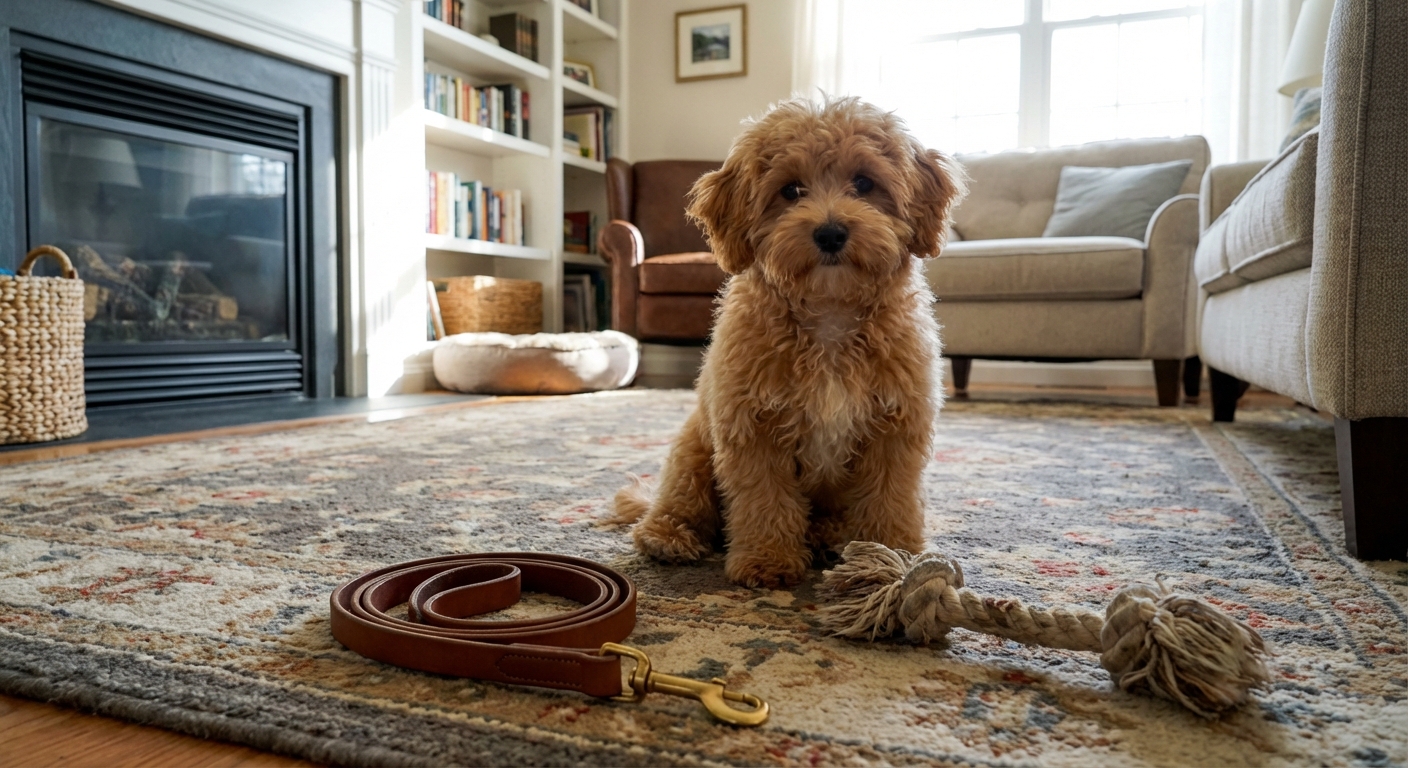
Maltipoos are typically friendly, people-oriented, and eager to be involved in whatever the household is doing. Many are playful without being overwhelming, and they often enjoy cuddling just as much as a game of fetch.
What families usually notice
- Affectionate bonding: Maltipoos often attach strongly to their person and prefer being close.
- Social sensitivity: Harsh training methods can backfire. Gentle, consistent guidance works best.
- Alertness: Some Maltipoos can be vocal, especially if they are under-stimulated or anxious.
If you want a dog who feels like a little shadow at your feet, a Maltipoo may be a great match. If you need a highly independent pet, this mix may feel a bit too attached.
Kids and other pets
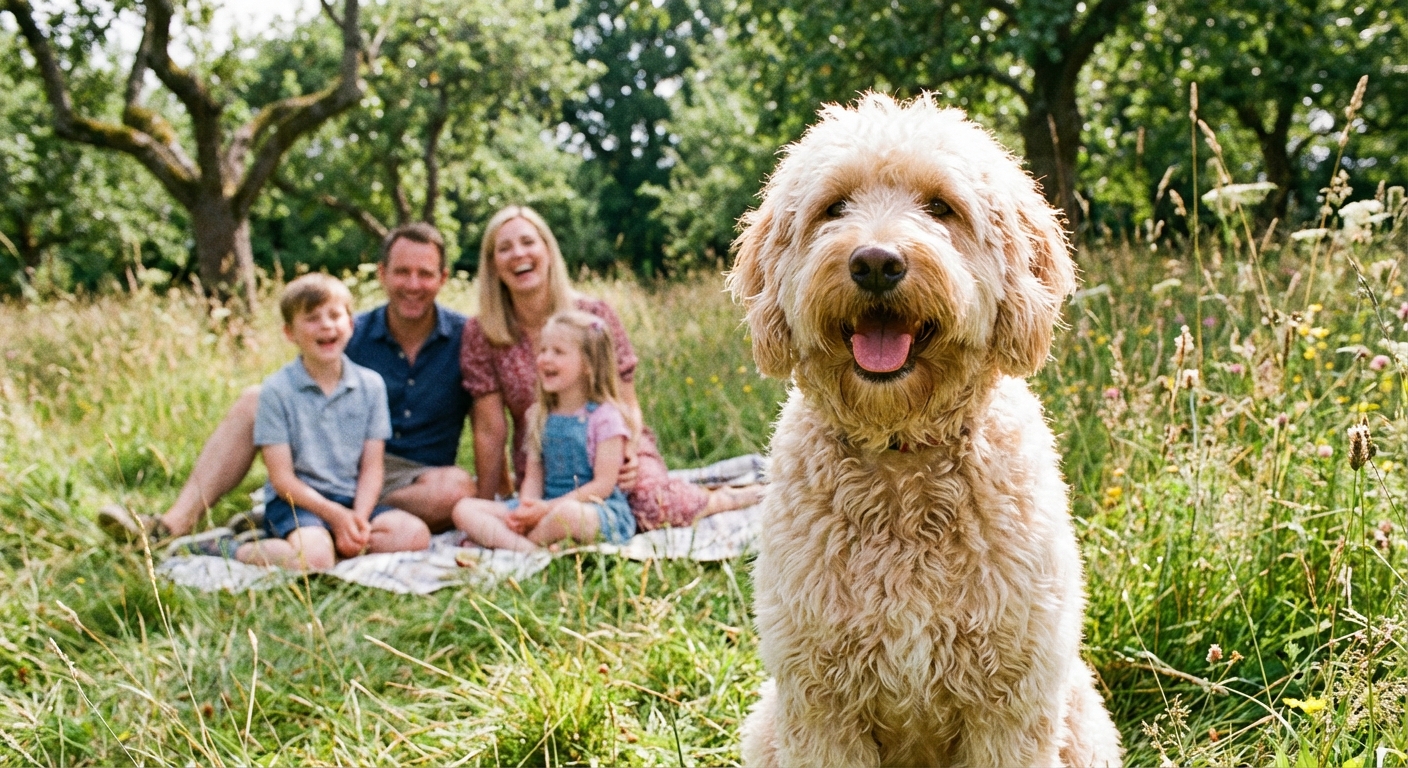
Many Maltipoos do well with respectful children and friendly pets, especially when socialized early. Because they are small, supervision is important with very young kids to prevent accidental bumps or rough handling.
Size, Appearance, and Coat Types
Because Maltipoos are a mix, their appearance can vary. Size is influenced heavily by the Poodle parent, and some lines are bred smaller or larger than expected. Most Maltipoos fall into a small-dog range, but it is wise to ask about the parents’ weights and heights when possible.
Common coat patterns
- Wavy or curly coat: More Poodle-like, often needs frequent brushing and professional grooming.
- Softer, straighter coat: More Maltese-like, can tangle easily and still needs regular brushing.
- In-between “teddy bear” look: A common mix of textures that still requires consistent grooming.
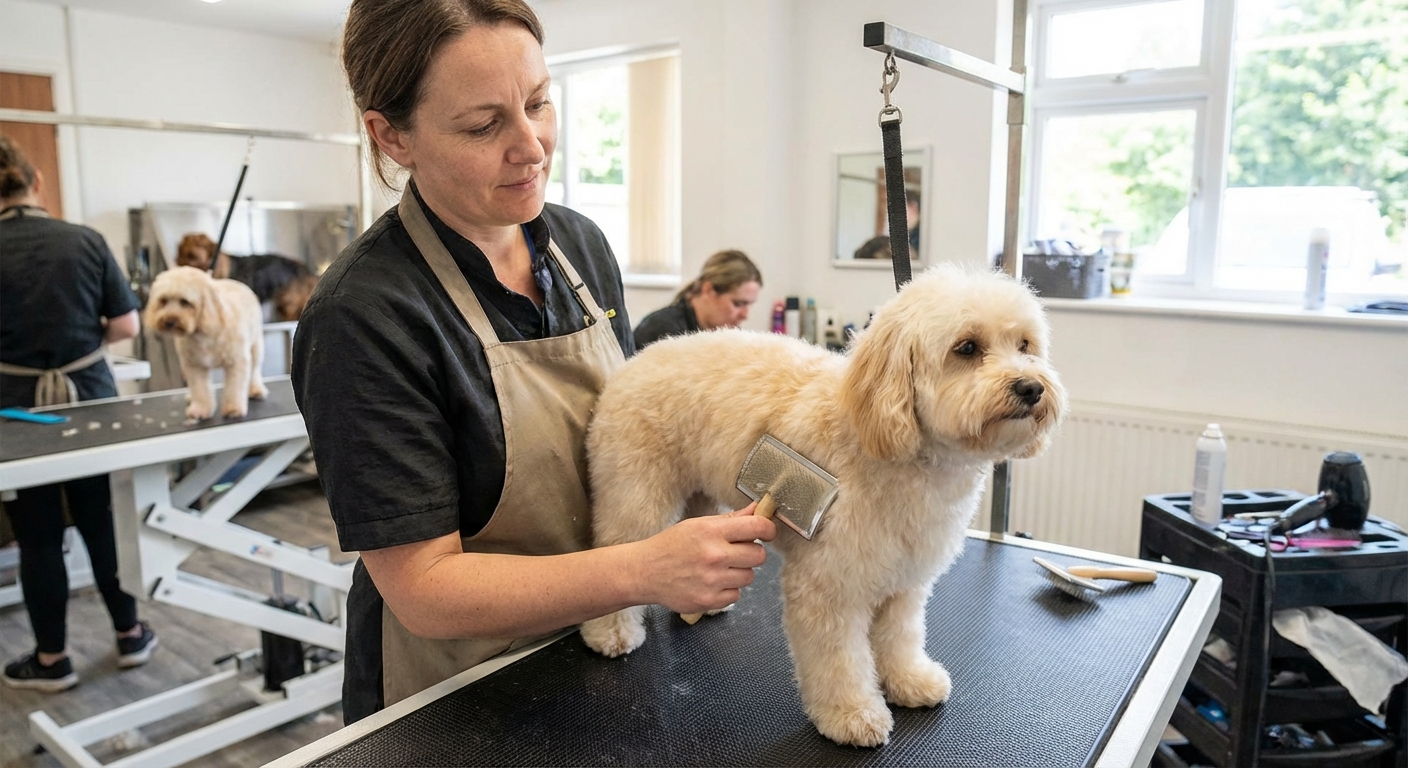
Coat color can include white, cream, apricot, tan, or mixes of these shades. The big takeaway is this: regardless of coat type, a Maltipoo needs a grooming routine. Skipping it can lead to matting, skin irritation, and a very uncomfortable dog.
Training and Socialization
Maltipoos are often smart and responsive, which can make training enjoyable. They tend to do best with short sessions, positive reinforcement, and plenty of repetition.
Helpful training focus areas
- House-training: Small dogs can take longer to fully house-train. Consistency, frequent potty breaks, and rewards matter. Many families find crate training and a predictable schedule especially helpful.
- Separation comfort: This mix can be prone to separation anxiety. Practice short, calm departures early, and build up gradually.
- Polite greetings: Many Maltipoos get excited and may jump or bark. Reward calm behavior before attention.
Aim to socialize thoughtfully during puppyhood. Introduce your Maltipoo to different people, calm dogs, and everyday sounds at a pace that builds confidence, not fear.
Exercise and Enrichment Needs
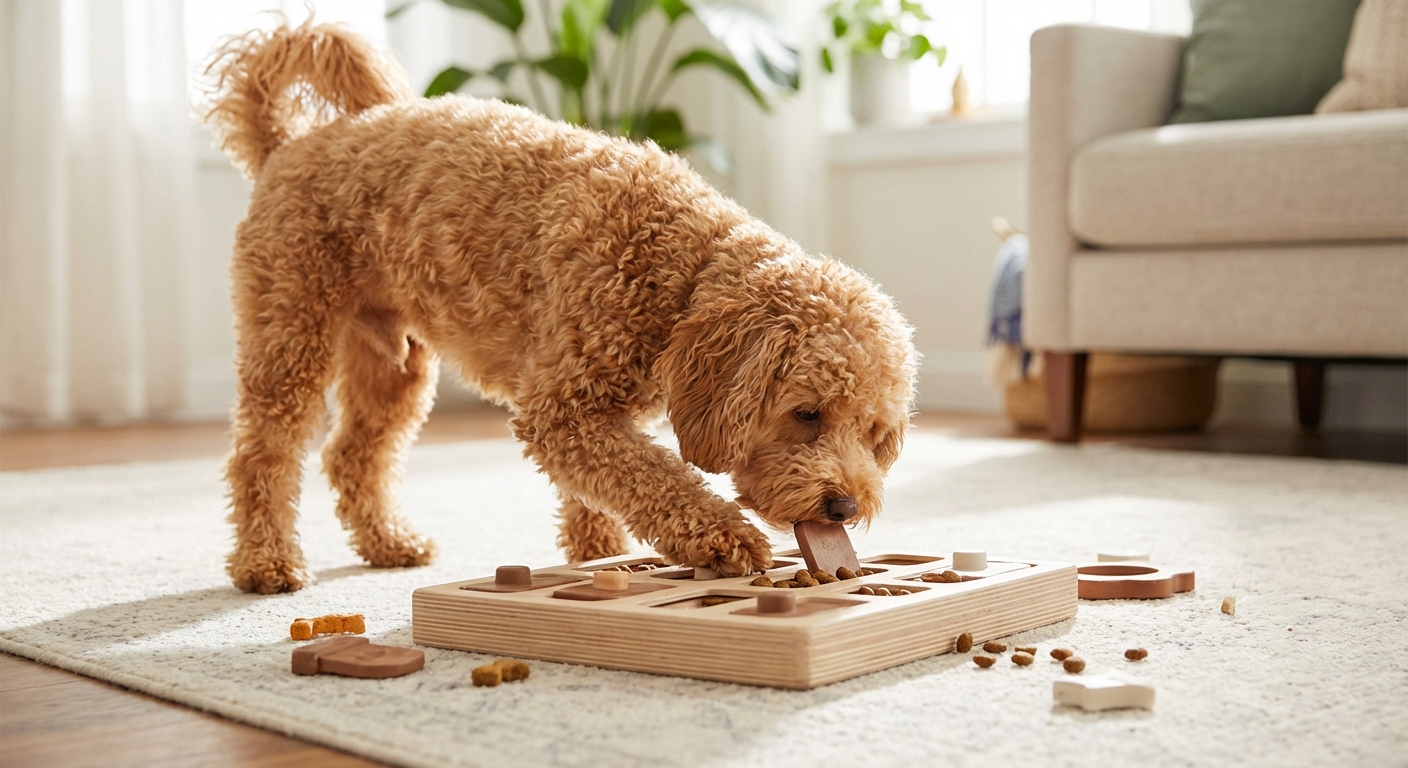
Maltipoos may be small, but they still need daily movement and mental stimulation. Many do well with about 20 to 45 minutes of total activity per day, split into short walks and play sessions, adjusted for your dog’s age, health, and energy level.
Easy ways to meet their needs
- Short walks: Consistent daily walks support weight management and joint health.
- Brain games: Treat puzzles, hide-and-seek, and basic obedience practice can reduce boredom barking.
- Gentle play: Tug, fetch in a hallway, and supervised backyard time can be perfect.
Because they are people-focused, Maltipoos often prefer interactive play over being left alone with toys for long periods.
Grooming and Daily Care
Grooming is one of the biggest commitments with a Maltipoo. Regular brushing prevents mats, and routine coat maintenance also helps you spot skin issues early.
A practical grooming rhythm
- Brushing: Often several times per week, and for many dogs, daily is ideal. A slicker brush plus a metal comb can help you find and prevent hidden tangles.
- Professional grooming: Commonly every 4 to 8 weeks depending on coat and preferred haircut.
- Mat-prone spots: Pay extra attention behind the ears, under the collar, in the armpits, and around the hindquarters.
- Eye and face cleaning: Some Maltipoos develop tear staining. Gentle wiping can help.
- Dental care: Small breeds are prone to dental disease. Daily or near-daily brushing is a powerful habit.
I always remind families that small, consistent habits compound into remarkable results over time. With grooming, that is especially true. A few minutes each day can prevent painful tangles and costly skin problems later.
Weather sensitivity
Many small dogs are sensitive to temperature extremes. Depending on coat length and body size, your Maltipoo may need a sweater in cold weather and shorter, shaded walks in hot weather.
Health Considerations to Know
Mixed-breed dogs may benefit from genetic diversity, but they can still inherit health issues common in Maltese and Poodles. The goal is not to worry, but to plan proactively with a veterinarian, and to look for responsible breeding and health testing when possible.
Common concerns seen in this mix (not limited to)
- Dental disease: Very common in small dogs, and often preventable with routine care.
- Kneecap issues (patellar luxation): Can range from mild to severe.
- Allergies and skin sensitivity: Can show up as itching, ear infections, or licking paws.
- Eye issues: Watery eyes or tear staining may occur, and some lines can be prone to irritation or inherited eye disease.
- Tracheal collapse: A small-breed concern that can cause coughing or exercise intolerance.
- Legg-Calvé-Perthes disease: A hip condition seen in some small breeds.
- Heart disease (including mitral valve disease): More common with age in some small-breed lines.
If you are buying a puppy, ask about health testing in the parent dogs, including eye and orthopedic screening when appropriate. If you are adopting, a thorough wellness exam soon after bringing your dog home is one of the best first steps.
Lifespan
Many Maltipoos live around 12 to 15 years, though lifespan varies with genetics, preventive care, and overall health.
Nutrition and Feeding Tips
Nutrition is one of the most practical ways to support your Maltipoo’s energy, coat health, and long-term wellness. Because Maltipoos are small, even modest overfeeding can lead to weight gain over time.
Healthy feeding habits
- Choose an appropriate formula: Look for a complete and balanced diet for small breeds or all life stages, depending on your vet’s guidance.
- Measure portions: Use a measuring cup or kitchen scale rather than eyeballing.
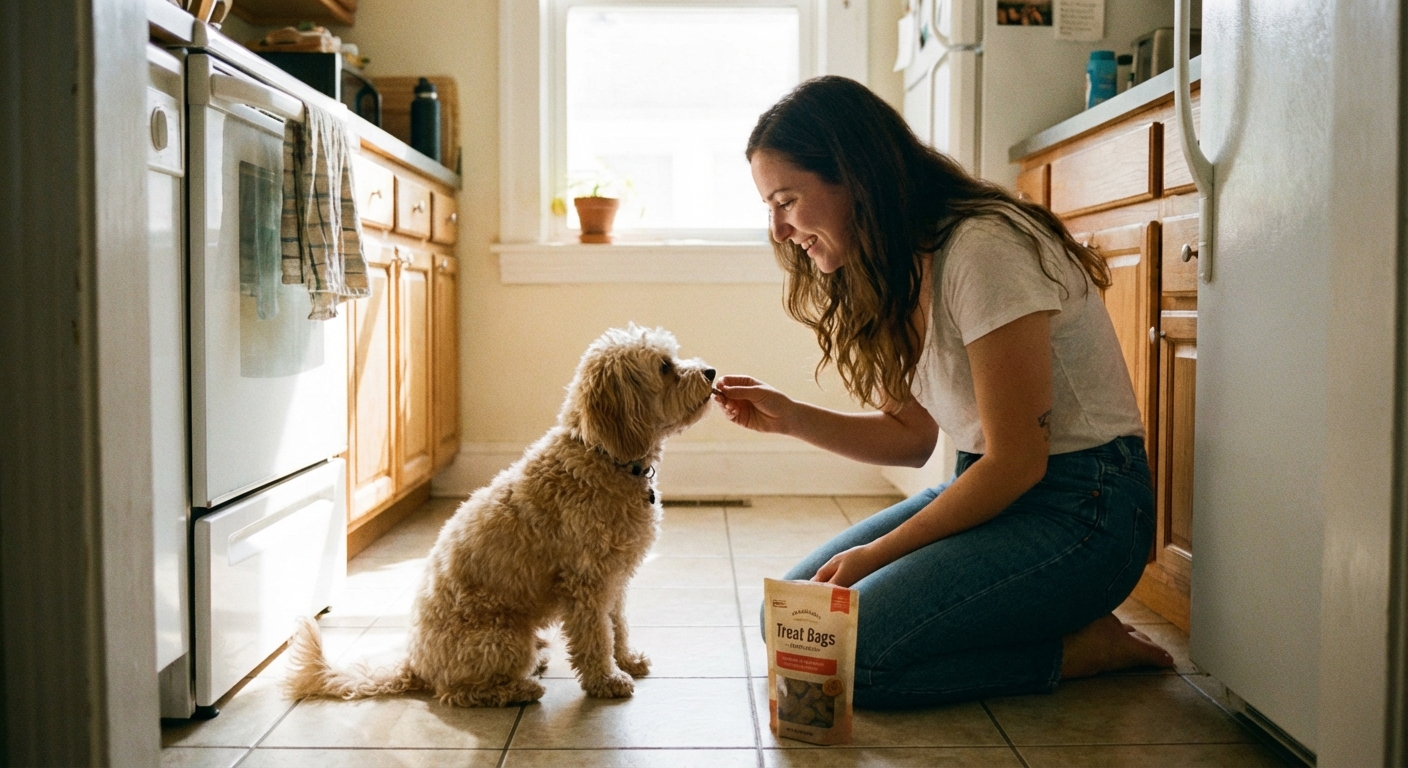
- Be mindful with treats: Treats add up quickly. Use tiny training treats and include them in the daily calorie picture.
- Watch for sensitivity: If your dog has frequent itching or loose stools, ask your vet whether a diet adjustment could help.
Water should always be available, and regular weigh-ins can help you catch subtle changes before they become a bigger health issue.
Is a Maltipoo Right for You?
A Maltipoo can be an excellent match if you want a friendly companion who enjoys closeness, learns quickly with positive training, and fits well in smaller living spaces. They are often a great choice for many first-time dog parents, especially those who are ready to keep up with grooming and daily interaction.
This breed may be a great fit if you:
- Want a small, affectionate dog that enjoys being part of your routine
- Can provide daily companionship, short walks, and gentle structure
- Are committed to consistent grooming and dental care
You may want to reconsider if you:
- Are away from home for long hours most days
- Prefer a low-maintenance coat with minimal grooming
- Do not enjoy training, daily walks, or regular routines
Cost and maintenance expectations
Beyond food and routine veterinary care, Maltipoos often come with ongoing costs for professional grooming (commonly every 4 to 8 weeks) and dental prevention. Planning for these basics upfront makes ownership much easier.
When a Maltipoo’s needs are met, they often repay it with years of joyful, loyal companionship. A little preparation upfront makes the day-to-day experience calmer, healthier, and more fun for both of you.