Choosing between a Shih Tzu and a Maltese? Compare personality, size, grooming needs, training, barking, exercise, and common health concerns to pick the bes...
Article
•
Designer Mixes
Malshi (Maltese Shih Tzu Mix): Personality, Size, and Health Tips

Shari Shidate
Designer Mixes contributor
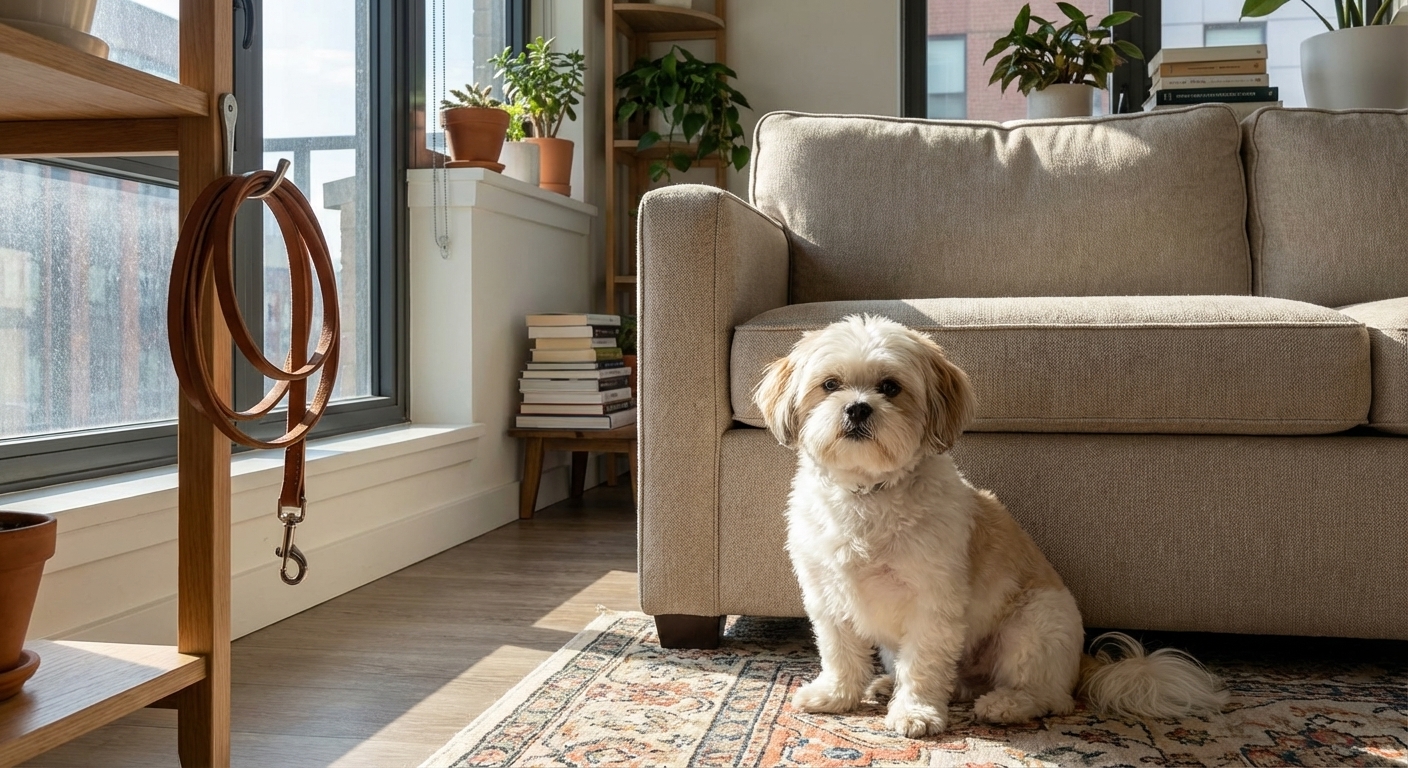
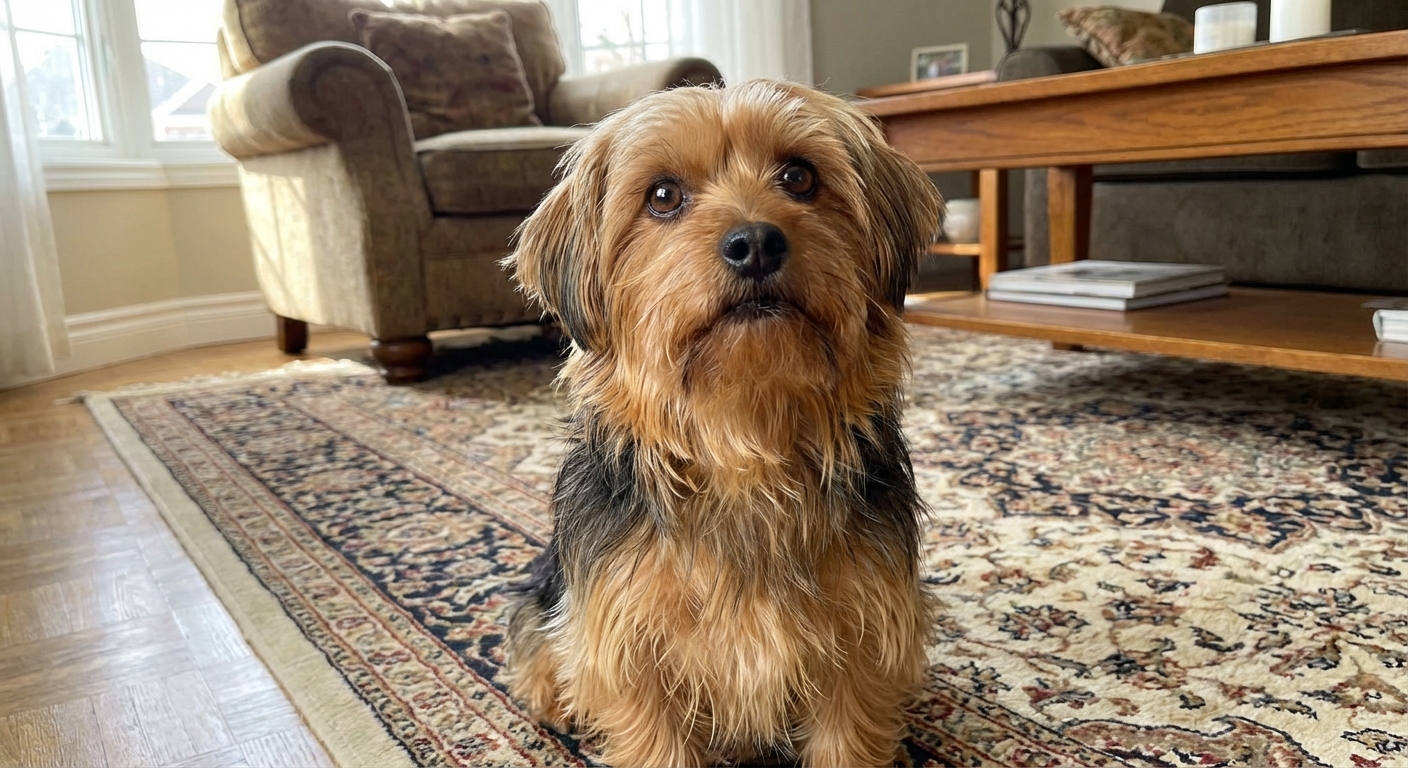
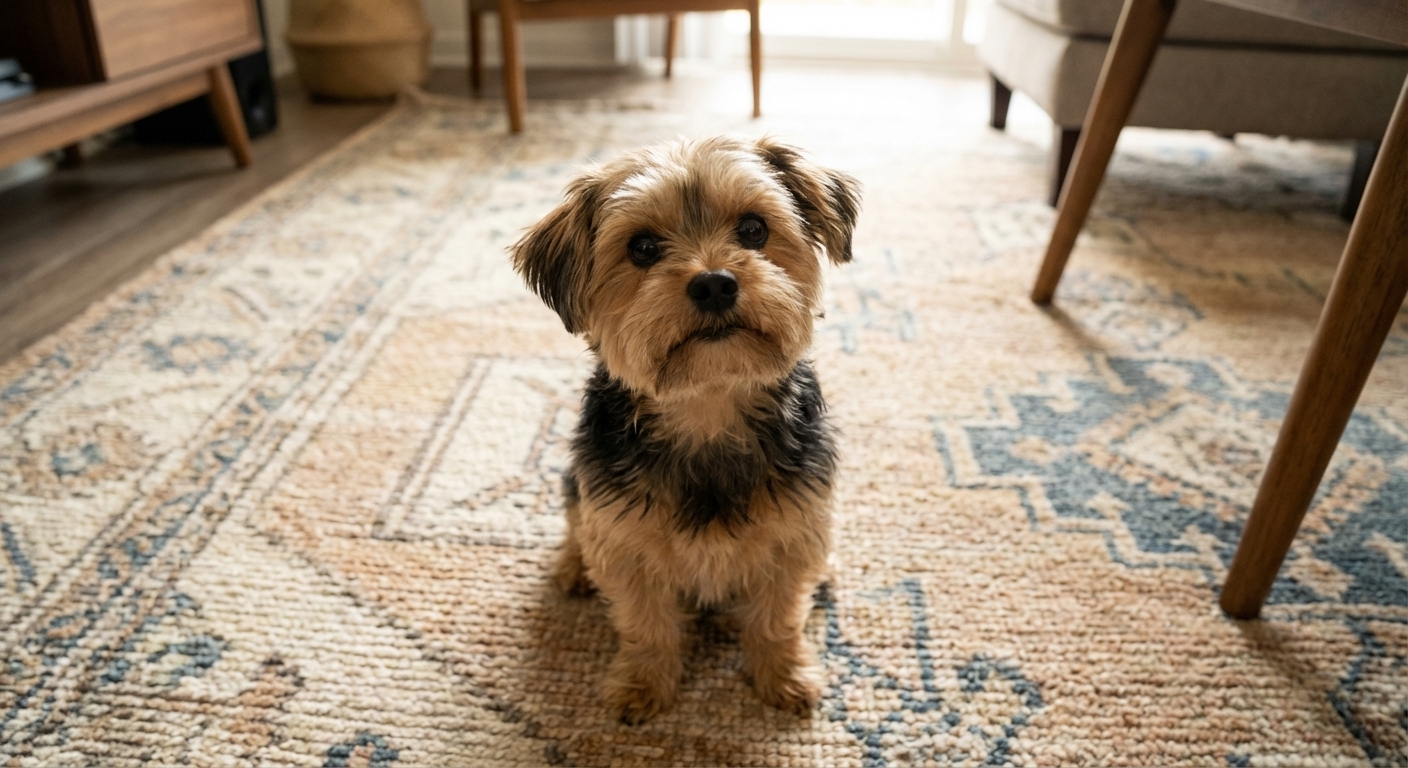
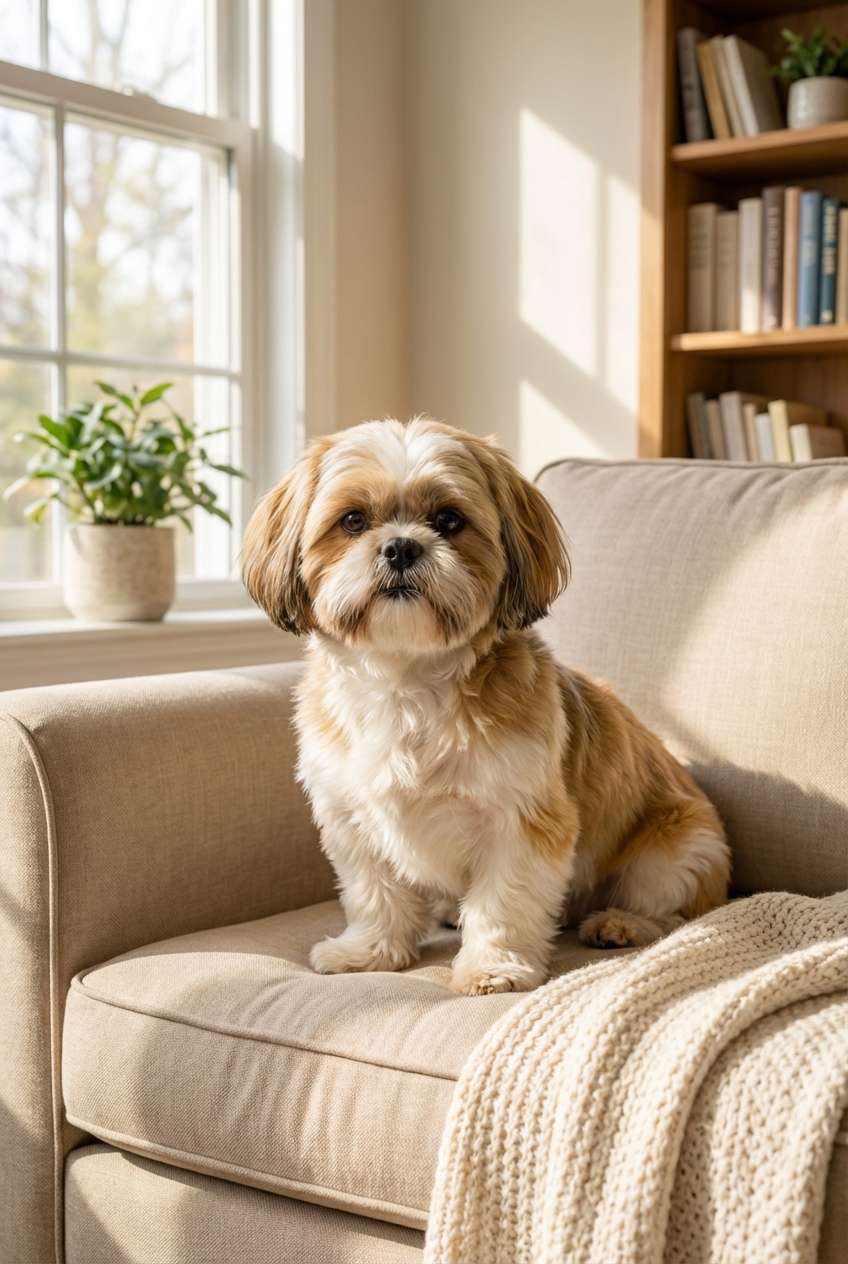
The Malshi is a Maltese Shih Tzu mix known for a sweet, people-focused personality and a small size that fits beautifully into apartment life. In my experience as a veterinary assistant, families love Malshis because they are affectionate, adaptable, and typically happy to be wherever you are. That said, their small-breed bodies and, in some dogs, shorter muzzles (brachycephalic traits) can come with a few predictable health needs, especially around knees, teeth, and heat tolerance.
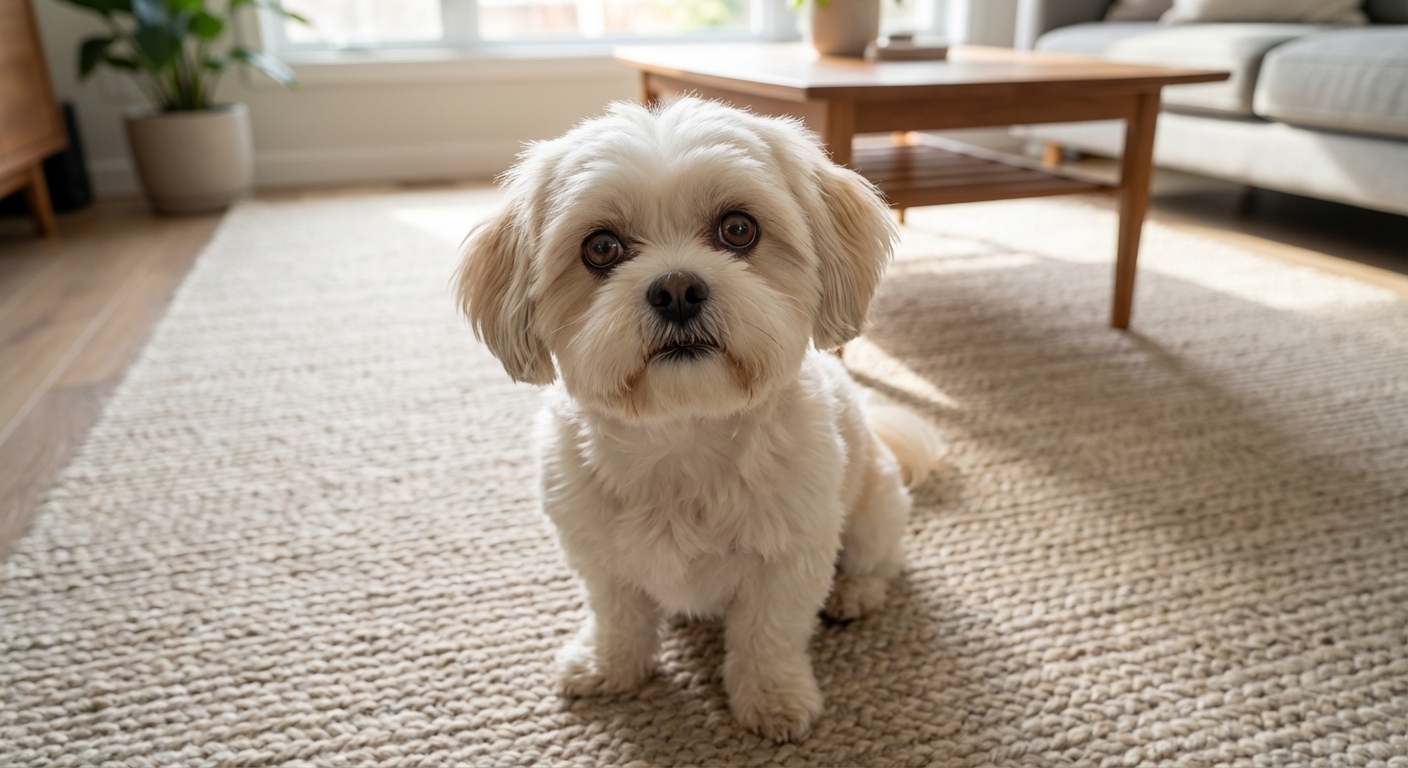
Malshi personality and temperament
Most Malshis land in the sweet spot between the Maltese and the Shih Tzu. They tend to be friendly, gentle, and very bonded to their humans. Many are playful without being overly intense, which is one reason they do so well with seniors and quieter households.
What you can usually expect
- Affectionate and loyal: A Malshi often chooses a “favorite person” but still enjoys the whole family.
- Alert and a little chatty: Some will bark when they hear hallway noise or the doorbell, especially in apartments.
- Smart, sometimes stubborn: Positive reinforcement and short training sessions work best.
- May dislike being alone too long: Separation anxiety can happen in this mix.
If you want a Malshi that is calmer and more confident, prioritize early socialization. Gentle exposure to grooming tools, nail trims, car rides, elevators, and friendly visitors pays off for life.
Adult size and weight
Because Malshis are a mixed breed, adult size can vary quite a bit based on parent size and breeding lines. Most stay firmly in the small-dog category and are easy to carry, travel with, and manage in smaller homes.
- Height: commonly about 8 to 12 inches at the shoulder
- Weight: often about 6 to 15 pounds, with some individuals outside that range
A Malshi’s adult weight depends on genetics, portion sizes, exercise, and whether treats are “little extras” or a daily habit. For tiny dogs, even a couple of extra pounds can stress the knees and back, so regular weigh-ins matter.
Coat type and grooming needs
Malshis often inherit a soft, fluffy coat that can be straight, wavy, or curly-leaning. They may shed less than many breeds, but “low shedding” does not mean “low maintenance.” Their coats can mat quickly, especially behind the ears, under the collar, and in the armpits.
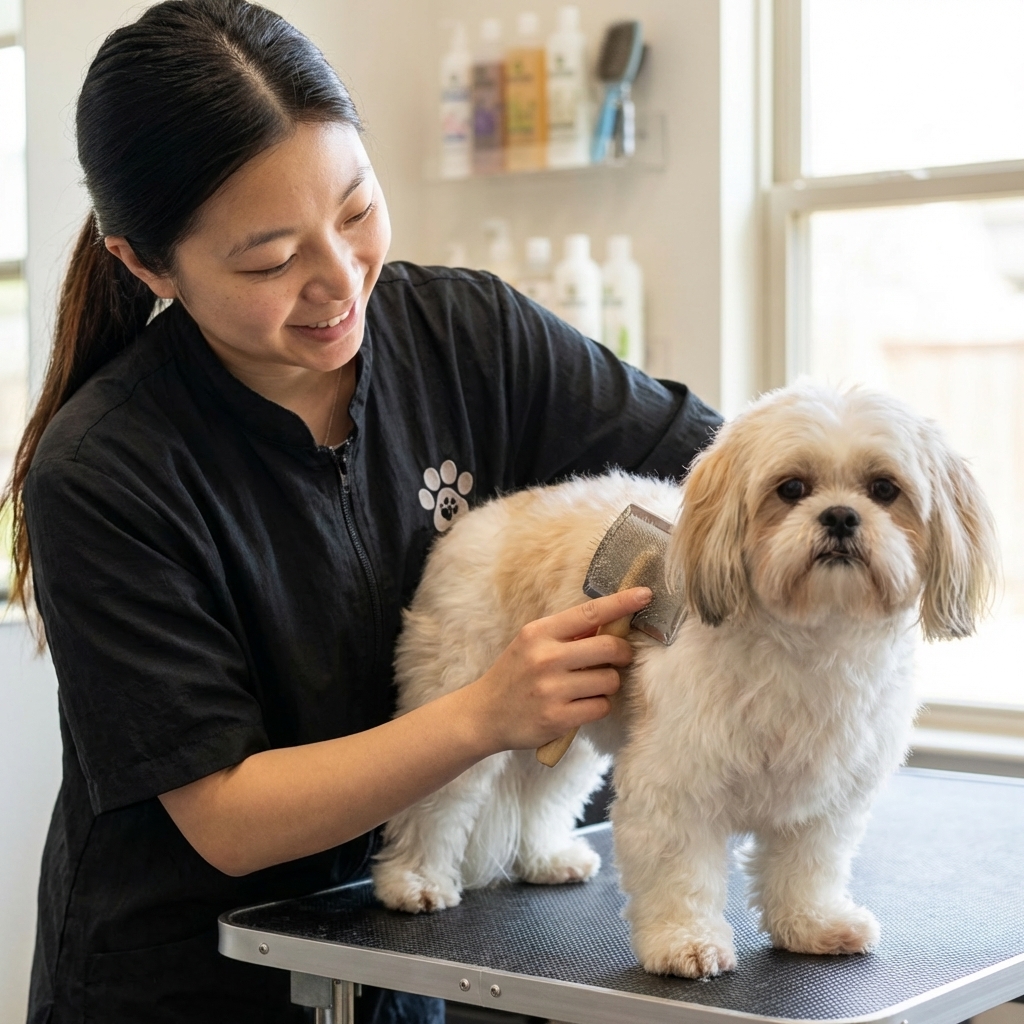
Simple coat care routine
- Brush: ideally 4 to 6 days per week (daily if the coat is kept longer)
- Bath: about every 3 to 4 weeks, using a dog-specific shampoo
- Haircuts: usually every 6 to 8 weeks, depending on length
- Eye area: wipe gently to help manage tear staining
- Ears: check weekly for odor, redness, or excess wax
If you want the easiest maintenance, ask your groomer for a shorter “puppy cut,” and keep the face trimmed so food and tears do not cling to the hair.
Lifespan and long-term outlook
Malshis commonly live about 12 to 15 years, and many reach their mid-teens with good dental care, a healthy weight, and routine veterinary visits. Like most small breeds, they can be long-lived, but they thrive best with consistent preventive care.
Common health issues in Malshis
Mixed breeds can inherit conditions from either parent line. With Malshis, the most common concerns I see families managing are luxating patella (kneecap issues), dental disease, and airway sensitivity in dogs that inherit a shorter muzzle.
Quick note: This guide is not a substitute for veterinary care. If something feels “off,” your veterinarian can help you sort out what is normal for your dog and what needs treatment.
Luxating patella (kneecap slipping)
Luxating patella is common in small breeds, including Maltese and Shih Tzus. It happens when the kneecap does not track smoothly and can pop in and out of place.
- Signs to watch: skipping on a back leg, sudden limping that resolves, reluctance to jump, stiffness after rest
- What helps: keeping your Malshi lean, controlled exercise, joint-supportive veterinary guidance, and sometimes surgery for more severe cases
- Home tip: use pet steps or a ramp for the couch or bed to reduce repeated impact
Dental problems (very common)
Small dogs are prone to plaque, tartar, gum disease, and tooth loss. Malshis often have crowded teeth, which creates perfect hiding spots for bacteria. Dental disease is not just “bad breath.” It can contribute to chronic pain and has been associated with effects on organs over time, so it is worth taking seriously.
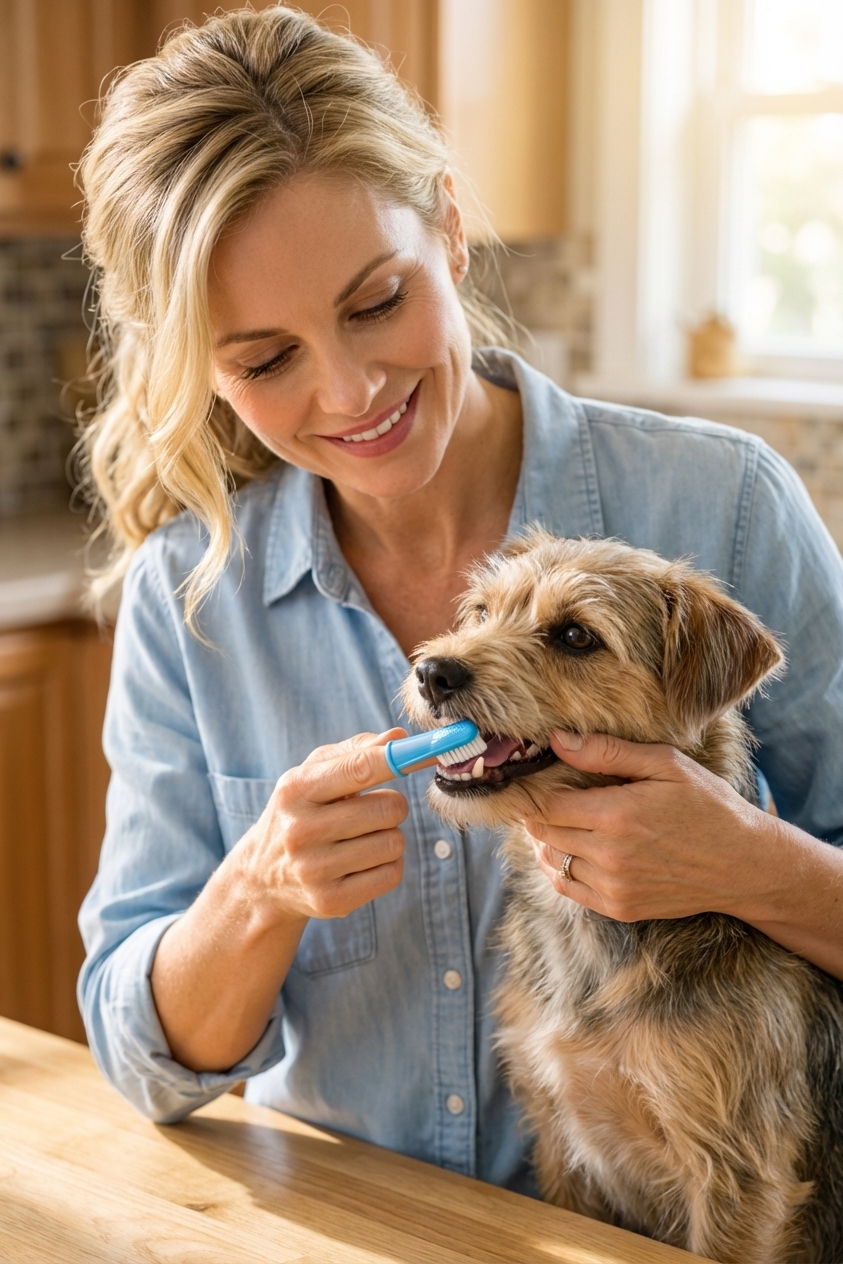
- Signs to watch: bad breath, red gums, pawing at the mouth, dropping food, chewing on one side
- Best prevention: daily tooth brushing with pet toothpaste
- Also helpful: VOHC-accepted dental chews (ask your veterinarian), routine professional cleanings as recommended
Respiratory and airway sensitivity
Shih Tzus are brachycephalic (flat-faced), but Malshis vary. If your Malshi inherits a shorter muzzle or narrower nostrils, they may be more sensitive to heat, excitement, and vigorous exercise. Some also experience snoring or noisy breathing. The risk is very individual, so your dog’s anatomy matters more than the label.
- Signs to watch: heavy panting, gagging, coughing, exercise intolerance, noisy breathing, bluish gums (emergency)
- What helps: avoid overheating, choose a harness instead of a neck collar, keep exercise moderate in hot weather
- Vet check: talk to your veterinarian if you notice frequent gagging or breathing noise, especially during activity
Other issues you may see
- Eye concerns: irritation, dry eye, or corneal injury can happen in small dogs with prominent eyes
- Allergies and skin sensitivity: licking paws, ear infections, itchy skin
- Weight gain: extra weight increases knee strain and can worsen breathing
Exercise and enrichment
Most Malshis do best with about 20 to 40 minutes of activity a day, split into easy sessions. Think of that as a typical starting point. Puppies, seniors, and dogs with knee or airway issues may need a different plan.
Good options for Malshis
- Two short walks plus a few minutes of indoor play
- Snuffle mats, food puzzles, and simple scent games
- Basic obedience and trick training in 3 to 5 minute “mini lessons”
If your Malshi gets winded easily or seems sore after activity, ask your veterinarian about the safest exercise plan. The goal is consistency, not intensity.
Training and alone-time skills
Malshis are bright and eager, but small breeds can be a little tougher to housetrain. The trick is consistency, not “more discipline.”
- Housetraining: set a schedule (first thing in the morning, after meals, after play, before bed), reward immediately, and consider a crate or pen to prevent sneaky accidents.
- Barking: teach a simple “quiet” cue, and manage triggers like hallway noise with white noise, a fan, or a cozy room away from the front door.
- Separation anxiety prevention: practice short departures, build up gradually, and leave a food puzzle or safe chew so alone time predicts something good.
Feeding basics
Because Malshis are small, portions matter. A little overfeeding adds up quickly and can aggravate knee and breathing issues.
- How much to feed: many Malshis do well on roughly 1/2 to 1 cup of small-breed food per day, split into 2 meals, but needs vary by age, activity, and the calorie density of the diet.
- Treat budget: aim to keep treats to 10 percent or less of daily calories.
- What to choose: a complete and balanced small-breed diet, and ask your veterinarian if a dental-focused option or VOHC products make sense for your dog.
If you are unsure about portions, your vet team can calculate a daily calorie target and help you pick a realistic feeding plan.
Apartment living and seniors
Malshis are typically an excellent apartment dog. Their small size, moderate exercise needs, and people-oriented temperament make them a strong match for condos, townhomes, and quieter neighborhoods.
Why Malshis can be great for seniors
- Manageable size: easier on the leash and simpler to lift if needed
- Companion-focused: many Malshis truly love lap time
- Moderate energy: usually content with daily walks and indoor play
One more practical note: because they are so small, Malshis can be fragile around very young kids. Supervision helps prevent accidental falls, rough handling, or stepped-on paws.
Everyday health tips
- Keep them lean: it is one of the best ways to protect knees and breathing.
- Brush teeth daily: start slow, reward often, and make it routine.
- Use a harness: it reduces pressure on the neck and airway.
- Prioritize preventive vet care: annual or twice-yearly exams, parasite prevention, and vaccines based on lifestyle.
- Groom proactively: mats can be painful and can hide skin infections.
- Watch for heat stress: short-nosed dogs can overheat quickly in hot or humid weather.
My favorite mindset for small dogs like the Malshi is: prevent the predictable. A little daily tooth care, weight management, and smart grooming can save a lot of discomfort later.
Finding a Malshi
If you are looking for a Malshi puppy, do a little homework on the front end. A reputable breeder or a breed-savvy rescue can help you avoid some of the most common inherited and early-life issues.
- Breeder basics: ask about health screening in the parent dogs, especially patellas, eyes, and cardiac health. Also ask what their dogs tend to weigh as adults.
- Rescue option: adopting an adult Malshi can make size, coat type, and temperament easier to predict.
- First vet visit: plan an early exam to discuss dental care, knee tracking, vaccination schedule, and parasite prevention.
Is a Malshi right for you?
If you want a loving companion who fits apartment life and enjoys being close to their people, the Malshi is a wonderful choice. They are typically gentle, fun, and adaptable. Just go in with your eyes open about grooming, dental care, and small-breed joint risks, and you will be set up for many happy years together.