A practical daily routine for Maine Coon cats—nutrition, hydration, grooming to prevent mats, litter box tips, play for joints, dental care, and health red...
Article
•
Designer Mixes
Male Maine Coon Names and Health Guide

Shari Shidate
Designer Mixes contributor
As a veterinary assistant here in Frisco, Texas, I get asked a surprisingly common question: “Do names matter?” For male Maine Coons, the answer is yes in a practical way. A name that is easy to say, easy for your cat to recognize, and easy for your vet team to document can actually make day-to-day care smoother.
This guide pairs vet-team friendly male Maine Coon name ideas with the health and handling tips I want every Maine Coon family to know, especially in that first year.

What makes a name “clinic-friendly”
“Clinic-friendly” is not about superstition or an official medical endorsement. It is about what consistently works well in real clinics and real homes.
- Two syllables (or a crisp one syllable) often feel easiest for daily use and recall for many families. Think “Milo,” “Atlas,” “Leo,” “Gus.”
- Clear consonants can be easier to hear across a busy house. This is a practical, clinic-based tip more than a hard rule.
- Avoid names that sound like cues you plan to use, like “Kit” if you say “sit,” or “Noah” if you use “no” frequently.
- Easy to say when you are stressed, like during an emergency or when calling for a carrier.
- Not easily confused with other pets in the home, like “Theo” and “Leo” together.
One more practical tip: if your cat will ever go to daycare, grooming, or boarding, pick a name that staff can pronounce quickly and consistently.
Male Maine Coon name list (with personality cues)
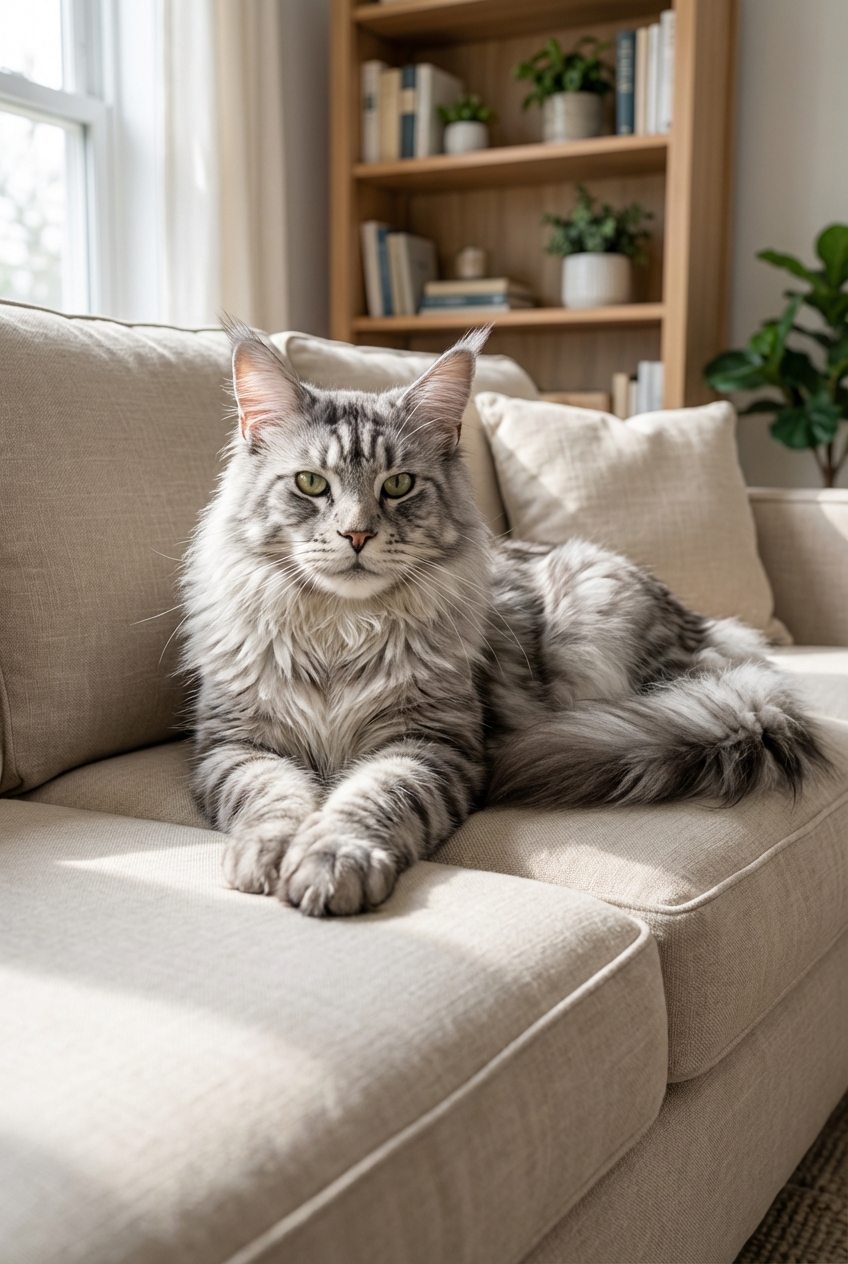
Maine Coons tend to be social, intelligent, and big. Many also keep a “kitten vibe” longer than other breeds, which makes playful names fit beautifully.
Classic, strong names
- Atlas
- Bear
- Bruno
- Duke
- Finn
- Hank
- Jasper
- Max
- Oscar
- Ranger
Gentle giant names (sweet but sturdy)
- Gus
- Henry
- Luca
- Milo
- Oliver
- Remy
- Teddy
- Winston
Nature and “Maine” inspired
- Aspen
- Cedar
- Moose
- Orion
- River
- Storm
- Summit
Norse and myth inspired (popular for Maine Coons)
- Loki
- Odin
- Thor
- Tyr
- Zeus
Small safety note: Names like “Thor” and “Loki” are extremely common in clinics. That is not a dealbreaker, but if you want fewer mix-ups, consider variations like “Tory,” “Loki Bear,” or “Odin Blue.”
The health guide part: what every male Maine Coon owner should know
Maine Coons are a wonderful breed, but they are also known for a few health risks that are worth planning for. The goal is not to worry. The goal is to be prepared, catch issues early, and support a long, comfortable life.
1) Heart health: hypertrophic cardiomyopathy (HCM)
HCM is a heart muscle disease that can occur in many cats, including Maine Coons. Some cats have no obvious symptoms until the condition is advanced, which is why screening matters.
- Ask your breeder about HCM screening in the parents and lines.
- Talk to your veterinarian about a baseline heart exam. Your vet may recommend an echocardiogram based on history or exam findings.
- Do not ignore breathing changes, sudden weakness, or open-mouth breathing. Those are urgent signs in cats.
2) Joint support: hips, knees, and big body mechanics
Male Maine Coons can be heavy, and extra weight adds strain to joints. While many Maine Coons do great for years, issues like arthritis and even hip dysplasia can occur, so prevention is worth it.
- Keep him lean. You should be able to feel ribs with a light touch.
- Choose joint-friendly setups like wide, stable scratching posts and easy-to-enter litter boxes. Ramps and steps can be helpful later if your cat becomes stiff, but not every Maine Coon will need them.
- Encourage daily play in short sessions. Two to three five-minute bursts can be more realistic than one long workout.
3) Urinary health in male cats: why this is a big deal
Male cats are at higher risk of urinary obstruction because their urethra is longer and narrower than a female cat’s. Any male cat can obstruct, and a blockage is a true emergency.
- Know the red flags: frequent trips to the box, straining, crying, blood, licking the penis, or producing little to no urine.
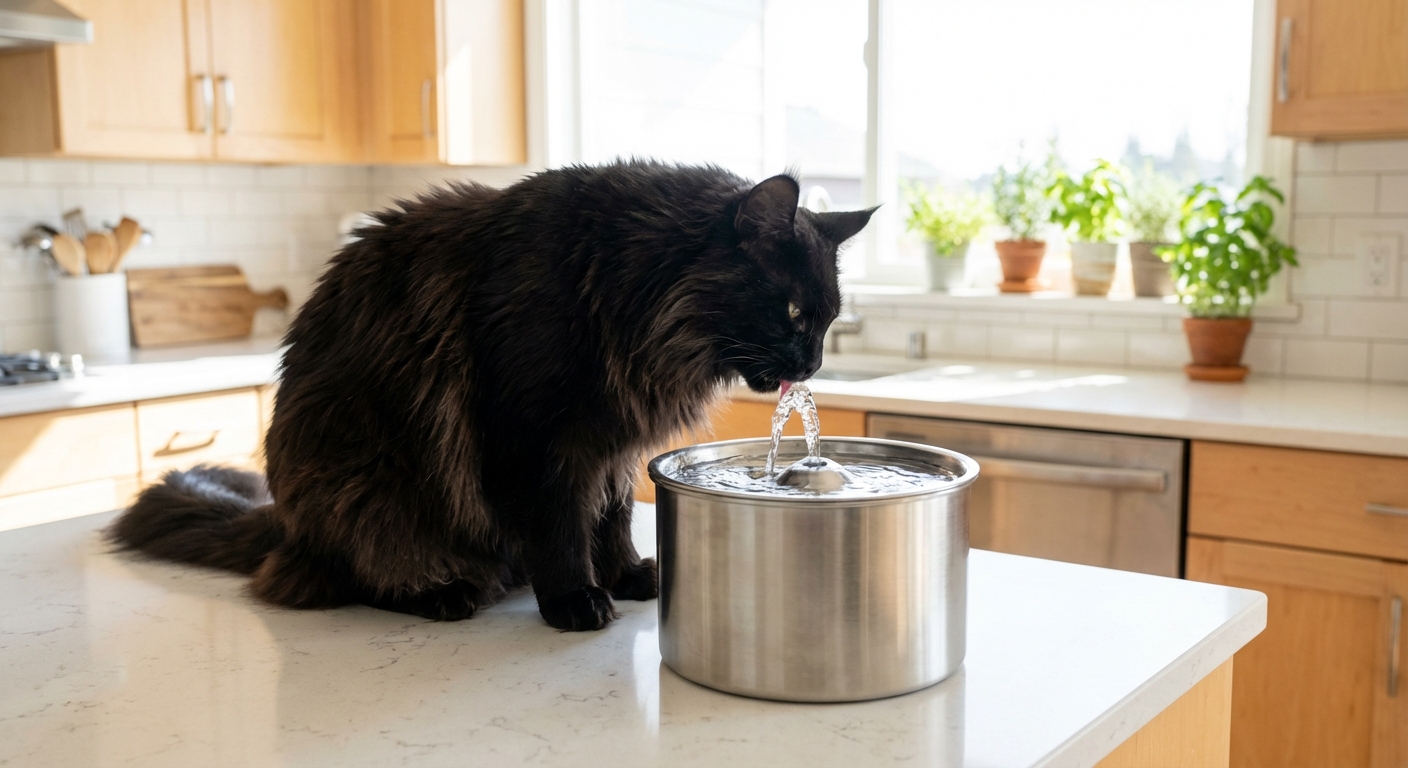
- Boost hydration: a water fountain, multiple bowls, and adding wet food can help many cats.
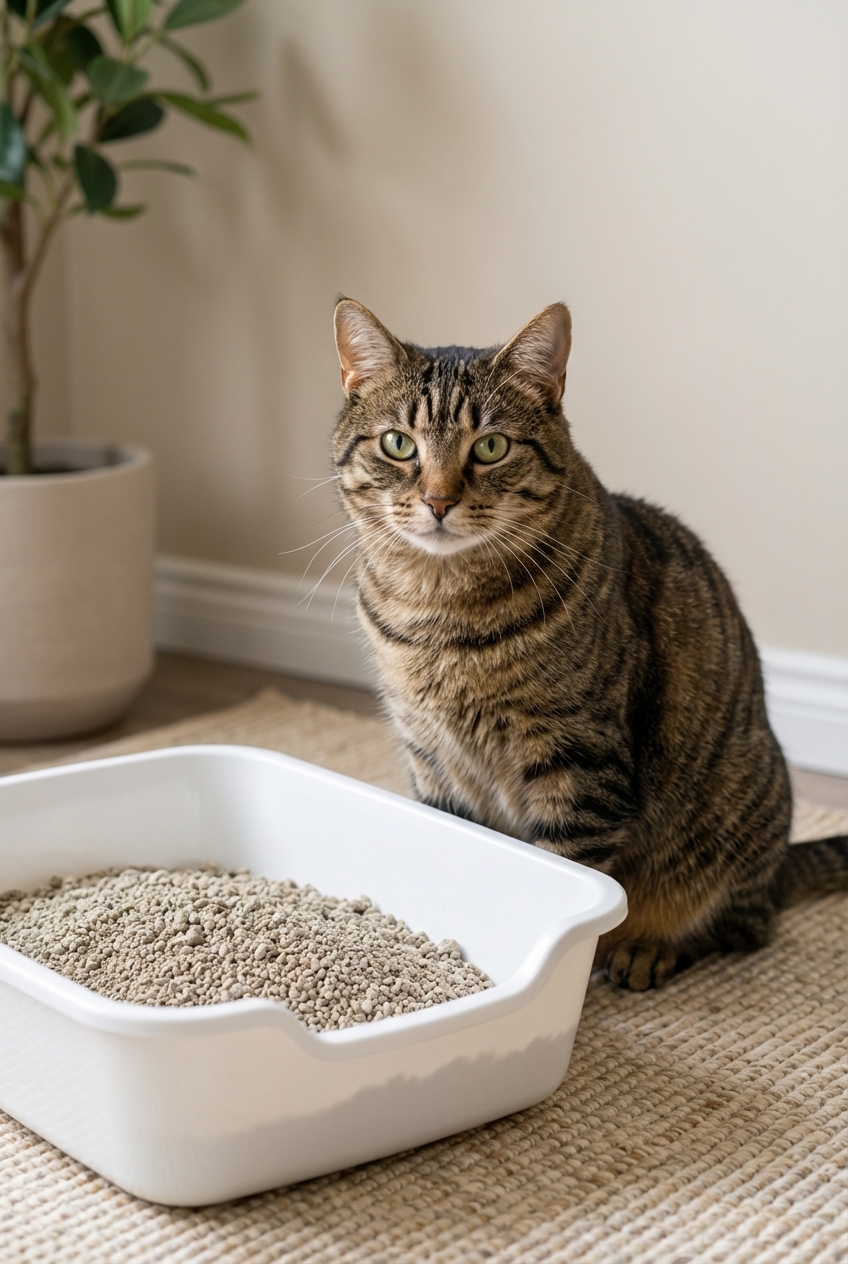
- Reduce stress and support good box habits: keep litter boxes clean and easy to access. When cats avoid using the box (for cleanliness, location, or stress reasons), it can contribute to urinary discomfort and inappropriate urination.
If your cat is trying to urinate and nothing is coming out, do not wait overnight. Call an emergency clinic.
4) Dental health: start early, go gently
Dental disease is one of the most common issues we see across all cat breeds. Maine Coons are no exception.
- Introduce tooth brushing slowly, starting with finger rubs and cat-safe toothpaste.
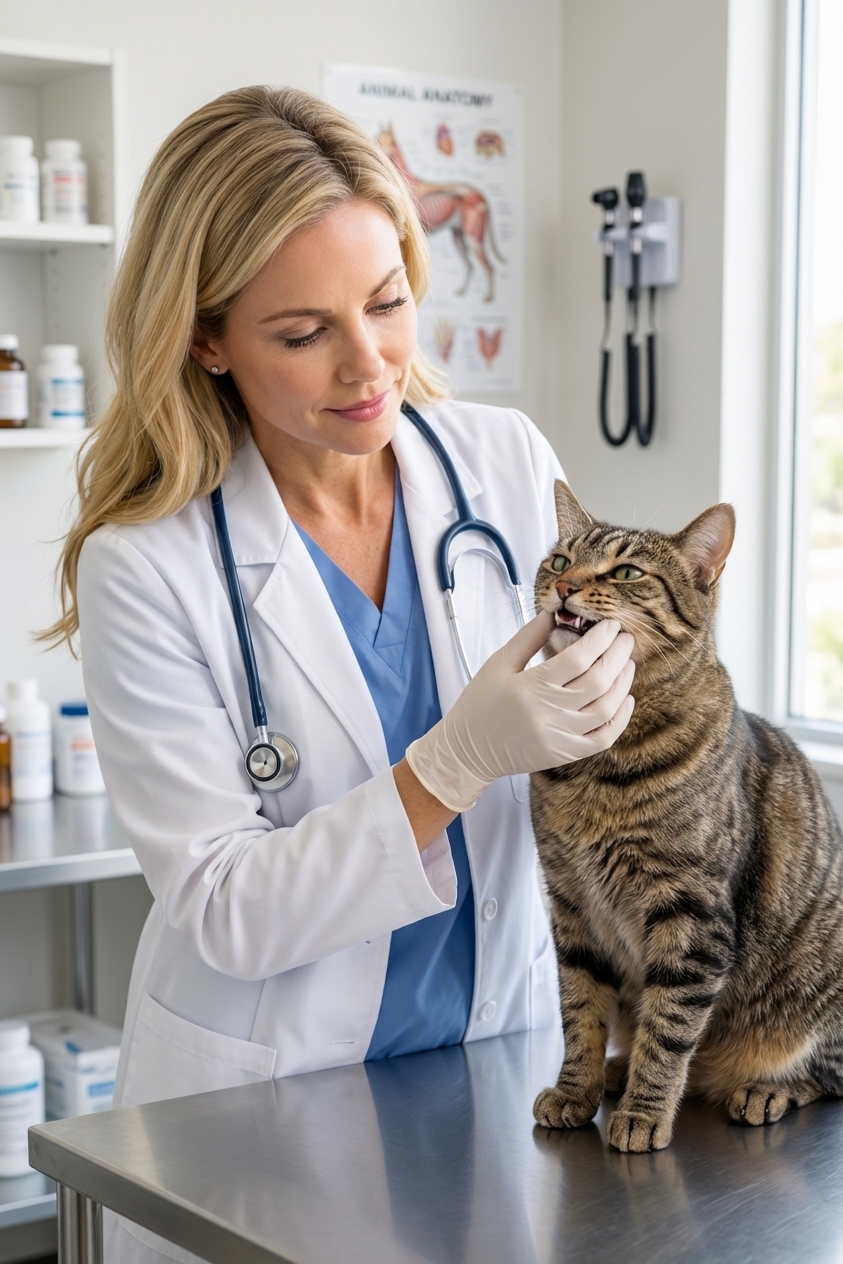
- Schedule regular dental checks. Your vet can tell you if and when a professional cleaning is needed.
- Watch for subtle signs like dropping food, chewing on one side, bad breath, or pawing at the mouth.
5) Coat and hairballs: start grooming routines early
Maine Coons have gorgeous coats, and that coat needs a little planning. In clinic, we see a lot of first-year matting that could have been prevented with gentle consistency.
- Brush a little, often. Start with short sessions a few times a week and build from there.
- Check friction zones like behind the ears, the “armpits,” belly, and the back legs where mats like to form.
- Hairball support is usually about hydration, regular grooming, and the right diet for your individual cat. If you notice frequent vomiting or constipation, talk with your vet.
First-year handling tips (vet-visit friendly)
This is the part that makes future appointments easier. A little practice when he is young can reduce stress for both of you later.
Carrier training (the easiest win)
- Keep the carrier out like normal furniture, not just a “vet day box.”
- Feed treats or meals near it, then inside it, at your cat’s pace.
- Do short “practice closes” for a few seconds, then reward and let him walk out calmly.
Paw, ear, and mouth practice
- Touch paws briefly, then reward. Build up to gentle nail pressure (not clipping yet).
- Lift lips for one second, reward, and stop. That is enough at first.
- Handle ears gently. It helps with future exams and medication if needed.
Nail trims without the drama
- Start with “one nail at a time”. You do not have to do all paws in one sitting.
- Use high-value rewards and stop before anyone gets frustrated.
- Ask your vet team to demonstrate if you are unsure. We would rather teach than fix a quick-cut later.
How to choose the perfect name using a simple clinic test
If you are stuck between a few names, try this at home for a day or two.
- Say each name 10 times in a calm voice. The one that feels easiest will be the one you actually use.
- Pair the name with good things: a treat, a toy, gentle petting. This builds a positive response.
- Check how it sounds across the house. Some names blur when you call them from another room.
My favorite approach is a “formal” name plus a nickname. Example: Winston becomes “Winnie” for everyday cuddles.
New male Maine Coon checklist (first vet visit friendly)
Bring this list to your first appointment. It helps your vet team tailor advice to your cat instead of giving generic guidance.
- Diet details: brand, wet vs dry, how much per day, any treats.
- Litter box habits: how often he urinates, stool consistency, any straining.
- Breeder or rescue paperwork, including vaccine and deworming history.
- Parasite prevention plan: fleas, ticks (if applicable), and heartworm prevention discussion based on your home and region.
- Microchip plan and indoor safety plan (windows, balconies, doors).
- Vaccination goals based on indoor vs indoor-outdoor risk and household exposure.
- Neuter timing discussion and post-op care questions.
And yes, tell us his name and any nicknames. It genuinely helps reduce charting errors and helps your cat feel comfortable when we greet him.
Frequently asked questions
Do cats really learn their names?
Many do. Research suggests cats can distinguish familiar words, especially when the word is consistently paired with attention, food, or play.
Should I avoid “scary” names like Beast or Monster?
Not medically, but think about your daily life. You will say this name at the groomer, boarding facility, and vet clinic. If you want a softer vibe in stressful moments, choose a name that feels comforting to you.
Is it okay to rename an adult Maine Coon?
Yes. Keep it positive, be consistent, and give it time. Many cats adjust well, especially if the name is paired with rewards.