A practical, vet-informed guide to nighttime cat meowing: common causes, medical red flags to rule out, and step-by-step fixes with feeding, play, routine, a...
Article
•
Designer Mixes
Make Your Cat Stop Meowing at Night

Shari Shidate
Designer Mixes contributor
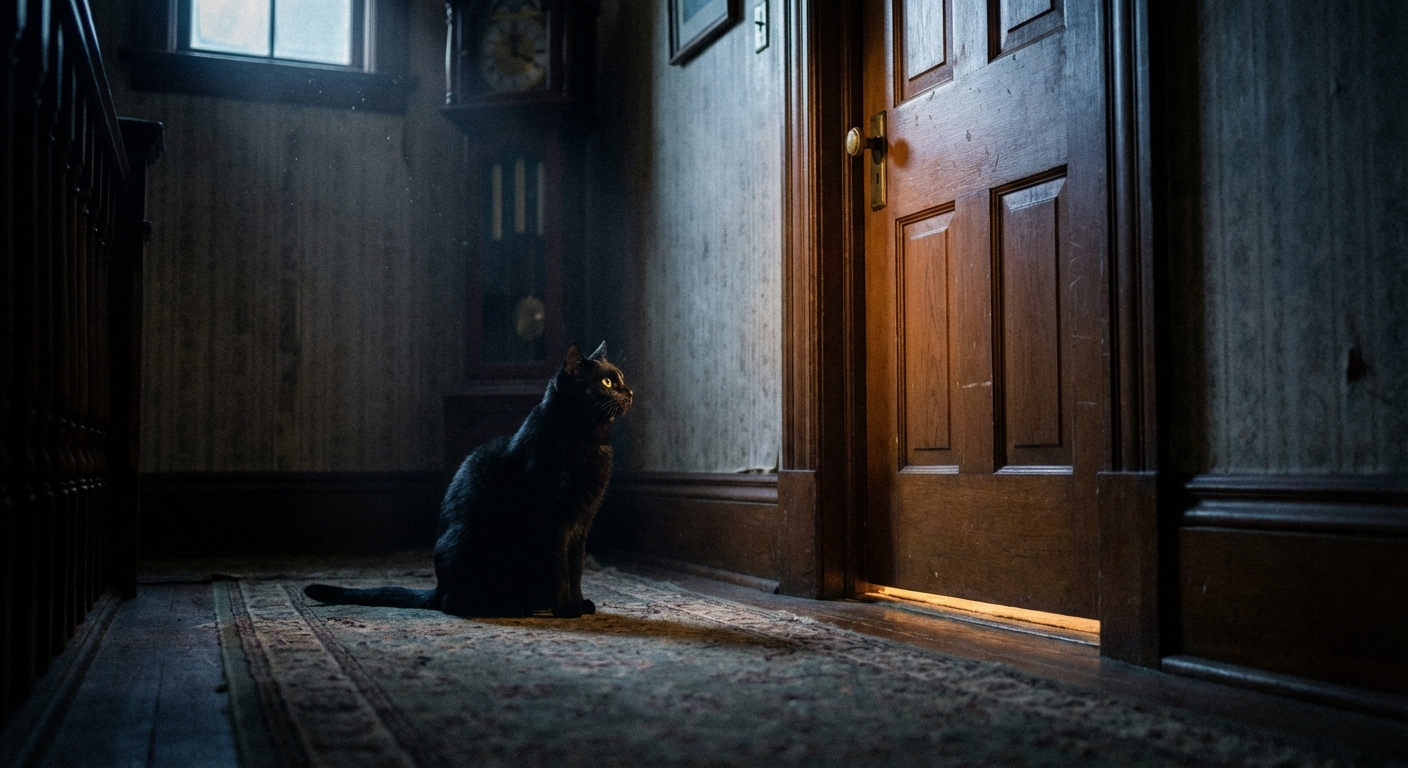
If your cat turns into a tiny opera singer at 2 a.m., you are not alone. Nighttime meowing is a common behavior complaint I hear, and the good news is that it is often fixable once you identify why it is happening.
In this guide, I will walk you through the most common causes, what to try tonight, and how to build a simple routine that helps your cat sleep when you sleep.
Why cats meow at night
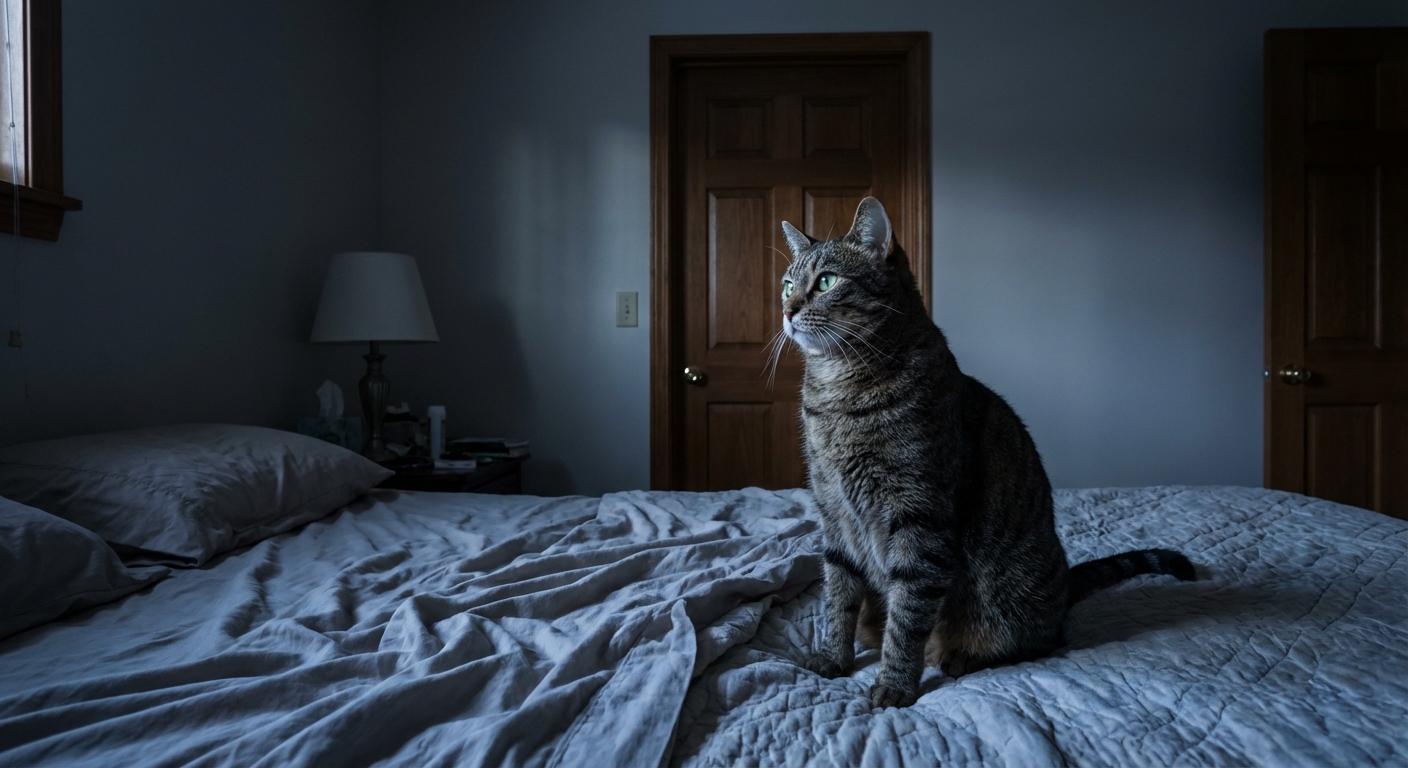
Cats are often most active around dawn and dusk. Add indoor living, naps all day, and a very smart brain that learns patterns fast, and you can end up with a cat who has plenty of energy and a strong opinion about when you should be awake. Many cats also adapt to their household schedule, which is why consistency makes such a big difference.
Night meowing typically falls into one or more of these categories.
1) They learned it works
If meowing leads to food, play, petting, or you getting up even once in a while, your cat learns that nighttime is a good time to try again. Intermittent rewards are powerful, which means the behavior can actually get louder before it gets better.
2) Hunger, boredom, or a flipped schedule
Many cats nap on and off all day. If they do not have enough play, enrichment, or a satisfying evening meal, they may be genuinely awake, under-stimulated, and looking for you.
3) Stress, change, or territory issues
Moves, new pets, neighborhood cats outside the window, construction noise, or even a litter box relocation can increase nighttime vocalizing. Cats often express stress at night because the house is quiet and they are more alert.
4) Medical causes
Always keep health on the table, especially if the meowing is new, sudden, intense, or paired with other changes like appetite, thirst, weight, vomiting, litter box habits, or grooming.
Also note the sound. Short “meows” are often attention seeking or routine related. Loud yowling or howling, especially in a senior cat, raises my concern for discomfort, confusion, or sensory changes.
- Pain (dental disease, arthritis, urinary discomfort) can worsen at night when a cat is trying to rest.
- Hyperthyroidism can cause restlessness, hunger, weight loss, and increased vocalizing, especially in older cats.
- High blood pressure and other systemic issues can contribute to agitation.
- Cognitive dysfunction (age-related confusion) can lead to pacing and yowling at night in senior cats.
- Hearing or vision loss can make a cat feel disoriented in the dark.
If your cat is older than about 10, a vet visit is a smart first step. Depending on your cat’s history and exam, your veterinarian may recommend baseline testing like a CBC and chemistry panel, thyroid testing, a urinalysis, and a blood pressure check.

What to do tonight
You can start improving sleep within a few nights by focusing on two things: meeting needs before bed and removing rewards during the meowing.
Simple evening routine
- Play for 10 to 15 minutes using a wand toy, tossing a soft toy, or encouraging short sprints. Aim for a few rounds until your cat is pleasantly tired.
- Feed a meal right after play. This mimics the natural hunt then eat cycle, which often leads to grooming and sleep.
- Calm wind-down: dim lights, lower noise, and avoid exciting play right at bedtime.
Make your room boring
If your cat meows outside your door and you respond with talking, scolding, or opening the door, your cat still got what they wanted: your attention. The goal is to remove the payoff.
- Do not engage when the meowing starts. No talking through the door, no “shhh,” no negotiating.
- Use white noise to reduce reinforcement from hearing each meow clearly.
- Use earplugs temporarily if you can do so safely.
Expect an extinction burst, which is a brief period where the meowing gets louder or more persistent because your cat is testing the old strategy. If you hold steady, it often fades, but it can persist if hunger, anxiety, or medical issues are still in the mix. If you are not seeing improvement after a consistent week or two, reassess the underlying cause.
Try an automatic feeder
If your cat is waking you for food, an automatic feeder can be a game-changer because it removes you from the reward loop. It is most helpful for food-driven cats, but it will not fix anxiety or pain on its own.
- Set a small meal for the early morning hour when your cat typically starts vocalizing.
- If needed, gradually shift that feeding time later as your cat adjusts.

Long-term plan
Nighttime meowing usually improves fastest when you combine enrichment, predictable routines, and an environment that lets your cat feel secure.
More enrichment
- Short play sessions 2 to 3 times daily are often more effective than one long session.
- Food puzzles or treat balls help your cat “work” for food in a satisfying way.
- Window perches give safe entertainment, but if outdoor cats are triggering stress, consider closing blinds at night or blocking access to that view.
- Rotate toys weekly so everything feels new again.
Lower stress at night
- Consider pheromone support such as a feline pheromone diffuser in the main area or near sleeping spaces if stress seems to be part of the problem.
- Add a night light for senior cats or cats with suspected vision changes so they can navigate without feeling disoriented.
- Reduce trigger sounds with white noise if outside noise or hallway activity sets your cat off.
Litter box basics
Sometimes nighttime meowing is connected to discomfort or dissatisfaction with the litter box.
- A common rule of thumb is one box per cat plus one extra.
- Scoop at least once daily. For sensitive cats, twice daily is even better.
- Place boxes in quiet, accessible spots. Avoid trapping your cat in a corner where they feel vulnerable.
Create an overnight cat zone
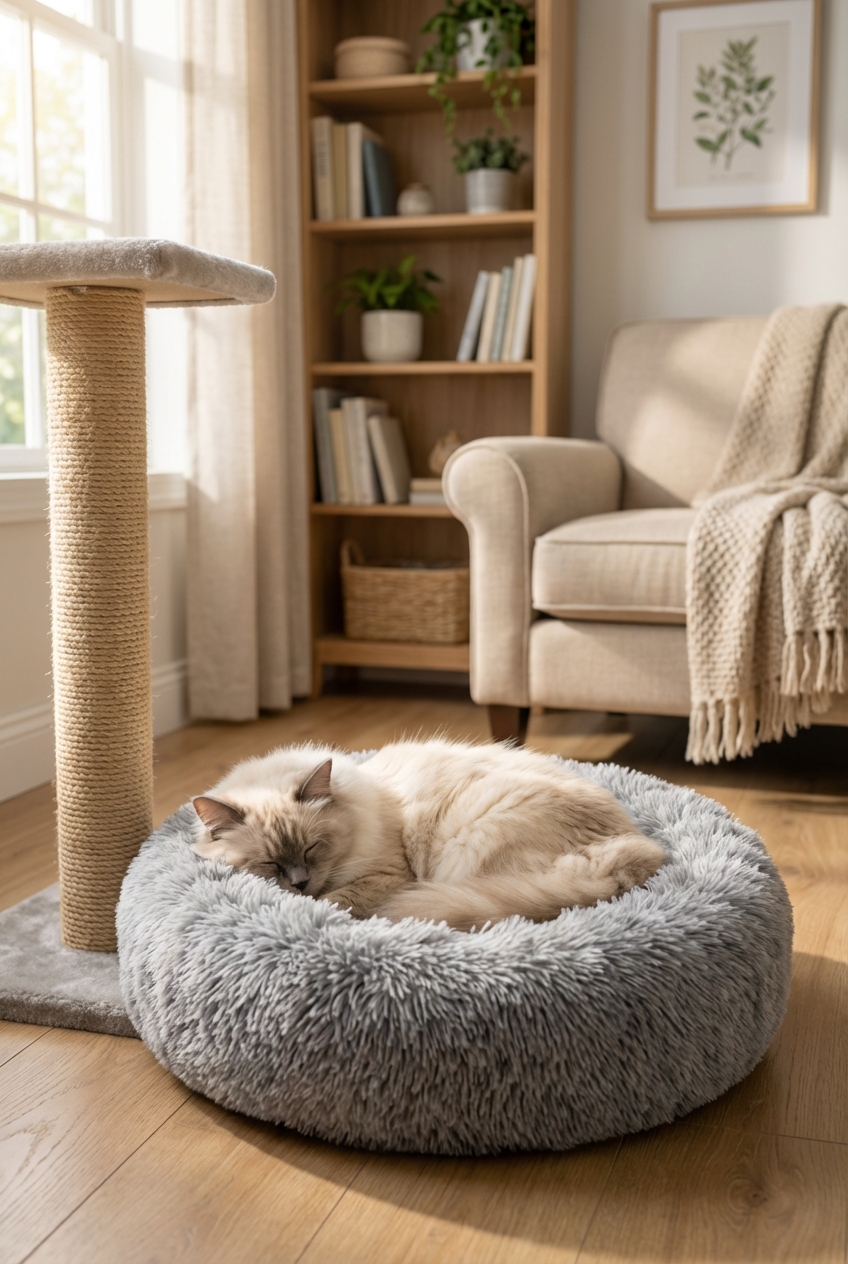
If your cat cannot be in your bedroom without waking you, consider a comfortable overnight area with everything they need. The key is to introduce it gradually so it feels safe, not like a sudden banishment.
- Cozy bed and a safe hiding option
- Water available
- Litter box nearby
- Enrichment such as a puzzle feeder and a couple of quiet toys
Start by making the space rewarding during the day, then do short “practice” periods with the door closed, then build up to overnight.
Avoid rewarding the meow
This is the hardest part, especially when you are tired. But it is also the part that makes the biggest difference.
- Do not feed your cat during or immediately after nighttime meowing.
- Do not play during the meowing.
- Do not punish (spraying water, yelling). Punishment can increase fear and anxiety, which can increase vocalizing and create new behavior problems.
If you must get up, keep it boring: no talking, no eye contact, minimal movement, then back to bed.
If you live in an apartment or have roommates and fully ignoring is not realistic, focus on reducing the triggers and the payoff: use a timed feeder, increase evening play and food, add white noise, and consider temporarily sleeping with the door open while you build a new routine. You can also work on gradual door-closing practice during the day so the closed door stops being a nightly drama.
Special situations
Senior cats that yowl
If your older cat wanders and yowls, think medical first. Ask your veterinarian about checking thyroid levels, blood pressure, kidney values, pain, and vision and hearing. If cognitive dysfunction is suspected, your vet can discuss diet options, environmental support, and medications or supplements when appropriate.
Unspayed or unneutered cats
Heat cycles and mating-related behaviors can cause loud nighttime calling. Spaying or neutering often makes a dramatic difference, and it brings major health benefits too.
Multi-cat homes
Sometimes the meowing is social tension. Look for subtle signs like blocking hallways, staring, chasing, or one cat guarding resources. More litter boxes, more feeding stations, and more vertical space can reduce conflict.
When to call the vet
Please schedule a veterinary visit promptly if you notice any of the following:
- Night meowing starts suddenly in an adult or senior cat
- Changes in appetite, thirst, weight, or energy
- Vomiting, diarrhea, or constipation
- Straining in the litter box, frequent trips, accidents, or blood in urine
- Signs of pain: hiding, aggression, reluctance to jump, sensitivity to touch
- Disorientation, pacing, or “staring into space” behaviors
Go to urgent or emergency care if your cat is crying while trying to urinate, making repeated trips to the litter box with little or no urine, has a swollen or painful belly, or becomes suddenly very weak or lethargic. Urinary blockage and other acute issues can be life-threatening.
Behavior and health are tightly connected. Ruling out medical issues is not overreacting, it is smart and compassionate.
7-day reset plan
If you want something you can follow without overthinking, try this:
Days 1 to 2
- Add a 10 to 15 minute play session in the evening.
- Feed right after play.
- Decide your response plan: no attention for nighttime meowing.
Days 3 to 4
- Add a second short play session earlier in the day.
- Introduce a food puzzle for one meal.
- If hunger is a factor, set up an automatic feeder for early morning.
Days 5 to 7
- Keep the routine consistent.
- Reduce environmental triggers at night (close blinds if outdoor cats are present, add white noise if needed).
- Evaluate: is the meowing shorter, quieter, or happening later? Those are real wins.
Consistency beats perfection. Most cats respond when their needs are met predictably and the nighttime payoff disappears.