A practical daily routine for Maine Coon cats—nutrition, hydration, grooming to prevent mats, litter box tips, play for joints, dental care, and health red...
Article
•
Designer Mixes
Maine Coon Cats: Personality, Size, Lifespan, and Care Guide

Shari Shidate
Designer Mixes contributor
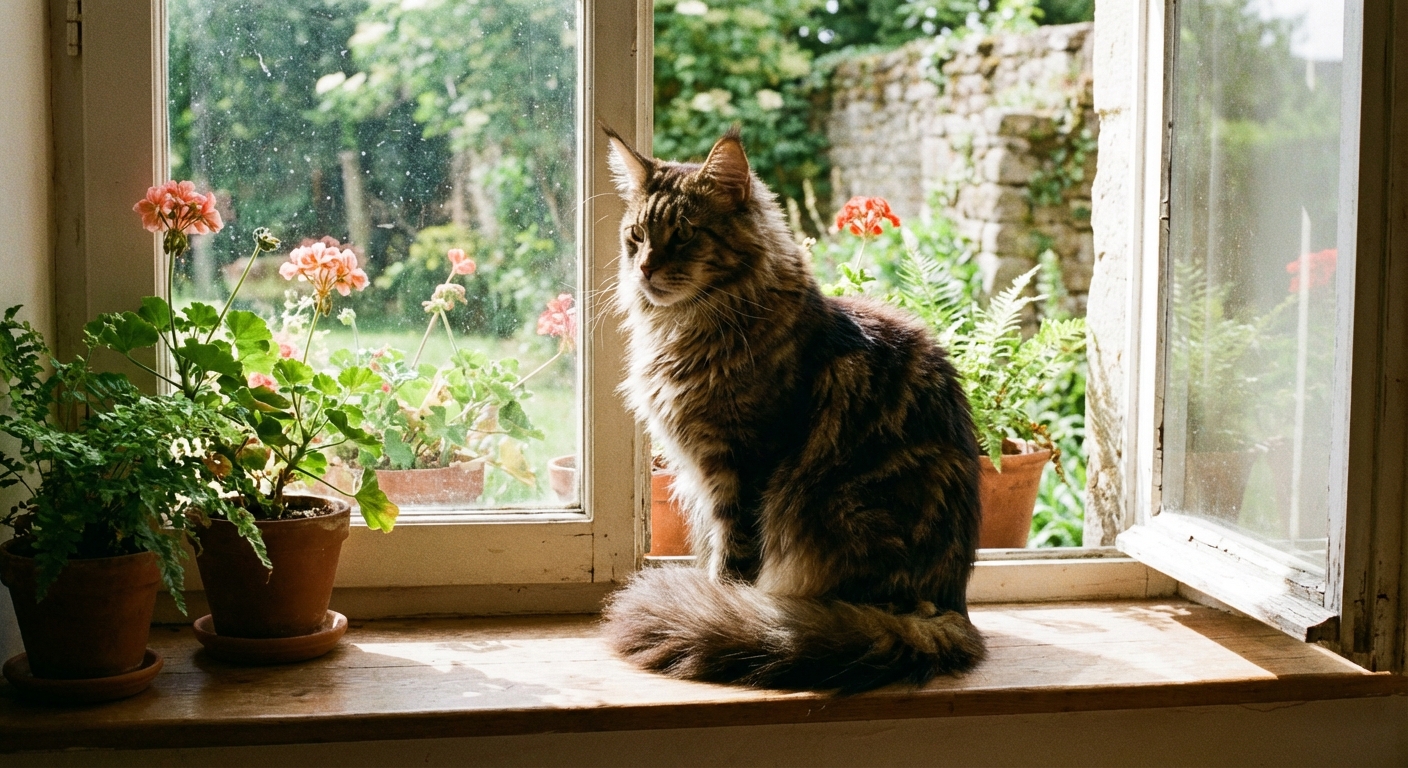
There is a reason Maine Coons are often called “gentle giants.” They combine an impressive, wildcat look with a surprisingly easygoing temperament. If you are considering bringing one home, understanding their personality, adult size, health outlook, and day-to-day care can help you set up the kind of environment where they truly thrive.
Quick overview
- Personality: Social, playful, people-oriented, often more “side-by-side” than “lap cat”
- Size: One of the largest domestic cat breeds, with a long body and heavy bone structure
- Lifespan: Often around 12 to 15 years, sometimes longer with excellent care
- Care needs: Regular grooming, enrichment for an active mind, and proactive health screening
Personality: what Maine Coons are like
Maine Coons tend to be warm, confident, and curious. In health education, I often emphasize how important “fit” is when choosing habits that last. The same applies to pets. Maine Coons do best in homes that enjoy interaction, play, and daily routines.
Common temperament traits
- Affectionate but not clingy: Many will follow you from room to room and “supervise” your activities, but they are not always constant lap sitters.
- Playful into adulthood: They often keep a kitten-like sense of fun for years, especially with interactive toys.
- Communicative: Instead of loud meowing, many Maine Coons chirp or trill to get your attention.
- Generally good with families: With respectful handling and slow introductions, they often do well with kids and cat-friendly dogs.
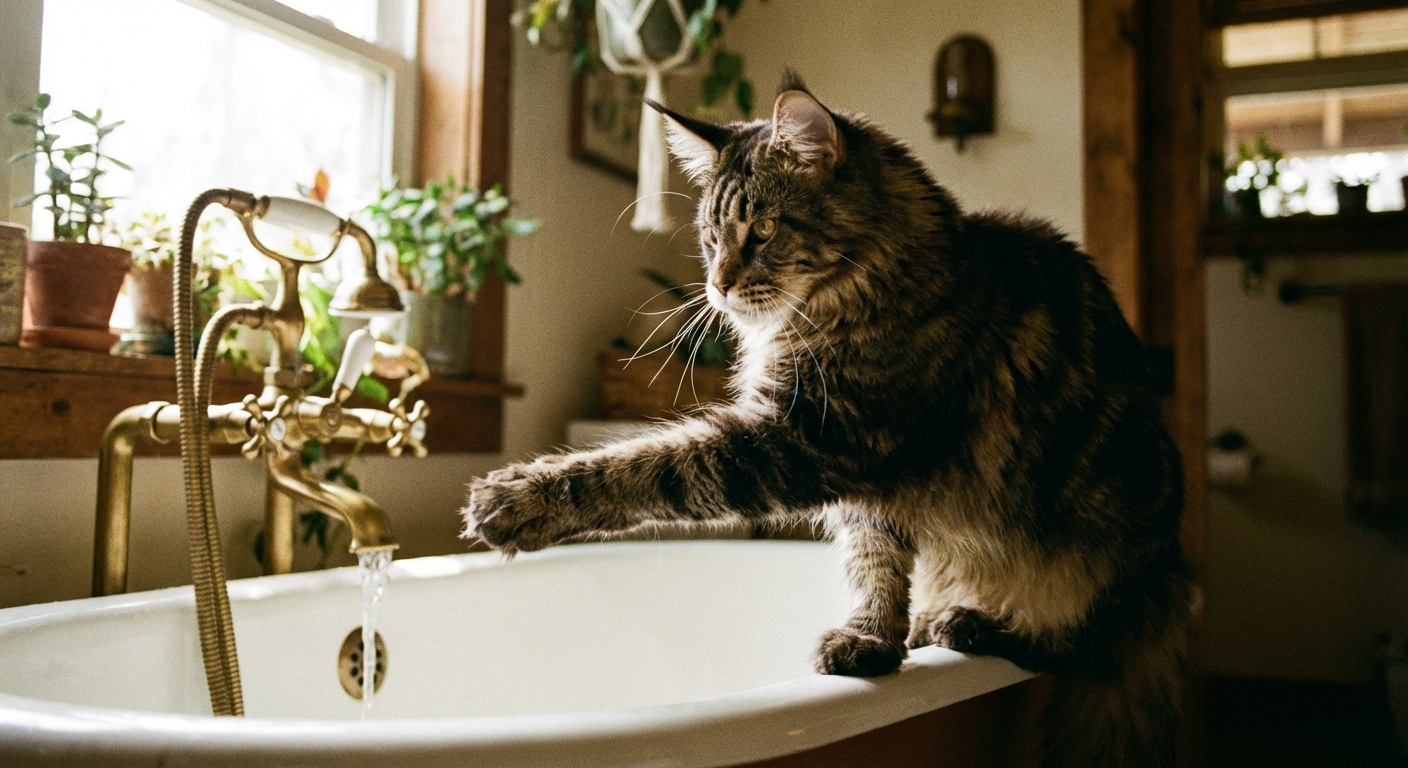
Do Maine Coons like water?
Some do. You may notice curiosity around running faucets or a willingness to paw at water bowls. Not every Maine Coon enjoys water play, but the breed is known for being more tolerant of it than many cats.
Size: how big do Maine Coons get?
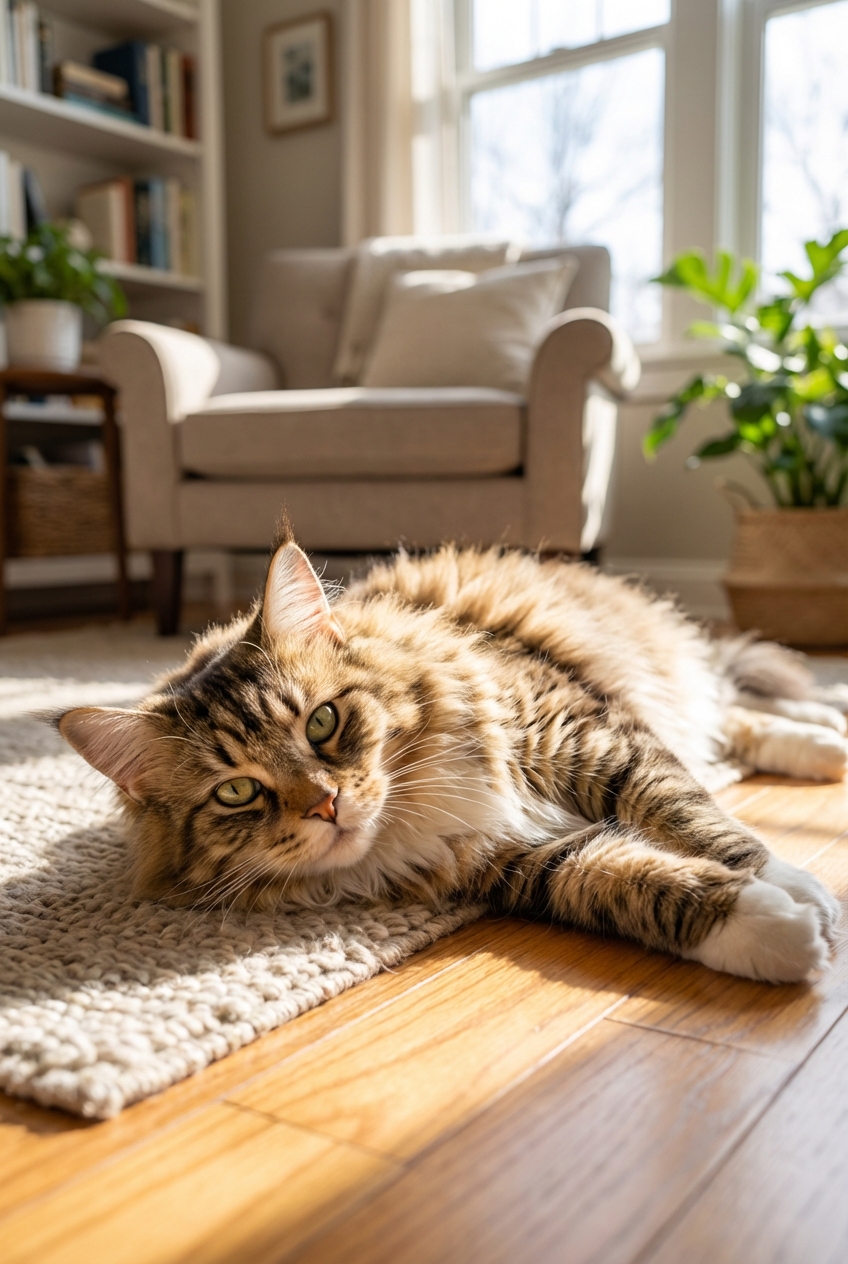
Maine Coons are famous for their size, but “big” can mean a few things: weight, height, and overall length. They typically have a long rectangular body, a broad chest, and a thick, plush tail.
Typical adult size
- Adult weight: Often, males are around 13 to 18 pounds (6 to 8 kg), and females around 8 to 12 pounds (3.5 to 5.5 kg). Healthy weight varies by frame and build, so the goal is condition and comfort, not a specific number.
- Length: Many adults measure roughly 30 to 40 inches (about 76 to 102 cm) from nose to tail, with some individuals outside that range.
- Growth timeline: Maine Coons mature slowly and may continue filling out until about 3 to 5 years of age.
Healthy size matters more than “maximum size.” A Maine Coon should feel solid and muscular with a noticeable waist and a body condition score your veterinarian is happy with. With all that fluff, the scale and the eye test can be misleading.
Fun physical traits
You may also hear about polydactyl Maine Coons, meaning cats born with extra toes. It is a well-known trait in the breed’s history and can give their paws a wide, “mitten” look.
Lifespan: how long do Maine Coons live?
Many Maine Coons live around 12 to 15 years , and some live longer with consistent preventive care. Lifespan is influenced by genetics, weight, dental health, indoor safety, and early detection of breed-associated conditions.
Factors that support a longer, healthier life
- Keeping a healthy weight: Extra weight can strain joints and may worsen heart and metabolic health.
- Regular veterinary care: Annual visits (and often twice-yearly for seniors) help catch issues early.
- Dental care: Dental disease can affect comfort, appetite, and overall inflammation in the body.
- Indoor lifestyle: Indoor cats typically live longer due to lower risk from cars, toxins, parasites, and wildlife.
Care guide: grooming, food, and home setup
Maine Coons are not “high maintenance” in the sense of being fragile, but they do best with steady, practical care. Think of it like building a sustainable wellness routine: simple steps, done consistently, prevent bigger problems later.
Grooming and coat care
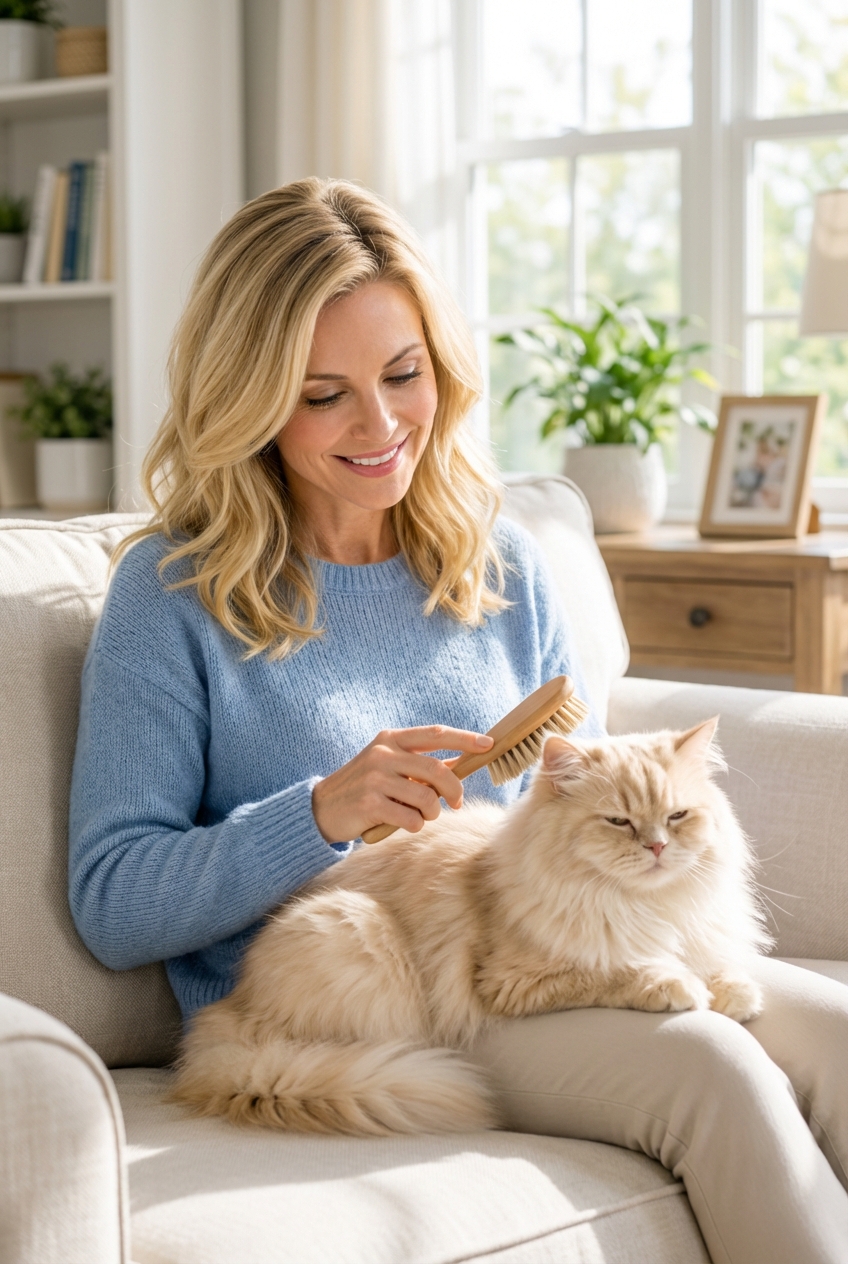
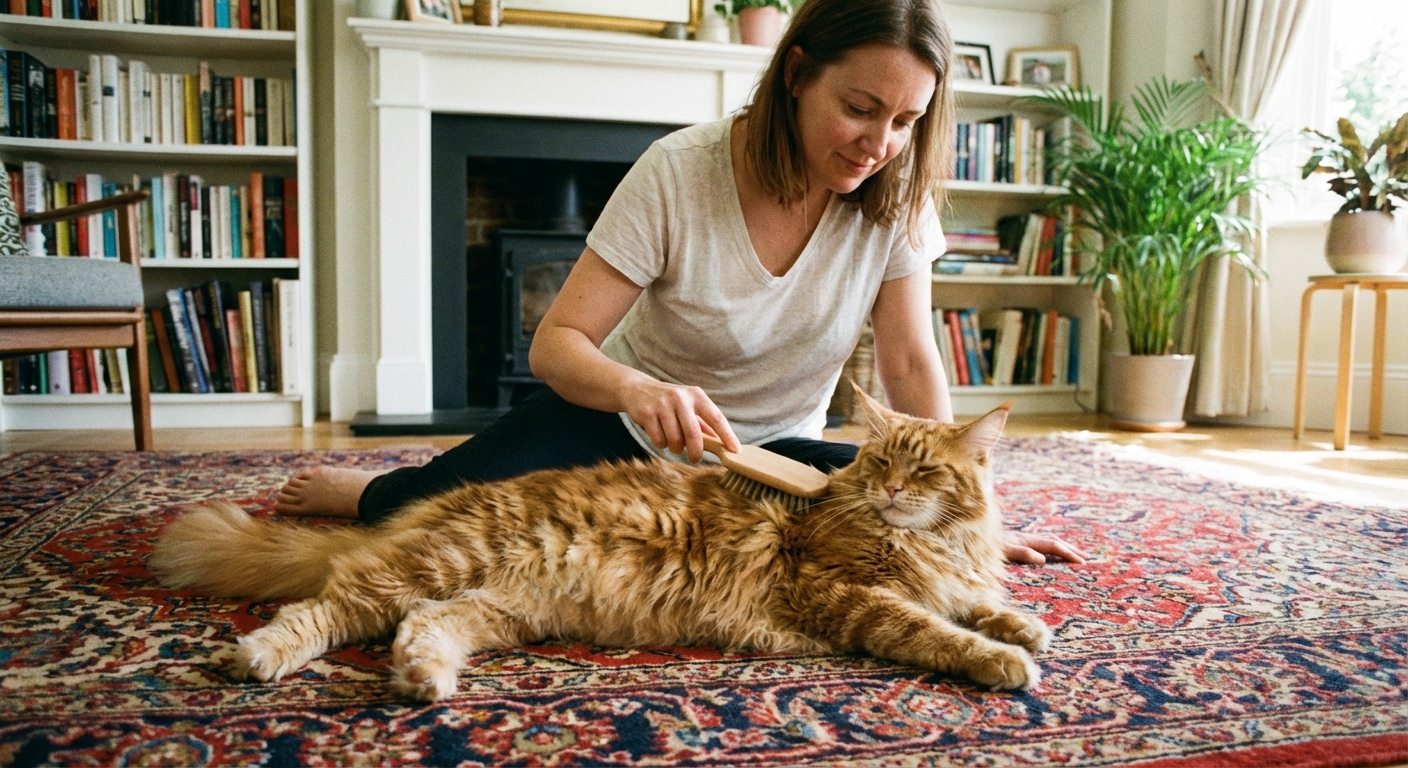
Their coats are long with a texture that is often somewhat water-tolerant compared with many breeds, with more fluff around the belly, ruff, and tail. Regular grooming reduces shedding, prevents mats, and makes hairballs less likely.
- Brush 2 to 4 times per week for most cats, and more during seasonal shedding.
- Focus on mat-prone areas: behind the front legs, belly, and the base of the tail.
- Use cat-friendly tools: a stainless-steel comb and a gentle slicker brush are common favorites.
- Trim nails every 2 to 4 weeks and check ears periodically.
If you find a mat
- Do not pull, since it can be painful and irritate the skin underneath.
- Try a comb-out at the edges when your cat is calm, working in tiny sections.
- Skip scissors unless you are trained. Skin can be surprisingly easy to nick under a tight mat.
- Use a groomer or your vet if mats are large, close to the skin, or your cat will not tolerate handling.
Nutrition: feeding for growth and joints
Maine Coons grow slowly and have substantial muscle mass. Choose a high-quality, complete, and balanced diet appropriate for your cat’s life stage (kitten, adult, senior). If your cat is still growing, ask your veterinarian about kitten formulas designed for sustained growth.
- Prioritize protein quality and overall nutrient balance rather than chasing trendy ingredients.
- Consider wet food to support hydration, especially if your cat drinks less.
- Measure portions and adjust based on body condition, not just the feeding guide.
- Fresh water access matters. Many cats drink more from a clean fountain.
Exercise and enrichment
These cats are smart and athletic. Boredom can lead to stress behaviors, scratching issues, or overeating. Aim for small bursts of play that fit into real life.
- Two short play sessions daily (5 to 15 minutes). Example: a wand toy chase for 3 minutes, a short break, then another 3 minute “sprint” round.
- Climbing opportunities: a sturdy cat tree or wall shelves help them use their bodies naturally.
- Puzzle feeders 2 to 3 times per week can slow eating and provide mental stimulation.
- Rotation of toys keeps novelty high without buying more and more.
Indoor safety and safe outdoor time
- Indoor-first is usually safer for lifespan and injury prevention.
- Consider a catio or harness training if your cat is curious about the outdoors and you want a safer way to provide fresh air and enrichment.
Litter box and space planning
- Choose a larger litter box so they can turn comfortably. Many standard boxes feel cramped.
- Provide multiple boxes in multi-cat homes (a common rule: number of cats plus one).
- Offer wide scratching surfaces and sturdy posts that do not wobble under a bigger body.
Health considerations to know
No article can replace individualized veterinary guidance, but it helps to know the most discussed health concerns in this breed. Responsible breeding, early screening, and healthy lifestyle choices make a meaningful difference.
Common Maine Coon health issues
- Hypertrophic cardiomyopathy (HCM): a heart condition seen in many cat breeds, including Maine Coons. Some breeders test for known genetic variants, but a normal genetic test does not rule out HCM because not all causes are known. When available, echocardiography (cardiac ultrasound), ideally performed by a veterinary cardiologist, remains the most informative screening tool.
- Hip dysplasia: can occur in large breeds and may contribute to mobility discomfort over time. Prevalence varies by line, and screening practices differ.
- Spinal muscular atrophy (SMA): a genetic condition that can affect muscle strength in some lines. Genetic testing may be available depending on the region and lab.
- Dental disease: common across cats and worth addressing early.
Choosing a breeder or rescue
- Ask about health testing relevant to Maine Coons (genetic testing when appropriate and cardiac screening practices).
- Request veterinary records for kittens and the parents when possible.
- Observe temperament and handling. Kittens should be curious, bright-eyed, and comfortable with gentle interaction.
- Consider adoption if you are open to adults. Many rescues have wonderful large long-haired cats and Maine Coon mixes.
Senior care basics
Many cats start to benefit from “senior” checkups around age 7 (sometimes earlier for individuals with known conditions). For Maine Coons, the priorities are often joints, weight, dental comfort, and catching silent issues early.
- Vet visits: often twice-yearly, with lab work as recommended.
- Mobility support: low-entry litter boxes, steps to favorite spots, and play that encourages movement without overexertion.
- Nutrition adjustments: your veterinarian may suggest changes based on weight, kidney values, or activity level.
Is a Maine Coon right for you?
Maine Coons are a great match if you want a social, playful companion and you are willing to keep up with grooming and enrichment. They tend to do best in homes where they are included in daily life and have room to climb, explore, and rest comfortably.
A good fit if you:
- Enjoy interactive play and a cat that stays engaged
- Can commit to regular brushing
- Want a friendly cat that often gets along well with visitors and other pets (with proper introductions)
Consider another breed if you:
- Prefer a very low-shedding, low-grooming pet
- Travel frequently without consistent in-home care
- Want a cat that is typically content with minimal interaction
Simple weekly routine
- Daily: fresh water, scoop litter, quick check for appetite and energy, short play session
- 2 to 4 times weekly: thorough brushing, quick coat check for tangles
- Weekly: body condition check at home (especially if weight is a concern), toy rotation
- Monthly: nail trim, ear check, flea and tick prevention as recommended by your veterinarian
- Yearly: veterinary wellness exam, vaccines as appropriate, dental evaluation
Final thoughts
Maine Coons are memorable companions: big-hearted, bright, and often surprisingly gentle. When you support their needs with consistent grooming, quality nutrition, and daily enrichment, you are not just caring for a beautiful cat. You are building the foundation for years of comfortable, playful, connected life together.
Note: This content is for general education and is not veterinary advice. For breed-specific screening and individualized nutrition or health planning, partner with your veterinarian.