A clear guide to canine lymphoma treatment: diagnosis and staging, CHOP chemotherapy, prednisone tradeoffs, supportive care, side effects, costs, home monito...
Article
•
Designer Mixes
Lymphoma in Dogs: Symptoms, Understanding, and Solutions

Shari Shidate
Designer Mixes contributor
Lymphoma is one of the most common cancers in dogs, and it can feel especially heartbreaking because it often shows up in an otherwise happy, energetic pup. The good news is that many dogs respond well to treatment, and there are meaningful ways to support your dog’s comfort and quality of life along the way.
As a veterinary assistant here in Frisco, Texas, I have seen how powerful it is when families understand what to watch for, what questions to ask, and what options are truly on the table. Let’s walk through lymphoma in a clear, evidence-based way, so you feel steadier and more prepared.
What is lymphoma in dogs?
Lymphoma is a cancer of lymphocytes, a type of white blood cell involved in immune function. These cells live throughout the body, especially in the lymph nodes, spleen, bone marrow, and certain organs. Because of that, lymphoma is often a whole-body disease rather than a single isolated lump.
There are multiple forms of canine lymphoma. The most common is multicentric lymphoma, which typically causes enlarged lymph nodes. Other forms can affect the skin, gastrointestinal tract, or chest (mediastinum), or less commonly, the nervous system.
Lymphoma is also described by:
- Immunophenotype (B-cell vs T-cell): this can affect prognosis and planning.
- Grade (high-grade vs low-grade/indolent): high-grade tends to progress faster but often responds more dramatically to chemotherapy; low-grade may progress slowly but can be harder to fully eliminate.

Symptoms of lymphoma in dogs
Symptoms can be subtle at first. Many dogs still eat, play, and act normal, which is why checking common lymph node areas can be so helpful.
Most common signs
- Enlarged lymph nodes: Often feels like firm, movable “marbles” under the jaw, in front of the shoulders, behind the knees, or in the groin.
- Low energy or tiring more easily on walks.
- Decreased appetite or pickier eating.
- Weight loss that is not intentional.
- Increased thirst and urination in some cases.
Signs that depend on the type
- Gastrointestinal lymphoma: vomiting, diarrhea, poor appetite, weight loss, or protein loss that may cause fluid buildup.
- Mediastinal lymphoma (in the chest): difficulty breathing, exercise intolerance, and sometimes coughing. Some dogs develop fluid in the chest (pleural effusion) and less commonly fluid in the abdomen (ascites), which can contribute to a pot-bellied look.
- Skin lymphoma: itchy, red, scaly patches, thickened skin, or non-healing lesions.
When to seek urgent care
Please call your vet promptly or seek urgent care if your dog has labored breathing, collapses, has a swollen abdomen that seems painful, cannot keep water down, is profoundly weak, has pale gums, or shows uncontrolled bruising or bleeding. These signs do not always mean lymphoma, but they do mean “do not wait and see.”
How lymphoma is diagnosed
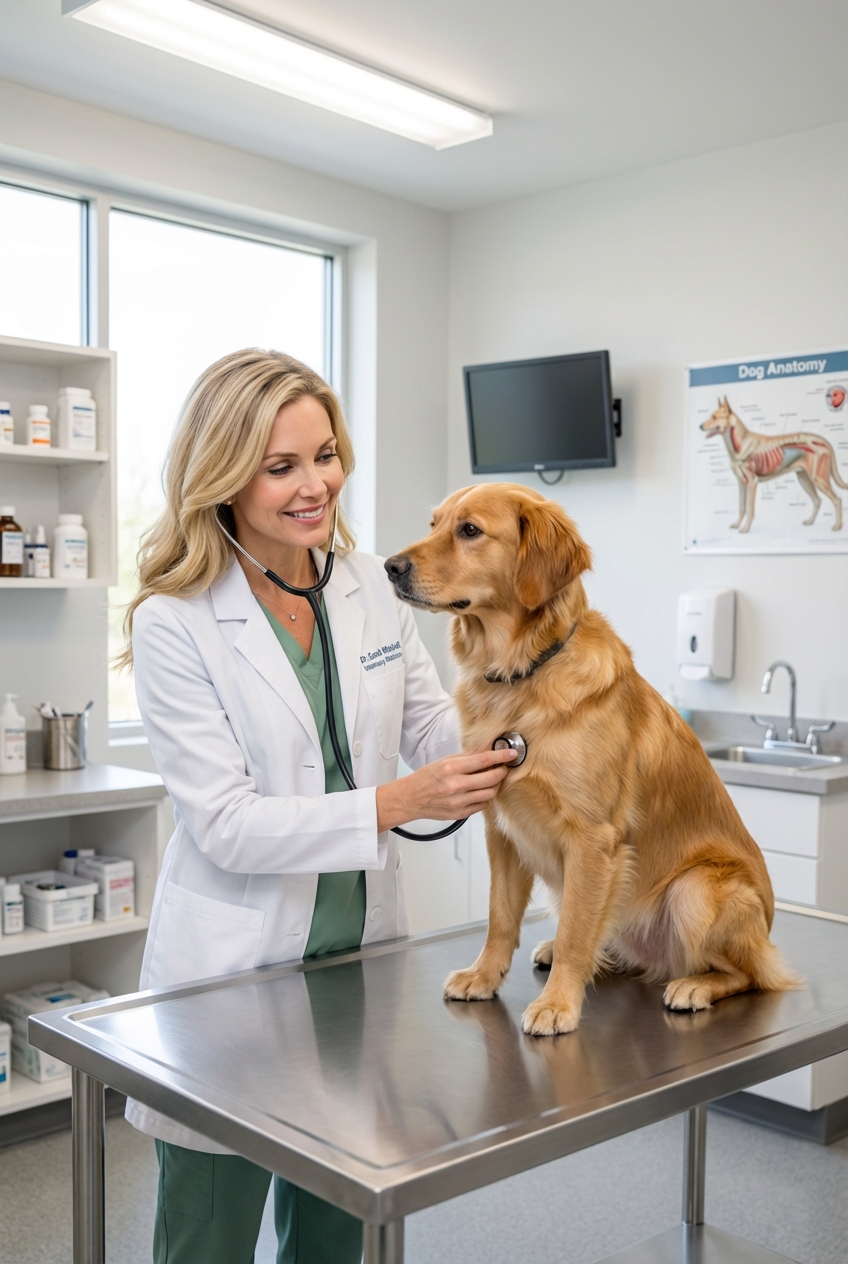
A diagnosis usually starts with a physical exam and a discussion about changes you have noticed at home. From there, your veterinarian may recommend tests to confirm lymphoma and to understand how far it has progressed.
Common diagnostic steps
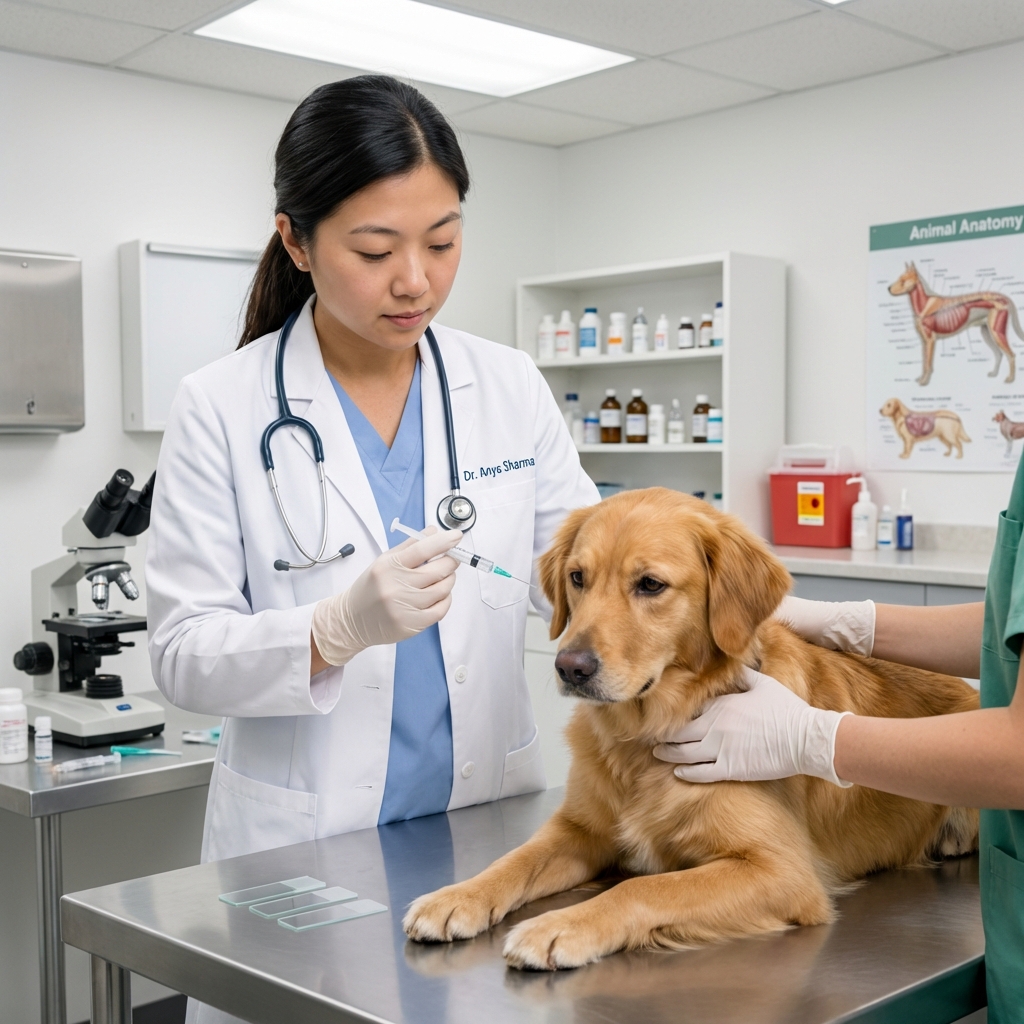
- Fine needle aspirate (FNA) of an enlarged lymph node: A quick, minimally invasive way to look for cancerous lymphocytes under a microscope.
- Biopsy: Sometimes recommended if results are unclear, if a different disease is possible, or if your vet needs more tissue detail.
- Immunophenotyping (often from an aspirate): Tests such as flow cytometry, immunohistochemistry (IHC), or PARR can help identify B-cell vs T-cell lymphoma and refine prognosis and treatment choices.
- Bloodwork and urinalysis: Helps assess organ function and overall health before treatment.
- Imaging (x-rays [radiographs] and ultrasound): Helps evaluate chest and abdominal organs.
- Staging tests: May include additional imaging, lymph node mapping, or bone marrow evaluation depending on your veterinarian or oncologist.
Staging sounds scary, but it is really about information. It helps your veterinary team tailor treatment and give you a clearer idea of what to expect.
Causes and risk factors
In many dogs, we never find a single clear cause. Lymphoma is believed to be influenced by a mix of genetics and environment.
- Breed and family tendency: Some breeds appear predisposed, suggesting a genetic component.
- Immune system factors: Conditions that alter immune regulation may play a role in some cases.
- Environmental exposures: Certain exposures have been studied, but evidence is not always consistent, and it is rarely possible to pinpoint a specific trigger for an individual dog.
If you are feeling stuck on “what caused this,” I gently encourage you to bring that question to your veterinarian, then give yourself permission to focus on what you can control now: comfort, informed decisions, and support.
Prognosis
Prognosis varies based on lymphoma type, grade, stage, overall health, immunophenotype (B-cell vs T-cell), and how the cancer responds to therapy. Many dogs can achieve remission with treatment, and for many families, remission means a return to normal life: appetite, walks, cuddles, and routines.
It is also important to know that remission does not always mean “cured.” Lymphoma often returns eventually, but treatment can buy meaningful time with good quality of life for many dogs.
Many readers want exact timelines. Your oncologist is the best person to give ranges for your dog, because lymphoma outcomes vary widely. If you want numbers, ask your vet to break it down by type, grade, and treatment plan so it is not a one-size-fits-all estimate.
One of the most compassionate goals in veterinary oncology is maximizing quality of life, not just extending time.
Treatment options
Treatment decisions are very personal. There is no single “right” plan for every family. The best plan is the one that fits your dog’s medical needs and your household’s capacity, while keeping comfort and joy front and center.
1) Chemotherapy
Chemotherapy is often the first-line treatment for many lymphomas in dogs. A common protocol is called CHOP (a combination of medications given on a schedule). Many dogs tolerate chemo better than humans do because doses are designed to prioritize quality of life.
- Pros: Highest chance of remission for many types of lymphoma.
- Cons: Requires frequent visits, monitoring, and cost considerations.
- Side effects: Some dogs experience mild gastrointestinal upset, temporary low white blood cell counts, or fatigue. Severe side effects can happen but are less common and are treatable when caught early.
Chemo logistics you can expect: most protocols include regular recheck exams and periodic bloodwork (often a CBC) to make sure white blood cell counts are safe before giving the next dose. Your veterinary team will tell you what schedule applies to your dog.
At-home safety note: some chemo drugs can be present in urine, stool, or vomit for a short time after treatment. Ask your oncology team how long to use precautions in your home. Many clinics recommend gloves for cleanup and extra care around children, immunocompromised family members, and anyone who is pregnant or trying to conceive.
2) Steroids (prednisone or similar)
Steroids can shrink lymph nodes and improve appetite and comfort, sometimes quickly. They are often used as part of a plan, or when chemotherapy is not pursued.
- Important note: Starting steroids before diagnostic sampling or an oncology consult can complicate next steps. Prednisone can cause temporary shrinkage and can change what cells look like on testing, and it may also reduce how well certain chemo drugs work later (drug resistance). If lymphoma is suspected, ask your vet what to do first.
3) Radiation therapy
Radiation is used more often for localized forms of lymphoma or as part of a specialty plan. It is typically managed by a veterinary oncologist.
4) Surgery
Surgery is not common for multicentric lymphoma, but it may play a role in certain localized cases (for example, a solitary mass that can be removed and then treated further).
5) Palliative and hospice-focused care
Choosing comfort-focused care is a valid, loving choice. Palliative care can include appetite support, nausea control, pain management, and help with anxiety or restlessness, plus guidance on how to track quality of life at home.
At-home support
You cannot “supplement away” lymphoma, but you can absolutely support your dog’s strength, comfort, and resilience with smart home care. Always run changes by your veterinarian, especially if your dog is on chemotherapy or other medications.
Nutrition
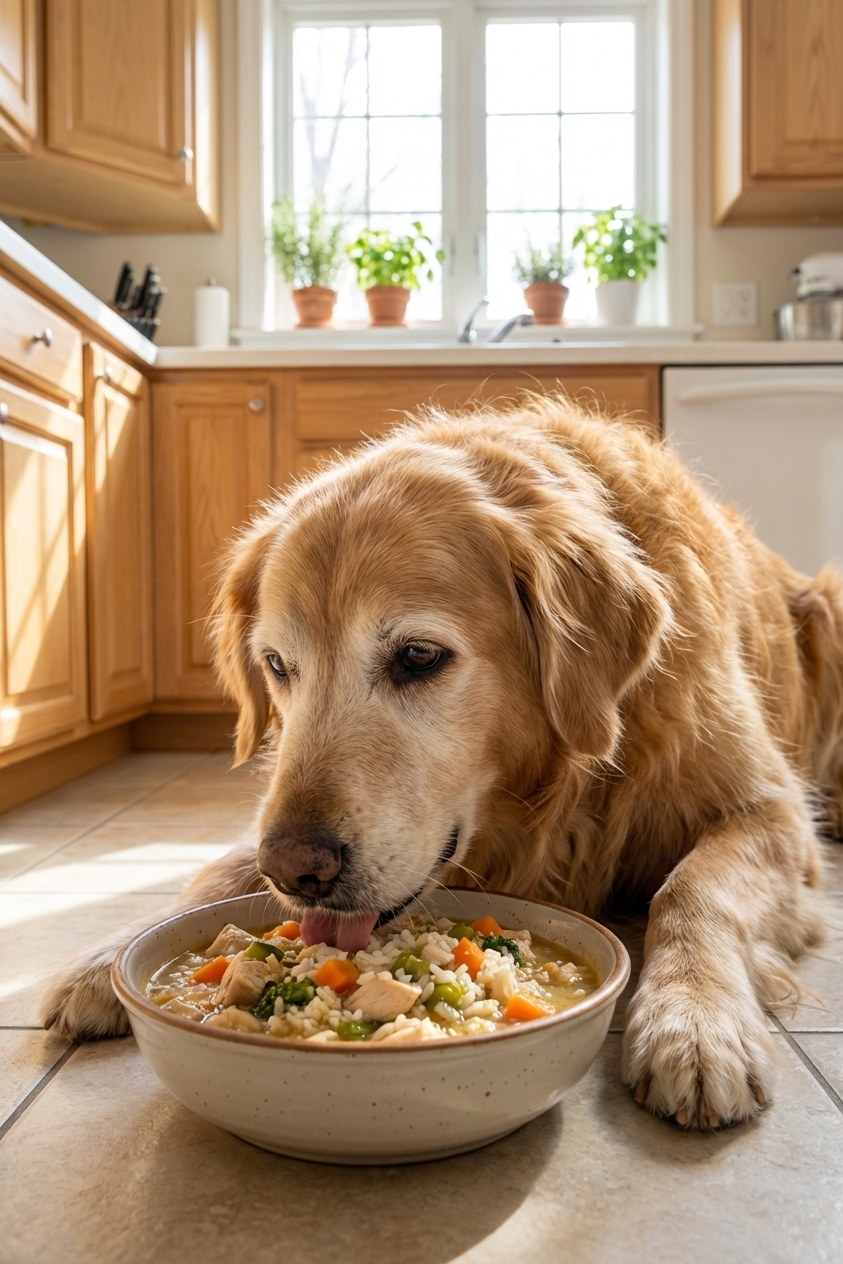
- Keep calories steady: Weight loss can happen quickly. If appetite is variable, ask about appetite stimulants and anti-nausea medications.
- Prioritize protein and digestibility: Many dogs do best with simple, highly digestible meals.
- Go slow with any diet change: Sudden changes can cause gastrointestinal upset, especially during treatment.
If you are considering homemade food, aim for a balanced plan. Homemade can be wonderful, but cancer patients are not the time for guesswork. Ask your vet about a referral to a board-certified veterinary nutritionist for a recipe tailored to your dog.
Hydration and comfort
- Offer multiple water stations and consider a pet fountain if your dog drinks better that way.
- Use soft bedding and non-slip rugs if weakness or neuropathy develops.
- Keep exercise gentle and consistent: short walks and sniff breaks are often perfect.
Infection awareness during chemotherapy
Some chemo protocols can lower white blood cell counts temporarily. Ask your vet exactly when your dog is most vulnerable and what temperature or symptoms should trigger a call. If your dog is lethargic, not eating, vomiting, has diarrhea, or feels warm, do not wait.

Questions to ask your vet
- What type of lymphoma do you suspect, and what testing confirms it?
- Can we identify B-cell vs T-cell, and do we need flow cytometry, IHC, or PARR?
- Is this more consistent with high-grade or low-grade lymphoma, and why does that matter?
- What stage is it, and how does that change treatment choices?
- What treatment plan do you recommend, and what alternatives exist?
- What are the realistic goals: remission, comfort, time, or a combination?
- What side effects should I watch for, and who do I call after hours?
- What is the expected schedule and total cost range?
- How will we measure quality of life at home, and can you share a quality-of-life scale?
Living with lymphoma
If your dog is facing lymphoma, please know this: you do not have to figure it out all at once. Start with the next best step, whether that is diagnostic confirmation, meeting an oncologist, or getting symptoms under control. Your dog is not counting days. They are counting good moments with you.
With the right veterinary guidance and a thoughtful plan, many families find a rhythm again. And even in hard seasons, there are still walks, treats, warm blankets, and quiet victories that matter deeply.
Sources and further reading
- Veterinary Partner (VIN): Lymphoma in Dogs
- American Veterinary Medical Association (AVMA): Cancer in Pets
- American College of Veterinary Internal Medicine (ACVIM): About Veterinary Specialists
- National Cancer Institute (NCI): What Is Cancer?
Medical note: This article is educational and not a substitute for veterinary diagnosis or treatment. If you suspect lymphoma or your dog is unwell, please contact your veterinarian promptly.