A clear guide to canine lymphoma treatment: diagnosis and staging, CHOP chemotherapy, prednisone tradeoffs, supportive care, side effects, costs, home monito...
Article
•
Designer Mixes
Lymphoma in Dogs: Behavior Guide

Shari Shidate
Designer Mixes contributor
When a dog is diagnosed with lymphoma, families often ask the same heartfelt question: “Is my dog acting different because of the cancer, the treatment, or both?” The honest answer is that behavior and routine changes can come from lymphoma itself, discomfort (sometimes pain, depending on location and complications), medication side effects, stress, or unrelated issues that suddenly become more noticeable.
This guide will help you connect the dots between common lymphoma symptoms and the behavior you may be seeing at home, plus what to track and when to call your veterinarian.
What lymphoma is and why behavior can change
Lymphoma is a cancer of lymphocytes, a type of white blood cell that plays a major role in immune function. In dogs, it most commonly shows up as enlarged lymph nodes, but it can also involve the spleen, liver, bone marrow, skin, or gastrointestinal tract.
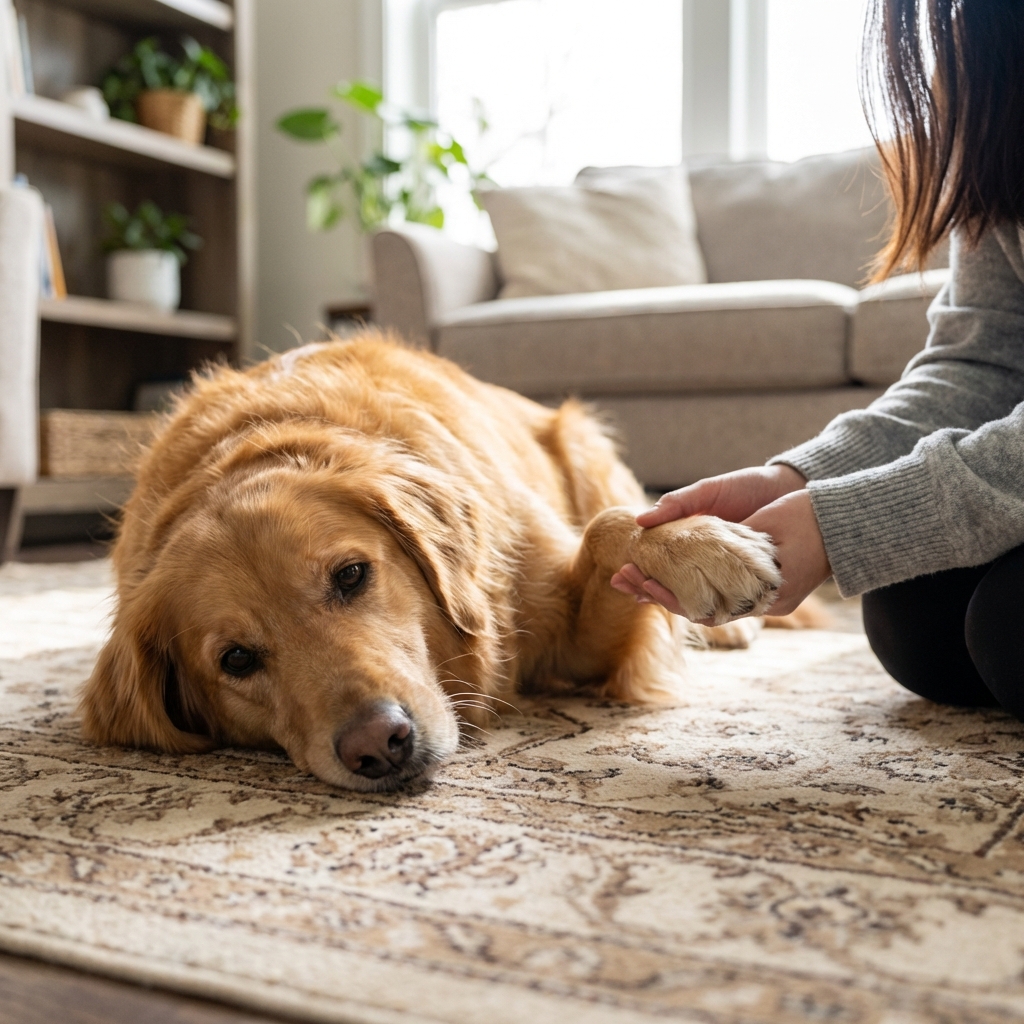
Behavior is a window into how a dog feels. Dogs rarely “fake it,” but they are experts at quietly coping. Subtle changes like sleeping more, withdrawing from family activity, or suddenly seeming irritable can be your dog’s way of saying, “I don’t feel quite right.”
Common reasons demeanor shifts with lymphoma
- Discomfort (sometimes pain) related to where lymphoma is active (for example, abdominal organs, chest involvement, GI disease) or complications like infection
- Fatigue and anemia which can reduce stamina and interest in play
- Appetite and nausea changes from illness itself or as a side effect of chemotherapy or steroids
- Stress from frequent vet visits, new routines, and changes in household energy
- Medication effects including prednisone-related thirst, panting, restlessness, and food-seeking
Also worth noting: some changes have nothing to do with lymphoma. Arthritis, dental pain, ear infections, and canine cognitive dysfunction can all affect mood, sleep, and appetite. Sometimes lymphoma workups and new routines make these issues easier to spot.
Early behavior clues
Some dogs with lymphoma still look “pretty normal” on the outside, especially in the beginning. These early shifts are often the first things pet parents notice.
More sleeping or less enthusiasm
You may see a dog who used to greet you at the door now staying on their bed. Or your dog may start skipping activities they normally love. This can reflect fatigue, anemia, fever, or simply feeling run-down.
Less social, more clingy, or “not themselves”
Some dogs withdraw. Others become Velcro dogs, following you everywhere for reassurance. Both can be normal responses to feeling unwell.
Change in play style
A dog might still want to play, but for shorter bursts. Or they may avoid wrestling, jumping, or tug if it increases discomfort.
Behavior by lymphoma location
Not all lymphoma looks the same. Where the cancer is active can shape what your dog does and how they act. These signs can overlap, and none of them confirm a specific type on their own. Diagnosis and staging are always veterinary decisions.
Multicentric lymphoma (lymph nodes)
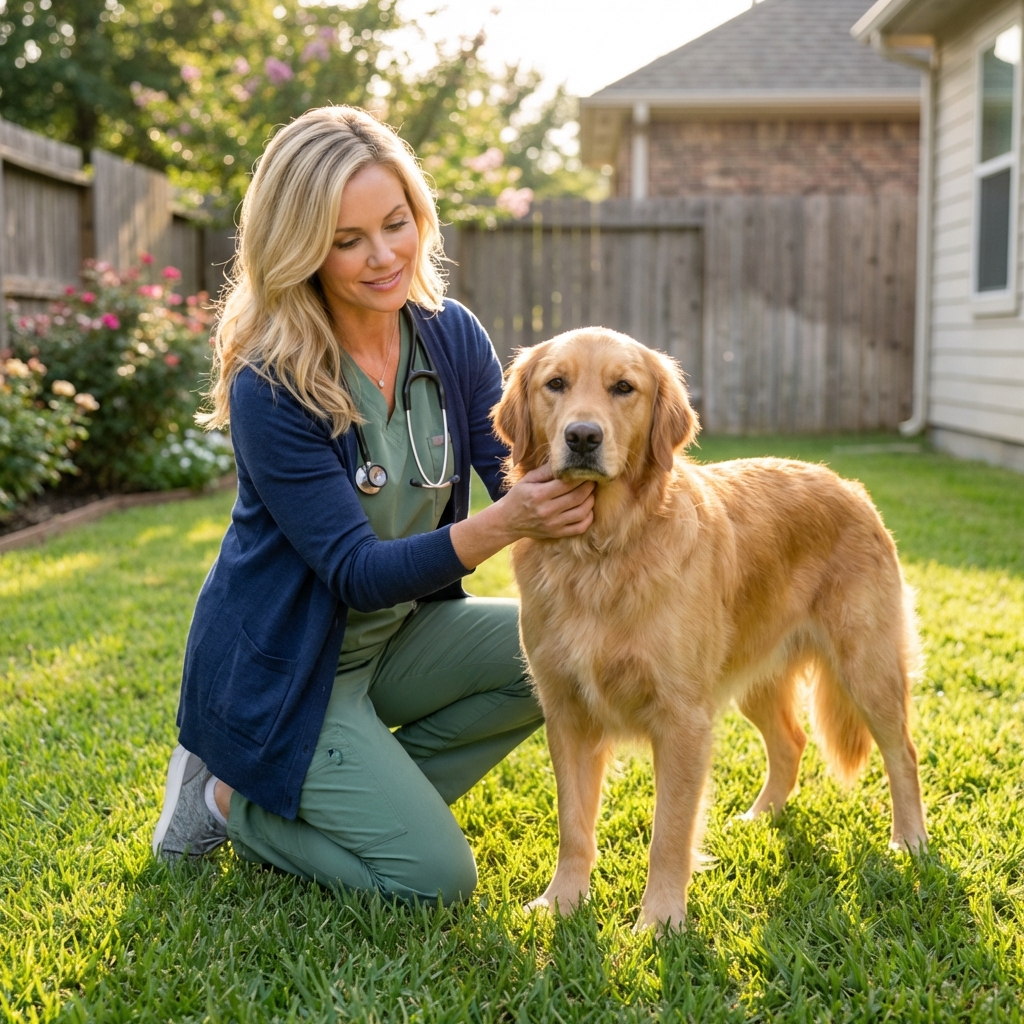
This is the most common form. Dogs often have enlarged lymph nodes under the jaw, in front of the shoulders, behind the knees, or in the groin. Many dogs act okay at first, but routine changes can appear as the disease progresses.
- Reluctance to be touched around the neck or shoulders (enlarged nodes are often not painful, but some dogs dislike pressure when nodes are large or if there is concurrent neck discomfort)
- Less interest in walks
- More rest breaks during normal activity
Gastrointestinal lymphoma
This form can cause nausea, abdominal discomfort, and poor nutrient absorption, which may show up as behavior issues before you see dramatic physical signs.
- Hiding, restlessness, or pacing (common signs of nausea or discomfort)
- Sudden pickiness, walking away from meals, or sniffing food then refusing
- Frequent swallowing, lip-licking, drooling
- Accidents in the house due to diarrhea or urgency
Mediastinal lymphoma (chest area)
When lymphoma affects the chest, dogs may have breathing discomfort that changes their behavior. These signs are not specific to lymphoma, but they are important.
- Sleeping in unusual positions with the neck stretched out (a posture some dogs adopt when breathing is harder)
- Anxiety or inability to settle
- Exercise intolerance, stopping mid-walk
- Increased breathing rate or effort at rest
- Open-mouth breathing or blue, gray, or very pale gums (urgent)
Skin lymphoma
Itch and irritation can drive noticeable behavioral changes.
- Increased scratching, licking, rubbing on furniture
- Irritability or sensitivity to touch
- More nighttime wake-ups
How treatment can affect behavior
Many dogs do very well with lymphoma treatment, and some feel better quickly once therapy begins. Still, it helps to know what is expected versus what needs a call to your clinic. Side effects vary by drug, dose, protocol, and the individual dog, so ask your veterinary team what timing is most typical for your plan.
Chemotherapy at home
Canine chemo protocols are often better tolerated than what humans experience, but side effects do happen.
- Lower energy for a day or two can be common for some dogs after treatment.
- Mild nausea can show up as lip-licking, decreased appetite, or grass-eating.
- Loose stool can cause restlessness, nighttime wake-ups, or reluctance to eat.
- Lower immunity can increase infection risk. If your dog seems “off” during chemo, call your clinic. If your team has instructed you to take a rectal temperature at home, do so. Fever in a chemo patient can be an emergency.
Prednisone or other steroids
Prednisone can shrink lymph nodes fast and improve comfort, but it can also change behavior in ways that surprise families.
- Increased thirst and urination which can cause accidents or new urgency behaviors
- Increased appetite including scavenging and counter-surfing
- Panting and restlessness especially in the evening
- Possible mood changes like irritability or reduced tolerance with other pets
Pain and anti-nausea medications
These can be extremely helpful, but any medication can cause sedation, disorientation, or GI upset in some dogs. If your dog seems overly sleepy, disoriented, or unusually agitated after a new medication, call your veterinarian for guidance.
When to call the vet
If you take one thing from this article, let it be this: behavior changes are medical information. You are not overreacting by calling. You are advocating for your dog.
Call promptly if you notice:
- Refusing food for more than 24 hours (or sooner in small dogs, seniors, or dogs already losing weight)
- Repeated vomiting or vomiting plus lethargy
- Diarrhea that is severe, frequent, contains blood, or is black and tarry
- GI signs lasting more than 24 hours or inability to keep water down
- Labored breathing, persistent coughing, open-mouth breathing, or blue, gray, or very pale gums
- Collapse, weakness, or sudden trouble walking
- Marked pain signs such as yelping, guarding the abdomen, or refusing to lie down
- Possible fever, especially during chemotherapy. If you have been instructed to check a rectal temperature, follow your clinic’s guidance. Many clinics use a cutoff around 103°F (39.4°C), but thresholds vary, so call for direction.
- Confusion, pacing all night, or sudden aggression
Trust your gut. If your dog’s behavior suddenly feels “wrong,” a quick call to your clinic is always appropriate.
What to track at home
In veterinary medicine, patterns matter. A short daily log helps your care team adjust treatment, manage side effects, and protect your dog’s quality of life.
The 2-minute daily check
- Appetite: ate normal, ate less, refused
- Water intake: normal or increased (especially on prednisone)
- Bathroom: normal stool, diarrhea, straining, accidents
- Energy: normal, slightly down, very tired
- Comfort: any limping, sensitivity to touch, panting at rest
- Mood: social, clingy, withdrawn, irritable
Weekly check
- Weight (same scale, same time of day)
- Lymph node size if your veterinarian has shown you how to check safely (gentle touch only, no repeated poking)
- Activity tolerance (for example, how far your dog walks comfortably)
If you like structure, use a simple 1 to 5 rating for appetite, energy, and comfort. Bring it to every appointment.
What your vet may check next
If your dog’s behavior shifts, your veterinary team may recommend tests to sort out progression versus side effects versus an unrelated issue. Common next steps include a physical exam and pain assessment, bloodwork like a CBC (for anemia or low white blood cells), chemistry panel, and sometimes urinalysis, imaging, or infection screening depending on symptoms.
Comfort tips
While lymphoma requires medical treatment decisions with your veterinarian, there are supportive steps that can help many dogs feel calmer and more like themselves.
Make eating easier
- Offer smaller, more frequent meals if nausea is suspected.
- Warm food slightly to increase aroma.
- Ask your veterinarian about anti-nausea support if your dog sniffs and walks away.
Build a steady rest routine
- Provide a quiet, padded resting space away from high-traffic areas.
- Keep house activity gentle after chemo days.
- Use consistent bedtime and potty breaks, especially if your dog is on steroids.
Support mobility and comfort
- Use rugs or runners on slippery floors.
- Choose shorter walks more often rather than one long walk.
- Ask about pain control if your dog hesitates to sit, jump, or climb stairs.
Protect emotional well-being
- Keep enrichment low-pressure: sniff walks, lick mats, food puzzles, gentle brushing.
- Let your dog choose interaction. Offer affection, do not insist on it.
- Consider fear-free handling strategies for vet visits if anxiety is growing.
Safety notes
- Avoid giving over-the-counter human medications unless your veterinarian specifically instructs you to. Some are toxic to dogs or unsafe with certain chemo drugs.
- Check with your veterinarian before changing supplements or adding new foods intended as “cancer support.” Even well-meant additions can interfere with appetite, digestion, or treatment plans.
- If you are checking lymph nodes at home, use light pressure and stop if your dog resists. Your log matters more than perfect measurements.
Quality of life
Lymphoma care is not just about lab values and lymph node measurements. It is also about daily life. One practical tool many veterinary teams recommend is the HHHHHMM quality-of-life scale, which checks categories like:
- Hurt: pain, breathing, mobility
- Hunger: appetite and weight stability
- Hydration: drinking and dehydration signs
- Hygiene: staying clean and comfortable
- Happiness: interest in family, favorite activities
- Mobility: ability to move without distress
- More good days than bad: a simple, powerful summary
If your dog’s behavior is telling you there are more bad days than good, it is time for an honest conversation with your veterinarian. This is not giving up. This is loving your dog well.
FAQ
Can lymphoma make a dog act aggressive?
It can. Most often, it is not a “personality change” so much as pain, nausea, breathing distress, or medication effects lowering your dog’s tolerance. Any sudden aggression should be treated as a medical red flag and discussed with your veterinarian.
My dog’s lymph nodes got smaller on prednisone, but behavior is worse. Why?
Prednisone can improve cancer-related swelling while also causing panting, restlessness, increased hunger, and disrupted sleep. Your veterinarian may adjust the dose or add supportive medications.
How do I know if it’s chemo side effects or the cancer progressing?
Timing helps. Side effects often show up in a predictable window after treatment, but the exact pattern depends on the drug and protocol. Progressive symptoms tend to worsen steadily over time. A home log plus quick communication with your oncology team is the best way to sort this out.
Next step
If your dog has lymphoma, you do not have to memorize everything. Pick one simple habit today: track appetite, energy, and stool once daily. Those three details alone can help your veterinarian keep your dog comfortable and safe.
And please remember: your presence, your calm voice, and your consistency matter. Dogs feel love in routines and in the small moments.