A practical guide to homemade cat food during cancer treatment: high-protein meal frameworks, calorie and hydration strategies, omega-3 guidance, foods to av...
Article
•
Designer Mixes
Lymphoma In Cats Treatment Guide

Shari Shidate
Designer Mixes contributor
If your cat has just been diagnosed with lymphoma, I want you to know two things right away. First, you are not alone. Second, there are real, evidence-based treatment options that can help many cats feel better and live longer with good quality of life. These options are commonly used in veterinary oncology and are tailored to the type and grade of lymphoma your cat has.
As a veterinary assistant in Frisco, Texas, I have seen how overwhelming this moment can be. My goal here is to walk you through what lymphoma is, how it is diagnosed, what treatments are commonly recommended, what to expect at home, and how to support your cat through the process.
Quick note: This article is educational and not a substitute for your veterinarian’s advice. Your vet or a veterinary oncologist is the best source for recommendations specific to your cat.
What lymphoma is in cats
Lymphoma is a cancer of lymphocytes, a type of white blood cell involved in immune function. Because lymphocytes travel throughout the body, lymphoma can show up in several organs, not just lymph nodes.
Common forms
- Gastrointestinal (GI) lymphoma: affects the stomach and intestines and is one of the most common types in cats.
- Mediastinal lymphoma: occurs in the chest, often involving the thymus and nearby lymph nodes.
- Renal lymphoma: affects the kidneys.
- Nasal lymphoma: affects the nasal passages.
- Multicentric lymphoma: involves multiple lymph nodes or organ systems.
Low-grade vs. high-grade
Your vet may describe lymphoma as low-grade (small-cell) or high-grade (large-cell). This matters because the behavior and treatment plan can look very different:
- Low-grade GI lymphoma often progresses slowly and is frequently treated with oral medications at home.
- High-grade lymphoma tends to be more aggressive and is commonly treated with injectable chemotherapy protocols.
Signs pet parents often notice
Lymphoma symptoms can be subtle at first and may mimic common issues like hairballs, picky appetite, or a sensitive stomach. Reach out to your veterinarian promptly if you notice:
- Weight loss, muscle loss, or a “thin over the back” feel
- Decreased appetite or refusing favorite foods
- Vomiting or diarrhea, especially if persistent or recurring
- Lethargy, hiding more than usual, less social interaction
- Increased breathing effort, open-mouth breathing, or fast breathing at rest (especially with chest involvement)
- Excessive thirst or urination (possible kidney involvement)
- Nasal discharge, sneezing, noisy breathing (possible nasal involvement)
- Enlarged lymph nodes (sometimes felt under the jaw, in front of shoulders, behind knees)
If your cat is breathing with effort, breathing with an open mouth, or seems suddenly weak, treat that as an emergency and seek immediate care.
How lymphoma is diagnosed
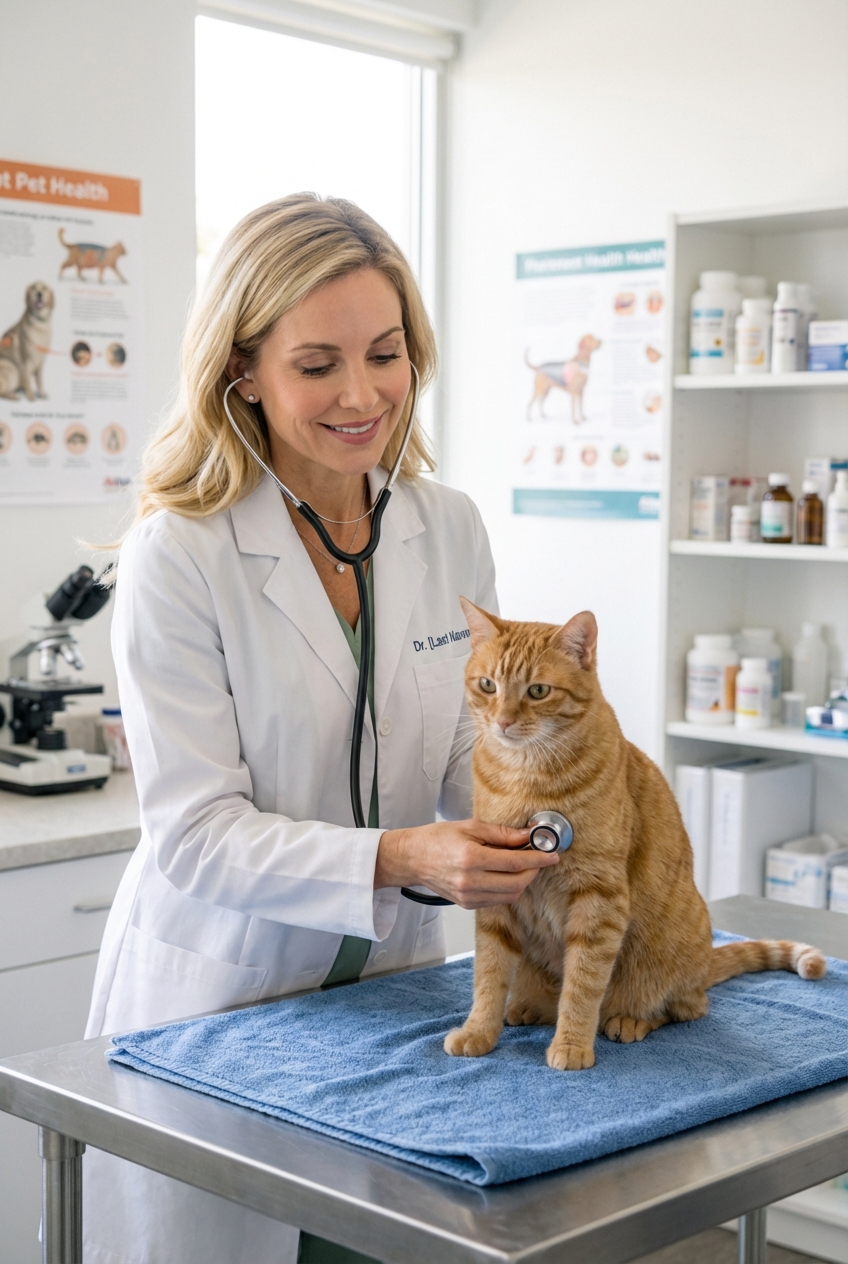
A clear diagnosis helps your veterinary team choose the most appropriate treatment and gives you a more accurate idea of what to expect. Common diagnostics include:
Basic tests
- Physical exam and a detailed history of symptoms
- Bloodwork (CBC and chemistry panel) to assess red and white blood cells, organ function, and hydration
- Urinalysis to evaluate kidney function and rule out other disease
- FeLV and FIV testing, because these viral infections can affect the immune system and influence risk and prognosis
Imaging
- Abdominal ultrasound for GI lymphoma and abdominal organ involvement
- Thoracic radiographs (X-rays) for chest masses or fluid
- CT when indicated (often for nasal disease, complex chest disease, or treatment planning)
Sampling cells or tissue
- Fine needle aspirate (FNA): a small needle collects cells for cytology, often used for enlarged lymph nodes or masses.
- Biopsy: a tissue sample is examined, which can be especially important for GI lymphoma where small-cell disease can be difficult to confirm with cytology alone.
- PARR testing: a specialized test that can help differentiate inflammatory bowel disease from lymphoma in some cases. It is not perfect, and false positives and false negatives can happen, so results are best interpreted alongside imaging and cytology or biopsy findings.
Staging
Your vet may also discuss staging, which means checking how widespread the disease is. Staging can guide therapy choices and can help you plan financially and emotionally. Common staging steps may include:
- Thoracic radiographs (X-rays) and abdominal ultrasound
- Aspirates of enlarged lymph nodes or suspicious organs
- Additional bloodwork and sometimes infectious disease testing
- Bone marrow sampling in select cases (not needed for every cat)
Once lymphoma is confirmed or strongly suspected, your team will talk with you about treatment paths and what success can realistically look like for your cat.
Main treatment options
Treatment depends on lymphoma type, grade, location, your cat’s overall health, and your goals. Many cats tolerate treatment better than people expect. Most cats do not have dramatic hair loss, though whiskers can thin and some coat types may show more shedding than others. Veterinarians aim to control disease while protecting quality of life.
1) Chemotherapy
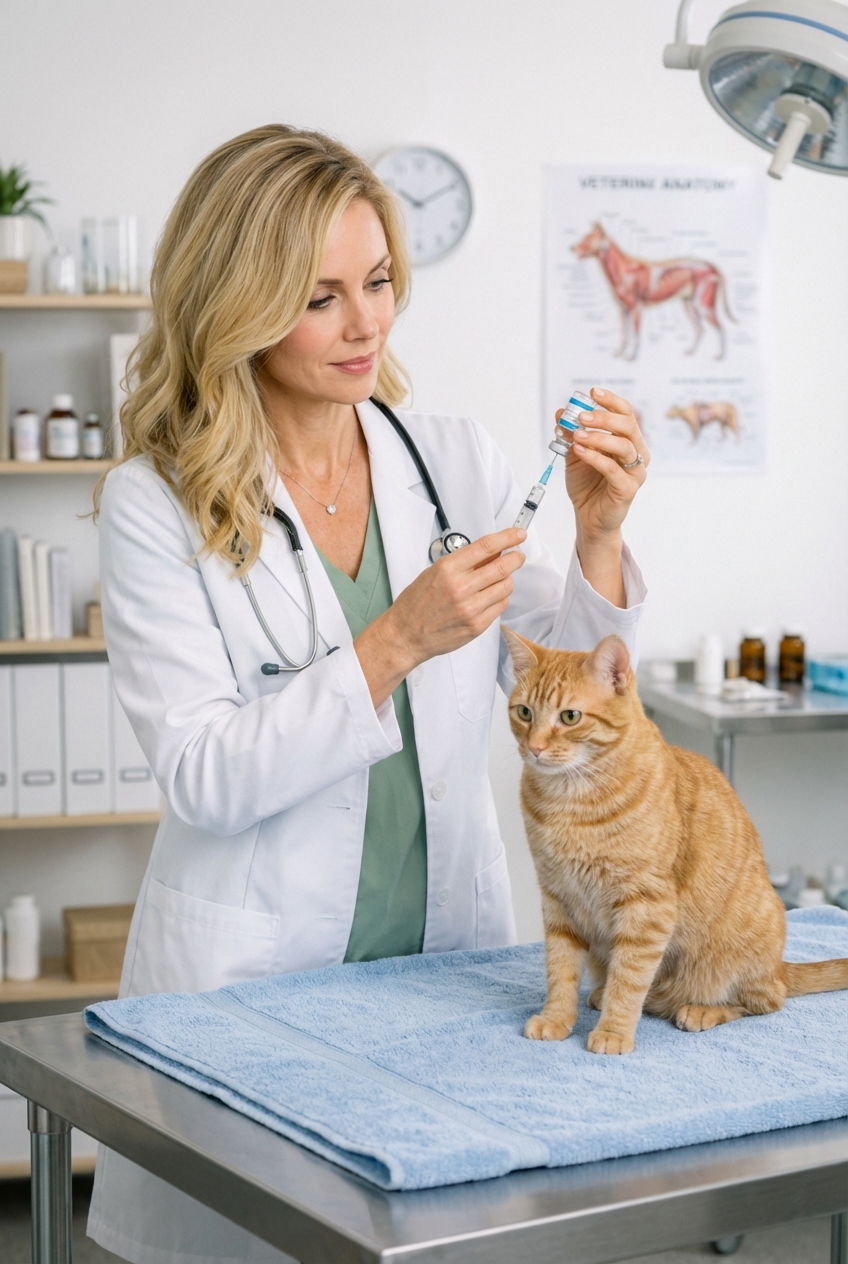
Chemotherapy is one of the most effective tools for many feline lymphomas. Your veterinarian may refer you to a veterinary oncologist, or some general practices can provide certain protocols.
- High-grade lymphoma is often treated with multi-drug protocols. Many oncologists use CHOP-based or COP-style protocols, and some cats may receive single-agent doxorubicin depending on the case and goals.
- Low-grade GI lymphoma is often treated with oral chlorambucil plus prednisolone.
Common side effects to watch for include decreased appetite, vomiting, diarrhea, lethargy, or signs of infection. Your veterinary team will likely schedule regular rechecks and blood counts to keep treatment safe.
2) Steroids (prednisolone)
Steroids can reduce inflammation and shrink lymphoma temporarily, improving appetite and comfort. They are sometimes used as part of a treatment plan, or as palliative care if chemotherapy is not pursued.
Important: if lymphoma is suspected, ask your veterinarian before starting steroids. Steroids can make some diagnostic tests harder to interpret, and they can reduce responsiveness to certain chemotherapy protocols if used before chemo begins.
3) Radiation therapy
Radiation can be helpful for certain localized lymphomas, such as nasal lymphoma, depending on access and your cat’s overall situation. A veterinary oncologist can explain whether radiation is appropriate.
4) Surgery
Surgery is not the main treatment for most lymphomas because lymphoma is often systemic. However, it may be used to obtain a biopsy or to address a localized complication in select cases.
5) Palliative and supportive care
Supportive care is not “doing nothing.” It is a thoughtful plan focused on comfort, appetite, nausea control, hydration, and stress reduction. Even if you choose palliative care, your cat can still have meaningful, good days.
Depending on the lymphoma type, supportive care may also include things like:
- Cobalamin (vitamin B12) supplementation for some cats with chronic GI disease or GI lymphoma
- Thoracocentesis (removing chest fluid) if mediastinal disease causes pleural effusion and breathing difficulty
What prognosis can look like
It is natural to want a clear timeline, but feline lymphoma outcomes vary widely. Prognosis depends on factors like lymphoma grade, location, stage, FeLV status, and how well your cat responds to therapy.
- Low-grade GI lymphoma often responds well to oral therapy and may be managed for months to years in many cats, with good quality of life.
- High-grade lymphoma can respond quickly to chemotherapy, and remission is possible, but relapse can occur. Outcomes are often measured in months even with treatment, although some cats do better and some do worse.
Ask your veterinarian or oncologist these specific questions, which tend to lead to clearer answers:
- What type and grade of lymphoma do you suspect or have confirmed?
- What is the goal of treatment: remission, control, or comfort?
- How will we know if treatment is working, and how soon?
- What side effects should make me call you the same day?
- What is a reasonable plan B if we do not get the response we want?
Home care
Nutrition and appetite support
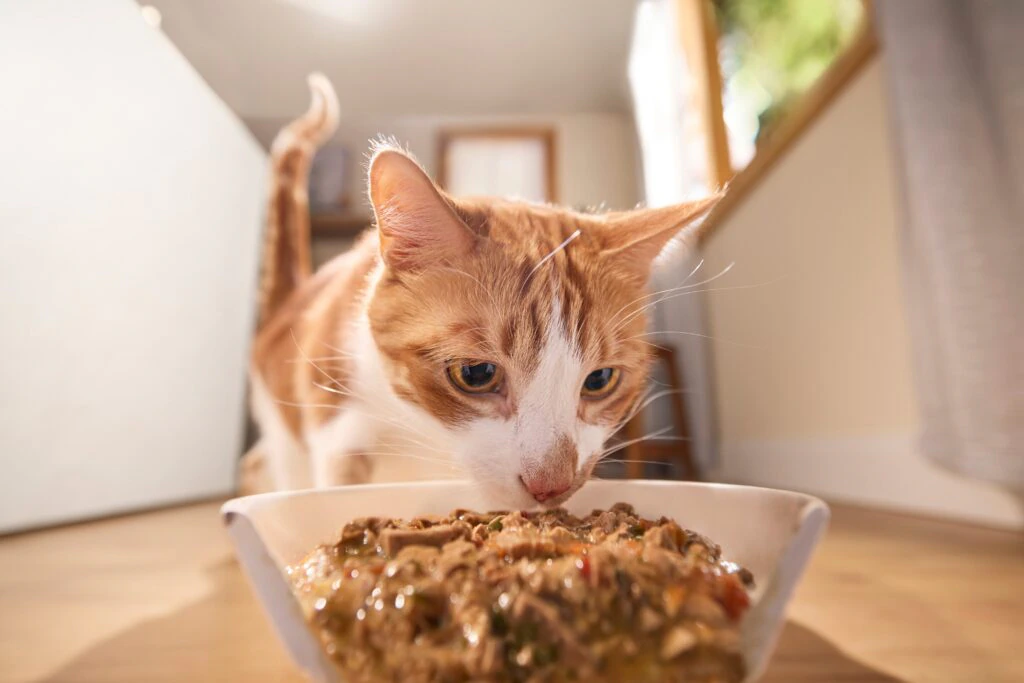
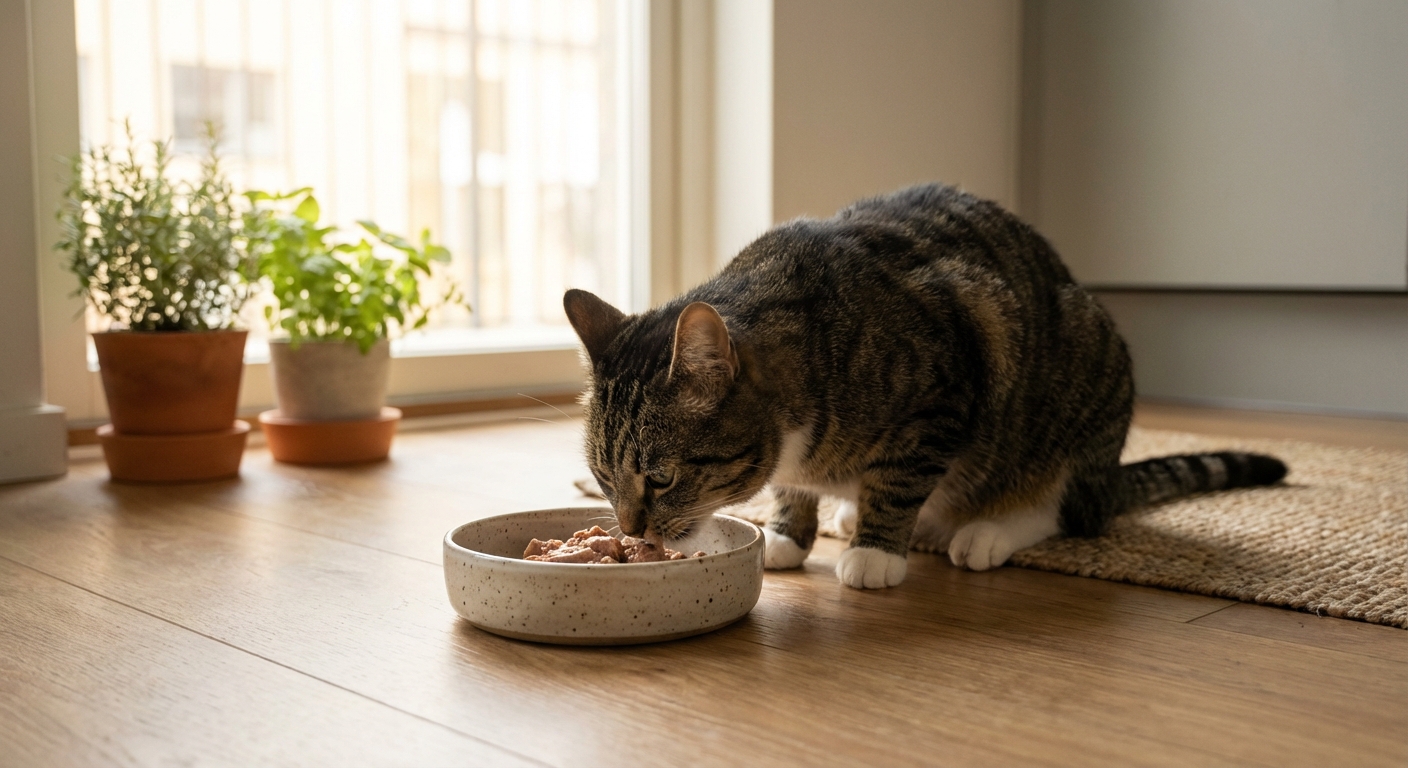
Cancer and GI disease can both affect appetite. The biggest nutrition goal is simple: keep calories going in consistently, in a way your cat tolerates.
- Offer small, frequent meals.
- Warm wet food slightly to increase aroma.
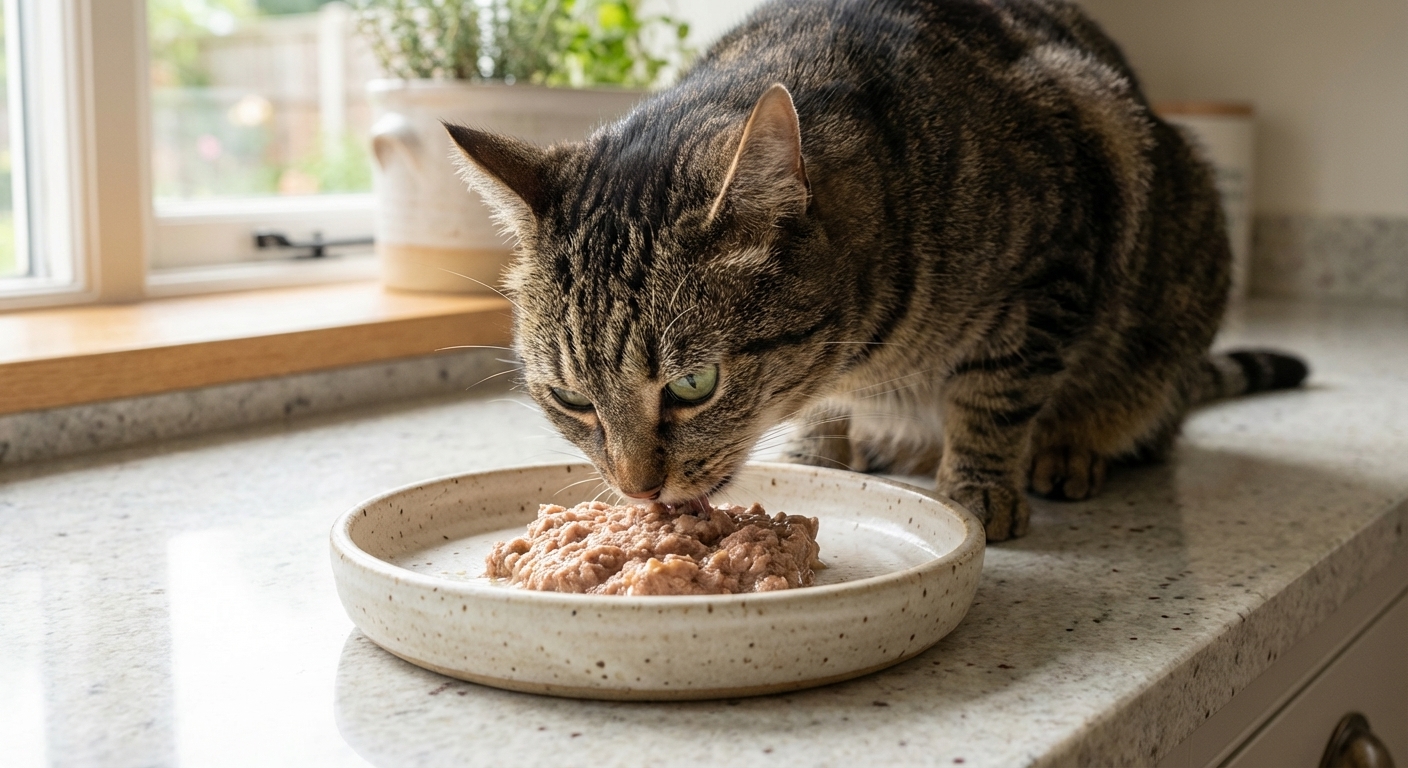
- Try a variety of textures: pate, shreds, mousse.
- Ask your vet about appetite stimulants (like mirtazapine) and anti-nausea medications (like maropitant or ondansetron).
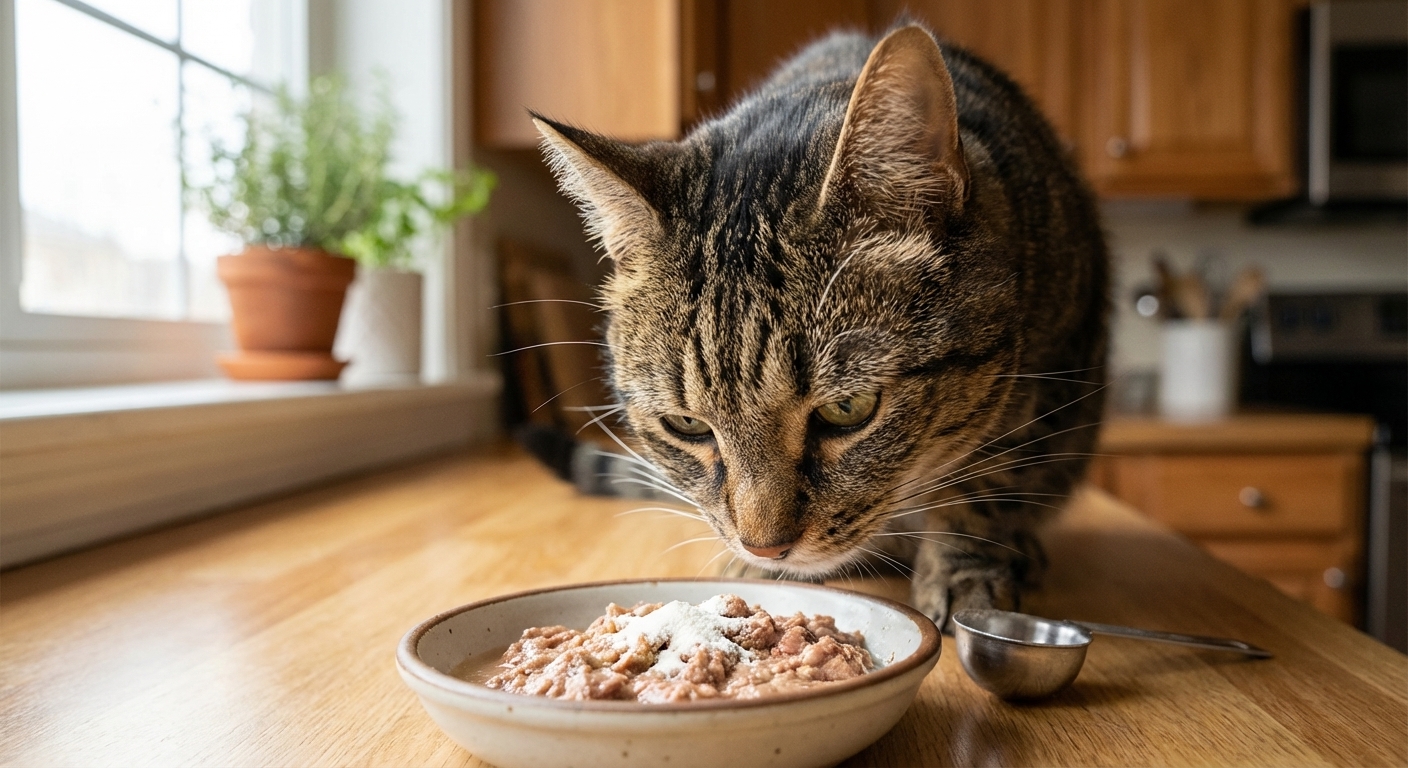
If you are interested in adding homemade foods, do it gently and strategically. Cats have specific nutrient requirements, and unbalanced homemade diets can cause problems over time. A board-certified veterinary nutritionist can help you create a safe plan.
Hydration
- Encourage drinking with a pet fountain and multiple bowls around the house.
- Ask your vet whether adding water or broth to meals is appropriate.
- In some cases, your veterinary team may teach you subcutaneous fluids at home.
Daily monitoring
Small changes matter. Track:
- Appetite and water intake
- Weight (even weekly can help)
- Energy level and comfort
- Medication doses and timing
- Vomiting episodes and what they look like
Litter box changes
Your cat’s litter box can tell you a lot. Watch for changes in:
- Stool frequency, size, and consistency
- Urination volume and frequency
- Straining, accidents, or blood
Stress reduction
Stress can worsen GI signs and reduce appetite. Helpful steps include:
- Keep routines consistent when possible
- Create a quiet recovery area with a soft bed and easy access to food, water, and litter
- Use pheromone diffusers if your cat responds well
- Minimize loud noises and new pets or visitors during treatment weeks
Chemo safety at home
If your cat is receiving chemotherapy, your veterinary team will provide detailed instructions. These general precautions are commonly recommended, but always follow your clinic’s exact guidance. Your team will also tell you the precaution time window, which is commonly 48 to 72 hours after a dose (and sometimes longer depending on the drug).
- Wear disposable gloves when handling medications.
- Wash hands after giving meds.
- Be cautious with litter box waste during the precaution window since some drugs can be excreted in urine or feces.
- If urine, stool, or vomit gets on bedding, wear gloves, blot what you can, and wash items separately if your clinic advises it.
- Store medications away from children and other pets.
If your cat refuses a pill, do not crush or open capsules unless your veterinarian specifically says it is safe. Some chemo drugs should not be altered.
When to call your vet
Call your veterinary clinic or oncologist promptly if you notice:
- Not eating for 24 hours, or significant appetite drop that worries you
- Vomiting or diarrhea that is frequent, bloody, or persistent
- Extreme lethargy or hiding more than usual
- Fever (your vet can teach you what is realistic to monitor at home)
- Any breathing difficulty, rapid breathing at rest, or open-mouth breathing
- Sudden weakness, collapse, or pale gums
It is always okay to call and ask. Early intervention often prevents bigger setbacks.
Questions to ask
- What subtype of lymphoma does my cat likely have, and how confident are we in the diagnosis?
- Is a biopsy recommended, and what would it change about the plan?
- What staging steps do you recommend for my cat, and why?
- What treatment protocol do you recommend and why?
- How will you protect my cat’s quality of life during treatment?
- What is the expected visit schedule and cost range?
- What supportive medications should we have at home right now?
- What signs mean “call today” vs “monitor and update”?
My favorite approach is to write your questions down before the appointment. When emotions are high, a simple list helps you advocate for your cat and hear the plan clearly.
Hope, with realism
Lymphoma is a serious diagnosis, and it is also one where many cats can feel better quickly once treatment and supportive care begin. Your job is not to be perfect. Your job is to be observant, consistent, and willing to adjust based on how your cat is doing.
You can ask for a plan that fits your budget, your schedule, and your cat’s personality. You can also change direction if the plan stops meeting your goals. Compassionate care is still excellent care.