Spot the most supported Lyme disease signs in dogs—shifting-leg lameness, joint swelling, fever, fatigue, and appetite loss—plus what to do, testing, tre...
Article
•
Designer Mixes
Lyme Symptoms in Dogs

Shari Shidate
Designer Mixes contributor
As a veterinary assistant here in Frisco, Texas, I can tell you this: Lyme disease is one of those illnesses that can look like a dozen other problems at first. Many dogs never show symptoms, while others suddenly seem sore, tired, and “not themselves.” The good news is that when you recognize the signs early and get veterinary care quickly, many dogs do very well.
What Lyme disease is
Lyme disease is an infection caused by the bacteria Borrelia burgdorferi. It is spread by certain Ixodes ticks. In the U.S., the primary vectors are blacklegged ticks, including Ixodes scapularis (common in the Northeast and Upper Midwest) and Ixodes pacificus (on the West Coast).
One local note: in North Texas, Lyme is generally less common than in the Northeast and Upper Midwest, but it can still show up, especially in dogs that travel or spend time in tick heavy areas. Also, other tick borne diseases can be more common here, which is another reason testing matters.
Dogs do not catch Lyme directly from other dogs. Transmission usually requires a tick to be attached for quite a while, commonly 24 hours or more (often closer to 36 to 48 hours). That is why prompt tick checks and quick removal really matter.
One tricky detail is timing: symptoms may show up weeks to months after the bite. That delay can make it hard to connect the dots unless you are actively watching for it.
Quick guide: symptoms to watch for
Lyme symptoms can be mild at first. If you notice several of the signs below, especially after tick exposure or outdoor time in grassy or wooded areas, it is worth calling your veterinarian.
Most common symptoms
- Shifting leg lameness (limping that seems to move from one leg to another)
- Stiffness or pain, especially when standing up or climbing stairs
- Swollen joints or reluctance to be touched around a joint
- Fever
- Low energy or not interested in normal activities
- Decreased appetite
Less obvious symptoms
- Enlarged lymph nodes (you might feel swelling under the jaw or in front of the shoulders)
- Generalized soreness (dogs may seem grumpy or avoid being handled)
- Weight loss over time if appetite stays low
Serious red flags (urgent)
A small percentage of infected dogs can develop a severe kidney condition known as Lyme nephritis. This can become dangerous quickly, and the outlook can be guarded.
- Vomiting or diarrhea with lethargy
- Marked decrease in appetite lasting more than a day
- Increased thirst and urination
- Swollen limbs or belly (fluid buildup)
- Weakness or collapse
If you see these severe signs, treat it as an urgent veterinary visit.
When symptoms show up
Many dogs that are infected never become noticeably ill. For dogs that do show signs, lameness, fever, and joint pain are often reported about 2 to 5 months after a tick bite, but timelines vary. Some dogs can also have recurring episodes of lameness even after they seem better.
That is why year round tick prevention and regular checks are so important even when your dog seems perfectly fine.
What to do if you suspect Lyme
1) Call your veterinarian
A helpful message includes:
- When symptoms started
- Whether limping shifts between legs
- Any recent tick exposure, hikes, tall grass, or travel to tick heavy areas
- Whether your dog is on tick prevention and if any doses were missed
2) Do not give human pain medications
Please do not give ibuprofen, naproxen, acetaminophen, or aspirin unless your veterinarian specifically instructs you to. Some common human medications can be toxic to dogs or complicate diagnosis.
3) Ask about testing
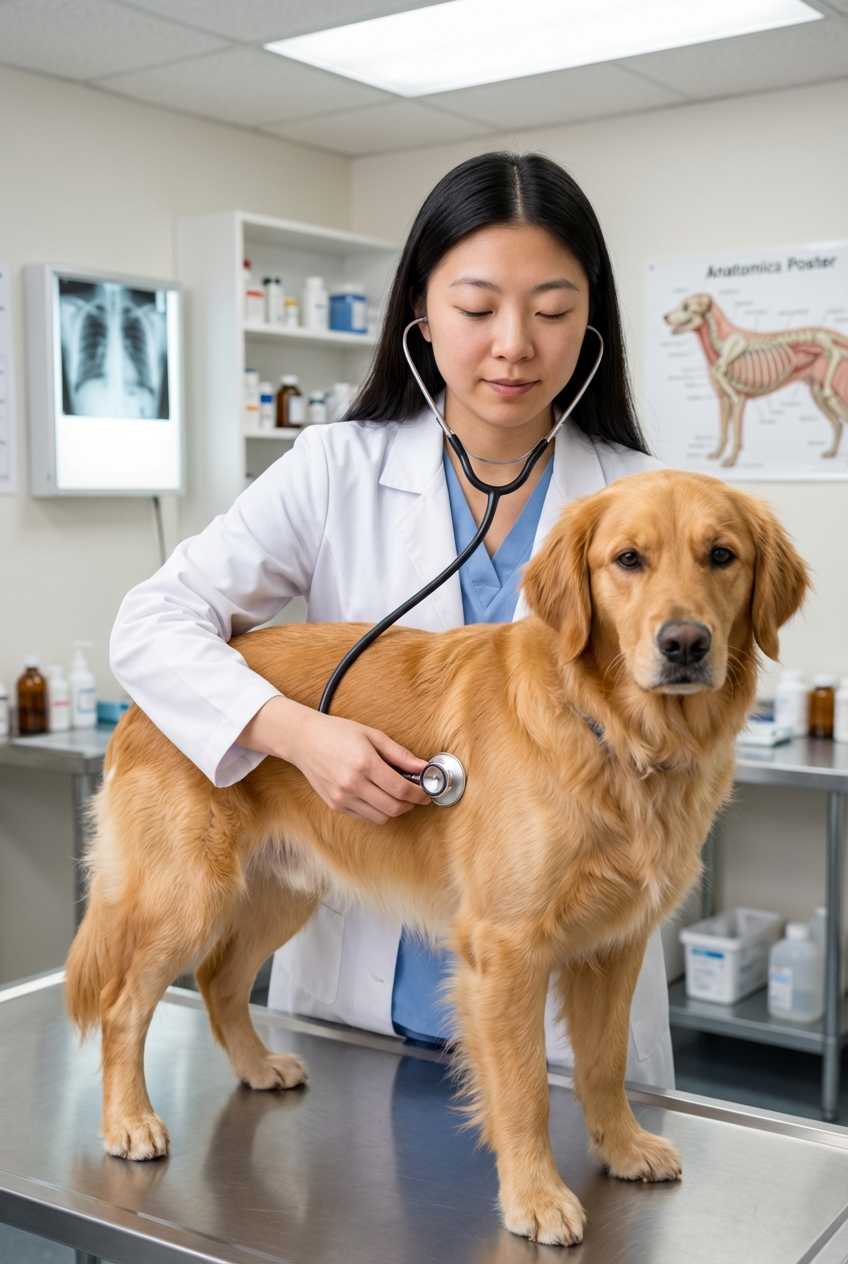
Veterinarians commonly screen using in clinic antibody tests, often a 4Dx type test that may also check for other tick borne diseases. One important nuance: these tests typically show exposure, not always active disease, and antibodies can remain positive for a long time. Vaccination can also affect Lyme specific testing depending on the test used.
That is why your veterinarian will interpret results alongside your dog’s symptoms and may recommend additional bloodwork and a urinalysis, especially to assess overall health and kidney function.
4) Ask what treatment looks like
When Lyme is suspected or confirmed and your veterinarian feels treatment is appropriate, antibiotics are commonly prescribed, often doxycycline. Many dogs start feeling better within a few days, but it is important to finish the full course and follow up if symptoms return.
Lyme can look like other problems
This is an important point: limping, fever, and low energy can also be caused by other tick borne diseases, joint injuries, arthritis, immune mediated disease, and even simple sprains. That is why it is so helpful to let your veterinarian guide the next steps rather than guessing at home.
Tick checks at home
You do not need fancy tools to make a difference. After outdoor time, take 2 minutes and check:
- Inside and behind the ears
- Around the collar line and under the chin
- Armpits, groin, and between toes
- Under the tail and around the rear end
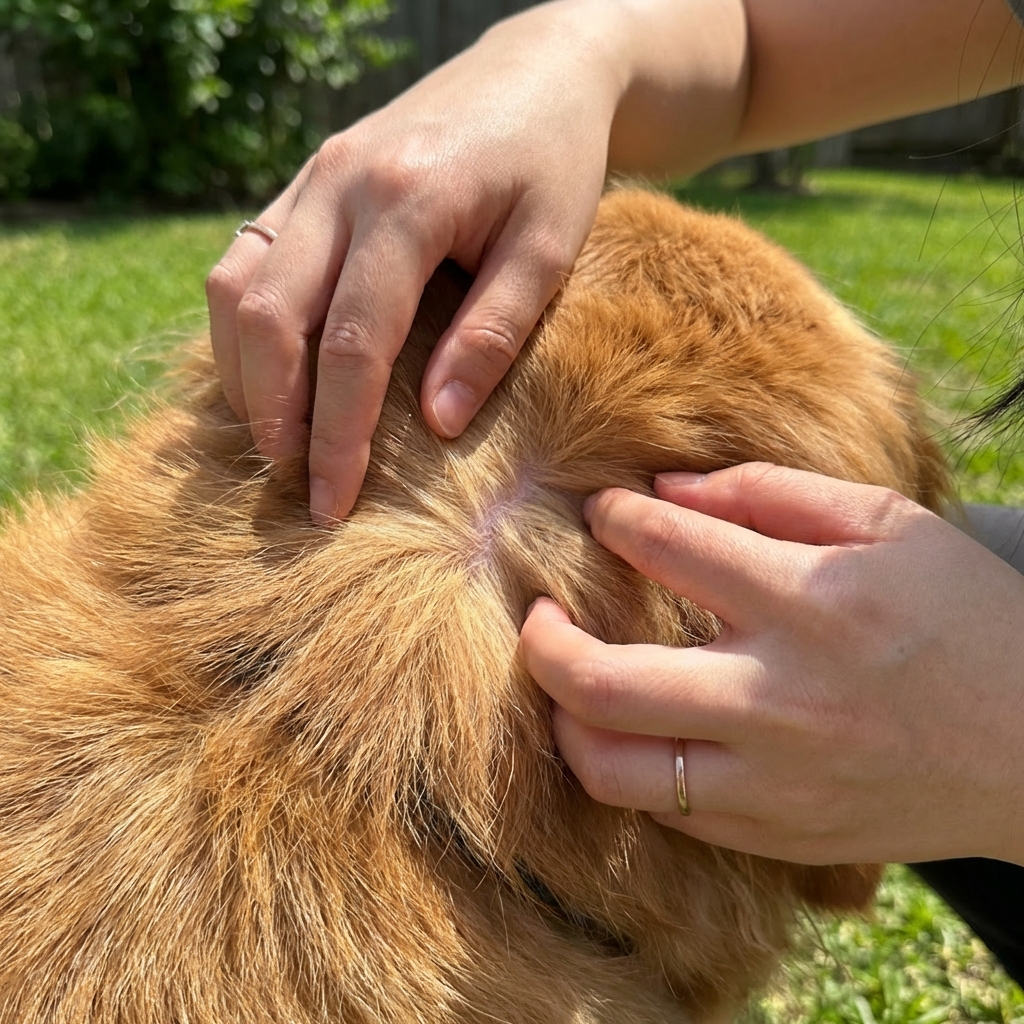
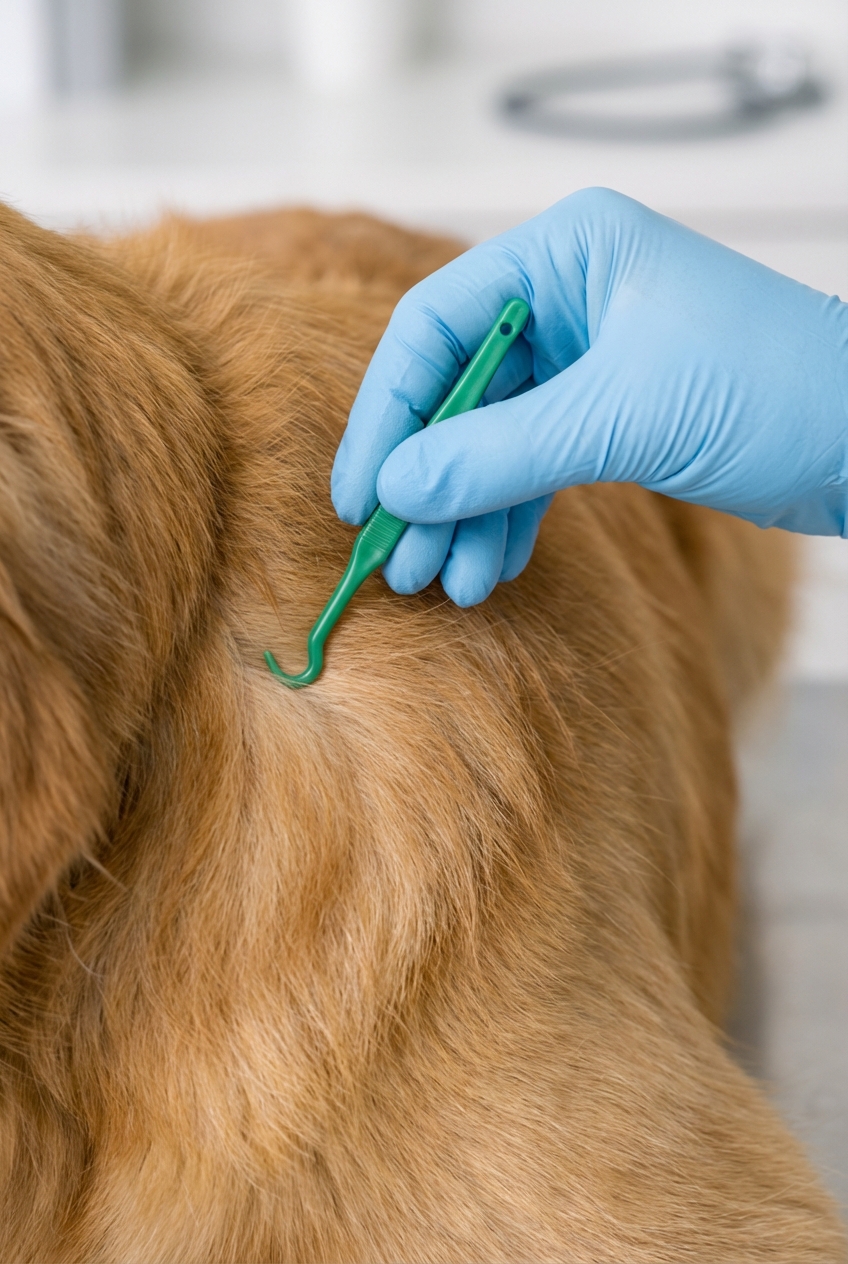
If you find a tick attached, remove it promptly with a tick remover or fine tipped tweezers. Grasp close to the skin and pull straight out with steady pressure. Then wash your hands and clean the bite area.
If you can, place the tick in a small container or zip bag (or alcohol) and note the date. It can help with identification if questions come up later. Watch the bite site for redness, swelling, discharge, or increasing irritation.
Also, a quick household reminder: Lyme is not spread directly from dogs to people, but dogs can carry ticks into the home. Keeping your dog on prevention and doing tick checks helps protect everyone.
Prevention
Lyme disease prevention is mostly about reducing tick attachment and considering vaccination where appropriate. Talk with your veterinarian about the right plan for your dog’s lifestyle, travel, and your region.
- Year round tick preventives (oral or topical, veterinarian recommended)
- Landscape adjustments like keeping grass trimmed and limiting brush piles
- Lyme vaccination for dogs at higher risk based on geography, travel, and exposure
If you take away one thing, let it be this: quick action plus consistent prevention can dramatically reduce the chance of Lyme disease becoming a long, stressful mystery.
Quick symptom checklist
- Limping or stiffness, especially shifting between legs
- Swollen joints
- Fever
- Tiredness and decreased interest in play
- Reduced appetite
- Vomiting, diarrhea, increased thirst or urination (urgent)
If your dog checks several boxes, especially with known tick exposure or recent travel, call your veterinarian for guidance on testing and next steps.