Cut through Lyme disease hype with a vet-informed plan: early symptom recognition, smart testing, doxycycline treatment, pain support, kidney monitoring, and...
Article
•
Designer Mixes
Lyme Disease Symptoms in Dogs: What to Watch For

Shari Shidate
Designer Mixes contributor
As a veterinary assistant here in Frisco, Texas, I can tell you this: Lyme disease in dogs is one of those conditions that can be easy to miss at first. Many dogs look totally normal right after a tick bite. Then, weeks or even months later, you may see vague changes like limping, low energy, or “just not acting like themselves.”
The good news is that Lyme disease is treatable, and early action makes a real difference. Below, I’ll walk you through practical symptoms to watch for, how vets diagnose and treat it, and simple care and training tips to help your dog feel better and stay safe.
What Lyme disease is (and how dogs get it)
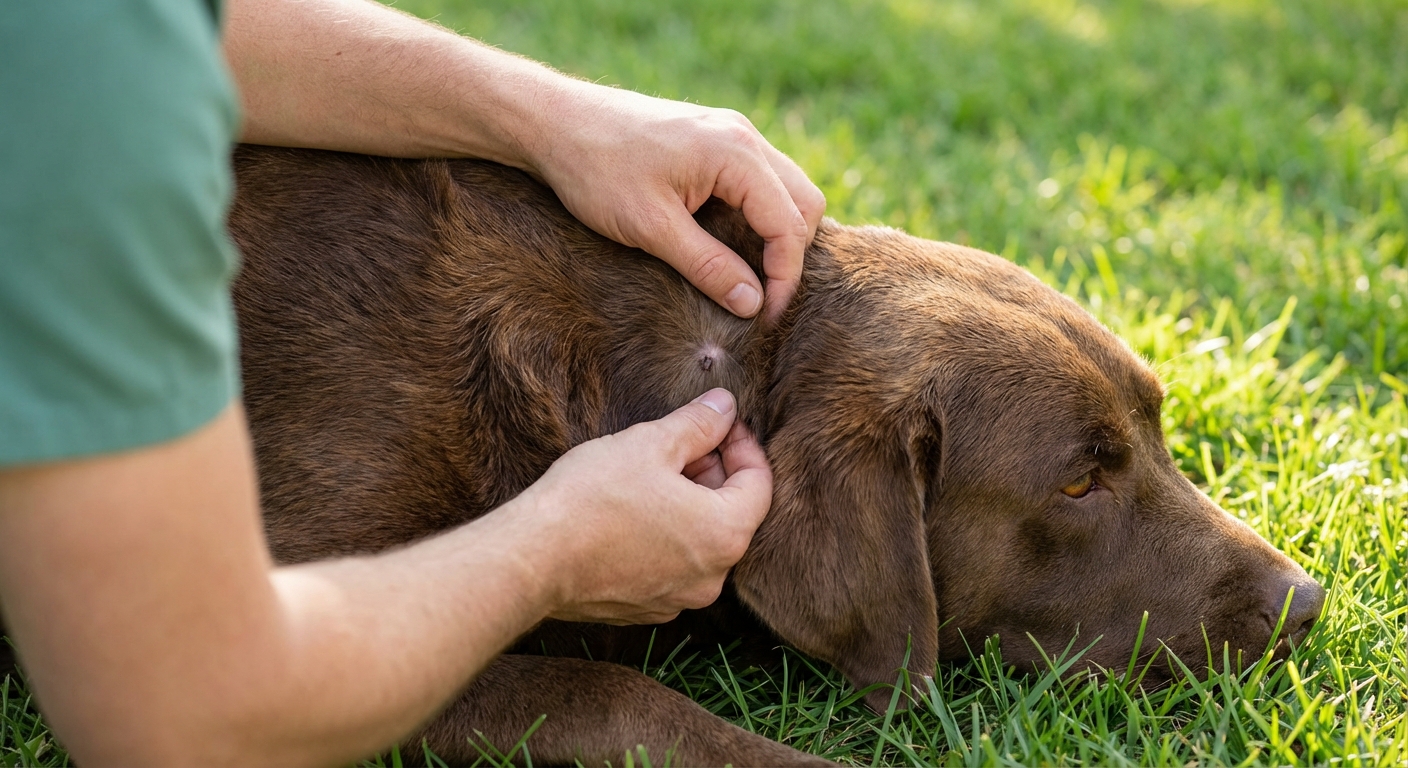
Lyme disease is caused by a bacterium called Borrelia burgdorferi. Dogs can get it from the bite of an infected Ixodes tick. In the U.S., that usually means the black-legged tick (Ixodes scapularis) in the East and Midwest or the western black-legged tick (Ixodes pacificus) on the West Coast.
Since I’m in North Texas, I also want to add a practical note: Lyme risk can vary a lot by region. We do see Lyme, but other tick-borne illnesses can be more common here, and the symptoms can overlap. Either way, tick prevention and prompt vet guidance are still the right move.
The tick typically needs prolonged attachment to transmit Lyme, often a day or more. That timing is not a guarantee, but it is one reason daily tick checks are so powerful.
Not every dog that’s exposed becomes sick. Some dogs test positive and never show symptoms. Others develop painful joints or more serious complications.
Practical symptoms of Lyme disease in dogs
Lyme disease symptoms can look like many other issues, including simple sprains, arthritis, or even “overdid it at the park.” The pattern and combination of symptoms matter.
Common early signs
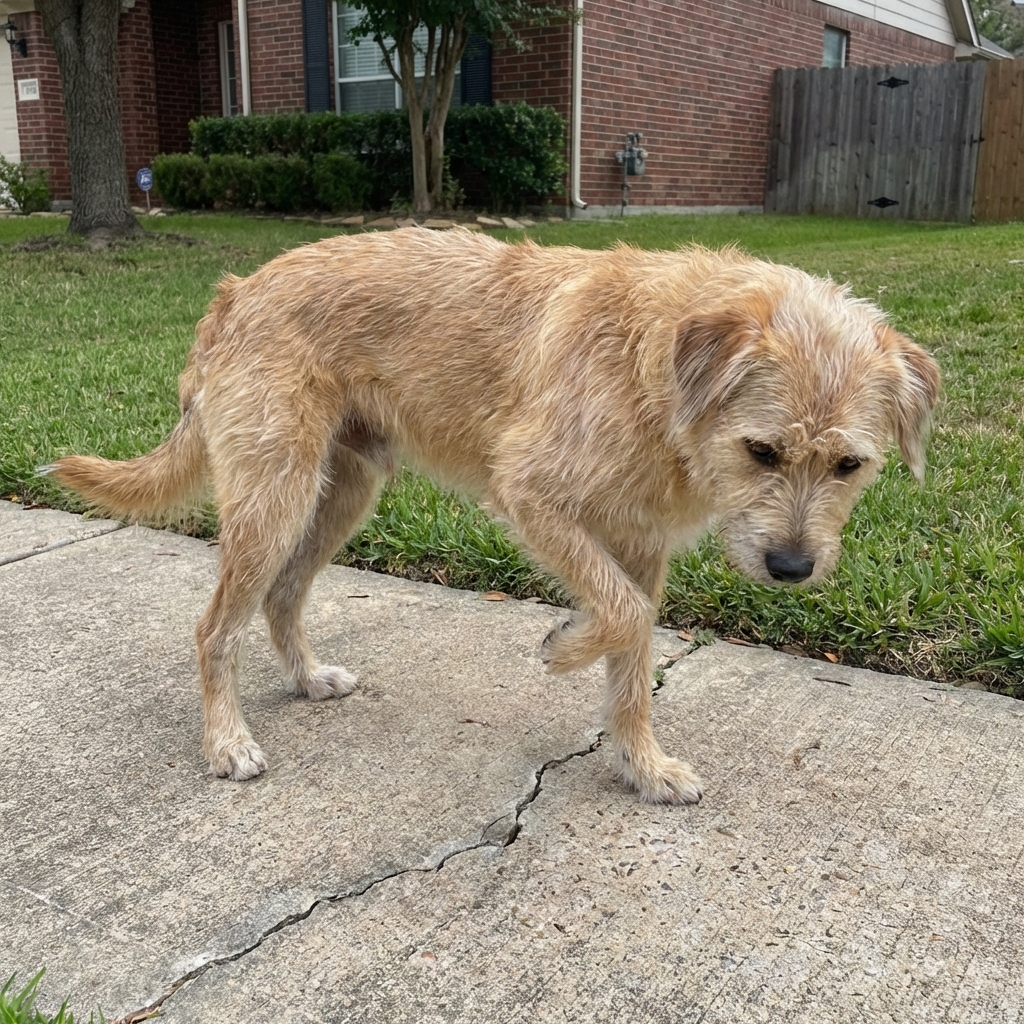
- Lameness that shifts from leg to leg (one day it’s a front leg, later it’s a back leg)
- Stiffness, especially after resting, like getting up from a nap
- Reluctance to jump, climb stairs, or play
- Low energy or seeming “down”
- Reduced appetite
- Fever (often subtle at home, but your dog may feel warm and act tired)
Signs that can show up later
- Swollen, painful joints
- Enlarged lymph nodes (you might notice swelling under the jaw or in front of the shoulders)
- General soreness like your dog flinches when touched
Serious red flags (see a vet promptly)
Some dogs develop a more severe complication often referred to as Lyme nephritis, which affects the kidneys. This is not common, but it is serious. One important clue vets look for is protein loss in the urine (proteinuria), which is why lab work matters if there are warning signs.
- Vomiting or diarrhea that does not quickly improve
- Increased thirst and urination
- Weight loss
- Swollen legs or belly (fluid buildup)
- Extreme lethargy
If your dog has sudden lameness plus low appetite or fever, it’s worth calling your vet even if you never saw a tick. Ticks can be tiny and easy to miss.
When symptoms can show up
Many dogs do not show symptoms immediately. Clinical signs can appear weeks to months after infection. That delay is one reason Lyme disease feels confusing to families. You may not connect today’s limp with a tick exposure earlier in the season.
How veterinarians diagnose Lyme disease
Your vet will combine your dog’s history, symptoms, physical exam, and test results.
Common tests
- In-clinic antibody screening (often part of annual tick-borne disease screening, like a SNAP 4Dx style test). This detects antibodies, meaning exposure, not always active illness.
- Additional Lyme testing may be recommended in some cases, such as a C6-based test (sometimes including a quantitative C6) to help interpret exposure versus likely active infection.
- Urinalysis and bloodwork to evaluate kidney function and inflammation, especially if your dog is sick, at higher risk, or has a positive Lyme test.
- Additional tick-borne testing if needed, because ticks can carry more than one disease.
What a positive test can mean: A positive antibody test plus compatible symptoms often supports treatment. A positive test in a dog who feels fine is more nuanced, and your veterinarian may recommend monitoring, baseline urine and blood testing, and a plan tailored to your dog’s risk factors.
Treatment basics
Lyme disease is commonly treated with an antibiotic, often doxycycline. A typical course is around 28 days, but your vet will choose the medication and duration based on your dog’s needs and any other test results.
Many dogs with Lyme-related joint pain start improving within days of starting medication, but finishing the full course is important.
Supportive care your vet may recommend
- Pain relief or anti-inflammatory medication if joints are sore
- Activity restriction during the painful phase
- Follow-up lab work if kidneys may be involved, especially if protein is found in the urine
Some dogs can have recurring joint discomfort later. If symptoms return, do not assume it’s “just aging.” It’s worth re-checking.
Care tips at home
Think comfort, consistency, and gentle movement. Lyme can make dogs feel achy, and pushing too hard too fast can backfire.
Comfort-focused care
- Limit high-impact activity for now: no long runs, intense fetch, or repeated jumping on furniture.
- Create easy access: use ramps or steps for cars and couches if your dog is reluctant to jump.
- Warm, supportive bedding can reduce stiffness, especially for older dogs.
- Keep water available, and watch for changes in thirst or urination.
Food and hydration support
When a dog is under the weather, appetite can dip. If your vet approves, you can gently tempt eating with warm, simple toppers like a little plain cooked chicken or low-sodium broth. If your dog is vomiting, has diarrhea, or is refusing food, contact your veterinarian rather than trying to “wait it out.”

Training tips
Dogs on rest orders still need mental stimulation. The key is low-impact enrichment that supports calm behavior and helps prevent boredom.
Low-impact training games
- “Find it” scent games: toss a few treats in the grass or hide them around one room.
- Station training: teach “go to mat” and reward calm settling.
- Hand targeting (touch): great for focus and gentle movement.
- Slow puzzle feeding: snuffle mats, food puzzles, or a stuffed toy (use vet-approved foods).
Adjust your expectations
If your dog is hurting, cues like “sit” and “down” might be uncomfortable. Instead of repeating commands, switch to behaviors that are easier on the body, like “look,” “touch,” or “go to bed.” This keeps training positive and prevents frustration for both of you.
Tick prevention
In Texas and beyond, ticks can be active for a large part of the year depending on weather. Prevention is much easier than treatment.
Practical prevention steps
- Use veterinarian-recommended tick preventives consistently. Ask your vet which option fits your dog’s age, weight, and lifestyle.
- Do daily tick checks, especially after walks in tall grass, wooded trails, and brushy areas.
- Check the “hidden” spots: inside ears, under the collar, armpits, groin area, between toes, and under the tail.
- Keep your yard trimmed: shorter grass and less leaf litter reduces tick habitat.
Lyme vaccine
There is a Lyme vaccine for dogs, but whether it’s recommended depends on where you live and your dog’s exposure risk. If you travel with your dog, hike often, or spend time in higher-risk areas, ask your veterinarian if vaccination makes sense for your situation.
How to remove a tick safely
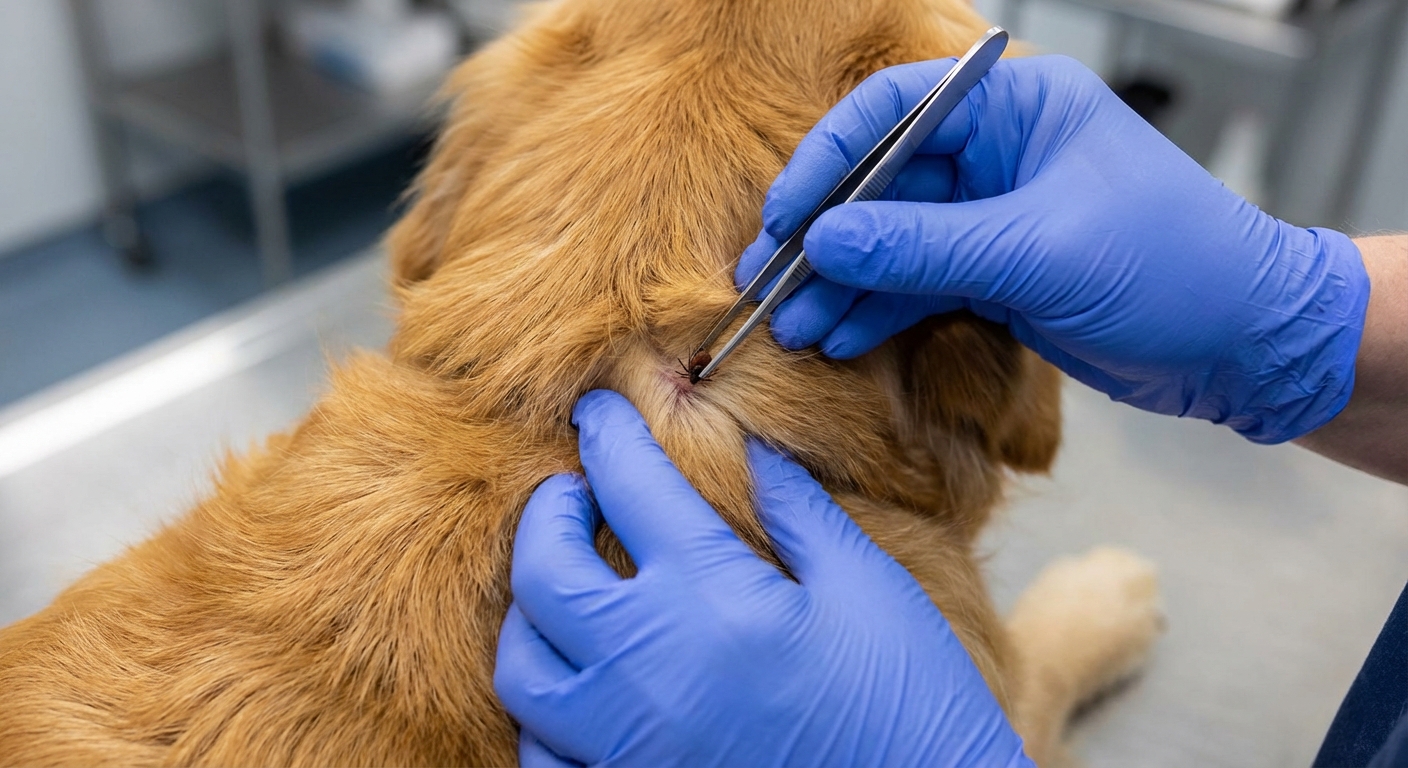
Use fine-tipped tweezers. Grasp the tick close to the skin and pull upward with steady pressure. Avoid twisting, crushing, or using home remedies like petroleum jelly. Wash your hands and clean the bite area.
After removal, you can dispose of the tick safely, or if your clinic recommends it, save it in a sealed container or bag labeled with the date and where you found it. Then contact your veterinarian if your dog becomes ill afterward.

Lyme and other tick diseases
One more helpful Texas-specific note: signs like fever, low energy, appetite changes, and sore joints can also happen with other tick-borne diseases (such as ehrlichiosis, anaplasmosis, or Rocky Mountain spotted fever). That is another reason your vet may recommend broader tick testing, not just Lyme.
When to call the vet
If your dog has possible Lyme symptoms, it’s always okay to call and ask. I would especially encourage a prompt appointment if you notice:
- Limping that comes and goes
- Stiffness plus low energy
- Fever, poor appetite, or swollen joints
- Vomiting, diarrhea, increased thirst or urination, or sudden weight loss
Early evaluation can prevent prolonged discomfort and helps catch rare but serious kidney complications sooner.
Takeaway
Lyme disease can be sneaky, but you are not powerless. Watching for practical signs like shifting lameness, stiffness, and fatigue, then pairing that awareness with consistent tick prevention and vet guidance, gives your dog the best chance at a healthy, comfortable life.
If you’d like, I can also share a simple tick-check routine you can do in under two minutes after every walk, plus low-impact enrichment ideas tailored to your dog’s mix and energy level.