Cut through Lyme disease hype with a vet-informed plan: early symptom recognition, smart testing, doxycycline treatment, pain support, kidney monitoring, and...
Article
•
Designer Mixes
Lyme Disease in Dogs: Signs and What to Do

Shari Shidate
Designer Mixes contributor
As a veterinary assistant here in Frisco, Texas, I can tell you one thing I see over and over: Lyme disease can be sneaky. Some dogs look perfectly fine after a tick bite, then weeks or even months later they start limping, acting tired, or running a fever. The good news is that when you know the signs and you act early, most dogs do very well with prompt veterinary care.
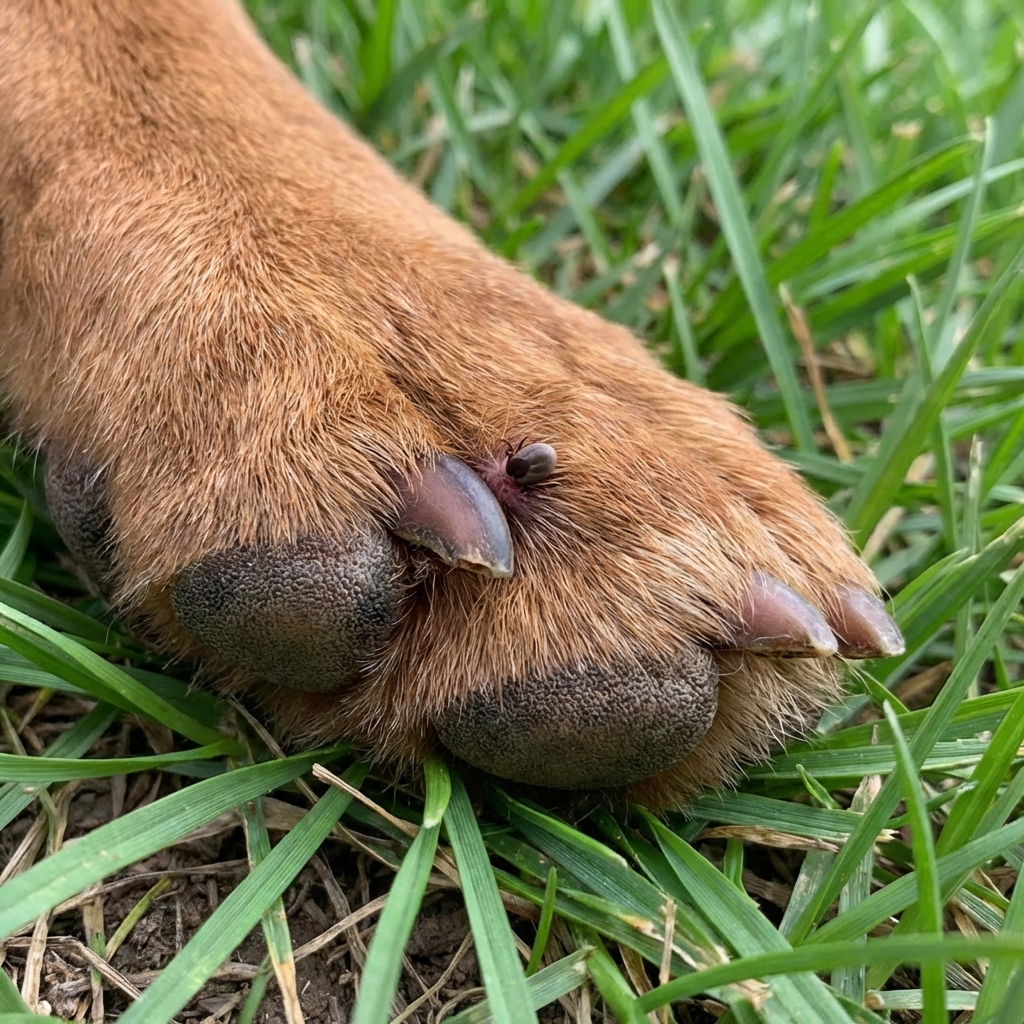
Lyme disease is caused by the bacterium Borrelia burgdorferi, most commonly transmitted through the bite of infected black-legged ticks. Not every tick carries Lyme, and not every tick bite leads to infection.
A quick Texas note: Lyme risk varies a lot by region. Compared with the Northeast and Upper Midwest, North Texas is generally lower incidence, but dogs can still be exposed, especially if they travel, hunt, hike, or pick up ticks brought in by wildlife. Also, several other tick-borne diseases can cause similar “Lyme-like” signs, which is one reason your veterinarian may test for more than one infection.
Most common signs
Many dogs with Lyme disease do not show obvious symptoms at first. When signs do appear, they can look like a lot of other conditions, which is why patterns matter.
Classic early signs
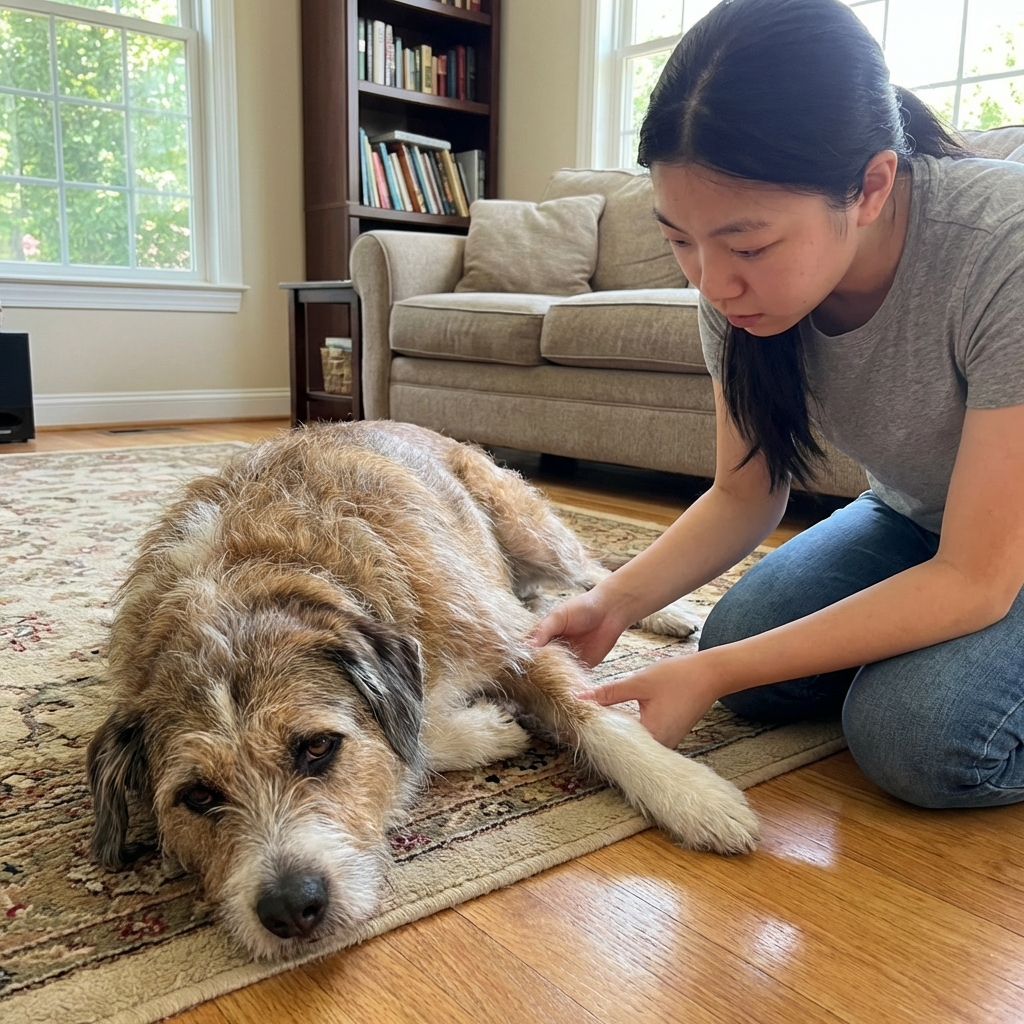
- Shifting-leg lameness (one day the right front leg is sore, another day it is the left rear)
- Joint swelling or stiffness, especially after rest
- Fever
- Low energy or “just not themselves” behavior
- Decreased appetite
- General soreness or reluctance to jump, climb stairs, or go on walks
That shifting lameness is one of the biggest clues. Owners often describe it as “on and off limping” that seems to move around. It is not diagnostic on its own, but it is a good reason to call your vet.
Less common but important signs
- Enlarged lymph nodes
- Weight loss over time
- Behavior changes such as irritability from pain
Note: Unlike humans, dogs rarely develop the classic bullseye rash. So if you are waiting for a skin sign, you might miss it.
Serious complication: kidney disease
Most cases of Lyme disease cause joint and flu-like symptoms, but a rare complication affecting the kidneys can occur, sometimes called Lyme nephritis. It is uncommon, but it is one of the reasons veterinarians take Lyme seriously.
Red flags that need urgent care
- Vomiting
- Diarrhea
- Marked lethargy
- Loss of appetite
- Increased thirst and urination (or sometimes decreased urination)
- Swelling in the legs or under the belly from fluid buildup
If you suspect Lyme and your dog is vomiting or not able to keep water down, do not wait it out. Call your veterinarian or an emergency clinic.
When symptoms start
The timeline can be confusing. In general, the longer a tick is attached, the higher the risk of transmission.
- Transmission usually requires time. Many veterinary sources cite roughly 24 to 48 hours of attachment as a common window for Lyme transmission, although timing can vary.
- Symptoms can show up weeks to months later.
- Some dogs test positive but never look sick. They were exposed, their immune system responded, and they may remain asymptomatic.
This is why your dog can seem fine after you remove a tick, then develop limping weeks later. Owners often do not connect the two events.
What to do next
If your dog is limping, stiff, feverish, or unusually tired, it is always worth a call to your vet, especially if tick exposure is possible.
Step by step
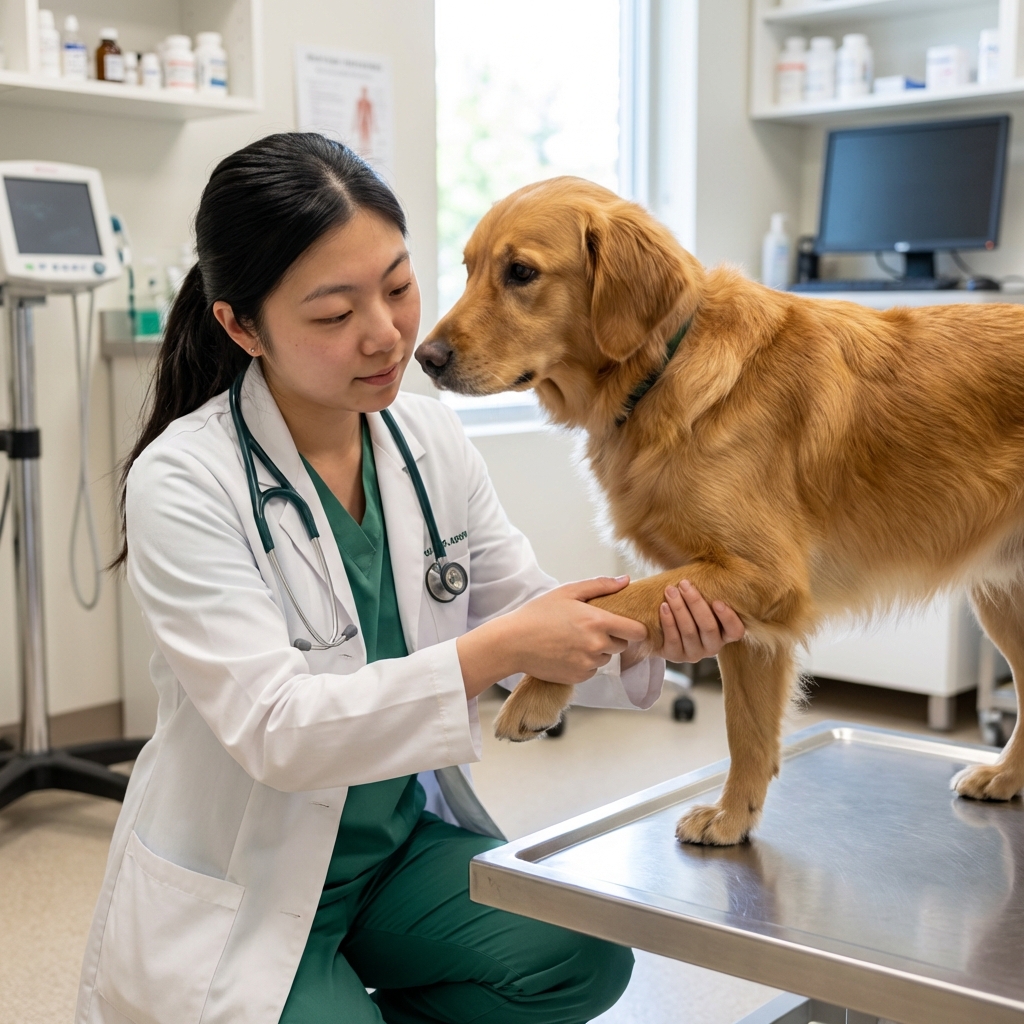
- Book a veterinary exam. Your vet will assess joints, temperature, hydration, and overall comfort.
- Bring your history. Mention recent hikes, travel, grooming visits, or tick findings, even if it was “a while ago.”
- Ask about testing. Many clinics use a quick in-house blood test that screens for Lyme exposure and other tick-borne diseases.
- Discuss follow-up labs. If Lyme is suspected or confirmed, your vet may recommend additional bloodwork and a urinalysis to check kidney function and protein loss.
- Follow medication instructions carefully. Antibiotics are commonly prescribed, and pain control may be used when appropriate.
Do not start leftover antibiotics at home. The type, dose, and duration matter, and tick-borne diseases can overlap, which can change the plan.
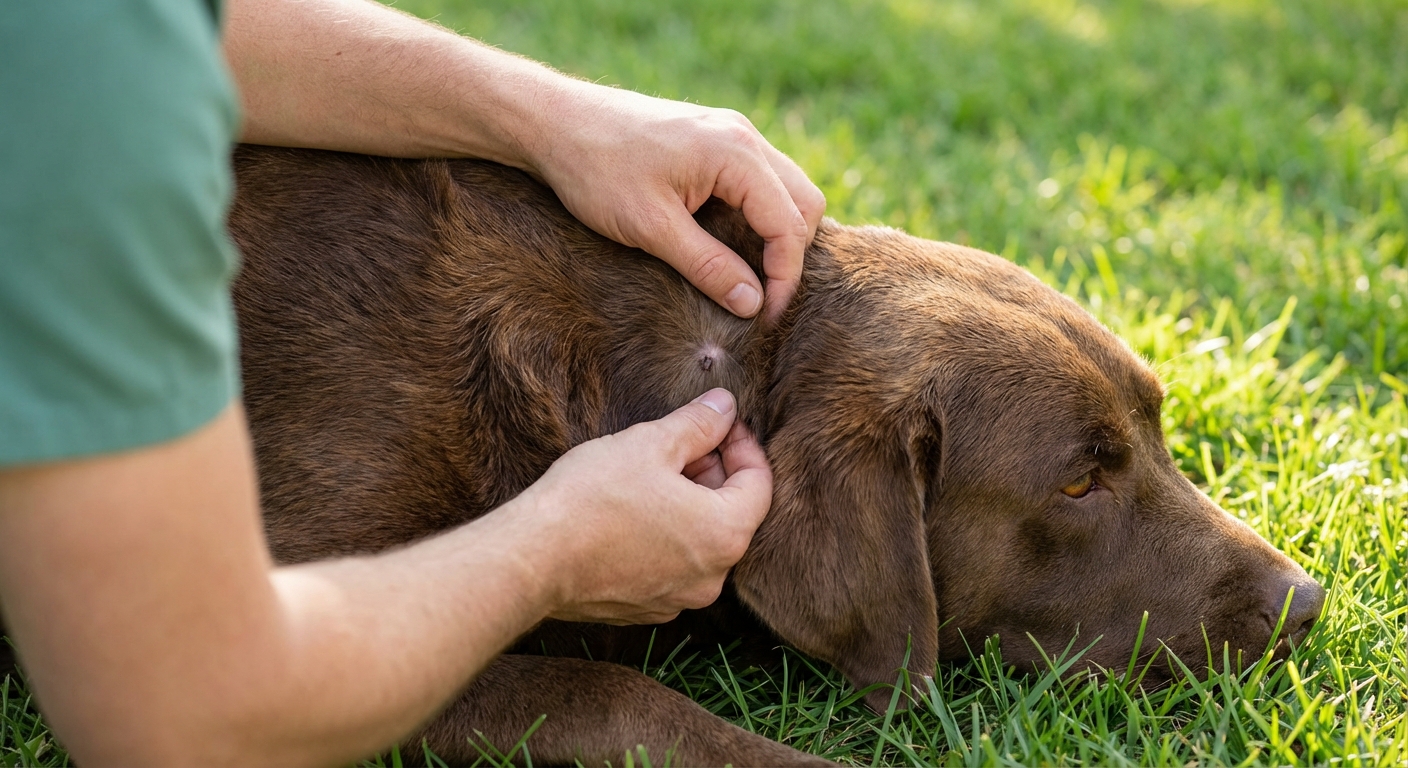
Tick removal tips
If you find a tick, removing it promptly can reduce risk.
- Use fine-tipped tweezers or a tick tool.
- Grasp close to the skin (right where the tick is attached) and pull straight out with steady pressure.
- Avoid “home remedies” like heat, petroleum jelly, or alcohol on the tick. Those can make things worse.
- If you can, save the tick in a sealed container or bag with the date. Your vet can tell you if that is helpful in your area.
If the mouthparts look like they stayed in the skin or the bite site becomes very red, swollen, or oozing, call your vet.
Diagnosis and testing
Diagnosis is usually a combination of:
- Clinical signs (lameness, fever, joint pain)
- Exposure risk (ticks in your region, travel history)
- Test results (screening tests that detect antibodies, plus additional tests if needed)
Because screening tests often detect exposure rather than active illness, your veterinarian interprets results alongside symptoms and exam findings. Also, depending on the specific test used, Lyme vaccination can affect certain antibody results, so always tell your clinic whether your dog has received a Lyme vaccine.
Since symptoms overlap, your veterinarian may also consider other tick-borne diseases like anaplasmosis, ehrlichiosis, or Rocky Mountain spotted fever, especially in regions where those are more common.
Treatment and recovery
Most dogs with typical Lyme-related joint pain improve with appropriate antibiotics. Many owners notice their dog is more comfortable within days, but finishing the full prescription is important.
In many clinics, doxycycline is a commonly used first-choice antibiotic for suspected tick-borne disease, but your veterinarian will choose the right medication based on your dog’s needs, test results, age, and any other health conditions.
At-home support
- Rest and gentle activity while joints recover
- Consistent tick prevention to prevent reinfection and other tick-borne illnesses
- Healthy weight and nutrition, since extra weight increases joint stress
- Rechecks if symptoms return or if your vet wants to monitor labs
If kidney involvement is suspected, treatment is more intensive and may include hospitalization, fluids, and specialized medications and diet. Early detection makes a huge difference.
Prevention
In my experience, prevention is the kindest, easiest path for both dogs and humans. It is also more affordable than treating complications.
Everyday habits
- Use veterinarian-recommended tick prevention consistently, not “only in summer.”
- Do tick checks after walks and outdoor play, especially around ears, collar line, armpits, groin, and between toes.
- Keep grass trimmed and remove leaf litter where ticks like to hide.
- Wash and dry bedding regularly if your dog spends a lot of time outdoors.
Lyme vaccine
Some dogs may benefit from a Lyme vaccine depending on where they live, how much time they spend in tick-heavy environments, and their travel habits. Your veterinarian can help you weigh the pros and cons for your specific dog.

Call the vet now
Please seek prompt veterinary care if your dog has any of the following:
- Limping plus fever or obvious pain
- Repeated vomiting or diarrhea
- Refusing food and water
- Extreme lethargy
- Increased thirst and urination or accidents in the house
- Swollen limbs or belly
You know your dog’s normal. If something feels “off,” trust that instinct and get them seen.
Helpful mindset: if your dog’s limping comes and goes, especially if it seems to move from leg to leg, Lyme disease deserves a spot on the rule-out list.