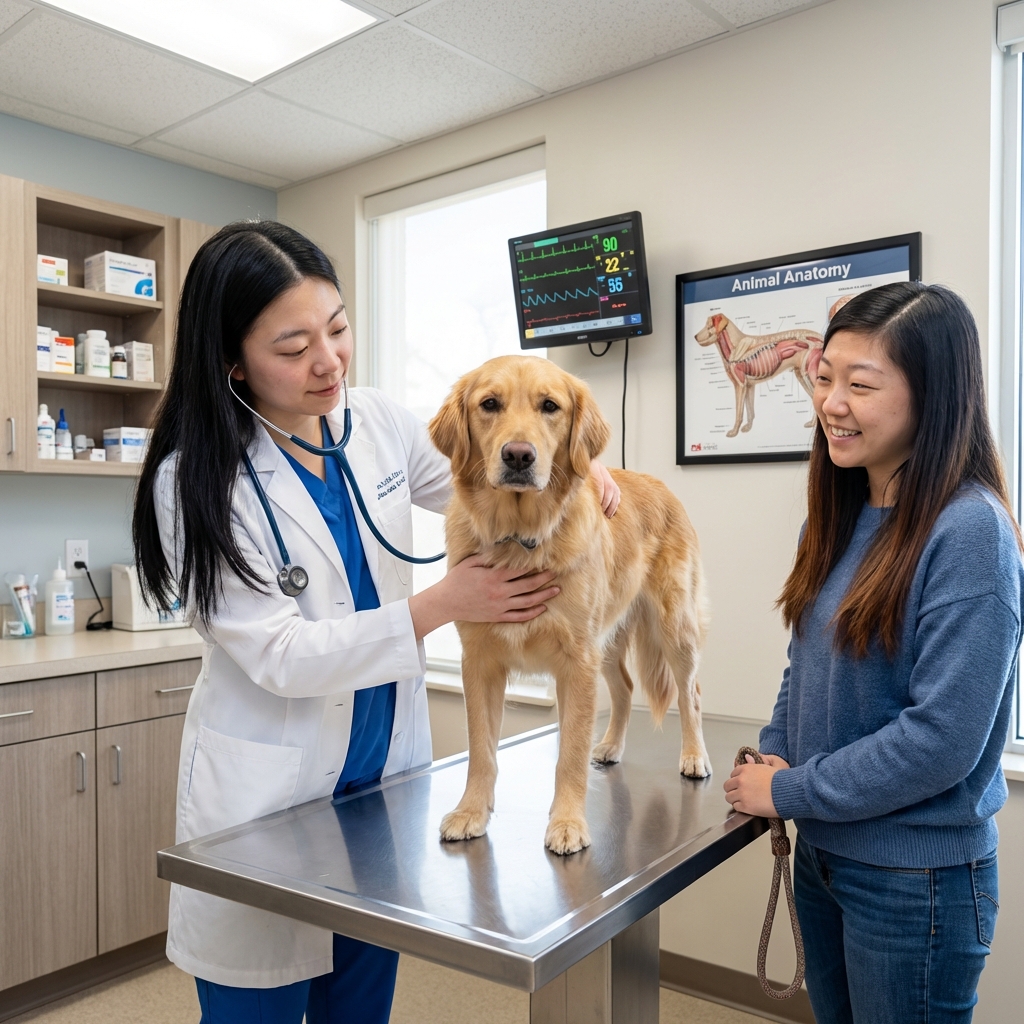
Spot the most supported Lyme disease signs in dogs—shifting-leg lameness, joint swelling, fever, fatigue, and appetite loss—plus what to do, testing, tre...
Article
•
Designer Mixes
Lyme Disease and Dog Behavior

Shari Shidate
Designer Mixes contributor
As a veterinary assistant here in Frisco, Texas, I see a lot of worried pet parents who say, “My dog is acting weird, could it be Lyme?” And honestly, that question makes sense. Lyme disease can change how dogs move, how they feel, and yes, how they behave. The tricky part is that behavior changes can look like so many other issues, from sore joints to anxiety to plain old “I do not feel good.”
This guide will help you connect the dots in a calm, practical way. You will learn what behavior shifts can mean, what to do at home, and when it is time to call your veterinarian.
Lyme basics (plain language)
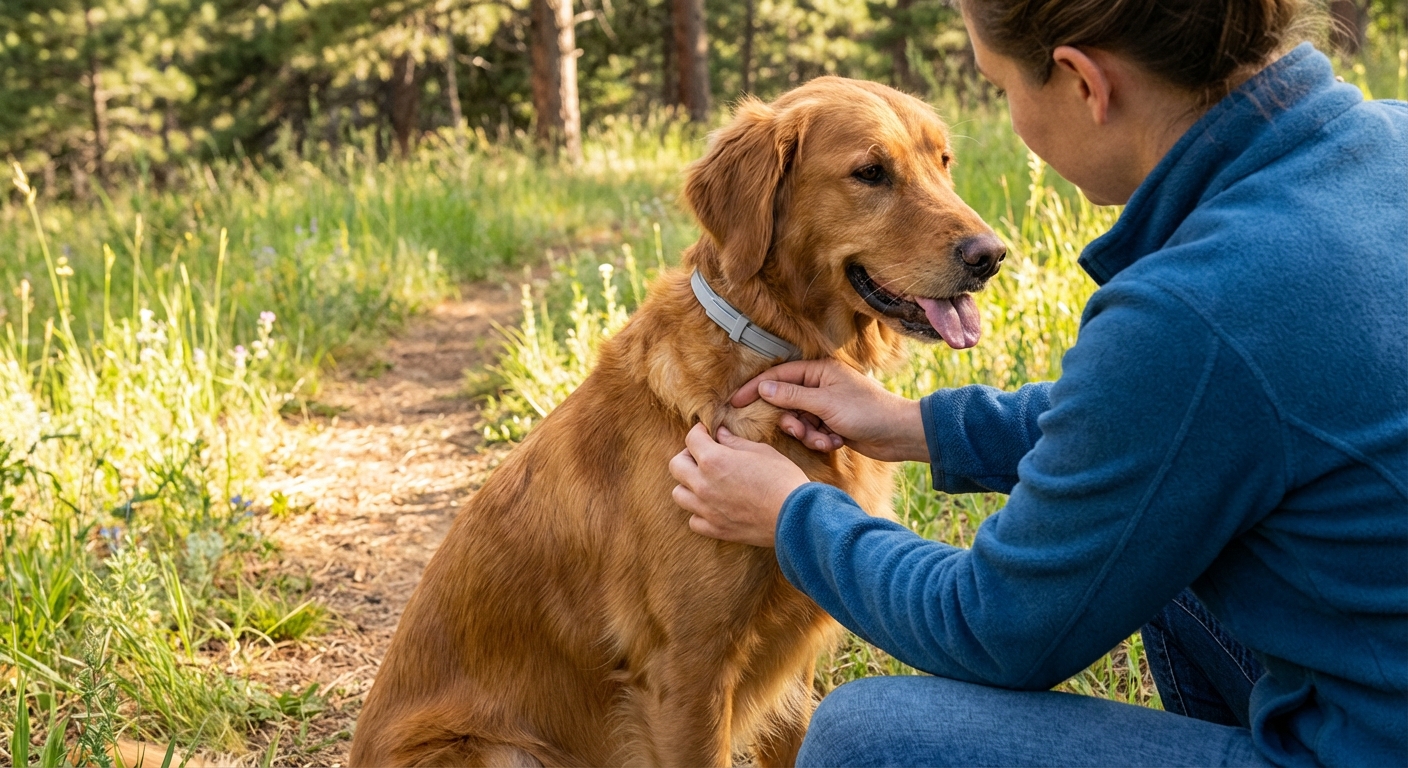
Lyme disease is an infection caused by Borrelia bacteria. Dogs usually get it from the bite of an infected black-legged tick (often called a deer tick). Symptoms, if they show up, can appear weeks to months later.
A quick Texas note: Lyme exists here, but risk can be patchier and generally lower than in the Northeast and Upper Midwest. In North Texas, we also see other tick-borne diseases that can look similar (like ehrlichiosis, anaplasmosis, and Rocky Mountain spotted fever). That is why testing and a full exam matter.
One important note: dogs do not directly “give” Lyme disease to people. The shared risk is ticks in the environment. If your dog has ticks, your home and yard may have tick exposure too.
Behavior changes to watch
Dogs do not tell us “my joints ache” or “I have a headache.” They show us through behavior. These signs are not specific to Lyme, but they are valid reasons to book an exam, especially if there is tick exposure.
1) Crankiness or sensitivity to touch
A typically friendly dog may growl when you reach for a collar, hesitate to be picked up, or avoid petting. This can be a pain response, especially if joints are inflamed.
2) Less interest in walks or stairs
A dog who used to zoom around the yard may start lagging behind, stopping more often, or refusing stairs. This can look like “laziness,” but it is often discomfort.
3) Restlessness and trouble settling
Pain can make dogs pace, shift positions constantly, or sleep lightly. Some dogs seem unable to get comfortable.
4) Appetite changes
Many dogs with tick-borne illness (including Lyme) can have decreased appetite, especially during flare-ups. Less interest in treats is often a clue that something is off.
5) “Off” mood, clinginess, or withdrawal
Some dogs become unusually needy and follow you from room to room. Others hide, disengage, or seem depressed. Either direction can happen when a dog feels unwell.
6) Limping that moves around
One of the more classic Lyme signs is shifting leg lameness, for example limping on one leg today and a different leg next week. It is not always present, but when it is, it is worth taking seriously.
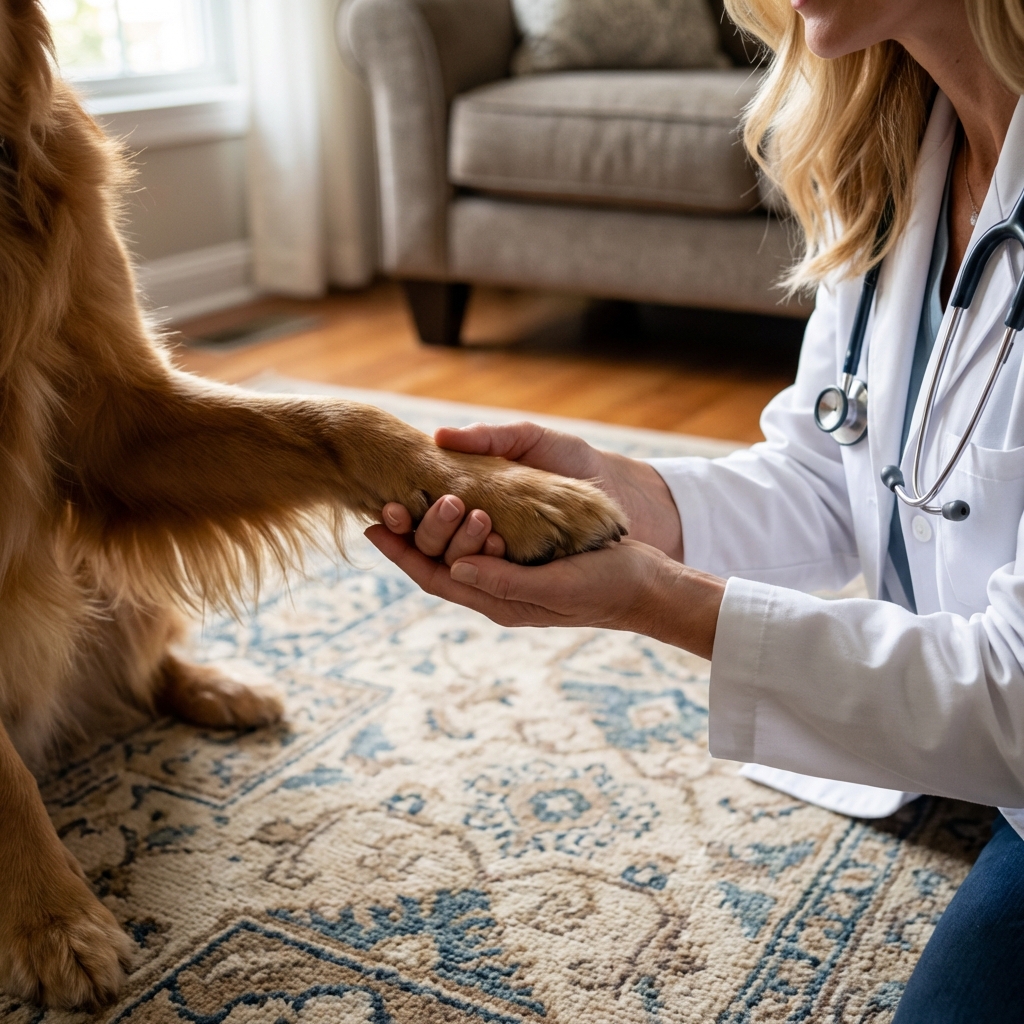
If your dog’s “behavior problem” is new, sudden, or out of character, assume it could be discomfort until proven otherwise.
Signs that may come with it
Behavior clues are helpful, but they mean more when they show up alongside other signs. Contact your veterinarian if you notice behavior changes plus any of these:
- Fever (best confirmed with a thermometer) or your dog feels unusually warm along with low energy
- Lethargy that lasts more than a day
- Swollen joints or stiffness, especially after rest
- Lameness or reluctance to move
- Enlarged lymph nodes (you might notice swelling under the jaw or in front of shoulders)
- Vomiting or diarrhea (not classic Lyme signs on their own, and can point to another illness, a complication, or a co-infection)
Rarely, Lyme can affect the kidneys (Lyme nephritis), which is serious. Warning signs can include increased drinking and urination, decreased appetite, vomiting, and weight loss. If you see these, call your vet promptly. A urinalysis to look for protein in the urine is often an important screening step when Lyme is suspected or confirmed.
A simple daily check
I know medical stuff is stressful. One thing that helps is turning observation into a low-stress routine. When you track symptoms in a consistent way, you catch problems earlier and you give your vet better information.
The 2-minute check
- Walk test: Does your dog move smoothly for the first 30 seconds, or start stiff?
- Touch test: Gentle pet along shoulders, hips, and knees. Any flinch, head turn, or moving away?
- Stairs or sit-to-stand: Any hesitation?
- Mood check: Same enthusiasm for toys and family, or noticeably different?
A quick score in your phone
Use a 0 to 3 scale for each category: energy, appetite, mobility, mood.
- 0 = normal
- 1 = a little off
- 2 = clearly off
- 3 = concerning
If you see multiple 2s, or any 3, that is your signal to contact your veterinarian.

Ticks and timing
Ticks are most active when temperatures are above freezing, and in Texas, that can mean a long season. Dogs can bring ticks in from wooded edges, tall grass, parks, and even some suburban yards.
Lyme is confusing because:
- Symptoms may appear weeks to months after the bite.
- Many dogs are exposed (or test positive) and never develop clinical illness.
- Joint pain can look like arthritis, injury, or normal aging.
That is why pairing behavior observations with a veterinary exam and the right testing matters so much.
What to do next
Step 1: Call your veterinarian
Tell them exactly what you are seeing, when it started, and whether your dog has had tick exposure or missed any preventives. Mention any limping, fever, decreased appetite, or stiffness.
Step 2: Avoid human pain meds
Please do not give ibuprofen, naproxen, acetaminophen, or aspirin unless your veterinarian specifically directs it. These can be dangerous for dogs.
Step 3: Keep movement gentle
Short leash walks for potty breaks are fine, but skip intense fetch, long hikes, or rough play until your dog is comfortable and you have a plan.
Step 4: Support comfort at home
- Soft bedding with easy traction nearby
- Rugs or yoga mats on slick floors
- Elevated bowls if your dog seems stiff bending down
How vets test for Lyme
Your veterinarian may recommend:
- In-clinic screening test: Often checks for Lyme exposure and sometimes other tick-borne diseases too. Many of these tests detect antibodies, which means exposure, not necessarily an active cause of today’s symptoms.
- Additional bloodwork and urinalysis: Helps assess inflammation, overall health, and kidney function. Urine testing is especially important when Lyme is suspected or confirmed.
- Follow-up tests: Depending on region, risk, and symptoms, your vet may test for co-infections or run additional confirmatory testing.
A positive Lyme test does not always mean Lyme is causing the current behavior. That is why your vet will interpret results together with symptoms and exam findings.
Treatment and behavior
When Lyme is the culprit, veterinarians commonly treat with antibiotics. Many dogs start improving in energy and comfort within days, but finishing the full course matters.
During recovery, you will often see:
- More normal sleep
- Better appetite
- Improved willingness to move
- Less irritability
If behavior stays “off” despite treatment, your vet may look for co-infections (like anaplasma or ehrlichia), orthopedic issues, or another medical problem.
Prevention that fits real life
The best Lyme plan is the one where you never have to deal with it. Prevention is not about perfection. It is about consistency.
Tick prevention options
Ask your veterinarian which preventive makes sense for your dog’s lifestyle and health history. Options include oral chewables and topical products. The best one is the one you will use reliably.
Also ask your veterinarian if the Lyme vaccine is right for your dog based on travel, tick exposure, and overall risk.
Yard and routine habits
- Keep grass trimmed and remove leaf litter
- Create a simple border between wooded edges and the lawn (gravel or mulch)
- Do a quick tick check after hikes and park days
- Wash bedding regularly during tick season
Fast tick check and removal
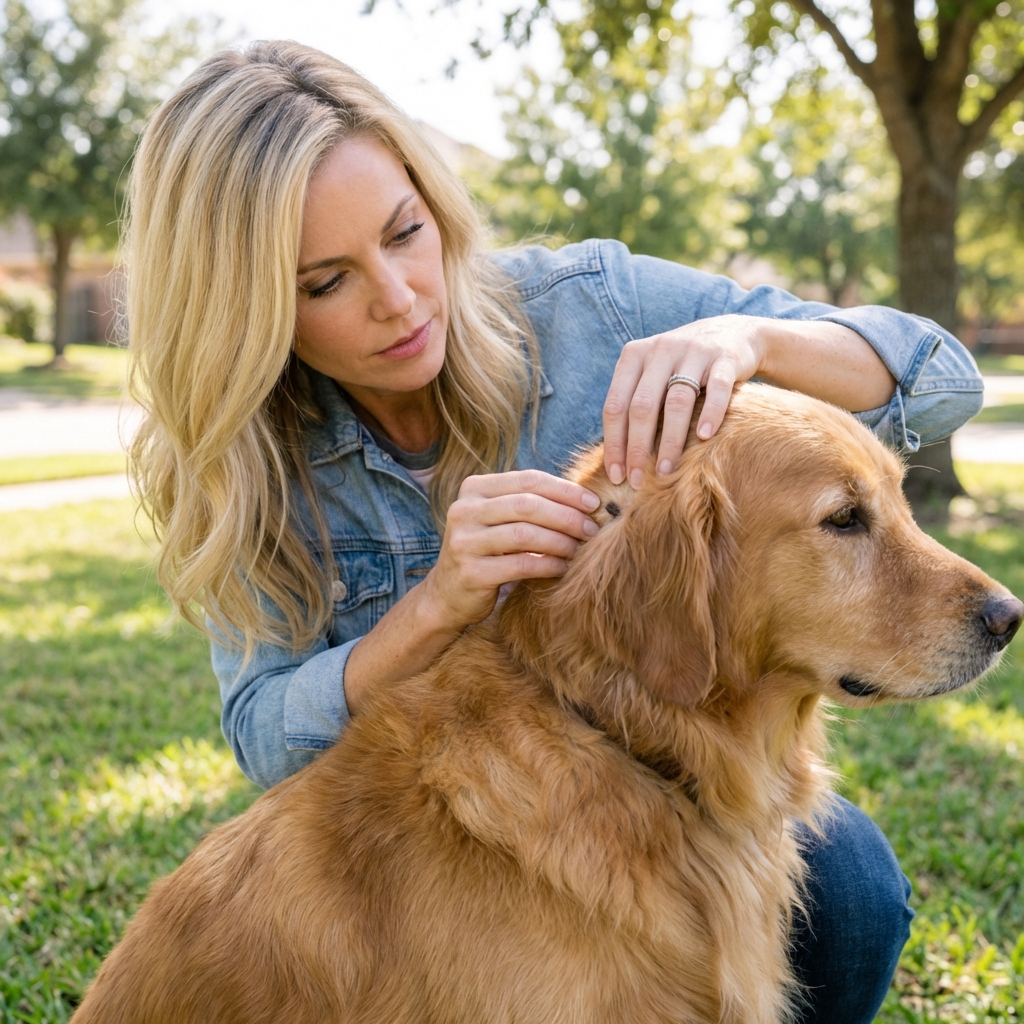
Focus on warm hiding spots: ears, around the collar, under the front legs, groin area, between toes, and under the tail.
If you find a tick, use fine-tipped tweezers or a tick tool. Grasp close to the skin and pull straight out with steady pressure. Clean the area and wash your hands. Removing ticks promptly can reduce the chance of disease transmission.
When it is an emergency
Call your veterinarian or an emergency clinic if you notice:
- Severe weakness or collapse
- Difficulty breathing
- Repeated vomiting or inability to keep water down
- Very pale gums (lift the lip and compare to your dog’s normal gum color; pale or white gums can be a sign of poor circulation, anemia, or shock)
- Signs of significant pain, crying out, or refusing to stand
- Sudden swelling of the face or hives (possible allergic reaction, including reactions to tick bites in some dogs)
Bottom line
Lyme disease can show up as a behavior problem before it looks like an obvious medical issue. If your dog is suddenly grumpy, tired, stiff, or not acting like themselves, trust that instinct and get them checked out. The earlier we catch tick-borne illness, the better the outcome tends to be.
You know your dog best. Your job is to notice the changes. Our job in vet med is to help you figure out the “why” and get your pup feeling like themselves again.