
Lungworm in Dogs: Symptoms, Testing, and How It Differs From Heartworm

If your dog has a new cough, seems winded on walks, or just isn’t themselves, parasites may not be the first thing you think of. But there is a group of worms called lungworms that can live in or around the airways and lungs and cause respiratory symptoms that look a lot like kennel cough, allergies, asthma-like signs, or even heart disease.
As a veterinary assistant here in Frisco, Texas, I have learned that the best outcomes happen when pet parents notice subtle changes early and bring clear notes to their vet visit. This article is educational, not a diagnosis. If your dog is struggling to breathe, coughing up blood, collapsing, or has blue or gray gums, seek emergency veterinary care right away.

What is lungworm in dogs?
Lungworm is a general term for several parasites that affect a dog’s respiratory system. Depending on the species, adult worms may live in the airways, lung tissue, or the blood vessels that supply the lungs.
Different regions have different lungworm species. Your veterinarian will consider your location, your dog’s lifestyle, and travel history. Some infections are linked to outdoor exposure, wildlife, and contact with snails and slugs, but not all lungworms spread the same way.
Examples you may hear your vet mention (varies by region): Angiostrongylus vasorum, Crenosoma vulpis, and Eucoleus (Capillaria) aerophilus.
Lungworm life cycle, in plain English
Many canine lungworms have a life cycle that looks roughly like this:
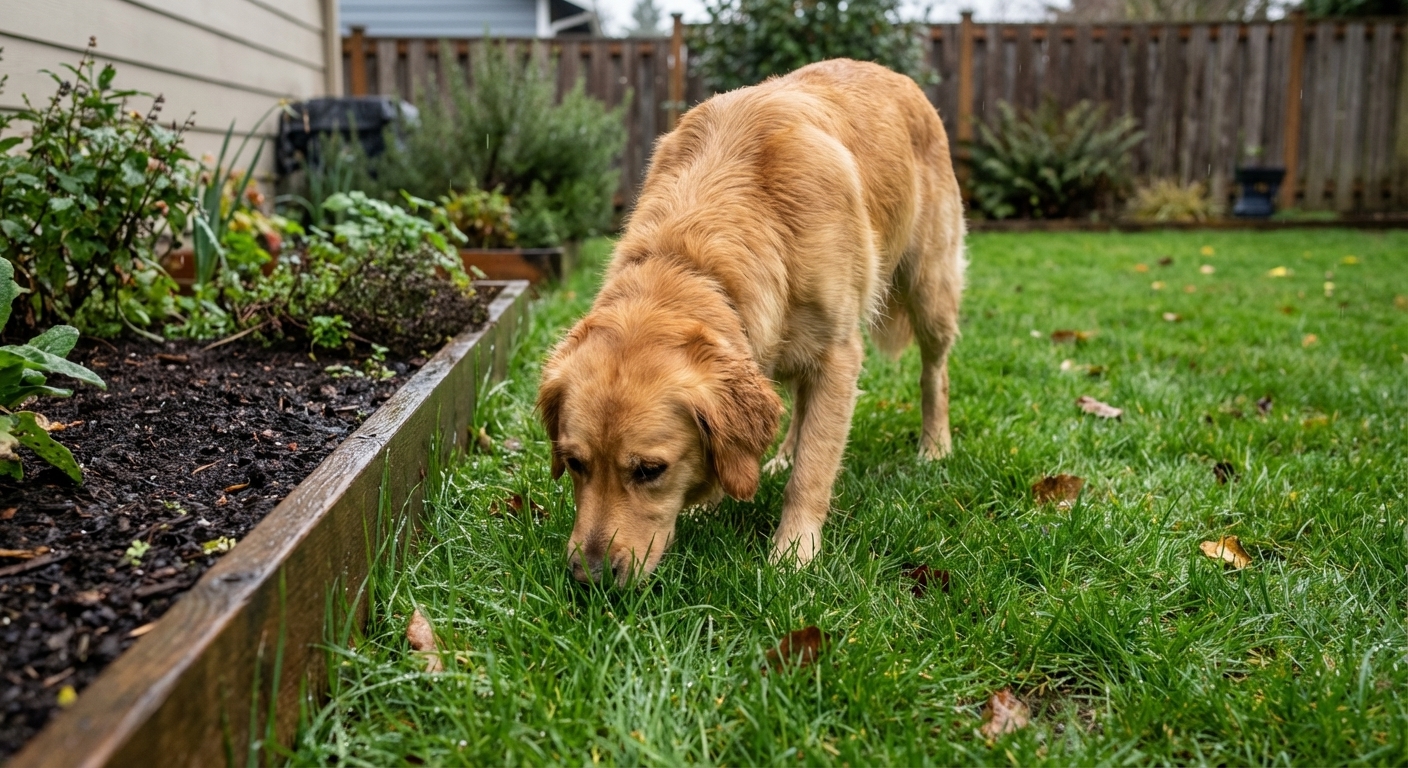
- Step 1: A dog gets exposed. This often happens by eating or mouthing an infected snail or slug, or sometimes by eating a “transport” host like a frog, lizard, or rodent that has eaten infected gastropods. Less commonly, exposure may happen indirectly if a dog licks or chews items outdoors (grass, toys, bowls) contaminated with slug or snail slime.
- Step 2: The larvae migrate and mature. After ingestion, larvae travel through the body and eventually end up in the lungs or the vessels around the lungs, where they mature into adults.
- Step 3: The worms reproduce. Eggs or larvae reach the airways, get coughed up, swallowed, and then passed in stool.
- Step 4: The environment continues the cycle. Larvae are picked up by snails and slugs, and the cycle continues.
Important nuance: Some lungworms do not rely heavily on snails and slugs. For example, certain species spread through eggs in the environment, sometimes with earthworms acting as a transport host. That is one reason your vet’s testing plan and prevention recommendations can be different from dog to dog.
That “cycle” is also why some dogs get reinfected if prevention is not addressed. It is also why fecal testing can matter even when the main symptoms look like a “respiratory bug.”
Lungworm symptoms
Lungworm symptoms range from mild to life-threatening. Some dogs carry an infection with very subtle signs, especially early on.
Exercise intolerance is a common phrase you might hear at the vet. In plain language, it means your dog cannot do their normal activity without needing more breaks, slowing down sooner, or seeming unusually tired.
More common signs
- Coughing, often persistent or recurrent
- Increased breathing rate or breathing that seems harder than normal
- Wheezing or noisy breathing
- Low energy, “not keeping up” on walks
- Exercise intolerance, needing more breaks, slowing down sooner
- Decreased appetite in some dogs
- Weight loss in longer-standing cases
Red-flag signs
- Labored breathing with the belly working hard
- Open-mouth breathing at rest (especially in smaller dogs)
- Coughing up blood or blood-tinged foam
- Collapse, fainting, or extreme weakness
- Pale gums or blue or gray gums
- Unexplained bruising, nosebleeds, or prolonged bleeding (some lungworms can affect clotting)
Here is a simple way to think about symptoms:
- Cough tends to make owners think “airways,” like bronchitis or kennel cough, and lungworm can absolutely fit that picture.
- Exercise intolerance can point to many things including heart disease, anemia, obesity, pain, or heat. Some lungworms can also cause this because the lungs cannot exchange oxygen as efficiently, or because of inflammation in the lung vessels.
Because these signs overlap with many conditions, testing is key. Guessing and treating at home can delay the right care.
If your dog has been around other dogs (daycare, boarding, grooming, dog parks) and has a new cough, it is also smart to limit close contact with other dogs until your vet has evaluated them. Some common causes of coughing are contagious.
Lungworm vs heartworm
Pet parents often hear “worm” and think it is all the same. Lungworm and heartworm are different infections, and they are managed differently.
Where they live
- Lungworm: typically lives in the lungs, airways, or vessels around the lungs depending on the species.
- Heartworm: adult worms primarily live in the pulmonary arteries and can extend into the heart in heavier infections. It is spread by mosquitoes.
How dogs get infected
- Lungworm: species vary. Some are tied to snails and slugs and wildlife exposure, while others are acquired from eggs in the environment.
- Heartworm: mosquito-borne. Dogs do not catch it from eating slugs or from direct dog-to-dog contact.
Common symptom patterns
- Lungworm: cough and breathing signs may show up earlier, though some dogs are subtle. Some species can also be associated with abnormal bleeding.
- Heartworm: cough and exercise intolerance can occur too, but the classic concern is progressive exercise intolerance, coughing, weight loss, and in severe cases collapse and fluid buildup.
How vets test
- Lungworm: fecal testing and sometimes airway sampling or imaging. Depending on the clinic and region, PCR testing may be available.
- Heartworm: blood tests (antigen testing, plus microfilaria testing as indicated).
Important: Heartworm prevention does not automatically equal lungworm prevention, and vice versa. Some preventives cover both, depending on the product and the parasites in your area. Your veterinarian is the best person to match prevention to your dog’s real risks.

How vets diagnose lungworm
Because lungworm can look like other respiratory problems, diagnosis usually combines history, an exam, and targeted tests. If you can, bring notes like when the cough started, whether it is worse at night or with exercise, and whether your dog has access to snails, slugs, ponds, or wildlife.
1) Fecal testing
Many clinics run a standard fecal flotation for parasites. That is a great screening test, but some lungworms are best detected with specialized methods, and shedding can be intermittent.
2) The Baermann test
The Baermann test is designed to detect live larvae that migrate out of a stool sample into water. It is often considered a top test for certain lungworms because it can be more sensitive than routine fecal methods.
- You may be asked for a fresh stool sample.
- Some vets request samples from multiple days because larvae shedding can vary day to day.
3) Imaging
If your dog is coughing, breathing fast, or has abnormal lung sounds, your veterinarian may recommend chest radiographs (X-rays). X-rays cannot always “show the worms,” but they can show patterns of inflammation, airway thickening, or changes that support a parasite or pneumonia-type process.
In complex cases or severe disease, your vet may discuss additional imaging or referral.
4) Other tests your vet may recommend
- Bloodwork to evaluate inflammation, anemia, clotting concerns, and overall organ function before treatment
- Heartworm testing to rule out a major look-alike
- PCR testing in some regions or referral settings (helps identify specific parasites)
- Airway sampling in select cases when other causes are possible and the dog is stable enough for it
If your dog has a cough that lasts more than a week, keeps coming back, or is paired with fatigue or rapid breathing, it is worth asking your veterinarian, “Should we test for lungworm?”
Treatment themes
Only your veterinarian can choose the right medication and plan based on the lungworm species suspected, your dog’s age and health, and how severe the respiratory signs are. With that said, most treatment plans include a few common themes:
Prescription deworming medication
Lungworm treatment typically requires specific antiparasitic medications, and it may involve more than one dose or a timed series. The exact drug choice matters, so avoid using leftover dewormers at home unless your vet directs it.
Supportive care
Depending on severity, a dog may need:
- Cough control in select cases (not always appropriate)
- Anti-inflammatory therapy if recommended by the vet
- Antibiotics if there is secondary bacterial pneumonia
- Oxygen support for significant breathing difficulty
- Rest and restricted activity during recovery
Recheck testing
Many vets recommend follow-up testing or rechecks to make sure the infection has cleared and the lungs are healing. Even when the worms are gone, airway irritation can take time to calm down.
Prognosis
Many dogs do very well with timely diagnosis and the right treatment plan. However, severe infections can be serious, especially if there is pneumonia, significant inflammation in the lung vessels, or abnormal bleeding. If your vet recommends rechecks, follow-up X-rays, or repeat fecal testing, it is usually to confirm your dog is truly in the clear.
Prevention
Prevention is especially valuable because it is one of the few places in pet health where we can truly stay ahead of suffering.
There is overlap between lungworm and heartworm prevention, but it is not one-size-fits-all:
- Broad parasite control: Many monthly preventives are designed to protect against multiple parasites, sometimes including certain lungworms depending on the product and region.
- Year-round heartworm prevention: This is still a cornerstone in most of the U.S., including Texas, because mosquitoes can be active for long stretches.
- Environmental risk reduction: Pick up stool promptly, supervise outdoor chewing, limit access to snails and slugs, and discourage drinking from puddles or stagnant water when possible.
If you are not sure what your current preventive covers, bring the box or a photo of the label to your next vet visit. Your vet team can confirm whether it targets lungworm species seen in your area.

When to see your vet
Call your veterinarian if your dog has:
- A cough lasting more than a few days, especially if it is worsening
- Fast breathing at rest, or breathing that looks harder than normal
- Low energy, reduced stamina, or new exercise intolerance
- Any history of slug or snail exposure, hunting rodents, or eating frogs or lizards
- Any unusual bruising or bleeding
Bring:
- A fresh stool sample if you can collect one
- A timeline of symptoms and any new exposures (parks, boarding, hiking, travel)
- Your prevention history (missed doses matter, and it is okay to be honest)
Most importantly, trust your instincts. If something feels off, it is worth getting checked out. Respiratory issues can change quickly, and early care makes a big difference.
Quick FAQ
Can humans catch lungworm from dogs?
Most canine lungworms are not common direct zoonoses. When human infections do happen with certain parasites, the risk is typically not from casual contact with the dog itself. It is more often linked to accidental ingestion of contaminated material or intermediate hosts (like snails or slugs), depending on the parasite and region.
Good hygiene is always smart: wash hands after handling stool, keep kids away from pet waste, and keep your yard cleaned up. If you are concerned, ask your veterinarian which parasite is suspected and what that means for your household.
Is lungworm the same as kennel cough?
No. Kennel cough is a broad term for infectious tracheobronchitis caused by viruses and bacteria. Lungworm is a parasite. The symptoms can look similar, which is why testing matters.
Will my dog always cough with lungworm?
Not always. Some dogs show mainly reduced stamina or subtle breathing changes. Others have a strong cough. That variability is another reason lungworm is easy to miss without targeted testing.