A clear, vet-informed guide to lung cancer in dogs: risk factors, symptoms, X-rays/CT and sampling, staging, surgery/chemo/radiation, prognosis, and practica...
Article
•
Designer Mixes
Lung Cancer in Dogs Symptoms

Shari Shidate
Designer Mixes contributor
Hearing the words “lung cancer” is scary, and I want to start with a truth that helps: many dogs do better when we catch respiratory issues early and get answers quickly. This guide walks you through the most common lung cancer in dogs symptoms, what else can look similar, and when it is time to head to the vet today.
Quick note: Most coughing dogs do not have lung cancer. But any cough or breathing change that persists (about 10 to 14 days), keeps returning, or is getting worse deserves a checkup because the lungs do not have much “wiggle room” when they are inflamed, infected, or carrying a mass.

Fast symptom checklist
If you notice multiple symptoms below, if symptoms last longer than about 1 to 2 weeks, or if anything is clearly getting worse, schedule a veterinary visit as soon as you can.
- Cough that does not go away, often lasting weeks, sometimes dry and hacking
- Fast breathing at rest, or breathing that looks harder than usual
- Exercise intolerance, slowing down on walks, refusing stairs, tiring quickly
- Weight loss or decreased appetite
- Lethargy or sleeping more than normal
- Wheezing or noisy breathing
- Coughing up blood or rust-colored mucus (less common, but urgent)
- Recurring “pneumonia” or infections that do not fully clear
- Limping or bone pain that appears suddenly (can happen with spread)
- Swollen lymph nodes (for example under the jaw or in front of the shoulders), which can happen for many reasons and should be checked
Common signs
The checklist above is your quick scan. Below is a little more detail on the signs owners most commonly notice and how they tend to show up day to day.
1) Chronic cough
A persistent cough is one of the most common symptoms owners notice. It can sound like a dry, repetitive hack, but some dogs have a moist cough. Coughing can also be worse at night, with excitement, or after activity.
2) Breathing changes
Watch for subtle changes like faster breathing while resting, belly effort to breathe, or your dog choosing to sit or stand instead of lying down. Dogs do not “power through” low oxygen very well, so this symptom matters.
3) Low energy and reduced stamina
When lungs cannot exchange oxygen efficiently, dogs often seem “older overnight.” They may lag behind, stop to rest, or avoid play they used to love.
4) Weight loss and appetite changes
Cancer and chronic lung disease can both reduce appetite. Even when your dog is still eating, gradual weight loss can happen.
5) Uncommon signs (still worth taking seriously)
- Coughing up blood: can occur with irritation or bleeding in the airways.
- Lameness: lung tumors can sometimes spread, and some dogs show pain or limping.
- Voice change (like a hoarse bark): rare for primary lung tumors and more often linked to laryngeal or airway problems, but any new voice change with a cough should be evaluated.
- Fever: possible with cancer but nonspecific and more commonly tied to infection or inflammation. If your dog has a fever, your vet will usually prioritize ruling out treatable causes.
Emergency signs: go now
If you see any of the signs below, do not wait for a routine appointment. Go to an emergency veterinarian.
- Open-mouth breathing when not hot or exercising
- Blue, gray, or very pale gums
- Severe breathing effort, belly pumping, neck extended, elbows held out
- Collapse or extreme weakness
- Coughing up a significant amount of blood
These can signal dangerously low oxygen, fluid or air around the lungs, or other life-threatening issues that need immediate care.
What else can look similar?
This is one reason I encourage pet parents not to self-diagnose from symptoms alone. A cough plus fatigue can come from many causes, including some that are very treatable.
- Infectious pneumonia (bacterial, fungal in some regions, or aspiration)
- Chronic bronchitis or airway inflammation
- Heart disease and heart failure (can cause cough and fast breathing)
- Tracheal collapse (especially in small breeds)
- Allergies or asthma-like airway disease
- Foreign material inhaled into the airways
- Lung parasites (less common, depends on location and lifestyle)
- Pleural effusion (fluid around the lungs) and pneumothorax (air around the lungs), which are emergencies and can cause sudden breathing distress
Your veterinarian’s job is to separate these possibilities with a careful exam and the right tests, rather than guessing.
Primary vs metastatic cancer
Lung tumors in dogs can be primary (starting in the lung) or metastatic (spread from another cancer elsewhere in the body). This matters because treatment options and outlook can be very different.
In general, a single primary lung tumor found early may be treated with surgery in some dogs. If there are multiple nodules or evidence of spread, your vet may focus more on oncology options and supportive care to keep breathing comfortable. Prognosis varies widely, so imaging and sampling are key to setting expectations.
What your vet may recommend
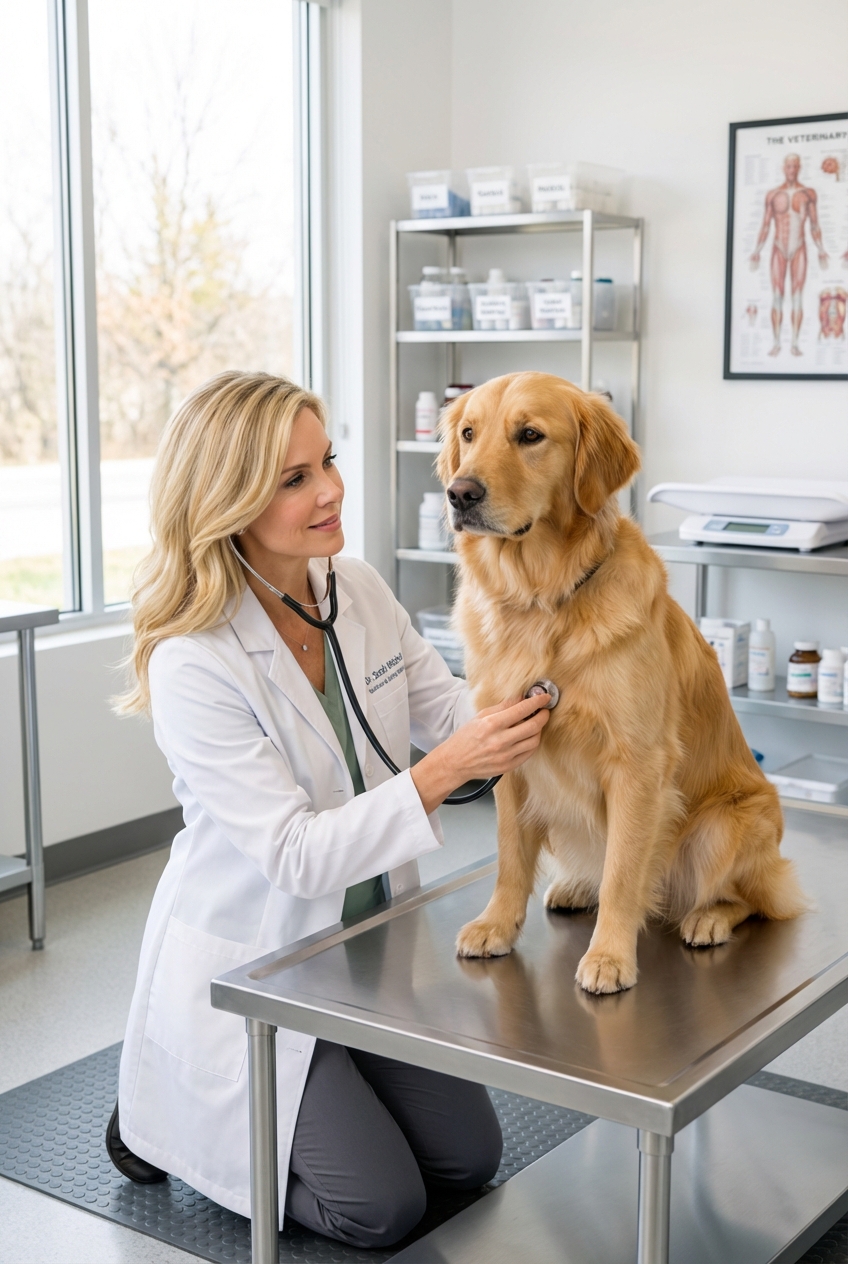
When lung cancer is on the list of possibilities, vets typically start with tests that give the most information quickly and safely.
Common first steps
- Physical exam and detailed history (when the cough started, triggers, appetite, weight, stamina)
- Chest X-rays, often a three-view series in many practices
- Bloodwork and urinalysis to assess overall health and look for inflammation or other issues
- Pulse oximetry to check oxygen levels
Next-level diagnostics
- CT scan of the chest, which can define masses more clearly and help with surgical planning
- Sampling of a mass or lymph node (fine needle aspirate, biopsy, or bronchoscopy based on location and safety)
- Abdominal imaging to look for spread or another primary tumor
Definitive diagnosis typically requires cytology or histopathology (looking at cells or tissue). Imaging alone can strongly suggest cancer, but it usually cannot confirm the exact tumor type.
If cancer is confirmed, your veterinarian may refer you to a veterinary oncologist or surgeon. Options can include surgery for certain single lung tumors, chemotherapy, radiation in select cases, and supportive care to keep breathing comfortable.
At-home monitoring
These simple checks can give your veterinarian valuable clues and can help you spot trouble early.
Count resting respiratory rate
When your dog is asleep or fully relaxed, count breaths for 30 seconds and multiply by 2. Many healthy dogs are often under 30 breaths per minute at rest (commonly around 15 to 30), but what matters most is what is normal for your dog.
Call your vet if your dog’s resting rate is consistently higher than their normal, or trending up over a few days. As a general red flag, consistently over 30 at rest deserves a call, and over 40 at rest, especially with effort, is more urgent. Heat, stress, pain, and recent activity can raise the number, so always count when your dog is truly relaxed.
Track trends
- Cough frequency (daily? only at night? after activity?)
- Breathing rate during sleep (many owners notice changes here first)
- Energy on walks (distance before slowing down)
- Appetite and weekly weight checks
- Any fainting, gagging, or new limp
Comfort tips while you wait
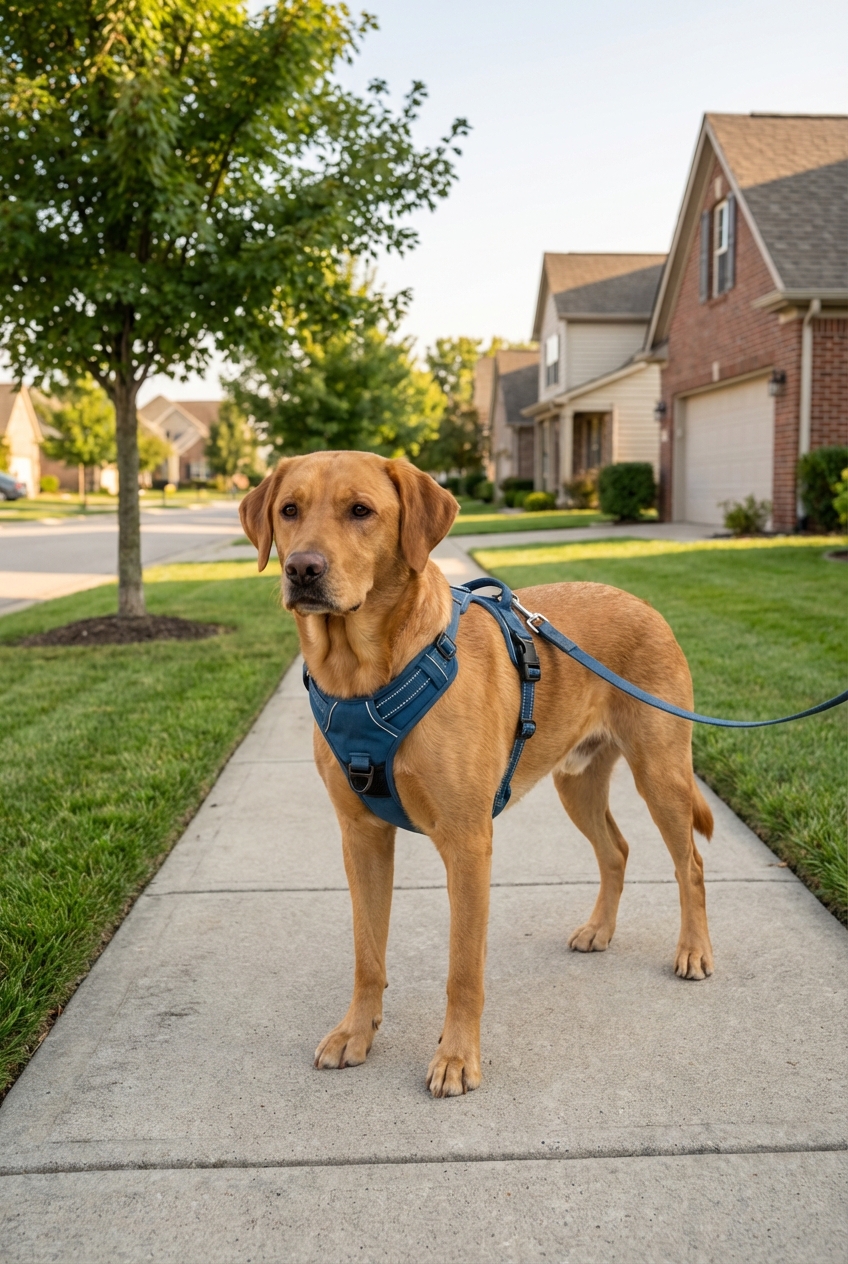
- Use a harness instead of a neck collar to reduce airway pressure.
- Avoid smoke, heavy fragrances, dusty rooms, and intense exercise.
- Keep your dog cool and calm.
Important: Do not give human cough medicines or leftover antibiotics unless your veterinarian specifically tells you to. Some ingredients are dangerous for dogs and can also hide symptoms your vet needs to see.
Risk factors
Lung cancer can happen even without obvious risk factors. Still, a few factors have been discussed in veterinary medicine as possible associations for respiratory disease and certain tumors:
- Age: many cancers are more common in older dogs.
- Secondhand smoke exposure: may be associated with increased risk for some cancers and can irritate airways.
- Environmental irritants: chronic exposure to pollutants can contribute to airway inflammation.
Symptoms and diagnostics matter more than guessing the cause.
Bottom line
If your dog has a cough that lasts more than about 10 to 14 days, starts breathing faster at rest, or just seems “not quite right,” it is worth checking in with your veterinarian. Early testing can rule out scary causes and often finds treatable problems sooner.
When it comes to lungs, small changes can become big problems quickly. Trust your instincts and get answers.
Sources
- Merck Veterinary Manual: Pulmonary Neoplasia in Small Animals (accessed 2026)
- Merck Veterinary Manual: Coughing in Dogs and diagnostic approach resources (accessed 2026)
- American College of Veterinary Internal Medicine (ACVIM): client education resources on respiratory disease (accessed 2026)
- American Veterinary Medical Association (AVMA): veterinary oncology and pet cancer care guidance (accessed 2026)