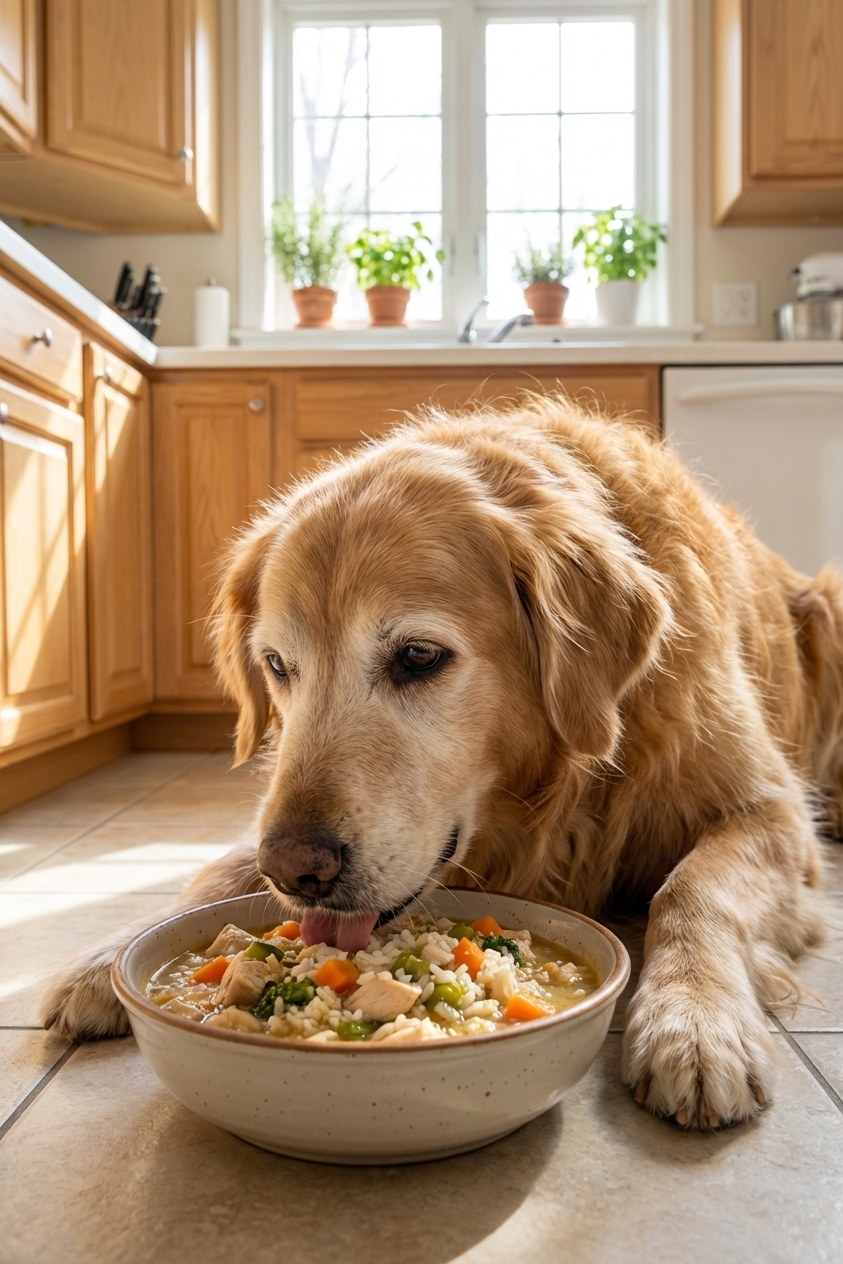
Support your dog through cancer care with practical nutrition guidance—high-quality protein, omega-3s, careful carbs, calcium balance, and 4 easy homemade ...
Article
•
Designer Mixes
Lung Cancer in Dogs

Shari Shidate
Designer Mixes contributor
Lung cancer in dogs can feel like it comes out of nowhere. One day your pup is acting normal, and the next you notice a cough, rapid breathing, or unusual fatigue on walks. As a veterinary assistant here in Frisco, Texas, I want you to know two things can be true at once: this diagnosis is serious, and there are still meaningful options for comfort, treatment, and quality time.
One important note up front: I can help you understand common terms and what questions to ask, but diagnosis and treatment choices should always be made with your veterinarian or a veterinary oncologist who knows your dog’s full medical picture.
This comprehensive overview walks you through what lung cancer can look like in dogs, how veterinarians investigate it, what treatment can involve, and how you can support your dog at home with practical, evidence-based steps.
What lung cancer means in dogs
Lung cancer is an abnormal growth of cells in the lung tissue. In dogs, veterinarians typically talk about two broad categories:
- Primary lung tumors: Cancer that starts in the lungs. These are often reported as less common than metastatic disease, but real-world frequency can vary by population and what kinds of cases a clinic or specialty hospital sees.
- Metastatic tumors to the lungs: Cancer that started somewhere else (like bone, mammary tissue, or a soft tissue tumor) and spread to the lungs.
Primary lung tumors in dogs are often carcinomas (such as pulmonary adenocarcinoma). Metastatic disease can be from many cancer types. The distinction matters because it changes treatment options and prognosis.
Also, not every “lung tumor” appearance on imaging is cancer. In some regions, infections (including fungal disease), abscesses, inflammatory nodules, and other conditions can mimic tumors on X-rays. That is one reason your vet may recommend additional testing or sampling when it is safe to do so.
Risk factors
Lung tumors are more common in middle-aged to older dogs. Any breed can be affected. Some studies suggest certain breeds may be over-represented, but in day-to-day practice, I encourage families not to focus too much on breed and instead focus on symptoms and early evaluation.
Smoke and inhaled irritants
Chronic exposure to tobacco smoke has been associated with increased risk of certain respiratory cancers in pets. The strongest links are reported for some other cancer types (for example, nasal cancers in dogs and some cancers in cats), and the evidence for canine lung tumors is less consistent. Even so, smoke and irritants can worsen coughing and breathing comfort, so reducing indoor smoke exposure is a concrete, protective step for the whole household.
Other inhaled irritants (heavy air pollution, dust, certain industrial exposures) may also play a role in respiratory health. Not every dog exposed will develop cancer, but minimizing irritants can still help your dog breathe easier.
Symptoms
Many dogs with lung tumors have vague signs early on. Some dogs have no symptoms at all, and a mass is found incidentally on X-rays taken for another reason. When symptoms show up, they often overlap with more common problems like bronchitis, laryngeal irritation, heart disease, pneumonia, or certain infections.
Signs pet parents notice
- Coughing (dry or wet-sounding)
- Faster breathing or heavier breathing at rest
- Exercise intolerance, your dog tires more quickly on walks
- Weight loss or decreased appetite
- Lethargy
- Wheezing or noisy breathing
- Coughing up blood (less common, but urgent)
Emergency signs
Seek urgent veterinary care if you notice:
- Open-mouth breathing or severe effort to breathe
- Blue or gray gums or tongue
- Collapse or extreme weakness
- Breathing rate consistently very high at rest
Breathing distress is always an emergency, regardless of the cause.

Diagnosis
Diagnosis is usually a step-by-step process. Your veterinarian may start with basic tests and then recommend more advanced imaging or sampling depending on what they find.
1) Exam and history
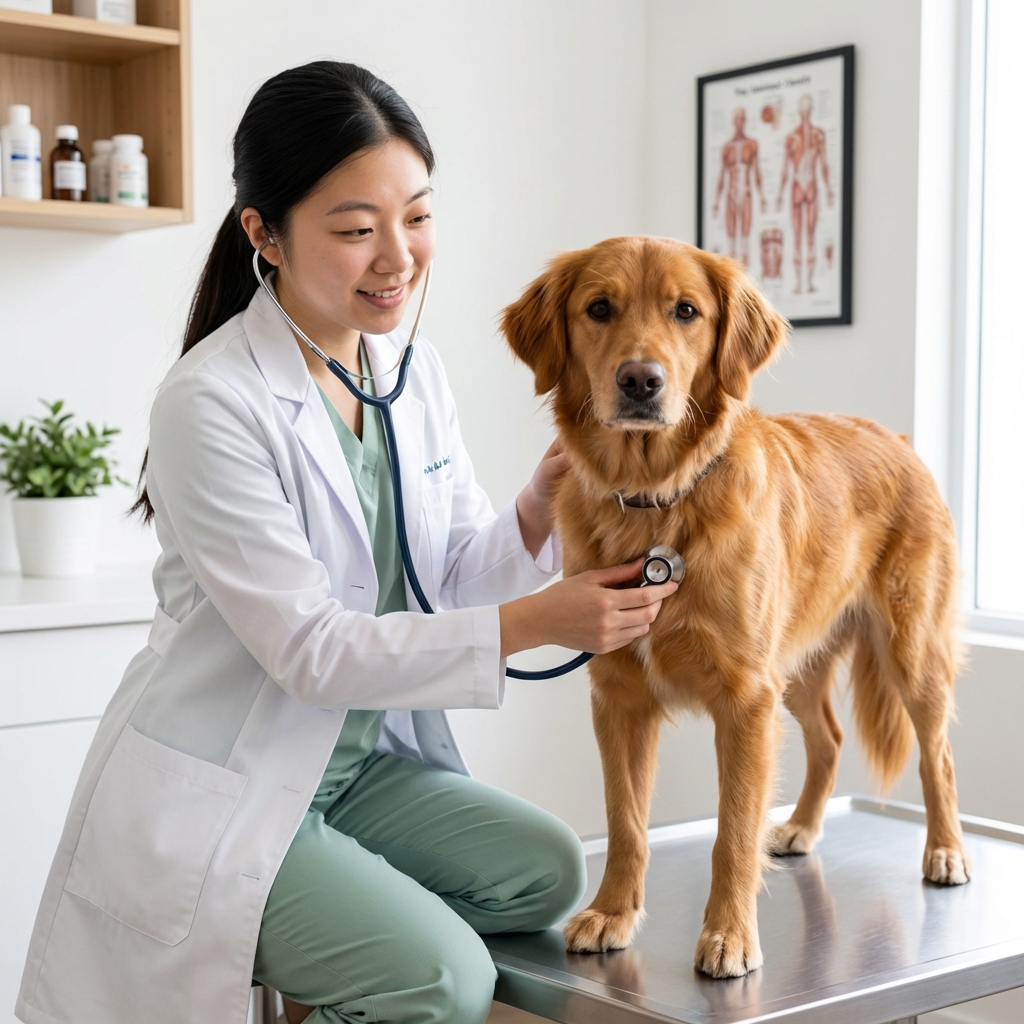
Your vet will listen to the lungs and heart, check gum color, assess body condition, and ask about cough patterns, stamina changes, and any prior cancer history.
2) Chest X-rays
Chest X-rays (radiographs) are often the first big clue. They can show a lung mass, a diffuse pattern, fluid, or evidence of metastasis. X-rays are helpful, but they do not confirm the exact tumor type, and some non-cancer diseases can look similar.
3) CT scan
A CT scan gives a much more detailed view of the lungs and can help with surgical planning. It is often recommended when a mass appears potentially operable or when staging is needed.
4) Sampling
Confirming cancer usually requires looking at cells or tissue. Options can include:
- Fine needle aspirate (FNA): A small needle collects cells, often guided by ultrasound for transthoracic sampling. CT-guided sampling is also possible in some specialty settings.
- Biopsy: A tissue sample. This can provide a stronger diagnosis than FNA in many cases.
- Bronchoscopy with sampling: A camera is used to look into the airways and collect samples when appropriate.
Your veterinary team will recommend the safest, most informative option based on tumor location, your dog’s breathing status, and overall health. They may also discuss risks such as pneumothorax (air leaking around the lung), bleeding, or temporary worsening of breathing, since sampling lung lesions can carry real procedural risk.
5) Staging
Staging helps guide decisions. It may include:
- CT or X-rays to check for additional lung nodules
- Abdominal ultrasound
- Lymph node assessment
- Basic bloodwork and urinalysis
This is not about doing “extra tests” for the sake of it. It is about matching treatment intensity to what is realistically happening in the body.
Treatment options
Treatment depends on whether the tumor is primary or metastatic, how advanced it is, and your dog’s overall condition. Your veterinarian may refer you to a veterinary oncologist or surgeon for the best next steps.
Surgery
If there is a single primary lung tumor and no evidence of spread, surgery (often removing a lung lobe) can be the most effective treatment. Many dogs can do well after a lung lobectomy, but it is still major surgery. Candidacy depends on careful staging and your dog’s cardiopulmonary function, tumor location, and anesthesia risk.
Chemotherapy
Chemotherapy may be recommended:
- After surgery, depending on tumor type and margins
- When surgery is not an option
- When disease has spread
In dogs, chemotherapy is often aimed at quality of life and time, not the same intensity as many human protocols. Many dogs tolerate it better than people expect, but side effects can still occur.
Radiation therapy
Radiation may be considered for certain tumors, especially when a lesion cannot be fully removed or is located where surgery is risky. Availability varies by region and typically requires a specialty facility.
Palliative and hospice care
When cure is not possible, comfort-focused care is powerful and compassionate. This can include:
- Medications to ease cough, nausea, pain, or anxiety
- Appetite support
- Oxygen support in a clinic during flare-ups
- Guidance on activity, nutrition, and home monitoring
You do not have to choose “everything” or “nothing.” Many families choose a middle path: reasonable treatment where it helps, and comfort-first decisions where it does not.
Common complications
Not every dog will experience complications, but it helps to know what your vet is watching for and what changes at home deserve a quick call.
- Pleural effusion: Fluid around the lungs that makes breathing harder. Vets may relieve it with a procedure called thoracocentesis.
- Pneumothorax: Air around the lungs (sometimes spontaneous, sometimes procedure-related) that can cause sudden distress and may require urgent care.
- Secondary infections or pneumonia: Some dogs develop infection on top of other lung disease. Your vet will decide if antibiotics or additional testing is appropriate.
- Pain and anxiety: Trouble breathing can be frightening. Comfort plans often include pain control and anti-anxiety support when needed.
Prognosis
Prognosis varies widely. It depends on factors like tumor type, size, lymph node involvement, histologic grade (how aggressive the cells look under the microscope), and whether metastasis is present.
In general, a solitary primary mass that can be surgically removed and shows no spread on staging often has a better outlook than disease with multiple nodules or confirmed metastasis. Your veterinary team can help translate your dog’s staging report into a realistic “what the next weeks to months may look like” plan.
Because the range is so broad, the most useful question to ask your veterinarian is: “Based on my dog’s staging and tumor type, what is the most likely scenario in the next weeks to months, and what signs tell us the plan should change?”
Home support
Home care is not about replacing medical treatment. It is about creating steadier breathing, better comfort, and a routine that helps you notice changes early.
Track breathing at rest
When your dog is asleep or fully relaxed, count breaths for 30 seconds and multiply by 2. Do this a few times per week, or daily if your vet recommends it.
General benchmark: many healthy, sleeping dogs are often under 30 breaths per minute. Some may be lower (often around 15 to 30), and some dogs with other conditions may run higher. What matters most is what is normal for your dog and whether the number is trending up. Ask your vet what resting respiratory rate should trigger a call for your specific dog.
Reduce irritants
- Avoid smoking indoors, scented candles, incense, and strong aerosols
- Use unscented cleaners where possible
- Keep your dog away from dusty rooms during cleaning
Keep activity gentle
Short, calm walks are often better than long outings. Let your dog set the pace. Avoid heat and humidity when breathing is already challenged.
Nutrition and hydration
Many dogs with cancer do better with highly palatable, nutrient-dense meals. If appetite is fading, ask your vet about anti-nausea medication, appetite stimulants, and pain control. Do not assume appetite loss is “just the cancer.” Sometimes it is treatable discomfort.
Plan for a breathing crisis
If your dog has lung disease, ask your vet what to do if breathing suddenly worsens. Knowing where the nearest emergency clinic is, when to go, and what signs are truly urgent can lower panic and speed up care when it matters.
Questions to ask
- Is this more likely primary lung cancer or metastasis from elsewhere?
- What tests are needed to stage the disease, and what will each test change in the plan?
- Could this be an infection or inflammatory condition, and how will we rule that out?
- Is surgery an option, and what is the expected recovery like?
- Would chemotherapy or radiation improve comfort, time, or both?
- What signs at home mean my dog needs urgent help?
- Can you help me set up a palliative care plan now, even if we are also treating?
Prevention and early detection
There is no guaranteed way to prevent lung cancer. Still, a few steps can support overall health and may reduce risk from avoidable exposures:
- No indoor smoking and minimize smoke exposure
- Maintain a healthy weight and steady, appropriate exercise to support overall resilience
- Routine wellness exams, especially for seniors
- Prompt evaluation of a persistent cough (especially cough lasting more than 2 to 3 weeks)
If your dog has a history of cancer, ask your veterinarian whether periodic chest imaging makes sense for monitoring.
A gentle final note
If you are reading this because you are worried about your dog, please trust that instinct. A cough is not always cancer, but breathing changes deserve attention quickly. And if you are already facing a diagnosis, you are not alone.
If you and your vet are moving toward hospice care, consider using a quality-of-life scale (appetite, breathing comfort, interest in family, ability to rest, joy in small routines) to guide decisions week to week. Many families find it comforting to set clear goals such as “breathing looks easy at rest,” “eating something daily,” and “more good days than hard days.” With good veterinary guidance and thoughtful home support, many dogs can still enjoy comfort, love, and the simple joys that matter most.