A practical guide to choosing a low-maintenance cat: why adult cats and short coats help, calm breed options, and simple systems for feeding, litter, play, a...
Article
•
Designer Mixes
Low Maintenance Pets: Easy Pets for Busy Owners

Shari Shidate
Designer Mixes contributor
Starting your pet journey with the right match sets the tone for years to come. I often remind busy clients that the best “low maintenance” pet is not the one that needs the least love, but the one whose daily care fits naturally into your routine. When your schedule and your pet’s needs align, you get the joy of companionship without the constant stress of falling behind.
Below, I will walk you through genuinely easy pets for busy owners, what “low maintenance” really means, and the simple systems that help pets thrive even when life is full.
What “low maintenance” means
Every animal needs consistent care, a safe home, and humane attention. Low maintenance usually means:
- Feeding is straightforward and does not require multiple daily sessions or complex prep.
- Cleaning is manageable with a predictable schedule.
- Exercise needs are moderate or can be met with enrichment rather than long outdoor time.
- Grooming is minimal or can be done at home quickly.
- Independence is higher, meaning the pet tolerates quiet time without distress.
It does not mean “no vet care” or “no time at all.” Most pets do best with a daily check-in, even if it is brief.
Quick self-check
Before you fall in love with a species, ask yourself:
- How many minutes can I reliably give daily? Be honest about weekdays.
- How often am I away overnight? Some pets need daily in-person care.
- What is my tolerance for cleaning? Litter, tanks, cages, and bedding all differ.
- Do I have allergies? Consider dander, hay, and certain substrates.
- Do I want interaction or observation? Some pets are happiest being watched rather than handled.
Matching expectations upfront prevents the most common problem I see: a well-meaning owner choosing a pet that needs more time than their life can offer.
Best low maintenance pets
1) Adult cat (especially a calm, bonded personality)
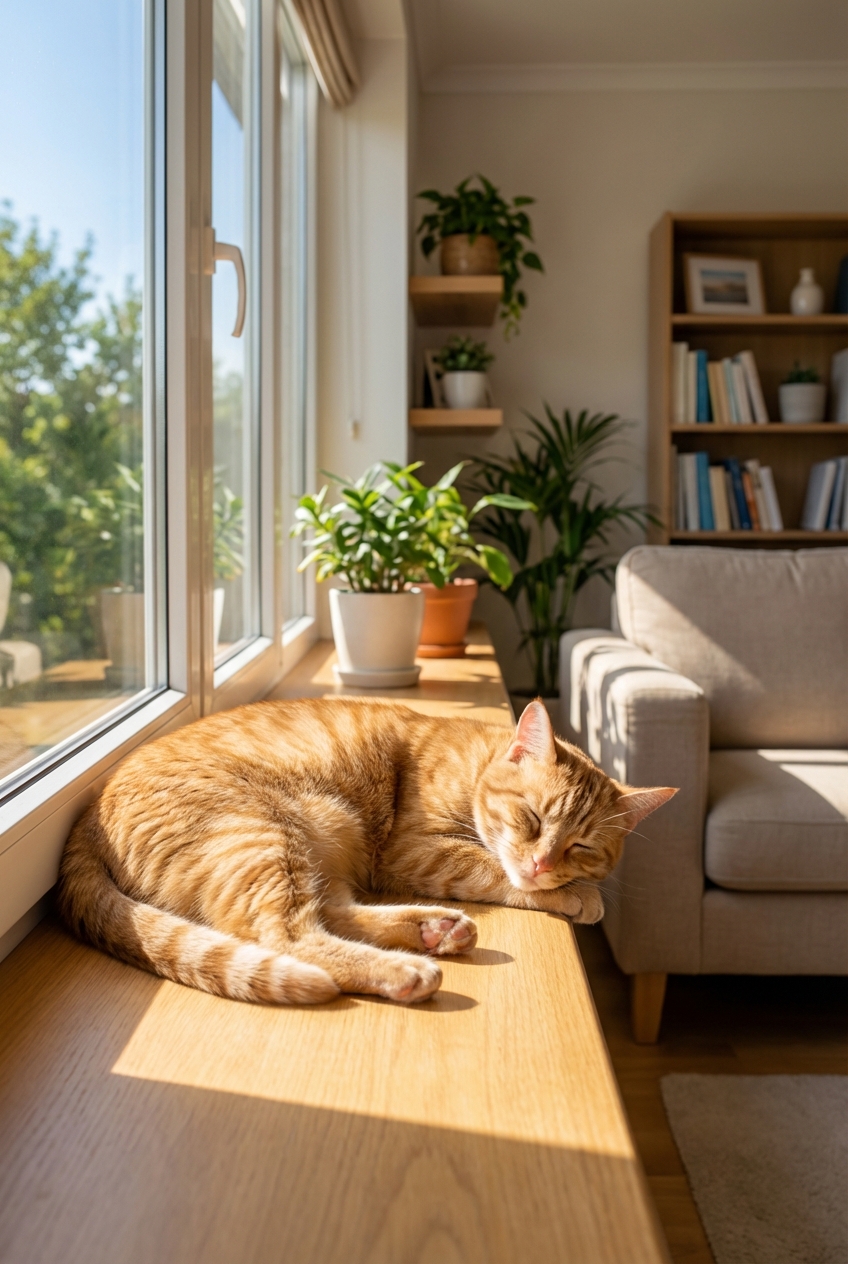
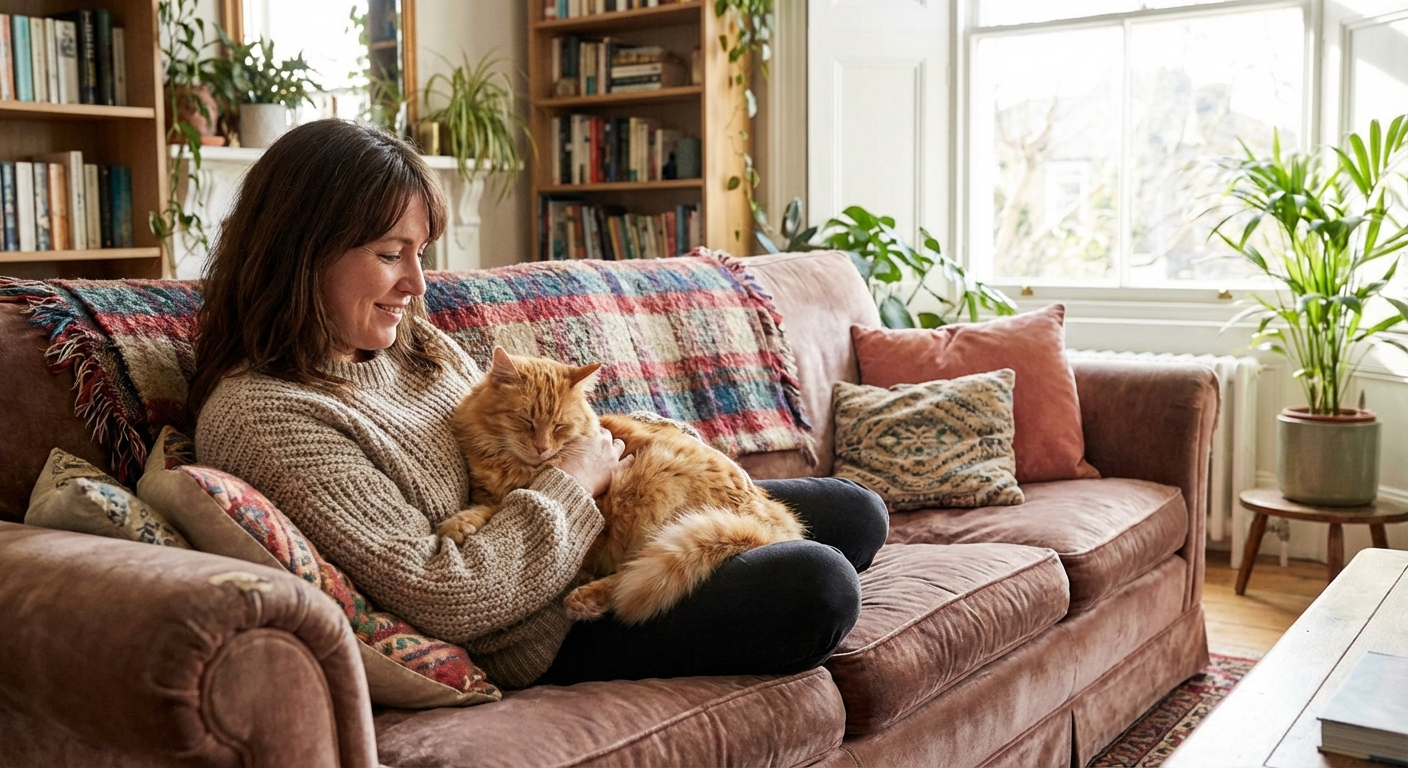
For many busy households, an adult cat is one of the best combinations of companionship and independence. Cats generally do not require walks, and many are content with a predictable home routine.
- Why it is easier: Self-grooming, indoor-friendly, enrichment can be done in short bursts.
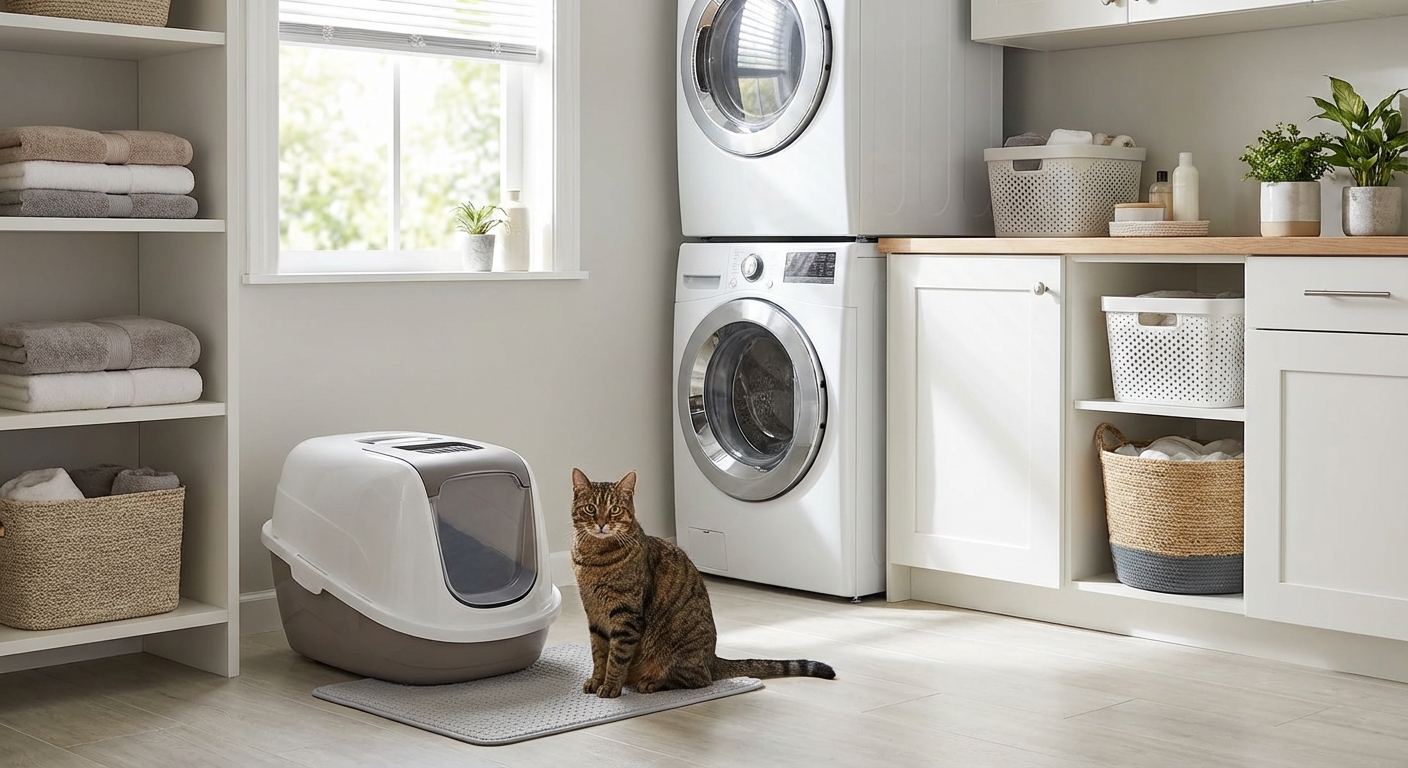
- Time reality: About 10 to 20 minutes per day for feeding, litter maintenance, and a couple short play sessions, plus a deeper tidy weekly.
- Make it even easier: Use a sturdy scratching post, rotating toys, and consider a water fountain. An automatic feeder can help with consistency, but it should not replace daily check-ins.
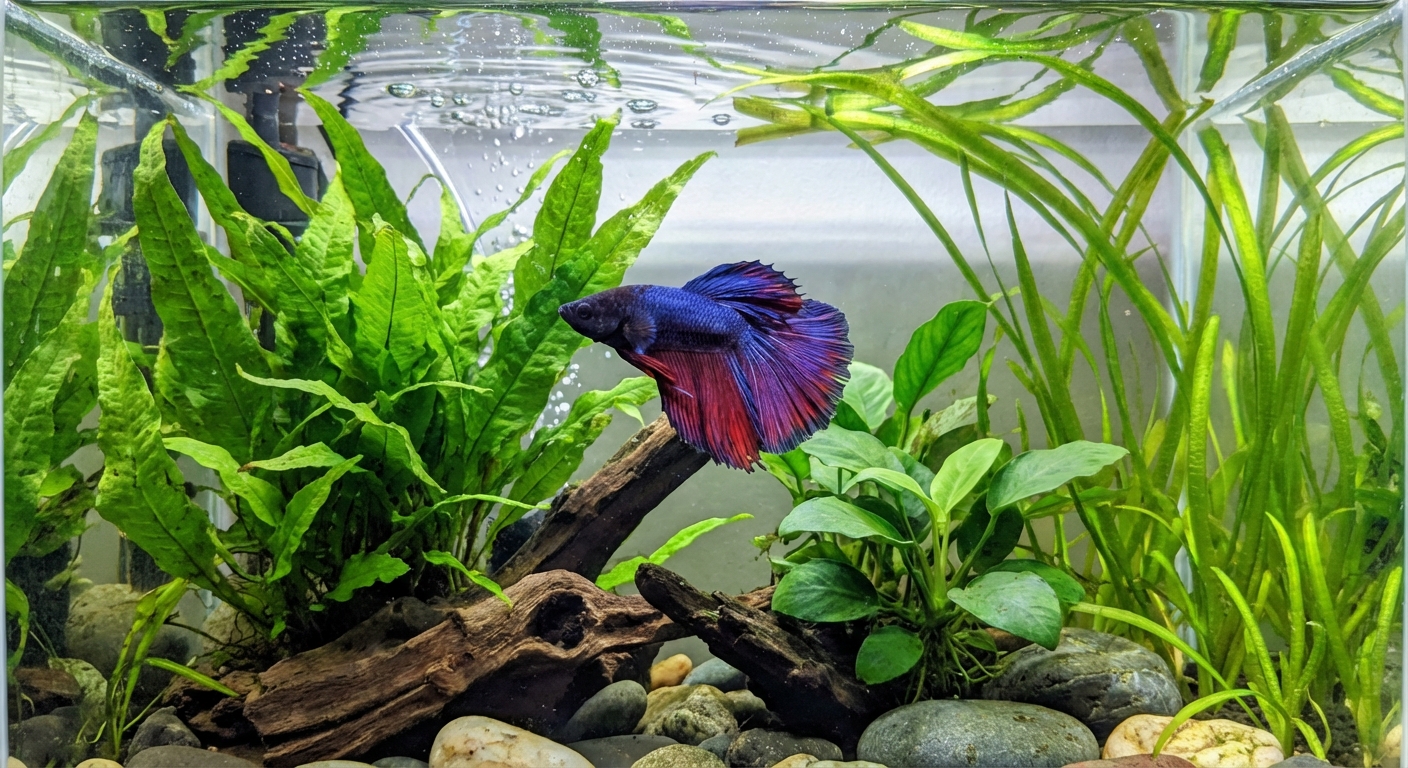
2) Betta fish in a properly sized heated, filtered tank
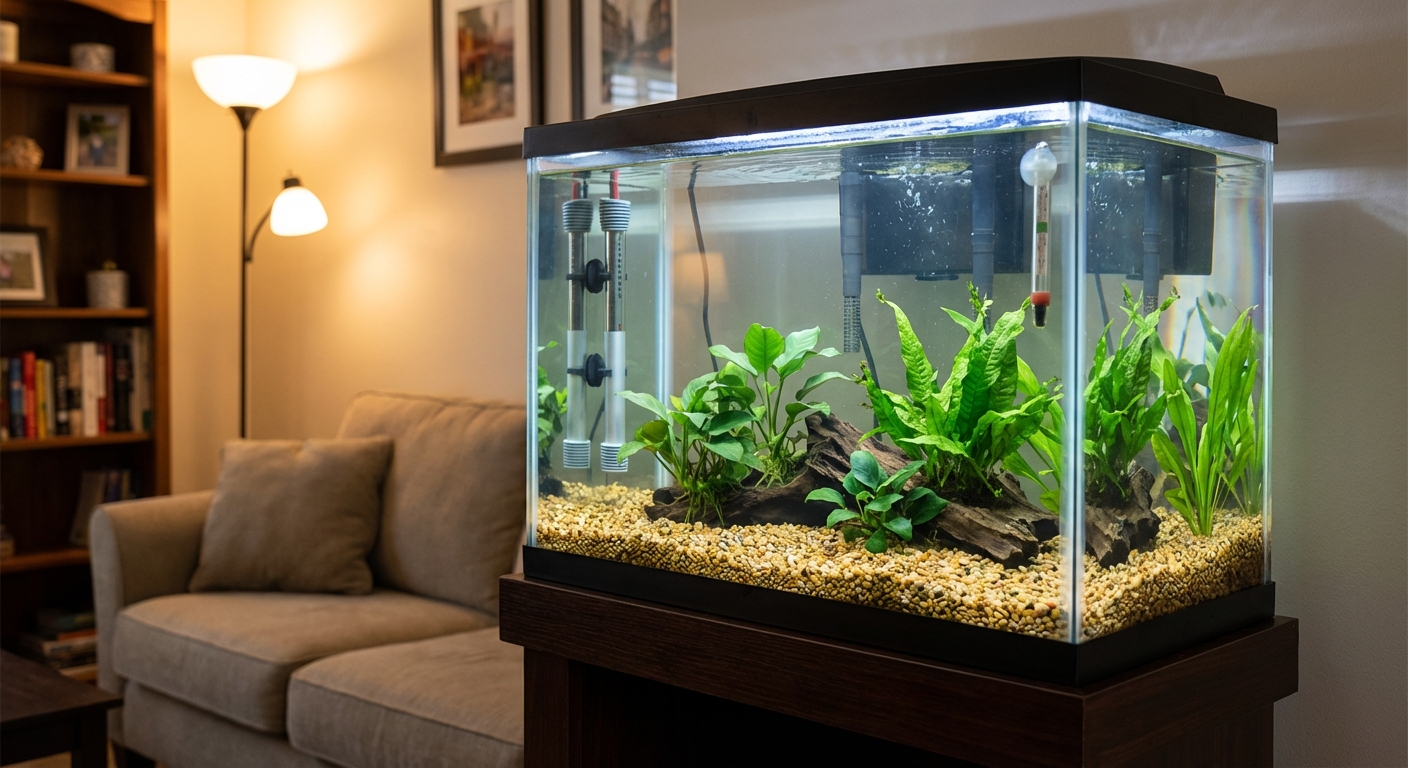
A betta can be a peaceful, visually soothing pet. The key is doing it correctly. Tiny bowls are high-maintenance because water quality swings quickly. A properly sized tank is often less work.
- Why it is easier: No walks, no shedding, short daily checks.
- Time reality: 2 to 5 minutes per day to feed and observe, plus a weekly partial water change once the tank is established.
- Non-negotiables: A heated, filtered tank (commonly 5 gallons or more), dechlorinated water, and a cycled aquarium before adding fish.
- Make it even easier: Keep a simple water testing routine so you catch issues early and avoid emergency cleanups.
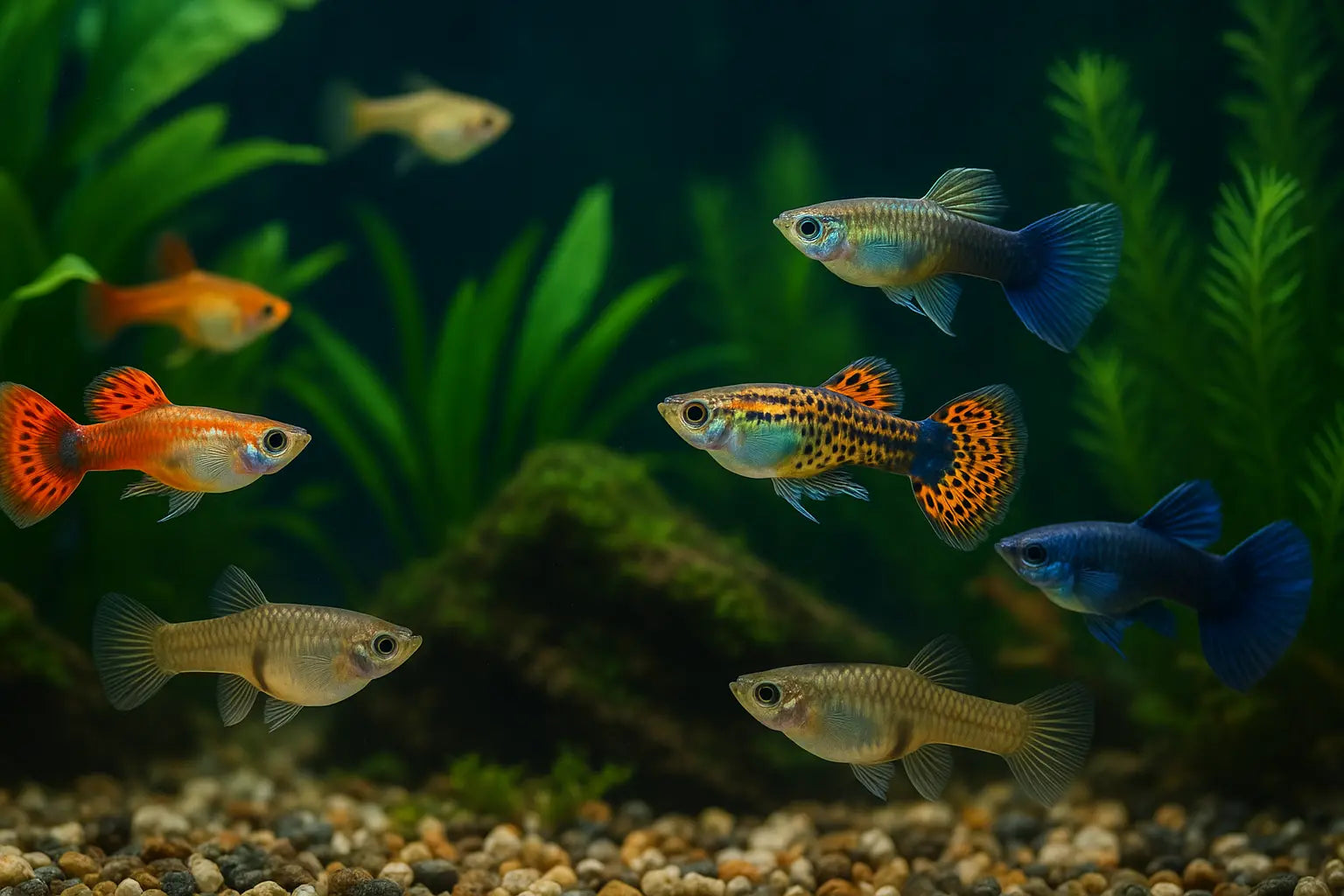
3) Small school of freshwater fish (like guppies) in a stable tank
If you enjoy a calm, living centerpiece in your home, a community tank can be surprisingly manageable once established. Stability is the goal. Larger volumes of water are often more forgiving than tiny tanks.
- Why it is easier: Mostly observation and basic maintenance once the tank is cycled and stocked appropriately.
- Time reality: 2 to 5 minutes per day, plus weekly or biweekly water changes depending on tank size and stocking.
- Watch-outs: Guppies and similar livebearers can breed fast, which can turn a simple setup into an overstocking problem. Have a plan for babies or choose species less likely to explode in numbers.
- Make it even easier: Avoid overcrowding and overfeeding, and do not add fish until the tank is fully cycled.
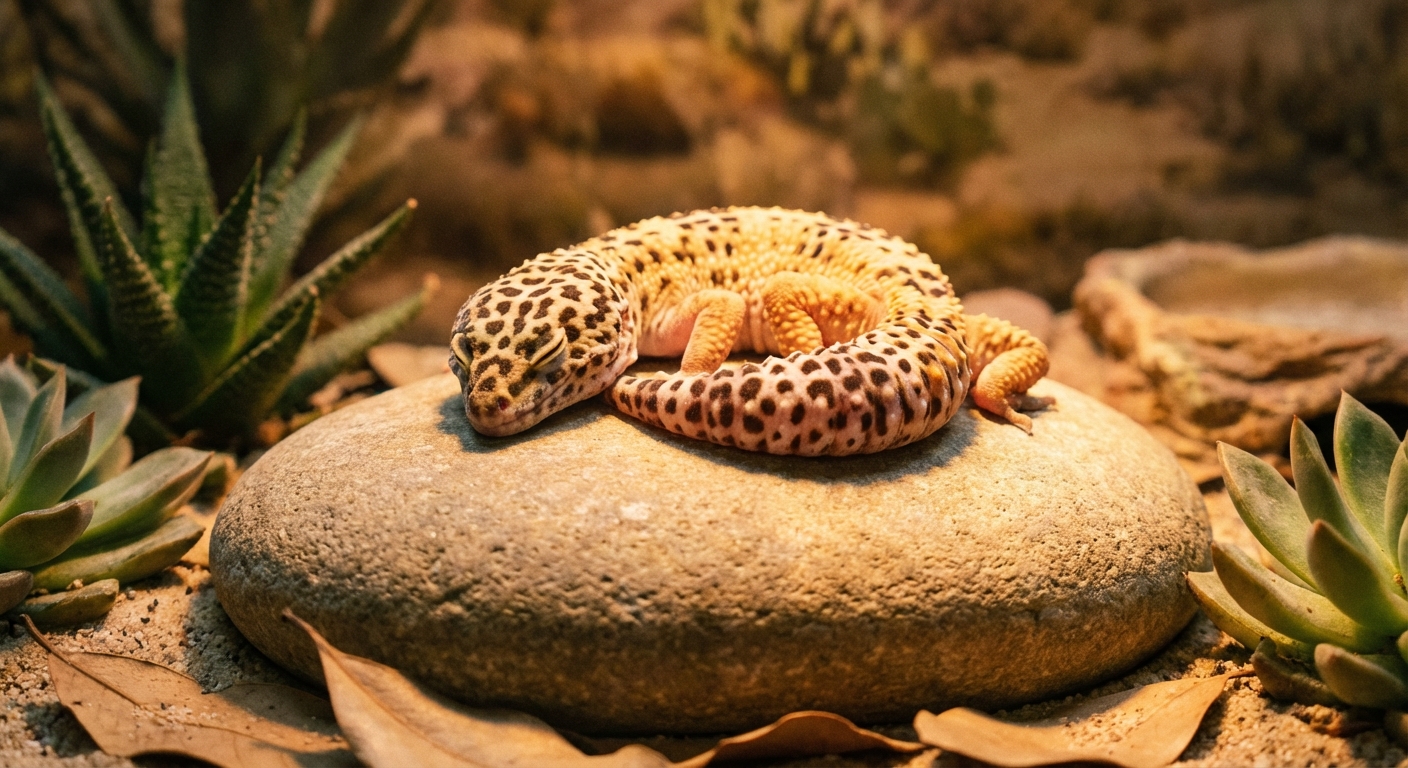
4) Leopard gecko (for those who want a low-drama reptile)
Leopard geckos are often recommended for beginners because they tend to be hardy when their habitat is set up correctly. Many owners love that they are quiet and do not require daily hands-on interaction.
- Why it is easier: Quiet, low odor with good cleaning habits, and routines are fairly consistent.
- Time reality: 5 to 10 minutes most days for checks and spot cleaning, with feeding a few times per week for adults (more often for juveniles) and periodic deeper cleans.
- Non-negotiables: A proper heat source with a thermostat is essential. You will also need insect feeding and appropriate calcium and vitamin supplementation. Lighting needs vary by setup and current guidance, so work with a reptile-savvy vet or trusted care standards.
- Make it even easier: Set up heating, hides, and monitoring tools from day one so you are not troubleshooting on a busy week.
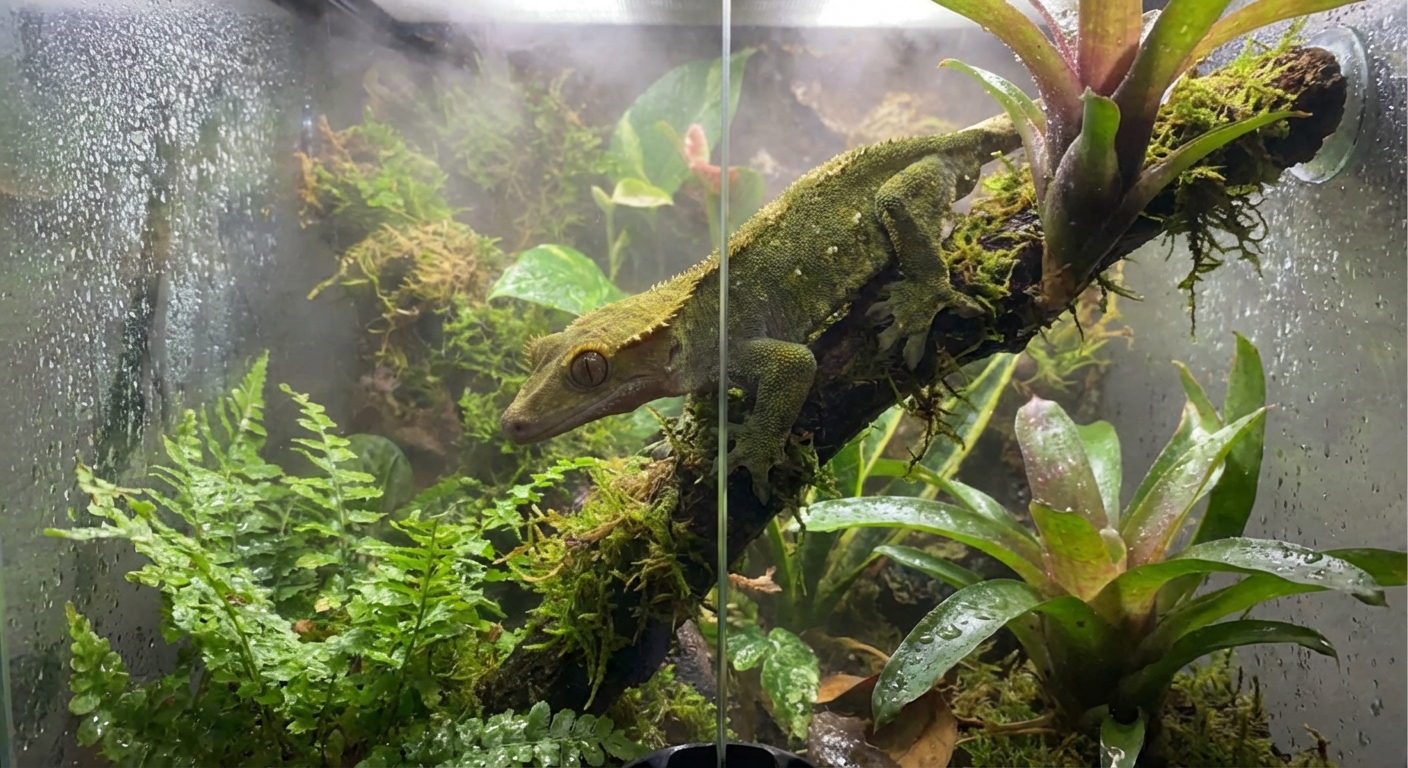
5) Crested gecko (a gentle, mostly hands-off companion)
Crested geckos are popular because many do well with commercially prepared diets and do not demand constant attention. Like all reptiles, they still need a correctly managed habitat.
- Why it is easier: Quiet, minimal smell with proper cleaning, and many thrive on prepared diets.
- Time reality: 5 to 10 minutes on most days for misting, feeding, and checks, plus routine cleaning.
- Watch-outs: They are not “set it and forget it.” Humidity, ventilation, and temperature balance matter, and many do best with occasional insects in addition to their staple diet.
- Make it even easier: Use a hygrometer and keep a simple checklist so misting and cleaning do not get skipped.
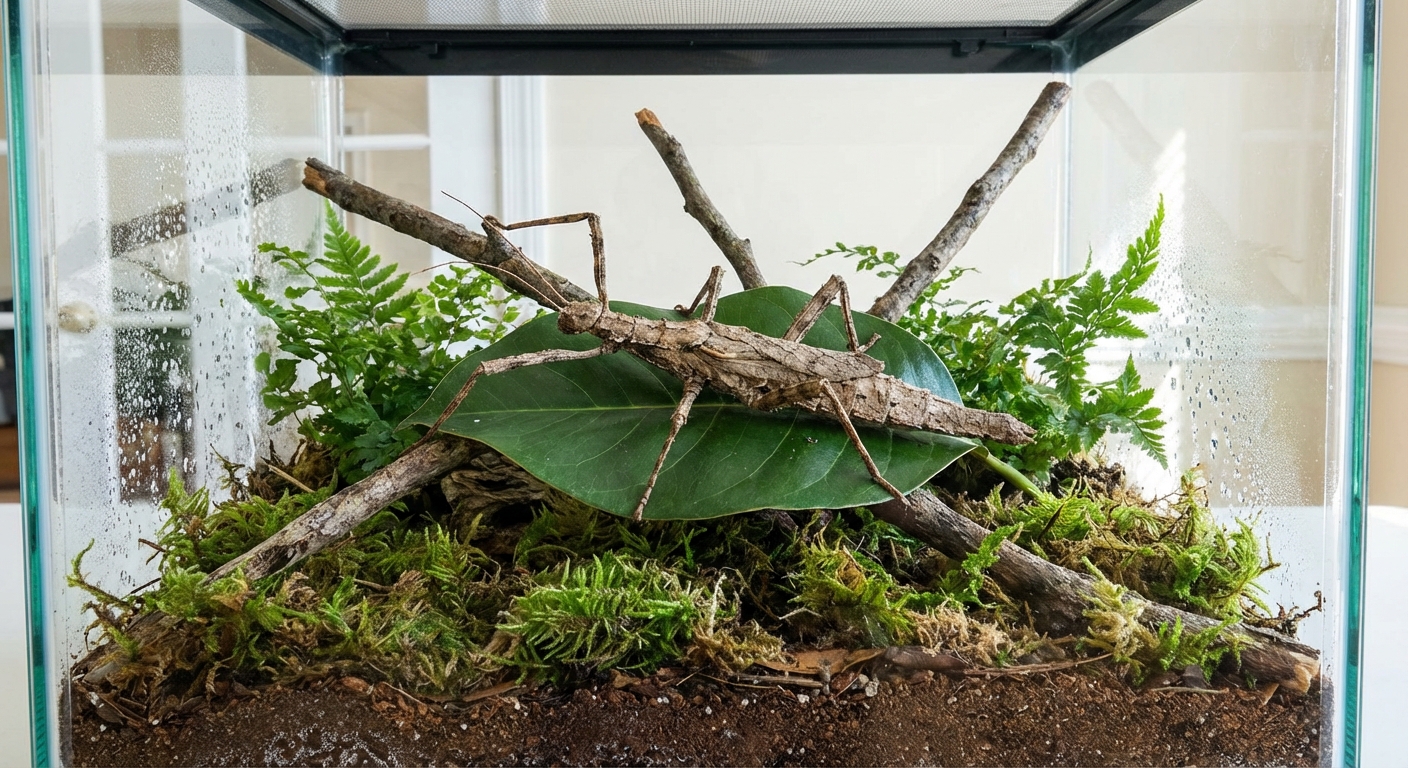
6) Pet insects (like stick insects) for observe-and-enjoy owners
If you want a pet that is more about fascination than cuddles, certain insects can be a very low-impact choice. They can be ideal for small spaces and for owners who prefer minimal noise and minimal handling.
- Why it is easier: Simple habitat, limited daily time, low cost.
- Time reality: A few minutes several days per week for fresh food and basic enclosure upkeep.
- Make it even easier: Choose a species with straightforward dietary needs, keep the enclosure in a stable-temperature room, and confirm local rules for keeping that species.
Often not low maintenance
Rabbits
Rabbits are wonderful, sensitive animals, but they are not low maintenance. They need plenty of space, frequent cleaning, enrichment, and specialized veterinary care.
Hamsters, guinea pigs, and other small mammals
Some small mammals can work for busy owners, but do not confuse “small” with “simple.” Many require frequent cage cleaning, species-specific diets, and consistent enrichment. Some are also more social than people expect, which means more time, not less.
Puppies
Puppies are high maintenance by definition. House training, socialization, and frequent feeding are time-intensive. If you want a dog with a demanding schedule, consider an adult dog with a calmer temperament and arrange reliable support like dog walkers or daycare.
Parrots and other birds
Many birds are highly intelligent and social and can develop stress behaviors if their interaction needs are not met. They also require daily cleaning and long-term, specialized care.
Ferrets
Ferrets are entertaining and affectionate, but they are rarely “easy.” They need enrichment, training, frequent cleaning, and a vet who is comfortable with their specific medical needs.
Make care feel manageable
Busy owners do best with systems. Here are simple, high-impact habits:
- Create a 10-minute daily routine: Feed, refresh water, quick health glance, and one enrichment action.
- Know what is daily vs. weekly: For example, cat litter should be scooped daily, and fish still need daily observation even if water changes are weekly.
- Automate where appropriate: Automatic feeders, timers for lights, and water fountains can reduce missed steps, but they do not replace basic daily checks.
- Batch deeper cleaning: Choose one or two set days per week for the bigger reset tasks that can wait, like washing cat bowls, wiping down tank glass, or refreshing enclosure décor.
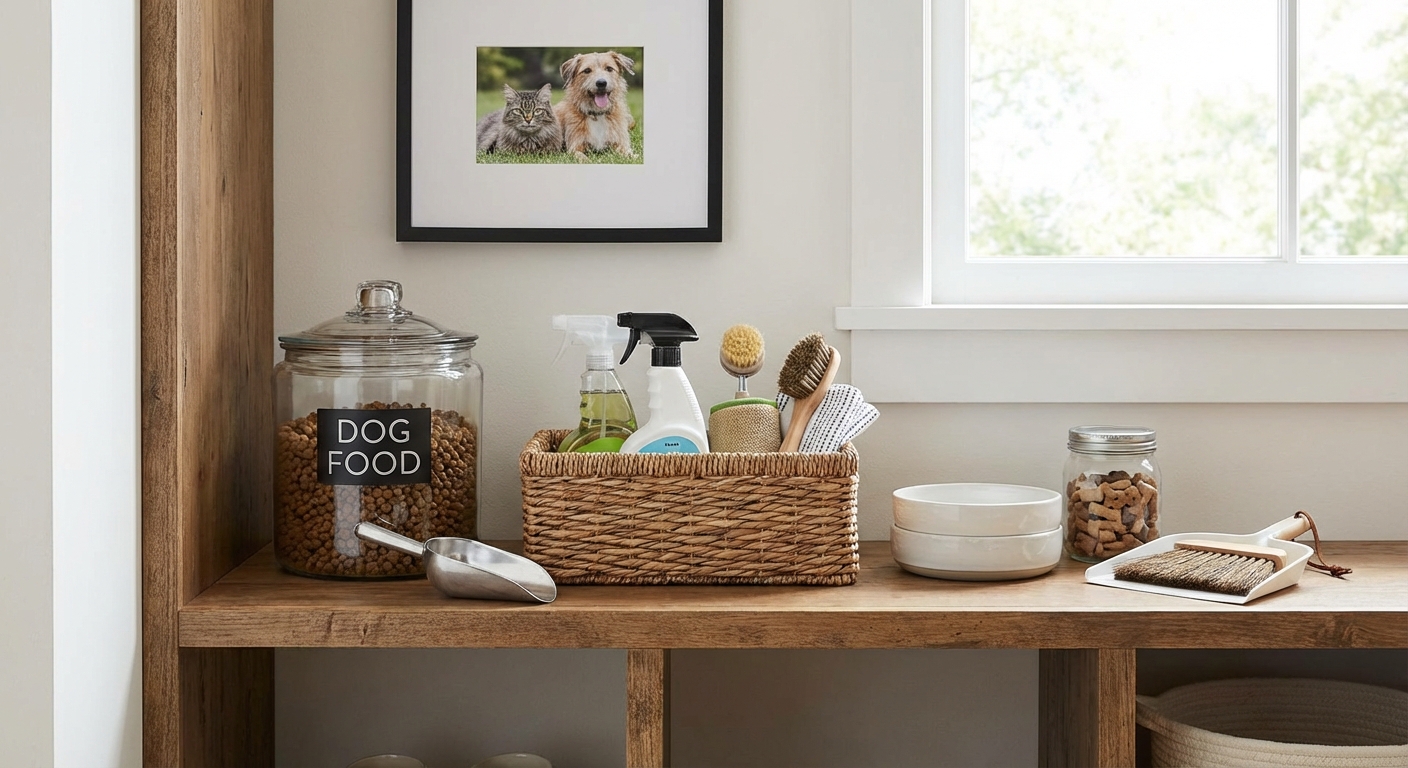
- Keep supplies visible: A small bin near the habitat helps you stay consistent.
- Build enrichment into your day: For cats, a 5-minute play session before your shower can be enough to prevent boredom.
Travel and backup care
If you are away overnight, plan support before you commit to a pet.
- Cats: Many can handle a weekend with the right setup, but they still need daily care checks for food, water, litter, and safety. A pet sitter is often the best choice.
- Fish: Fish can sometimes go a short period without food, and overfeeding by a well-meaning friend can be worse than skipping a meal. For longer trips, arrange a knowledgeable sitter and keep instructions simple.
- Reptiles: Some can tolerate short gaps better than mammals, but equipment failures happen. Having someone check heat, humidity, and power is smart, especially in extreme weather.
In all cases, leave clear written instructions, emergency contacts, and enough supplies for the full time you are away.
Cost and setup reality
One more honest note: some of the “easy daily care” pets come with higher upfront effort. Fish and reptiles can be low time day-to-day, but they often require a thoughtful setup, proper equipment, and a learning curve. I would still call them manageable for busy owners, as long as you budget time and money for doing it right in the beginning.
Health basics
Even low maintenance pets benefit from proactive care:
- Regular vet care: Establish a relationship with a veterinarian who sees your species. Preventive visits often save money and stress later.
- Safe environment: Secure cords, avoid toxic plants, and ensure enclosures are escape-proof.
- Stress reduction: Predictable routines and calm spaces can support comfort and healthy behavior.
- Nutrition quality: A species-appropriate diet is one of the most powerful tools for long-term health.
If you are unsure whether your schedule can support a pet, consider fostering first. It is a kind, low-pressure way to learn what daily care truly feels like in your life.
Quick safety note: Always confirm local laws and housing rules for the species you want, and source animals from reputable rescues or responsible breeders.
Choose your best match
If you want an affectionate companion and can commit to daily basics, an adult cat is often a top pick. If you prefer a calmer, observation-style pet and you can keep a habitat stable, a properly set up fish tank or a gecko may fit beautifully.
Whichever direction you choose, aim for a pet whose care feels realistic on your busiest week, not your calmest one. That is how you protect both your time and your pet’s wellbeing.