Know if your indoor cat is truly thriving. Learn the clearest happiness cues (slow blinks, relaxed body, play, appetite, affection) plus subtle stress signs ...
Article
•
Designer Mixes
Low-Maintenance Cats for Busy Owners

Shari Shidate
Designer Mixes contributor
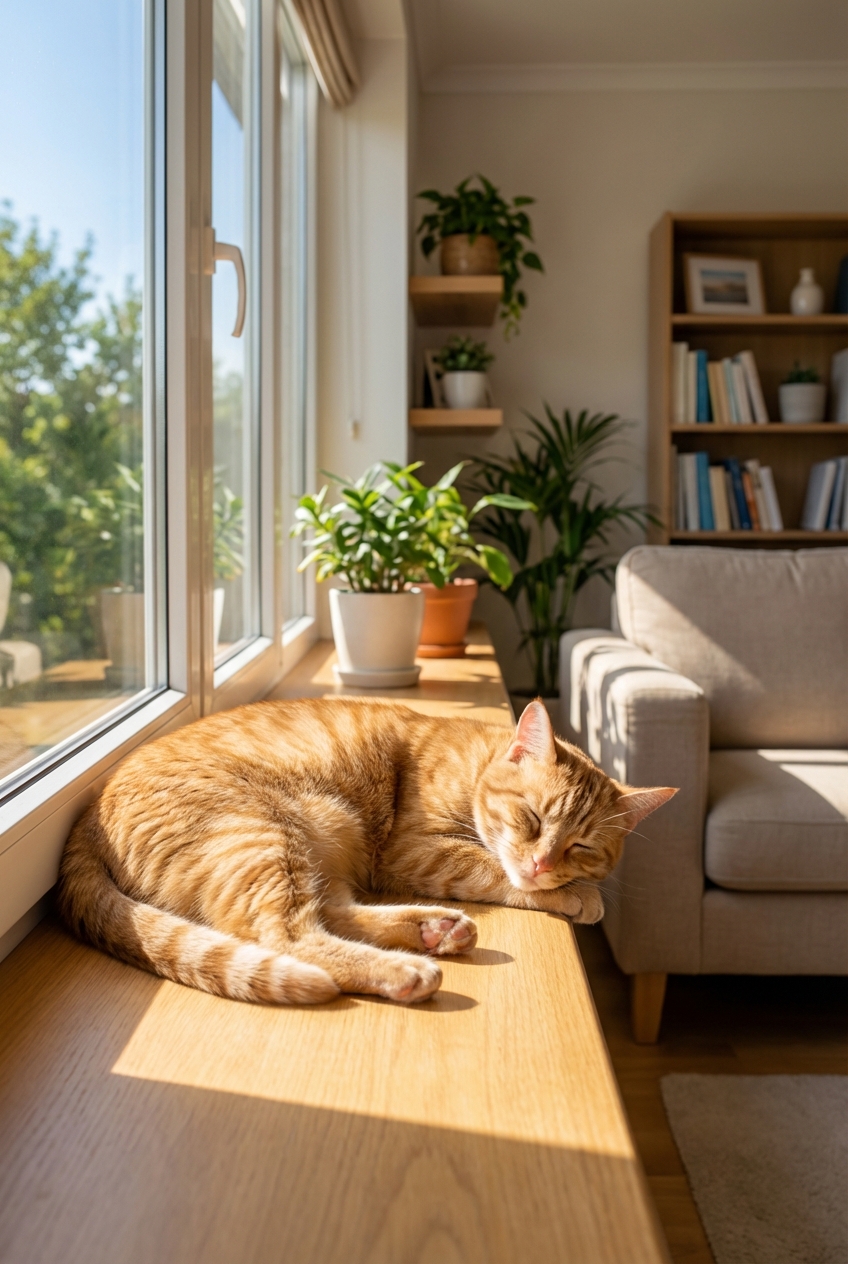
If you love cats but your calendar is packed, you are not alone. The good news is that many cats fit beautifully into a busy household as long as their basic needs are met consistently. “Low-maintenance” does not mean “no-maintenance.” It means choosing a cat whose coat, energy level, and social needs match your day-to-day life, then setting up a home routine that keeps them comfortable and healthy.
What “low-maintenance” really means
Every cat needs daily food, fresh water, a clean litter box, and a safe environment. Where things differ is how much time a cat may require for grooming, exercise, enrichment, and companionship.
- Coat care: Some coats mat quickly and require frequent brushing. Others are naturally wash-and-wear.
- Energy level: High-energy cats often need more play and problem-solving activities to stay content.
- Social needs: Some cats crave constant interaction, while others are more independent.
- Predictability: Cats who handle routine changes well tend to be easier for households with shifting schedules, for example, they do not panic if dinner is 30 minutes late.
Age matters too. Adult cats are typically more predictable than kittens, who are adorable but time-intensive. Kittens usually need more supervision, more daily play sessions, and a bit more training and boundary-setting.
Best low-maintenance cat choices
Instead of chasing a “perfect” breed, focus on temperament, coat type, and adult energy level. Many mixed-breed cats are wonderfully low-maintenance, especially when you adopt an adult whose personality is already established.
Adult shelter cats
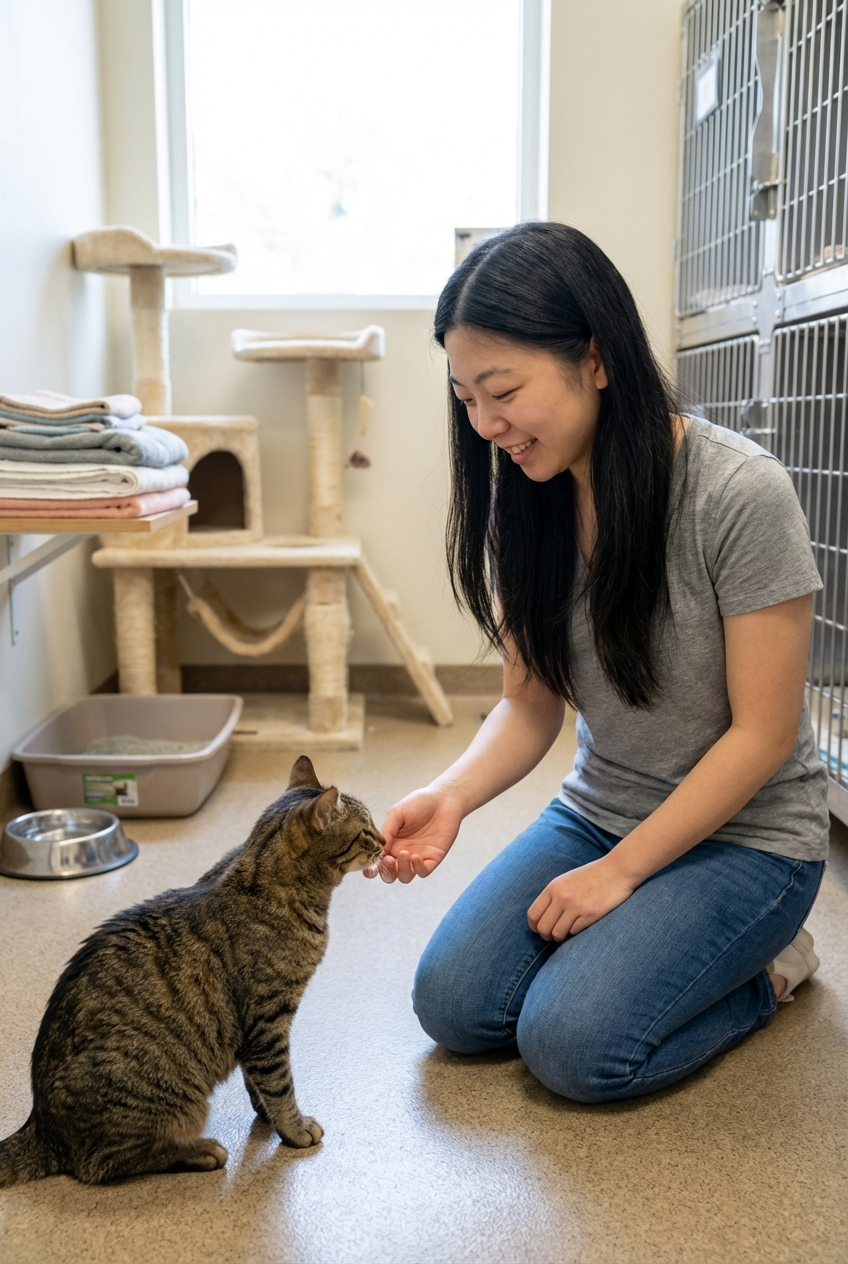
If you are busy, an adult cat from a shelter or rescue is often the best match. Staff can tell you who is calm, independent, or content with a little daily play and affection. Look for notes like “easygoing,” “couch buddy,” “independent,” or “prefers to lounge.”
Short-haired cats
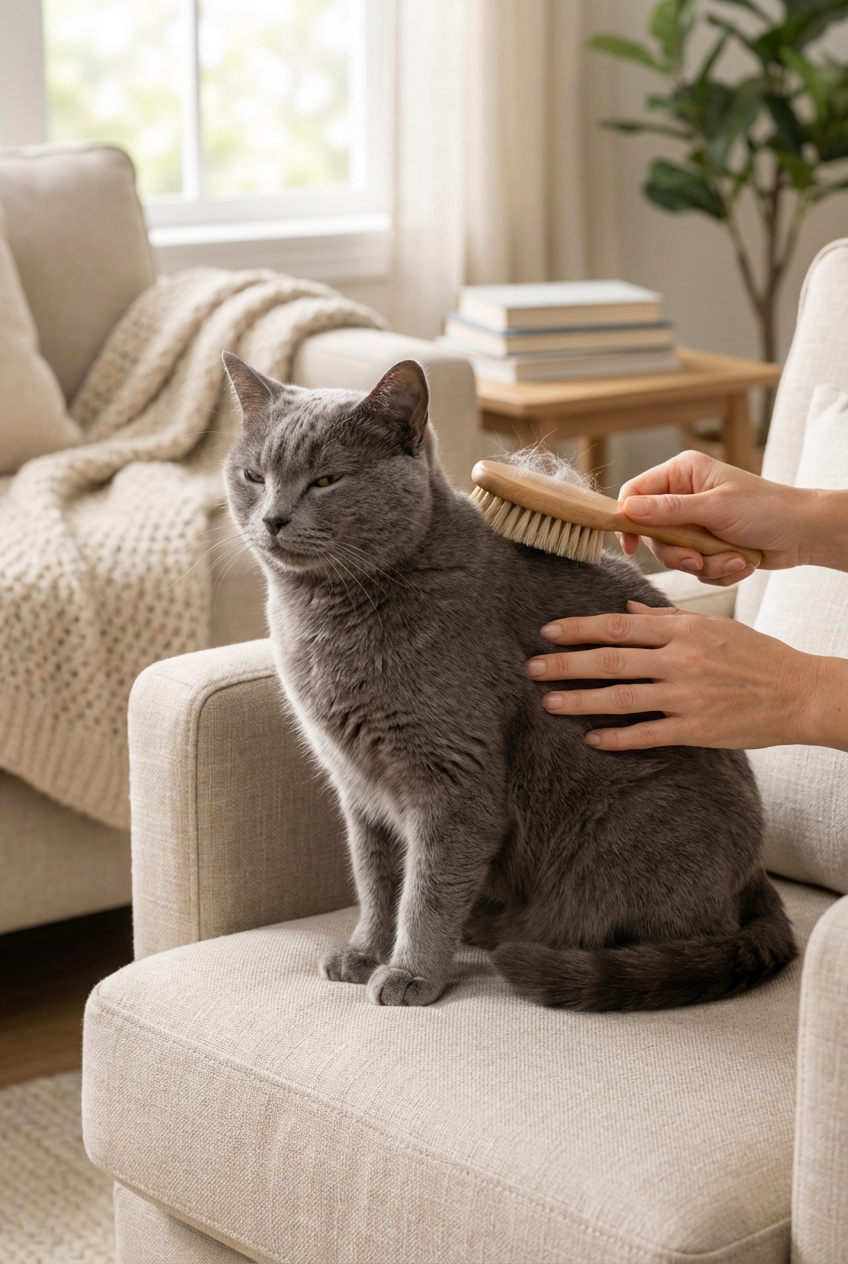
In general, short-haired cats require less grooming than long-haired cats. Many do well with quick brushing sessions a couple of times per week, which helps reduce loose hair and hairballs.
Commonly recommended breeds
Some breeds have reputations for being adaptable and relatively easy to groom. But remember, individuals vary, and some purebred cats can be quite social or energetic. If you are considering a breeder, ask about adult temperament, typical activity level, and any breed-related health concerns. Look for health testing, transparent records, and cats raised in a home environment.
- British Shorthair: Often calm and independent, usually not “needy.”
- American Shorthair: Generally adaptable, friendly, and not overly demanding.
- Russian Blue: Often gentle and quieter, can enjoy routine and calm spaces.
- Exotic Shorthair: Short coat and sweet temperament, but some lines can have higher vet needs due to flat-faced anatomy, including breathing issues, tear staining, and dental crowding.
Also, consider adopting bonded adult pairs. It sounds like more work, but two cats who like each other can provide companionship and play while you are away, which can reduce boredom-related behaviors.
Busy-owner basics
Low-maintenance success is less about finding a “perfect” cat and more about setting up your home so your cat’s needs are met even on hectic days.
1) Easier feeding
- Use measured portions: Overfeeding is a top issue in indoor cats. Ask your veterinarian for a target weight and daily calorie goal.
- Consider timed feeders: Great for long workdays and consistent meal schedules.
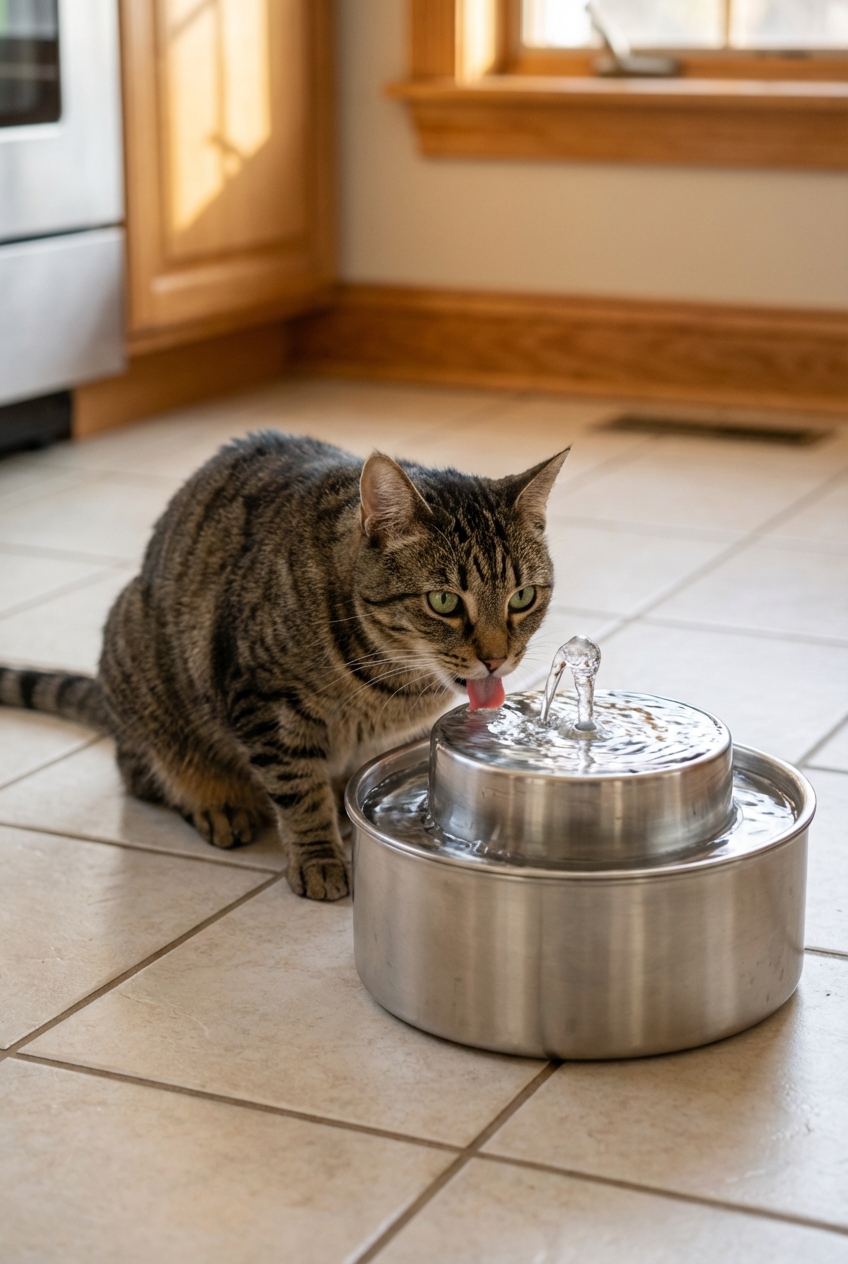
- Prioritize hydration: Many cats drink more from a pet fountain than a still bowl, but preferences vary. Offer clean, fresh options and see what your cat uses most.
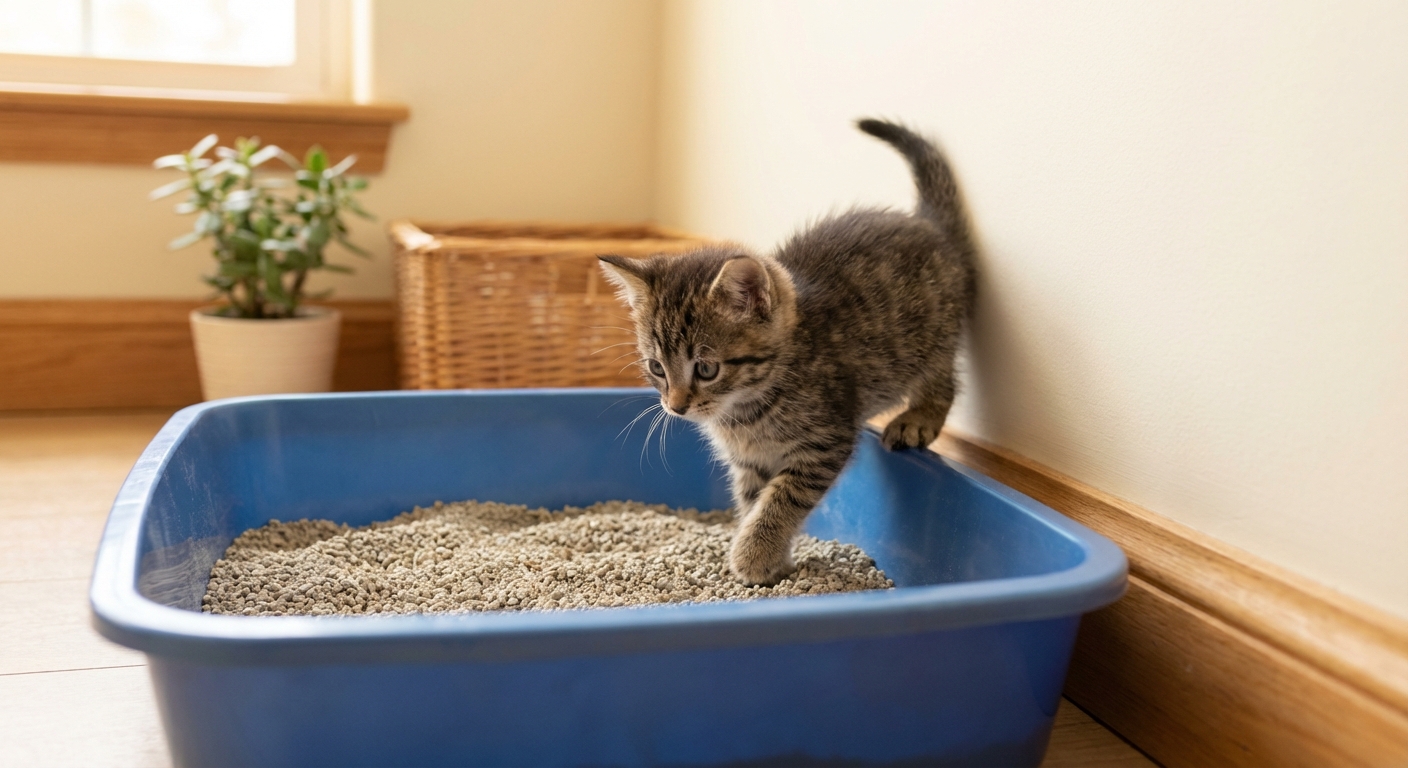
2) Litter box made simpler
Most litter box problems are actually “human routine” problems. Cats prefer clean boxes, and a dirty box can lead to accidents or stress.
- Scoop daily: Scooping once a day helps reduce odor and many avoidance issues. Some cats, especially in multi-cat homes, do best with twice-daily scooping.
- Keep it quick: In most homes it takes a minute or two, and consistency matters more than perfection.
- Follow the general rule: One box per cat, plus one extra, in quiet locations.
- Choose low-dust, unscented litter: Many cats dislike strong fragrances.
- Consider a larger box: Bigger often equals cleaner and more comfortable.
3) Micro-play that fits real life
Even calmer cats benefit from short play sessions. You do not need an hour. You need consistency.
- Two sessions of 5 minutes: Wand toy, tossed crinkle ball, or laser play (end with a physical toy “catch” to reduce frustration).
- Food puzzles: Add mental enrichment while you answer emails or cook dinner.
- Rotate toys: Put half away and swap weekly to keep things “new” without buying more.
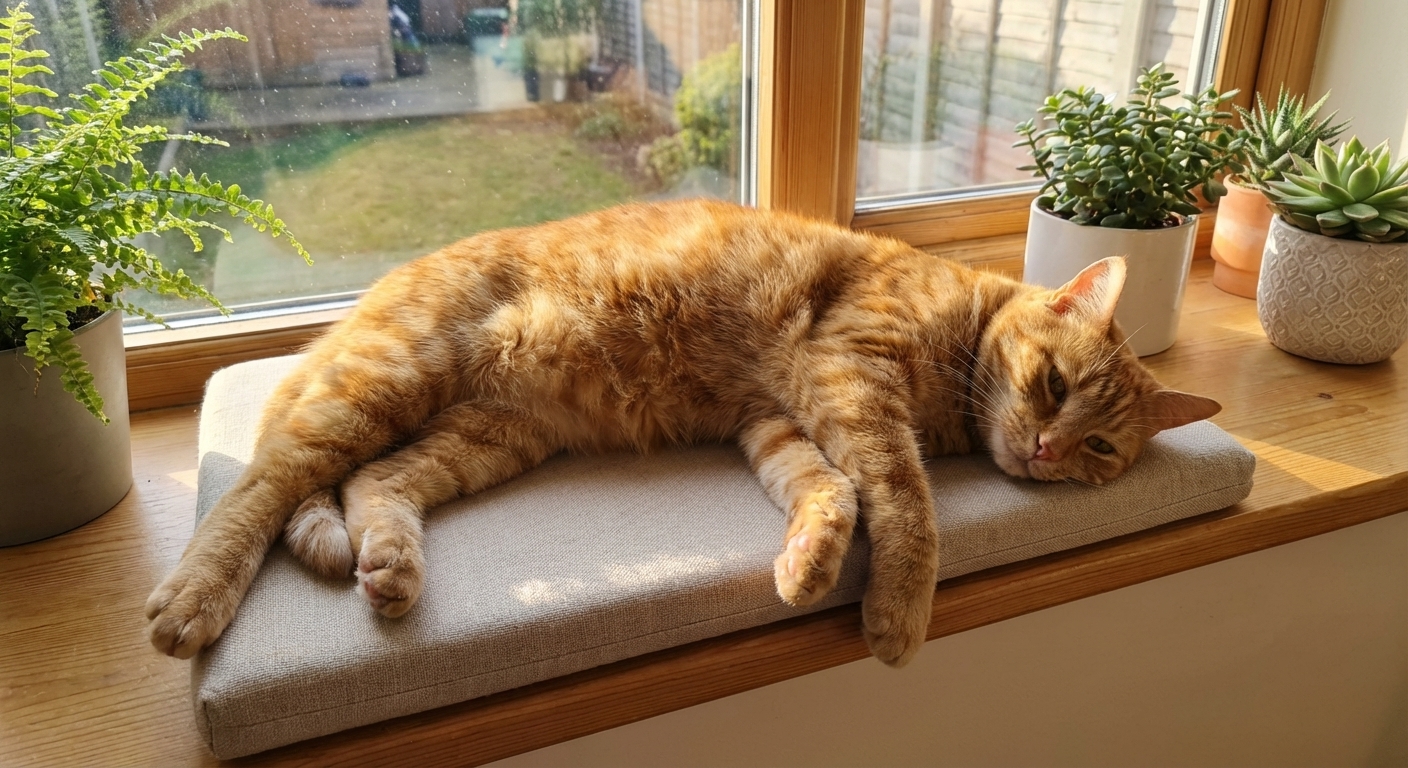
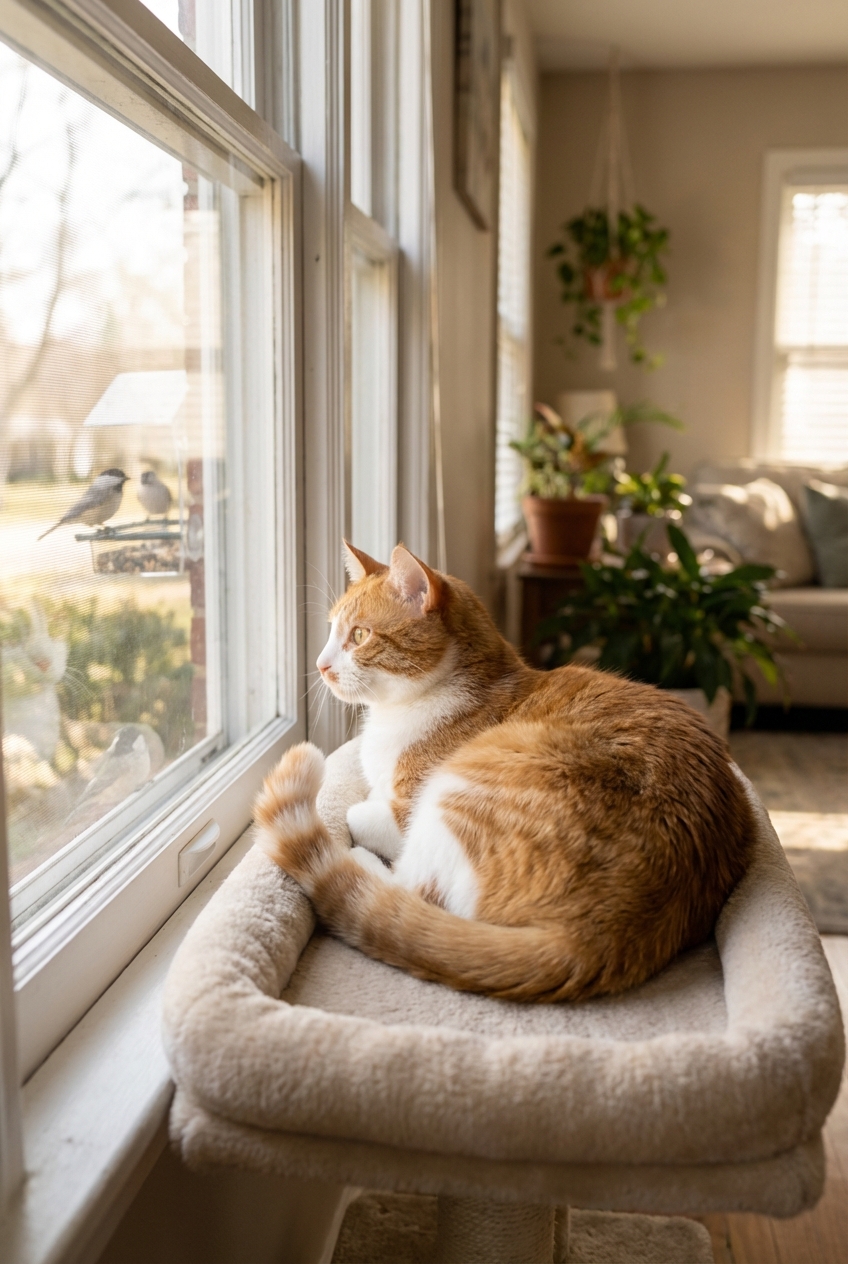
- Window perch: Bird watching is free entertainment for many cats.
4) Prevent problems at home
- Scratch-friendly zones: Place scratching posts where your cat already likes to scratch. Add one near sleep areas because cats often stretch and scratch after waking.
- Vertical space: Cat trees or shelves reduce stress and increase confidence.
- Safe alone-time: Keep string, hair ties, and toxic plants out of reach.
5) Plan for long hours
If you are routinely gone 9 to 12 hours, build in support and stimulation. Automated feeders, puzzle toys, and a good window view help, but many cats also benefit from a midday check-in from a friend, neighbor, or pet sitter. For some households, a bonded pair can be the simplest fix.
Health tips that save time later
Veterinary teams see it all the time: even “easy” cats can hide illness until it is advanced. Cats are good at masking discomfort, so a few simple habits make a big difference.
Keep routine vet care
- Annual exams: Adults typically need at least yearly checkups. Seniors may benefit from more frequent visits.
- Dental health matters: Dental disease is common and is linked to broader health issues, including effects on the heart and kidneys, plus chronic pain.
- Parasite prevention: Even indoor cats can get fleas or intestinal parasites.
Simple grooming basics
- Nail trims: Many cats need trims about every 2 to 4 weeks, depending on scratching habits and growth rate.
- Teeth and ears: If your cat tolerates it, gentle tooth brushing and quick ear checks can prevent bigger problems later. Your vet can recommend realistic options for your cat.
Watch for subtle red flags
If you see any of the following, check in with your veterinarian:
- Not using the litter box, straining to urinate, or frequent small trips to the box
- Hiding more than usual or sudden irritability
- Changes in appetite, thirst, or weight
- Vomiting more than occasionally or persistent diarrhea
- Bad breath or drooling
Busy schedule tip: keep a simple note on your phone for weight, appetite changes, and litter box habits. Patterns help your vet help you faster.
One more reality check: any cat can become higher maintenance with medical needs. If you can, consider pet insurance or keep a small emergency fund for surprise vet visits.
Quick checklist before you adopt
When you meet a cat, you are not just choosing a pet. You are choosing a daily rhythm. Bring this checklist to the shelter or rescue:
- Adult cat, ideally 2 years or older
- Short coat or a coat you are willing to brush regularly
- Calm, confident body language in the meet-and-greet room
- Described as independent or easygoing by staff or foster
- Comfortable being handled (briefly) for nail trims and brushing
- If you are gone long hours, consider a bonded pair
The bottom line
The best low-maintenance cat is one whose needs match your real life. Choose an adult with a manageable coat, set up simple systems for feeding and litter, and commit to short daily connection time. Your cat does not need perfection. They need consistency, comfort, and a home that understands what helps them feel safe.