
A practical, vet-informed guide to dog arthritis care: recognize signs, confirm diagnosis, improve traction and comfort at home, use joint supplements, and k...
Article
•
Designer Mixes
Loving Signs Your Dog Is in Pain

Shari Shidate
Designer Mixes contributor
Dogs are incredibly loyal, and some may mask pain because their survival instincts tell them not to appear vulnerable. As a veterinary assistant here in Frisco, Texas, I have seen sweet dogs quietly cope with discomfort for weeks before someone realizes what is going on. The good news is that pain usually leaves clues, and when you learn to spot them, you can get your pup relief faster.
Important note: This article is educational and not a diagnosis. If your dog seems painful, trust your gut and call your veterinarian.
Subtle signs your dog may be in pain
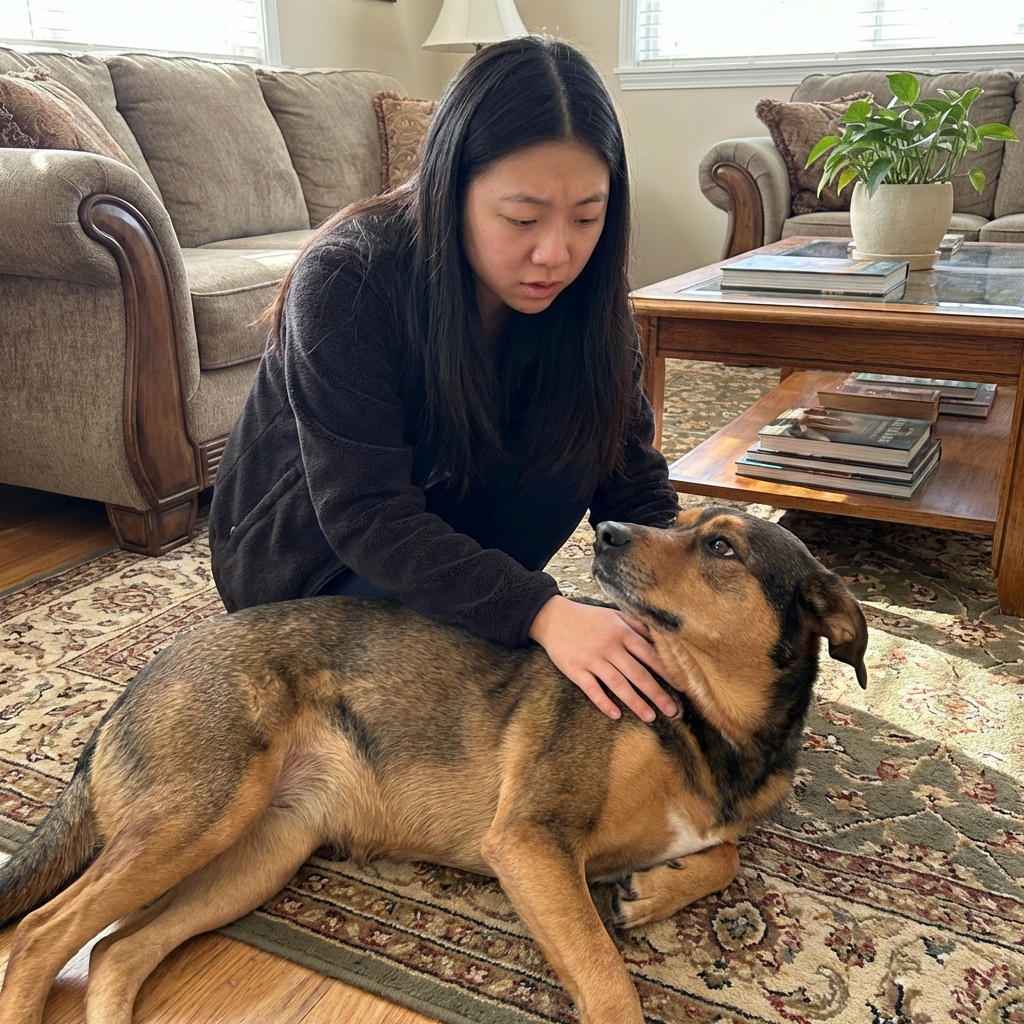
Not every painful dog cries or limps. Many show quiet changes in routine, posture, and personality. If you notice new behavior that lasts more than a day, it is worth taking seriously. If signs are sudden, severe, or paired with vomiting, breathing trouble, collapse, or a bloated belly, do not wait.
- Less enthusiasm for walks, play, stairs, jumping onto the couch, or getting in the car
- Sleeping more or seeming “checked out” compared to normal
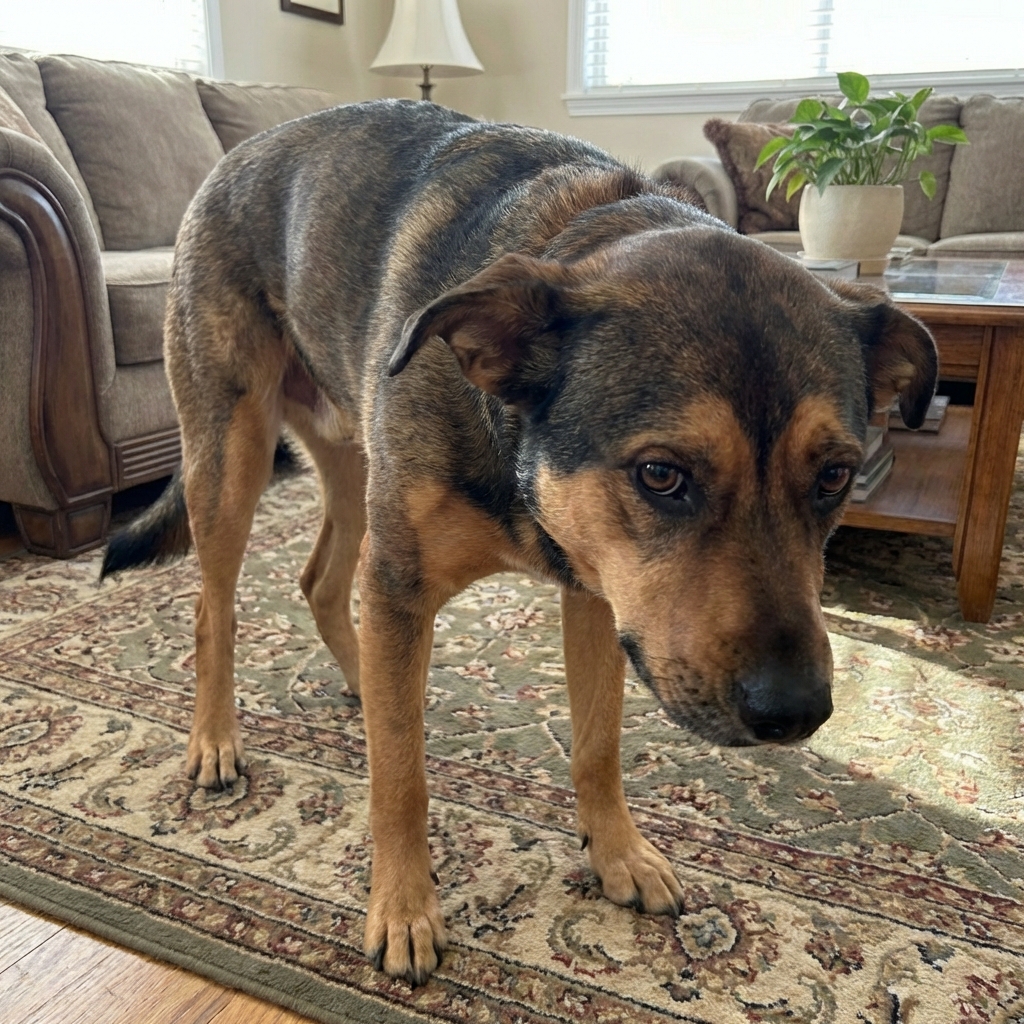
- Changes in posture such as a hunched back, tucked abdomen, or holding the head low
- Stiffness after rest, especially first thing in the morning or after a nap
- Weight shifting to one side, standing “off,” or repeatedly repositioning
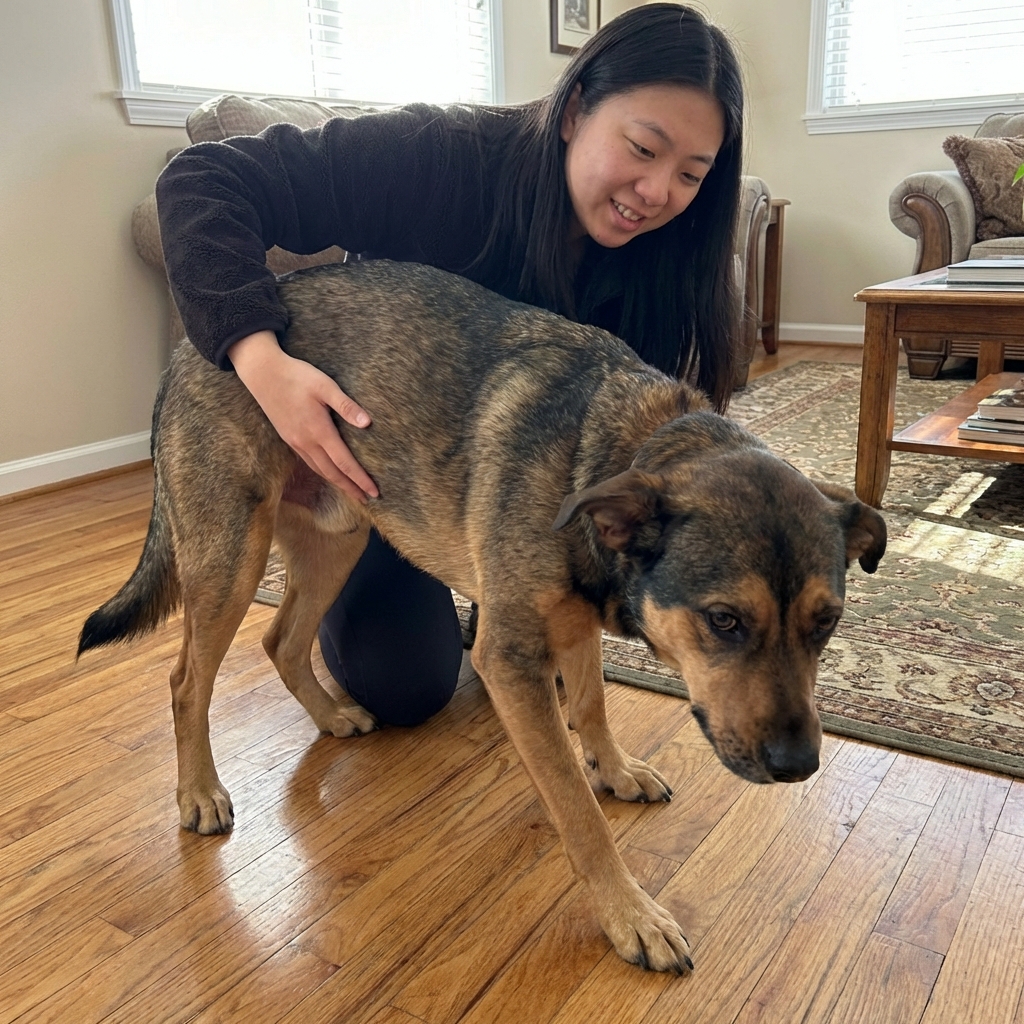
- Muscle tension in the shoulders, back, hips, or jaw
- Changes in facial expression like squinting, a furrowed brow, pinned ears, or a “worried” look
- Shaking or trembling that is not explained by cold, excitement, or fear
- Licking, chewing, or scratching one area over and over (a very common sign)
- Not wanting to be touched, moving away, hiding, or flinching when you reach toward a spot
One of the most loving things you can do is notice these small shifts early, before pain snowballs into a bigger problem.
Clearer signs that often mean pain
Some behaviors are more obvious and deserve prompt veterinary attention, especially if they appear suddenly. In general, subtle signs are the whispers and these are the louder alarms.
- Limping, toe-touching, or refusing to bear weight on a leg
- Yelping when picked up, when climbing stairs, or when turning a certain way
- Restlessness, pacing, or inability to get comfortable
- Rapid panting when it is not hot and your dog has not been active (especially if paired with other symptoms)
- Guarding a body part, snapping, or growling when approached (this is fear and pain, not “bad behavior”)
- Decreased appetite or suddenly refusing hard kibble or chew toys
- Bathroom changes such as straining, accidents in the house, or frequent squatting without much urine
- Visible swelling, heat, or a new lump that is tender
What pain can look like, from nose to tail
Mouth pain
Dental disease is a common and often missed source of chronic pain. Dogs still eat because they have to, but they may eat differently.
- Dropped food, chewing on one side, or slower eating
- Pawing at the mouth or face rubbing on furniture
- Bad breath, red gums, or visible tartar
- Reluctance to play tug or chew
Ear pain
- Head shaking, ear scratching, or holding one ear differently
- Odor, discharge, or redness
- Pulling away when you touch near the ear
Neck and back pain
- Crying when turning the head or being picked up
- Walking stiffly, arched back, or slow careful movements
- Reluctance to jump, use stairs, or shake the body after a bath
Belly pain
- “Prayer position” with front end down and rear end up (a common sign of GI discomfort, and it warrants prompt assessment)
- Restlessness, panting, or a tight tense abdomen
- Vomiting, diarrhea, or refusing food
Joint and arthritis pain
Arthritis often builds gradually, so families assume it is “just aging.” But pain is not a normal requirement of getting older.
- Stiffness after rest, slipping on floors, or difficulty rising
- Slower walks, lagging behind, or avoiding play
- Grumpiness when disturbed while sleeping
When to call the vet right away
Some situations should not wait for a “see how it goes” approach. Contact your veterinarian or an emergency clinic now if your dog has:
- Sudden collapse, extreme weakness, or pale gums
- Labored breathing, blue-tinged gums or tongue, or constant open-mouth breathing
- Bloated, hard abdomen, repeated unproductive retching, or signs of severe abdominal pain
- Inability to urinate, or straining with little to no urine produced
- Uncontrolled bleeding, suspected broken bone, or severe swelling
- Seizure activity, severe disorientation, or sudden loss of balance
- Hit by a car, fall from height, or other major trauma even if they seem “okay” afterward
If you are unsure, call anyway. A quick phone conversation can help you decide what to do next.
Comfort tips while you wait
These steps can help keep your dog comfortable and safe, without masking symptoms in a risky way.
1) Restrict activity
For limping, back pain, or suspected sprains, reduce movement until your vet evaluates. Use leash-only potty breaks and avoid stairs and jumping.
2) Create a comfort station
- Soft bedding in a quiet area
- Easy access to water
- Low lighting and minimal noise if your dog seems overstimulated
- Non-slip footing using rugs or yoga mats
3) Use gentle support
A towel under the belly can help a painful dog stand or walk to potty. For small dogs, a supportive carrier can reduce strain.
4) Cold or warm compress, only when appropriate
If your veterinarian says it is appropriate, a compress can help with minor soft-tissue soreness. Skip this step if you suspect a fracture, a serious back or neck issue, an open wound, or if your dog is very painful to the touch.
- Cold can help with a new injury or swelling in the first 24 to 48 hours. Wrap an ice pack in a towel and apply for about 10 minutes, then take a break.
- Warmth can feel soothing for chronic stiffness, like arthritis. Use a warm towel, not hot, for short periods.
If your dog resists, stop. Forcing it can increase stress and pain.
5) Track symptoms like a pro
Veterinary teams love specific details. Write down:
- When the signs started and if they are getting worse
- Eating, drinking, urination, stool, and vomiting
- What movements trigger discomfort (stairs, jumping, turning head)
- Any recent changes: new exercise, grooming, falls, new food, new meds
If possible, take a short video of the limp, breathing, or unusual behavior to show your vet.
What not to do
- Do not give human pain medications like ibuprofen, naproxen, or acetaminophen unless your veterinarian specifically instructs you. These can be dangerous or even fatal to dogs.
- Do not use leftover pet medications from another pet or a previous episode unless your veterinarian tells you to. Doses and drug choices can be very different based on the cause of pain and your dog’s health.
- Do not force exercise to “work it out.” Pain can mean injury, and pushing can worsen it.
- Do not ignore sudden behavior changes, especially aggression, hiding, or refusing touch. Pain commonly causes these.
- Do not wait on dental pain. Infections in the mouth can impact the whole body.
How vets assess pain
At your visit, your veterinarian may:
- Ask questions about behavior and daily routines
- Do a nose-to-tail physical exam, including joints, spine, abdomen, ears, and mouth
- Recommend X-rays for bones and joints, or ultrasound for abdominal concerns
- Suggest bloodwork to look for infection, organ issues, inflammation, or metabolic causes
- Discuss a pain control plan that may include medications, joint supplements, physical therapy, weight management, or dental treatment
Pain management is not “one size fits all.” The goal is safe relief plus addressing the root cause.
Everyday habits that reduce pain risk
- Keep a healthy weight. Extra pounds stress joints and can worsen arthritis.
- Maintain dental care. Brush when possible and schedule professional cleanings as recommended.
- Use joint-friendly movement. Regular, moderate activity keeps muscles supporting the joints.
- Choose traction at home. Slippery floors can lead to strains and falls, especially for seniors.
- Stay consistent with wellness visits. Small problems are easier to treat early.
Your dog cannot say “that hurts,” but they can show you. When you respond early and kindly, you are giving them comfort, safety, and trust.
