A clear timeline of the 4 heat stages (proestrus, estrus, diestrus, anestrus), what bleeding looks like, common behavior shifts, home care tips, and urgent w...
Article
•
Designer Mixes
Loving Odd Names for Dogs: Facts Every Owner Should Know

Shari Shidate
Designer Mixes contributor
Odd dog names have a special kind of magic. They make people smile at the vet clinic, they break the ice at the dog park, and they can feel like a tiny love letter to your pup’s personality. But there is also a practical side to naming, especially if you want your dog to learn it quickly and respond reliably in the real world.
Below are evidence-based facts and friendly tips to help you choose a delightfully weird name that still works for training, safety, and everyday life.
Why odd names can work well
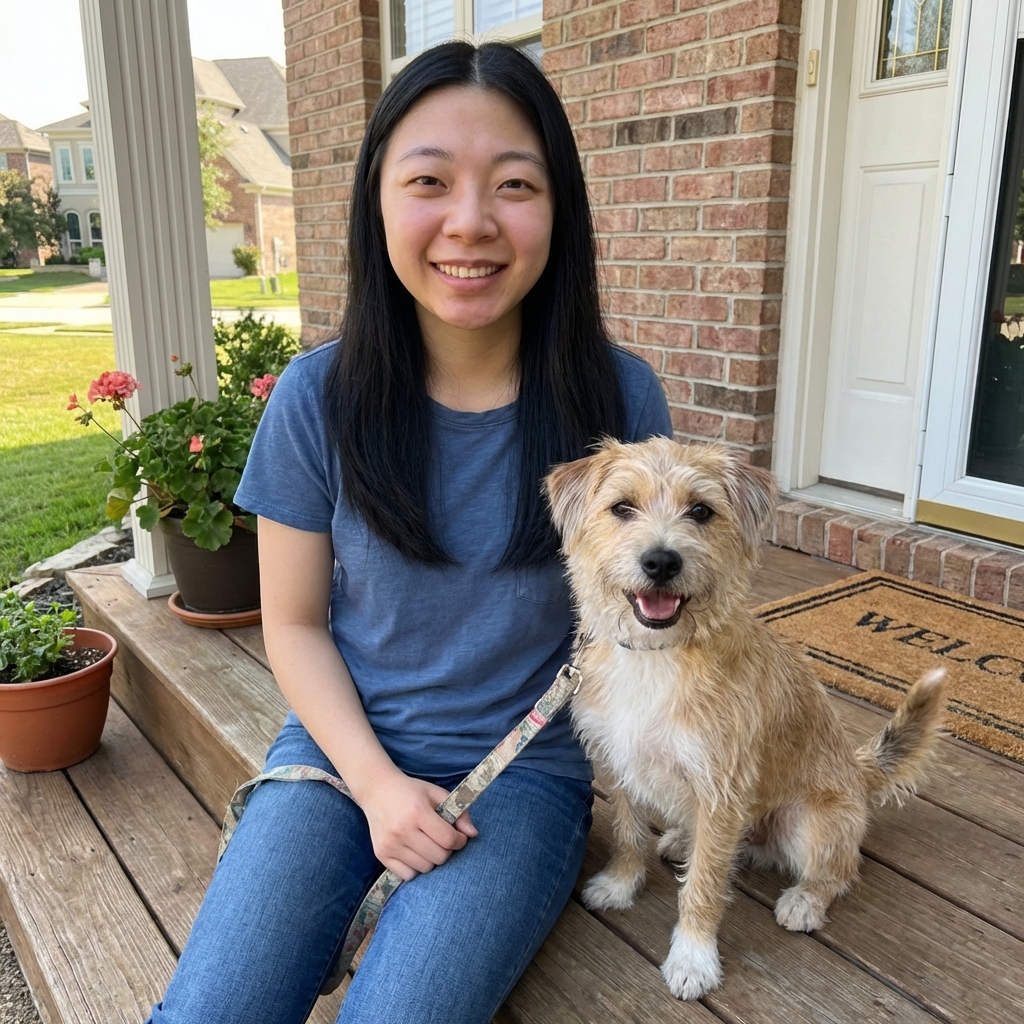
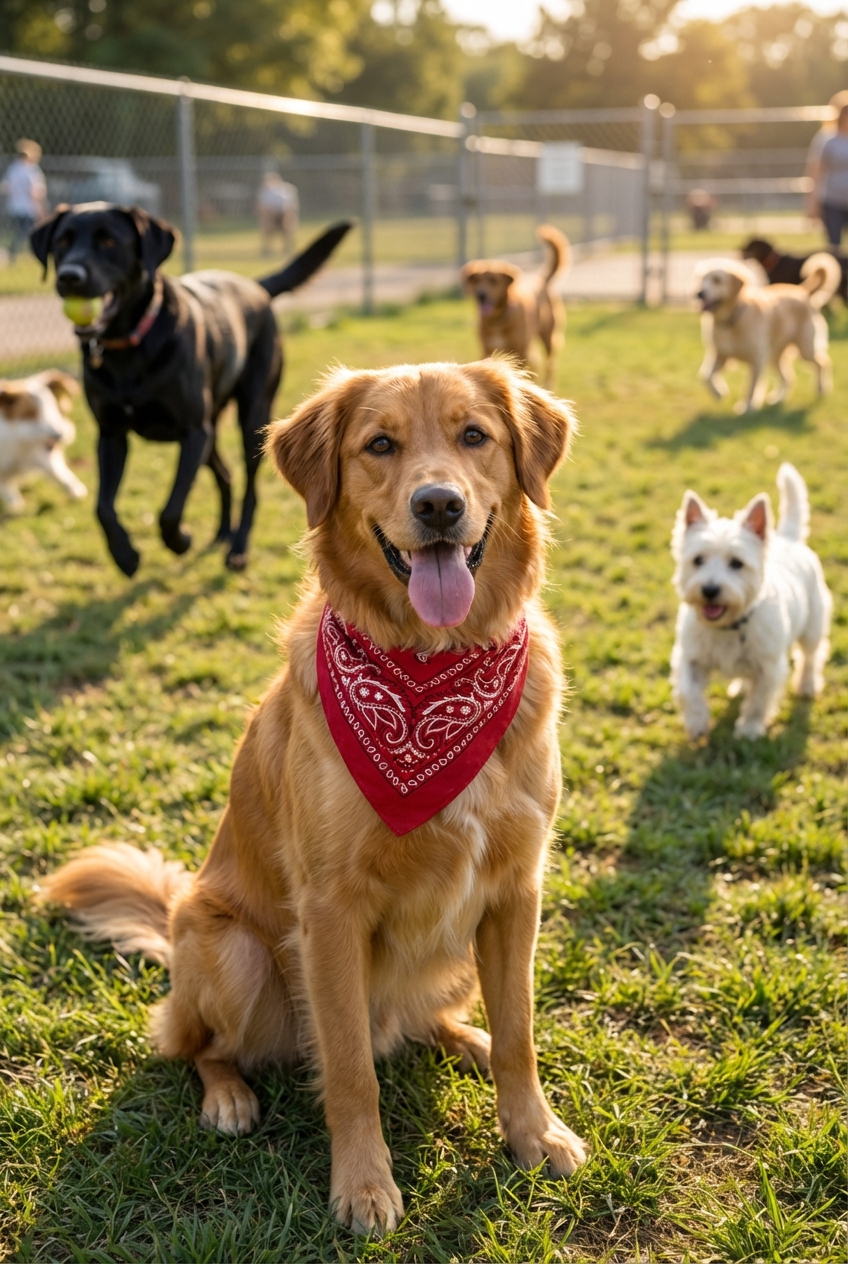
In my experience as a veterinary assistant, unusual names tend to be memorable, and that can actually help in daily life. When you are calling your dog in a busy environment like a daycare lobby, a crowded trailhead, or a dog park, a name that stands out can cut through the noise.
Three real benefits
- They are easier for humans to remember. Your friends, your groomer, and your pet sitter are less likely to mix up “Pickle” than “Buddy.”
- They can reduce confusion at parks and daycare. Common names often have multiple dogs answering at once.
- They build connection. A playful, meaningful name can make training feel more fun and personal, which helps consistency.
Fact: dogs learn sound patterns
Dogs do not care if a name is “normal.” What most dogs learn first is the sound of the word and the predictable outcome that follows it.
If your dog hears “Waffles!” and good things happen often enough, that sound becomes important. This is basic associative learning: when the name reliably predicts rewards like treats, praise, play, or dinner, dogs tend to offer more attention and faster orientation toward you.
Actionable tip
For the first 1 to 2 weeks, say your dog’s name and immediately deliver something your dog loves. Keep it easy and frequent, like 10 to 20 quick repetitions per day.
Note: A few dogs can learn many labels for objects and actions, but in most households a name functions like an attention cue, not a “meaningful word” the way humans use names.
Fact: keep it short and clear
Many trainers recommend one or two syllables because they are quick to say and distinct. That does not mean you cannot choose an odd name. It just means you may want a short “everyday” version that you use most often.
Odd names that train well
- Pickle
- Mochi
- Gizmo
- Nacho
- Tofu
- Pixel
- Banjo
- Cricket
If you love a long name
Go for it, then give it a nickname:
- Professor Wigglebottom becomes “Wiggles”
- Duchess Peanut Butter becomes “Peanut”
- Captain Noodle Soup becomes “Noodle”

Fact: avoid cue look-alikes
Dogs can mix up similar sounds, especially in noisy places. If a name resembles a common cue, it can slow learning or create brief hesitation.
Sounds to watch for
- “Kit” can resemble “sit”
- “Bo” can resemble “no”
- “Ray” can resemble “stay”
This does not mean you must avoid these completely. It just means you should be intentional. If you choose “Kit,” you might switch your sit cue to “park it” or lean more on a hand signal to make things clearer.
Also watch common household words
Try not to pick a name that sounds like words you say constantly, such as “treat,” “toy,” “go,” “no,” “outside,” or another pet’s name. You will get fewer false alarms and faster responses.
Fact: tone matters a lot
Dogs pay close attention to your voice. If you say an adorable odd name in an irritated tone, your dog may start to associate the name with negative outcomes and respond with less enthusiasm over time.
A simple rule
Try not to use your dog’s name right before something unpleasant, like nail trims, a bath, or ending playtime. Instead, say the name, reward, and then calmly transition. This helps keep the name positive, which supports reliable attention and recall work over time.
Safety check: test it in real life
Odd names are fun, but I always recommend testing them for everyday practicality. You will say this name in public, at the vet, on the phone, and possibly in an emergency.
Quick real-world test
- Shout test: Can you comfortably call it across a yard without feeling awkward?
- Clarity test: Is it easy for others to understand (especially your pet sitter or daycare)?
- Stress test: When you are anxious, can you say it clearly and quickly?
If you love a name that fails one of these tests, keep it as a home nickname and choose a simpler official name for tags and paperwork.
Name versus recall cue
One detail that helps a lot: your dog’s name is best taught as “look at me,” not “run back to me.” Then you can follow the name with a separate recall cue like “come,” “here,” or a whistle.
Prevent name burnout
- Say it once. If you repeat it, the name starts to predict that it is background noise.
- Reward the head turn. Teach that the name means attention first, then give the next instruction.
- Avoid using the name to scold. If you need to interrupt, use a neutral interrupter like “uh-oh” and then redirect.
Multi-dog homes
If you have more than one dog, avoid names that rhyme or share the same ending sound. “Mochi” and “Koki” or “Bean” and “Dean” can blur together, especially when you are calling quickly.
Quick pairing tip
Pick names with different syllable counts or different starting sounds, like “Pickle” and “Zelda,” or “Cricket” and “Moose.”
Health and behavior note
Sometimes owners hope a playful name will “soften” a nervous dog, or that a tough name will make a shy dog bold. Your dog’s temperament is influenced by genetics, early experiences, socialization, and health.
That said, a well-conditioned name is a powerful training tool. If the name consistently means “look at me and good things happen,” you can use it to:
- Interrupt mild distractions
- Build focus around other dogs
- Support recall practice in low to moderate distraction settings
If your dog struggles with severe fear, aggression, or panic, talk with your veterinarian or a qualified behavior professional. It is also smart to rule out medical contributors, especially pain or sensory changes, that can affect behavior.
Odd name ideas that feel sweet
If you want the charm of an unusual name without losing that warm, affectionate feel, here are a few categories that tend to land well.
Foodie-cute
- Dumpling
- Truffle
- Sushi
- Peaches
- Biscuit
Cozy and quirky
- Socks
- Button
- Bean
- Honeycomb
- Puddle
Old-soul funny
- Mabel
- Winston
- Clive
- Edna
- Norm
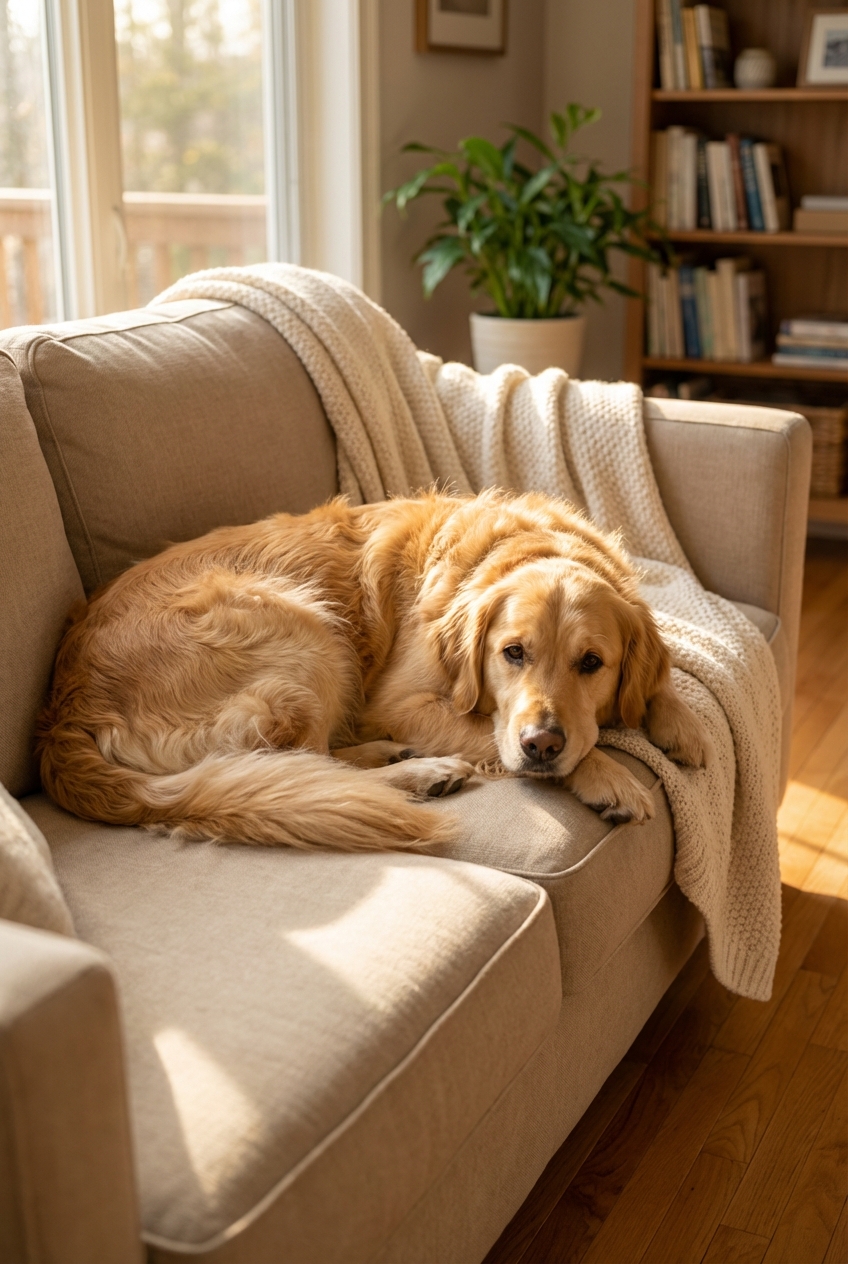
Teach a new name daily
If your dog is newly adopted or you are renaming a rescue, you can absolutely do it. Dogs are flexible, especially when the new name is paired with consistency and rewards.
Simple routine
- Say the name once in a cheerful voice.
- When your dog looks at you, mark it with “yes” or a clicker.
- Reward with a treat, praise, or a quick toy toss.
- Repeat 10 times, then stop.
Do this in a quiet room for a few days, then practice in the yard, then on walks. Slowly increase distractions. That gradual progression is what makes the response reliable.
A loving odd name is perfect when it is easy to say, consistently rewarding to hear, and clear in the moments that matter.
When to rethink a name
Most unusual names are totally fine. But I do recommend reconsidering if:
- It could be mistaken for a cue, a frequent household word, or a family member’s name.
- It is likely to offend people you must work with, like a daycare, boarding facility, or your apartment community.
- It encourages strangers to approach your dog when your dog needs space.
If your dog is shy, for example, a name that invites lots of attention might make outings harder. You can still be creative while choosing something calmer and neutral.
References
- Lindsay, S. R. Handbook of Applied Dog Behavior and Training, Volume 1: Adaptation and Learning.
- Overall, K. L. Clinical Behavioral Medicine for Small Animals.
- American Veterinary Society of Animal Behavior (AVSAB). Position statements on humane training and behavior.