Vet-informed guide to a short-term bland diet for dogs: chicken and rice 1:2 ratio, daily cup ranges by weight, how many meals to split into, and red flags t...
Article
•
Designer Mixes
Loving Dogs With Upset Stomachs

Shari Shidate
Designer Mixes contributor
As a veterinary assistant here in Frisco, Texas, I can tell you this: tummy trouble is a very common reason dogs end up at the clinic, and it is also one of the most stressful things for pet parents to watch. The good news is that many mild stomach upsets can be managed safely at home with smart, gentle steps.
This guide will help you recognize what is urgent, what you can do right now, and how to prevent the next flare-up with food and routine changes that are actually realistic.
Local tip: before you need it, save the number and address for your regular vet and your nearest 24/7 emergency hospital. When a dog is vomiting at 2 a.m., having a plan helps.
What it looks like
Dogs cannot tell us what hurts, so we have to read the clues. An upset stomach can involve the stomach, intestines, or both.
- Vomiting (food, foam, bile, or liquid)
- Diarrhea (soft stool to watery stool, sometimes more frequent)
- Gas or noisy belly sounds
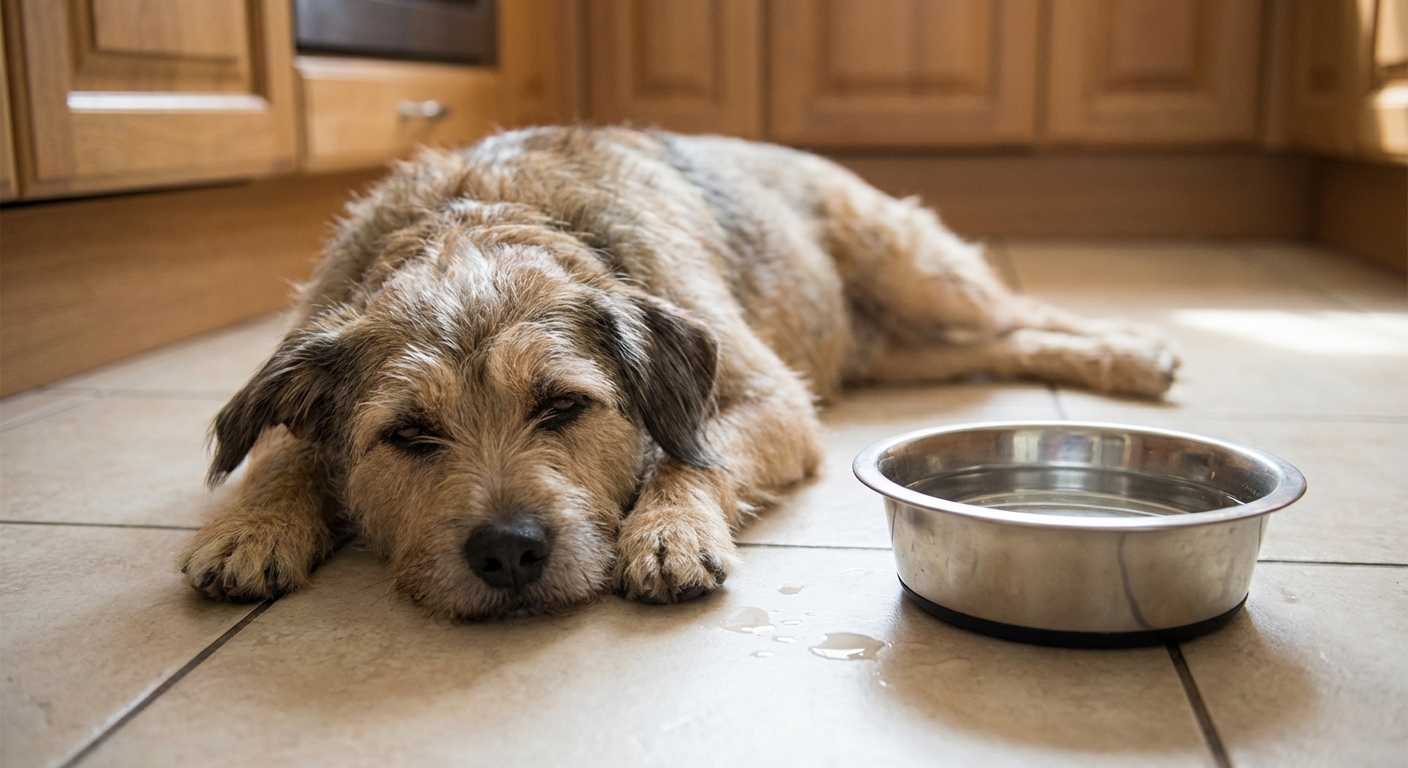
- Nausea signs like lip-licking, drooling, swallowing, or refusing food
- Decreased appetite or acting “off”
- Eating grass (common, not always an emergency)
A single vomit with normal behavior afterward may be mild. Repeated vomiting, diarrhea that will not stop, or a dog that seems painful is a different story.
Call the vet now
Please trust your gut if something feels wrong. I would rather see a dog early than after they are dehydrated and miserable.
Seek urgent care today if you notice:
- Blood in vomit or stool, or black, tarry stool
- Repeated vomiting (especially if your dog cannot keep water down)
- Watery diarrhea that is frequent, explosive, or happening alongside vomiting
- Signs of dehydration (dry gums, sunken eyes, extreme lethargy)
- Abdominal pain (hunched posture, crying, “praying” position, guarding the belly)
- Bloat warning signs (swollen belly, retching without producing vomit, pacing, drooling). This is an emergency.
- Puppies, seniors, or dogs with chronic illness (they can crash faster)
- Possible toxin or foreign object exposure (chewed socks, toys, bones, trash, medications, chocolate, xylitol)
How long is too long? As a general guideline, call your vet if vomiting continues past about 8 to 12 hours, if diarrhea lasts more than 24 to 48 hours, or sooner if your dog seems weak, painful, or dehydrated. When in doubt, call.
If your dog is vomiting and acting weak, or you see continuous straining with little stool produced, do not wait it out.
First steps at home
If your dog is alert, comfortable, and symptoms are mild, these steps are typically safe while you monitor closely. If anything worsens, call your veterinarian.
1) Pause food briefly, protect hydration
For many otherwise healthy adult dogs with mild vomiting, a short rest for the stomach can help. In practice, many vets recommend a brief fast of about 8 to 12 hours for adult dogs, then small bland meals.
Important caveat: fasting is not a fit for every dog. Do not fast puppies without veterinary guidance. Also call your vet first if your dog is very small (toy breeds), diabetic, has liver disease, has a history of hypoglycemia, or is on medications that require food.
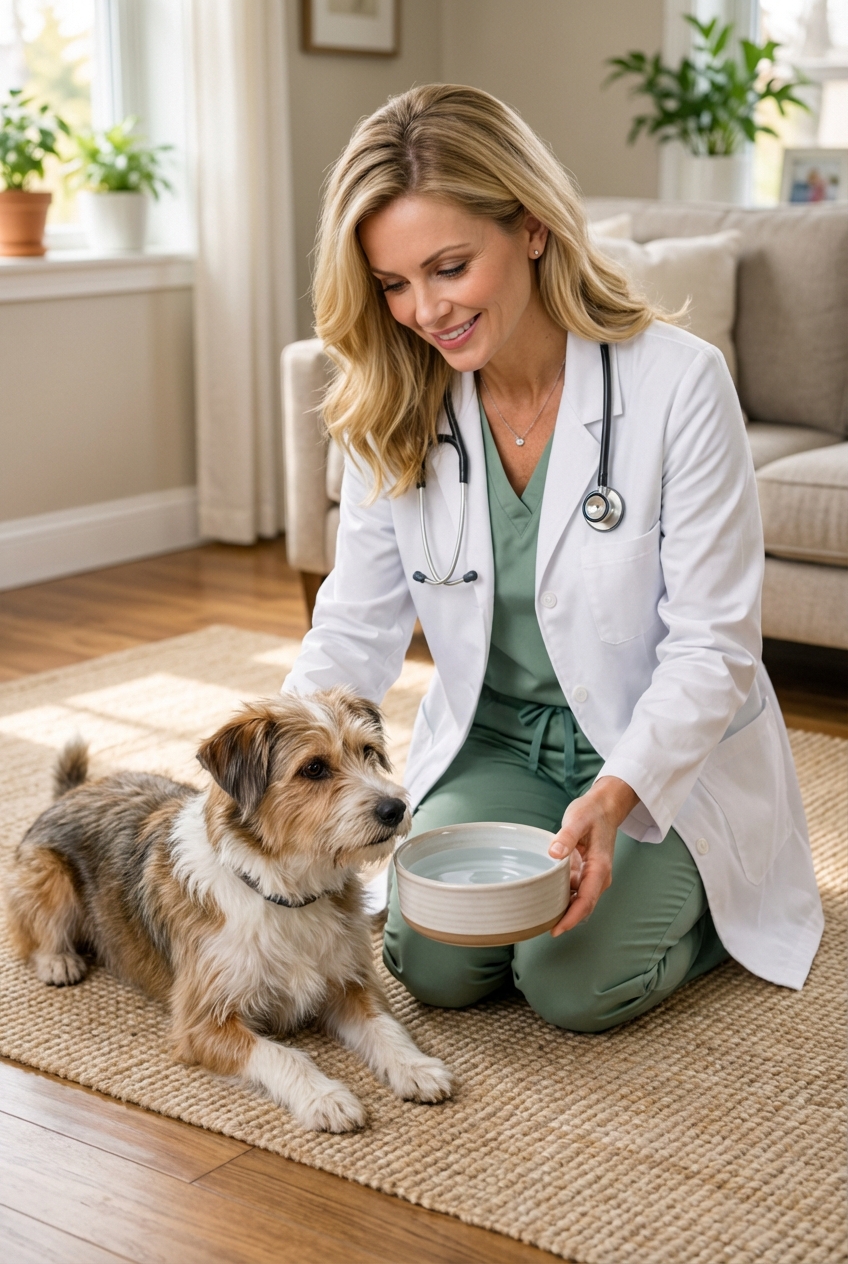
- Offer small amounts of water frequently.
- If your dog gulps and vomits, offer ice chips or small sips and slowly increase.
- Because needs vary by size and health, ask your vet for exact amounts if you have a small dog or a dog with medical conditions.
2) Reintroduce food gently
When vomiting settles, think small, simple, and low-fat. Feed small meals spaced out through the day.
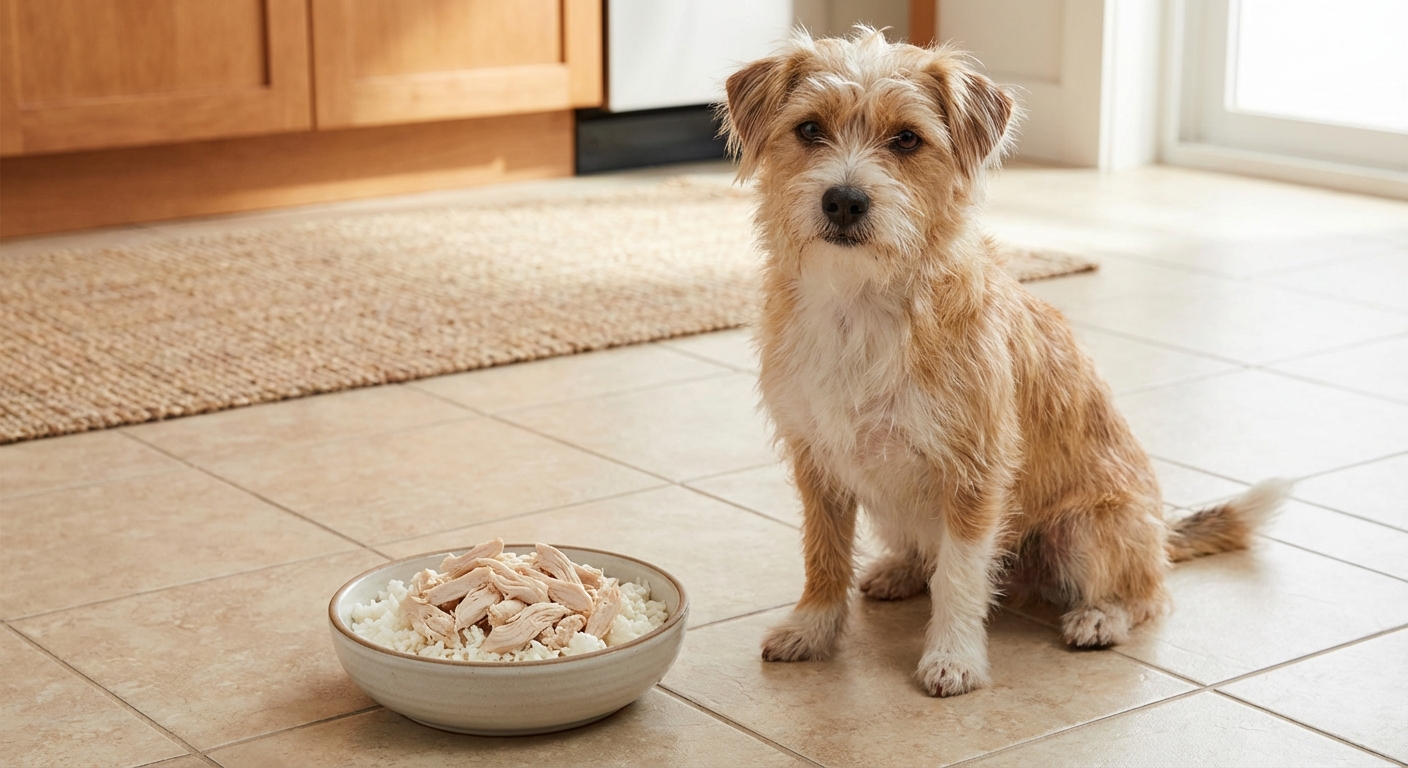
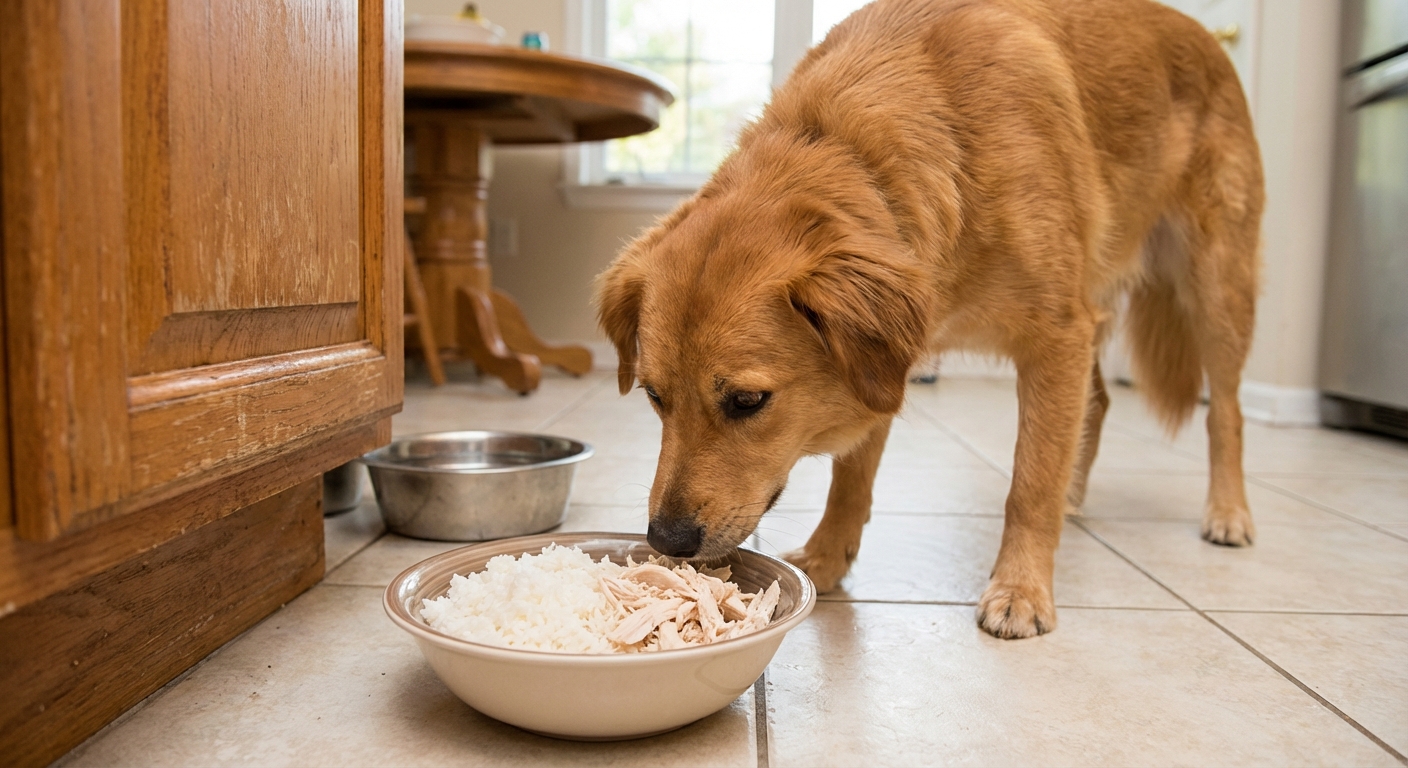
- Boiled skinless chicken breast with a simple carb like white rice is a classic option.
- Lean ground turkey (well-cooked and drained) is another good protein.
- Plain canned pumpkin (not pie filling) can help some dogs with loose stool, but evidence is mixed and it is easy to overdo it. Start very small and stop if it seems to worsen gas or diarrhea.
Portion tip: start with a few bites, wait a couple hours, then repeat if they tolerate it.
Many dogs do best on a bland, low-fat plan for 2 to 3 days, then a gradual transition back to their regular food over 3 to 5 days. If signs return when you transition, call your vet.
Reminder: bland diets are not complete and balanced long-term. Once your dog is improving, the goal is to return to a complete-and-balanced diet (or a veterinary therapeutic diet if your vet recommends one).
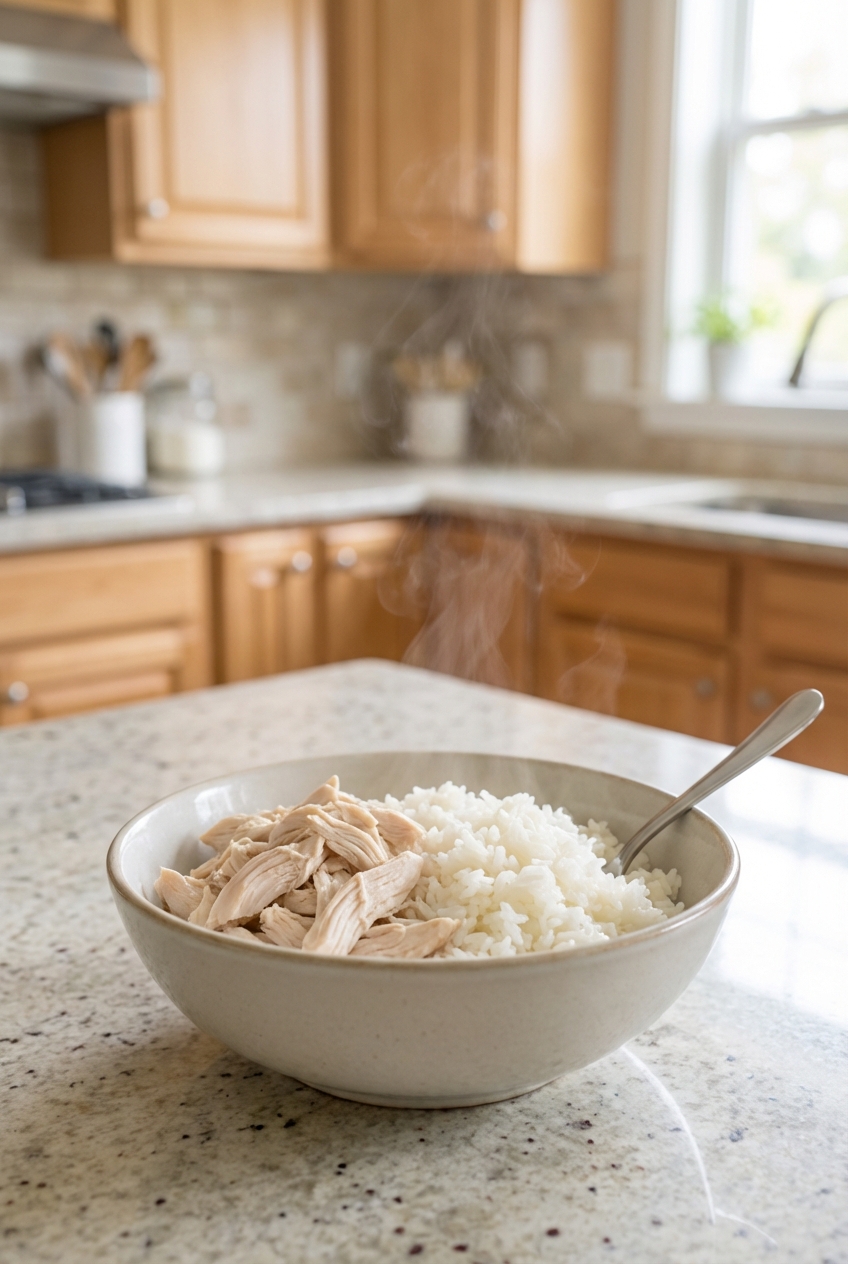
Gentle diet basics
Here is what I teach pet parents who want to do better than a random bland meal and actually support the gut as it recovers.
Keep it digestible and low-fat
- Protein: lean chicken, turkey, or very lean beef
- Carb: white rice or well-cooked sweet potato (many dogs tolerate these well)
- Vegetable (optional, once improving): small amounts of cooked carrots or cooked zucchini
Go slow with add-ins
When stools improve and appetite returns, you can gradually add variety back in over several days. Sudden food switches are a common cause of repeat episodes. This includes rich treats and chews, so keep those on pause during recovery.
Probiotics
Some dogs benefit from probiotics during or after diarrhea, especially after antibiotics. I recommend asking your veterinarian for a veterinary-formulated product and dose that fits your dog’s size and health history.
Common causes
Sometimes it is simple, and sometimes it is not. Here are the most common patterns I see in clinic.
- Dietary indiscretion: trash, greasy table food, new treats, chews, bones
- Rapid food changes: switching kibble too quickly, introducing rich toppers suddenly
- Parasites: especially in puppies or dogs exposed to dog parks and shared yards
- Stress: boarding, travel, visitors, schedule changes
- Food sensitivities: chronic loose stool, itchiness, ear issues can overlap
- Pancreatitis: often triggered by fatty foods, causes pain and repeated vomiting
- Foreign bodies: socks, corn cobs, toys can cause vomiting and blockages
If your dog has recurring episodes, it is worth talking with your vet about stool testing (fecal testing), whether routine deworming is up to date, diet trials, and whether underlying GI disease needs to be ruled out.
What not to do
- Do not give human medications like Pepto-Bismol, Imodium, or pain relievers unless your veterinarian tells you to. Pepto-Bismol contains salicylates and can darken stools, which can hide or mimic bleeding. Imodium can be dangerous in some dogs (including certain herding breeds with MDR1 sensitivity) and in some infectious diarrhea cases.
- Do not feed fatty “comfort foods” like bacon, sausage, butter, or cheese when your dog is nauseated.
- Do not stop water completely unless your vet instructs it. Dehydration is a big risk with vomiting and diarrhea.
- Do not ignore repeated symptoms that keep returning. Chronic upset stomach deserves a workup.
Comfort care
Digestive upset is uncomfortable, and anxiety can make it worse. Here are gentle, loving ways to help.
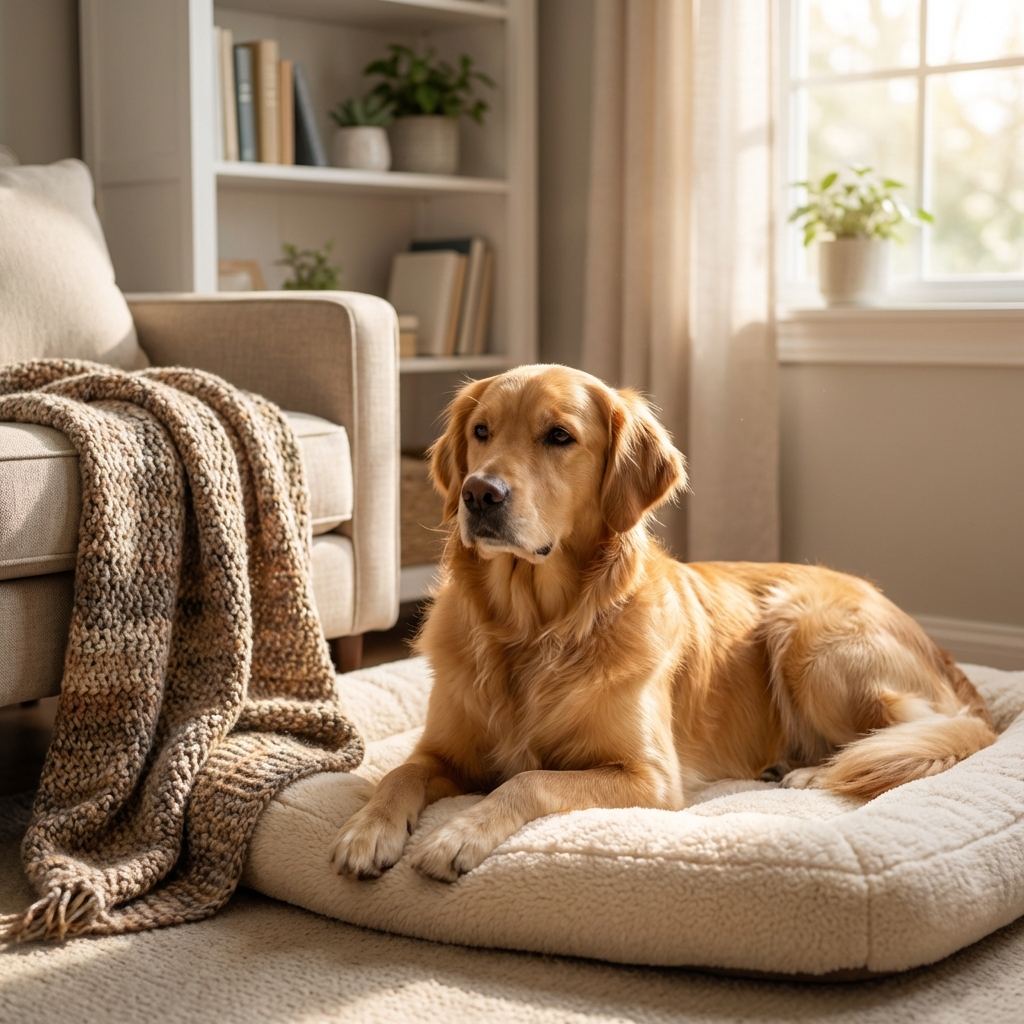
- Keep a calm space with easy access to a potty area.
- Use shorter, more frequent potty breaks so accidents are less likely.
- Offer rest and keep activity light for 24 to 48 hours.
- Track symptoms in your phone: time of vomiting, stool consistency, appetite, water intake.
Prevention
If your dog has a sensitive stomach, prevention is not about being perfect. It is about being consistent.
Keep treats simple
- Choose single-ingredient treats when possible.
- Follow the 10 percent guideline: treats should make up no more than about 10 percent of daily calories.
Transition foods slowly
When switching diets, take 7 to 10 days, or longer for sensitive dogs.
- Days 1 to 3: 25% new, 75% old
- Days 4 to 6: 50% new, 50% old
- Days 7 to 9: 75% new, 25% old
- Day 10+: 100% new
Support the gut thoughtfully
Many dogs do well with gentle whole-food additions like cooked lean protein and cooked vegetables. You do not need to jump to 100% homemade overnight. Even a 25% improvement can make a difference for some dogs. If you want to feed homemade long-term, work with your vet or a board-certified veterinary nutritionist to keep it balanced.
Quick vet checklist
If you are unsure, these details help your vet help you faster.
- How many times has your dog vomited in 24 hours?
- Is your dog keeping down water?
- What does the stool look like (color, consistency, any blood)?
- Any new foods, treats, chews, or table scraps?
- Any chance of garbage, toxins, or toy ingestion?
- Energy level: normal, quieter than usual, or very lethargic?
- Age, weight, and any health conditions (especially diabetes or liver disease)?
You know your dog best. If they look “not themselves,” that matters.