Hookworms can cause anemia fast, especially in puppies. Learn the vet-backed plan: confirm with a fecal test, use the right dewormer with repeat dosing, impr...
Article
•
Designer Mixes
Loving Dogs and Hookworms

Shari Shidate
Designer Mixes contributor
Hookworms: small parasite, big impact
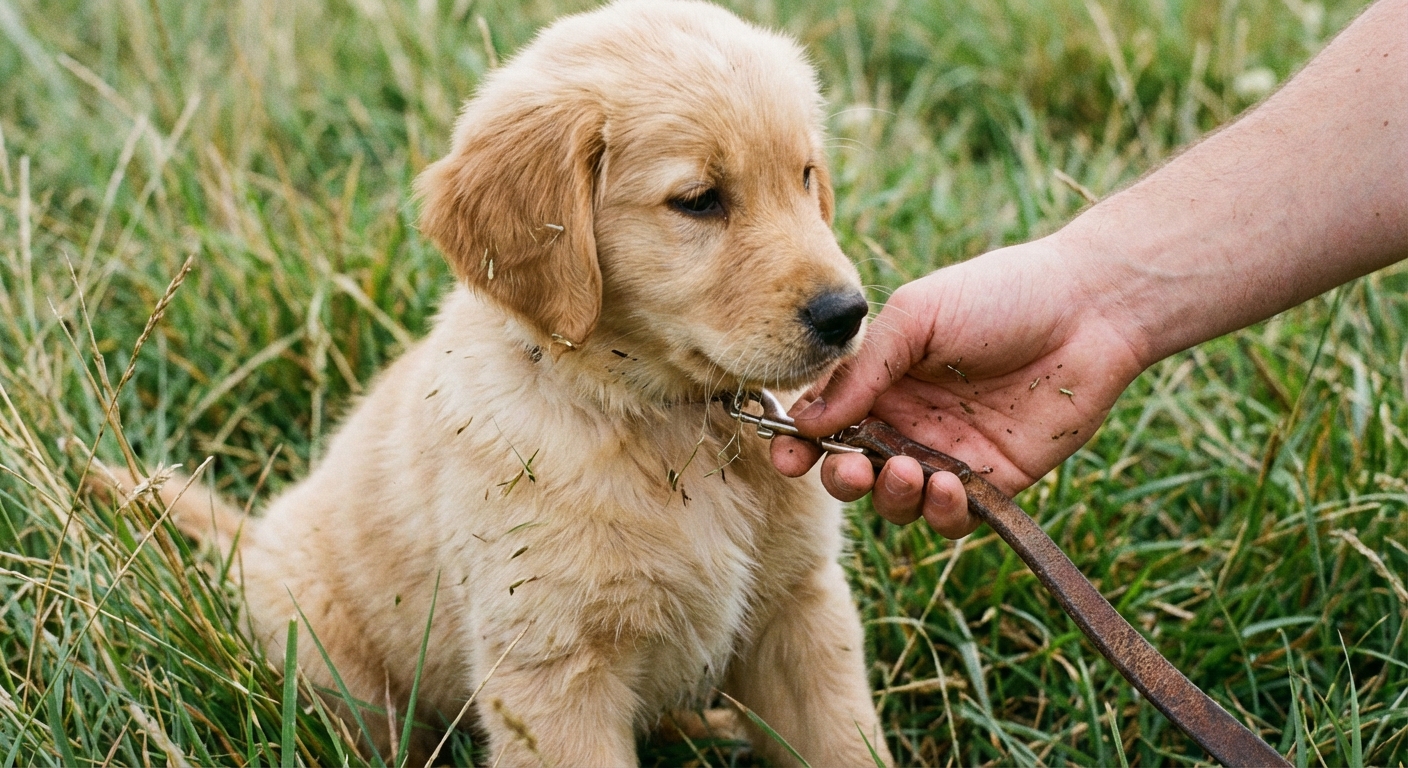
If you love dogs, you want them feeling comfortable in their own skin and energized for all the fun stuff: walks, playtime, and couch cuddles. Hookworms can quietly steal that comfort. They are tiny intestinal parasites that attach to the lining of a dog’s small intestine and feed on blood. In puppies, seniors, and dogs with weaker immune systems, hookworms can become serious fast.
The good news is that hookworms are very treatable, and with a few evidence-based habits, they are also very preventable. Your veterinarian can help you choose prevention and testing that match your region and your dog’s lifestyle.
What hookworms are and how dogs get them
The most common hookworm species in dogs is Ancylostoma caninum. Depending on geography, other species can also play a role, including Ancylostoma braziliense and Uncinaria stenocephala. Adult hookworms live in the small intestine, where they produce microscopic eggs that are passed in a dog’s stool. In warm, moist environments, those eggs hatch into larvae that can survive in soil and sand, especially in shaded or damp areas.
Common ways hookworms spread
- Ingesting larvae: licking, chewing, or eating contaminated soil, grass, or objects, then swallowing larvae.
- Skin penetration: larvae can burrow through skin, often through paw pads or belly skin after lying on contaminated ground.
- Mother to puppies: larvae can be passed through the milk, so very young puppies can be infected early.
- Eating infected prey: some dogs become infected by eating rodents or other animals that carry larvae.
Hookworms are common in many parts of the U.S. and tend to be more common in areas with mild winters and humid summers, such as parts of the southeastern U.S. Your local climate and dog density in shared spaces can affect risk.
Signs and symptoms to watch for
Hookworms do not always cause obvious symptoms at first, which is why routine fecal testing matters. Some dogs can feel fine while still shedding eggs. When symptoms show up, they often relate to blood loss and intestinal irritation.
Possible symptoms in adult dogs
- Soft stool or diarrhea
- Dark, tarry stool (can indicate digested blood)
- Weight loss or trouble maintaining weight
- Low energy, less interest in play
- Pale gums
- Skin irritation on feet or belly (if larvae penetrated skin)
Red flags in puppies
- Weakness or “failure to thrive”
- Pale gums
- Diarrhea, sometimes with blood
- Rapid decline, especially in very young pups
Call your veterinarian promptly if your dog has pale gums, black stool, repeated diarrhea, or seems unusually tired. Hookworms can cause anemia, and anemia can become an emergency.
Why hookworms can be dangerous
Hookworms attach to the intestinal lining and feed on blood. Even after a hookworm moves to a new bite site, the old site can continue to bleed. This is why dogs can become anemic, sometimes quickly.
In many healthy adult dogs, the body can keep up for a while. But puppies, small dogs, and dogs with underlying illness may not have that cushion. Treating early makes all the difference.
Diagnosis: the simple test that protects your dog
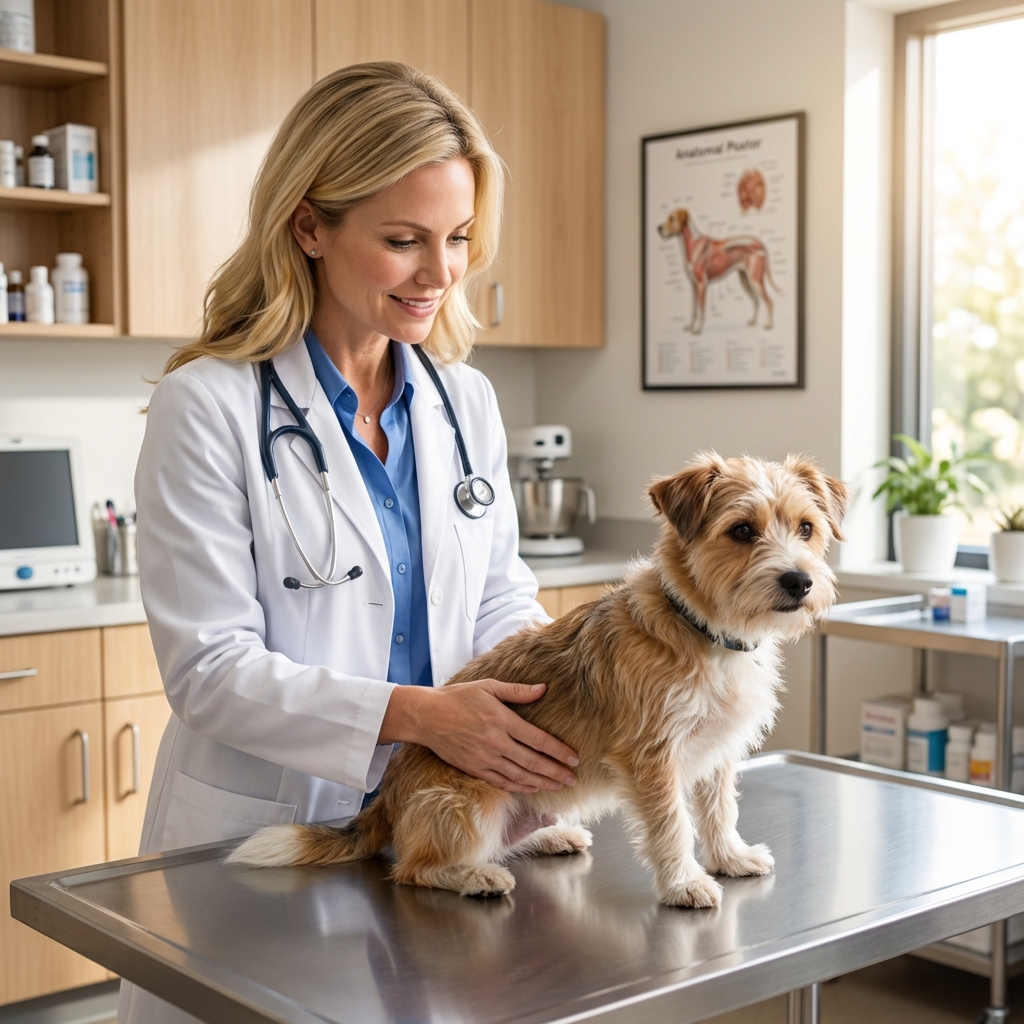
Most hookworm infections are diagnosed with a fecal test that looks for parasite eggs. Your vet may recommend:
- Routine fecal exams at wellness visits
- Additional testing if symptoms suggest anemia or heavy parasite burden
One important note: in very early infections (the prepatent period), eggs might not show up yet even though larvae are present. If clinical signs fit, your vet may recommend treatment plus repeat fecal testing, or in some cases additional tests such as antigen testing.
Treatment: what to expect
Veterinarians treat hookworms with prescription dewormers. These medications are very effective, but they do not always kill every life stage immediately, so follow-up dosing is common.
Typical treatment plan elements
- Deworming medication given now and repeated on a schedule determined by your veterinarian
- Recheck fecal testing to confirm the infection cleared
- Supportive care if your dog is anemic or dehydrated, which may include fluids, iron support, or additional diagnostics
Because larvae can persist in the environment, preventing reinfection is part of treatment too. Staying consistent with prevention and fast stool cleanup helps stop the cycle.
Please do not use leftover medications from another pet or guess at dosing. The safest plan is the one your vet tailors to your dog’s age, weight, and health.
Prevention: the “loving dogs” checklist
Prevention is not about perfection. It is about simple routines that keep parasites from gaining a foothold.
1) Keep your dog on a vet-approved parasite preventive
Many monthly preventives help protect against hookworms. Ask your veterinarian which option fits your dog’s lifestyle, age, and any other medical conditions.
2) Scoop poop quickly and consistently
- Pick up stool in your yard right away when possible.
- On walks, always bag and dispose of waste properly.
- In multi-dog homes, be extra consistent because parasite eggs can build up fast.
3) Reduce exposure in high-risk areas
- Avoid letting dogs dig, lick, or eat dirt in areas with heavy dog traffic if you do not know the cleanliness.
- Be cautious with damp, shaded soil and sandy spots where larvae can survive longer.
4) Follow puppy deworming schedules closely
Puppies are commonly dewormed multiple times early in life. This is normal and important. Many vets start deworming around 2 weeks of age and repeat every couple of weeks until the puppy is older, but the exact plan depends on your puppy’s history and risk. If you are fostering or adopting, ask what has already been given and what is due next.
5) Keep up with routine stool testing
Even well-cared-for dogs can pick up parasites. Testing helps catch infections early, often before your dog feels sick.
Can people get hookworms from dogs?
Yes, some dog hookworms can affect people, most commonly by causing a skin condition called cutaneous larva migrans. This happens when larvae penetrate human skin, often after walking barefoot or sitting on contaminated sand or soil.
Family safety tips
- Wear shoes outdoors, especially in areas where dogs may potty.
- Have kids wash hands after playing outside.
- Cover sandboxes when not in use.
- Keep your dog on parasite prevention and practice prompt stool cleanup.
If you suspect a skin exposure, contact your healthcare provider. It is treatable, and early care is best.
Nutrition and recovery support
Food cannot replace deworming, but good nutrition supports healing, especially if the gut has been irritated or your dog has lost condition. After treatment, focus on a consistent, veterinarian-recommended diet and steady routines.
Gentle, helpful habits
- Keep water accessible and monitor hydration if your dog had diarrhea.
- Ask your vet about probiotics if stool quality is off after treatment.
- Prioritize quality nutrition with adequate protein to support recovery and muscle maintenance.
If your dog is a puppy, pregnant, nursing, or has a chronic condition, ask your veterinarian before making big diet changes.
When to call the vet right away
- Pale or white gums
- Black, tarry stool or visible blood in stool
- Weakness, collapse, or very low energy
- Repeated vomiting or diarrhea
- Puppy that seems sleepy, weak, or not gaining weight
Your instincts matter. If your dog seems “not like themselves,” it is always okay to call and ask.
A loving bottom line
Hookworms are common, but they do not have to be a constant worry. With routine stool checks, monthly prevention, and fast cleanup habits, you can protect your dog’s gut, energy, and long-term health.
If you want, bring a fresh stool sample to your dog’s next wellness visit and ask your veterinarian which preventive best covers hookworms for your area and your dog’s lifestyle. Small steps add up, and your dog will feel the difference.