Stop fleas fast with a realistic, family-friendly plan. Learn the flea life cycle, how to check for flea dirt, vet-approved treatments, home cleaning steps, ...
Article
•
Designer Mixes
Loving Dogs and Fleas

Shari Shidate
Designer Mixes contributor
If you love dogs, you already know this truth: fleas do not care how clean your home is or how much you adore your pup. Fleas are opportunists. The good news is you can protect your dog with a calm, consistent plan that the whole household can follow safely. In this guide, I will walk you through what fleas are, how to spot them early, and how to break the flea life cycle safely and effectively.

What fleas are (and why they persist)
Adult fleas are tiny, fast, and very good at hiding in fur. But the bigger issue is that the fleas you see are only a small part of the problem. Fleas have a life cycle with four stages: egg, larva, pupa, and adult. Much of that cycle happens off your dog, in your home or yard.
Here is why that matters: killing adult fleas on your dog is helpful, but it does not automatically stop eggs and pupae in carpets, bedding, and cracks from continuing the problem.
- Eggs fall off your dog into the environment.
- Larvae hide in dark, protected places and feed on organic debris.
- Pupae can “wait” and then emerge when they sense heat, vibration, and carbon dioxide. Depending on conditions, they can persist for weeks (and sometimes longer).
- Adults jump onto pets and start the cycle again.
How to tell if your dog has fleas
Some dogs scratch like crazy. Others barely itch at all, especially early on. So I recommend doing quick, simple checks a few times a week during flea season.
Common signs
- Frequent scratching, chewing, or licking (often near the tail base, belly, and inner thighs)
- Red bumps, scabs, or patchy hair loss
- Restlessness or trouble sleeping
- Tiny black specks in the coat (flea dirt)
The flea dirt test
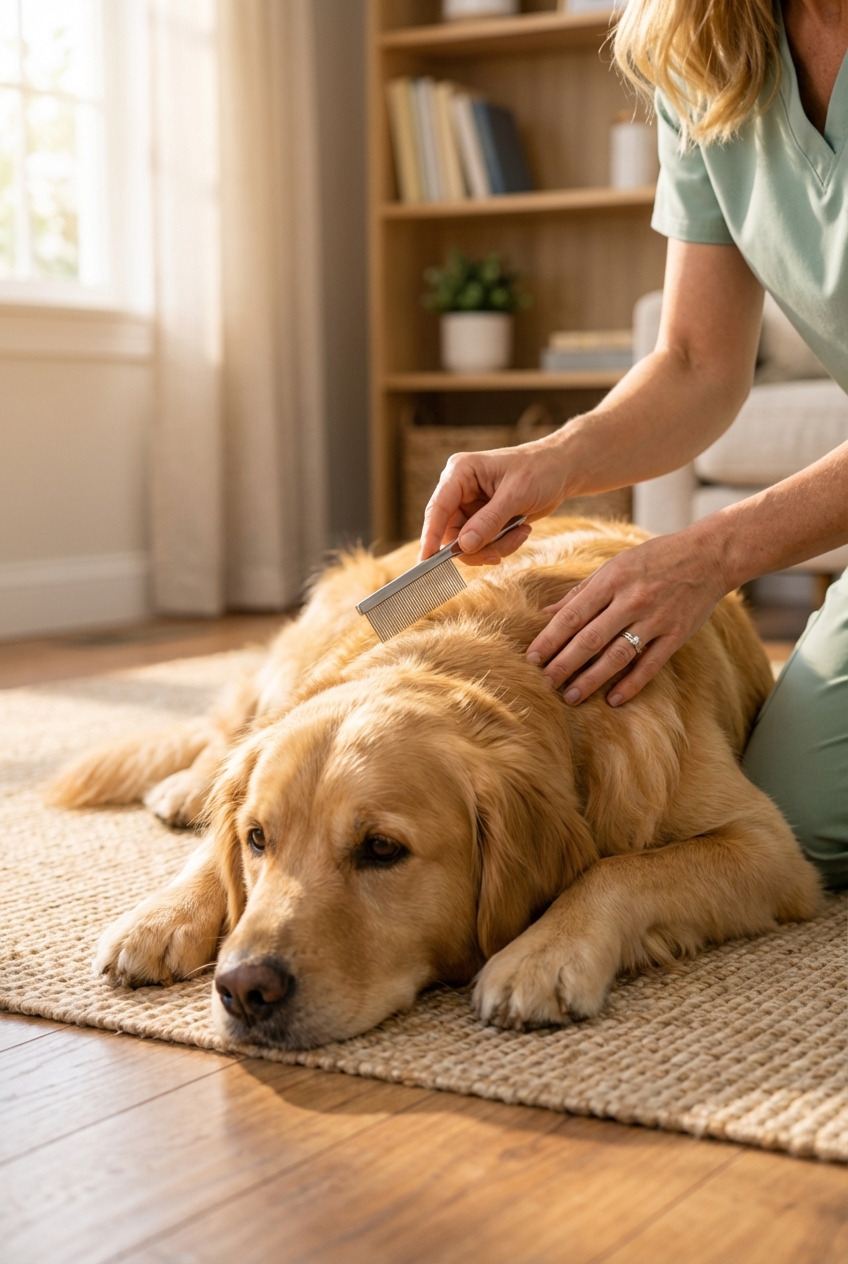
Use a fine-tooth flea comb and comb your dog over a white paper towel. If you see black specks, add a drop of water. If they dissolve into a reddish-brown smear, that is flea dirt (digested blood), which strongly suggests fleas are present.

Why some dogs react more
Many dogs get mild irritation from flea bites. But some develop flea allergy dermatitis, which is an allergic reaction to proteins in flea saliva. For these dogs, even one or two bites can cause intense itching and inflamed skin.
Puppies, seniors, and small dogs can also become anemic faster if flea exposure is heavy. If your dog seems weak, pale at the gums, or unusually tired, call your veterinarian right away.
Flea prevention that works
Prevention is almost always easier than trying to catch up once fleas are established in the home. The “best” plan depends on your dog’s age, health, lifestyle, and how intense fleas are where you live.
1) Vet recommended preventives
Many vets recommend modern preventives because they are reliable and targeted. These may be oral chewables, topical treatments, or collars. Each option has pros and cons, and your veterinarian can help you choose the safest match for your dog’s weight, age, and medical history. Follow your vet’s directions and the label schedule carefully, since some products are monthly while others last longer.
- Oral preventives can be very effective and convenient.
- Topicals can work well but must be applied correctly and consistently.
- Collars vary widely in quality and duration, so ask your vet which are worth considering.
Safety note: Always use species-specific products. Never use dog flea products on cats, and do not assume a cat product is appropriate for a dog unless your vet says so. Also avoid stacking multiple flea products (for example, an oral plus a topical plus a collar) unless your veterinarian recommends it for your situation.
2) Home care (the missing piece)
Even the best product struggles if the environment is loaded with eggs and larvae. A simple routine makes a big difference. As a bonus, vacuuming can help stimulate pupae to emerge, which makes it easier for treatment and cleaning to catch up with the life cycle.
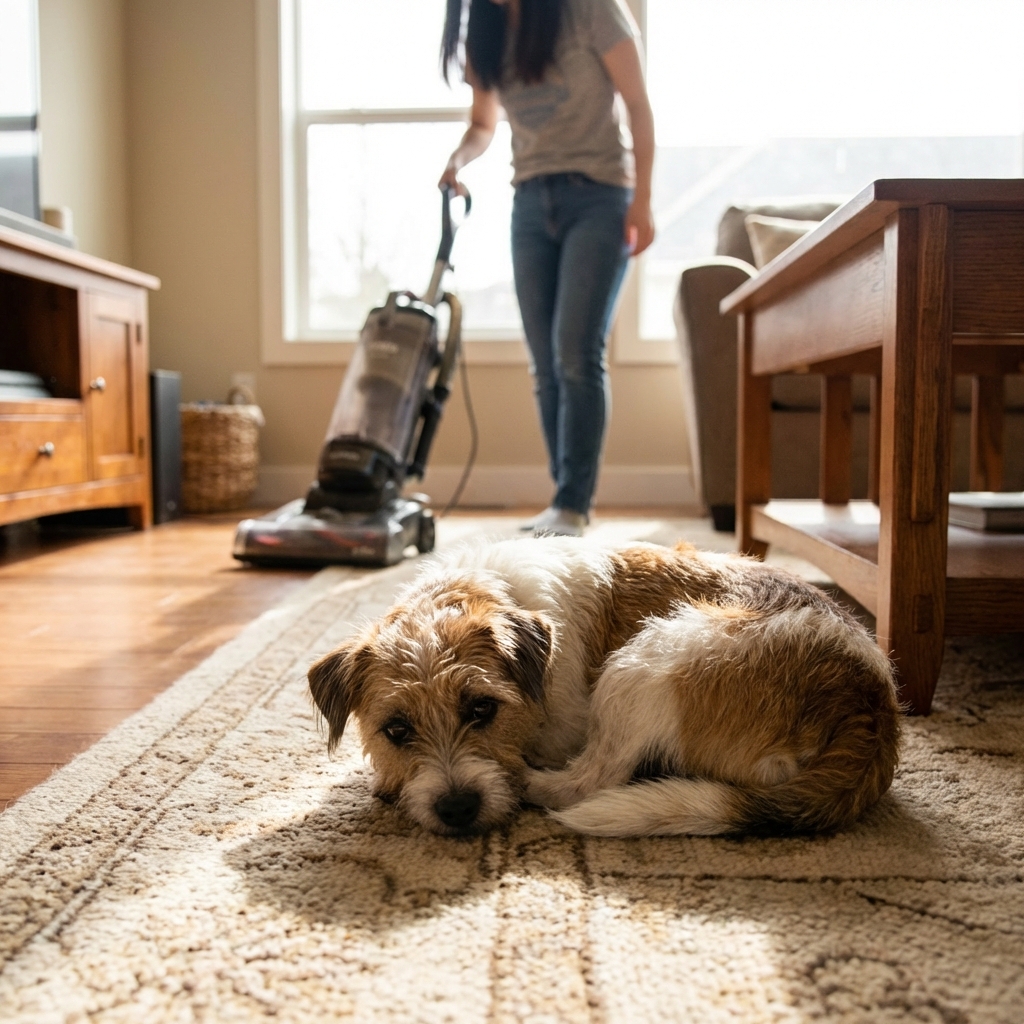
- Vacuum carpets, rugs, and baseboards at least 2 to 3 times per week during an active infestation.
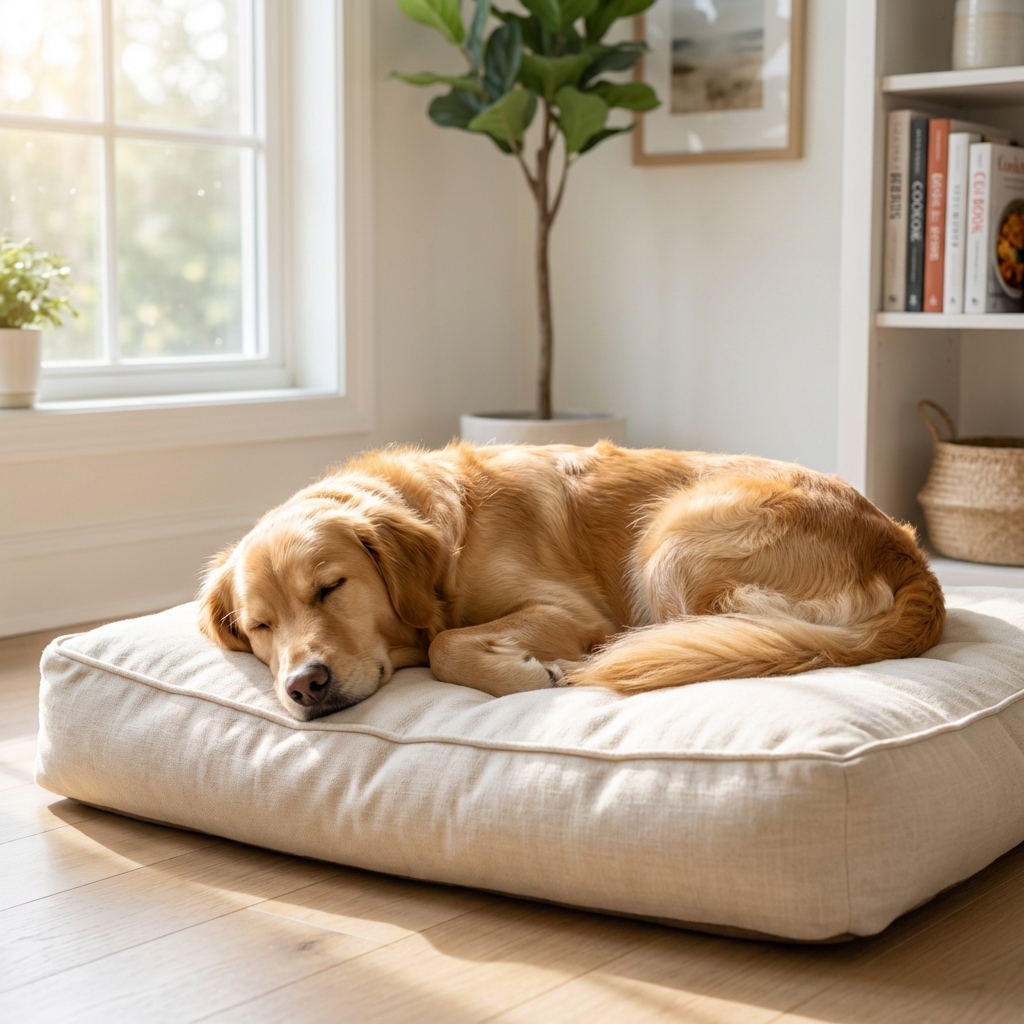
- Wash dog bedding (and your bedding if your dog sleeps with you) weekly in hot water (as hot as the fabric allows), then dry on high heat.
- Clean under furniture and along the edges of rooms where flea eggs collect.
3) Yard basics
Fleas love shaded, humid areas. Keeping your yard less inviting helps reduce exposure.
- Mow regularly and remove leaf litter.
- Limit access to areas where wildlife rests (under decks, dense brush).
- Consider veterinarian-approved yard treatments if fleas are severe in your region.
If your dog has fleas: step by step
When fleas show up, it is easy to panic. Instead, aim for steady, layered action over several weeks. That is what breaks the life cycle.
Step 1: Treat the pet
Choose a flea treatment appropriate for your dog’s species and weight. Always use species-specific products. If you have multiple pets, treat all pets in the home at the same time, even if only one is itchy.
Step 2: Comb and soothe
Daily flea combing can reduce the number of adult fleas and help you monitor progress. If skin is irritated, ask your vet about soothing shampoos or sprays that support the skin barrier.
Step 3: Wash and vacuum consistently
For 2 to 4 weeks, be consistent. That is typically how long it takes to outrun newly emerging fleas from pupae. It is also normal to see some fleas for a short period after starting treatment as adults continue to emerge. What you want to see is a steady drop in live fleas and itching week by week.
Step 4: Recheck
If you are still seeing fleas after a couple of weeks, it might be incorrect dosing, missed doses, treating only one pet, reinfestation from the yard, or a heavy environmental load. Less commonly, reduced product effectiveness has been reported in some areas. Your veterinarian can help adjust the plan.
Safe flea habits for every age
Flea control can be a family project, but safety matters. Here are age-friendly ways everyone can help without unnecessary risk.
For kids
- Help by clearing the floor of toys and clutter so adults can vacuum thoroughly.
- Let kids brush the dog with a regular brush, with an adult nearby.
- Teach “hands off” with topical medications and collars unless an adult is supervising.
- Handwashing after pet play is a great habit, flea season or not.
For adults
- Set reminders for treatments. Missed doses are one of the top reasons fleas return.
- Read labels carefully and store products out of reach of children and pets.
For seniors and anyone with mobility limits
- Ask your vet about easier administration options (for example, simple chewables or longer-lasting products when appropriate).
- Use lightweight vacuums or ask family, neighbors, or a pet sitter to help with the home steps.
- Focus on the highest-impact areas: dog bedding and the main resting spots.
Common myths
- Myth: “My dog is indoors, so fleas are not possible.”
Truth: Fleas hitchhike in on pets, people, and visiting animals. - Myth: “One bath fixes it.”
Truth: Bathing may remove some adults, but it does not address eggs, larvae, and pupae in the environment. - Myth: “Natural always means safe.”
Truth: Some essential oils and home mixtures can irritate skin or be toxic to pets. Always check with your veterinarian before using any DIY remedy.
When to call the vet
Please get veterinary guidance if you notice any of the following:
- Puppies, seniors, or small dogs with heavy flea exposure
- Open sores, hot spots, or signs of skin infection (odor, oozing, intense redness)
- Signs of anemia (pale gums, weakness, rapid breathing)
- Fleas persist despite consistent treatment and home cleaning
- Scooting or rice-like segments near the rear end or in bedding (fleas can transmit tapeworms)
Your veterinarian can also check for other issues that mimic fleas, like mites, allergies, or skin yeast overgrowth.
A loving reminder
Fleas can make even the sweetest dog cranky and uncomfortable. But this is fixable. Choose a prevention method you can stick with, support your dog’s skin health, and tackle the home environment with steady follow-through. Little steps, done consistently, are what win the flea battle.