Spot constipation vs. urinary blockage, try safe at-home steps like hydration, wet food, and gentle fiber, and learn the red flags that mean you should see a...
Article
•
Designer Mixes
Loving Constipated Cat Home Remedies and Behavior Guide

Shari Shidate
Designer Mixes contributor
If your cat is constipated, it can feel heartbreaking to watch them strain, cry, or keep visiting the litter box with little to show for it. The good news is that many mild cases improve with simple, sensible steps at home. The key is knowing what constipation looks like, what changes actually help, and when it is time to call your veterinarian.

As a veterinary assistant, I always tell families this: loving care matters, and so does being evidence-based. Constipation can be minor, or it can be a sign of dehydration, pain, stress, or a medical condition that needs treatment. Let’s walk through home care and the behavior clues that help you respond early.
Is it constipation or something else?
Constipation is when a cat has trouble passing stool, passes very dry or very hard stool, or goes less often than normal. Many cats poop daily, but some healthy cats go every other day. What matters most is a change from your cat’s normal pattern.
What normal stool looks like
- Normal: formed, moist-looking, and easy to pass (not mushy, not rock-hard).
- Concerning: tiny dry pellets, very firm large stools, or repeated straining with little to no stool produced.
Common constipation signs
- Straining in the litter box with little or no stool produced
- Small, dry, pebble-like stool or very firm stools
- Crying, hiding, or acting restless before or after using the litter box
- Decreased appetite, nausea, or vomiting (can happen when stool backs up)
- A firm belly or discomfort when picked up
Important: straining can also mean urinary blockage
Cats with urinary problems often look like they are constipated because they strain in the box. A blocked urethra is a true emergency, especially in male cats.
- Emergency signs: repeated trips to the box, little to no urine, crying, licking the genital area, lethargy, vomiting.
- If you are not sure whether your cat is peeing, treat it like an emergency and go to an urgent vet.
Why cats get constipated
Constipation is usually a combination of water balance, gut motility, and comfort. When stool sits too long in the colon, the body pulls water out of it. That makes the stool drier and harder to pass, which slows things down even more.
- Dehydration: not drinking enough, kidney disease, hot weather, or low overall water intake (a mostly dry-food diet may contribute in some cats)
- Hair ingestion: grooming leads to hair in the GI tract, especially in long-haired cats
- Pain or arthritis: climbing into a high litter box hurts, so cats avoid going
- Stress: moving, new pets, schedule changes, noisy litter areas
- Obesity and low activity: movement helps gut motility
- Underlying medical causes: megacolon, pelvic injury, neurological issues, dehydration from illness, and certain medications
Safe home steps
For mild constipation in an otherwise bright, alert cat, you can often help at home within 24 to 48 hours. Aim for hydration first, keep changes gentle, and call your vet if anything feels off.
1) Add moisture to meals
- Switch part or all of the diet to wet food for a few days.
- Mix 1 to 2 tablespoons of warm water into wet food to create a stew-like texture.
- Offer small, frequent meals to reduce tummy upset.
2) Encourage drinking
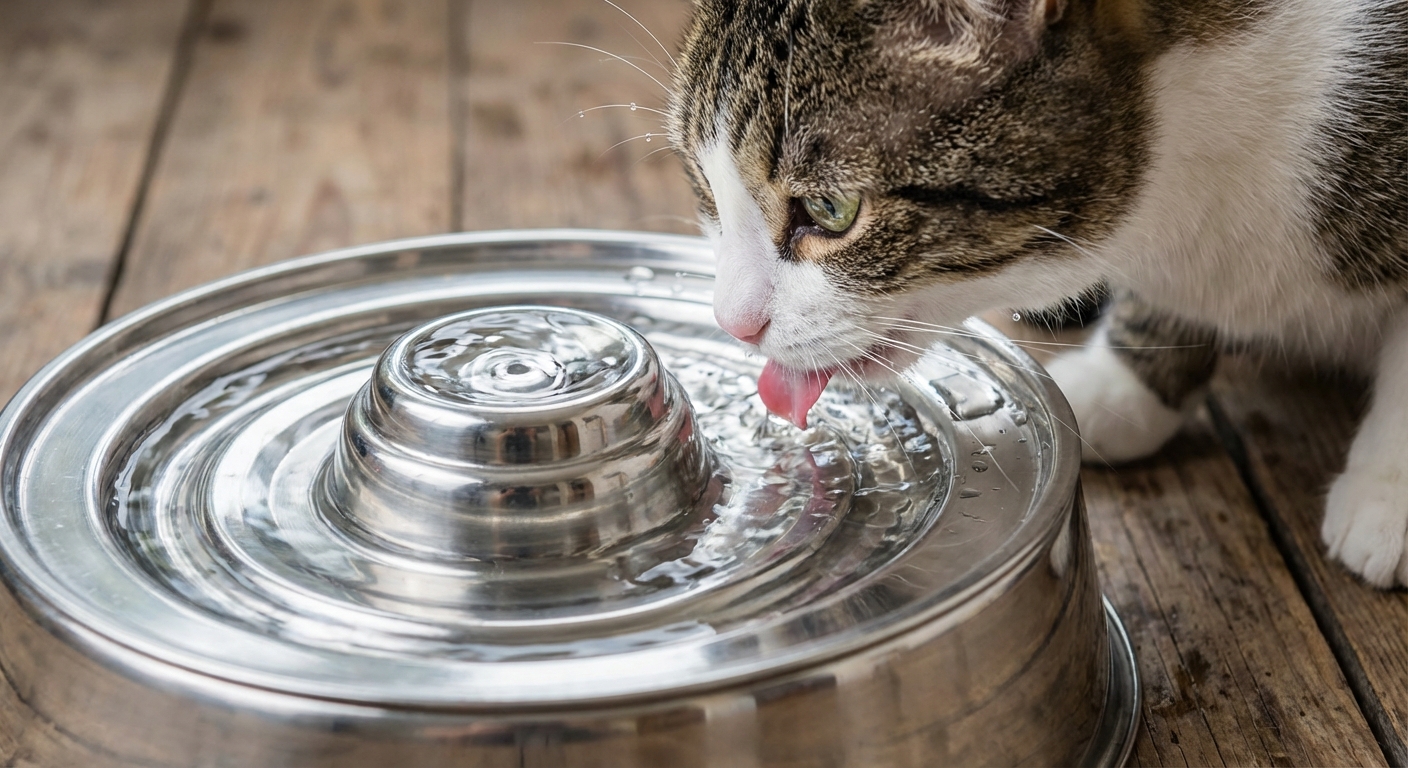
- Use a water fountain (many cats prefer moving water).
- Place multiple water bowls around the home, away from the litter box.
- Try wide, shallow bowls to reduce whisker stress.
3) Pumpkin (helps some cats, not all)
Plain canned pumpkin (not pie filling) can help some cats by adding fiber and moisture. It is not a guaranteed fix, and in a few cats it can worsen stool issues if hydration is not adequate.
- Start with 1 teaspoon once daily mixed into food.
- If tolerated, you can increase to 1 to 2 teaspoons twice daily for a short period.
- Stop if diarrhea develops or if your cat seems more uncomfortable.
- Check with your vet first if your cat has diabetes, is on a weight-loss plan, has food sensitivities, or has chronic GI disease.
4) Grooming support for hair-prone cats
- Brush daily during shedding seasons.
- For frequent hairballs, ask your vet about a hairball plan that fits your cat’s health profile.
5) Movement helps motility
Play is not just enrichment. It supports normal gut movement too.
- Do 2 to 3 short play sessions daily (5 to 10 minutes).
- Use wand toys, treat puzzles, or a slow “hunt” game with kibble or treats.
6) Litter box comfort tweaks
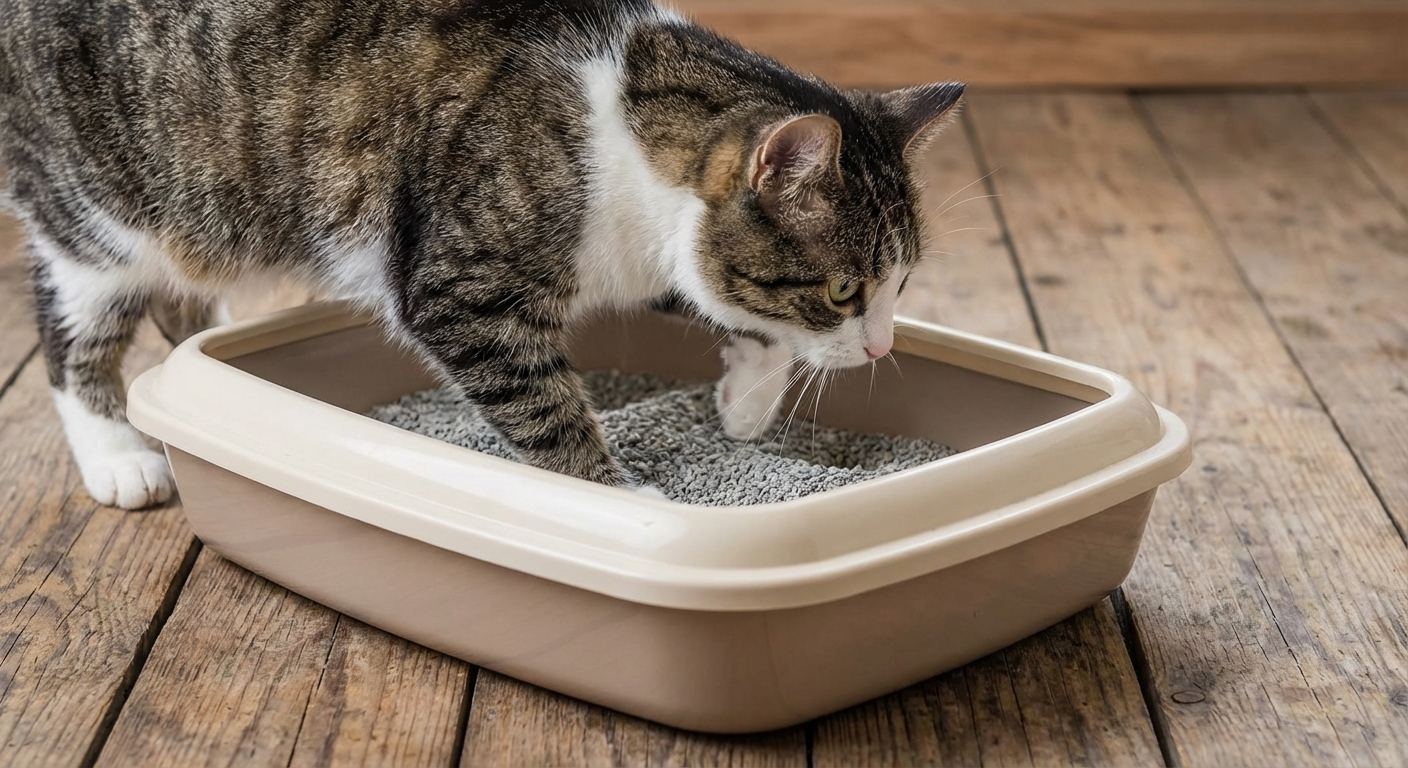
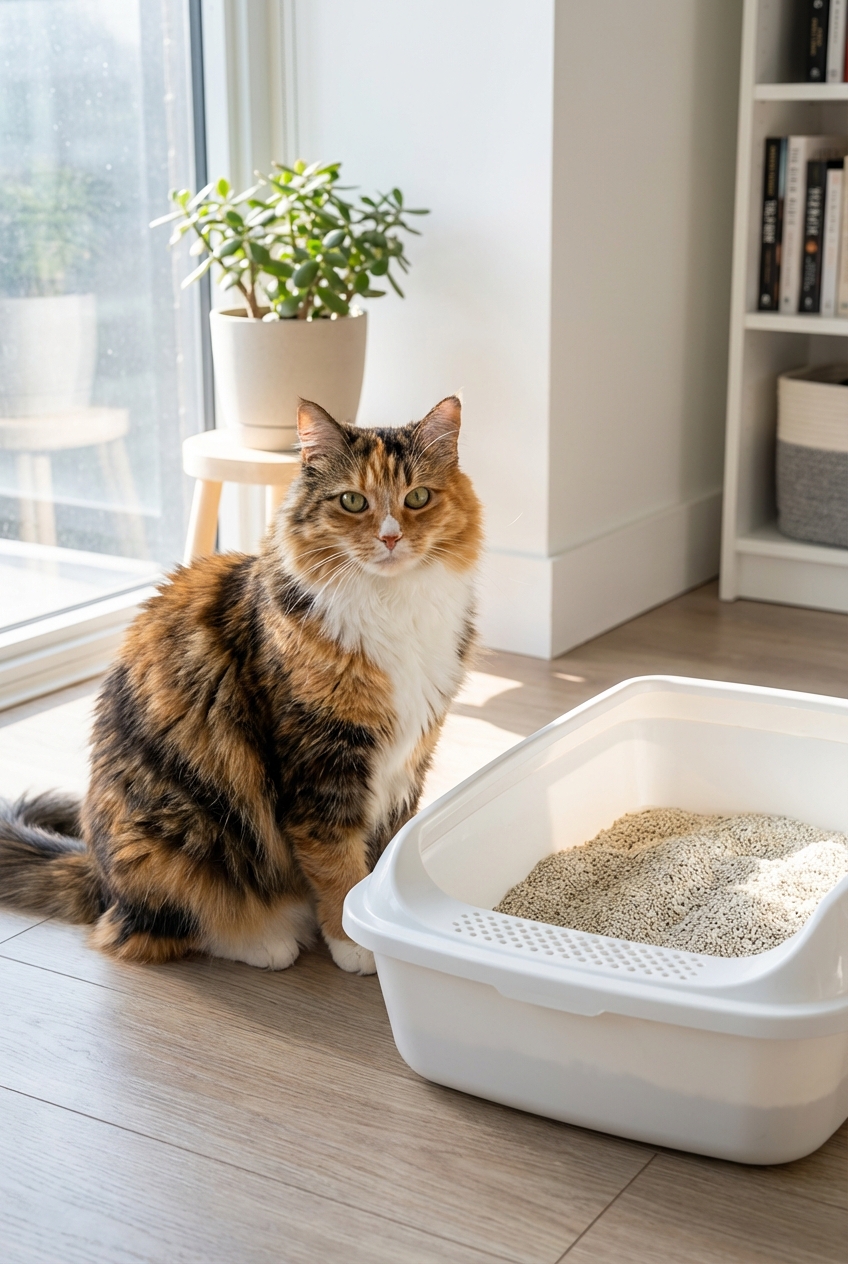
- Use a low-entry box for seniors or arthritic cats.
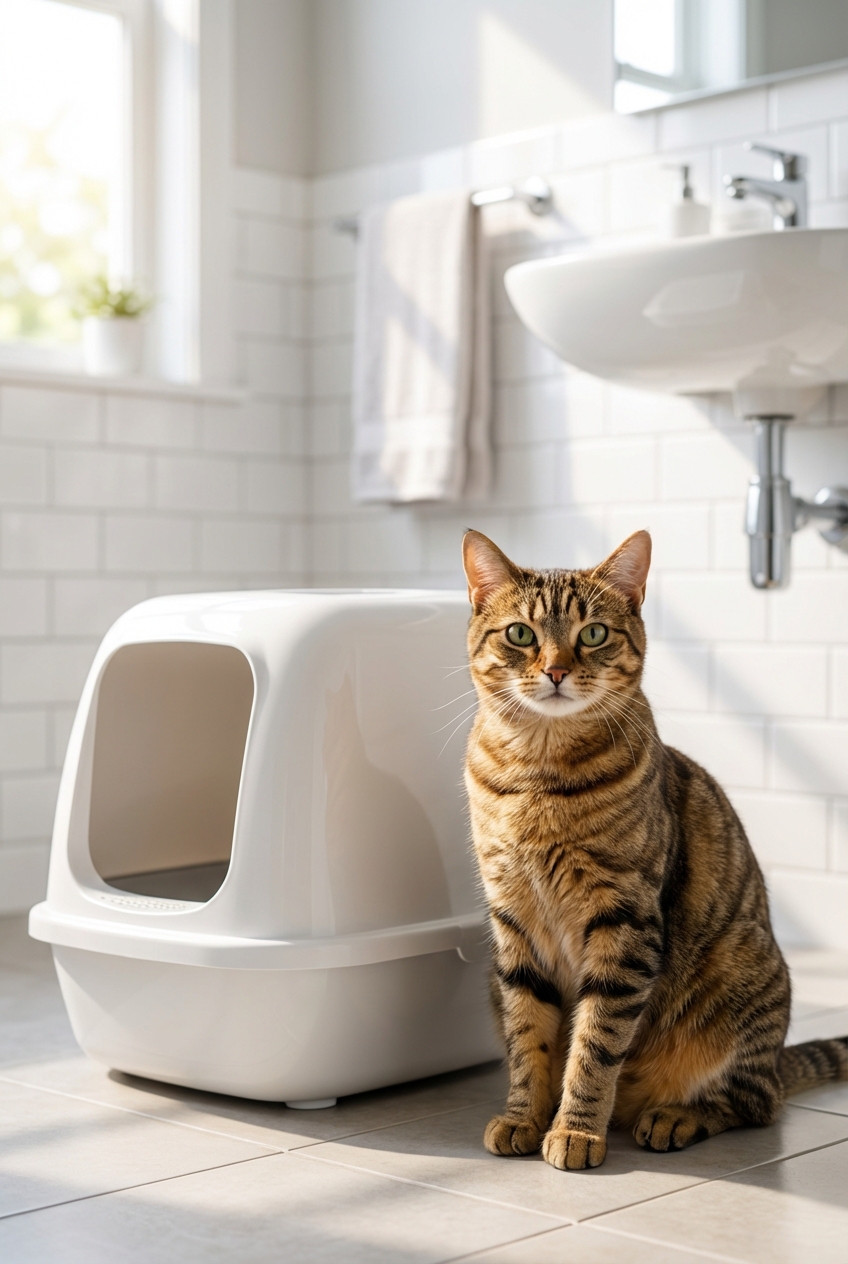
- Keep boxes very clean and in quiet, accessible areas.
- Provide one box per cat, plus one extra.
What not to do at home
- Do not give human laxatives or stool softeners without veterinary guidance (examples include docusate, senna, bisacodyl).
- Do not give mineral oil by mouth due to aspiration risk.
- Do not use enemas unless your veterinarian specifically instructs you. Never use OTC sodium phosphate enemas (like Fleet). They can be toxic and life-threatening for cats.
- Do not use essential oils for “digestion.” Many are unsafe for cats.
- Avoid bone broth with onion or garlic. Even small amounts of allium ingredients can be harmful.
Behavior clues
Constipation is not only a gut problem. It is often a comfort and routine problem too. Watch the whole picture.
Clues in litter box routine
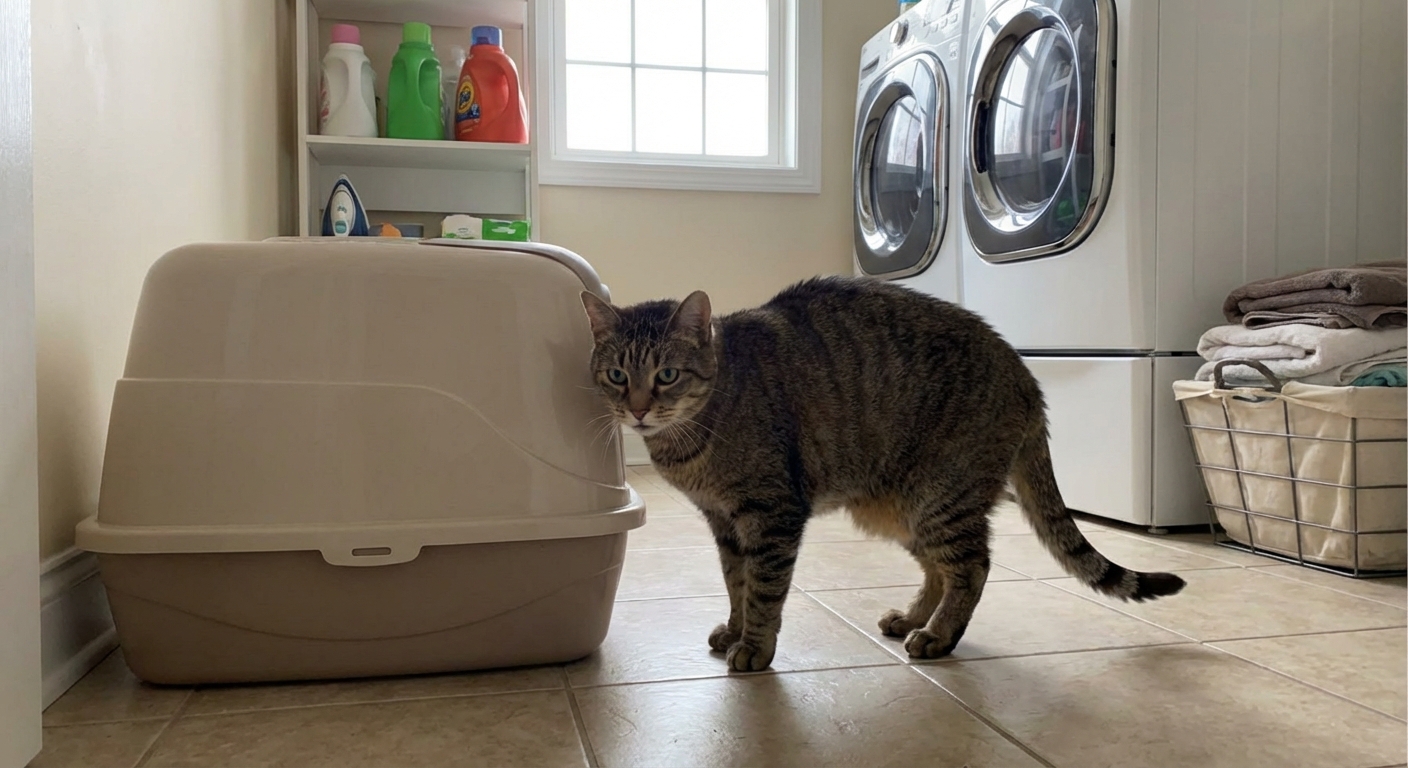
- Repeated in and out: discomfort, urgency, or confusion about whether they can pass stool
- Digging but not going: anxiety, pain, or stool that is too hard
- Accidents outside the box: the box may be painful to access, or the cat associates it with discomfort
Clues in body language
- Hunched posture, tail tucked, tense abdomen
- Less grooming, or over-grooming the belly area
- Hiding more than normal
How to respond
- Keep your voice calm and do not punish litter box accidents.
- Make the box easier: low-entry, quiet location, soft litter texture if your cat is picky.
- Give privacy. Many cats do better when they feel safe while eliminating.
- Track stool frequency and appearance for your vet.
Action step: take a quick daily note in your phone for 3 days: eating, drinking, stool, energy. Patterns show up fast and make veterinary visits much more effective.
When to call the vet
Home care has limits. Please contact your veterinarian promptly if your cat has any of the following:
- No stool for 48 hours, especially if this is unusual for your cat
- Repeated unproductive straining, even if you are unsure whether it is stool or urine
- Straining with vomiting, low energy, or refusing food
- Blood in stool, significant pain, or a swollen belly
- Known history of megacolon or chronic constipation
- Possible urinary blockage signs (straining with little or no urine)
Your vet may recommend hydration support, safe stool softeners, prescription diets, an enema (done in-clinic or under specific instructions), or diagnostics to find the cause. Chronic constipation is treatable, but it is much easier to manage early than after the colon becomes stretched and weak. Some long-term cases require veterinary-directed medications such as lactulose or polyethylene glycol (often known as Miralax), and dosing should be guided by your veterinarian.
Prevention basics
Once your cat feels better, a few small routines can reduce repeat episodes.
- Prioritize moisture (wet food or adding water to meals).
- Support mobility with play and easy-to-enter litter boxes.
- Brush routinely, especially long-haired cats.
- Reduce stress with predictable feeding times and calm litter box locations.
- Schedule checkups if constipation is recurring. Kidney disease, arthritis pain, dehydration, and megacolon are common contributors as cats age.
Your cat is not being “difficult” when they strain, hide, or miss the box. They are communicating. When we listen and respond with safe, practical steps, most cats bounce back well.