Help your indoor cat thrive in a small apartment with smart enrichment: vertical routes, window perches, puzzle feeders, prey-style play, scratch zones, quie...
Article
•
Designer Mixes
Loving Bengal Kitten Care Guide

Shari Shidate
Designer Mixes contributor
Bengal kittens are unforgettable: bright, athletic, people-focused, and often a little too clever for their own good. As a veterinary assistant, I like to say Bengals thrive when you treat their care like a healthy routine, not a one-time setup. When their needs are met, they are affectionate companions with beautiful coats and big personalities.
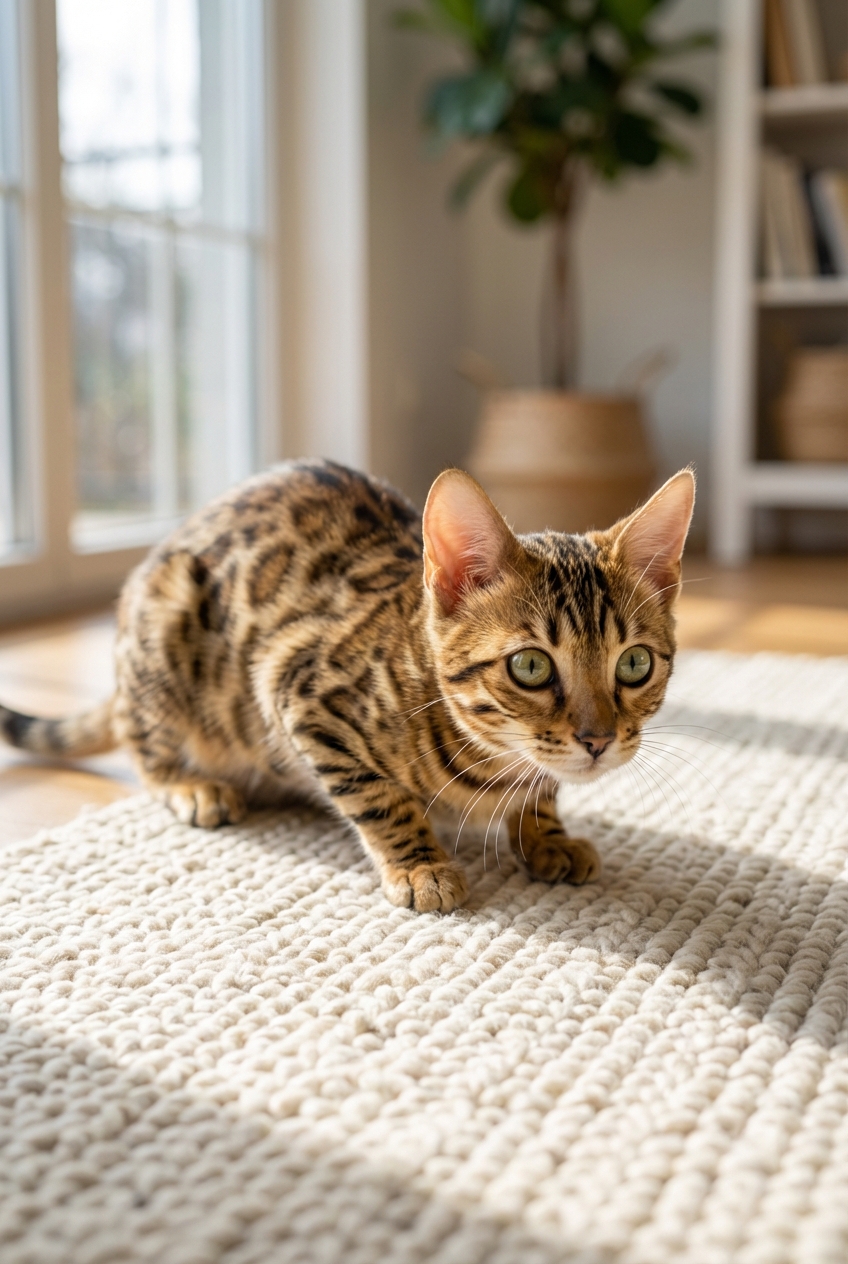
This guide walks you through loving Bengal kitten care for every age, from tiny baby to confident young adult, with practical steps you can start today.
Quick note: This guide is educational and does not replace care from your veterinarian, who can tailor recommendations to your kitten and your area.
Meet the Bengal temperament
Bengals are known for high energy, strong prey drive, and deep social bonds. Many enjoy being near their people all day, and they often learn routines quickly. That combination is wonderful, but it also means boredom can turn into trouble.
- They need daily enrichment: interactive play, climbing, and puzzle feeding help prevent destructive habits.
- They are vocal and communicative: talking back is common, especially around mealtimes.
- They can be sensitive to change: new pets, guests, or moving furniture may cause stress behaviors like hiding or litter box avoidance.
Next, let’s set up your space so your kitten can settle in fast and start building good habits.
Before you bring your kitten home
A calm, prepared home helps your Bengal settle in faster. Think “safe, vertical, and predictable.”
Shopping list that actually gets used
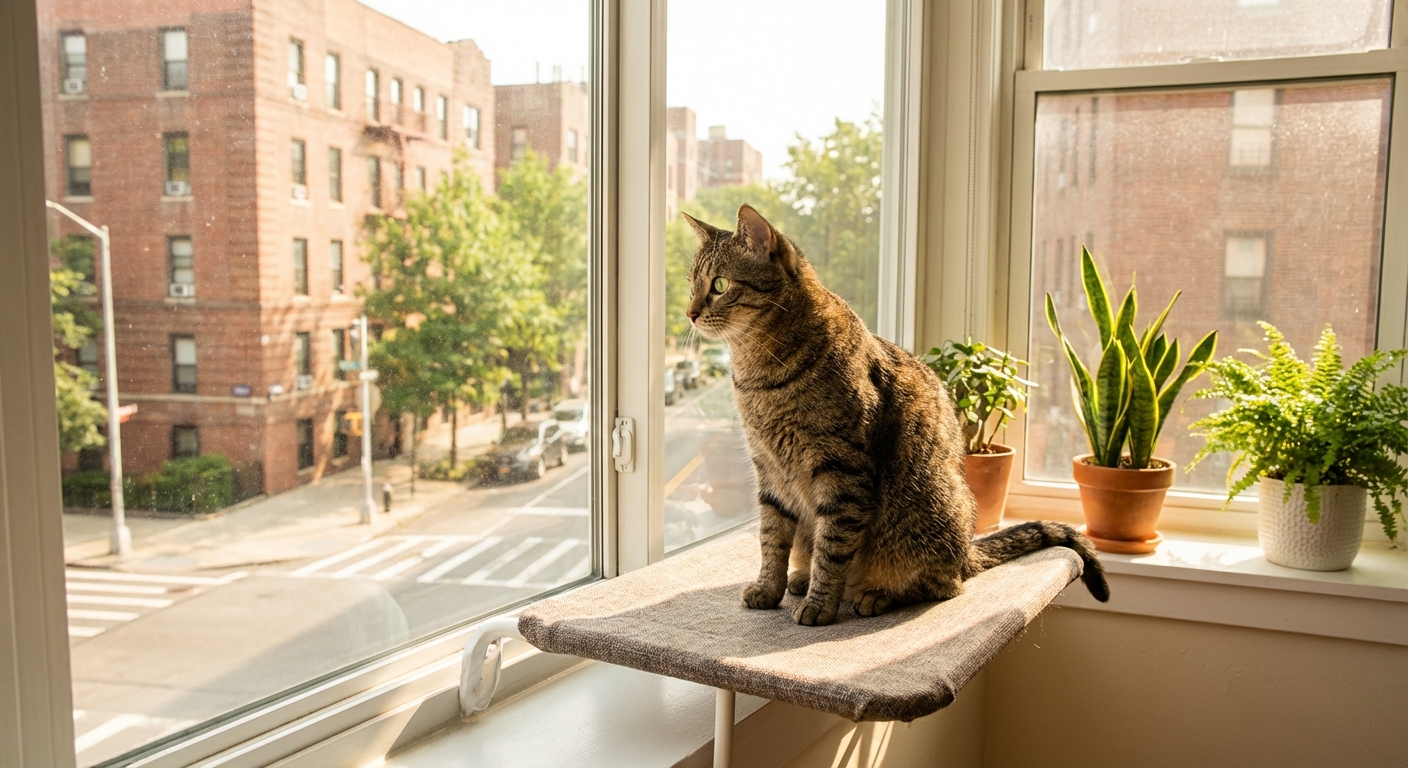
- Large, sturdy cat tree and at least one wall perch or window hammock
- Two litter boxes minimum (a good rule is one per cat plus one extra)
- Unscented clumping litter and a litter mat
- Scratching options: tall vertical scratcher plus a horizontal scratch pad
- Food and water bowls (wide and shallow is often more comfortable)
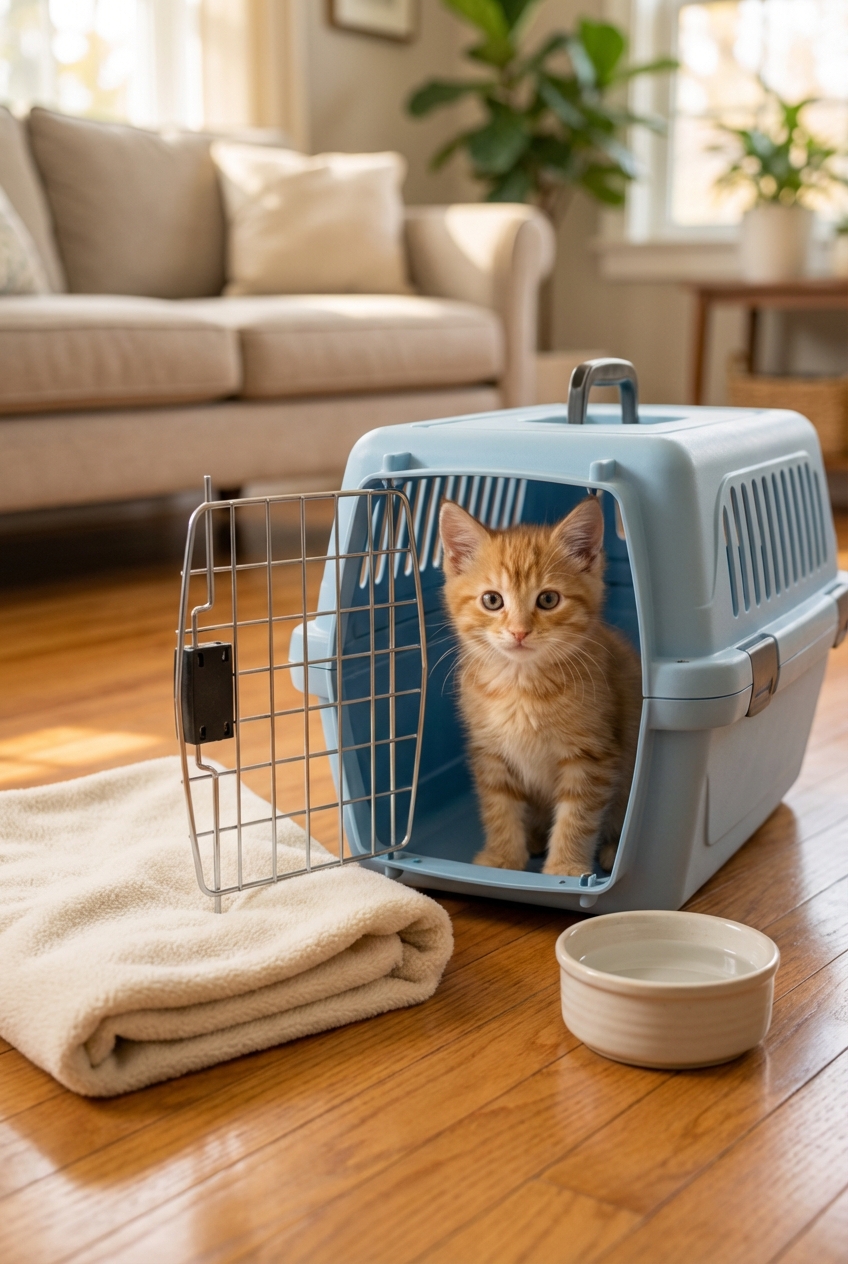
- Carrier that opens from the top and the front
- Interactive toys: wand toy, kicker toy, small balls, and puzzle feeders
- Nail trimmers and a soft brush or grooming mitt
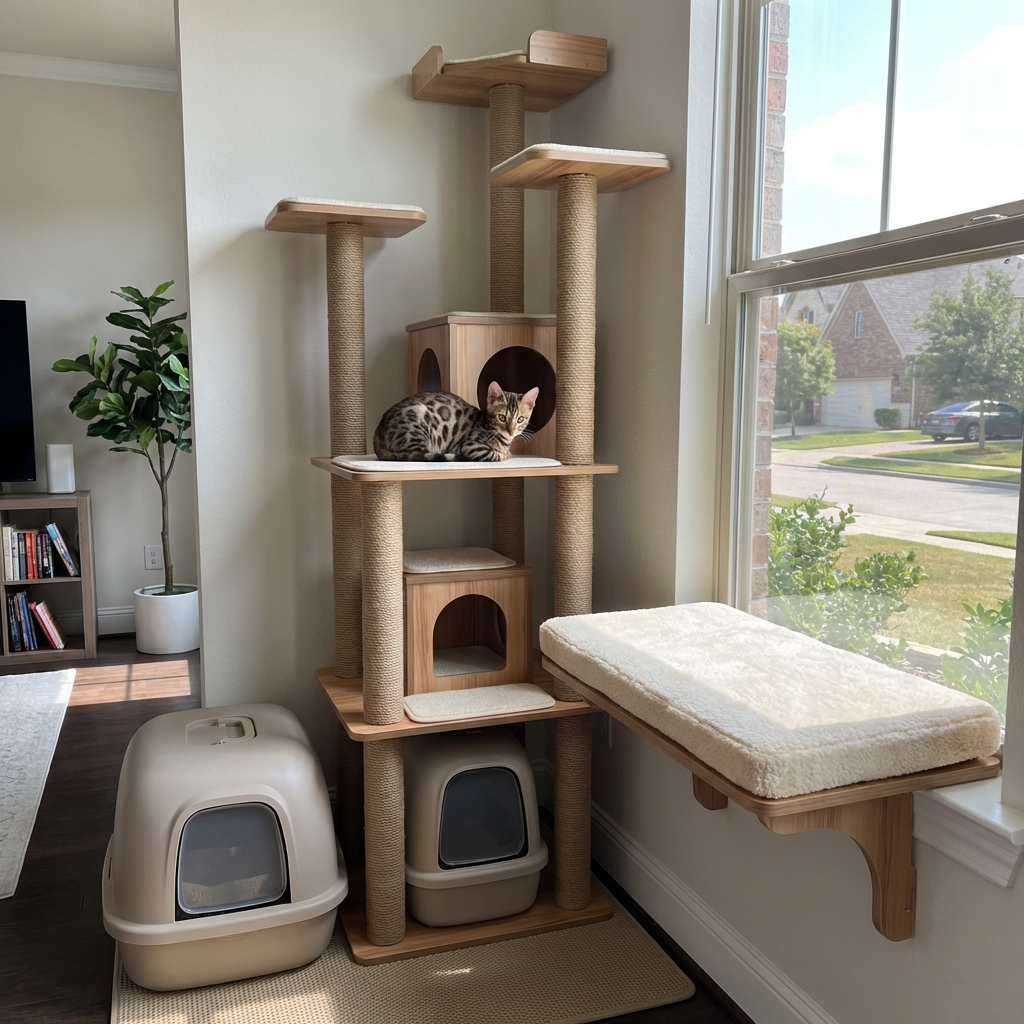
Create a welcome room
For the first few days, set up one quiet room with litter, food, water, and a hiding spot. This reduces stress and helps prevent accidents. Once your kitten reliably uses the litter box and explores confidently, expand access to the rest of the home.
Age-by-age care
0 to 8 weeks (with breeder or rescue)
This period is about safe growth and early socialization. Kittens should stay with mom and littermates when possible to learn bite inhibition, body language, and healthy play.
- Ask what they are eating and request a gradual transition plan.
- Confirm deworming and initial veterinary checks are being handled.
- Look for bright eyes, clean ears, and a confident, curious demeanor.
8 to 12 weeks (new home)
This is a common adoption window. Expect bursts of energy, lots of exploration, and a kitten who learns household rules quickly.
- Schedule a vet visit within the first week to establish care, check for parasites, and plan vaccines.
- Keep the routine simple: same feeding times, same litter location, consistent play periods.
- Start handling practice: gently touch paws, ears, and mouth for a second or two, then reward.
3 to 6 months (boundaries)
Teething and intense play are common here. Bengals often test limits by climbing higher, jumping farther, and grabbing with their paws.
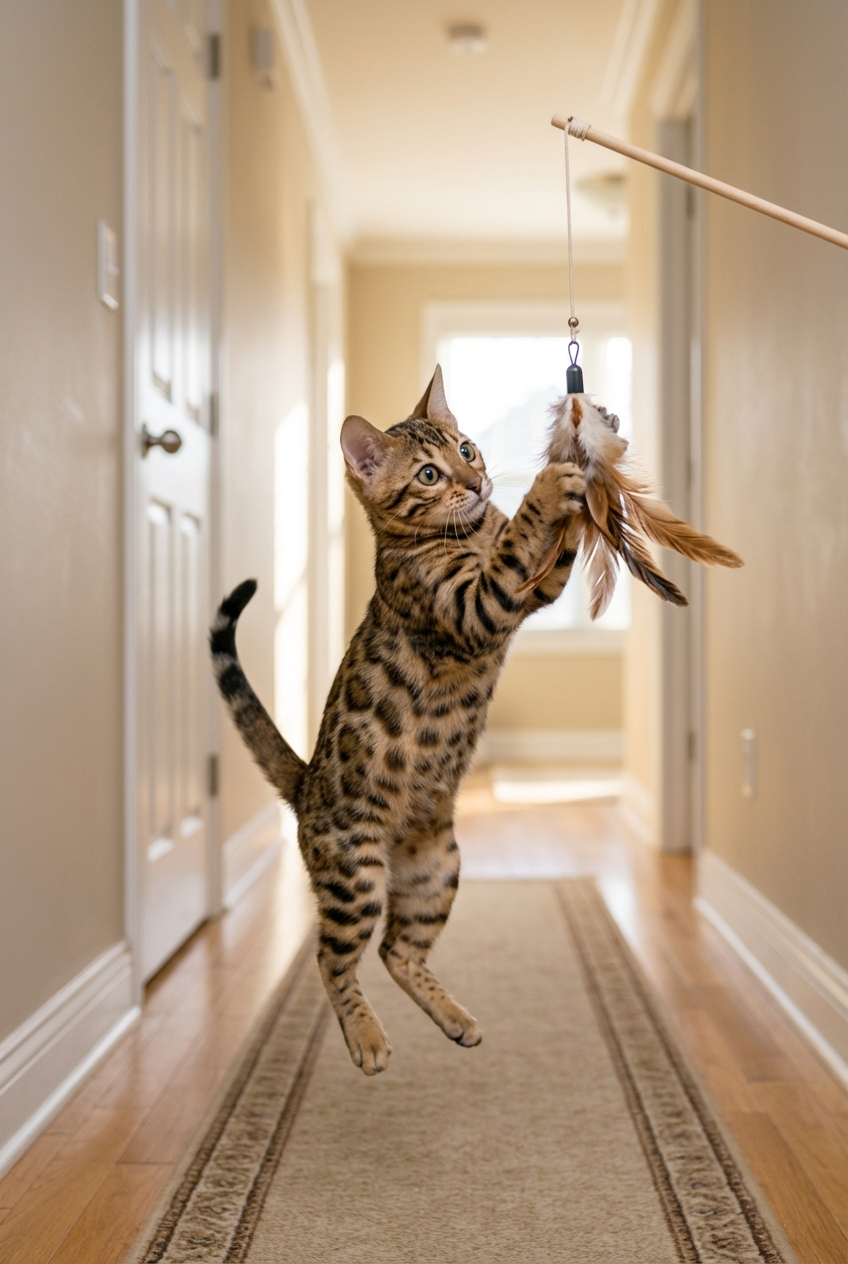
- Increase structured play: 2 to 3 sessions daily, 10 to 15 minutes each.
- Teach appropriate bite behavior: stop play if teeth touch skin, then redirect to a toy.
- Consider clicker training for sit, target, and “off” to support safe household manners.
6 to 12 months (teen phase)
Many Bengals are still very kitten-like at this age, just bigger and stronger. This is also when behavior issues may show up if enrichment is lacking.
- Keep enrichment rotating: change puzzle feeders, toy types, and play locations.
- Reinforce calm routines: reward quiet sitting, teach “go to mat,” and create restful nap spots.
- Talk with your vet about spay or neuter timing if it has not been done. Many clinics recommend surgery around 5 to 6 months, but timing can vary based on your kitten’s health and lifestyle.
1 year and up (active adult)
Adult Bengals often stay playful for years. Many do best with daily climbing access and interactive play, even if they seem “settled.”
- Plan for long-term activity: tall trees, sturdy shelves, and safe toy storage.
- Keep annual exams and preventive care on the calendar.
- Watch weight trends and adjust diet early rather than waiting.
Nutrition
Growing kittens need more calories, protein, and balanced minerals than adult cats. For Bengals, proper nutrition supports lean muscle, coat quality, and healthy energy regulation.
What to feed
- Choose an AAFCO-complete kitten diet (look for “growth” or “all life stages” on the label).
- Wet food helps hydration and may support urinary health long-term.
- Measure portions so growth stays steady, not rapid.
How often to feed
- 8 to 12 weeks: 3 to 4 meals per day
- 3 to 6 months: 3 meals per day
- 6 to 12 months: 2 to 3 meals per day
- Adults: typically 2 meals per day, with planned treats and enrichment feeding
Note: If you are considering homemade or raw diets, talk with your veterinarian or a board-certified veterinary nutritionist first. Kittens are especially vulnerable to calcium and phosphorus imbalances, which can affect bone development.
Hydration
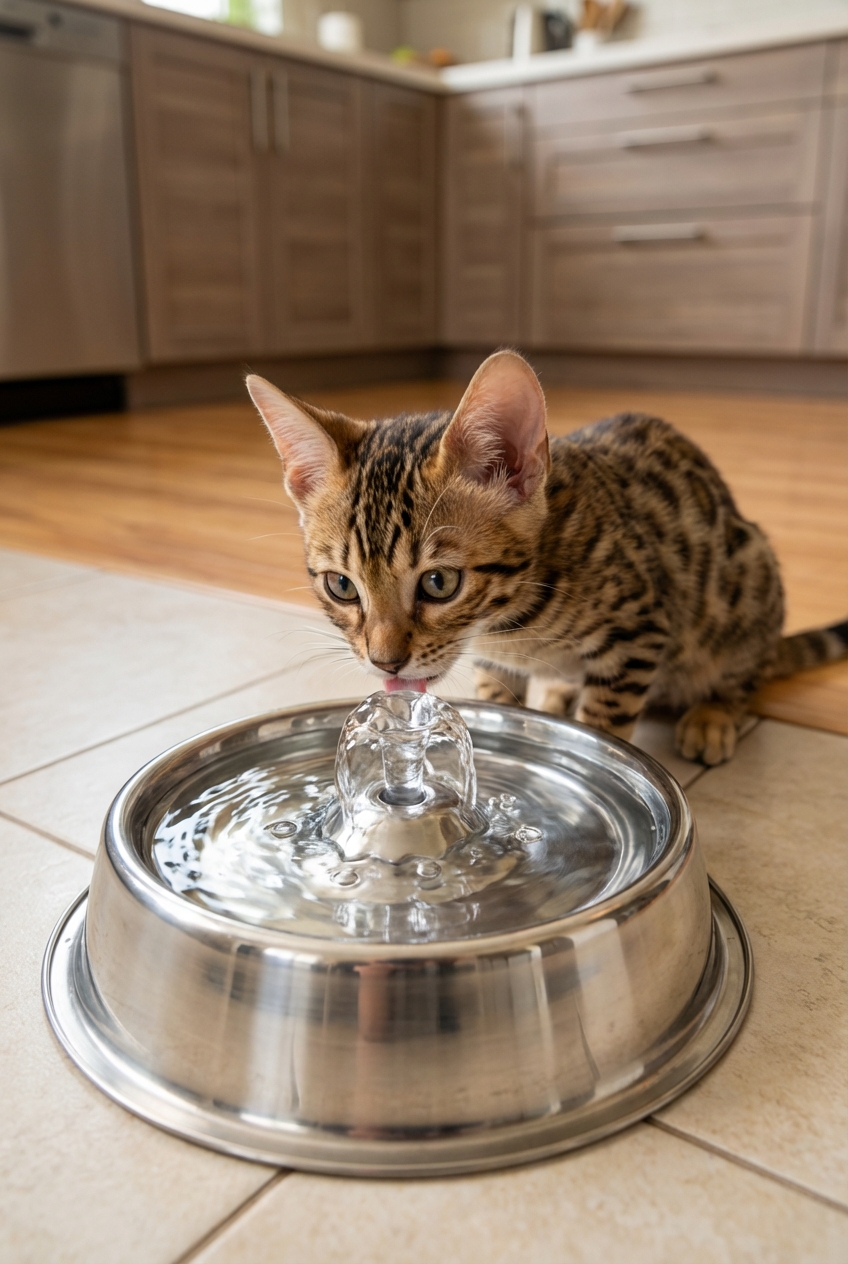
Many Bengals are fascinated by moving water. That can be helpful for hydration, which supports urinary and kidney health.
- Try a stainless steel or ceramic water fountain and clean it regularly.
- Place water away from the litter box and away from food if your cat seems picky.
- Offer wet food daily if your kitten tends to drink very little.
Litter box basics
Most Bengals learn quickly, but they can be particular. Litter box issues are often about environment, not “spite.”
- Keep boxes open and easy to access. Covered boxes can trap odor, and many cats prefer an open option.
- Scoop daily. Many cats, including Bengals, may avoid a box that is not cleaned frequently.
- Use unscented litter. Strong fragrances can be irritating.
- One box per level of the home is a great rule of thumb.
If accidents start suddenly, schedule a vet exam promptly. Urinary issues can become urgent fast in cats.
Emergency: straining to urinate, repeated trips with little or no urine, crying in the box, or a hard, painful belly can signal a urinary blockage. This is especially urgent in male cats. Seek emergency care right away.
Play and enrichment
If you remember one thing about Bengals, let it be this: a tired Bengal is usually a happy Bengal. You do not need to entertain them all day, but you do need consistent, structured outlets.
Daily play routine
- Hunt: wand toy sessions that mimic prey movement
- Catch: let them “win” periodically to reduce frustration
- Eat: follow play with a meal or small snack to complete the cycle
Enrichment ideas
- Clicker training and treat puzzles
- Cat-safe outdoor time in a secure catio or on a harness (with training)
- Bird feeder outside a window for supervised “cat TV”
- Rotating toys weekly so everything feels new again
Toy safety
- Do not leave string, ribbon, yarn, or wand toys out unattended.
- Skip toys with small parts that can be chewed off and swallowed.
- If your kitten shreds feathers or fabric, swap to a more durable toy and supervise play.
Scratching made easy
Scratching is normal cat behavior and a healthy way to stretch, mark territory, and maintain nails. Your job is to make the “yes” options irresistible.
- Placement matters: put a tall scratcher near favorite sleeping spots and near any furniture they have tested.
- Make it rewarding: praise, treats, or a quick wand play when they use it.
- Try catnip or silvervine on scratchers if your kitten responds to it.
Grooming
Bengals have short coats. Some may shed less than certain long-haired breeds, but all cats shed to some degree. Grooming still matters for skin health and bonding.
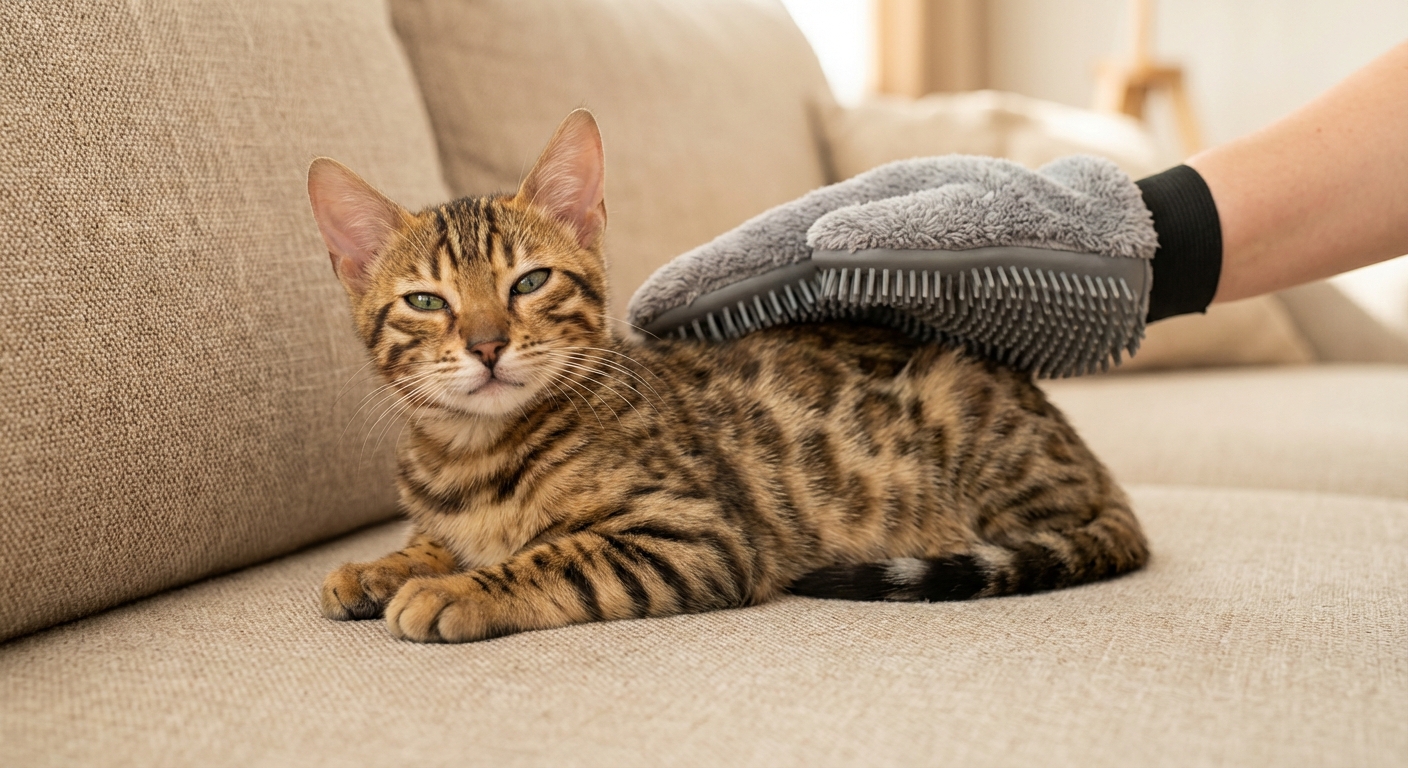
- Coat: brush once weekly or use a grooming mitt. Increase during seasonal shedding.
- Nails: trim every 2 to 4 weeks. Start with one or two nails at a time if your kitten is wiggly.
- Ears: check weekly for debris or odor. Clean only if your vet recommends a specific product.
- Teeth: start early with kitten-safe toothpaste. Even a few seconds of brushing is a win.
Health care
Preventive care is one of the kindest gifts you can give your kitten. It is also usually less expensive than treating avoidable illness later.
Typical kitten medical timeline
- Initial exam: within the first week of coming home
- Vaccines: core vaccine series typically begins around 6 to 8 weeks and continues every 3 to 4 weeks through at least 16 weeks. Some veterinarians continue to 18 to 20 weeks based on risk and maternal antibodies.
- Rabies: timing varies by location and clinic protocol
- Parasites: deworming and flea or tick prevention based on lifestyle and local risk
Ask your vet which tests are recommended in your area, including fecal testing for intestinal parasites. If your Bengal will go outdoors at all, discuss FeLV and FIV testing and appropriate vaccination.
Common Bengal concerns
No breed is “guaranteed healthy,” but awareness helps you act early. Talk with your veterinarian about your kitten’s family history, and keep regular wellness visits.
- Digestive sensitivity: sudden diet changes can cause diarrhea. Transition foods over 7 to 10 days.
- Dental disease: prevention starts in kittenhood with gentle brushing and vet checks.
- Inherited conditions: Bengals are often discussed in relation to hypertrophic cardiomyopathy (HCM) and PK-deficiency. Reputable breeders may screen for these. Ask for documentation and review it with your veterinarian.
- Stress behaviors: hiding, over-grooming, or litter box changes can signal anxiety or illness.
When to call the vet quickly
- Not eating for 24 hours, or a kitten eating significantly less than usual
- Repeated vomiting or diarrhea, or any blood in stool
- Straining in the litter box or frequent trips with little urine
- Lethargy, open-mouth breathing, or sudden weakness
Good to have saved: your primary vet, the nearest emergency clinic, and a pet poison helpline number for your region.
Socialization
Socialization is not just cuddles. It is teaching your kitten that everyday life is safe.
- Introduce new sounds at low volume: vacuum, doorbell, blender
- Practice carrier time when you are not going to the vet
- Invite calm friends over one at a time and allow your kitten to approach first
- Reward brave behavior with treats, play, or praise
Carrier comfort plan
- Leave the carrier out all the time with a soft blanket inside.
- Toss treats in, then feed a few bites of a meal near the carrier and later inside it.
- Practice very short “pick up, set down” moments, then reward.
Home safety
Bengals climb. Planning for that reality prevents accidents.
- Secure loose cords, blind strings, and small swallowable objects.
- Anchor tall furniture and keep breakables away from edges.
- Use cat-safe plants only. Many common houseplants are toxic.
- Keep doors to washers and dryers closed, and check before starting appliances.
Daily routine
Bengals do best with consistency. Here is a simple rhythm many families love:
- Morning: 10 minutes play, breakfast, quick litter scoop
- Midday: puzzle feeder or treat hunt, refresh water
- Evening: longer interactive play, dinner, calm cuddle time
- Weekly: grooming, nail check, toy rotation
Gentle consistency beats perfection. A Bengal kitten does not need constant entertainment, but they do need daily outlets for their big brain and athletic body.