A practical guide to cat liver disease and elevated liver enzymes: common causes, warning signs, vet tests, feeding strategies, meds, supplements, and home m...
Article
•
Designer Mixes
Liver Problems in Cats: Signs, Causes, and Solutions

Shari Shidate
Designer Mixes contributor
If your cat suddenly stops eating, hides more than usual, or starts vomiting, it can feel scary and confusing. One body system that often gets overlooked in those moments is the liver. As a veterinary assistant in Frisco, Texas, I have seen how quickly liver issues can become serious, especially in cats. The good news is that many liver problems are treatable, and early action makes a big difference.
Quick note on scope: I can share what I see in clinic and what is generally recommended, but diagnosis and treatment decisions need to come from your veterinarian.
Why the liver matters
The liver is a powerhouse organ. It helps:
- Process nutrients from food and store energy
- Filter toxins and medications from the bloodstream
- Make bile to digest fats
- Support healthy blood clotting
- Regulate hormones and metabolism
Because it does so many jobs, liver disease can show up as a wide range of symptoms. Cats also have a unique risk: they can develop a life-threatening condition called hepatic lipidosis if they stop eating for as little as 2 to 3 days, sometimes sooner in overweight or stressed cats.
Signs to watch for
Cats are masters at hiding illness, so even subtle changes matter. Contact your vet if you notice:
- Reduced appetite or not eating at all
- Vomiting or nausea (lip smacking, drooling)
- Weight loss or muscle wasting
- Lethargy, weakness, or hiding
- Jaundice (yellow tint to the whites of the eyes, gums, or skin)
- Diarrhea or pale, greasy stools
- Increased thirst or urination
- Behavior changes like disorientation, staring, or wobbliness (possible hepatic encephalopathy)
- Abdominal swelling (fluid buildup called ascites)
Important: jaundice often points to liver or bile duct disease, but it can also occur with rapid red blood cell breakdown. Either way, it is a “see your vet now” sign.
Common liver problems in cats
Hepatic lipidosis (fatty liver disease)
This is one of the most important feline liver emergencies. When a cat does not eat enough, the body rapidly mobilizes fat to the liver. Cats are not efficient at processing that fat load, so the liver becomes overwhelmed and starts to fail.
Most common trigger: a period of not eating, often due to stress, a new home, another illness, dental pain, or a diet change.
Key takeaway: a cat who is not eating is not a “wait and see” situation.
Cholangitis and cholangiohepatitis
These conditions involve inflammation of the bile ducts and liver. Some cases are associated with bacterial infection (often called neutrophilic cholangitis), while others may be more immune-mediated (often called lymphocytic cholangitis). Cats can also have a “triaditis” pattern where the liver, pancreas, and intestines are inflamed at the same time.
Because the classification and best treatment can be complex, diagnosis often relies on imaging and sometimes bile or liver sampling for culture and/or biopsy when your veterinarian feels it is needed.
Toxins and medication reactions
Some toxins directly injure the liver, and cats are particularly sensitive to certain medications. Never give human medication unless your veterinarian directs you to.
Examples of risks: acetaminophen (Tylenol) and accidental ingestion of other medications, certain insecticides, and some essential oils.
Worth calling out: lilies are extremely dangerous to cats and are an emergency, but they are best known for causing acute kidney injury rather than primary liver toxicity.
Infectious causes
Viruses, parasites, or bacterial infections can affect the liver. Your vet may test based on lifestyle, exposure risk, and regional factors.
Cancer or liver masses
Liver tumors can be primary or spread from elsewhere. Some are treatable with surgery or supportive care, depending on type and extent.
Underlying metabolic disease
Conditions like hyperthyroidism, diabetes, inflammatory bowel disease, and pancreatitis can stress the liver or create secondary liver changes on lab work.
How vets diagnose liver disease
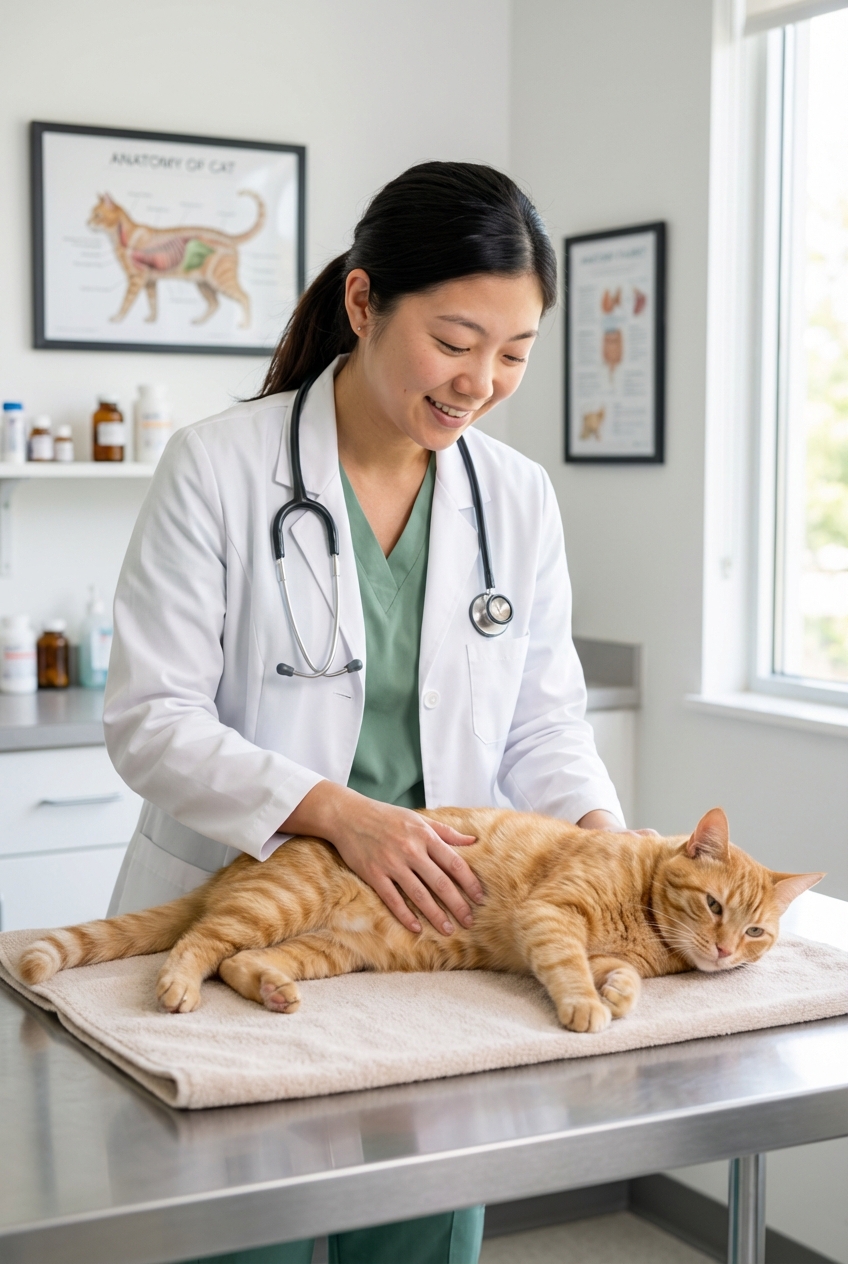
Because symptoms overlap with many illnesses, diagnosis is step-by-step. Your vet may recommend:
- Physical exam and weight history
- Bloodwork (liver markers like ALT/AST/ALP, often GGT, plus bilirubin, albumin, cholesterol, glucose)
- Bile acids testing to evaluate liver function
- Urinalysis to check hydration and rule out other problems
- Ultrasound to look at liver texture, gallbladder, bile ducts, and pancreas
- X-rays in some cases
- Fine needle aspirate or biopsy when a definitive diagnosis is needed
One important note: elevated liver enzymes do not always mean the liver is failing. They can indicate inflammation, stress, or secondary effects from another disease. That is why follow-up testing matters.
Treatment options
Treatment depends on the cause, but here are the evidence-based pillars veterinarians commonly use:
1) Nutrition support
If your cat is not eating, your vet may prescribe appetite stimulants, anti-nausea medication, or recommend assisted feeding. In hepatic lipidosis, a feeding tube (placed by a veterinarian) can be lifesaving because it allows consistent calories while reducing stress for you and your cat.
At-home priority: call your veterinarian early to protect calorie intake. Do not let decreased eating persist for days.
Safety note: do not syringe-feed or force-feed unless your veterinarian has shown you exactly how. It can cause stress and, in some cases, aspiration.
2) Fluids and electrolytes
Dehydration and electrolyte imbalances can worsen nausea and weakness. Fluids may be given under the skin or intravenously, depending on severity.
3) Medications tailored to the cause
- Antiemetics for vomiting and nausea (your vet may choose options such as maropitant or ondansetron)
- Antibiotics if bacterial infection is suspected or confirmed
- Anti-inflammatory or immunosuppressive therapy for certain bile duct conditions
- Pain control when appropriate
4) Liver-support supplements
Your veterinarian may recommend supplements such as SAMe and silybin (milk thistle extract) combinations, vitamin B complex, or vitamin K in select cases.
Vitamin K note: it is typically considered when clotting issues or cholestasis are present, and should only be used under veterinary direction.
5) Ongoing monitoring
Liver conditions often require rechecks to ensure enzymes and bilirubin are improving, and to adjust the plan. Recovery can be gradual, especially when appetite was poor for a while.
Prognosis in plain terms: hepatic lipidosis can have a good outcome with aggressive nutrition support, while prognosis for cancer varies widely depending on the type and how early it is found.
What you can do at home
Here are practical, safe steps that help you support your cat while you work with your veterinarian:
- Track appetite and water intake. Write down what, how much, and when your cat eats.
- Watch the litter box. Note stool color and frequency, and any straining or diarrhea.
- Weigh your cat. Even weekly weights can reveal early trouble.
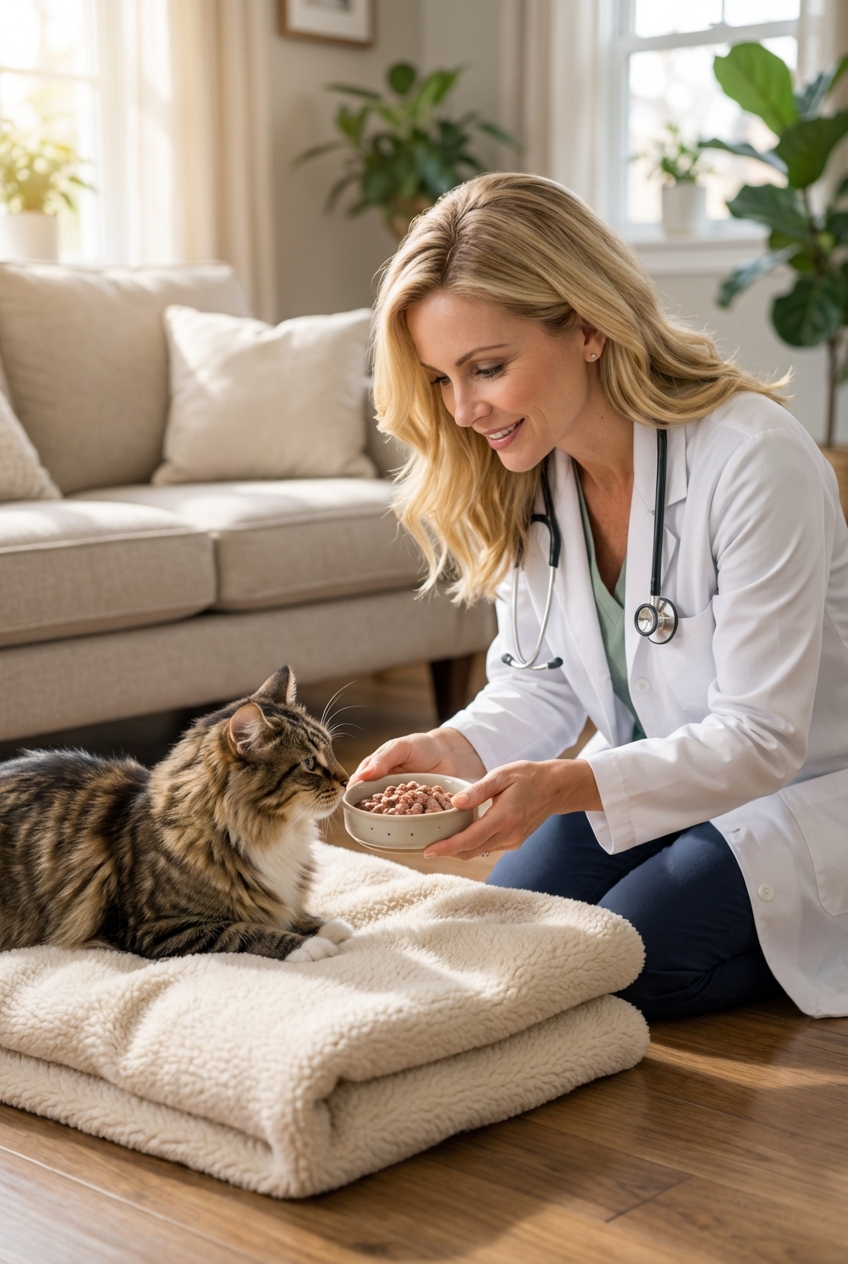
- Offer highly palatable foods. Many cats eat better with warmed wet food, strong-smelling options, or vet-approved prescription diets.
- Reduce stress. Keep routines steady, provide a quiet space, and avoid sudden diet changes unless your vet directs you to.
- Do not give human meds or supplements. Cats metabolize drugs differently, and some can cause serious harm.
- Avoid force-feeding. If your cat will not eat, call your vet for a safe plan rather than trying to push food at home.
When to get urgent care
Please treat these as urgent:
- Your cat has not eaten for 24 hours (or is eating dramatically less), especially if overweight or already ill
- Yellow gums or eyes
- Repeated vomiting or inability to keep food down
- Severe lethargy, collapse, or trouble walking
- Possible toxin exposure (plants, medications, chemicals)
- Abdominal swelling or labored breathing
If you take only one thing from this article, let it be this: when a cat stops eating, the clock starts ticking. Early veterinary care can prevent fatty liver disease and dramatically improve outcomes.
Prevention
- Schedule routine wellness exams and lab work, especially for senior cats.
- Keep cats at a healthy weight with measured meals and playtime. Obesity increases risk if appetite drops.
- Make diet transitions slowly to reduce food refusal.
- Keep toxins out of reach and remove dangerous plants like lilies from the home.
- Address dental disease and chronic nausea early, since both can quietly reduce appetite.
Final thoughts
Liver problems in cats can sound overwhelming, but there is real hope here. With early recognition, the right diagnostics, and steady nutrition support, many cats recover well or live comfortably with managed disease. If your cat is acting “off” and especially if they are not eating, trust your instincts and call your veterinarian.