Learn liver-friendly homemade dog food strategies: when to restrict copper, pick digestible proteins and gentle carbs, what ingredients to avoid, and simple ...
Article
•
Designer Mixes
Liver Failure in Dogs Causes

Shari Shidate
Designer Mixes contributor
As a veterinary assistant in Frisco, Texas, I have seen how scary the words “liver failure” can feel. The good news is that the liver is an incredibly resilient organ, and many dogs do better than you might expect when the cause is found early and treatment starts quickly.
This guide walks you through the common, well-established causes of liver failure in dogs of all ages, plus what to watch for and what your veterinarian will typically test for.
Fast safety check: If you see jaundice (yellow eyes or gums), collapse, seizures, severe disorientation, or known toxin exposure (xylitol, sago palm, blue-green algae, human meds), seek emergency care right away.
What “liver failure” means
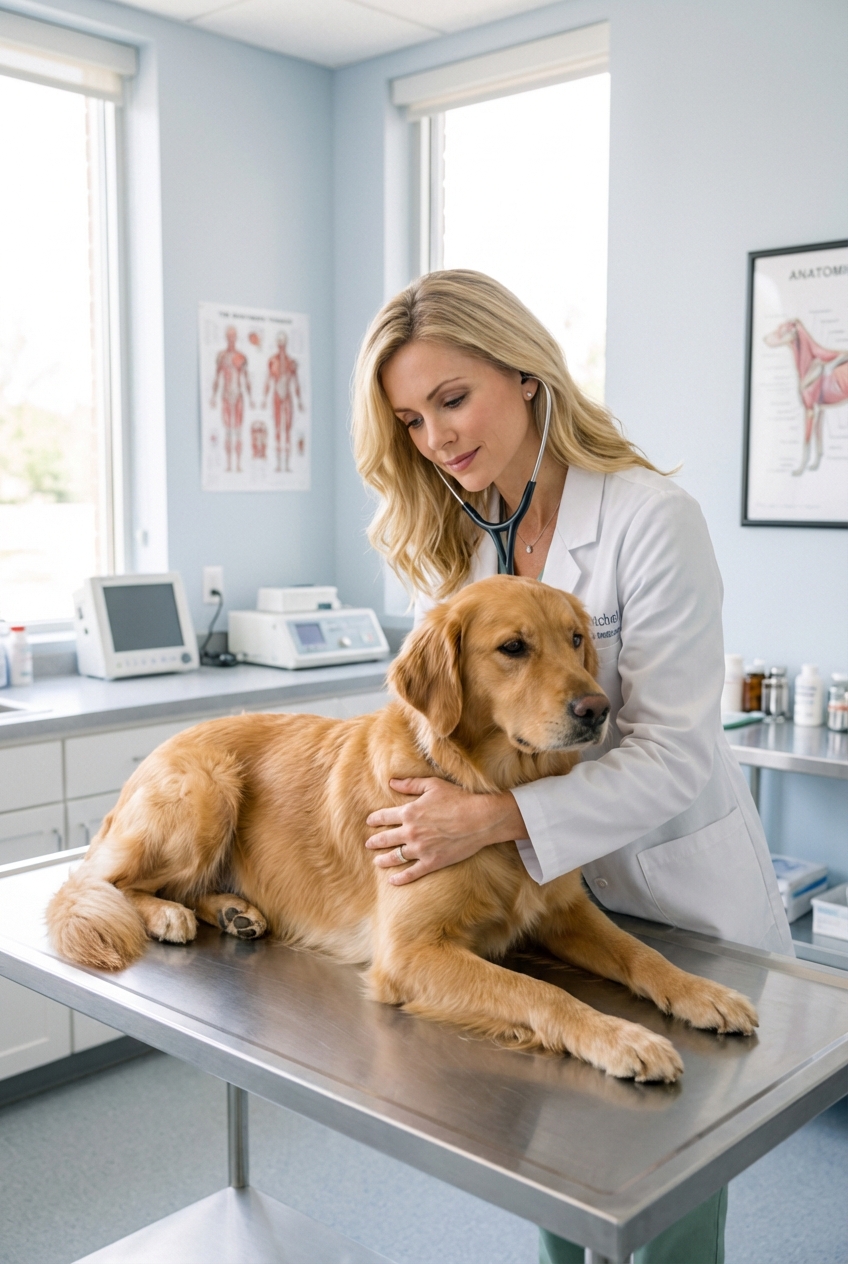
The liver does a lot of behind-the-scenes work: it helps digest fats (bile production), processes nutrients, stores vitamins, makes proteins needed for blood clotting, and filters toxins. Liver failure happens when so much liver function is lost that the body cannot keep up.
Some dogs have acute liver failure (sudden, severe injury). Others have chronic liver disease that slowly progresses until the liver cannot compensate anymore.
High enzymes vs liver failure
A common point of confusion is this: elevated liver enzymes (like ALT or ALP) often mean the liver is stressed or irritated, but they do not automatically mean “failure.” True liver failure is more about loss of function, which may show up as jaundice, low blood sugar, low albumin, clotting problems, fluid in the belly, or neurologic signs (hepatic encephalopathy). Your veterinarian uses patterns in lab work, symptoms, and imaging to sort this out.
Common terms you may hear
- Hepatitis: inflammation of the liver (can be infectious or non-infectious).
- Cholangitis/cholangiohepatitis: inflammation involving bile ducts and liver tissue.
- Hepatic encephalopathy: brain signs caused by toxins (like ammonia) building up when the liver cannot detoxify effectively.
- Ascites: fluid buildup in the abdomen, sometimes seen with advanced liver disease or portal hypertension.
Common causes of liver failure
Liver failure is not one single disease. It is the end result of many possible problems. Below are causes veterinarians see often, organized in plain language.
1) Toxins and poisonings
Acute toxin exposure is one of the most time-sensitive causes. Some toxins directly damage liver cells. Others trigger widespread inflammation, bleeding problems, or impaired blood flow.
- Human medications: acetaminophen (Tylenol) is especially dangerous, and many other drugs can be harmful depending on dose and the dog’s health.
- Xylitol (in certain sugar-free gums, candies, baked goods, and some peanut butters): can cause dangerously low blood sugar and, in some cases, severe liver injury.
- Sago palm: a common ornamental plant that can cause severe liver failure.
- Blue-green algae from contaminated ponds and lakes: can cause rapid, life-threatening liver damage.
- Aflatoxins: toxins from certain molds that can contaminate foods, including pet foods and some human foods stored improperly.
- Rodenticides (rat poisons): effects depend on the type. Anticoagulant rodenticides most commonly cause internal bleeding. Cholecalciferol (vitamin D3) rodenticides can cause dangerous calcium and phosphorus changes that damage organs, and severe illness can secondarily stress the liver. If you are not sure which type it is, assume it is an emergency.
Urgent note: If you suspect toxin exposure, treat it like an emergency. Early decontamination and antidotes or supportive care can be lifesaving.
2) Infections
Infections can inflame the liver, damage liver tissue, or block bile flow.
- Leptospirosis: a bacterial infection spread via wildlife urine and contaminated water or soil. It can cause kidney and liver failure. Vaccination is available and often recommended based on lifestyle and local risk.
- Canine infectious hepatitis (adenovirus-1): much less common now in vaccinated populations, but still possible in unvaccinated dogs.
- Tick-borne diseases: these more commonly cause liver enzyme elevations or systemic illness that affects the liver, rather than primary liver failure.
- Severe bacterial infection or sepsis: infection elsewhere in the body can lead to inflammation that secondarily affects the liver (sometimes called cholestasis of inflammation).
3) Inflammatory and immune-mediated disease
Sometimes the immune system contributes to ongoing liver inflammation. The exact trigger is not always identified, and it may overlap with genetics and environment.
Chronic inflammatory liver disease can quietly progress for months or years. That is why routine lab work can be valuable, especially for older dogs and predisposed breeds.
4) Copper-associated liver disease
Some dogs accumulate too much copper in the liver, leading to chronic hepatitis and eventual failure if untreated. Breeds commonly associated include Bedlington Terriers, Labrador Retrievers, Doberman Pinschers, and also breeds like West Highland White Terriers and Skye Terriers (plus mixes).
This is one of the reasons veterinarians may recommend a liver biopsy in chronic cases, because copper levels can be measured directly and guide treatment and diet.
5) Blocked bile flow (cholestasis)
If bile cannot flow normally, liver cells can become damaged. Causes may include:
- Gallbladder mucocele: a thick, abnormal buildup in the gallbladder that can become a surgical emergency.
- Gallstones: less common in dogs than people, but possible.
- Pancreatitis: inflammation can affect nearby bile ducts.
- Masses pressing on bile ducts.
6) Poor blood flow or abnormal vessels
The liver depends on steady blood flow. Two important categories:
- Portosystemic shunts (congenital or acquired): abnormal vessels that divert blood away from the liver, so toxins are not filtered properly. Congenital shunts are often recognized in young dogs, especially small breeds, but they can be seen in mixes too.
- Severe heart disease or shock: can reduce liver oxygenation and contribute to acute injury.
7) Cancer or infiltrative disease
Liver tumors can be primary (starting in the liver) or metastatic (spreading from elsewhere). Some masses are benign, and some are malignant. Cancer can cause liver failure by replacing healthy tissue, blocking bile ducts, or bleeding.

8) Medication-related liver injury
Many medications are processed by the liver. Most dogs take prescribed medications safely, but certain drugs can cause liver injury in some patients. Risk depends on dose, duration, interactions, and the individual dog’s metabolism.
Examples your veterinarian may watch more closely include phenobarbital (seizure control), some NSAIDs, and certain antibiotics or antifungals. This does not mean these medications are “bad.” It means your vet may recommend monitoring, especially with long-term use.
Important: Never stop a prescription abruptly without guidance, but do call your veterinarian if you notice appetite changes, vomiting, yellowing of the eyes, or sudden lethargy after starting a new medication.
9) Secondary liver stress from other disease
Sometimes the liver is not the primary problem, but it shows strain during another illness. Conditions that can raise liver values or contribute to cholestasis include Cushing’s disease, diabetes, hypothyroidism, severe intestinal disease, and systemic inflammation (SIRS) or sepsis. Your vet will look at the whole picture to decide whether the liver is the main issue or part of a broader problem.
Causes by age
Puppies and young dogs
- Congenital portosystemic shunt
- Infectious disease in unvaccinated or under-vaccinated puppies (including adenovirus)
- Toxin ingestion due to curiosity and chewing
Adult dogs
- Chronic hepatitis (inflammatory or immune-mediated)
- Leptospirosis (especially outdoor access, wildlife exposure, or standing water)
- Copper-associated disease in predisposed breeds
- Medication-related injury
Senior dogs
- Cancer or infiltrative disease
- Gallbladder disease (including mucoceles)
- Chronic progressive liver disease that has been silent for a long time
- Secondary liver stress from endocrine or systemic disease
Signs not to ignore
Liver disease can look like many other conditions at first. Trust your instincts, especially if symptoms stack up.
Common early signs
- Decreased appetite or picky eating
- Vomiting or diarrhea
- Lethargy, less interest in walks or play
- Weight loss
- Increased thirst and urination
More concerning signs
- Jaundice (yellow gums, yellow whites of the eyes, yellow skin)
- Swollen belly (possible fluid accumulation)
- Bruising or bleeding issues
- Behavior changes, staring, wobbliness, circling, seizures (possible hepatic encephalopathy)
- Very pale gums or collapse (can signal bleeding or severe illness)
- Black stools (melena) or vomiting blood: can signal gastrointestinal bleeding and is an emergency regardless of the cause
If you see jaundice, a swollen abdomen, collapse, black stools, vomiting blood, or neurologic signs, contact an emergency clinic right away.
How vets find the cause
Because the causes are so varied, your veterinarian will usually combine history, exam findings, lab work, and imaging.
Common tests
- Bloodwork: liver enzymes (ALT, AST, ALP, GGT), bilirubin, albumin, cholesterol, glucose
- Clotting tests: PT/aPTT, because the liver helps make clotting factors
- Bile acids: helps assess liver function and blood flow
- Urinalysis: hydration, infection clues, bilirubin, crystals
- Leptospirosis testing when risk and signs fit
- Abdominal ultrasound: evaluates liver texture, gallbladder, bile ducts, masses, shunts
- X-rays: size and shape, and to look for other issues
- Sampling: fine needle aspirate or biopsy if safe and indicated, often needed for chronic hepatitis, copper, and cancer diagnosis

Tip: Bring a list of everything your dog could have eaten or gotten into, including supplements, chews, human meds, plants, and recent diet changes. That information can shorten the time to diagnosis.
What you can do now
If liver failure is suspected, home care starts with smart, safe steps while you get veterinary guidance.
- Do not give human pain relievers unless your veterinarian specifically directs you.
- Remove access to potential toxins: medications, gums, mouse bait, compost, moldy food, certain plants.
- Offer fresh water and keep your dog calm and warm.
- Save packaging of anything your dog may have ingested. Photos help too.
- Schedule prompt evaluation for mild signs, and seek emergency care for jaundice, collapse, seizures, black stools, vomiting blood, or severe vomiting.
Nutrition also matters, but the best diet depends on the cause. For some dogs, a prescription hepatic diet is appropriate. For others, the priority is treating infection, correcting a shunt, or managing copper. This is a place where personalized veterinary guidance really pays off.
Prevention you can do
- Vaccination: Ask your vet whether leptospirosis vaccination fits your dog’s lifestyle and local risk.
- Toxin-proof your home: Store medications high and locked, check ingredient labels for xylitol, keep rodenticides out of reach.
- Watch water sources: Avoid stagnant ponds and lakes, especially in warm months when algae blooms can occur.
- Routine labs: Annual or twice-yearly bloodwork for adult and senior dogs may help detect liver changes before they become emergencies.
- Breed awareness: If your dog is from a breed linked to copper issues or shunts, discuss early screening with your veterinarian.
When to call today
Call your veterinarian or an emergency clinic the same day if your dog has:
- Yellow eyes or gums
- Repeated vomiting, black stools, or blood in vomit or stool
- Swollen abdomen
- Disorientation, tremors, circling, or seizures
- Known or suspected exposure to xylitol, sago palm, rodenticides, algae blooms, or human medication
If you are unsure, it is always okay to call. Liver disease can move quickly, and early care is one of the biggest predictors of a better outcome.
Warm reminder: liver failure is serious, but it is also something many dogs can fight through when we identify the cause and support the liver early. You are doing the right thing by learning what to watch for.
Sources
- Merck Veterinary Manual: Hepatic disease and hepatobiliary disorders; leptospirosis overview
- WSAVA resources on interpretation of liver enzymes and approach to systemic illness
- FDA pet safety communications on xylitol
- Peer-reviewed veterinary internal medicine literature on copper-associated hepatitis and gallbladder mucoceles