Practical rabbit care tips for a healthier, happier bunny: ideal housing and flooring, hay-first diet, greens and pellets, litter training, safe handling, gr...
Article
•
Designer Mixes
Lionhead Rabbit Care Facts

Shari Shidate
Designer Mixes contributor
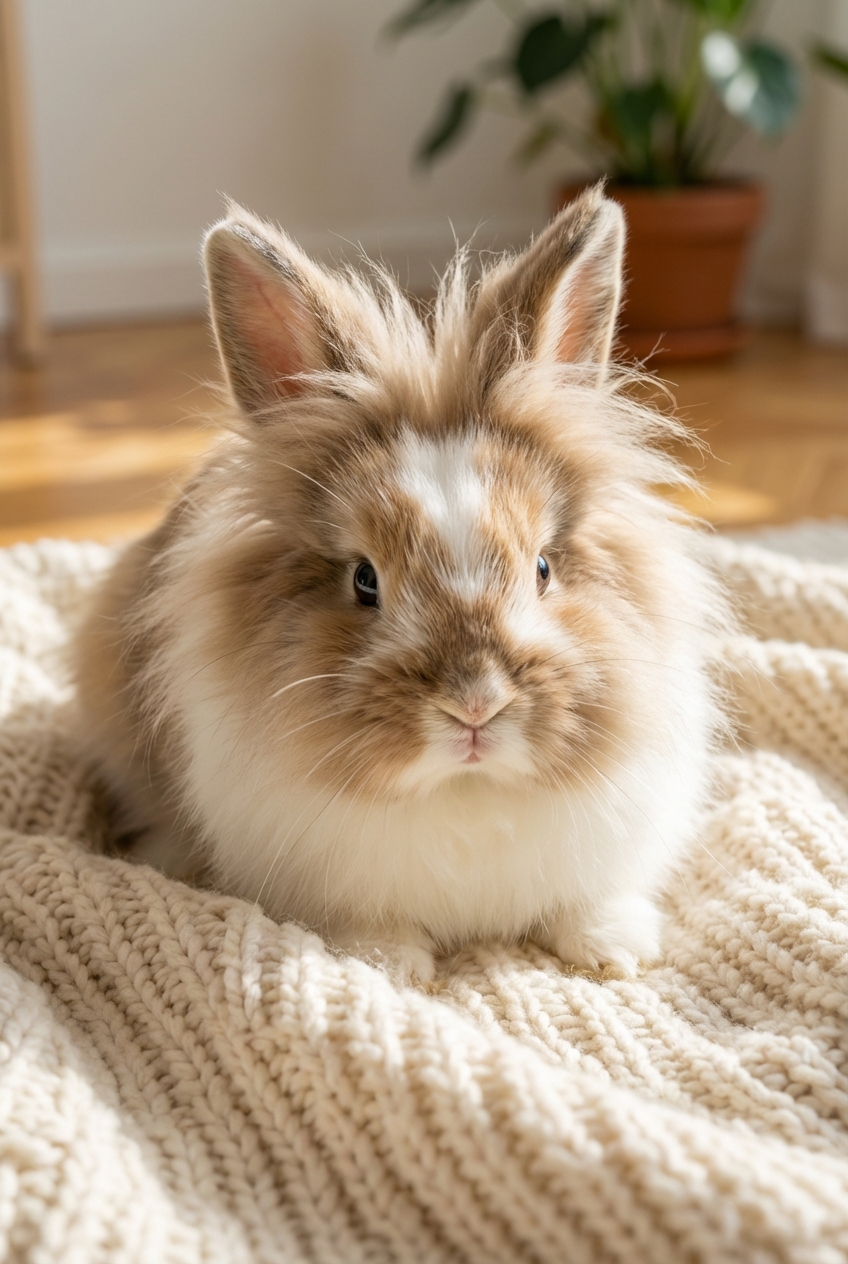
Lionhead rabbits win hearts fast. They are small, expressive, and that fluffy mane makes them look like tiny royalty. But here is the honest truth I share with every new bunny family: Lionheads are not “easy pets” if you want them to thrive. They are sensitive to stress, their coat needs hands-on upkeep, and their digestion depends on the right daily routine.
As a veterinary assistant, I have seen how quickly a rabbit can go from “a little quiet” to a true emergency. The good news is that most problems are preventable with practical husbandry and a few smart habits.
Quick Lionhead facts
- Size: Commonly 2.5 to 3.75 pounds as adults, though some are smaller or larger depending on lineage.
- Lifespan: Often 7 to 10 years with excellent care, but it is not unusual to see a wider range (about 5 to 12+ years).
- Temperament: Often social and curious, but can be shy if not gently handled.
- Coat type: Single-mane or double-mane. Double-mane rabbits usually need more grooming.
- Special vulnerability: Not true “hairballs,” but GI slowdown (GI stasis/slow motility) where ingested fur can contribute, especially during shedding if fiber, hydration, and grooming are inconsistent.
Housing that works
Many store-bought “rabbit cages” are simply too small for real daily living. Think of the enclosure as your rabbit’s bedroom, not their entire home.
Space needs
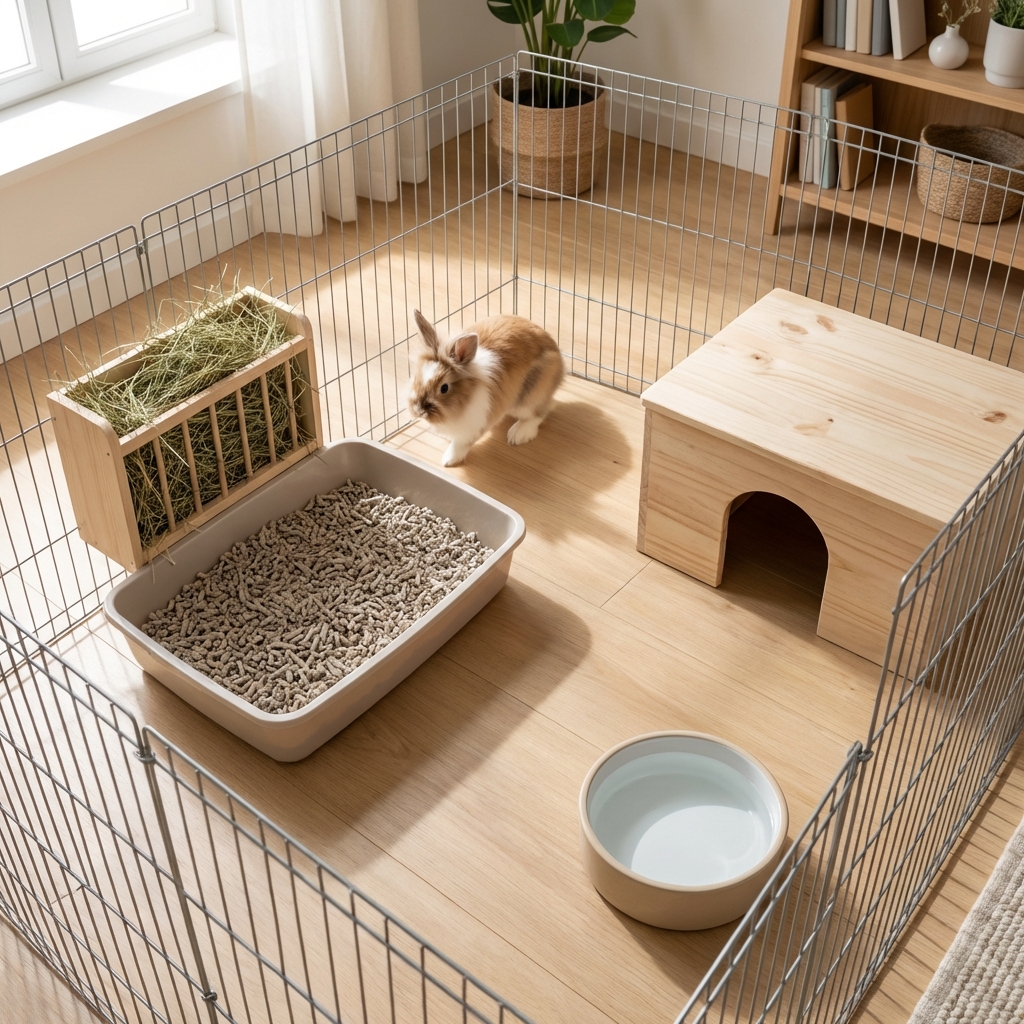
- Minimum daily needs: A roomy exercise pen setup is ideal, with enough space for at least 3 to 4 full hops in a row, a full stand on hind legs, and a dedicated litter corner.
- Daily exercise: Plan for several hours of supervised free-roam time in a bunny-proofed area, even if you have a large pen.
Bunny-proof basics
- Cover or block access to electrical cords and chargers.
- Remove toxic plants and keep houseplant clippings out of reach.
- Block off baseboards, under-bed gaps, and tight spaces where a rabbit can get stuck.
- Use baby gates or exercise pens to create safe zones.
Flooring and comfort
Wire floors can cause sore hocks (painful foot sores). Use solid flooring with traction.
- Soft fleece blankets, rubber-backed mats, or low-pile rugs are great.
- Keep bedding dry and clean to protect skin and reduce flystrike risk in warmer months.
Temperature and safety
- Comfort range: Many rabbits are comfortable around 60 to 70°F, and often do fine up to about 75°F with good airflow.
- Heat danger: Use extra caution above about 75 to 80°F. Rabbits can overheat quickly. Avoid outdoor hutches in Texas-style heat unless you have true climate control.
- Predator stress: Even indoor rabbits can panic if a dog or cat is hovering. Set up a quiet zone where your bunny can retreat.
Diet that prevents emergencies
A rabbit’s digestive system is designed for near-constant grazing. Lionheads do best when the diet is built around fiber first, with treats kept truly small.
Daily foundation
- Unlimited hay: This is non-negotiable. For most adults, timothy, orchard, or meadow hay are common staples.
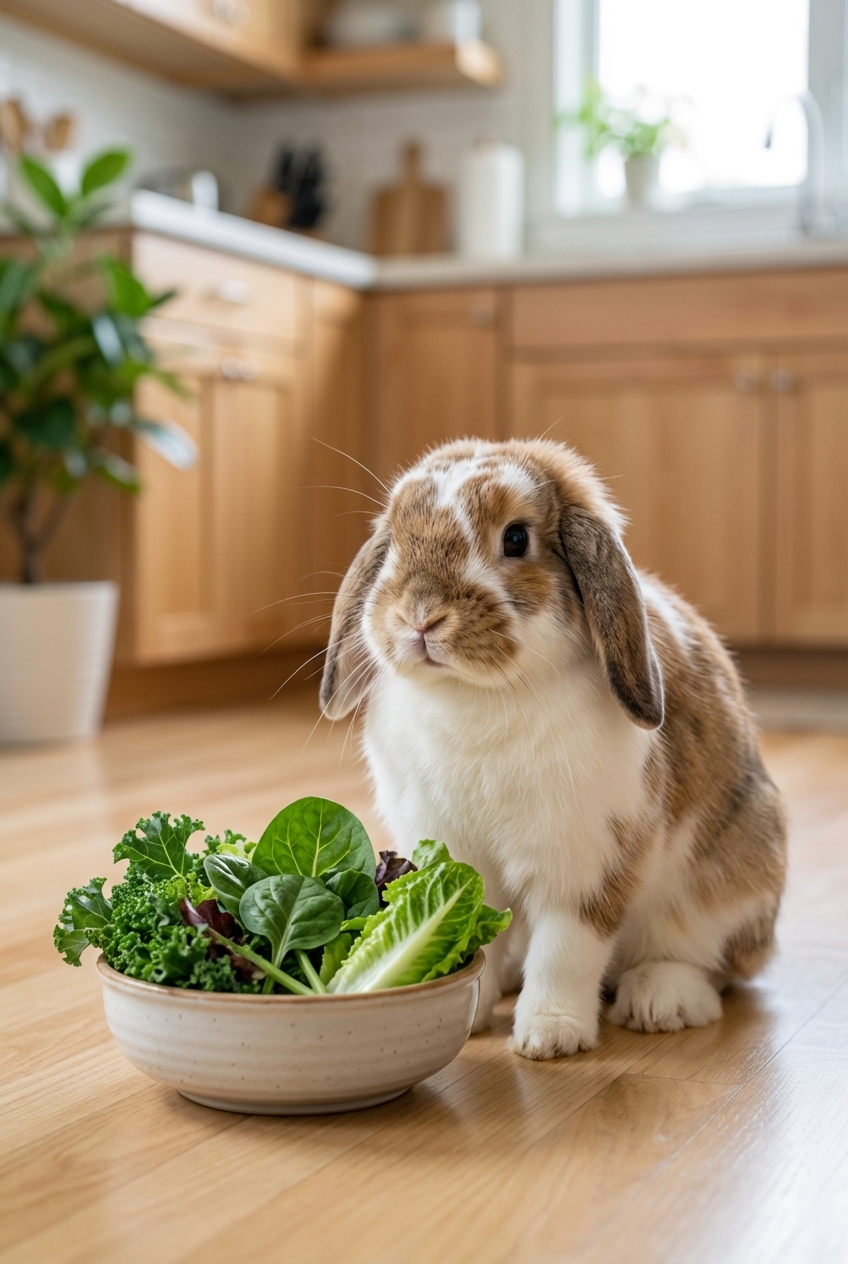
- Leafy greens: Offer a daily variety. Think romaine, cilantro, arugula, spring mix, or dandelion greens. Rotate higher-calcium greens (like parsley) instead of feeding large amounts every day. Introduce new greens slowly.
- Pellets: Use measured portions, not free-fed. Choose a plain, high-fiber pellet without colorful “bits,” seeds, or dried fruit. A common starting point for adults is about 1/8 to 1/4 cup per 5 pounds of body weight per day (your rabbit-savvy vet can tailor this to your rabbit’s condition and activity).
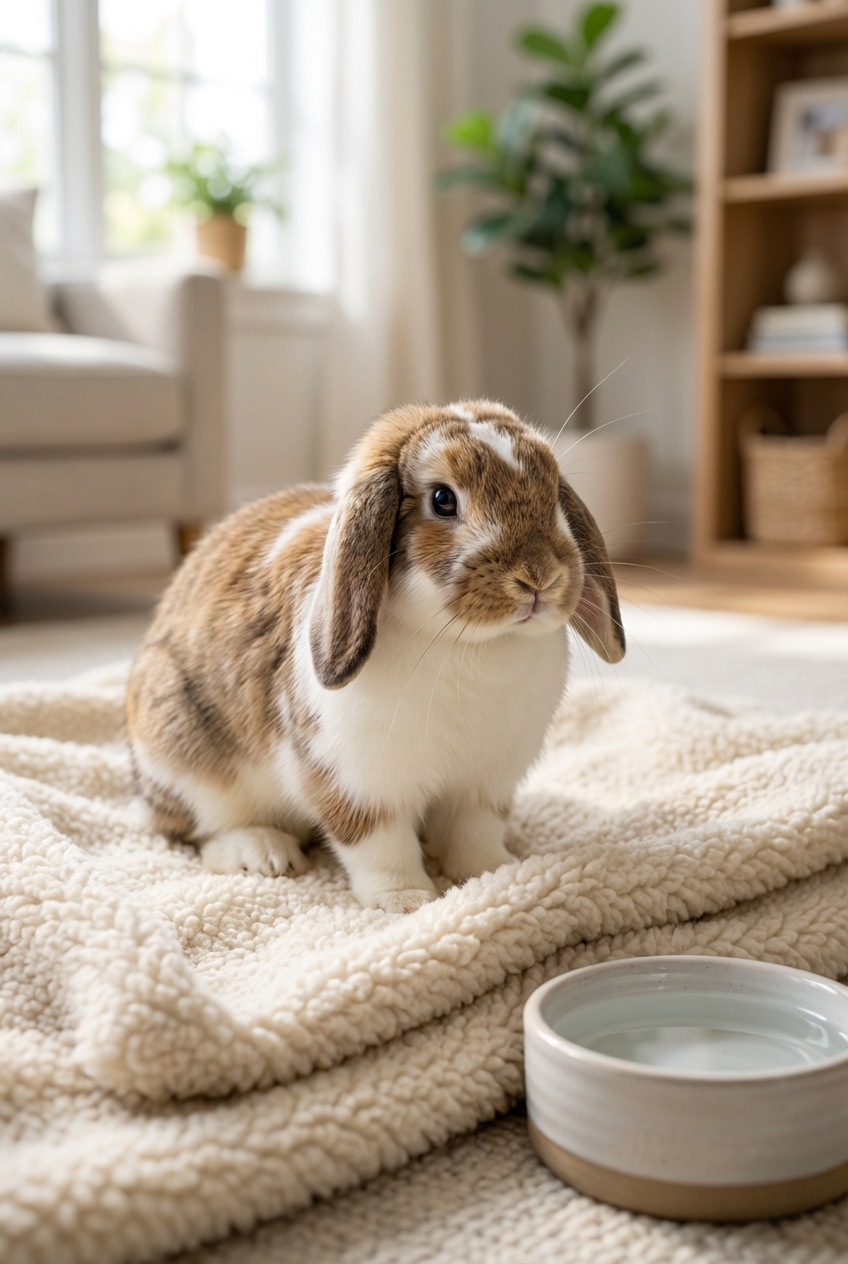
- Fresh water: Many rabbits drink more from a heavy ceramic bowl than a bottle.
Baby vs adult
- Young rabbits (under about 6 to 7 months): Often do best with alfalfa hay and an alfalfa-based pellet to support growth. Transition to grass hay and adult pellets gradually as they mature.
- Pregnant or nursing does: May also need alfalfa and higher calories under veterinary guidance.
Treats and fruit
Fruit is best thought of as bunny candy. Tiny portions only, and not every day for many rabbits.
- Safe small treats can include a slice of strawberry, a few blueberries, or a thin piece of apple with no seeds.
- A good rule for greens is roughly 1 loosely packed cup per 2 pounds of body weight daily, split into servings, then adjusted based on stool quality and appetite.
- Avoid yogurt drops, sugary mixes, and anything with seeds or nuts.
Foods to avoid
- Iceberg lettuce (low nutrition, can cause soft stool in some rabbits)
- Chocolate, bread, crackers, cereal
- Onion, garlic, chives
- Avocado
- Houseplant clippings (many are toxic)
If your rabbit stops eating or pooping, treat it like an emergency. GI stasis can become life-threatening fast.
Grooming without stress
That signature mane is adorable, but it comes with responsibility. Lionheads can ingest a lot of hair during self-grooming, and rabbits cannot vomit. Hair has to move through the gut.
Brushing basics
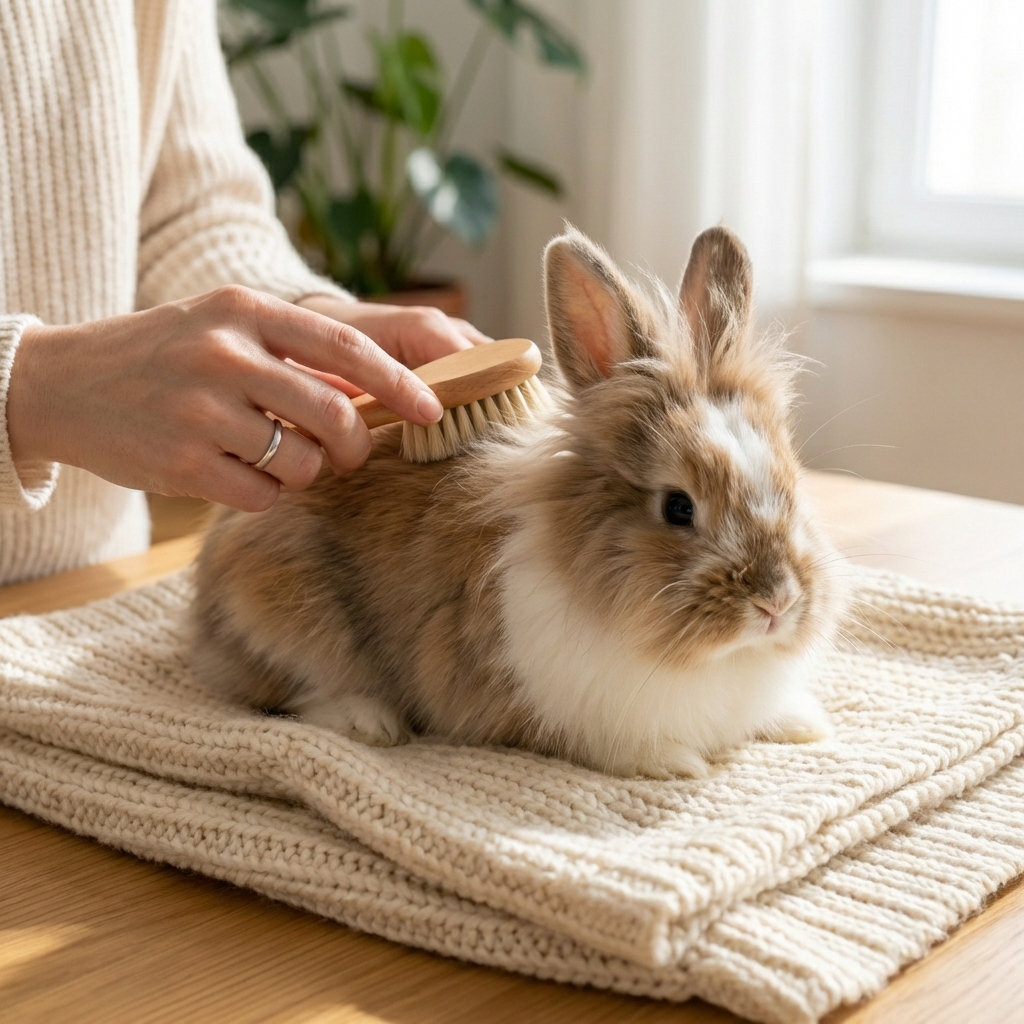
- Routine: Brush at least 2 to 3 times per week, and daily during heavy shedding.
- Tools: A soft slicker brush can help, but go gently. Many Lionheads do well with a comb plus a damp hand to “collect” loose fluff.
- Mat checks: Focus behind the ears, under the chin, and along the sides where tangles hide.
Nails and scent glands
- Nail trims: Usually every 4 to 6 weeks. If you are nervous, ask your rabbit-savvy vet or groomer to teach you.
- Scent glands: Some rabbits need occasional gentle cleaning near the vent area. Your vet can show you what is normal.
Do not bathe
Rabbits generally should not be bathed. It can cause dangerous chilling and extreme stress. For dirty bottoms, your vet may recommend a careful spot-clean approach depending on the cause.
Litter training and hygiene
Lionheads can be excellent litter box users when the setup is rabbit-friendly.
Best setup
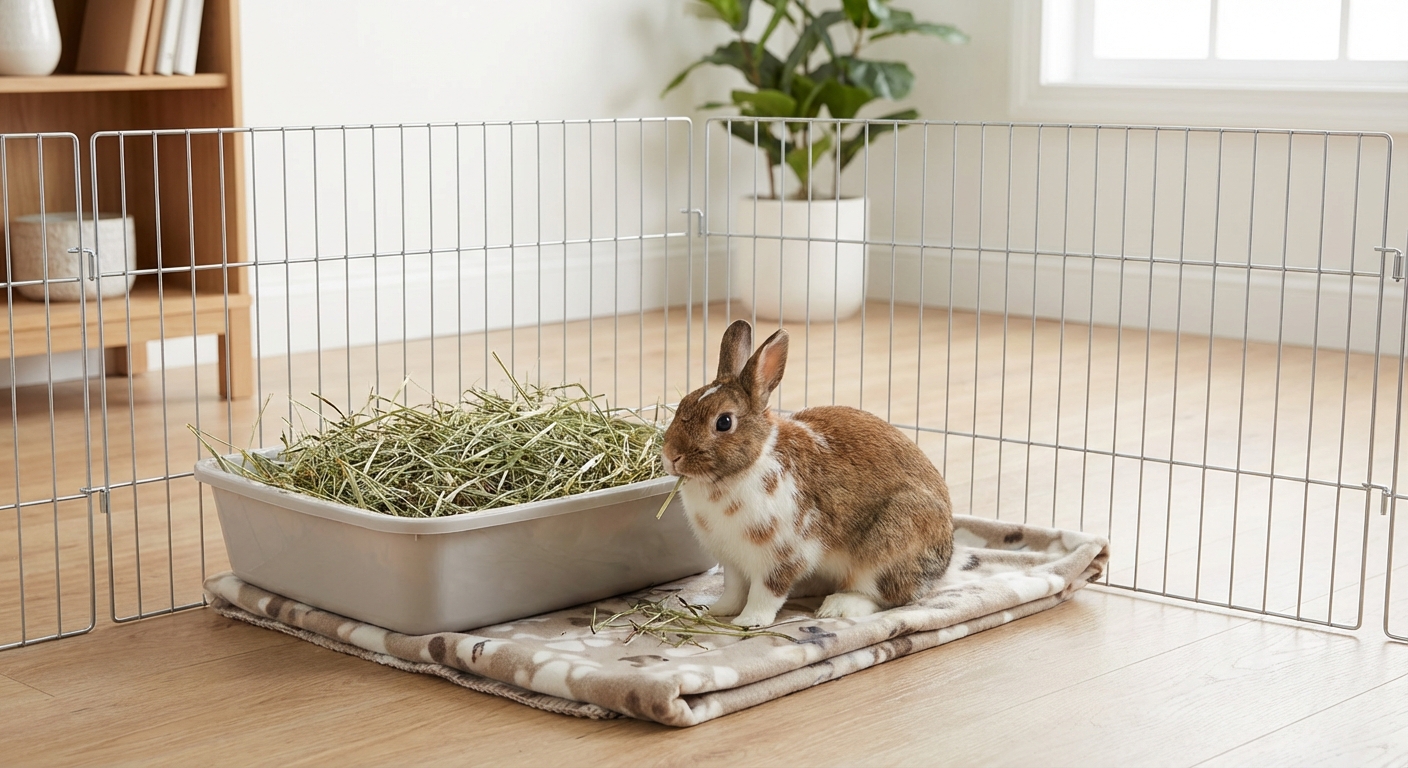
- Box: A large cat litter box often works better than small corner pans.
- Litter: Paper-based pellets are a great standard choice. You can also use kiln-dried pine pellets in many setups. If you use aspen, choose low-dust and untreated. Avoid clumping clay litter. Avoid cedar and avoid non-kiln-dried pine shavings.
- Hay placement: Put hay in or directly next to the box. Rabbits love to eat and poop at the same time, and that is actually helpful here.
Cleaning routine
- Spot-clean daily.
- Deep clean weekly with mild soap and hot water, then rinse well.
- Watch for strong ammonia odors, which can irritate delicate airways.
Handling and social needs
Rabbits are prey animals. Many Lionheads dislike being lifted, even if they adore cuddling on the floor next to you. You can build trust without forcing pick-ups.
Bonding tips
- Sit on the floor and let your rabbit approach you.
- Use a calm voice and slow movements.
- Offer a small leafy green by hand to create positive associations.
- Pet the forehead and cheeks first. Many rabbits prefer that over full-body pats.
If you must pick up
Support the chest and the hindquarters securely. Never pick up by the ears or scruff. If your rabbit kicks hard, they can injure their spine, so keeping them close and supported is key.
Health red flags
Rabbits hide illness well. Subtle changes matter.
Urgent signs
- Not eating, not interested in favorite foods
- No droppings, or droppings suddenly much smaller than normal
- Hunched posture, tooth grinding, or obvious pain
- Labored breathing, blue-tinged gums, open-mouth breathing
- Head tilt, loss of balance, rolling
- Watery diarrhea in an adult rabbit, or a suddenly very messy bottom with lethargy
Quick note: Many owners mistake soft cecotropes (the shiny, smelly stool rabbits are supposed to eat) for diarrhea. True watery diarrhea in an adult rabbit is uncommon and is an emergency.
Common Lionhead concerns
- GI stasis: Often linked to low fiber intake, stress, pain, dehydration, or hair ingestion.
- Dental disease: Rabbit teeth grow continuously. Uneven wear can lead to sharp points, drooling, selective eating, or weight loss. Unlimited hay is the best daily tool for tooth wear, with safe chews (like untreated apple sticks) as a bonus. Skip mineral or salt wheels.
- Fur-related slowdowns: Not a true “hairball,” but fur plus slow gut movement can become a crisis. Fiber, hydration, and grooming help reduce risk.
- Ear and skin issues: Thick fur can hide irritation. Check weekly.
Vet care and prevention
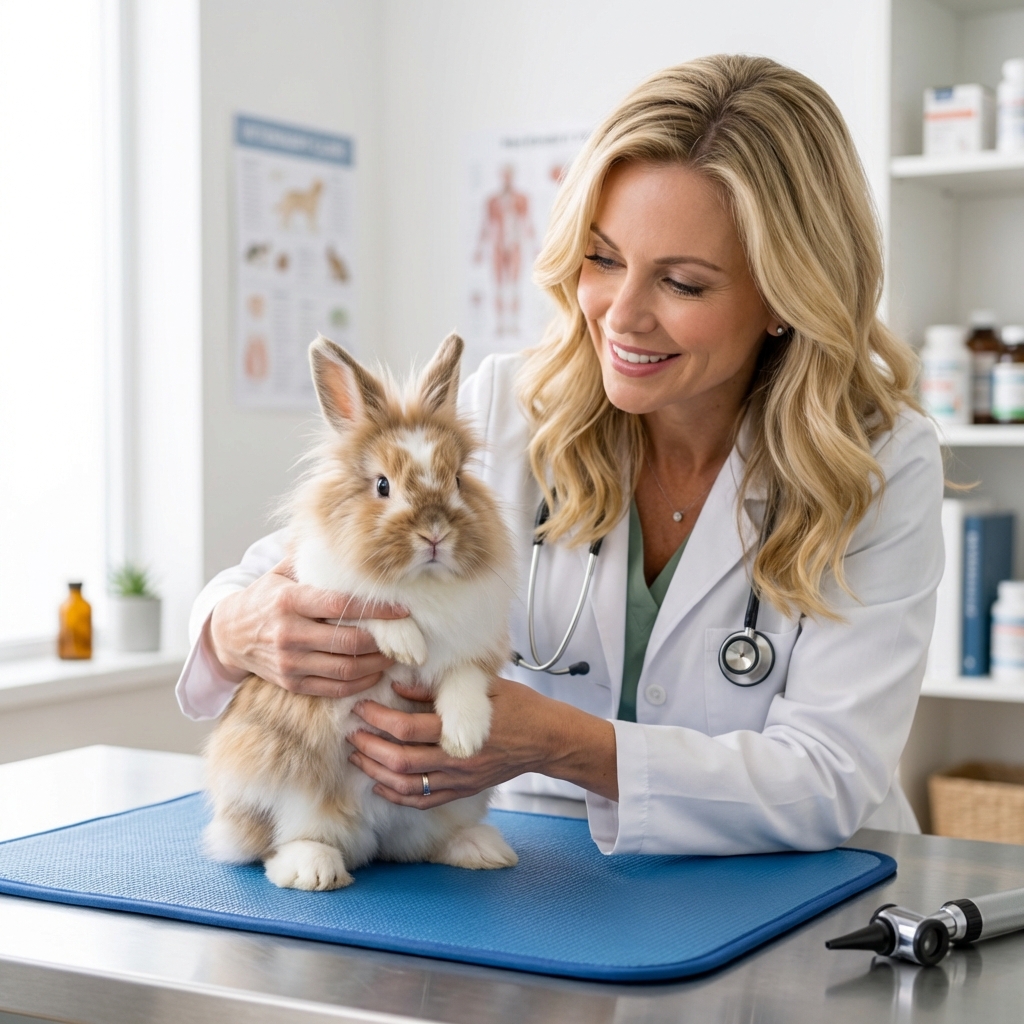
- Find an exotics veterinarian before you need one.
- Annual exams are a smart baseline, and twice-yearly for seniors.
- Spay and neuter: This helps with behavior, bonding, and health. Female rabbits have a very high risk of uterine cancer if unspayed, with risk increasing as they age (many vets get especially concerned after about age 3 to 4).
- Vaccines (region-dependent): Ask your rabbit-savvy vet about RHDV2 vaccination availability and recommendations where you live.
Enrichment
Lionheads are bright and busy. Bored rabbits can become destructive, anxious, or depressed.
Easy ideas
- Cardboard boxes with two exits cut out
- Paper towel tubes stuffed with hay
- Dig box with shredded paper or a rabbit-safe soil substitute
- Foraging toys that dispense pellets slowly
- Rotating chew options like untreated apple sticks
Rabbit friends
Many rabbits do best with a compatible, fixed partner, but bonding should be done slowly and safely. Ask your rescue or rabbit-savvy vet for guidance, especially if you are new to bonding.
Simple daily checklist
- Hay topped off and fresh water offered
- Appetite looks normal and bunny is alert
- Droppings are present, round, and consistent in size
- Litter box spot-cleaned
- Quick coat check for tangles or damp areas
- At least a little exercise and interaction time
When you get these basics right, Lionheads tend to blossom. They become more confident, more affectionate, and a lot more fun to live with. And from a health standpoint, you are stacking the odds in your rabbit’s favor every single day.