Practical rabbit care tips for a healthier, happier bunny: ideal housing and flooring, hay-first diet, greens and pellets, litter training, safe handling, gr...
Article
•
Designer Mixes
Lionhead Rabbit Care

Shari Shidate
Designer Mixes contributor
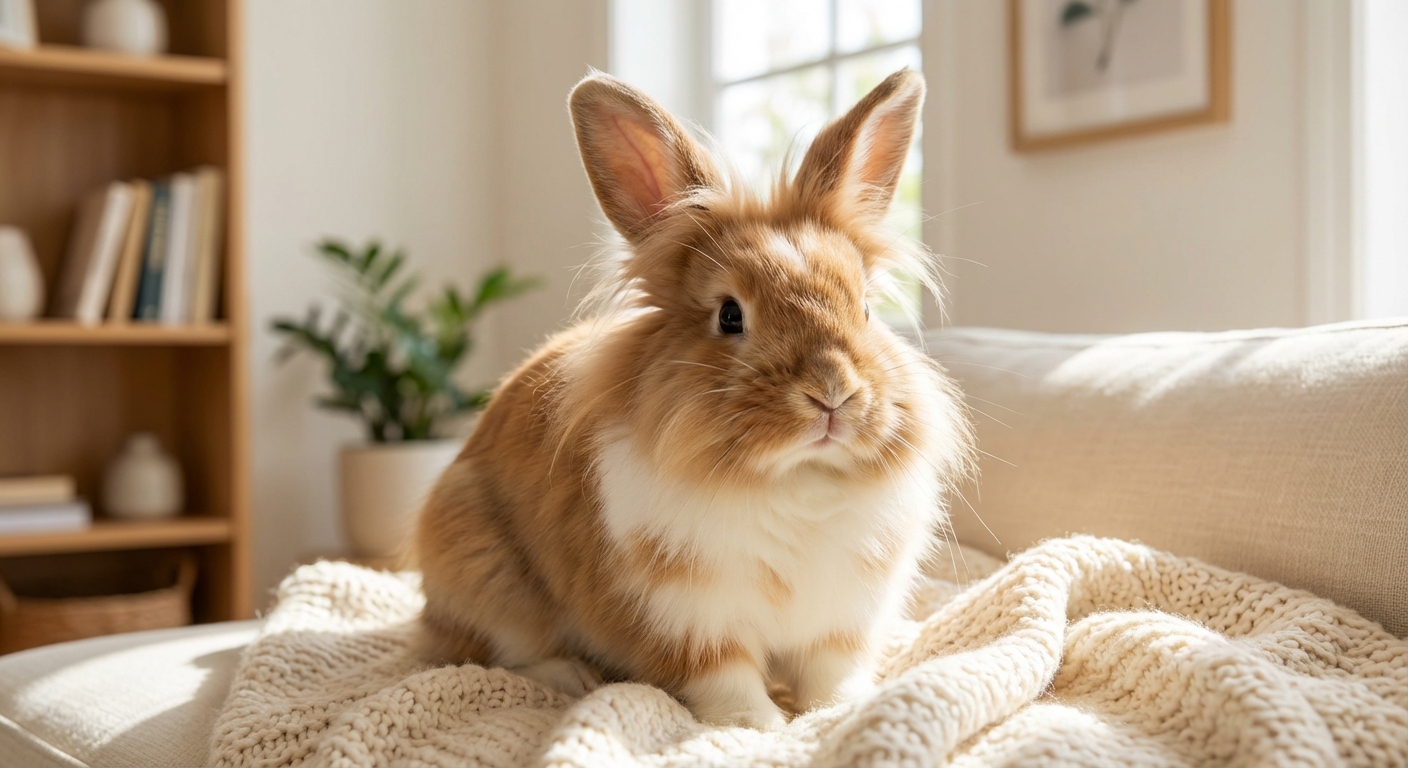
Lionhead rabbits are tiny, alert, and unbelievably expressive. They are also a little more high-maintenance than many first-time rabbit parents expect, mostly because of their signature woolly “mane,” their sensitive digestion, and their need for daily interaction. If you get the basics right, Lionheads often live 8 to 12 years, sometimes longer, and can become deeply bonded family members.
Quick Lionhead snapshot
- Size: About 2.5 to 4 pounds (small breed, some adults may fall outside this range)
- Temperament: Curious, people-oriented, can be cautious if not well-socialized
- Coat: Single-maned or double-maned, requires routine grooming
- Top health priorities: GI health (gut motility), dental wear, coat care, heat sensitivity, region-dependent vaccines
If you are choosing a Lionhead, ask whether they are single-mane or double-mane. Double-maned rabbits tend to have thicker fur around the head and sometimes along the flanks, which can mean more grooming and a higher risk of matting.
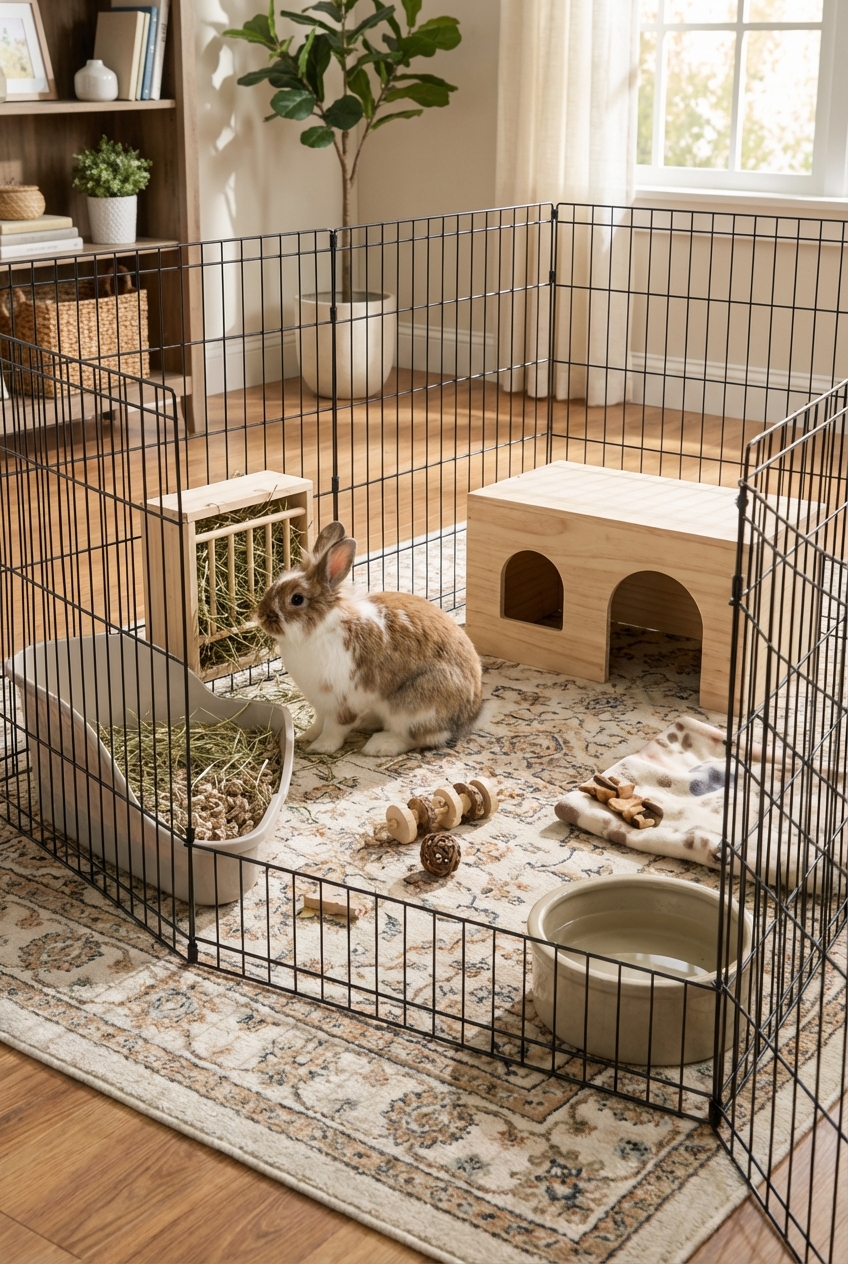
Housing that supports rabbit behavior
Lionheads are often sold with small cages, but those setups usually fail them. Rabbits need room to hop, stand up fully on their back legs, stretch out, and run short “zoomies” daily. Think of their enclosure as a home base, not a long-term holding space.
Space basics
- Enclosure size: Aim for at least 12 square feet for the main living area (for example, a 4 ft x 4 ft setup or a similar-sized x-pen). Bigger is always better.
- Daily exercise: At least 3 to 5 hours outside the enclosure in a bunny-proof space.
- Flooring: Solid flooring with traction. Wire floors can cause sore hocks.
- Must-haves: Constant access to hay and water in the home base, plus a hideout and litter box.
Litter box setup
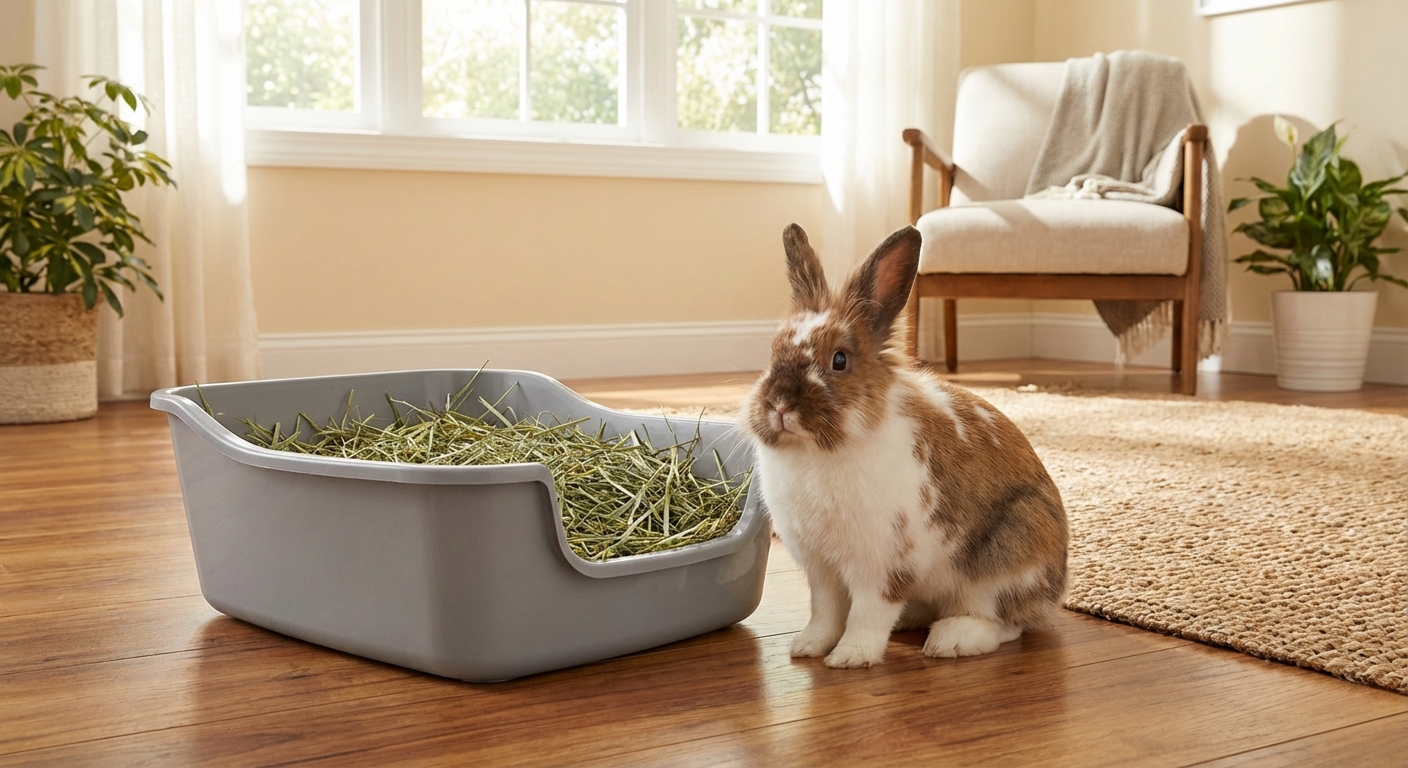
Most Lionheads litter-train beautifully when their environment is set up for success.
- Use a roomy litter box, not a tiny corner tray.
- Fill with paper-based litter or aspen shavings. Avoid clumping cat litter.
- Avoid cedar and non-kiln-dried pine, which can be irritating for rabbits.
- Top with a generous layer of hay, since rabbits like to eat and potty at the same time.
- Place the litter box where your rabbit already prefers to go, then adjust from there.
Temperature and comfort
Lionheads can overheat easily, especially during hot summers. Keep them indoors in a climate-controlled area whenever possible. Many rabbits do well around the mid-60s to mid-70s Fahrenheit, and heat risk climbs as temperatures approach 80°F and above. Provide airflow (fans for circulation, not blowing directly on the rabbit), cool ceramic tiles, and frozen water bottles wrapped in a towel.
Nutrition: hay first
As a veterinary assistant, I can tell you that many emergency rabbit visits trace back to diet. Lionheads have a delicate digestive system that depends on constant fiber intake to keep the gut moving and to naturally wear down teeth.
The ideal daily menu
- Unlimited grass hay: Timothy, orchard grass, or meadow hay for adults. (Alfalfa is usually for babies, pregnant or nursing rabbits, or under veterinary guidance.)
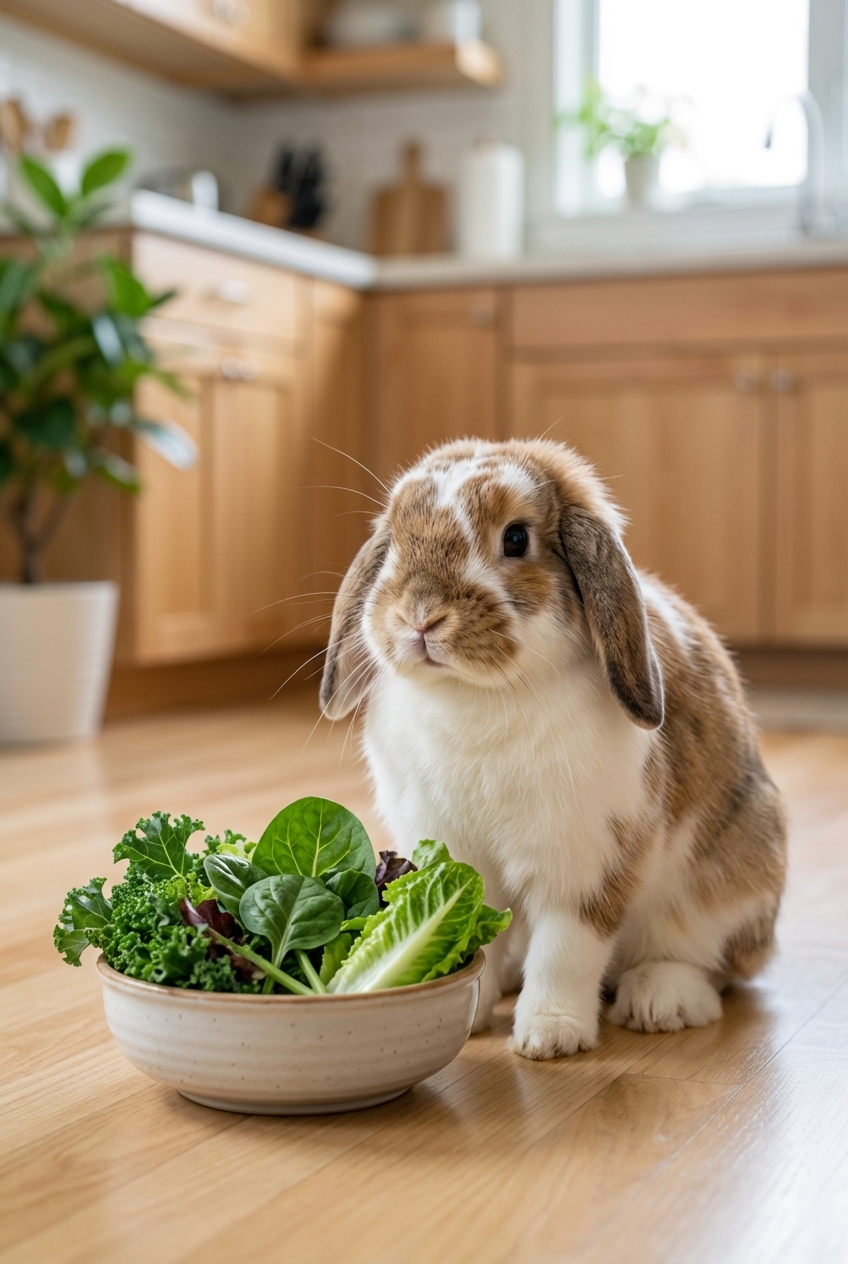
- Leafy greens: A common starting point is about 1 cup per 2 pounds of body weight daily, split into meals. Introduce slowly and adjust based on your rabbit’s stool and tolerance.
- Pellets: A small measured portion. Many adult Lionheads do well with about 1/8 to 1/4 cup of plain high-fiber pellets per day (often less is needed). Your rabbit’s age, weight, and activity level matter, so confirm with your vet if you are unsure.
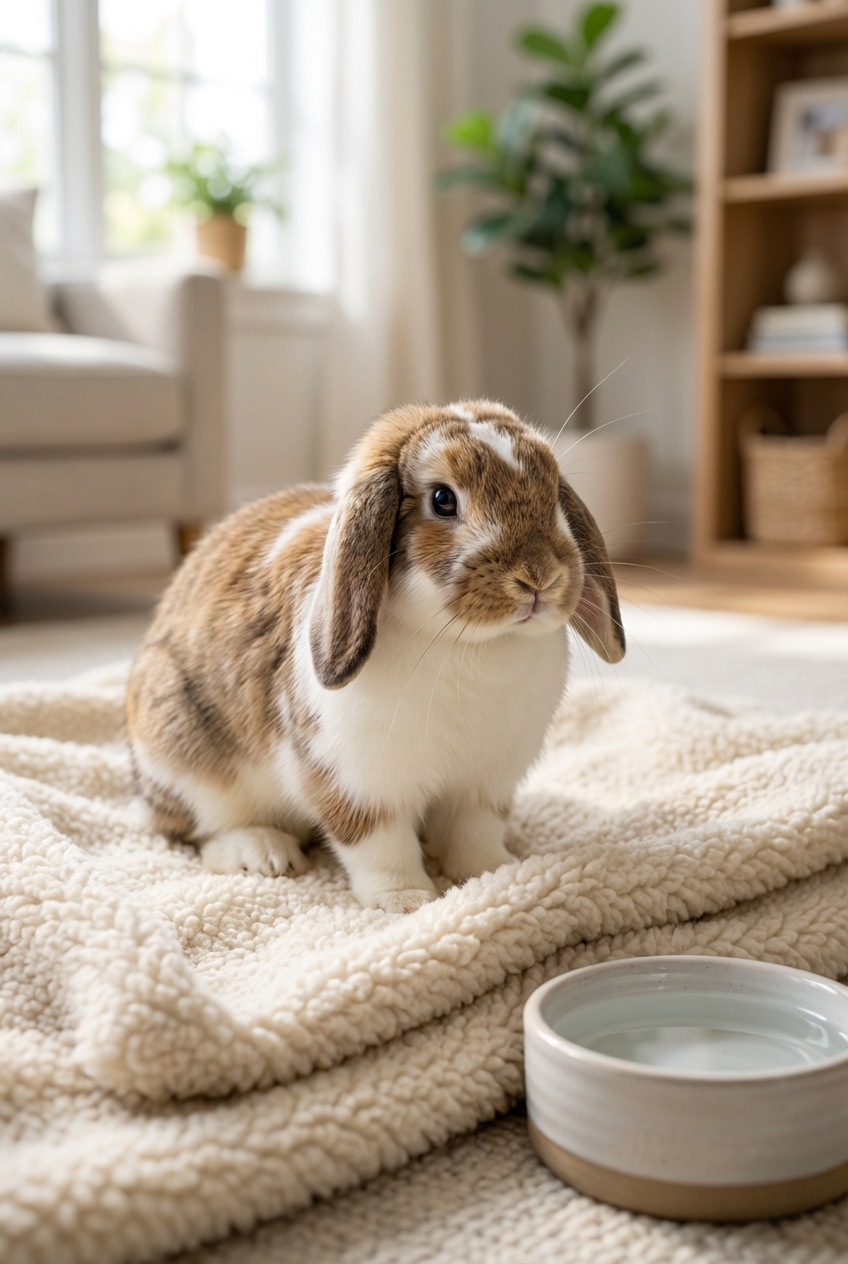
- Fresh water: A heavy ceramic bowl is often preferred over bottles.
Greens that are usually a good fit
Rotate greens for variety and a wider nutrient profile. Wash greens well and introduce any new item slowly.
- Romaine
- Cilantro
- Parsley
- Spring mix (without spinach as the main base)
- Arugula
- Endive or escarole
Greens to keep occasional
Some rabbits do fine with these in small amounts, but they can be “too much” if they become the main daily base.
- Spinach
- Kale
Treats: keep them tiny
Fruit and starchy veggies can be fun, but too much sugar can upset the gut microbiome.
- Offer fruit in teaspoon-sized amounts a few times per week.
- Avoid yogurt drops, crackers, bread, and sugary “rabbit snacks.”
- Skip seed mixes. They encourage selective eating and can be a choking hazard.
If your Lionhead ever stops eating, pooping, or acting interested in food, treat it like an emergency. GI stasis can become life-threatening quickly.
Grooming: the mane needs a plan
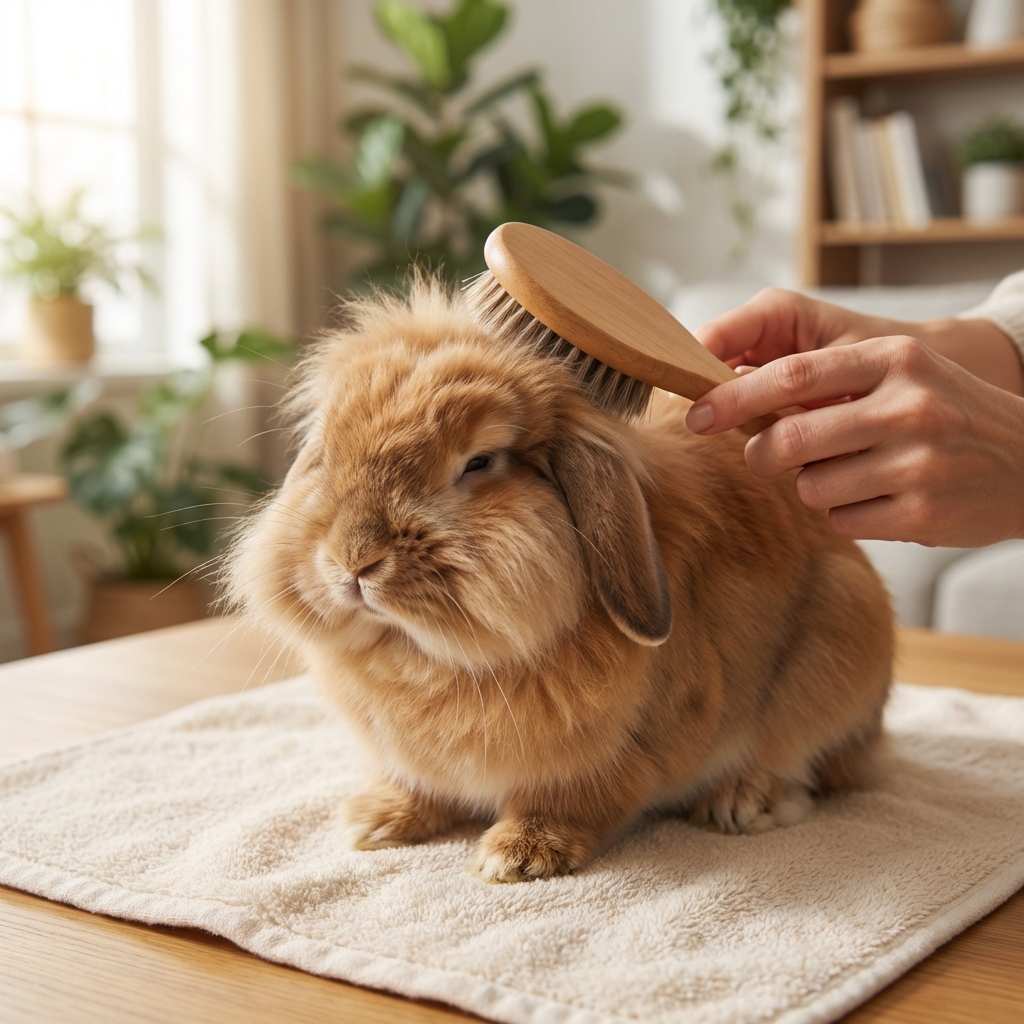
The Lionhead coat is adorable, but it comes with responsibilities. Matting can cause painful skin issues, and swallowed fur can contribute to digestive trouble because rabbits cannot vomit.
Weekly routine
- Brush 2 to 4 times per week, and daily during heavy molts.
- Use the right tools: A soft slicker brush and a wide-tooth comb are usually safe choices. Be gentle because rabbit skin tears easily.
- Check common mat zones: Under the chin, behind the ears, armpits, and around the tail.
Nails and hygiene
- Nails: Typically every 4 to 6 weeks. If you are unsure, ask your rabbit-savvy vet team for a demo.
- Baths: Avoid full baths. Bathing can cause dangerous stress and chilling, and it is generally not recommended. Use a spot-clean approach if needed.
Common health concerns
Rabbits are prey animals, so they hide illness. A “quiet” rabbit is not always a relaxed rabbit. Knowing the common issues helps you act early.
1) Dental disease
Rabbit teeth grow continuously. Without enough hay and chewing, teeth can overgrow or form sharp points.
- Watch for: Drooling, wet chin, decreased appetite, picky eating, weight loss, smaller or fewer droppings.
- Prevention: Unlimited hay, safe chew toys, and routine veterinary exams.
2) GI stasis and gut upset
Stress, pain, low-fiber diets, dehydration, and sudden food changes can slow the gut.
- Watch for: Not eating, no poops, hunched posture, grinding teeth, lethargy.
- Prevention: Hay first, stable routine, good hydration, prompt treatment of pain or dental issues.
3) Shedding and ingested fur
You may hear the term “wool block,” but many veterinarians prefer to frame this as GI stasis where ingested fur and low fiber can contribute to slowed gut motility. A true obstruction is a veterinary diagnosis. The practical takeaway is the same: fiber, hydration, and grooming matter.
- Focus on: Regular brushing, unlimited hay, consistent water intake.
4) Ear mites and skin issues
Thick fur and sensitive skin can hide problems early.
- Watch for: Head shaking, scratching, crusting in ears, bald patches, dandruff-like flakes.
- Action step: See a vet. Do not use dog or cat parasite products unless specifically prescribed for rabbits.
5) Heat stress
Lionheads can overheat fast.
- Watch for: Rapid breathing, weakness, drooling, hot ears, collapse.
- Prevention: Indoor housing, airflow, cool ceramic tiles, frozen water bottles wrapped in a towel.
6) RHDV2 and vaccines
Rabbit Hemorrhagic Disease Virus (RHDV2) is a highly contagious and often fatal virus that is present in many regions. Ask your rabbit-savvy veterinarian about local vaccine recommendations and risk factors for your area, including indoor-only rabbits.
Handling and bonding
Lionheads can be affectionate, but many dislike being picked up. That is normal rabbit behavior. Instead of forcing cuddles, build trust with consent-based handling.
Build trust
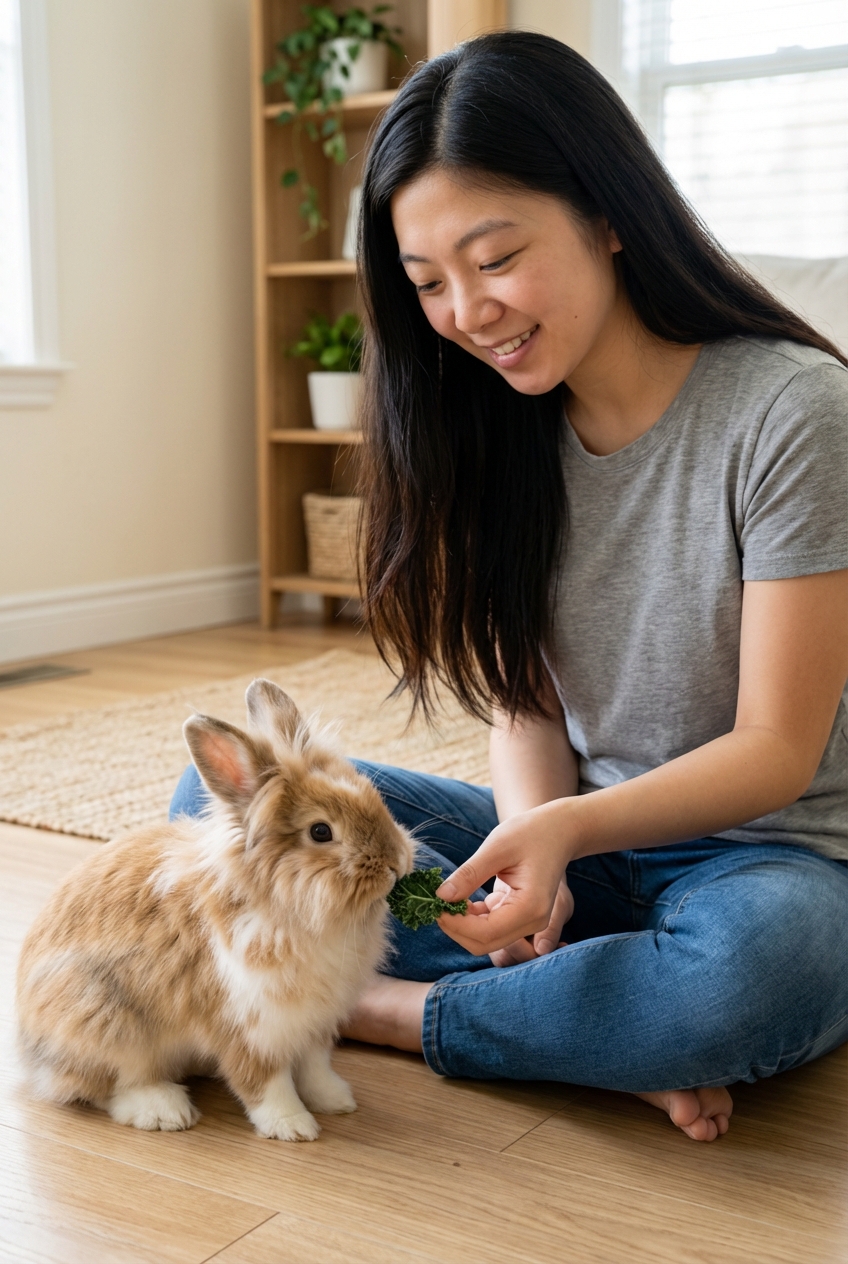
- Sit on the floor and let your rabbit approach you.
- Offer a small herb sprig (like cilantro) as a “hello.”
- Pet the forehead and cheeks first. Many rabbits dislike back-end touching early on.
- Keep sessions short and positive.
If you must pick up your rabbit
Support the chest and the hindquarters securely. Never lift by the ears or scruff. If your rabbit thrashes, gently return them to the ground and try again later. Injuries can happen when a rabbit kicks while unsupported.
Solo or bonded pair?
Many rabbits do best with a compatible, bonded companion, but bonding takes time and should be done thoughtfully. Spay or neuter first, go slow, and do not assume two rabbits will “work it out” on their own. If you keep a single rabbit, plan on daily social time and enrichment.
Enrichment and exercise
A bored rabbit becomes a destructive rabbit, or a depressed one. Lionheads are smart and love routines.
Easy enrichment ideas
- Foraging: Hide pellets or herbs in a paper bag stuffed with hay.
- Tunnels and hideouts: Cardboard boxes with two entrances help them feel safe.
- Chewing: Apple sticks, willow balls, untreated cardboard.
- Training: Target training with a small treat can build confidence and improve handling.
Bunny-proofing basics
- Cover cords with cord protectors and keep them out of reach.
- Block access under beds and behind appliances.
- Provide acceptable chew options, then redirect calmly.
Spay or neuter?
For most pet rabbits, yes. Spaying and neutering can reduce spraying, territorial behaviors, and frustration. For females, spaying is especially important because unspayed rabbits have a high risk of uterine cancer as they age.
Talk with a rabbit-experienced veterinarian about timing, anesthesia safety, and post-op care. Make sure pain control is part of the plan, since pain can reduce eating and slow the gut.
When to call the vet
If you are ever unsure, it is better to call early. Rabbits can decline quickly when something is wrong.
- Not eating for 6 to 8 hours, or refusing favorite foods
- No droppings, very small droppings, or sudden diarrhea
- Not drinking, or signs of dehydration
- Labored breathing or overheating
- Head tilt, loss of balance
- Significant drooling or wet chin
- Blood in urine or straining to urinate
- Any suspected ingestion of fabric, foam, plastic, or litter
- Any sudden change in behavior that lasts more than a day
Actionable tip: Keep a small “rabbit health kit” at home: a digital kitchen scale (weekly weigh-ins help you catch illness early), nail trimmers, a grooming comb, and your rabbit vet’s emergency number.
Also ask your vet about: Region-appropriate vaccination (including RHDV2 where recommended) and any parasite prevention that is safe for rabbits. Do not use over-the-counter dog or cat products unless your vet directs you to.